Sorrento Wineries: Which Cellars and Wine Tastings to Pick
Plan a wine day from Sorrento: cellar and vineyard tastings in town, peninsula vineyards and Vesuvius-slope estates, with transport and booking advice.
On this page
Searching for Sorrento wineries turns up an awkward mix: a historic cellar in the center of town, a scatter of small family vineyards on the terraced peninsula, and the vineyard belt on the slopes of Vesuvius above Naples. They are an hour or so apart by train and bus, and each suits a different kind of day. This guide separates the three so you can size the trip to your base.
Use a wine tasting in sorrento plan as the backbone: start with the in-town cellar while you settle in, add a peninsula vineyard when you want terraces and sea air, and give Vesuvius its own full day so the travel and the tasting do not collide.
What Wine Is Made Around Sorrento?
The peninsula has its own appellation, Sorrento DOC, produced as a white and a red from vineyards clinging to terraces above the coast. Campanian white grapes such as Falanghina and Greco appear across the region, while Piedirosso does much of the red work; on the Vesuvius side the same varieties underpin Lacryma Christi. Knowing these names lets you read a tasting list before you commit to a drive.
Styles are light and coastal rather than powerful: whites built for fish and lemon-scented evenings, reds that suit a plate of pasta. That matters for planning, because a peninsula tasting tends to be a short, convivial stop rather than a long cellar marathon. If you want depth on one estate, put your time there and keep the rest of the day simple.
Cantine De Angelis: The Cellar in Central Sorrento
Cantine De Angelis is a historic winery in the center of Sorrento, and it offers tastings in the cellar or in the vineyard, with its Sorrento Bianco, Sorrento Rosso and Kalliope wines listed for sale on site. That combination makes it the practical day-one move for anyone without a car: you can walk to it, taste, and walk back to your hotel without touching a timetable.
The site describes tastings as bookable rather than fix times, so treat the cellar or vineyard choice as the first question you settle. Ask which option is running on your dates, how many wines are poured, whether food comes with it and how long it lasts. A central cellar visit also doubles as a rainy-day fallback when the coast is grey and the terraces are muddy.
Because it sits in town, this is where a wine tasting fits most easily into a sightseeing day rather than replacing it. Pair an afternoon slot with the rest of central Sorrento and keep the evening free. If you are building a wider Sorrento Peninsula itinerary, this cellar is the anchor to plan the other days around.
Terraced Vineyards on the Sorrento Peninsula
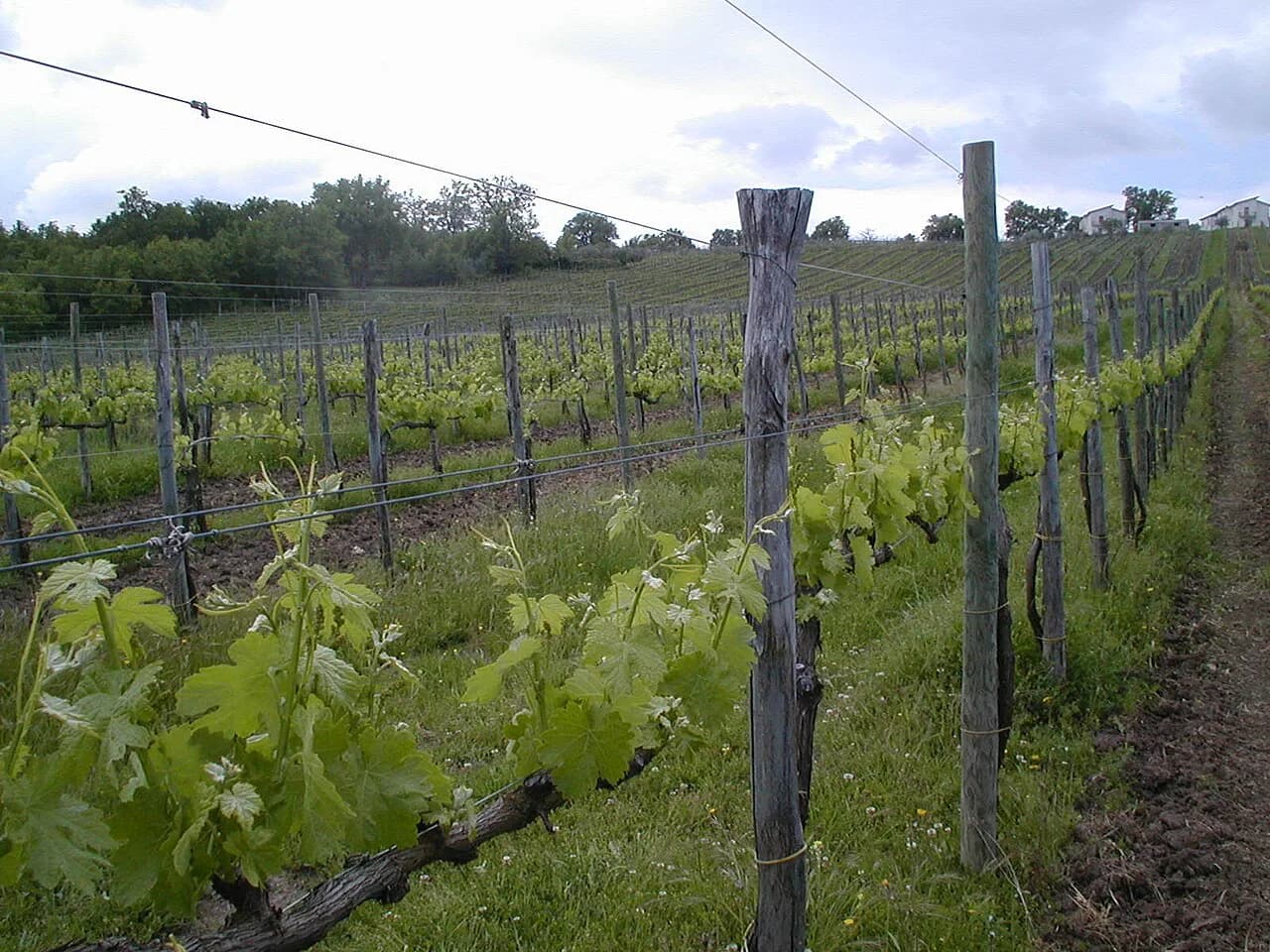
Outside the town center, the peninsula's vineyards are small and terraced, spread across the slopes above Sorrento toward Massa Lubrense and Sant'Agata sui Due Golfi. These are working family plots rather than large visitor estates, so the experience is often a walk between rows, a look at a tiny cellar and a short tasting rather than a formal tour with a shop. Group two villages at most in a day, because the coastal roads are slow.
Some of these small holdings double as agriturismo accommodation, which changes the calculus: staying a night on the peninsula removes the transport problem entirely and lets you taste in the evening. If that appeals, an agriturismo base near Massa Lubrense is worth pricing against a hotel in Sorrento before you commit.
Do not assume every terraced plot welcomes drop-ins; many take visitors only by arrangement, and a phone call or email is the normal first step. Ask whether the visit is in Italian or English, how many wines are poured and whether you will see the vines or just the cellar. Those three answers tell you whether the stop is worth the winding bus ride.
Vesuvius Slopes: Lacryma Christi and the Fuller Wine Day
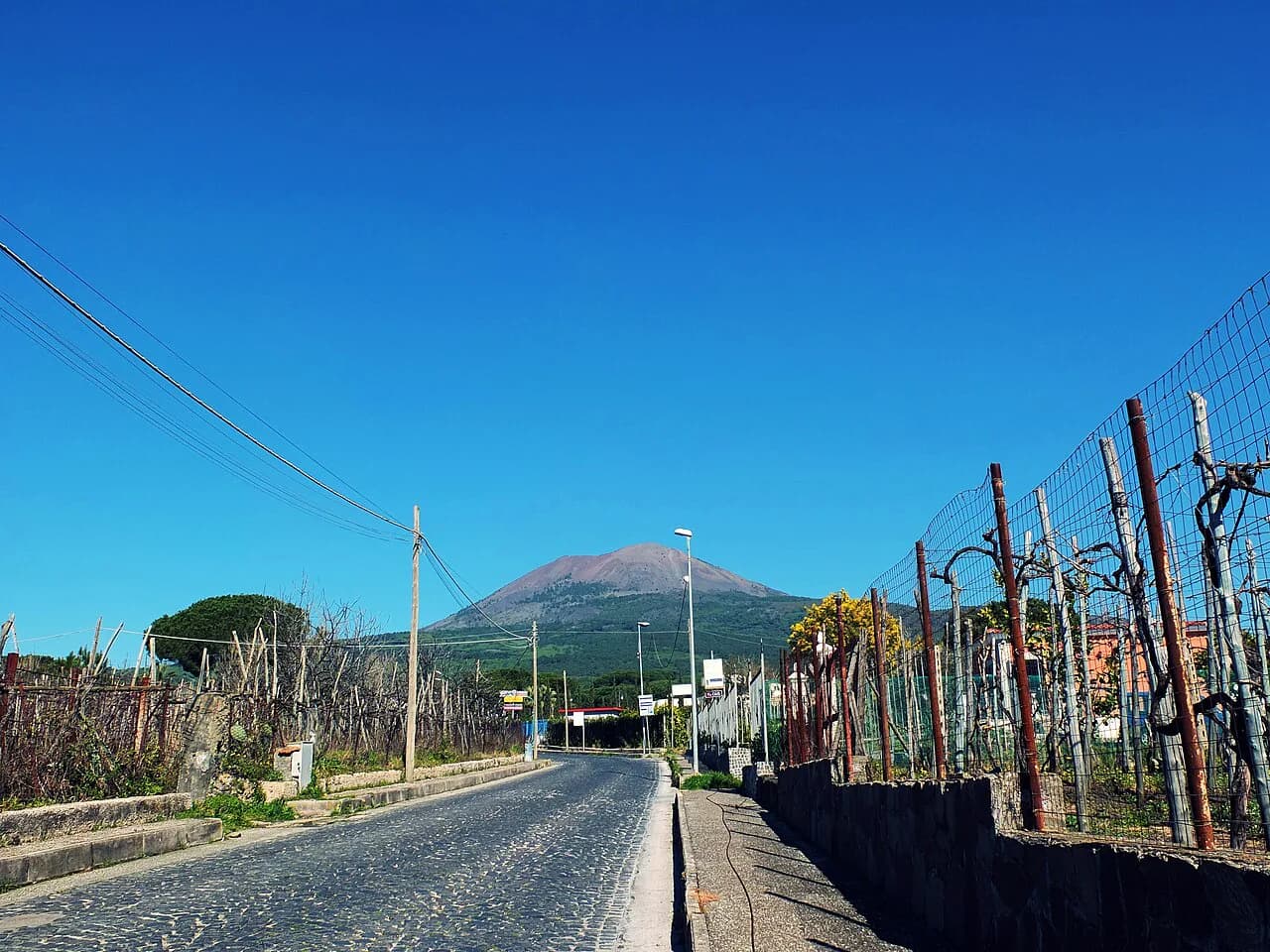
The Vesuvius slopes above Ercolano and Pompeii are where Lacryma Christi is made, and several estates there run vineyard tours and tastings that are more structured than anything on the peninsula. This is the fuller wine day: you get volcanic soils, a proper walk through the vines and a seated tasting, and you can bolt a ruins visit onto the same outing.
The trade-off is travel. Reaching the Vesuvius side means the Circumvesuviana train toward Naples and then a local connection or taxi up the slope, so the day is long and the return leg matters as much as the outward one. A specific estate visit such as cantine del vesuvio shows how these tours are usually structured, which helps you compare offers before booking.
Build the day around one estate plus one archaeological site, not two estates and a ruin. Volcanic-soil reds and whites reward attention, and squeezing in a second tasting usually means rushing the first. Book the estate slot first and fit Pompeii or Ercolano around it.
Getting Around Without a Car
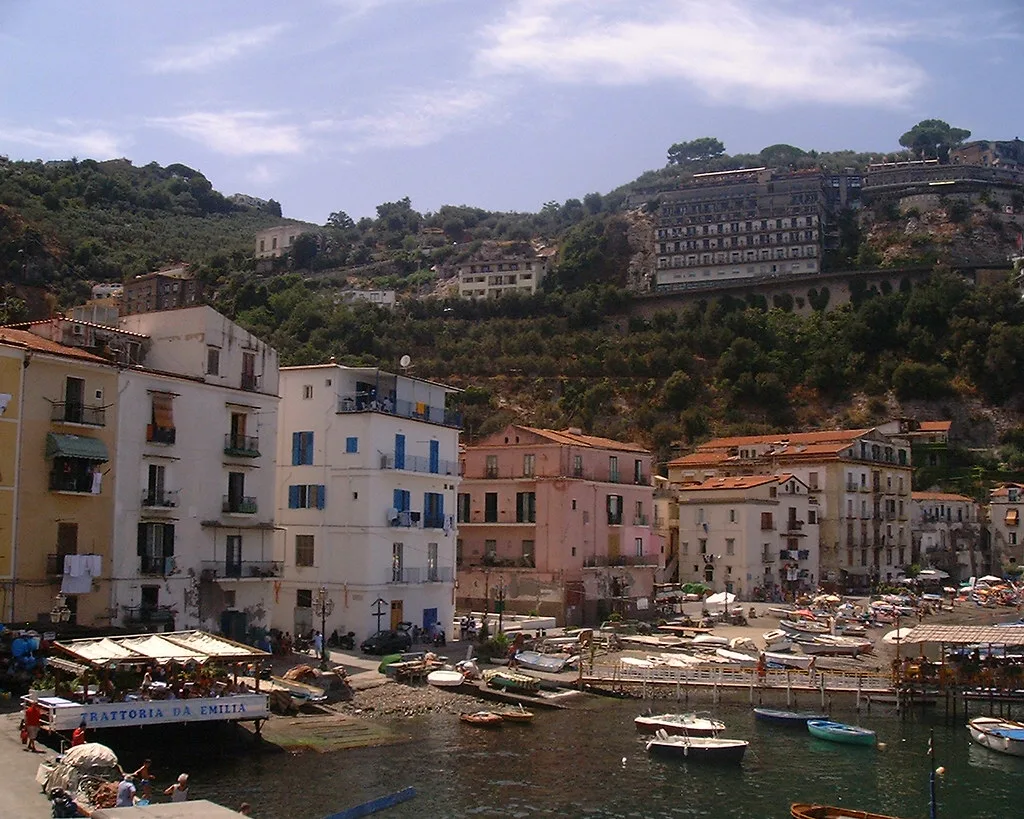
Central Sorrento is walkable, so the in-town cellar needs no transport planning at all. For the peninsula, SITA buses run along the coast road toward Massa Lubrense and Sant'Agata sui Due Golfi; for Vesuvius, the Circumvesuviana line connects Sorrento with the Naples-side stops. Timetables change by season, so pull the current ones the day before you travel rather than trusting a schedule you read weeks earlier.
Taxis on the peninsula are convenient but expensive for longer runs, and availability thins out in the evening, which is exactly when a tasting tends to end. If you plan to drink, the smart move is a tour or public transport so nobody in the group is stuck behind the wheel; a driver in your party should use the spittoons rather than taste. That single decision shapes whether an independent day or a wine tours booking makes more sense.
Guided wine tours handle the appointments, the driving and the return leg, which is worth real money on the Vesuvius side where connections are fiddly. Going independently is cheaper and gives you more time at each stop, but you carry the booking admin and the timetable risk. Pick based on how many stops you want and how late you intend to stay.
Booking Culture: What to Settle Before You Go
On the peninsula, reservations by email or phone are the norm for anything beyond a shop purchase, and smaller estates may need several days' notice, more in high season. Party size matters: some family cellars cap visits, so state your number up front. Ask about the language of the tour, the number of wines poured, whether food is included and how long the visit runs.
Write those four questions into one short email and send it to two or three estates at once, then book the first that answers clearly. Confirm the meeting point, since rural addresses are not always obvious from a bus stop. Keep a copy of the confirmation on your phone in case the driver or guide needs the address.
Harvest and Seasons
Late summer into October is harvest on the peninsula, when terraced vineyards are busy and small producers are least available for visits. That is atmospheric but impractical for a tour, so if you want to see the vines at work, ask specifically whether visits run during picking. Outside harvest, spring and early autumn give the most comfortable weather for terraced walking.
Winter visits need more advance planning: some small estates close or work by arrangement only, and daylight is short on the coast road. Rather than guessing, ask when you book whether the vineyard walk is part of the winter visit or whether it is cellar-only. That answer is more useful than any seasonal calendar.
Tasting in Town Without a Vineyard Trip
When a vineyard day will not fit, Sorrento's enoteche and wine bars pour Campanian bottles by the glass, from Falanghina and Greco to Piedirosso and Lacryma Christi. This is the low-effort way to taste widely: several small glasses across a region in one evening, with no timetable and no driver. Use it to decide which estate or village deserves your next day out.
A wine bar also solves the rainy-day problem and the late-arrival problem, both common on the coast. Ask what is open by the glass rather than by the bottle, and whether the staff can pour a small taste before you commit to a glass. It is the cheapest way to learn the local grape names before you sit down at a cellar.

One-Day and Two-Day Plans
For one day, book the central cellar for a morning or early afternoon slot, then walk the town and eat near Piazza Tasso; you get a real tasting without any transport risk. If you have a little more appetite for travel, swap the afternoon for a SITA bus to a peninsula village and one short vineyard visit, provided you have confirmed it in advance.
For two days, keep day one in town and give day two entirely to Vesuvius: one Lacryma Christi estate plus Pompeii or Ercolano, with the Circumvesuviana as your spine. That split avoids the classic mistake of trying to see the peninsula and the volcano in one day. If you later head north, wineries near verona follow a different logic again, but the same rule applies: one region per day, much as you would weigh montepulciano wineries in Tuscany as a separate outing.
Skip List: What Is Not a Sorrento Winery
Searches for Sorrento wineries also surface Sorrenti Winery, which bills itself as the Poconos' oldest winery and is located in Saylorsburg, Pennsylvania, not in Italy. Its own site lists a Saylorsburg address and a tasting room with pizzeria hours, so it is a name collision rather than a local option. Ignore it when planning a trip from Sorrento.
Travel listing pages for the area also mix shops, gardens and lemon groves into winery lists, which can make the local scene look bigger than it is. Treat those roundups as a starting point for names and then confirm on each producer's own site that wine is made and visits are offered. That one extra step keeps a day from ending at a shop counter instead of a cellar.
Plan Your Visit
Sorrento rewards a simple plan: taste in town first, then choose either the terraced peninsula or the Vesuvius slopes for a full day, not both. Book the estate before you fix the transport, and let the train or bus timetable decide the shape of the day rather than the other way round.
One confirmation call or email before you travel covers the details no listing will settle for you. Then leave the car keys behind, use the spittoons if you are driving at all, and give the coast the afternoon it deserves.
Frequently Asked Questions
Is there a vineyard in Sorrento itself?
Yes. Cantine De Angelis, a historic winery in central Sorrento, offers tastings in its cellar or in its vineyard and sells Sorrento Bianco, Sorrento Rosso and Kalliope wines. Tastings are arranged by booking rather than sold as fixed walk-in slots, so settle the cellar-or-vineyard choice and the timing when you reserve.
Can you taste wine in Sorrento without a car?
Yes. The in-town cellar is walkable from the center, SITA buses run along the peninsula coast road, and the Circumvesuviana line connects Sorrento with the Naples side for Vesuvius-area visits. Check current timetables the day before, because schedules shift with the season.
Do Sorrento wineries require bookings?
The central cellar describes its tastings as bookable, and small peninsula estates generally take visitors by arrangement rather than drop-in. Email or call ahead with your party size and dates, especially in high season, and expect smaller family cellars to have limited capacity.
What wine is made in Sorrento?
Sorrento DOC is produced as a white and a red from peninsula vineyards, with grapes such as Falanghina, Greco and Piedirosso appearing across Campania. On the Vesuvius side, the same varieties underpin Lacryma Christi, which is why the volcano slopes make a distinct second wine day.
How do you get from Sorrento to Vesuvius vineyards?
Take the Circumvesuviana toward Naples and continue locally toward the Vesuvius slopes above Ercolano and Pompeii, or join a tour that handles the connections. The estate visit should be booked first, then the train and local leg fitted around it.
Is a Sorrento winery tour worth it compared with going independently?
A tour costs more but removes the appointments, driving and the late return trip, which matters most on the Vesuvius side. Independent travel is cheaper and gives you longer at each stop, but you carry the booking admin and timetable risk. Choose based on your number of stops and how late you plan to stay.
Sources
Notes for your next wine trip
Optional updates to our winery and wine-town guides.
You might also like

Continue reading
More guides you'll find useful