Sorrento Wine Tours: Vesuvius, Pompeii and Peninsula Options
Compare Sorrento wine tours to Vesuvius, Pompeii and Campania cellars, plus a food-and-wine walk, with prices, times and booking rules from listed operators.
On this page
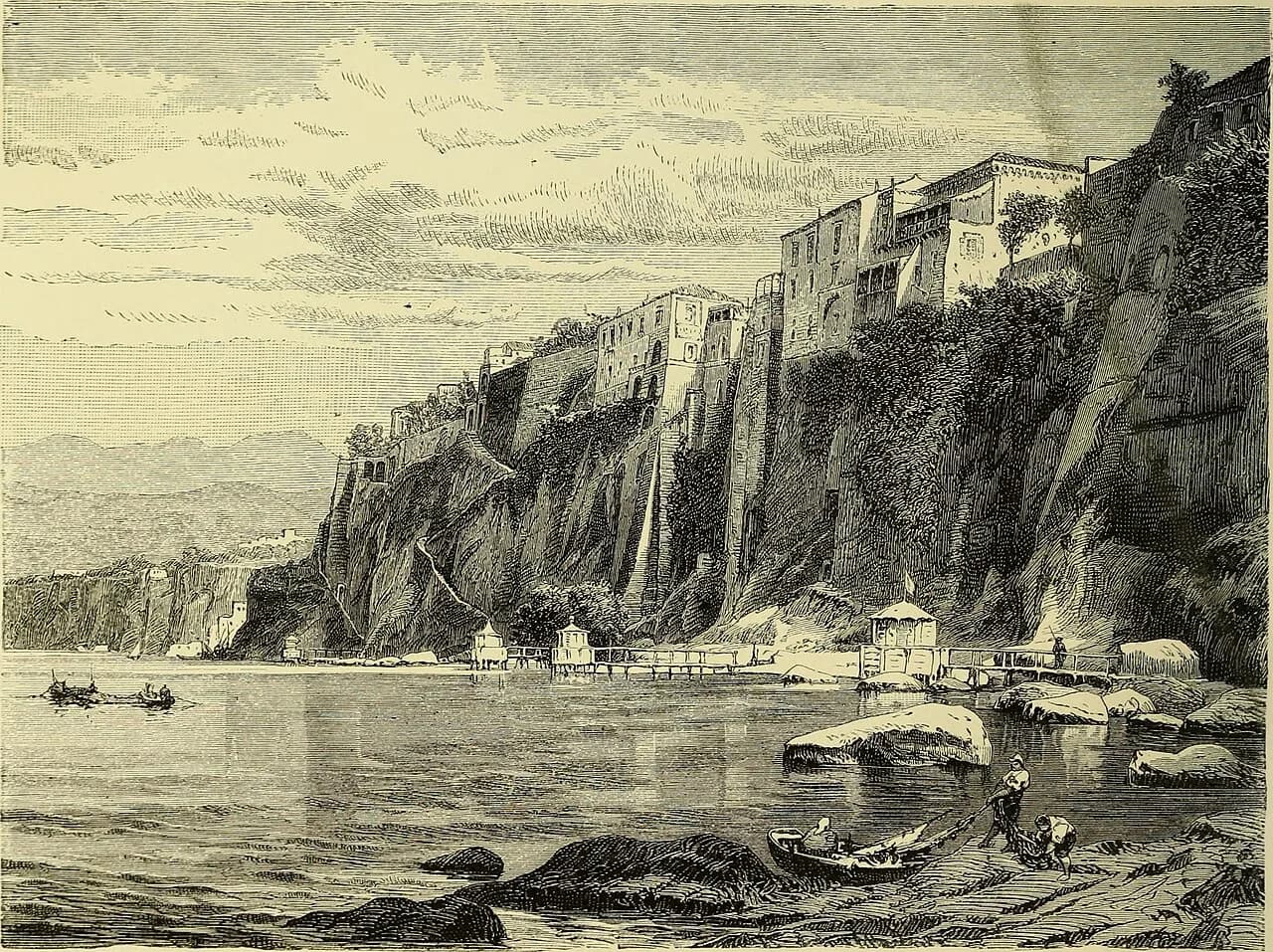
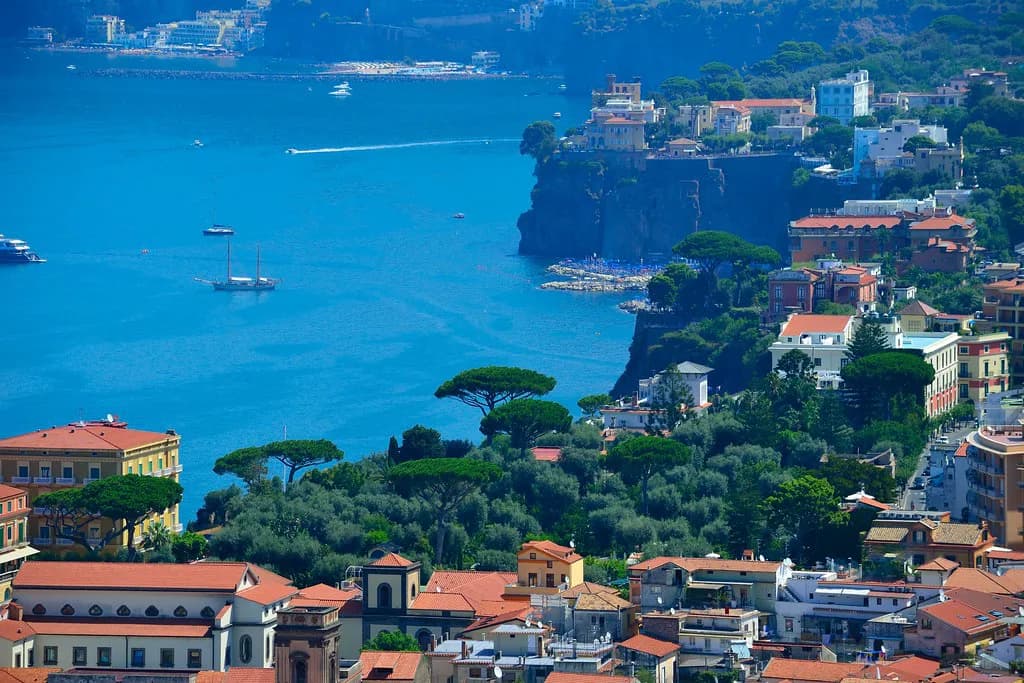
Sorrento sits on cliffs above the Bay of Naples, and its historic center is a warren of hotels, limoncello shops and restaurants rather than a ring of vineyard estates. The wine you came for is grown on the volcanic slopes of Vesuvius and in the hills around Pompeii and the Campania interior, which is why almost every serious tasting here is packaged as a tour with transport built in. Think of the town as your bed and your evening glass, and plan at least one day out to the cellars themselves.
This guide compares the wine days actually sold to Sorrento visitors, using the details operators publish: duration, group minimums and maximums, language, meeting point, cancellation window and price. It also separates the wine tours from the walking food tour, which is a pleasant afternoon but not a winery visit. For the broader picture of what is pour-able in and around town, see our guide to wine tasting in Sorrento.
Why Sorrento Is a Tour Base, Not a Vineyard Town
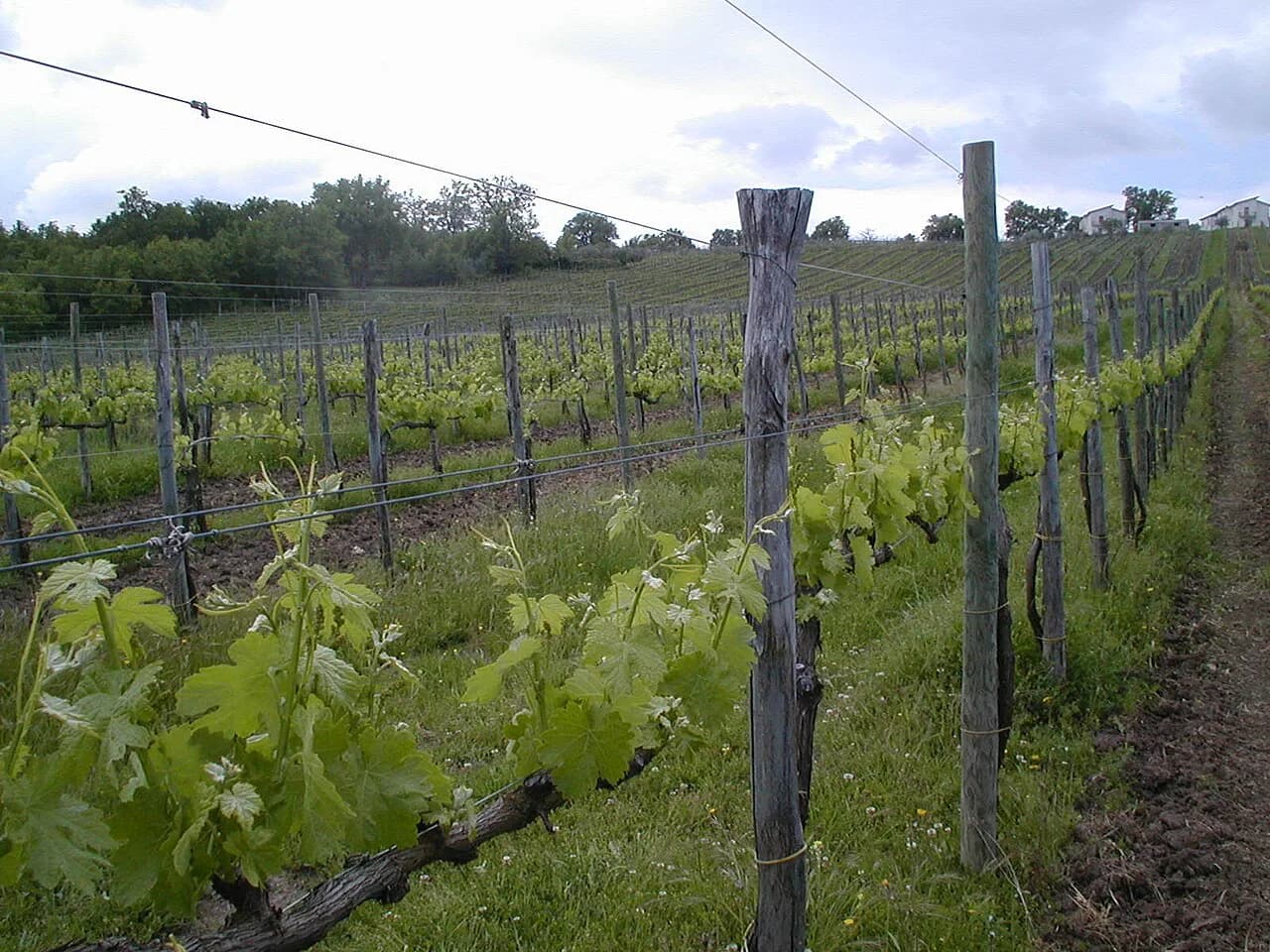
The Sorrento Peninsula itself is terraced and planted, but the terraces are steep, fragmented and largely worked by smallholders, so there is no cluster of visitor-ready estates inside the town. A local forum thread from 2012 made the same point bluntly, noting that wine tours were not common in Sorrento and the Amalfi Coast in the way they are in Tuscany and that callers were expected to ring ahead; treat that as historical context rather than a current rule. The practical result today is that organized departures do the geography for you, carrying you off the peninsula to the wine zones.
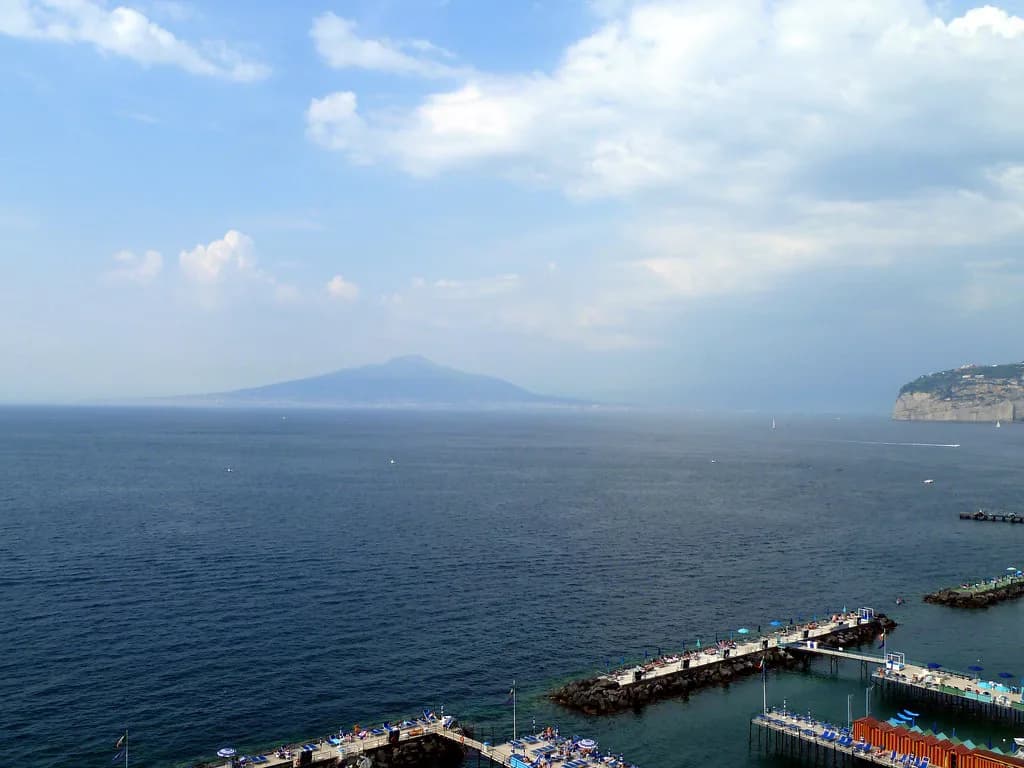
That geography shapes your choice. Vesuvius sits across the bay north of Sorrento, Pompeii and its surrounding wine estates lie east along the Circumvesuviana rail line, and the classic Campania white appellations sit further inland in Irpinia. A half day realistically covers one zone with a cellar stop; a full day lets an operator string together the coast road, a winery and a ruin. If you would rather stay close to base, browse the wineries and cellar doors that do take visitors on the Sorrento Peninsula before committing to a tour.
Harvest on the peninsula and on Vesuvius generally falls in September and early October, with whites picked earlier than the Aglianico and Piedirosso that go into the region's reds. That window is also when small cellars are busiest with their own work, so tour capacity tightens and departure times can shift; booking several weeks ahead is sensible for late September. Outside harvest, spring and early autumn give the most comfortable vineyard weather.
The Tour-Plus-Winery Model: What You Are Actually Buying
A Sorrento wine tour is usually a transport product with a tasting attached: a driver or guide collects you, handles the coast or motorway driving, and hands you over to the winery for the cellar visit and the flight of wines. What varies enormously is how much of the day is wine and how much is sightseeing. On the Vesuvius and Pompeii products, the archaeological or volcanic stop takes a large share of the hours, so the tasting may be a single focused visit rather than a crawl through several estates.
Listings rarely spell out the pour count, so ask before paying: how many wines are included, whether the cellar or barrel room is part of the visit, whether food comes with the flight, and whether the winery stop is private or shared with other groups. Those four answers tell you more about value than the headline price. When a listing names a specific winery rather than a generic estate, you can look that producer up directly to see what their standard visit includes.
Booking Snapshot: How the Listed Wine Days Compare
The Campania wine experiences currently listed for the Sorrento and Naples area differ most on length and group floor. The Vesuvius tour with wine tasting from Naples runs 3 hours from a minimum of 2 guests; the full-day Positano, Sorrento and Vesuvio Winery tour runs 8 hours for 2 to 8 guests; and the Pompeii ruins plus Vesuvius-area wine tasting day runs 8 hours for 3 to 8 guests. Prices start at 115, 250 and 335 euros respectively, per the operator's listing, and all three carry a group discount on some departures.
Two things stand out for anyone traveling as a couple or a small family. First, the minimum party of 2 is standard on the shorter products but the Pompeii day needs 3, which pushes solo travelers toward the other options or a supplement. Second, the upper caps are tight at 8 guests, which keeps the winery visit civilized but means popular dates sell out; if you are a group of six or more, book as one party rather than separately. Independent listings aggregated on tour platforms show similar two-hour, five-wine cellar tastings in the area, useful as a price benchmark when you compare.
Half-Day Option: Vesuvius Wine Tasting from Naples
The shortest serious wine product is the three-hour Vesuvius tour with wine tasting, which starts from Naples rather than Sorrento and requires a minimum of two guests. Its selling point is efficiency: you get the volcanic wine zone and a tasting without surrendering a whole day, which suits travelers splitting their stay between Naples and the peninsula. The trade-off is the transfer time from Sorrento to the Naples departure point, which you arrange yourself and which effectively stretches the outing well beyond three hours.
If Vesuvius is the draw, it is worth reading up on the estates on the mountain's lower slopes before you pick a departure, since the volcanic soil and the Lacryma Christi style are the reason to come. Our notes on visiting a Cantina del Vesuvio explain what a cellar visit on the mountain typically involves and how the winery stop fits into a volcano day.
Full Day: Positano, Sorrento and the Vesuvio Winery
The eight-hour Positano, Sorrento and Vesuvio Winery tour is the one that most closely matches a classic Amalfi Coast day with wine attached: it takes two to eight guests and strings the coastal drive together with a winery visit. It is the right pick if you want the postcard scenery and a proper cellar stop in one booking, and the wrong pick if you want to spend the bulk of the day in vineyards. Budget the full day and an early start.
Because the day crosses the coast road, traffic in high season can squeeze the time at the winery, so ask the Winedering supplier roughly how long the estate stop lasts and whether the tasting is before or after Positano. Couples should note the two-person minimum is easy to meet; families with three or more children may find the eight-guest cap restrictive once adults are counted. For the wider spread of guided options across Campania, our comparison of wine tours is a useful next read.
Pompeii Ruins Plus Vesuvius-Area Wine Tasting
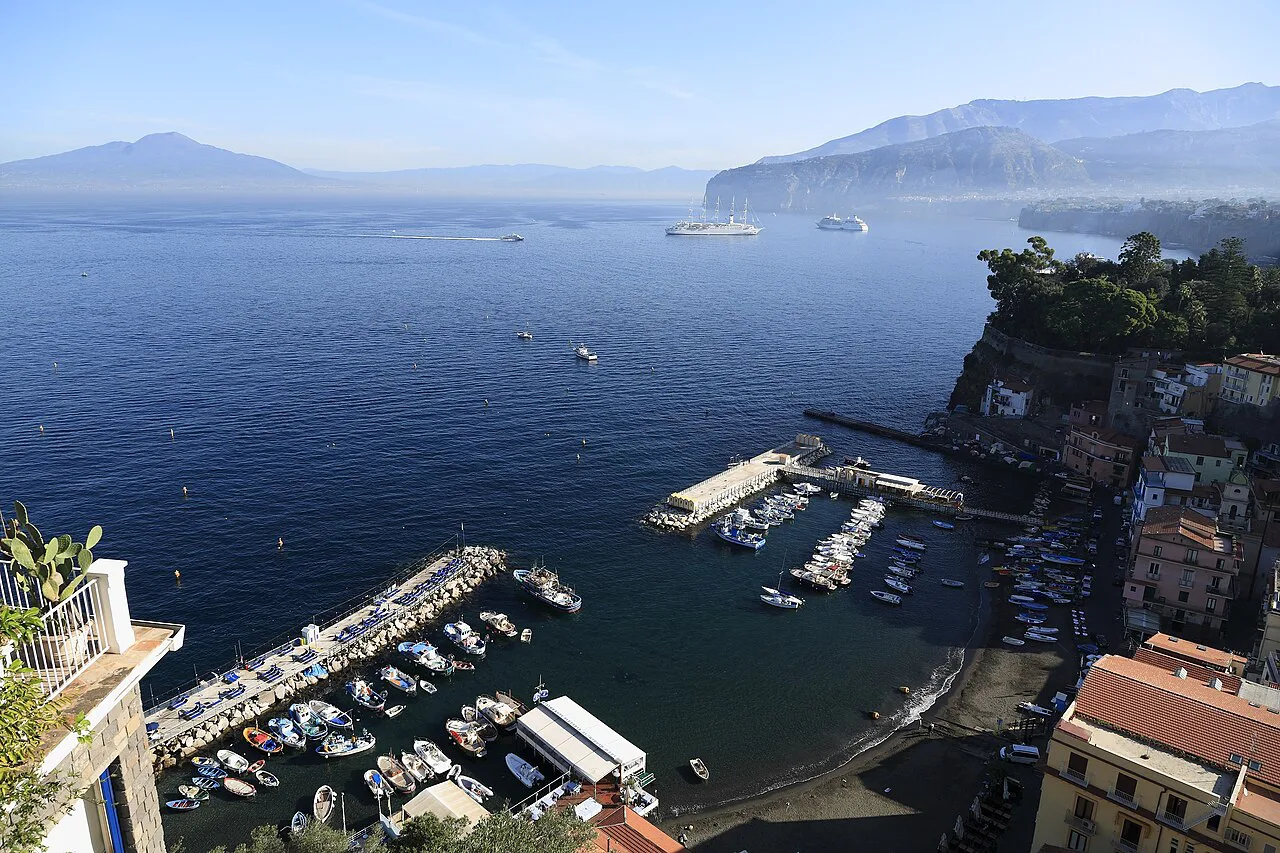
The longest and most expensive listed product pairs the Pompeii archaeological park with a wine tasting in the Vesuvius area: eight hours, a minimum of three and a maximum of eight guests, from 335 euros per Winedering. It is the best fit for travelers who want the ruins as the main event and the winery as the reward afterward, and it saves you from negotiating the Circumvesuviana train and site tickets separately. The three-guest floor means solo travelers and couples should look at the other products first.
Pompeii in summer is hot and shadeless, so the order of the day matters: a morning on the ruins followed by a shaded cellar tasting is far more comfortable than the reverse. Ask whether entry tickets to the archaeological park are included in the quoted price or collected on the day, because that difference is significant. The same Vesuvius-area estates that supply this tour are covered in our winery notes for the mountain.
The Alternative: A Sorrento Food-and-Wine Walk
If you want an afternoon in town rather than a day in a cellar, the walking food tour in Sorrento runs 2 hours 30 minutes on Mondays, Wednesdays and Fridays, starting at 16:00 from Piazza Tasso, for 2 to 8 guests in English or Italian at 89 euros per adult with free cancellation up to two days before. It includes a guided walk through the historic center, a visit to a cheese and limoncello production facility, and a sit-down tasting of bruschetta, extra virgin olive oil, local cheeses and cold cuts with a glass of Campania wine.
Be clear about what this is: a food walk with a single glass of regional wine, not a winery tour, and no cellar visit is involved. It works well as an arrival-day orientation, a rainy-day substitute or an evening for a non-drinking companion, and it is the easiest option on this list to reach on foot from a central Sorrento hotel. Book at least two days ahead, as the listing requires.
If you would rather build your own evening around local pours, the town's wine bar scene is the low-commitment way to taste Campania labels by the glass without a tour. Our pick of Sorrento Wine Bars covers where to sit, what is typically poured and how to order a flight.
Independent vs. Guided: A Decision Rule
Go independent if you are based on the peninsula with a car and a non-drinking driver, want one specific estate, and are comfortable emailing the winery directly to fix a time. Go guided if you are a couple without a car, if your party includes anyone who wants to drink without worrying about the drive back, or if you want Pompeii and a cellar in a single day without juggling train timetables. The tour premium buys logistics and a designated driver, not necessarily better wine.
A middle path is a hybrid: take the Circumvesuviana train toward Pompeii or Sorrento's bus links for a daytime estate visit, then return to town for a wine bar in the evening. That pattern keeps costs down and lets you choose the producer, at the price of more planning and less flexibility if a tasting runs long. Drivers should not taste at all; use the spittoon, designate someone sober, or let the tour transport do the work.
Campania Grape Cheat Sheet
Campania's white trio is worth knowing. Falanghina gives fresh, citrus-and-herb whites grown widely across the region and often the easiest glass to find on the peninsula; Greco di Tufo and Fiano di Avellino are the structured, minerally whites of Irpinia, inland from Naples. On Vesuvius, Lacryma Christi appears in white, red and rose versions from the volcanic slopes, while Aglianico is the region's great red grape, firm and long-lived in Taurasi and softer in younger bottlings.
You will also meet Piedirosso in blends around Vesuvius and the Phlegraean Fields, and the ubiquitous local limoncello, which is a digestivo rather than a wine. Knowing these names lets you ask sharper questions when booking: whether the flight leans white or red, whether the estate grows its own Greco or buys fruit, and whether the tasting includes a vertical of one wine or a broad tour of the range.
Reading a Tour Listing Before You Pay
Check five fields on every listing: duration including transfers, group minimum and maximum, language of the guide, whether entry tickets and food are included, and the cancellation window. A three-hour product with a Naples meeting point is not a three-hour outing from a Sorrento hotel, and an eight-hour day may include two hours of driving each way. If the listing does not state the number of wines poured, treat that as unknown rather than a generous flight.
Cancellation terms vary and are worth reading in full, because the free-cancellation cut-off is often measured in days rather than hours. On the Sorrento food walk, for instance, free cancellation runs until two days before the start, which rules out a same-day change of plan. Wine days booked through operators usually follow the same pattern, so decide your dates before you commit rather than relying on a late switch.
Sample Two-Day Plan: One Tour Day, One Local Evening
Day one: take the full-day coast-and-winery tour or the Pompeii-plus-tasting day, starting early, and keep the evening free for a light dinner because a long day in the heat and a tasting flight is tiring. Day two: stay local, walk the centro storico, and finish with the Sorrento food-and-wine walk if it falls on a Monday, Wednesday or Friday, or with a glass at a wine bar on any other evening. That pairing gives you one estate visit and one food-and-wine afternoon without back-to-back driving.
If you have a third day, add Vesuvius itself or the Irpinia whites, and consider basing part of the trip outside town. Travelers who want vineyards at the doorstep often stay in the countryside around Massa Lubrense, where agriturismo accommodation sits among the terraces; our guide to agriturismo sorrento options explains what those stays typically include and how they connect to the peninsula's wine routes.
Plan Your Sorrento Wine Day
Pick your product by what you want the day to be about: three hours if Vesuvius alone is the goal, eight hours if you want the coast or the ruins alongside a cellar. Match the group minimum to your party size before you fall for a listing, and check the departure point, because a Naples start from Sorrento adds real transfer time.
Book the winery day several weeks ahead for September and early October, keep the food walk as a flexible town evening rather than a substitute for a cellar visit, and settle who is driving before the first glass is poured. Confirm the current price, inclusions and start time directly with Winedering when you book, since these change by season.
Frequently Asked Questions
Are there wine tours based in Sorrento itself?
Wine tours depart from and collect in Sorrento, but the cellars themselves sit off the peninsula, on Vesuvius, around Pompeii and inland in Campania. Sorrento's historic center is a base for hotels, restaurants and limoncello shops rather than a ring of visitor-ready estates. Expect a transfer of some kind, either built into the tour or arranged by you to a Naples or Pompeii departure point.
How much does a Sorrento wine tour cost?
Listed prices vary by length and content: a three-hour Vesuvius tasting from Naples is the cheapest of the current wine products, the full-day coast-and-winery tour sits in the middle, and the eight-hour Pompeii-plus-tasting day is the most expensive. The Sorrento food-and-wine walk is priced per adult separately. Always check the live price and what it includes on the operator's booking page, since seasonal and group rates apply.
How do I reach Vesuvius wineries from Sorrento without driving?
The straightforward option is a booked tour with transport included, which removes the need to negotiate the coast road or the mountain lanes. Independently, you can take the Circumvesuviana train toward Pompeii and connect onward by local bus or taxi, but services thin out in the evening. A taxi from Sorrento to the Vesuvius area is possible but expensive for a round trip, so most travelers without a car choose the tour.
What is the difference between the Sorrento food tour and a winery tour?
The food tour is a 2.5-hour guided walk through Sorrento's historic center with tastings of local cheese, cold cuts, olive oil and bruschetta plus a single glass of Campania wine, and it visits a cheese and limoncello producer rather than a cellar. A winery tour takes you to an estate for a cellar visit and a flight of wines. They suit different appetites and are not interchangeable.
Do I need to book a Campania winery visit in advance?
Yes, for practical reasons: small estates work to appointment, and the tour products here cap groups at eight guests, with minimums of two or three depending on the day. Book at least a few days ahead for ordinary dates and several weeks ahead for late September and early October, when harvest keeps cellars busy. The Sorrento food walk asks for booking at least two days before departure.
How many days in Sorrento do I need for a wine-focused trip?
Two days cover the essentials: one full day out to a Vesuvius or Pompeii-area winery with transport, and one local evening built around a food-and-wine walk or a wine bar. A third day lets you add the volcano itself or a second cellar in a different zone. Anything longer is best spent based closer to the vineyards rather than commuting from town.
How do I get to the departure points from central Sorrento?
The food walk meets at Piazza Tasso, which is central and walkable from most hotels in the historic center. Wine tours that start in Naples or Pompeii require a train or transfer from Sorrento first, so factor that into your timing. Note the exact meeting point and arrival time when you book, and plan a buffer for coast-road traffic.
What wines should I look for on a Campania tasting?
Look for Falanghina as the everyday white, Greco di Tufo and Fiano di Avellino for structured whites from Irpinia, and Aglianico for the region's firm reds. On Vesuvius, Lacryma Christi appears in white, red and rose form, often blended with Piedirosso. Knowing these names helps you ask whether a tasting is a broad range or a focused vertical.
Sources
Notes for your next wine trip
Optional updates to our winery and wine-town guides.
You might also like
Continue reading
More guides you'll find useful