Sorrentino Vini Guide: Sorrento Winery Visit Tips
Sorrentino Vini sits at Boscotrecase on Vesuvius, 7 km from Pompeii. Here's how the estate is laid out, what it grows and how to plan a tasting visit.
On this page
Sorrentino Vini turns up in a lot of Sorrento trip planning, and the confusion is built into the name: the estate is not in Sorrento at all. It sits at Boscotrecase on the volcanic slopes south-west of Vesuvius, roughly halfway between Pompeii and the bay of Naples. That geography shapes everything about a visit, from how you get there to what you can combine with it in a single day.
The winery grows native Campanian varieties across 35 hectares and builds its range around Lacryma Christi, the Vesuvius wine most travelers have heard of without quite knowing what it is. Its own website publishes the address, the distances to surrounding sites and the grape list, but no tasting prices, tour formats or opening hours. Use this guide to plan the shape of the day, then confirm the specifics that change.
A Vesuvius Estate, Not a Sorrento One
Sorrentino Vini belongs to the Vesuvius wine district, not to the Sorrento Peninsula, even though the two places sound alike in English. Travelers searching for wine tasting near their Sorrento hotel will find it listed alongside local options, and it is worth understanding the difference before you commit a day to it. Vesuvius wines are grown on volcanic soil in towns like Boscotrecase, Trecase and Torre del Greco, while the Sorrento Peninsula has its own small vineyard tradition further south.
The practical consequence is transport. A Sorrento base puts Sorrentino Vini on the far side of the bay, reached by train toward Pompeii or Ercolano and then a road transfer up to the estate. If your priority is convenience, the wineries closer to Sorrento will suit a lazy afternoon better; if you want the volcanic Lacryma Christi story, plan this as a full excursion and pair it with Pompeii or Herculaneum rather than squeezing it into a morning.
Where the Estate Is: Boscotrecase, Via Panoramica 6
The estate is at Via Panoramica 6 in Boscotrecase, in the province of Naples, within the Parco Nazionale del Vesuvio. That puts it on the seaward side of the volcano, above the coastal towns between Torre Annunziata and Torre del Greco. The road name is a clue to the setting: a panoramic route climbing the lower slopes, with vineyard terraces and the bay behind you.
Sorrentino Vini publishes these road distances from its gate: 7 km to Pompeii, 15 km to Ercolano, 25 km to Naples, 35 km to Salerno, 22 km to the Sorrento Peninsula, 45 km to the Amalfi Coast and 100 km to the Cilento. Read them as kilometres on the road, not as minutes. Traffic on the coastal roads around Torre Annunziata and Pompeii is heavy in summer, so a short distance can take considerably longer than the number suggests.
The Volcanic Setting and What It Does to the Wine
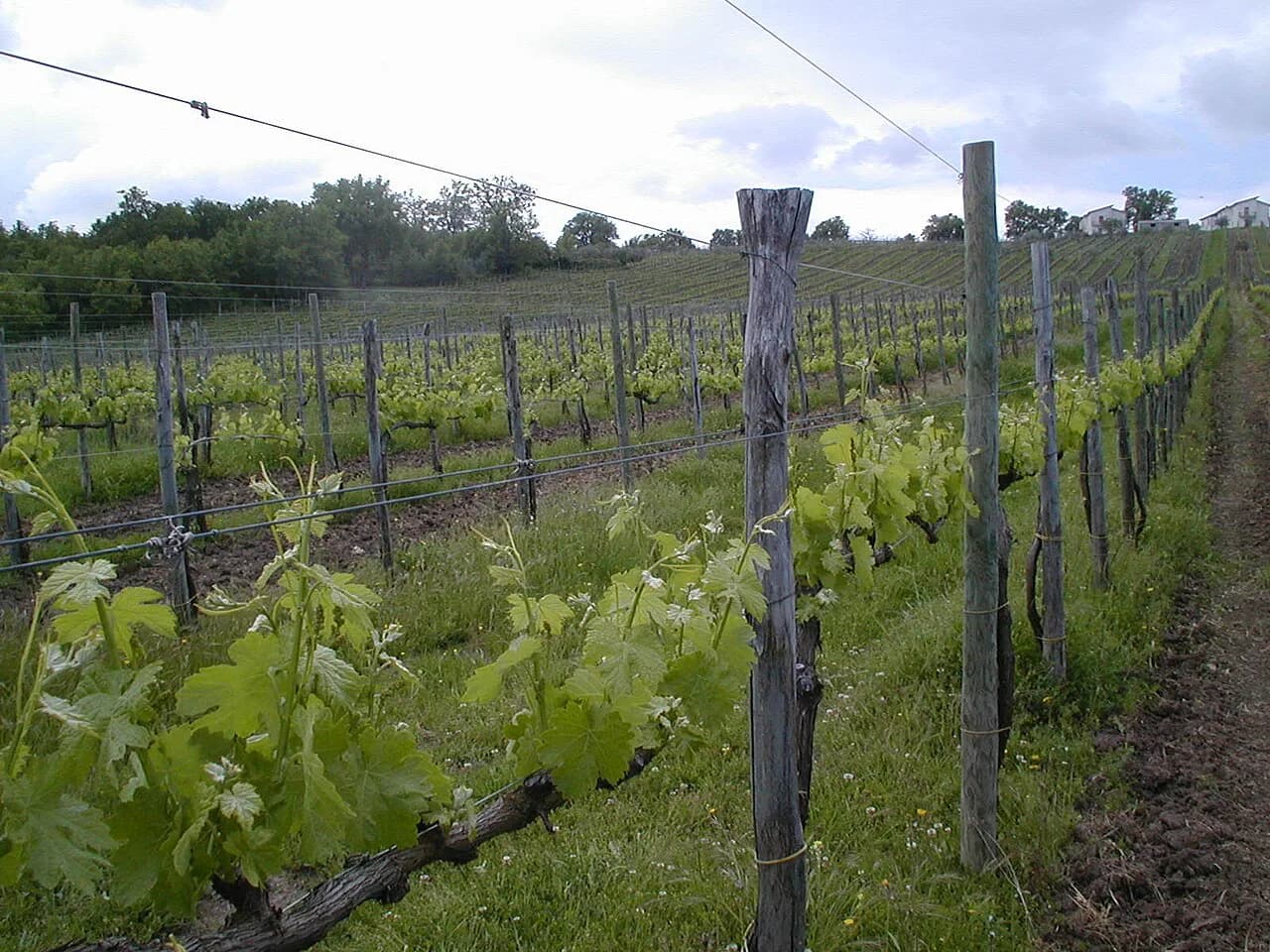
The vineyards lie on the south-west flank of Vesuvius, where the winery describes soil enriched by abundant lava flows, making it fertile, porous and well drained. Drainage matters on a volcano that receives substantial rain, and the free-draining ash and lava mix forces roots deep. The estate also says it farms organically, sowing nitrogen-fixing favino beans between rows in spring and encouraging spontaneous ground cover rather than bare soil.
For a visitor, the setting is the reason to come rather than a technical footnote: you are tasting in a national park on Europe's mainland active volcano, with the cone above you and the gulf below. That landscape also explains the wine style in broad terms, since volcanic soils and a coastal climate tend to give wines with freshness and a mineral edge rather than ripeness alone.
Grapes and Appellations: What Grows Across 35 Hectares
Sorrentino Vini lists five native varieties across its 35 hectares: the white grapes Caprettone, Falanghina and Catalanesca, and the reds Piedirosso and Aglianico. Caprettone and Catalanesca are the local curiosities most visitors will not have met before, while Falanghina is Campania's best-known white and Piedirosso is the classic Vesuvius red often blended with Aglianico. Expect the tasting list to follow that split between whites and reds, with sparkling wines and reserve tiers in the wider range.
When you write to book, it is worth asking which wines are currently open for tasting and whether the flight leans white or red. The estate's shop carries several lines, including a classic range, sparkling wines and cru bottlings, so the selection at the cellar door can differ from the full catalog. That question gets you a more useful answer than asking for a generic tasting.
Lacryma Christi Explained
Lacryma Christi is the name most travelers associate with Vesuvius, and Sorrentino Vini makes it a centerpiece, recounting the legend of Christ's tears falling on the volcano and giving rise to the vines. Historically the name is tied to the ancient Vesuvio growing area, and today Lacryma Christi wines are produced in the Vesuvio DOC in white, red, rosé and sparkling forms, usually from Piedirosso and Aglianico for the reds and Falanghina or Caprettone for the whites.
So Lacryma Christi and Vesuvio wine are connected but not identical terms: Lacryma Christi is the best-known label within the broader Vesuvio production zone, and you will see both names on bottles from this part of Campania. On a tasting list, look for it as a white, a red or a sparkling wine depending on the producer's range, and treat the name as a regional marker rather than a single style.

The Cellar and the Visitor Side of the Estate
The estate's own site presents the cellar as the heart of the property at the foot of the 1,281-meter Vesuvius cone, and it walks through the grape varieties and the volcanic soil before it gets to the wines. It also offers a virtual tour, a wine shop, a wine club and gift cards, which is useful if you want a sense of the place before deciding whether to make the trip. The virtual tour is a reasonable way to check whether the setting matches what you want from a winery day.
What the site does not publish is a visitor price list, a stated tasting menu or fixed opening hours. Reviews on travel platforms mention lunch and wine tasting at the property, but public review text is not a reliable schedule and the details vary by booking. Ask the estate directly what the current experience includes, how long it runs and what it costs before you build a day around it.
If you want a broader comparison of tasting rooms in the area before choosing, the guide to wine tasting on the Sorrento Peninsula covers options closer to town. For a look at how the same volcanic-soil decision plays out along the coast, the wine tasting in Amalfi guide covers vineyards south of the peninsula. The estate here is the right pick when the volcano itself, rather than convenience, is the point of the day.
How to Book and What to Put in the Request
Neither appointment-only nor walk-in access is confirmed for Sorrentino Vini, so the safe approach is to make contact before traveling. Use the contact details on the estate's site and send a short message with your preferred date and a backup, the number of people, whether you want food with the tasting, and your arrival time. Mentioning that you are coming without a car helps the winery advise on the last stretch of the route.
Ask three things in the same message: what the visit includes and how long it lasts, whether there is a charge and how it is paid, and what cancellation terms apply. Also ask whether the tasting is offered in English if that matters to your group. Getting all of this in writing turns a vague plan into something you can schedule trains and transfers around.
Getting There Without Driving
The straightforward public-transport route runs on the Circumvesuviana line, which connects Sorrento with Pompeii and Ercolano and continues to Naples. From either Pompeii or Ercolano station, the estate is a short road hop of roughly 7 or 15 km respectively, but there is no documented shuttle from the station, so plan on a local taxi or a pre-booked transfer for that final leg. Confirm the pickup point with your driver in advance, since station forecourts are busy and signage is limited.
An organized excursion removes the transfer problem entirely, which is its main selling point here. The trade-off is fixed timing and a set itinerary rather than lingering over a glass. If you would rather structure the day yourself, browse Sorrento wine tours that include transport, or compare with the Cantina del Vesuvio, another estate on the same volcanic slope, to see which format fits your group.
Independent Visit or Organized Tour
Going independently costs less on paper and gives you control over pace, but the last mile is where the savings erode: two taxi legs to a rural estate can offset the difference, and you need to arrange the return before you start tasting. A tour bundles transport, a guide and the booking, which is worth paying for if your group is small or your time in the region is short.
The other consideration is what else you want from the day. Sorrentino Vini sits within easy reach of Pompeii and Herculaneum, so a morning at the ruins followed by an afternoon tasting makes a coherent itinerary. A tour with a fixed winery slot limits that flexibility, while a self-arranged visit lets you spend longer at the archaeological site and shorter at the cellar, or the reverse.

Pairing the Winery With Pompeii, Herculaneum and the Crater
Distances from the estate make the combinations obvious: Pompeii at 7 km is the closest major site, Ercolano at 15 km is next, and Naples at 25 km is feasible for a late return. Trying to add both Pompeii and Herculaneum on the same day as a tasting usually produces a rushed schedule, since each site rewards several hours. Pick one archaeological stop and let the winery be the relaxed second half.
A Vesuvius crater walk is the other natural pairing, but it operates on its own access rules and weather can close the upper paths, so check conditions before you commit to a combined ticket. If you are staying on the Sorrento Peninsula and want an evening back in town, a wine bar near Piazza Tasso is an easier finish than another cross-bay journey.
Practical Timing and What to Ask Before You Commit
Harvest on Vesuvius generally falls in late summer into early autumn, when the estate is busiest with vineyard work and visitor capacity can tighten. Spring and early summer give greener slopes and more comfortable walking, while high summer brings heat and heavy traffic on the coastal roads. Weekdays are quieter than weekends and easier for securing a preferred slot at short notice.
Before you commit, ask the estate whether anything on the property is closed on your date, whether the tasting is indoors or out, and what footwear suits the ground. Volcanic vineyard terrain is uneven, and a cellar visit may involve stairs. These are the details that decide whether an afternoon works for your group.
Responsible Tasting on a Volcano Day
Someone in your party should stay off the wine if they are driving, because the roads down from Boscotrecase demand full attention and there is no realistic alternative once you are on the slope. Use the spittoons at the tasting, designate a driver, or book a tour or transfer so nobody has to choose between the glass and the car.
Plan Your Vesuvius Wine Day
Sorrentino Vini makes sense as a Vesuvius excursion rather than a quick stop from Sorrento: Boscotrecase is 7 km from Pompeii and 22 km from the Sorrento Peninsula, and the final stretch needs a taxi, transfer or tour. Build the day around one archaeological site and the winery, not three stops.
Book ahead, ask in writing what the visit includes and what it costs, and confirm the return transfer before you taste. For alternatives nearer town, compare the Sorrento wineries guide, then choose based on whether the volcano or the convenience matters more to you.
Frequently Asked Questions
Where is Sorrentino Vini located?
Sorrentino Vini is at Via Panoramica 6 in Boscotrecase, in the province of Naples, inside the Parco Nazionale del Vesuvio. That is on the seaward slope of Vesuvius, not in Sorrento itself, despite the similar name.
How far is Sorrentino Vini from Sorrento or Pompeii?
The estate publishes road distances of 7 km to Pompeii, 15 km to Ercolano, 25 km to Naples, 22 km to the Sorrento Peninsula and 45 km to the Amalfi Coast. These are kilometres, not travel times, and coastal traffic can add considerable time.
What wines does Sorrentino Vini make?
The estate grows Caprettone, Falanghina, Catalanesca, Piedirosso and Aglianico across 35 hectares and produces Lacryma Christi alongside classic, sparkling and cru ranges. Ask which wines are currently open for tasting when you book.
Is Lacryma Christi the same as Vesuvio wine?
Lacryma Christi is the best-known wine name within the Vesuvio DOC area rather than a separate region. It appears as white, red, rosé and sparkling versions, so treat the name as a regional marker, not a single style.
Do you need to book a tasting at Sorrentino Vini?
The estate does not publish a confirmed walk-in policy, so contact it before you travel. Send your date, party size, arrival time and whether you want food, and ask what the visit includes, how long it lasts and what it costs.
Can you visit Sorrentino Vini without a car?
Take the Circumvesuviana train to Pompeii or Ercolano, then a local taxi or pre-booked transfer for the final 7 to 15 km. No shuttle from the stations is documented, so arrange the return leg before you start tasting.
Sources
Notes for your next wine trip
Optional updates to our winery and wine-town guides.
You might also like

Continue reading
More guides you'll find useful