Wineries in Siena: Where to Taste and How to Get There
Two organic estates sit a few kilometers from Siena's medieval center, both receiving visitors by advance booking. Here is how to plan a tasting day.
On this page
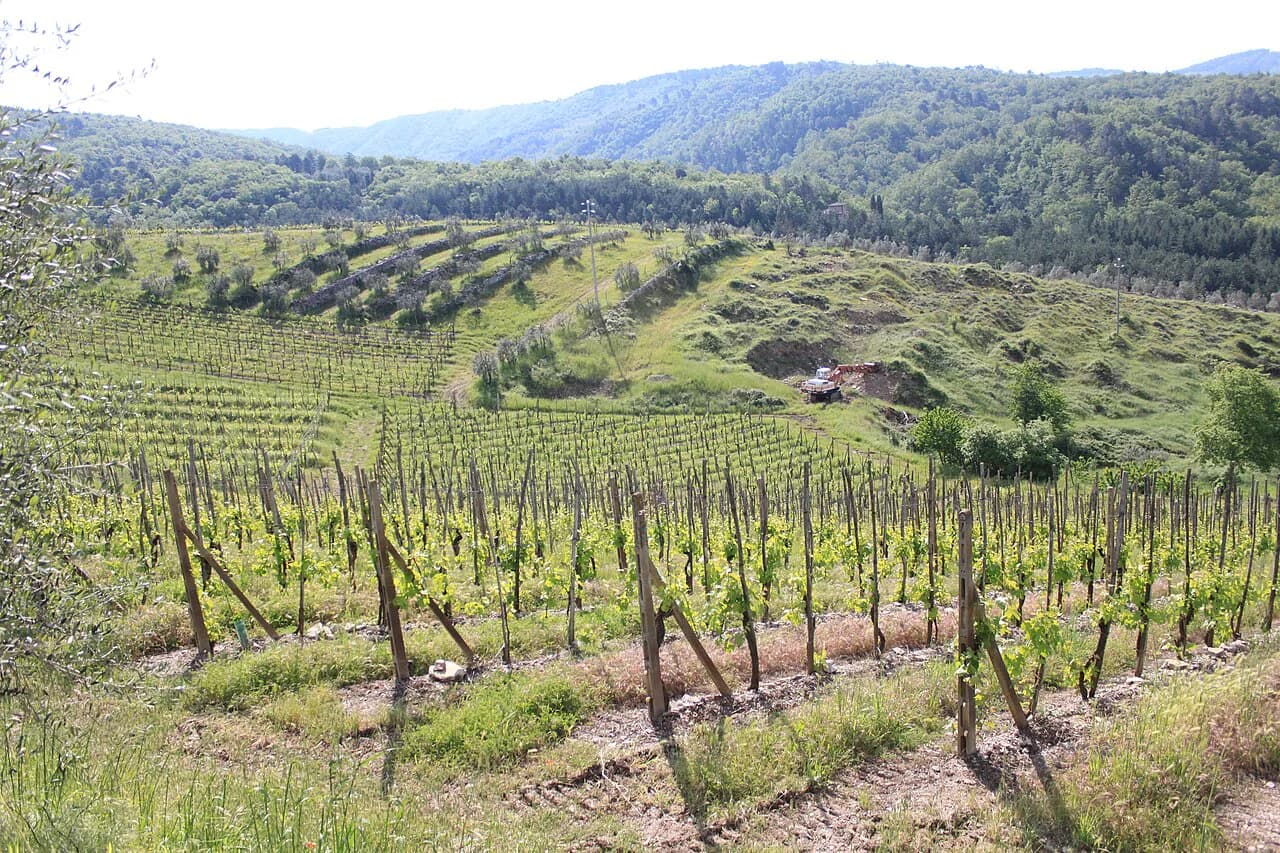
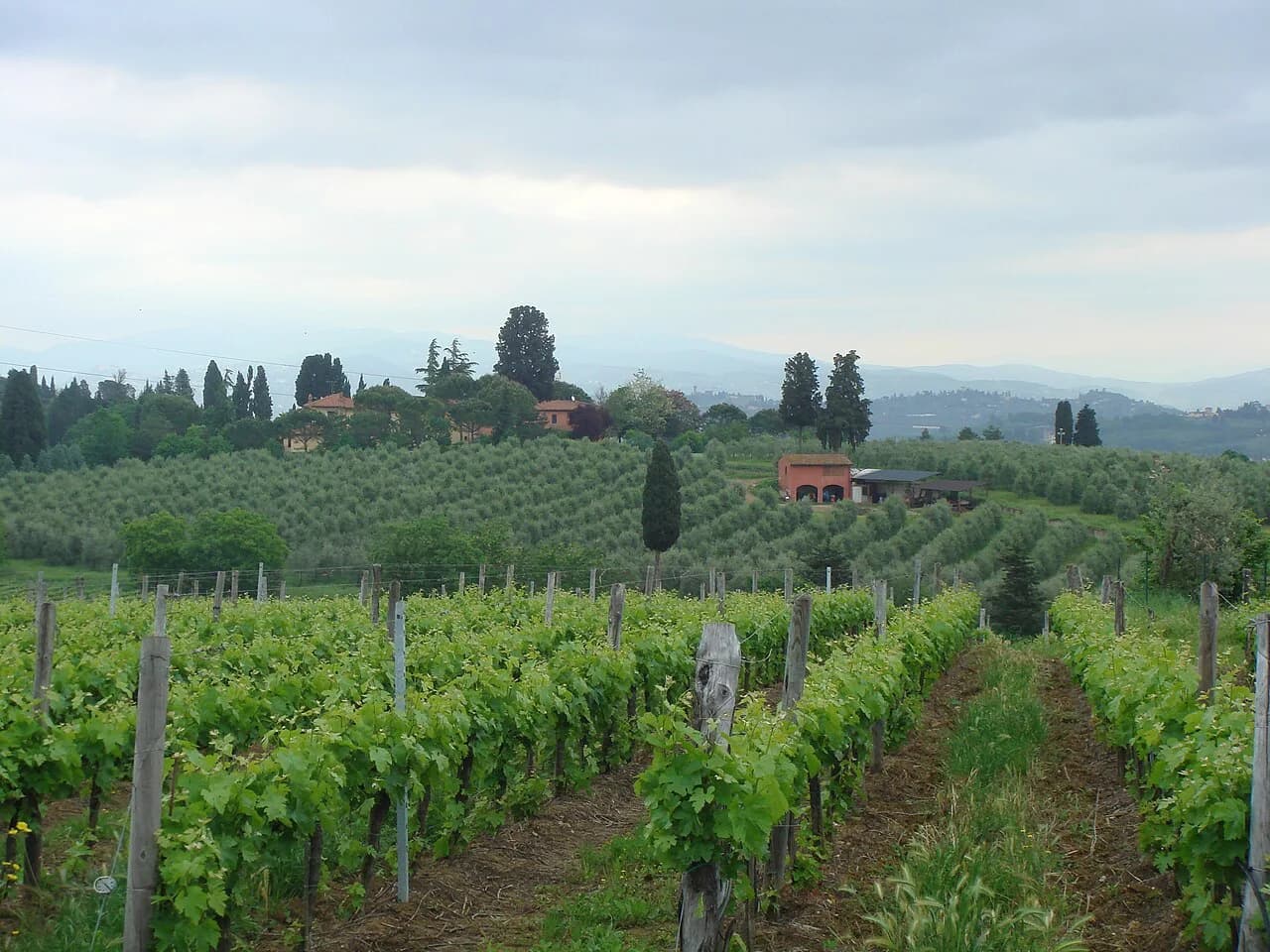
Most travelers searching for wineries in Siena picture a long drive into Chianti Classico, but the city itself has bookable estates within a few kilometers of the medieval center. That proximity changes the planning: you can taste in the morning and still have the afternoon for the Campo and the Duomo.
This guide covers the two Siena estates whose own sites confirm they receive visitors, explains the difference between Chianti Colli Senesi and Chianti Classico, and lays out the booking routes, transport trade-offs and a realistic day plan. For the wider picture of tasting rooms, enoteche and tours across the province, start with the parent guide to wine tasting in siena.
Quick Answer: Siena's Nearest Bookable Wineries
Two estates answer a Siena winery query honestly: Azienda Agricola La Lastra on Strada della Befana, roughly 2 km from the medieval center, and Tenuta di Montechiaro on Strada di Montechiaro 3, on the Sienese hills just outside town. Both are certified organic operations that host visitors, and both require booking ahead rather than walk-in drop-ins.
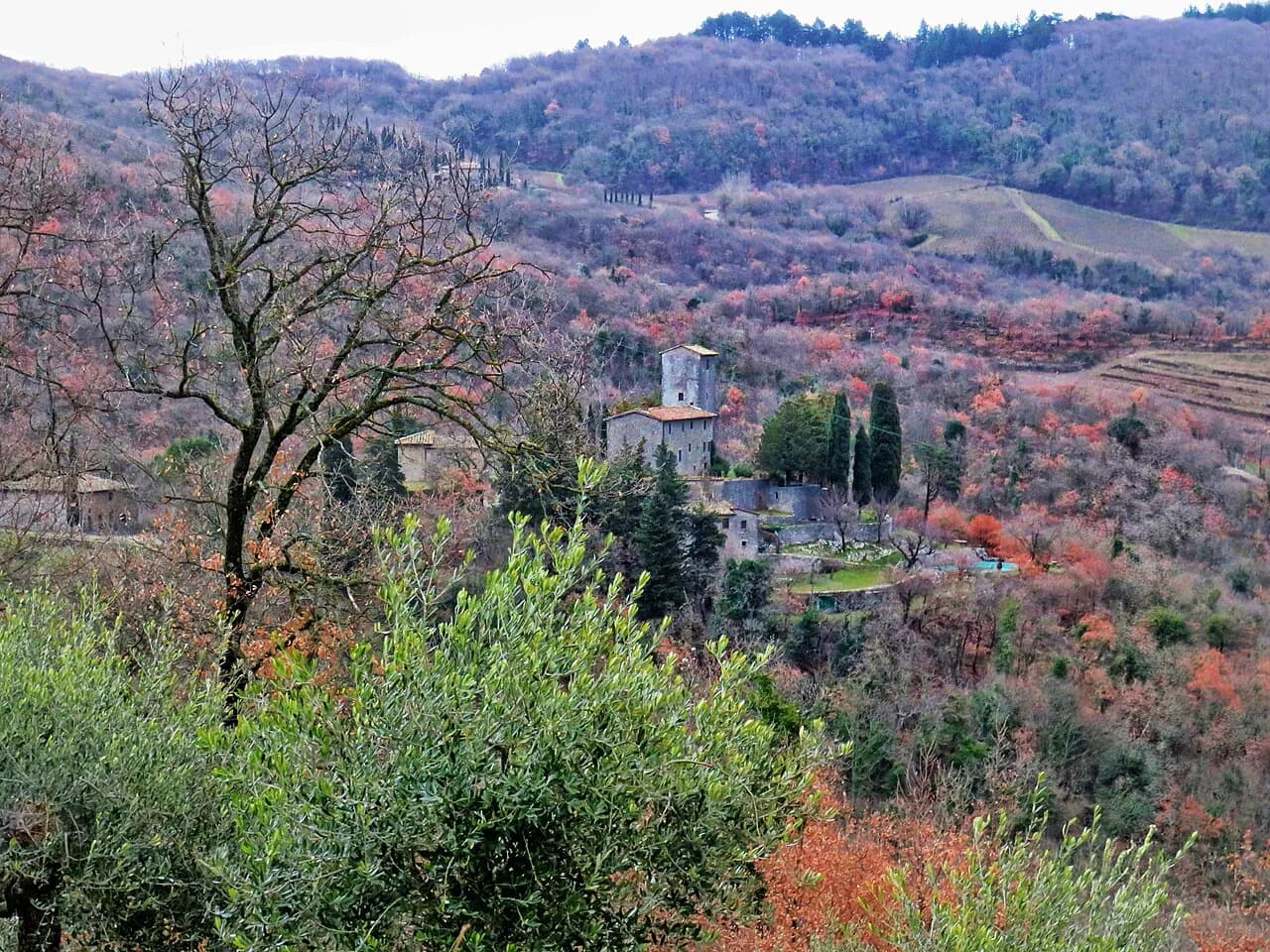
Neither is a Chianti Classico estate in the postcard sense. They sit in the hills immediately around Siena, which means shorter transfers and a schedule that fits around city sightseeing, but also fewer of the cypress-lined avenues and hilltop villages that define the Classico zone to the north.
If your priority is a full day of cellar appointments across Chianti Classico, plan for a driver or a guided tour and treat Siena as your base rather than your tasting ground; a roundup of Siena wine tours covers the options. If you want one well-run visit close to your hotel, the two city-edge estates are the practical answer.
What Siena Is Known For: Sangiovese and Two Chianti Zones
Sangiovese is the grape that defines the province, appearing in Chianti, Chianti Classico and the smaller Chianti Colli Senesi appellation that wraps the hills around Siena. Montechiaro grows Sangiovese alongside other native Chianti varieties and bottles both varietal-leaning and blended wines, including a Supertuscan and an Anno Domini label.
Geography separates the appellations more usefully than reputation does. Chianti Classico lies north of Siena between Florence and Siena, centered on villages such as Greve, Radda and Castellina and home to large modern visitor centers like Antinori nel chianti classico at San Casciano in Val di Pesa. Chianti Colli Senesi and the broader Chianti Senese designation cover the hills right around Siena, which is where both city-edge estates sit.
In practice, the distinction tells you what kind of day you are booking. A Colli Senesi visit is a short hop from your Siena hotel and often built around an organic, family-scale estate; a Classico visit means a longer transfer and, at the biggest estates, a more architectural, museum-like experience.
La Lastra: Vineyard, Cellar, Four Wines and a Light Lunch
La Lastra's "Vine, Wine and Life" visit is the most fully documented tasting near central Siena. The estate publishes a three-hour format that opens in the organic vineyards, continues into the historic cellar and finishes in a tasting room with four of its organic wines, all typical of the area, followed by a light lunch of seasonal Tuscan products.
The published terms are unusually clear. The experience runs from 11:30am to 2:30pm, is priced at 85 euros per person with the light lunch included, takes parties of 2 to 12 people, and must be booked in advance. Requests go to winetasting@lalastra.it or by phone on +39 0577 274868, and the estate invites special requests by email.
Because the session is morning-based and runs through lunch, it slots neatly into a city day: taste and eat, then walk back into Siena for the afternoon. With a 2-to-12-person range, couples fit easily, while larger groups should treat the upper limit as firm and confirm dates early rather than assume a second guide is on hand.
La Lastra is listed among Siena's wineries and vineyards by visitor rankings, which is useful context for how it is received, though rankings shift and do not substitute for the estate's own schedule.
Tenuta di Montechiaro: Cellar Tastings, Food Experiences and Stays
Tenuta di Montechiaro is a certified organic estate on Strada di Montechiaro 3, a short distance from Siena on the Chianti Senese hills, with three centuries of winemaking history behind it and a current range built on Sangiovese and native varieties. The family-run property also makes extra-virgin olive oil and runs vineyard walks and cellar tastings from its historical cellars.
Booking works differently here: experiences, including tastings and food experiences, are reserved through the estate's own online booking system rather than by an email request alone. That suits travelers who want to lock in a slot and see what is available on a given date before committing to a schedule.
The range goes beyond a single tasting session. Montechiaro publishes cooking classes, truffle hunting, horse riding, stays in its villas and apartments, and weddings, so a visit can be a two-hour stop or the anchor of several nights. The estate can be reached at info@tenutadimontechiaro.com or +39 0577 363016 for questions the booking engine does not answer.
One caution for planners: the estate's site does not publish tasting prices, session durations or fixed daily times, so treat any figure you see elsewhere skeptically and read the booking page description for the specific experience. If you want to stay on site, Agriturismo Near Siena compares vineyard stays across the province, including options like this one.
How Visits Work in Practice: Appointments, Party Size and What to Ask
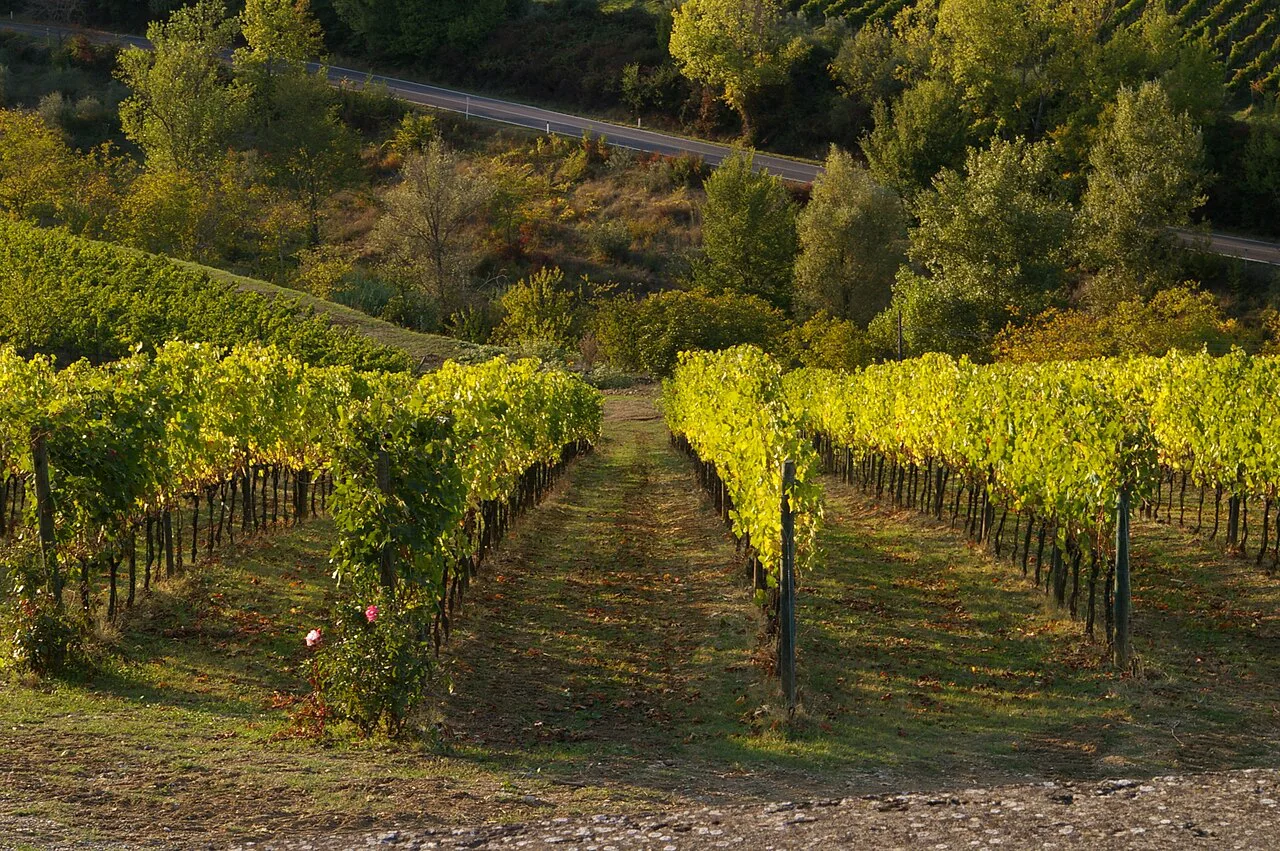
Siena-area estates run on appointments, not walk-in traffic. La Lastra requires advance booking with a stated party range, and Montechiaro takes reservations through its booking page, so arriving at a gate and hoping for a glass is not a plan. Book as soon as your dates are fixed, particularly in spring and during the September-to-October harvest window when estate teams are busiest.
When you write or book, ask four things: the language of the tour, whether the tasting includes a cellar or vineyard walk, whether food is included or can be added, and what happens if your train or transfer runs late. La Lastra, for instance, publishes a fixed 11:30am start, so a late arrival eats into the three hours rather than extending them.
Groups deserve a separate note. At La Lastra the ceiling is 12 people, and larger parties are usually split or referred elsewhere; if you are traveling with a group, ask about capacity before you build the day around one estate. Couples and solo travelers should ask whether a minimum number applies, since some estates only run tours once a threshold is met.
Getting There Without a Car: Taxi, Bike or a Driver
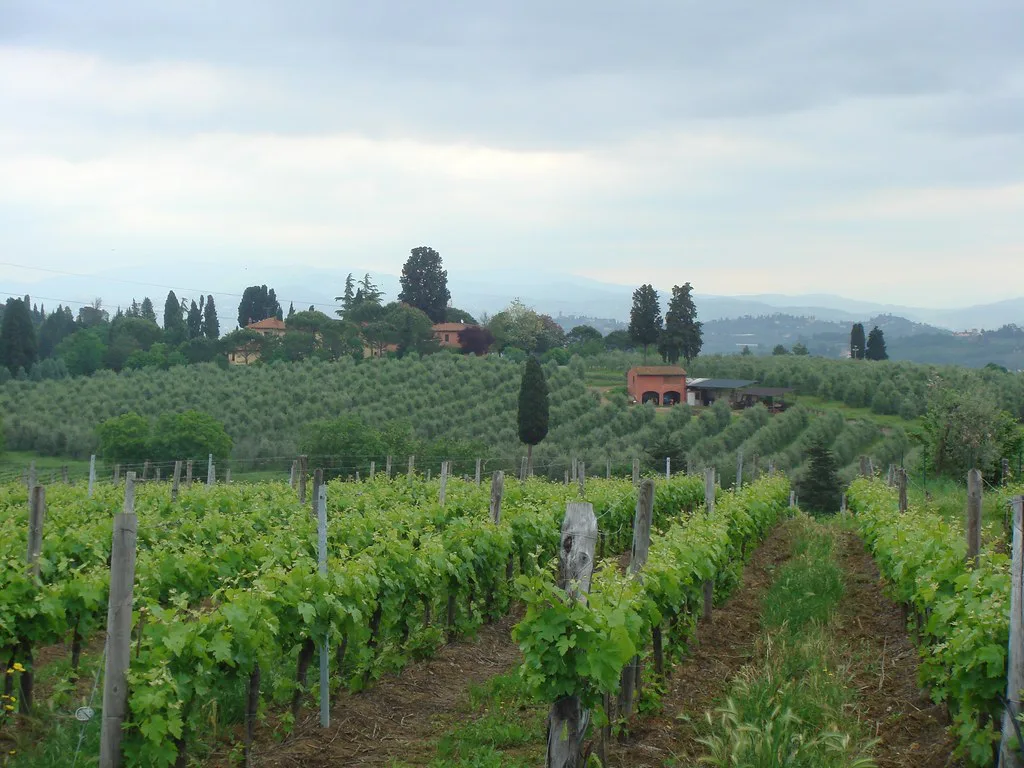
Both estates sit close enough to Siena that a car is not essential. A taxi from the center is the simplest option for a booked morning slot, and a local taxi or car service arranged for a fixed pickup time avoids the uncertainty of hailing a ride in a residential fringe of the city. Agree the return pickup when you are dropped off, since these are not streets where cars cruise for fares.
A bicycle is a genuine option for confident riders: La Lastra is about 2 km from the medieval center, which is a short ride, though the approach climbs into the hills and the roads are shared with traffic. If you plan to taste, treat the bike as transport only and spit rather than swallow, or ride out and take a taxi back.
The main trade-off is independence versus logistics. Booking directly gives you the estate's own format, exact price and a small-group feel; a guided tour handles transport and often pairs two estates in a day, but fixes your timetable and groups you with strangers. If you want a second stop or a full Chianti Classico day, the tour or driver route wins; for one close visit, book direct and take a taxi.
Anyone driving should not taste. Use the spittoons that estates provide, nominate a designated driver who sticks to water, or leave the car behind entirely and rely on taxis, public transport or a tour.
Building a Siena Tasting Day: Morning Estate, Afternoon City
The cleanest city-edge plan runs a morning tasting into an afternoon in Siena. Book La Lastra's 11:30am session, taste four wines over a light lunch, and you are back in the center by mid-afternoon with time for the Piazza del Campo and the cathedral before an evening aperitivo.
If you have your own driver or a tour, add a second stop in the afternoon rather than squeezing two tastings before lunch. Southern Chianti Classico, toward Castelnuovo Berardenga, is the natural direction from Siena, while the Classico heartland around Greve and Radda needs a longer loop. Save a Montechiaro cellar tasting for a separate day if you want the food experiences or a stay.
For the evening, keep it local and low-key: the enoteche around the center pour Sangiovese by the glass and are a good way to compare what you tasted with other producers. Siena Wine Bars and Enoteche is the reference for where to sit down after a morning in the vineyards.
Staying Overnight Versus Day-Tripping From Florence
Siena rewards an overnight stay if wine is part of the plan. A morning appointment at a city-edge estate is far easier from a Siena hotel than from Florence, and staying in town means an evening glass without a train timetable. If you want to sleep among the vines rather than in the center, vineyard stays and agriturismi on the surrounding hills put you minutes from the cellar door.
Day-tripping from Florence is workable but tight. You would need to arrive in Siena before an 11:30am start, which means an early train, and you would be committing to a single visit rather than a relaxed two-estate day. Travelers based in Florence often do better to book a wine tours itinerary that handles the transfers and leaves Siena free for a separate city day.
A slower schedule also opens up the wider region. With a car and driver, or a couple of nights, you can add Montepulciano wineries and the Vino Nobile di Montepulciano DOCG zone to the southeast, which is a different grape expression and a different landscape from the Siena hills.
Plan Your Visit
Siena's honest winery answer is two organic estates on the city's edge: La Lastra for a fixed three-hour vineyard-and-cellar tour with four wines and a light lunch, booked by email in advance for 2 to 12 people, and Tenuta di Montechiaro for cellar tastings, food experiences and villa stays reserved through its own booking page. Neither publishes something it does not offer, and neither is a stand-in for a Chianti Classico day to the north.
Pick your estate first, then the transport: taxi or bike for one close visit, a driver or tour for a wider loop. Reserve early for harvest-season dates, know your party size against the estate's limits, and plan for a non-tasting driver if you rent a car. Confirm the current session time and price when you book, then leave the afternoon free for the city.
Frequently Asked Questions
Which wineries near Siena accept visitors?
Two organic estates closest to the center publish their visitor offers: Azienda Agricola La Lastra on Strada della Befana, and Tenuta di Montechiaro on Strada di Montechiaro. Both host tastings and both expect bookings ahead rather than drop-ins. Other Siena-area producers appear in visitor listings, but confirm directly with any estate before building a day around it.
Is La Lastra walkable from central Siena?
La Lastra sits roughly 2 km from the medieval center, so it is a realistic walk or short bike ride for a fit traveler, though the approach climbs into the hills and shares the road with traffic. A taxi for a booked morning slot is the lower-effort choice, especially if you have a fixed start time.
Do you need a car to visit wineries around Siena?
No, for the two city-edge estates. A taxi, a bicycle for confident riders, or a pre-arranged car service covers a single visit, and a guided tour handles transport if you want a wider loop. A car becomes useful only when you plan several stops across Chianti Classico in one day, and then you need a non-tasting driver.
How much does a wine tasting cost near Siena?
La Lastra publishes its price for the three-hour vineyard and cellar visit with four wines and a light lunch, listed per person with lunch included. Tenuta di Montechiaro does not post tasting prices on its site, so the cost appears with the specific experience in its online booking engine. Read that page before you commit.
What is the difference between Chianti Classico and Chianti Colli Senesi?
Chianti Classico covers the zone north of Siena between Florence and Siena, around Greve, Radda and Castellina. Chianti Colli Senesi, within the broader Chianti Senese area, covers the hills immediately around Siena, which is where both city-edge estates sit. The geography decides your transfer time more than any difference in grape.
Should I book a Siena winery in advance?
Yes. La Lastra requires advance booking, takes parties of 2 to 12 and runs a fixed morning session, so a late arrival shortens the visit. Montechiaro reserves tastings and food experiences through its own booking page. Spring and the harvest weeks fill fastest, so fix your date before you arrange transport.
Sources
Notes for your next wine trip
Optional updates to our winery and wine-town guides.
You might also like
Continue reading
More guides you'll find useful