Siena Wine Tours: Chianti, Montalcino or Montepulciano?
Compare wine tours from Siena by region, duration and published starting price, and learn how to pick Chianti, Brunello or Montepulciano for your day.
On this page
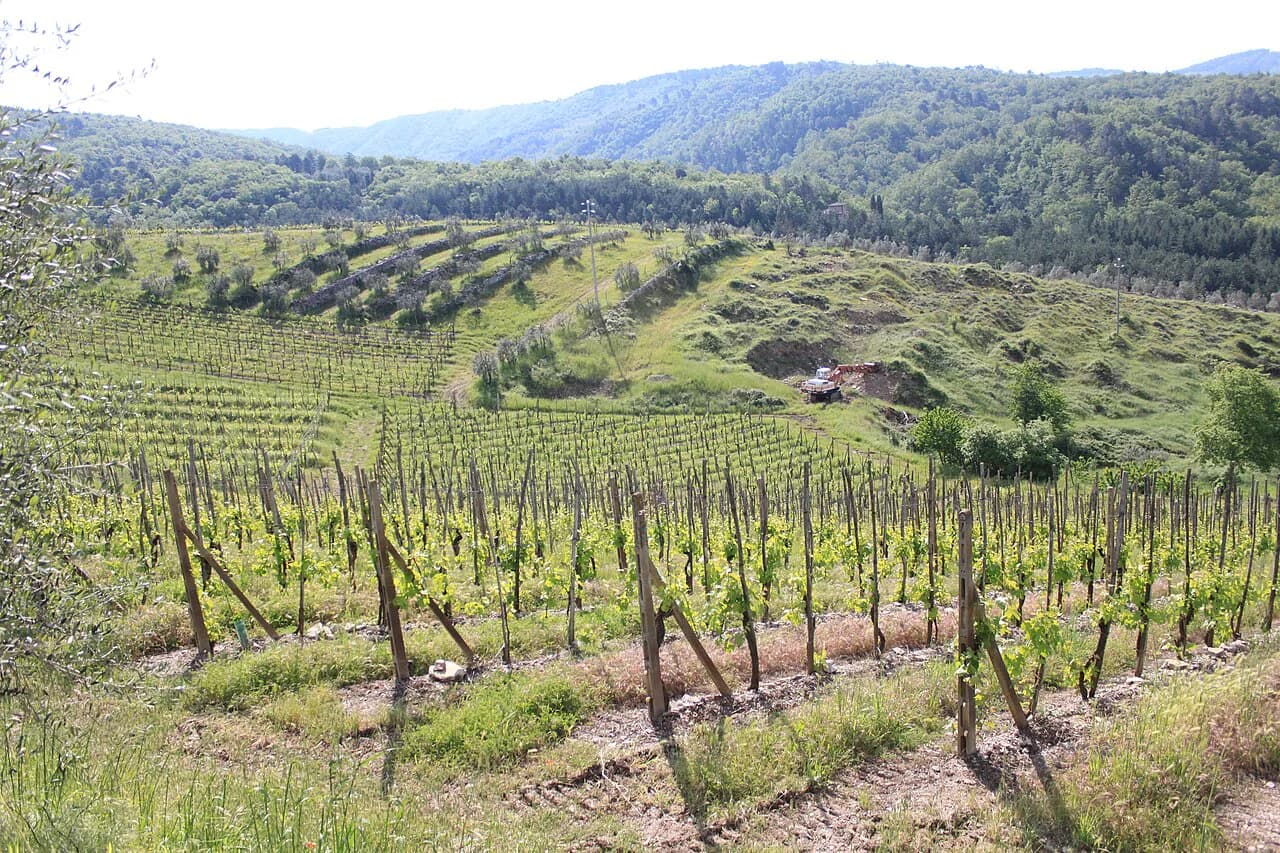
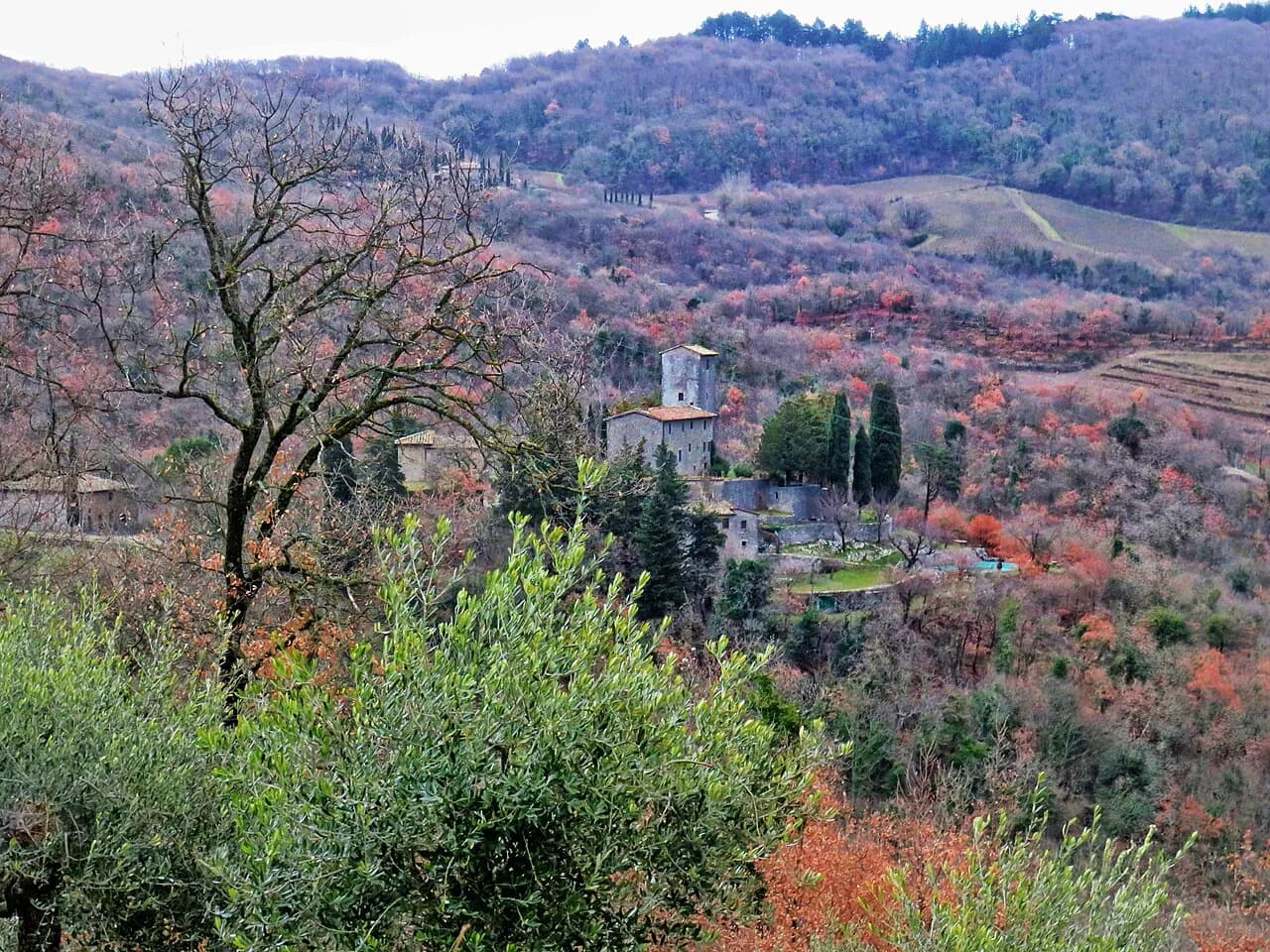
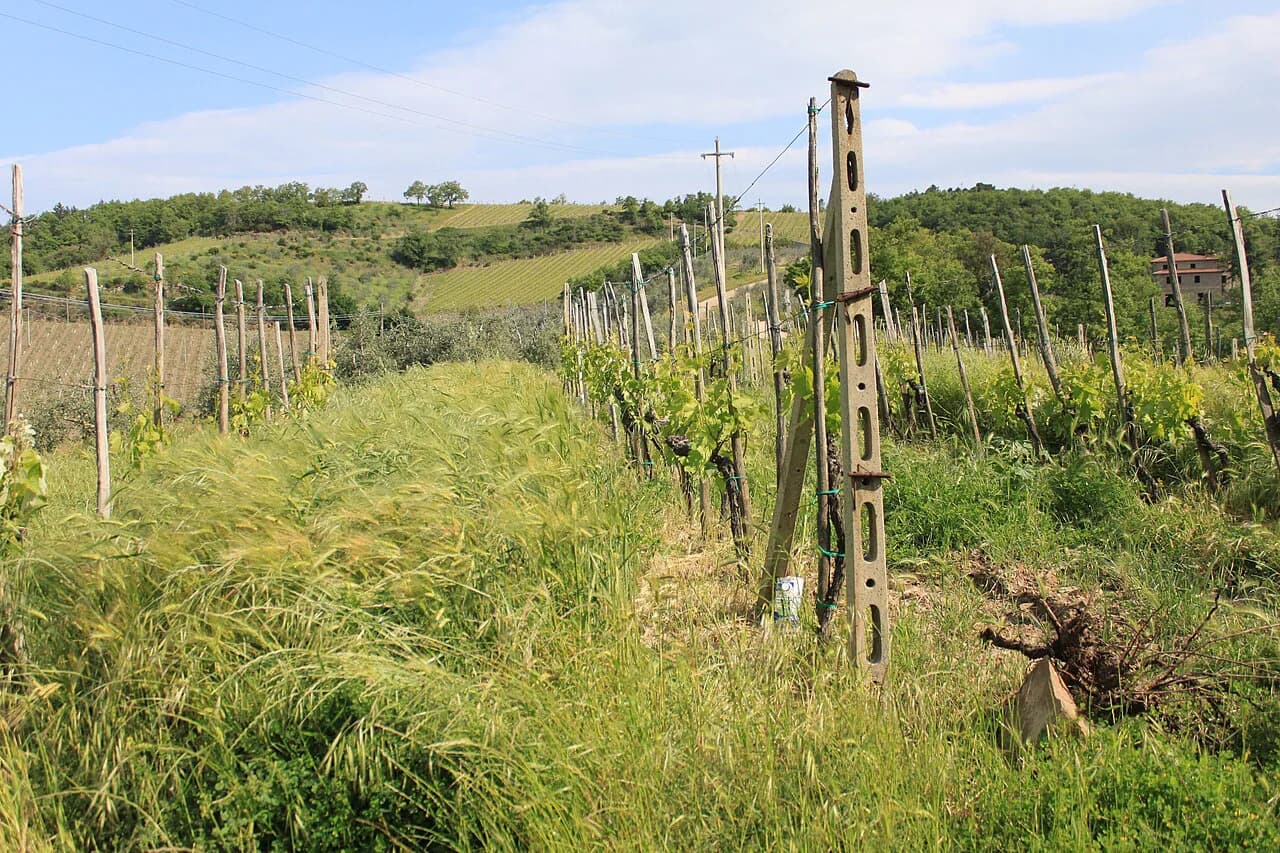
Siena is one of the few Tuscan cities where you can sleep inside medieval walls and still reach three separate wine districts within a day. Chianti Classico lies to the north along the road to Florence, while Montalcino and Montepulciano sit south beyond the Val d'Orcia. The choice is not about which region is better; it is about how much of the day you want to spend in a cellar versus a landscape.
The tours below are organised from Siena itself, not from Florence, and they differ sharply in format: a two-hour winery visit without transport, a five-hour small-group van loop, nine- to eleven-hour full-day runs to Montalcino and the Val d'Orcia. Published starting prices in this guide come from a single comparison of Siena day trips and are best read as entry points rather than final costs. If you would rather build the day yourself, our guide to wine tasting in Siena covers estates and tasting rooms in and around the city.
Why Siena Works as a Wine-Tour Base
Siena is compact and walkable, which matters when tours start early and end with a glass too many to drive. Most operators either collect you at your accommodation or set a meeting point inside the city, so you rarely need a car to begin the day. The trade-off is distance: Chianti Classico is the closest district, while Montalcino and Montepulciano require a long southbound drive that eats into tasting time.
For a first trip, treat Siena as a hub and pick one district per day rather than trying to combine Chianti with the Val d'Orcia. Grouping villages by geography, Chianti villages to the north in one outing and Montalcino with Pienza or Montepulciano to the south in another, keeps you out of the van and in the cellar. Readers staying outside the city should look at agriturismo siena options, since a countryside base shortens the morning drive to Chianti considerably.
The Wines Behind Each Tour
All three red districts are built on Sangiovese, but the appellation rules change what ends up in the glass. Chianti Classico comes from the historic zone between Florence and Siena and is typically the brighter, more immediately drinkable style. Brunello di Montalcino must be pure Sangiovese Grosso aged for years before release, so tastings there tend to be smaller and more cellar-focused. Vino Nobile di Montepulciano DOCG is also Sangiovese-led, blended in the local tradition, and is usually tasted alongside the hill town itself.
San Gimignano, northwest of Siena, breaks the red pattern with Vernaccia di San Gimignano, a white wine produced only in that area. Tours that pair San Gimignano with Montalcino put a crisp white and a structured red in the same day, which suits travellers who want range rather than depth. Some van tours also cover the local blending grapes, Canaiolo, Merlot and Cabernet Sauvignon, so expect a broader flight than pure Sangiovese.
A Decision Framework: Scenery, Cellar or Towns
Choose Chianti if this is your first wine trip from Siena and you want a balanced day of vineyards, tastings and Tuscan views. Choose Montalcino if wine is the main event and you are willing to spend more time in cellars learning about aging. Choose Montepulciano and Pienza if you are travelling with someone who is lukewarm on wine and would rather see Renaissance squares and hill-town panoramas between glasses. A published comparison of Siena day trips frames the split exactly this way: classic Chianti for the all-round day, Brunello for the wine-focused one, and the Val d'Orcia combination for scenery first.
Time budget should make the decision for you. A half day leaves Chianti comfortably in range, while Montalcino and the Val d'Orcia realistically need a full day from Siena. If you have only one clear day, do not spend it crossing the whole province twice.
Half-Day Chianti: The Two-Hour Winery Visit
That exclusion is the real trade-off: you save money but inherit the logistics, whether that means a taxi, a bike or a village bus. It suits travellers with a car or a countryside base, and it is a poor fit for anyone planning to drink without a designated driver. Book directly through the winery's own listing and settle the meeting arrangements when you reserve.
Small-Group Chianti and Castle Tours
For travellers without a car, this is the most efficient way to see Chianti scenery and taste seriously in a single half day. You give up the freedom to linger at one estate, but you gain a driver and a guide who handles the routing.
Brunello di Montalcino in Half a Day
Hotel pickup is the differentiator here: after a morning of structured reds you are driven back rather than navigating a bus timetable. If you want the fortress and the abbey as well, book the full-day version instead, because the half day stays winery-bound.
The Full-Day Montalcino Itinerary
That price buys three wineries, a meal and a long day of landscape, which makes it the fullest single-day wine experience on this list. It is also the least flexible: the schedule is fixed, and the wineries are picked by the tour company rather than by you.
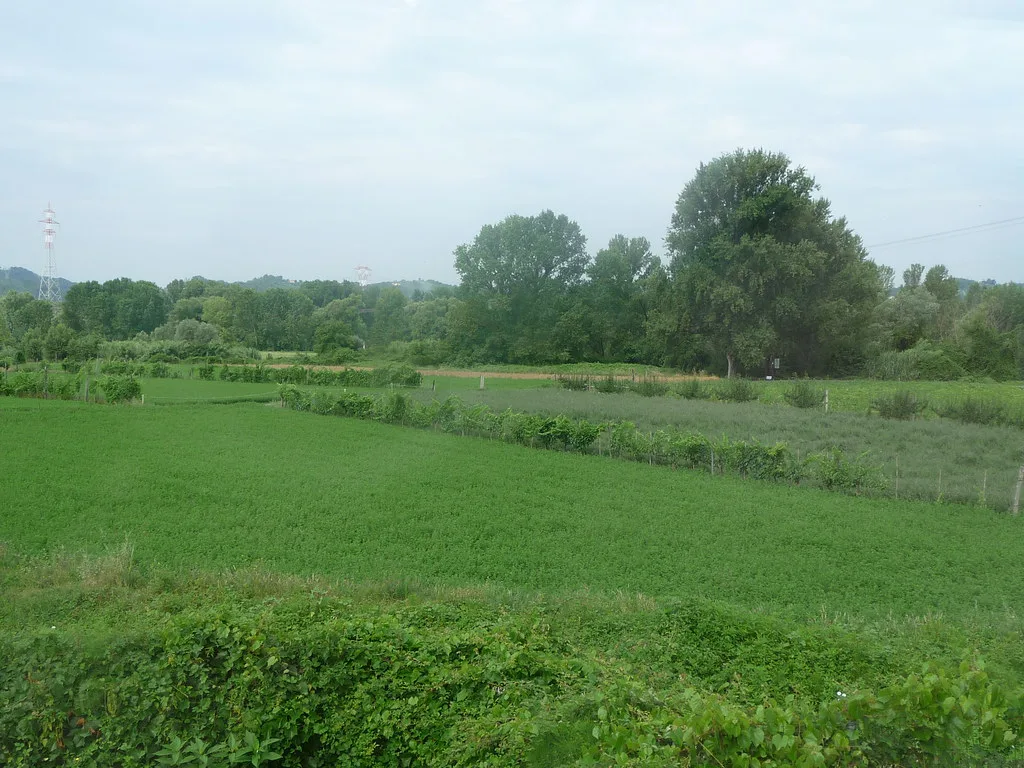
Pienza, Montalcino and Montepulciano in One Day
The compromise is depth: three towns in eleven hours means shorter stops and less cellar time than the dedicated Montalcino tour. If Vino Nobile is your priority rather than a bonus, compare dedicated montepulciano wine tours before committing to a three-town format.
San Gimignano and Montalcino: Vernaccia Meets Brunello
Because it spans so much ground, it suits slow travellers with time to spare rather than anyone squeezing Tuscany into two days. Expect long stretches in the vehicle between stops.
Educational Tastings Inside Siena
This is the best choice for rainy days, for travellers who want to understand winemaking rather than collect postcards, and for anyone who would rather not spend hours on the road. Book it early in your stay so the appellation explanations make sense for the rest of the trip.
Evening Options: Dinner in the Vineyards
An evening format suits a rest day rather than a sightseeing day, and it is not a substitute for a cellar visit if learning about winemaking is your goal.
Vespa and Fiat 500 Chianti Tours
These are scenery-first days: the roads and villages carry the experience, with one winery stop rather than three. Anyone planning to taste should take the passenger or guided-driver option, and the same rule applies to drivers on any self-drive format.
Where Tours Depart From Florence, Not Siena
One Florence-based operator publishes small-group tours with a Chianti three-winery format in the 210 to 230 euro range and a two-winery Chianti lunch tour in the 175 to 190 euro range, both clearly departing Florence. That pricing is a useful benchmark for what a full guided day costs, but it is not a Siena product. Check the departure city on any listing before you compare prices.
Independent Tasting Without a Tour
Small estates usually receive visitors by prior arrangement rather than all day, so email or call ahead with your date, party size and whether you want a cellar tour. Expect appointments to hinge on harvest, when cellar staff are busy, and plan alternatives. Our list of wineries in Siena is a starting point for estates that accept visitors, including La Lastra in the city.
Booking Logistics and Group Sizes
When you reserve, confirm the language of the guide, whether lunch is included, and whether the price is per person. Most Siena products quote per person, which matters when comparing a shorter, cheaper tour with a longer one that includes a meal. Browse a broad listings page to see what is running during your dates.
What to Ask Before You Pay
The published starting prices give you a rough hierarchy: a two-hour winery visit without transport is the cheapest, five-hour van tours sit in the middle, and nine- to eleven-hour days with three wineries and lunch cost the most. Anyone who wants fewer strangers should ask about private departures instead of joining a small group.
Responsible Tasting and Getting Home
Tuscan tastings are generous, and the roads out of Chianti and Montalcino are not. Whoever is driving should not taste, and spit cups are standard at cellar counters if you want to taste and still drive. The simpler answer is to let someone else drive, whether that is a guided tour, a hired driver or a designated member of your group. A glass at dinner in Siena afterwards is easy; the countryside is not.
Finish the day in town rather than in a village, since Siena's centre is compact and walkable back to most hotels. If you want somewhere to keep tasting after the tour drops you off, our guide to Siena Wine Bars and Enoteche covers city-centre options.
Plan Your Siena Wine Day
Whoever ends up driving should stay off the wine, so book a tour, hire a driver or nominate a non-tasting companion before you leave Siena. Confirm your meeting point and start time with the tour provider in the final days before departure, and the rest of the day takes care of itself.
Frequently Asked Questions
Which is better from Siena: a Chianti tour or a Brunello tour?
Chianti suits first-time visitors because it combines vineyards, tastings and classic Tuscan landscapes within a shorter drive of Siena. Brunello tours around Montalcino are more wine-focused, with longer cellar visits and more time in the van. If you have a single day and care about scenery as much as wine, choose Chianti; if you want depth on Sangiovese aging, choose Montalcino.
Can you do a half-day wine tour from Siena?
Yes. Half-day options include a two-hour winery visit in Chianti with a vineyard walk, cellar tour and five-wine tasting, a five-hour Chianti and castle minivan loop capped at eight people, and a five-and-a-half-hour Brunello tour with accommodation pickup. Half days work best for Chianti and Montalcino; the Val d'Orcia combinations realistically need a full day.
Do Siena wine tours include lunch?
Some do, and the pattern depends on format. Shorter winery visits usually pair wine with cheese and meat rather than a meal, while full-day Montalcino and Val d'Orcia itineraries typically stop at a family-run winery or farm for lunch. Evening vineyard dinners include a four-course menu. Always read the inclusions on the listing, since lunch is the main driver of price differences between tours.
Are wine tours from Siena worth it without a car?
They are the most practical solution without a car, because someone else handles the driving and you can taste properly. Half of the equation is transport: one popular Chianti winery visit explicitly excludes transfers, so you would need a taxi, bike or bus. Van tours, by contrast, include the drive and often hotel pickup, which justifies the higher price for car-free travellers.
Which Chianti villages are closest to Siena for independent tasting?
The Chianti Classico zone runs north of Siena along the road toward Florence, with San Casciano in Val di Pesa and the surrounding villages closest for a self-planned day. South of the city, Montalcino and Montepulciano are far enough apart that combining them without a car is impractical. Small estates generally receive visitors by appointment, so contact them with your date and party size before setting out.
What wine is Siena known for?
Siena sits in the heart of Sangiovese country. Chianti Classico comes from the hills to the north, Brunello di Montalcino from the south, and Vino Nobile di Montepulciano from the Val d'Orcia side, all based on Sangiovese in different guises. Northwest of the city, San Gimignano produces Vernaccia di San Gimignano, the area's best-known white wine.
Sources
Notes for your next wine trip
Optional updates to our winery and wine-town guides.
You might also like
Continue reading
More guides you'll find useful