Castellina in Chianti Wine Tasting: Estates, Prices and Getting There
Plan a wine tasting day in Castellina in Chianti, from village estates in Chianti Classico to booking rules, published tasting prices and buses from Siena.
On this page
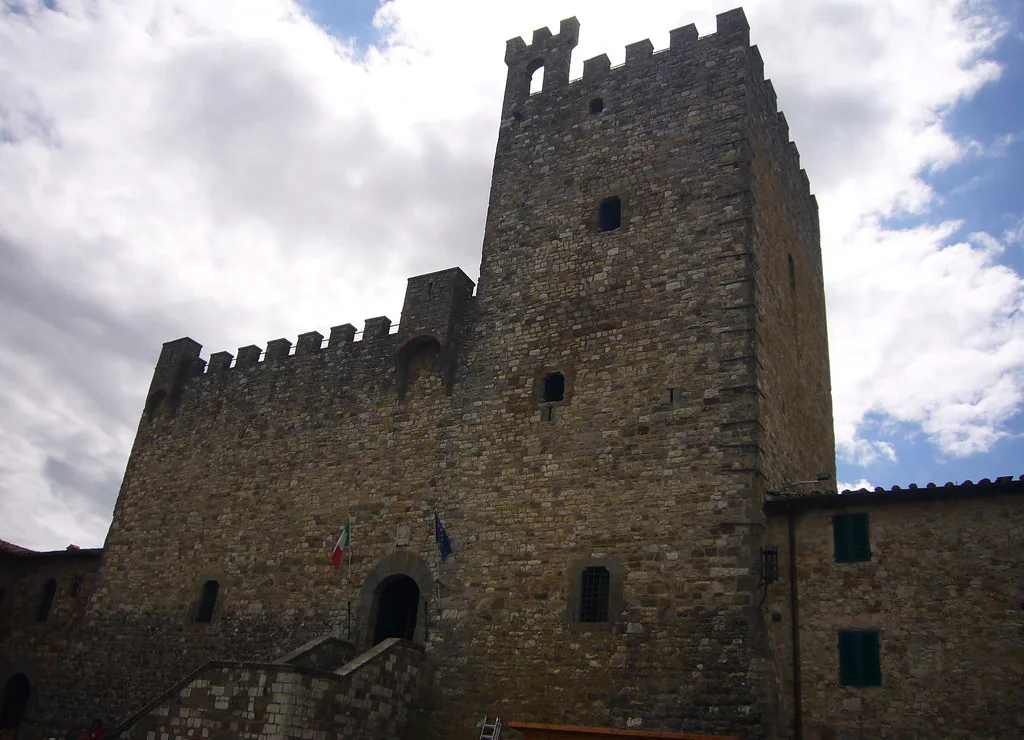
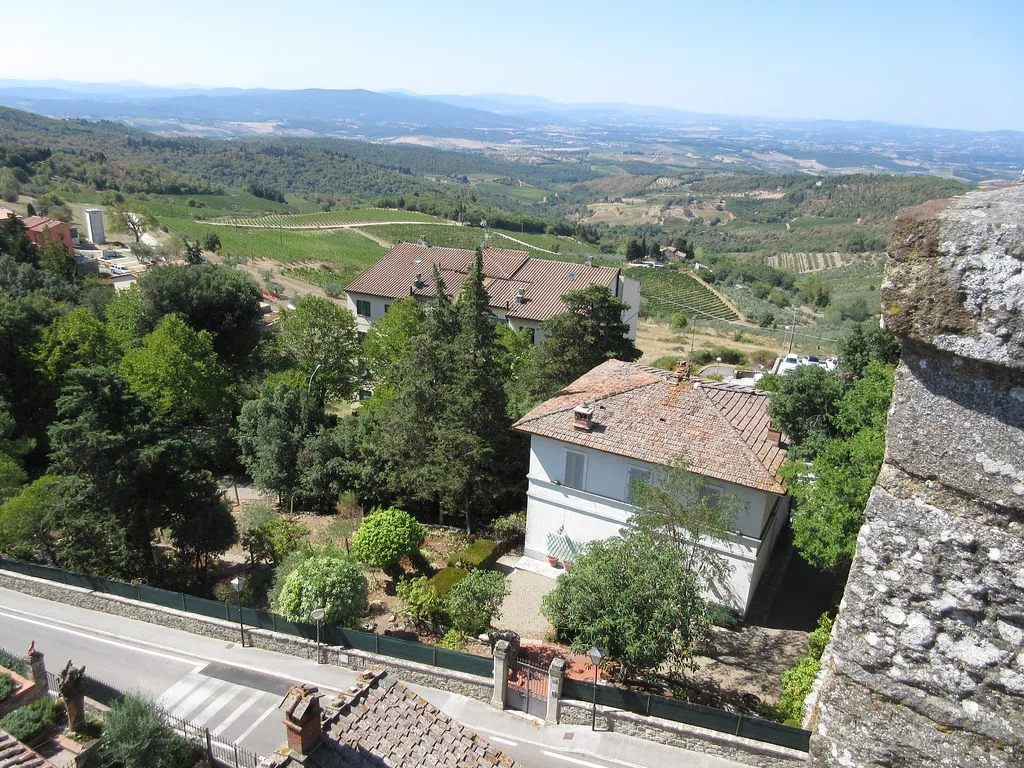
Castellina in Chianti sits on the Chiantigiana road roughly midway between Siena and Florence, which makes it one of the few Chianti Classico villages where you can combine a walkable center with serious estate visits nearby. The village itself is compact: a single main street, a medieval rocca and a handful of enoteche and cellars you can reach on foot from wherever the bus drops you.
The trade-off is that Castellina has fewer large visitor estates inside the village than Radda or Greve, so most tasting days split into two parts: a cellar door in town and a pre-booked visit at an estate 15 to 30 minutes away. Getting that second part right is the difference between a relaxed day and one spent chasing appointments that do not exist.
Why Castellina in Chianti Works as a Tasting Base
Castellina's position on the Chiantigiana means the classic Chianti Classico villages line up along one axis: Radda and Gaiole to the east, Greve and Panzano to the north, Castelnuovo Berardenga to the southeast toward Siena. Staying in Castellina puts you within reach of all of them without crossing the zone twice, which is the single most common planning mistake on a short Chianti trip.
The village core is small enough to walk end to end in a few minutes, with the rocca, the church of San Salvatore and the main street holding most of the food and wine stops. That matters if you are arriving by bus and leaving by bus: you can build a half day around the village alone and add a taxi or pre-arranged transfer only for the estate visit that genuinely needs one.
If you are basing yourself in Siena rather than in Castellina, the same logic applies at larger scale, and it is worth reading a broader guide to wine tasting in siena before committing to a day out here. Siena gives you restaurants, hotels and evening options that Castellina does not, while Castellina gives you vineyards at the end of the street. From the same base you can also weigh a day of wine tasting in Montepulciano against the Chianti villages, since both are drivable from Siena.
Chianti Classico in Brief: Grapes and Styles
Chianti Classico is the historic heart of the Chianti region, delimited between Florence and Siena and marked by the black rooster emblem on the bottle neck. It is a separate appellation from the wider Chianti zone, which covers a much larger area including subzones such as Chianti Rufina, Chianti Colli Fiorentini and Chianti Superiore. When an estate lists its wines as Chianti Classico, it is telling you the vineyards fall inside that smaller, older boundary.
The grape that matters is Sangiovese, which forms the backbone of Chianti Classico and gives the wines their firm acidity and savory character. A standard Chianti Classico is released relatively young, a Riserva carries a longer ageing requirement before release, and Vin Santo is a separate sweet wine made from dried grapes that many estates pour alongside biscotti at the end of a visit. Knowing these three labels lets you read a tasting list before you arrive.
If you want the appellation explained properly, with the difference between Classico, Riserva and the wider Chianti zone laid out in more depth, the Chianti Classico material in our Siena wine tours coverage is a useful companion to this guide. It also helps you decide whether a day here should be combined with a Montalcino or Bolgheri visit on a longer trip.
Village and Near-Village Estates Within Walking Distance
Fattoria La Castellina is the reference point for a village tasting: the farm is in Castellina in Chianti and produces Chianti Classico and Chianti Classico Riserva from its own vineyards. Its own site sets out the estate and its wines, which is the right place to start before planning a stop, since the winery publishes what it makes rather than a fixed visitor schedule.
Beyond the village, the Chianti booking listings show how the visitor landscape is organized: most estates that receive guests are spread across Castellina, Radda, Greve, Panzano, San Casciano in Val di Pesa and Castelnuovo Berardenga rather than concentrated in one center. Listed producers include Casale dello Sparviero and Castello di Fonterutoli, while Radda accounts for Castello di Albola, Castello di Radda and Tenuta Casenuove.
Those listings are a booking platform rather than an official estate directory, so treat a price band as an indication of what the estate charges for its formats and confirm the specific visit directly before you travel. For a wider shortlist of estates with visitor programs around Siena, including La Lastra just outside the city walls, see our guide to wineries in siena.
Estates a Short Drive Out: Radda, Greve and Castelnuovo Berardenga
Radda in Chianti is the strongest cluster for a Castellina-based day, but it sits across the hills to the northeast and is not a walk. Per the booking listings, Castello di Albola lists tastings from €20 up to €180, and Castello di Radda lists a range from €10 to €40, so the two suit different budgets within the same afternoon.
Toward Greve and Panzano, the choices widen: Lamole di Lamole and Castello Vicchiomaggio are listed with entry-level tasting bands, while Tenuta Casenuove and Tenuta Degli Dei sit in the middle of the range for Chianti Classico visits. Greve itself is a market town with food shops and enoteche, which makes it a sensible lunch stop between two estate appointments rather than a third tasting.
To the southeast, Castelnuovo Berardenga is the other natural direction from Castellina and includes Fattoria Carpineta Fontalpino, one of the more heavily reviewed estates on the booking platform, and the Fonterutoli estate of the Mazzei family further west toward Castellina. Heading north instead, the Antinori nel Chianti Classico cellar near San Casciano in Val di Pesa is a large, architecturally ambitious visitor facility that works well as a first or last stop of a driving day.
What a Tasting Includes and What Published Prices Look Like
Across the Chianti listings, published tasting prices run from around €10 to several hundred euros per person, with most estates clustering between roughly twenty and ninety euros depending on format. The cheapest entries are usually a guided tasting of a few wines in a tasting room; the higher bands add a cellar or vineyard walk, a food pairing of salumi, pecorino and olive oil, or a library vertical of older vintages.
A few examples show the spread clearly. Villa Travignoli near Pelago lists a band starting at €20, Rocca di Montegrossi in Gaiole starts at €15, and Fattoria Carpineta Fontalpino sits in the €25 to €50 range, all of which are realistic entry points for a first Chianti Classico visit. At the other end, Tenuta Sette Ponti and Tenuta La Massa list upper bands running into the hundreds and beyond, reflecting prestige tastings rather than a standard visit.
Treat those bands as budgeting tools, not quotations: the price depends on how many wines are poured, whether food is served and whether the visit is private. When you book, ask three specific questions — how many wines, whether a cellar tour is included and whether the tasting is seated with food — and you will know the format before you pay.
Booking Rules and Appointment Culture
Most Chianti Classico estates that appear on booking platforms take reservations rather than walk-ins, and many work on fixed daily slots so the host can run tours in sequence. Larger estates with dedicated visitor centers, such as Barone Ricasoli near Gaiole, are built for scheduled visits and can handle groups, while small family farms may only receive one party at a time and need several days' notice.
The practical approach is to book your one or two estate visits ahead and leave the village itself unbooked. Castellina's enoteche and small cellars are the flexible part of the day; the estates in Radda, Greve or Castelnuovo are the part that needs a confirmed time, especially in September and October when harvest work competes with visitor schedules.
For a trip that covers several estates in one day without you driving, our siena wine tours collection explains how guided days are structured and what is typically included, which is worth reading before you decide between a single booked visit and a full itinerary.
Getting There Without a Car
Castellina in Chianti is served by bus services running along the Chiantigiana between Siena and Florence, with the Siena–Greve–Florence corridor being the backbone of public transport in the zone. Because timetables change with the season, confirm the current operator, line and departure times on the region's bus operator site or at the Siena bus station before you build a day around a specific departure.
The realistic independent plan without a car is bus to Castellina, tasting in the village, and a pre-booked taxi or transfer for one estate visit, arranging the return leg when you book the outbound one. Rural taxis in the Chianti hills are limited and often need to be reserved rather than hailed, so a same-day request at lunchtime can easily fail. Cycling the Chiantigiana is possible for confident riders, but the road is winding and climbs steadily between villages.
If you are staying in Siena, an evening tasting in town is a sensible way to add a wine stop without a rural transfer; our Siena Wine Bars and Enoteche guide covers the options in the historic center. The wine tasting in siena pillar explains how to fit a winery day and a city evening into the same short trip.
Independent Day Versus Guided Tour
Going independently gives you control over time and money: one or two estate visits plus a village stop, using the bus and a single taxi leg. It suits travelers who are happy to research booking formats, who want a particular producer, or who prefer a slow lunch in Greve to a fixed schedule, and it is usually the cheaper route for a couple.
A guided tour earns its price when you want three or more estates in a day, when nobody in your group wants to drive and you would rather not chain taxis, or when you want the driving and booking handled entirely. The trade-off is fixed timing and less choice over producers. Between the two, the honest test is how many estates you actually want to visit: one or two, go independently; three or more, let a tour do the logistics.
Whichever you choose, someone in the group should be the non-drinking driver or you should rely on the bus, a tour or taxis, and spittoons are standard at every tasting room in the zone if you want to taste and stay sober.
Sample Half-Day and Full-Day Plans
For a half day from Siena, take a morning bus to Castellina, taste at a village cellar such as Fattoria La Castellina, walk the rocca and main street, have lunch, then take an afternoon bus back. This plan needs no taxi, but confirm bus times for the return leg before lunch rather than after.
For a full day, group geographically: morning at an estate toward Radda such as Castello di Albola or Castello di Radda, lunch in Radda or Greve, and an afternoon visit on the way back toward Castellina or Castelnuovo Berardenga. That line avoids backtracking and keeps driving to one loop, which matters because the rural roads are slow.
A third option for drivers is to go north instead, spending the day between Castellina and the Greve-Panzano stretch, with a stop at a large modern facility such as the Antinori nel Chianti Classico cellar near San Casciano in Val di Pesa as a contrast to a small family estate. Reserve that one in advance; the big visitor centers fill slots in high season.
Practical Timing: Opening Days, Lunch Gaps and Harvest
Booking-platform listings show availability rather than reliable opening hours, so treat a published slot as something to confirm rather than a fixed timetable. Smaller family estates often work around vineyard and cellar tasks, and a slot that is listed one month may not exist the next, so write to the estate before planning a day around it.
That said, the period around the vendemmia is the least predictable for visits: some estates keep a full tasting program running, others pause tours for a week or two while picking and fermentation take priority. Late spring and early summer are the calmest months for a leisurely visit, while November to March brings short days and a quieter village.
Build a lunch gap into any two-estate day rather than expecting to taste straight through. Village restaurants in Castellina, Radda and Greve fill at midday, and a booked lunch is the difference between a pleasant pause and an hour spent looking for a table.
Responsible Tasting and Final Booking Steps
The Chiantigiana is a rural road with tight bends and no room for error, so the driver in your group should not taste at all: use the spittoons provided, choose a designated driver, or rely on a tour or public transport instead.
Before you travel, assemble your day in this order: choose one or two named estates from the listings, request your preferred slot in writing, ask how many wines and whether food is included, then book the transport leg that connects them. If you are relying on a bus, check the current timetable on the operator's site the week before, and if you are relying on a taxi, reserve the return trip at the same time as the outbound one. One email to the estate confirming the time and meeting point is enough; the details you most need in hand are the slot and the format.
Plan Your Castellina Tasting Day
Castellina in Chianti rewards travelers who treat it as a village base rather than a single destination: taste in town, then commit to one or two estate visits in Radda, Greve or Castelnuovo Berardenga with transport confirmed in advance. Book the appointment, budget from the published bands, and leave room for lunch.
Drink responsibly, let the driver stay dry, and you will get far more from a day in Chianti Classico than from a rushed circuit of tasting rooms.
Frequently Asked Questions
Where can I taste Chianti Classico in Castellina in Chianti?
Start in the village itself, where Fattoria La Castellina produces Chianti Classico and Chianti Classico Riserva and sits within the historic center. For a wider choice of formats, look at the estates listed around Radda, Greve, Panzano and Castelnuovo Berardenga on Chianti booking platforms, and reserve the ones you want before you travel.
Do I need to book a wine tasting in Chianti in advance?
For estates, yes, as a rule. Most properties that appear on booking platforms receive visitors by reservation and run fixed daily slots, and small family farms may take one party at a time. Village enoteche and cellars in Castellina are the flexible part of a day and are the place to taste without a booking.
How much does a Chianti Classico tasting cost?
Published bands on the Chianti booking platforms range from around the low teens to well over a hundred euros per person, with most estates sitting between roughly twenty and ninety euros. The price reflects how many wines are poured, whether a cellar tour or food pairing is included and whether the visit is private; ask those three questions when you book.
Can I get to Castellina in Chianti without a car?
Yes. Bus services run along the Chiantigiana between Siena and Florence, and the village center is walkable once you arrive. For estates outside the village, plan a pre-booked taxi or transfer and arrange the return leg at the same time, because rural taxis are limited and hard to find at short notice.
How far is Castellina in Chianti from Siena and Florence?
Castellina sits on the Chiantigiana roughly midway between the two cities, with Siena the closer of the pair. Because journey times and timetables vary by service and season, check the current bus schedule with the regional operator rather than planning around a fixed figure.
What is the difference between Chianti and Chianti Classico?
Chianti Classico is the historic, smaller appellation between Florence and Siena, identified by the black rooster emblem, and it is a separate appellation from the wider Chianti zone. The wider zone includes subzones such as Chianti Rufina, Chianti Colli Fiorentini and Chianti Superiore, which you will see on labels at estates outside the Classico boundary.
Is a guided Chianti tour better than going independently?
It depends on how many estates you want. One or two visits plus a village stop work well independently with a bus and a single booked taxi, and cost less for a couple. For three or more estates in a day, or when nobody wants to drive or coordinate transfers, a guided tour handles the logistics and the bookings.
When is harvest in Chianti and does it affect visits?
Harvest usually falls between September and early October. Some estates keep their full tasting program running through it, while others pause tours for a week or two while picking and fermentation take priority, so an autumn booking benefits from a written confirmation of the slot.
Sources
Notes for your next wine trip
Optional updates to our winery and wine-town guides.
You might also like
Continue reading
More guides you'll find useful