Siena Wine Bars: Where to Taste Tuscan Wine in Town
Plan a Siena, Italy wine evening: the Tuscan appellations to order by name, enoteca versus bar versus restaurant, food pairings and how to skip the car.
On this page
Search "Siena wine bar" and the results split between two different places. One is Siena, the Tuscan hill town where a glass of Chianti Classico comes with a walkable medieval center; the other is a cluster of Italian restaurants and bars in Buffalo, Chicago and Denver that borrowed the name. For a wine evening in Italy, only the first is relevant, and this guide stays there.
The good news is that Siena's wine drinking happens inside the walls, in a compact grid of piazzas and side streets where you can move between an enoteca, a bar and dinner without a car. The less good news is that individual venue details change, so this guide focuses on the structure of a Siena evening, the appellations to ask for by name, and how to connect it to a Chianti Classico cellar visit.
Siena, Italy Is Not the Buffalo or Chicago Namesake
The confusion is real and worth clearing up before you book anything. Siena Restaurant is a fine-dining Italian place in Snyder, New York, near Buffalo, serving pizza from a wood-burning oven and taking reservations on Resy.
Bar Siena is a Chicago address on West Randolph Street, and Sienna Wine Bar & Small Plates sits in Denver, Colorado. None of them is in Tuscany, none pours Chianti Classico from the source, and their hours belong to American businesses, not to anything you would walk to from Piazza del Campo.
If your trip is to Italy, ignore those listings entirely and plan around the walled center of Siena. The rest of this guide assumes you are sleeping in or near the city and want Tuscan wine in the evening.
How the Historic Center Works for a Wine Evening
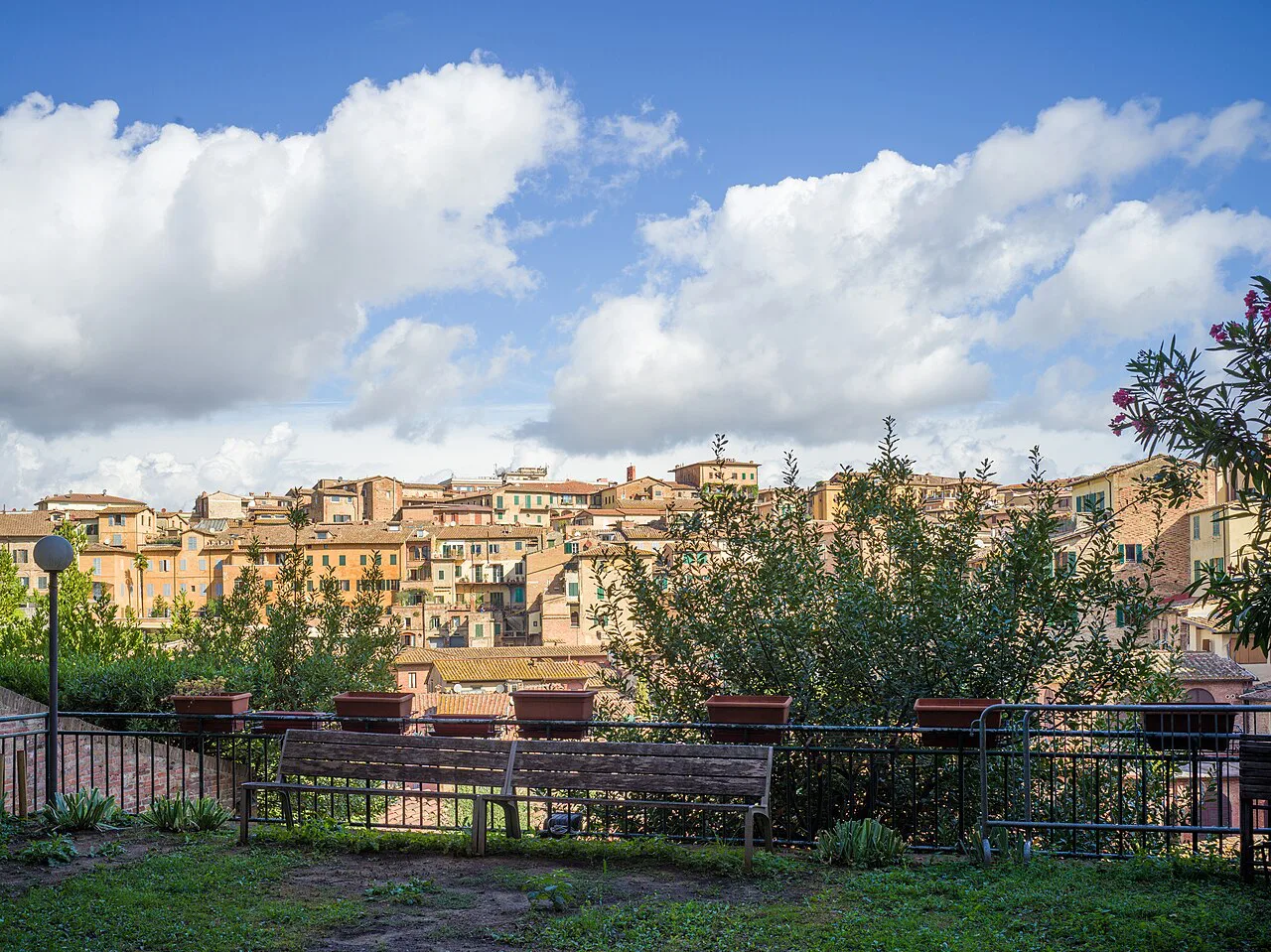
Siena's center sits inside medieval walls and is small enough to cross on foot in under half an hour, though the hills make it feel longer. Piazza del Campo is the low point and the social hub; the Duomo sits on higher ground to the north, and the streets between them, plus the terzi of San Martino, Camollia and Città, hold most of the bars and wine-focused spots.
For a wine evening, treat the Campo as your anchor and wander outward rather than plotting a fixed route. Enoteche and bars cluster along the main pedestrian arteries and just off them, and the side streets toward the contrade neighborhoods tend to be quieter and more local.
Because the center is pedestrian and restricted for traffic, the practical plan is to walk to your first stop, stay on foot, and walk or take a short taxi back to your hotel. That also solves the drinking-and-driving problem before it starts.
Tuscan Appellations to Ask For by Name
Siena sits in the heart of Chianti Classico country, and asking for it by name gets you further than a vague request for "Tuscan red." Chianti Classico is the historic zone between Florence and Siena, based mainly on Sangiovese; the wider Chianti appellation covers a larger area with different rules, and the two are not interchangeable.
South of Siena, Montalcino produces Brunello di Montalcino, a longer-aged Sangiovese, and its younger sibling Rosso di Montalcino, which is the more approachable and often more affordable pour in a bar. East of Siena, Montepulciano makes Vino Nobile di Montepulciano, again Sangiovese-led but a distinct zone and style.
Northwest of the city, San Gimignano produces Vernaccia di San Gimignano, a white that is one of the few Italian whites with a long documented history, and a good change of pace between reds. "Super Tuscans" is a loose marketing term for wines outside the classic appellation rules, usually Sangiovese blended with French varieties or made as pure Bordeaux-style reds; in a bar, ask whether a Super Tuscan is on the by-the-glass list.
If you want to taste these side by side with context, our guide to wine tasting in siena explains how the zones relate to the city and which to prioritize on a short trip.
Enoteca, Bar or Restaurant: What Each Means in Siena
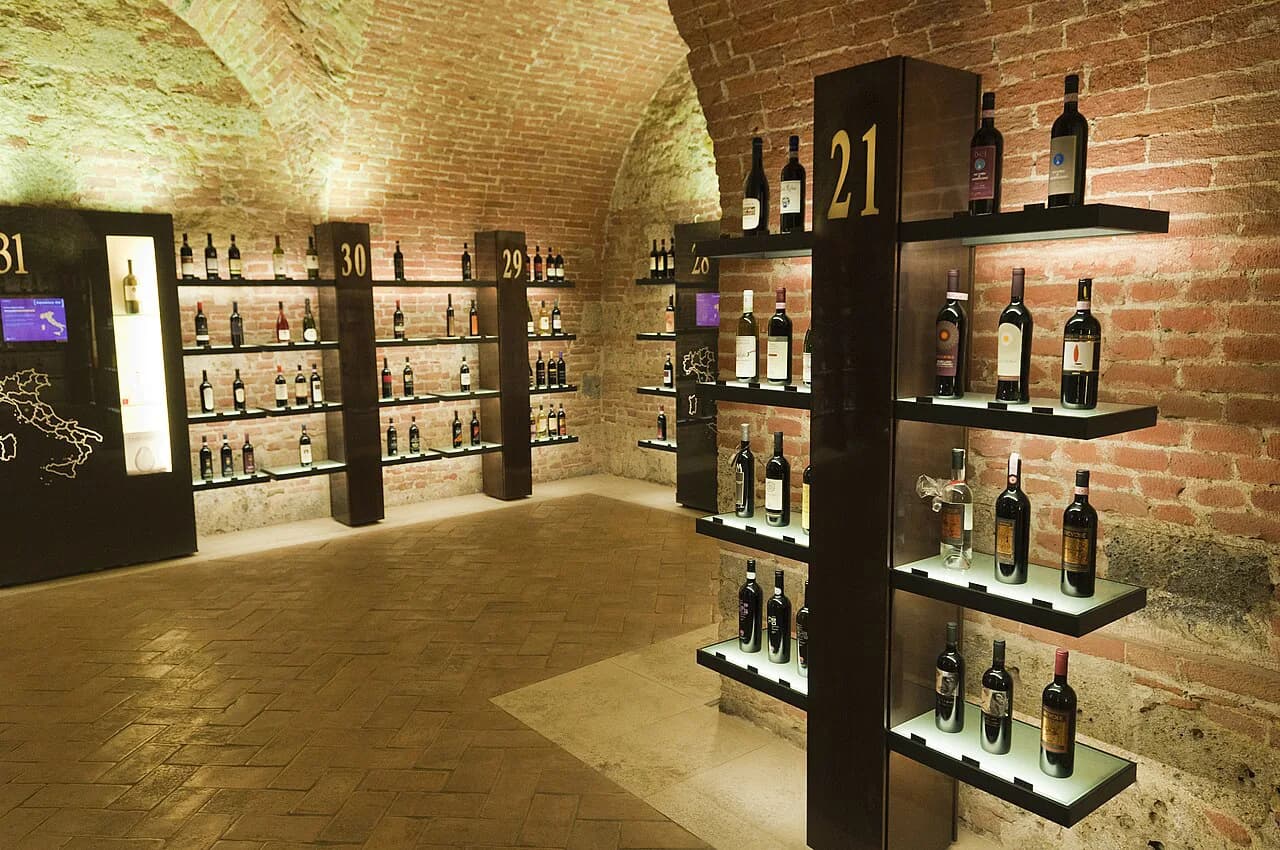
An enoteca is a wine-focused shop or wine bar, and in Siena it can mean anything from a retail counter with a few stools to a full tasting room with a kitchen. Some sell bottles to take away and pour glasses on site; others lean toward flights or guided comparisons. Because the word covers so much, look at the room before committing: a retail enoteca suits a quick glass and a bottle purchase, a seated enoteca suits an hour of tasting.
A bar in the Italian sense is a cafe that serves coffee in the morning and alcohol later, and many double as aperitivo spots with a small wine list. A restaurant with a serious cellar is the option when you want dinner and wine in one sitting, and the wine list is where you'll find the deeper verticals of Brunello and Vino Nobile.
This distinction matters most when you are choosing an evening: a flight-style tasting, a single glass before dinner and a full meal with a bottle are three different bookings. Phone or message ahead if you want a structured tasting, since small enoteche often have limited seating and may not run flights every night. For more on how local venues and wineries receive visitors, see our page on wineries in siena.
Ordering: By the Glass, a Flight or a Bottle
By the glass is the default in Siena bars and the easiest way to compare Chianti Classico with Rosso di Montalcino without committing to a bottle. Glasses are usually poured from an open bottle, so the list of what's open changes nightly; ask what is open tonight rather than working down a printed menu.
A flight or tasting set is not universal in Siena enoteche and is more common where the venue markets itself as a tasting room. If a flight is what you want, ask directly whether one is available, how many wines it includes and whether food comes with it. Bottle lists reward a little knowledge: Chianti Classico and Rosso di Montalcino are the value picks, Brunello and Vino Nobile the splurge, and Vernaccia the white to keep in mind.
For a structured comparison across producers and vintages, a guided tasting with an English-speaking host is the alternative to assembling your own flight. Our siena wine tours overview covers how those tastings are arranged and how to tell a proper tasting from a bar pour.
Sienese Food to Pair With the Wine
The food to order alongside Tuscan wine is the local pantry, and it does not require a formal tasting menu. Pecorino Toscano, the sheep's cheese of the region, appears in young and aged forms and pairs with Chianti Classico; salumi and crostini toscani, the chicken-liver spread on toast, are standard bar food; ribollita, the bread and vegetable soup, is a winter staple that suits a glass of Chianti.
For something heartier, pici, the thick hand-rolled pasta, is a Siena staple and shows up with garlic or a meat sauce. Ordering a plate of pecorino and salumi with a glass is the lowest-commitment way to taste, and it is also the most flexible when you are moving between venues.
Aperitivo hour is when bars put out small snacks with drinks, and it is the cheapest way to sample a wine list early in the evening. Siena's dinner service starts later than in most US cities, so an aperitivo glass around early evening and dinner later is the natural rhythm rather than an early sit-down meal.
Timing the Evening and Pairing It With a Daytime Walk
Siena rewards a split day: sights in the morning, wine at dusk. Start at Piazza del Campo, climb the Torre del Mangia if you want the view, and walk up to the Duomo; the contrade, the city's historic neighborhoods, are marked by fountains and plaques throughout the center and give the walk a theme.
By late afternoon the bars begin their aperitivo service, which is the moment to sit down with a glass of Vernaccia or a Chianti Classico and watch the piazza. Dinner follows later, and an after-dinner glass at an enoteca is the last stop before a short walk or taxi home.
Check the calendar before you go: Siena's Palio horse race in summer transforms the Campo and the contrade, and the weeks around it are busy and expensive. Outside those dates, a midweek evening in spring or autumn is the calmest way to drink well in the center.
Getting Around Without Driving
You do not need a car for a Siena wine evening. The center is walkable, taxis are available from the Campo and the main gates, and the city is served by bus and rail links from Florence and the surrounding towns if you are coming in for the day.
If you are staying outside the walls, choose accommodation within walking distance or budget for a taxi, and confirm the return trip before you start drinking. A driver in your group should not taste at all; use the spittoons that tasting rooms provide, appoint a designated driver, or book a tour with transport included.
For a wine-focused stay, agriturismo siena properties in the countryside offer another base, but they make an evening in the center logistically harder. Weigh a countryside stay against a hotel inside the walls depending on whether town evenings or winery mornings matter more to you.
Adding a Chianti Classico Winery Day
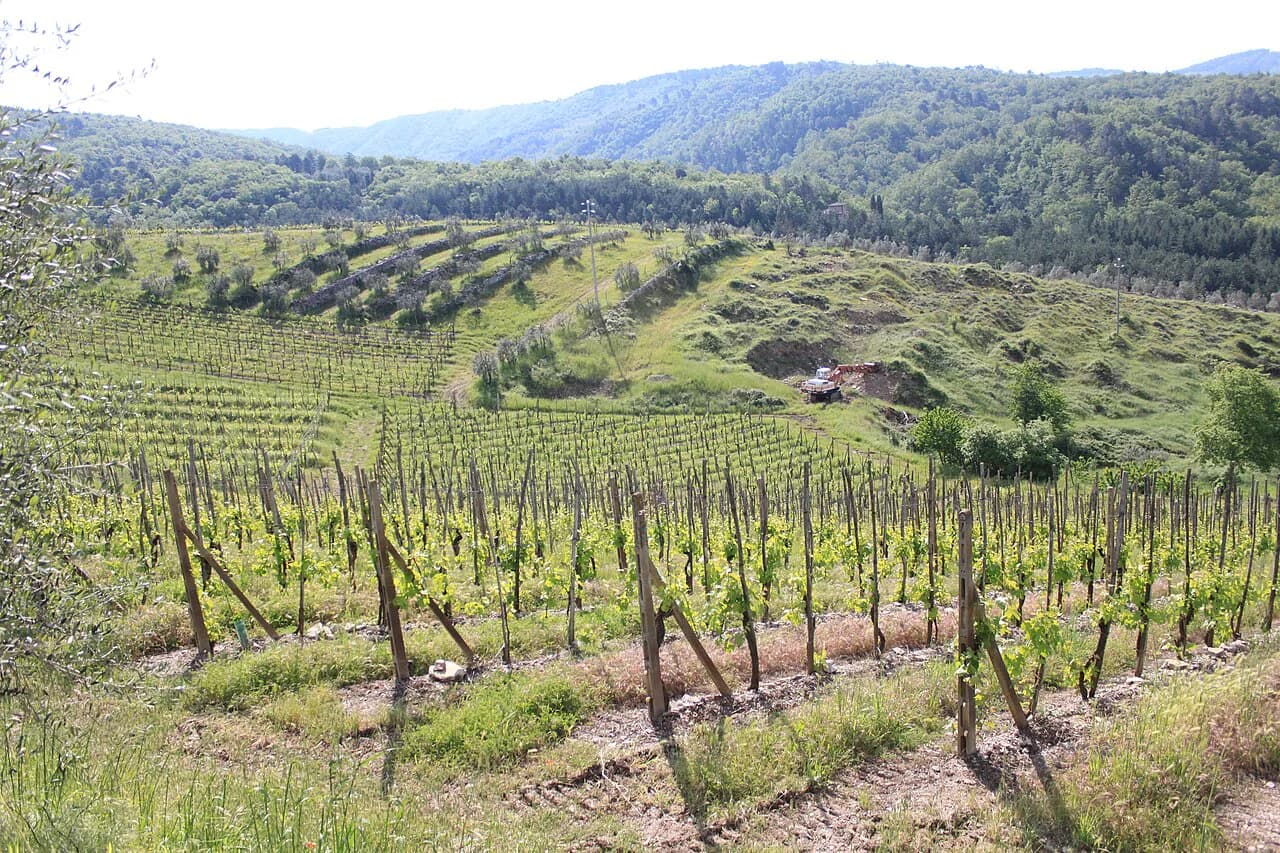
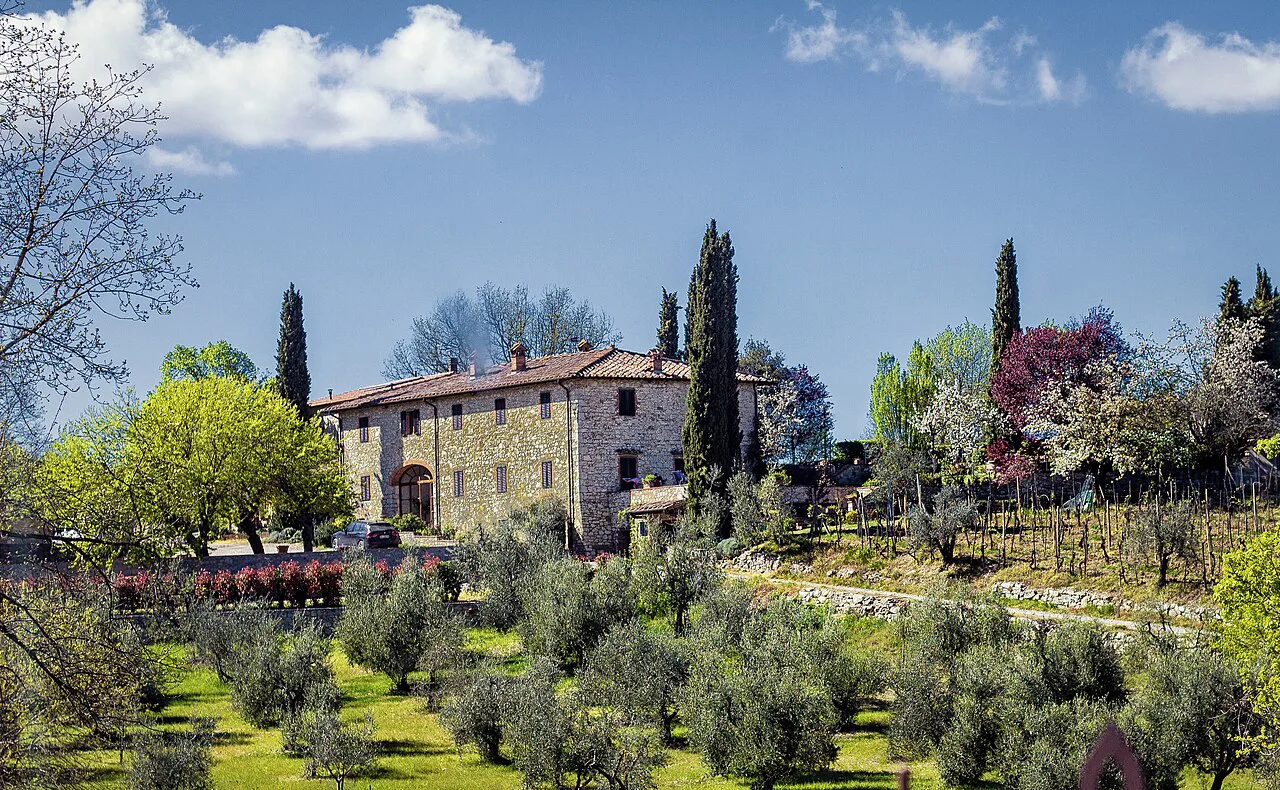
A Siena wine evening and a Chianti Classico winery day are two different experiences, and the best trips combine them. The wineries are in the countryside north of the city, in villages such as Greve in Chianti, Radda and Castellina, and reaching them without a car means a tour or a driver.
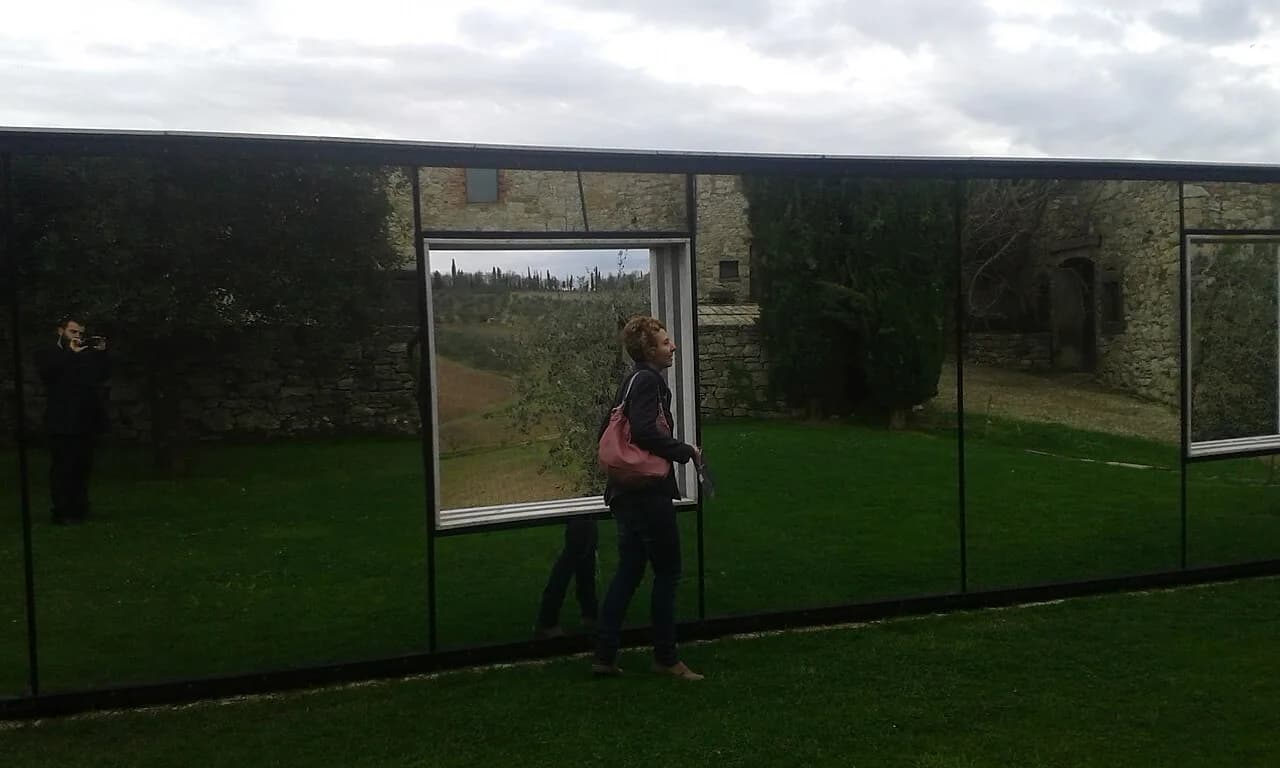
If you want a single destination rather than a multi-stop day, the Antinori nel Chianti Classico cellar is a major architectural visit near San Casciano in Val di Pesa with a formal tasting program. Book ahead, because timed entries are the norm for larger cellars like this one.
Smaller estates generally receive visitors by appointment, with a set number of wines and often a cellar walk; ask what is poured, how long the visit lasts and whether food is included when you book. If you would rather keep the evening simple, our guide to the wine bar side of a Sorrento trip is a useful contrast for how Italian wine bars can differ by region, but in Siena the Chianti Classico zone is the one to build around.
Common Mistakes to Avoid
The first mistake is assuming every enoteca takes walk-ins for a structured tasting. Many are small, and a proper flight may need a reservation or may not be offered at all; call or message the day before if a tasting is the point of your evening.
The second is expecting a Napa-style tasting menu with a fixed lineup and a seated host. Siena's default is a glass at the bar or a bottle at dinner, and a flight is something you ask for rather than something printed on every menu.
The third is mixing up the US venues with the same name. Siena Restaurant in Snyder, Bar Siena in Chicago and Sienna Wine Bar in Denver are separate businesses; if you are going to Italy, plan around Siena's historic center and the Tuscan appellations, not around those listings.
Plan Your Siena Wine Evening
Build the evening around the walkable center: a daytime loop from the Campo to the Duomo, an aperitivo glass of Vernaccia or Chianti Classico, then dinner with a bottle of Rosso di Montalcino or Vino Nobile. Keep the appellation names in your pocket so you can order with confidence, and leave the car behind.
If you want more than a glass, pair the town evening with a Chianti Classico winery day through a tour or driver, and reserve the structured tasting in advance. Confirm the current hours, tasting options and booking rules directly with the venue or winery before you go, then let the evening follow Siena's own rhythm.
Frequently Asked Questions
What wine is Siena known for?
Siena sits inside the Chianti Classico zone, so Sangiovese-based Chianti Classico is the local reference point. In town you will also see Brunello di Montalcino and Rosso di Montalcino from the south, Vino Nobile di Montepulciano from the east, Vernaccia di San Gimignano from the northwest, and loosely defined Super Tuscans.
Is Bar Siena in Chicago the same as a wine bar in Siena, Italy?
No. Bar Siena is a Chicago business on West Randolph Street, and Siena Restaurant is in Snyder, New York, near Buffalo; Sienna Wine Bar & Small Plates is in Denver. They share a name with the Tuscan city but have no connection to its enoteche, so plan an Italian wine evening around Siena's historic center instead.
Do Siena enoteche take walk-ins for a tasting?
Not always. Many enoteche are small, so a single glass is easy to arrange on the spot while a structured flight may need a call or message the day before. Ask whether a flight is offered at all, how many wines it includes and whether food comes with it before you commit an evening to it.
How do I get around Siena for a wine evening without driving?
The historic center is compact and pedestrian, so walking between an enoteca, an aperitivo bar and a restaurant is the normal approach. Taxis cover the return to hotels outside the walls, and buses and trains connect Siena with Florence and nearby towns if you are visiting for the day.
Sources
Notes for your next wine trip
Optional updates to our winery and wine-town guides.
You might also like
Continue reading
More guides you'll find useful