Castello di Ama: Tasting Tours, Prices and How to Book
Plan a Castello di Ama visit in Gaiole in Chianti: tour lengths, published tasting prices, the three experiences, booking rules and getting there from Siena.
On this page
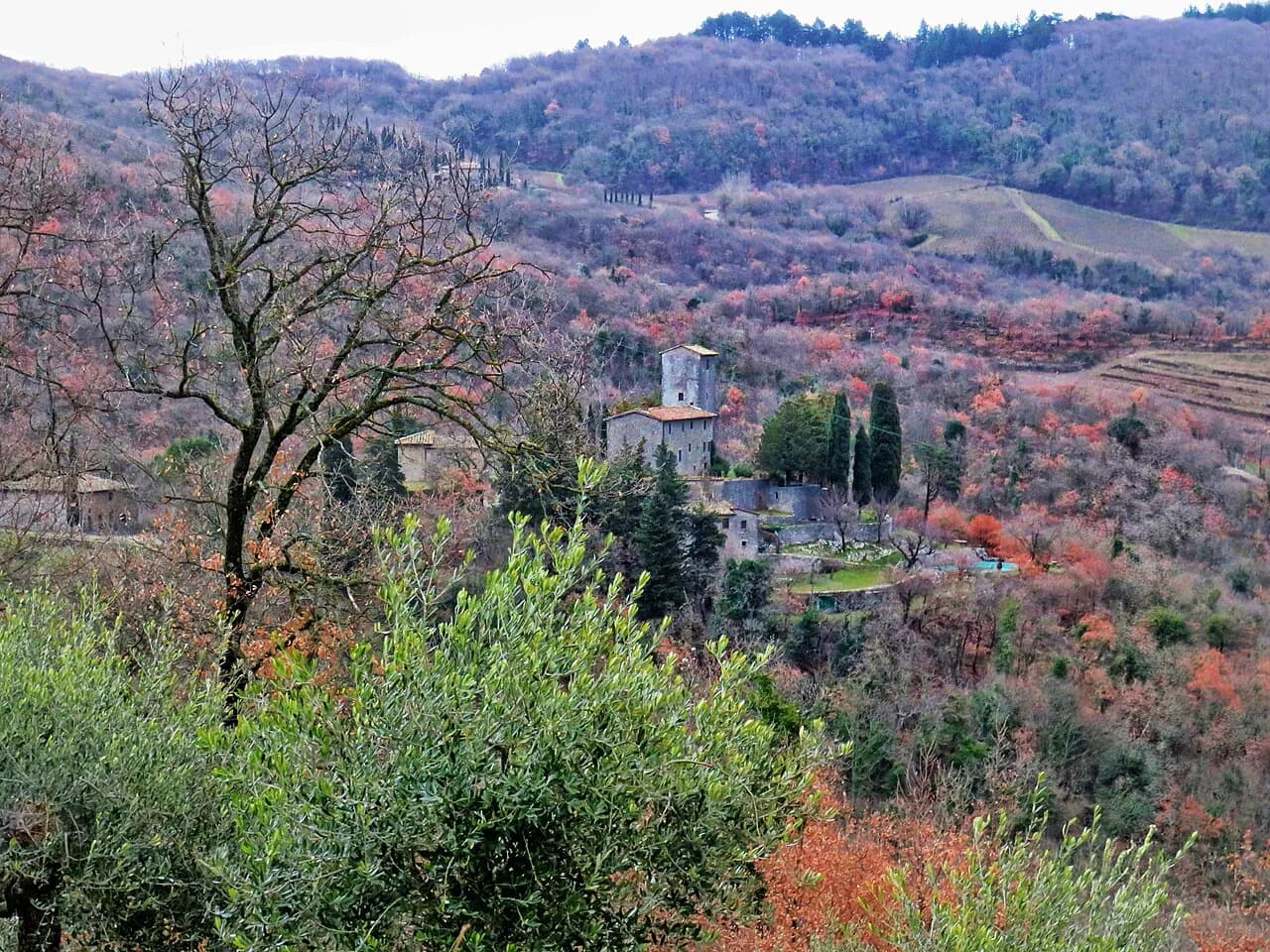
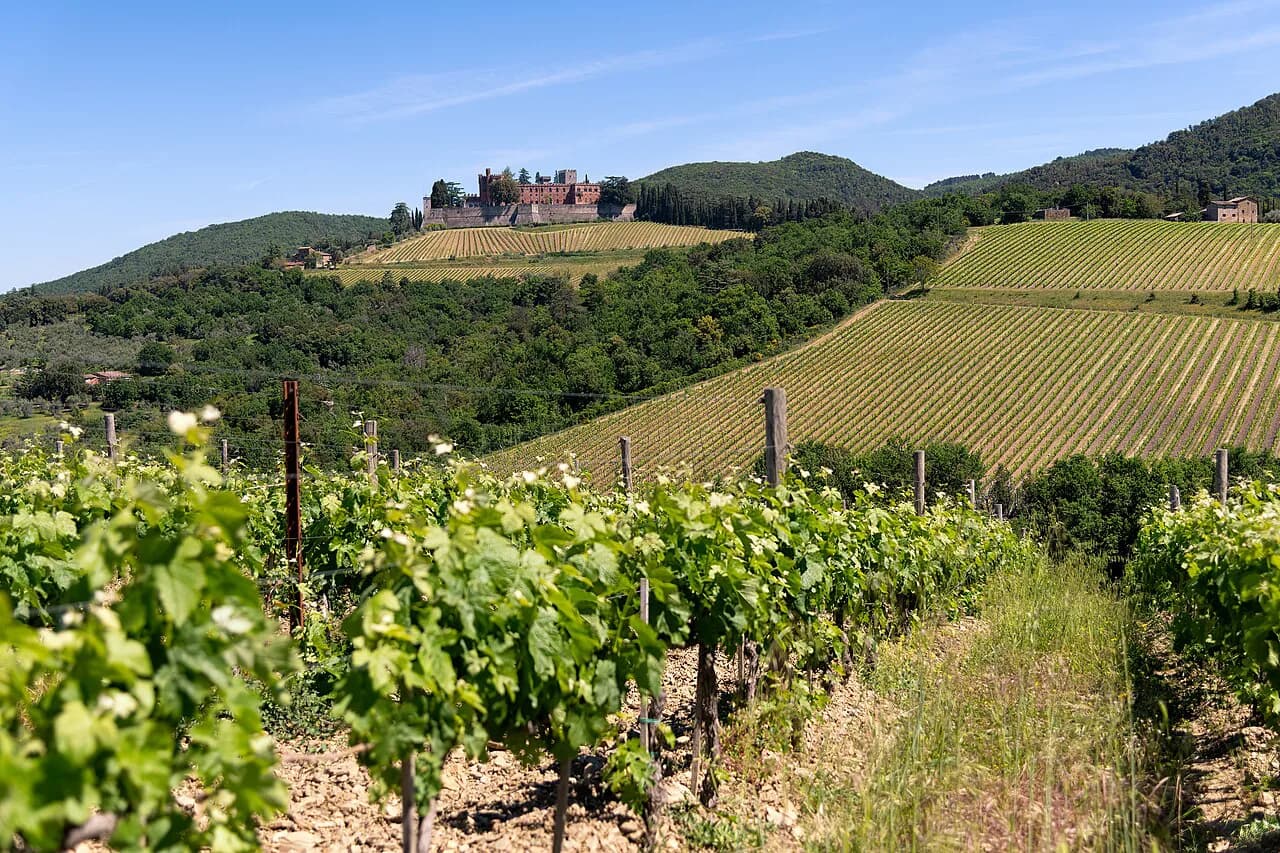
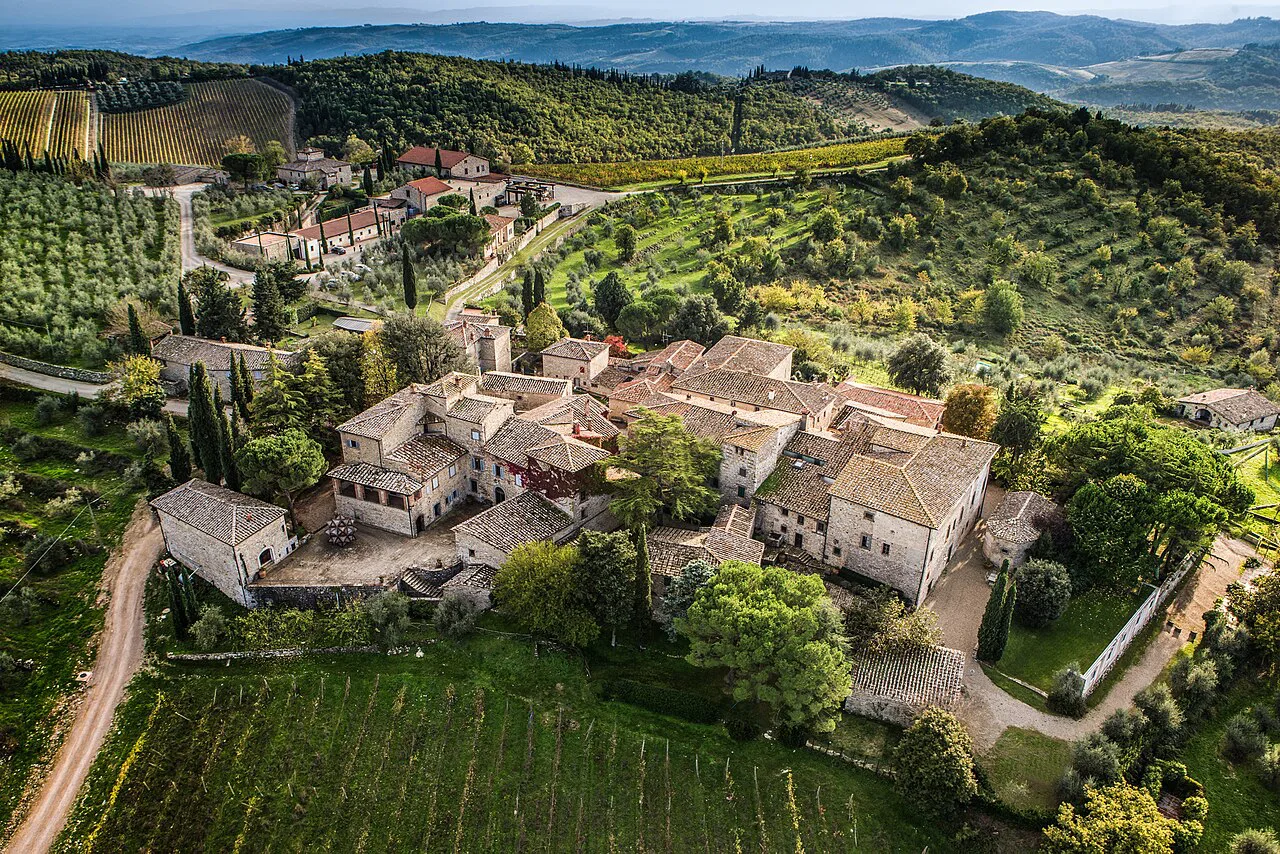
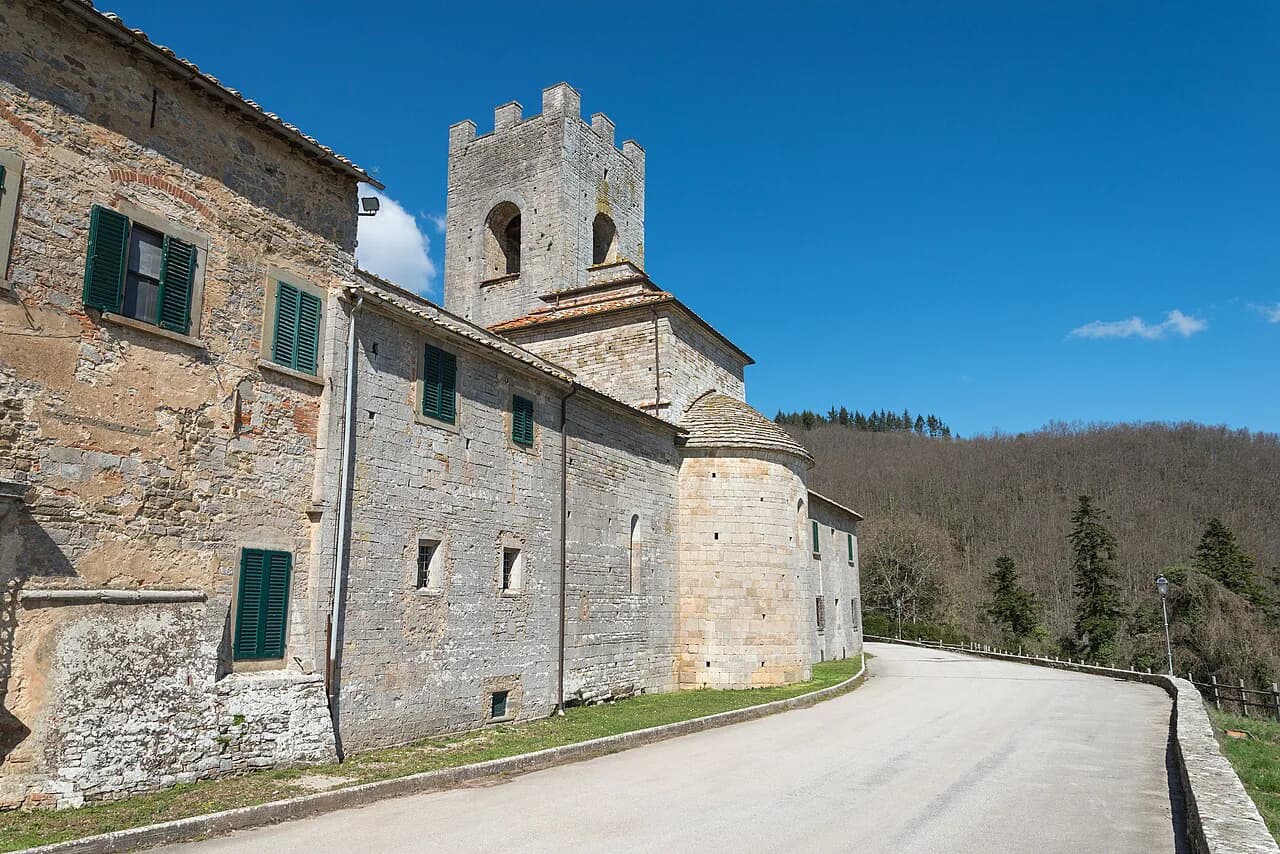
Castello di Ama is one of the estates that defines the southern Chianti Classico hills: a walled borgo above Gaiole in Chianti, founded in 1976 and known both for Sangiovese-led wines and for a contemporary art collection installed among its buildings and vineyards. For a wine traveler based in Siena, it is a focused half-day rather than a quick stop, and the visit is structured in a way worth understanding before you commit.
The estate publishes three distinct visit-and-tasting packages, each combining a guided walk with a seated tasting in the rooms of Villa Pianigiani. They differ in length, in the wines poured and in price, so the practical decision is which one matches your interest in the estate rather than whether to go at all.
Where Castello di Ama Sits in the Chianti Classico Landscape
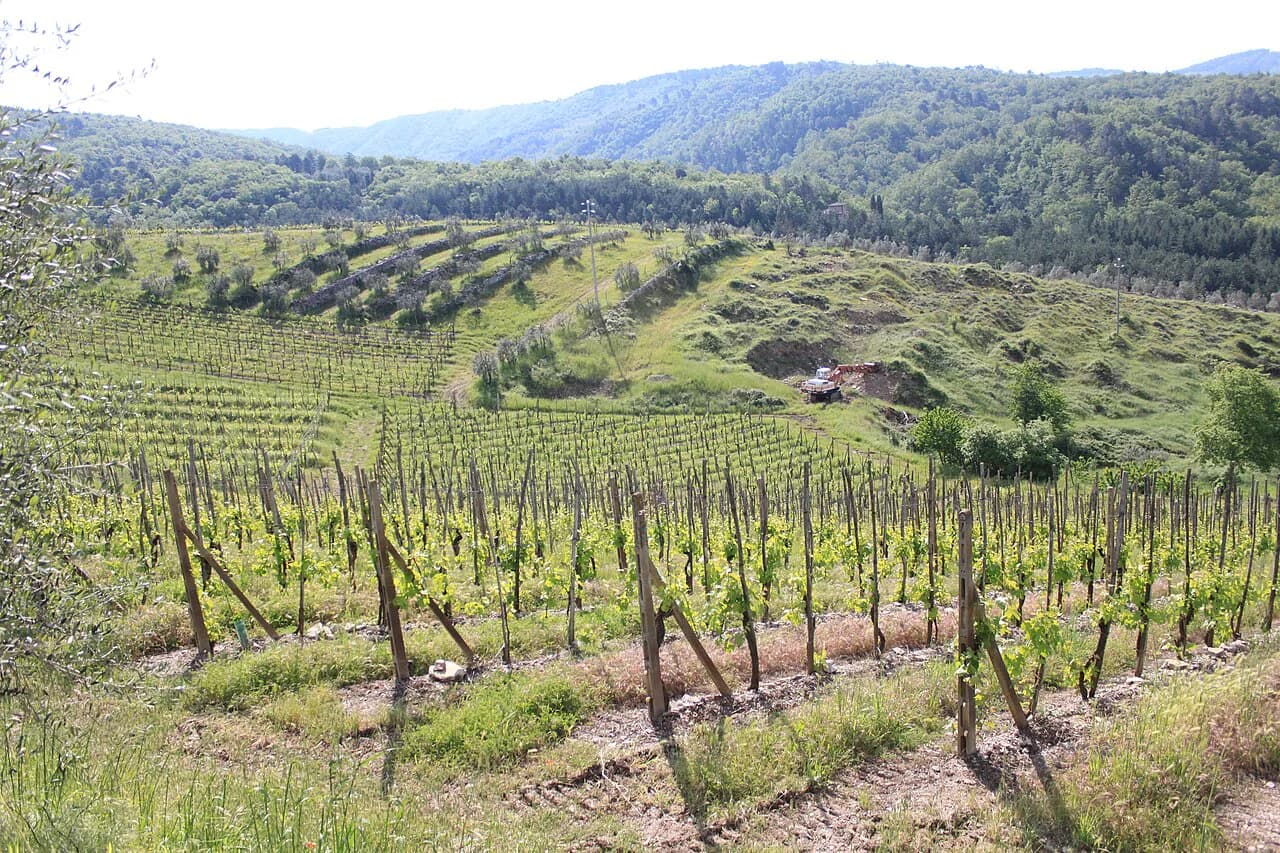
The estate lies at Gaiole in Chianti, in the southeastern part of the Chianti Classico zone, with vineyards planted at altitudes between roughly 460 and 525 meters on clay-limestone soils rich in alberese. That position places it in the same broad district as Radda, Castellina and Greve, but Gaiole is the rural, dispersed end of the zone, with estates spread across ridges rather than clustered along a single road.
Practically, this means you should group Castello di Ama with one other stop at most in a day, because the roads between Gaiole and its neighbors are slow and winding. A sensible shape is the estate in the morning and a village lunch, or the reverse, rather than attempting three estates across the zone. If you are building a wider itinerary, the range of options in Siena wine tasting gives a sense of how the day can be assembled, and the Montepulciano wine guide offers a comparable day further south for weighing against a Gaiole visit.
Public transport does not deliver you to the gate. Gaiole has bus connections, but the estate sits outside the village, so the last stretch is a walk on rural roads or a pre-arranged car. Treat a taxi or private driver as part of the plan, and book the return leg in advance rather than hoping to hail something in Gaiole.
The Three Bookable Experiences Side by Side
All three experiences begin with about an hour in the estate's spaces, covering the historic cellars and the contemporary art installations, and finish with a seated tasting in a private room at Villa Pianigiani. The differences lie in total duration, the wines poured and whether the format is shared or private.
The introductory option, Viaggio ad Ama, runs about an hour and a half and is priced at 90 euros per person. It is a shared format capped at seven guests, and the tasting follows three concentric steps through the estate's Chianti Classico identity. L'Impronta del Terroir is also about an hour and a half and shared, capped at seven guests, but at 129 euros per person it concentrates on how the place shapes the grapes. L'Arca delle Vendemmie is the private option: roughly two hours, priced at 279 euros per person, with the most ambitious wines of the three.
Viaggio ad Ama: The Introductory Three-Wine Arc
This is the visit to choose if you want to understand the estate's range without spending a full afternoon or a large sum. The walk starts at the Arca, the modern reception building overlooking the vineyards, moves through the production spaces and art, and ends at Villa Pianigiani for the tasting.
The tasting is built as three widening circles of Chianti Classico, moving from an entry wine through a Riserva to the estate's Gran Selezione. In practice that means you compare the same appellation at three levels of ambition, which is a clearer education than tasting three unrelated labels.
It suits first-time visitors to Chianti Classico and travelers who want a structured, time-boxed stop. If you already know the zone well and drink these wines regularly, the extra depth of the terroir-focused option is likely worth the additional cost.
L'Impronta del Terroir: San Lorenzo Across Vintages
This experience is for travelers who already have a footing in Chianti Classico and want to see how a single wine behaves across time. The seated tasting opens with the current San Lorenzo release, continues with an older vintage of the same wine, and closes with Vigneto La Casuccia, the cru born from the estate's historic blend of Sangiovese and Merlot.
The structure is deliberately comparative: same wine, different years, then a single-vineyard wine that shows what the estate does when it lets Merlot into the blend. The group cap of seven keeps this conversational, and the shared format keeps the price at 129 euros per person rather than private-tour levels.
Choose it over the introductory tour if vintage variation and single-vineyard selection are what interest you. The trade-off is straightforward: you pay more and taste fewer wines, but each one carries more information.
L'Arca delle Vendemmie: The Private Splurge
The private option runs about two hours and is priced at 279 euros per person, with the first hour devoted to the estate's spaces, historic cellars and art collection before a private tasting at Villa Pianigiani. The wines are the estate's most ambitious: San Lorenzo, L'Apparita, the pure Merlot that made the estate's reputation, and Vigneto Bellavista in two vintages.
This is justified when the visit is a centerpiece of the trip, when you are traveling as a couple or small group who want the room to yourselves, or when you already collect these wines and want to taste the top of the range in one sitting. For a casual first encounter with Chianti Classico, it is more than you need.
Note that the posted figure is per person, so a party of four multiplies accordingly; the visit page lists the current rate. If the budget is fixed, the shared terroir tasting delivers a serious comparison at a considerably lower outlay per head.
Booking Mechanics and How Far Ahead to Request
Reservation is mandatory for all visit-and-tasting experiences, and the estate asks guests to book so it can staff and prepare each session properly. Requests go through the estate's booking form or directly to the enoteca by email or phone; the contact details are published on the visit page and are the right channel for date changes or special requests.
Because the shared formats cap at seven guests, popular slots fill early, and the private option depends on room availability at Villa Pianigiani. In practice, request your date as soon as your travel dates are fixed, and state the number in your party and which experience you want.
The winery also offers tailored deep-dive and vertical tastings on request for collectors and enthusiasts, which is worth asking about if you have a specific vintage or wine in mind. These are arranged in direct dialogue rather than chosen from a menu.
Opening Days and What You Can Do Without a Tasting
The borgo itself can always be walked freely, which is the calmest part of the visit and costs nothing: you can take in the views over the Chianti hills at your own pace. The Arca, the modern reception space with its book collection and by-the-glass selection, is published as open Monday to Saturday from 10:30 to 19:00.
The enoteca occupies the ground floor of the eighteenth-century Villa Pianigiani and handles both the tasting rooms and direct sales. Its published hours are Monday to Saturday, 10:00 to 19:00, which makes it the natural first stop if you arrive before a booked session.
The published schedule does not cover seasonal or holiday variations, so a quick message before traveling on a public holiday or in the depths of winter is sensible. If you want a looser wine-focused afternoon closer to town, the Siena Wine Bars and Enoteche guide covers city options that need no reservation.
The Art Collection and the Wines in Brief
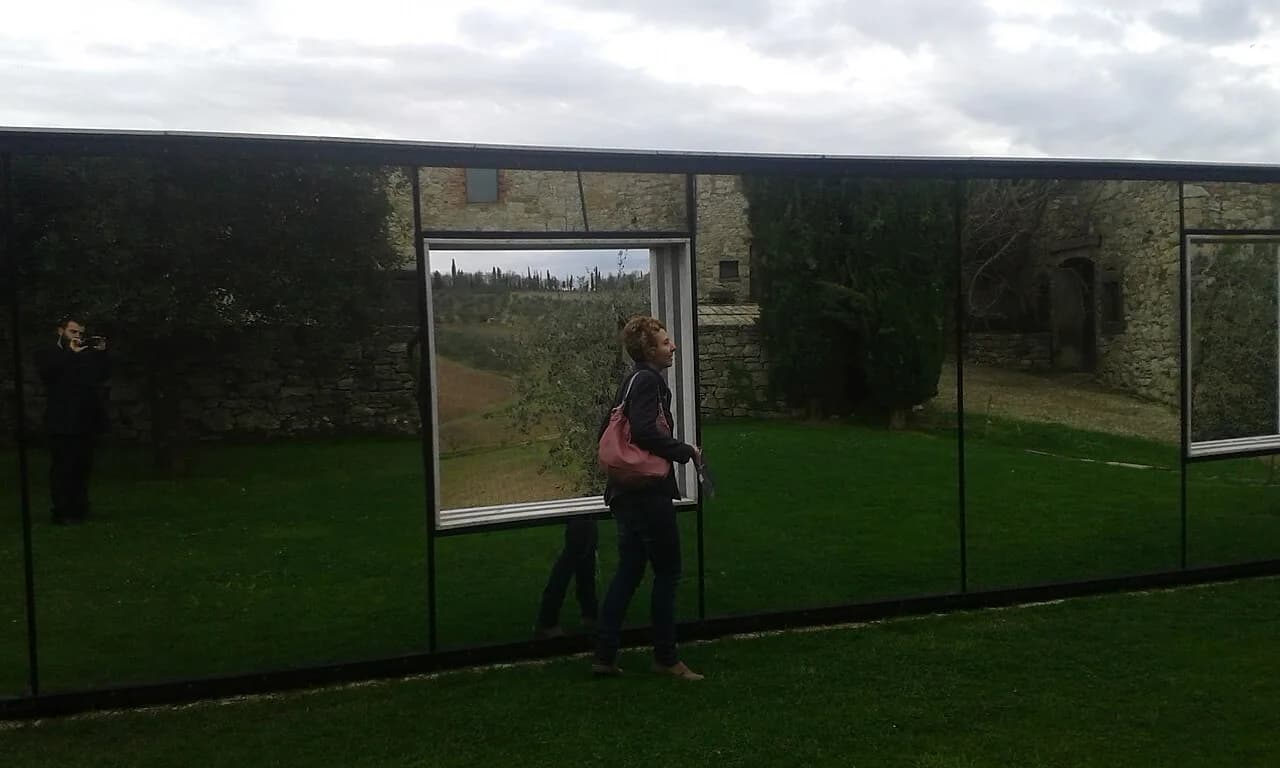
Contemporary art is built into every visit rather than offered as a separate attraction: installations are integrated into the estate's buildings and vineyards, and the guided walk passes through them between the historic and production areas. Even if you came only for the wine, the art is part of the route and shapes how the visit is paced.
On the wine side, the estate is anchored in Chianti Classico, with Sangiovese as the main grape and Merlot used in some of the top labels. Ama, the entry Chianti Classico, is Sangiovese-dominant with a small Merlot share, aged in used French oak, which gives you a useful reference point for what the higher-tier wines build upon.
The estate's history matters to the wines: it was founded in 1976 by four Roman families, has been a pioneer of single-vineyard selections since 1978, and holds Equalitas sustainability certification. Knowing that context makes the single-vineyard names on the tasting list easier to place.
Getting There from Siena Without Driving
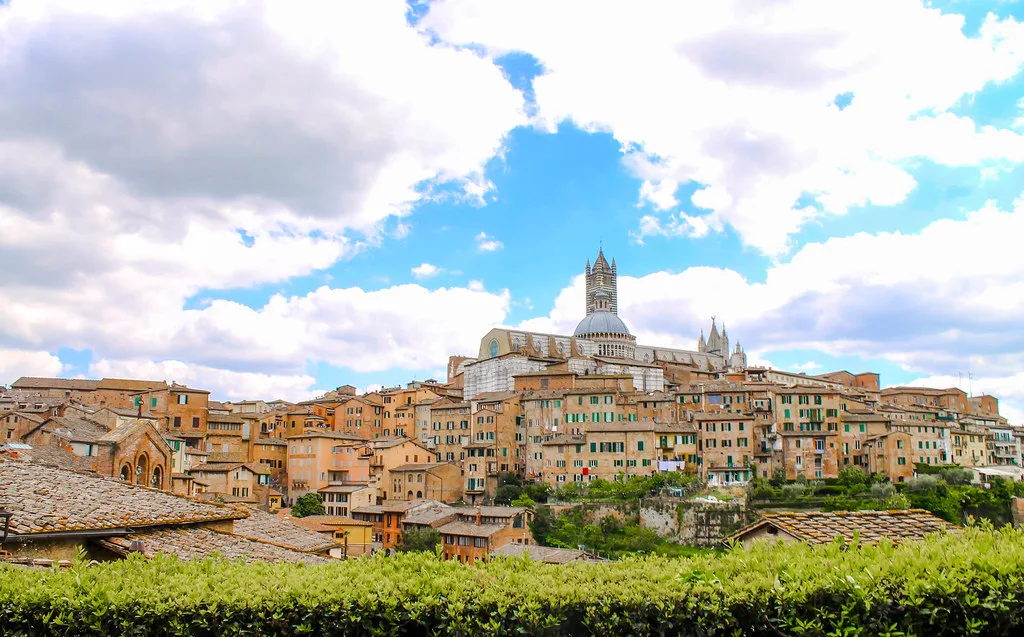
The realistic no-car plan is a pre-booked car: a taxi or private driver from Siena for the round trip, arranged so the driver waits during the visit. Gaiole is roughly an hour from Siena by road, so the cost of the round trip is the main variable and the driver's waiting time should be agreed in advance.
A guided Chianti day tour solves the logistics entirely: you are collected, driven between stops and delivered back, and the driver handles the rural roads. The trade-off is less flexibility on timing, since the estate slot depends on the group schedule; compare the options in Siena wine tours before committing.
If you are combining Chianti Classico estates, note that other major wineries in the zone sit closer to the Florence side, including Antinori nel Chianti Classico near San Casciano in Val di Pesa. Pairing that with Castello di Ama in one day is a long drive and is better split across two.
Independent Visit vs. Guided Tour
Going independently gives you full control: you choose the experience, linger in the borgo afterwards and set your own pace. The cost is that you still need a car and a driver, and the simplest solution is to hire a driver for the day rather than rely on public transport.
A guided tour offloads the driving and often adds context on the zone, but reduces your flexibility and may not include the specific package you want. If the private L'Arca delle Vendemmie tasting is the point of the day, book it directly with the estate and arrange transport around the confirmed time.
Either way, plan for the driver not to taste. The estate's formats are seated and structured, and a spittoon or a designated driver keeps the day practical; on a tour, the driver is already accounted for.
Practical Timing and What to Ask When You Request a Date
Harvest in Chianti Classico falls in September, and the estate's own records show Sangiovese picked from late September into early October, so autumn dates coincide with the busiest period in the vineyards and the tasting rooms. Book well ahead if you want an October visit, and expect less availability at short notice.
When you request a date, state the experience you want, the number in your party, and whether anyone is driving or not drinking. Ask whether the shared session will run in your language and confirm the meeting point at the Arca.
If you are deciding between estates for the rest of your trip, the Wineries in Siena guide helps you weigh other options, including smaller estates such as La Lastra, against a visit to Ama.
Plan Your Visit
For most travelers from Siena, the right booking is either Viaggio ad Ama for an efficient introduction or L'Impronta del Terroir for a deeper look at vintage and soil, with L'Arca delle Vendemmie reserved for a special occasion or a serious collector. Whichever you pick, reserve first, then build the transport around the confirmed time.
Confirm the current prices, hours and availability with the estate when you book, and arrange your driver or tour before you travel. With those two steps done, Castello di Ama becomes one of the most complete wine visits in Chianti Classico, wine and art in a single, well-paced session.
Frequently Asked Questions
How much does a Castello di Ama tasting cost?
The estate publishes three per-person prices for its visit-and-tasting experiences, at three different levels of depth and duration. The introductory shared option is the least expensive, the terroir-focused shared tasting sits in the middle, and the private experience is the most expensive. Check the visit page for the current figures before booking.
Do you need to book Castello di Ama in advance?
Yes. Reservation is mandatory for the visit-and-tasting experiences, and the estate asks guests to book ahead so each session can be prepared. You can contact the enoteca by email or phone, or use the booking request on the visit page. The borgo itself can be walked without a booking.
How long is the Castello di Ama tour?
The two shared experiences run about an hour and a half, with roughly an hour in the estate's spaces and the remainder seated for the tasting. The private L'Arca delle Vendemmie experience runs about two hours, with an hour of walking and a longer private tasting.
Can you visit Castello di Ama without a car?
Not easily by public transport, because the estate sits outside Gaiole in Chianti and the last stretch is on rural roads. The practical options are a pre-booked taxi or private driver from Siena, or a guided Chianti tour that includes the estate.
What wines are poured on the Castello di Ama tour?
Each experience pours a different set. The introductory tasting moves through three levels of Chianti Classico, the terroir-focused tasting compares vintages of San Lorenzo and closes with Vigneto La Casuccia, and the private experience adds L'Apparita and Vigneto Bellavista.
Who owns Castello di Ama?
The estate was founded in 1976 by four Roman families and remains associated with that founding group, with Lorenza Sebasti as managing director and Marco Pallanti as winemaker and general director. A third generation now works in the business.
Sources
Notes for your next wine trip
Optional updates to our winery and wine-town guides.
You might also like
Continue reading
More guides you'll find useful