Castello di Albola Guide: Tours, Tastings from Siena
Plan a visit to Castello di Albola in Radda in Chianti: published tour and tasting options, booking terms and how to reach it from Siena.
On this page
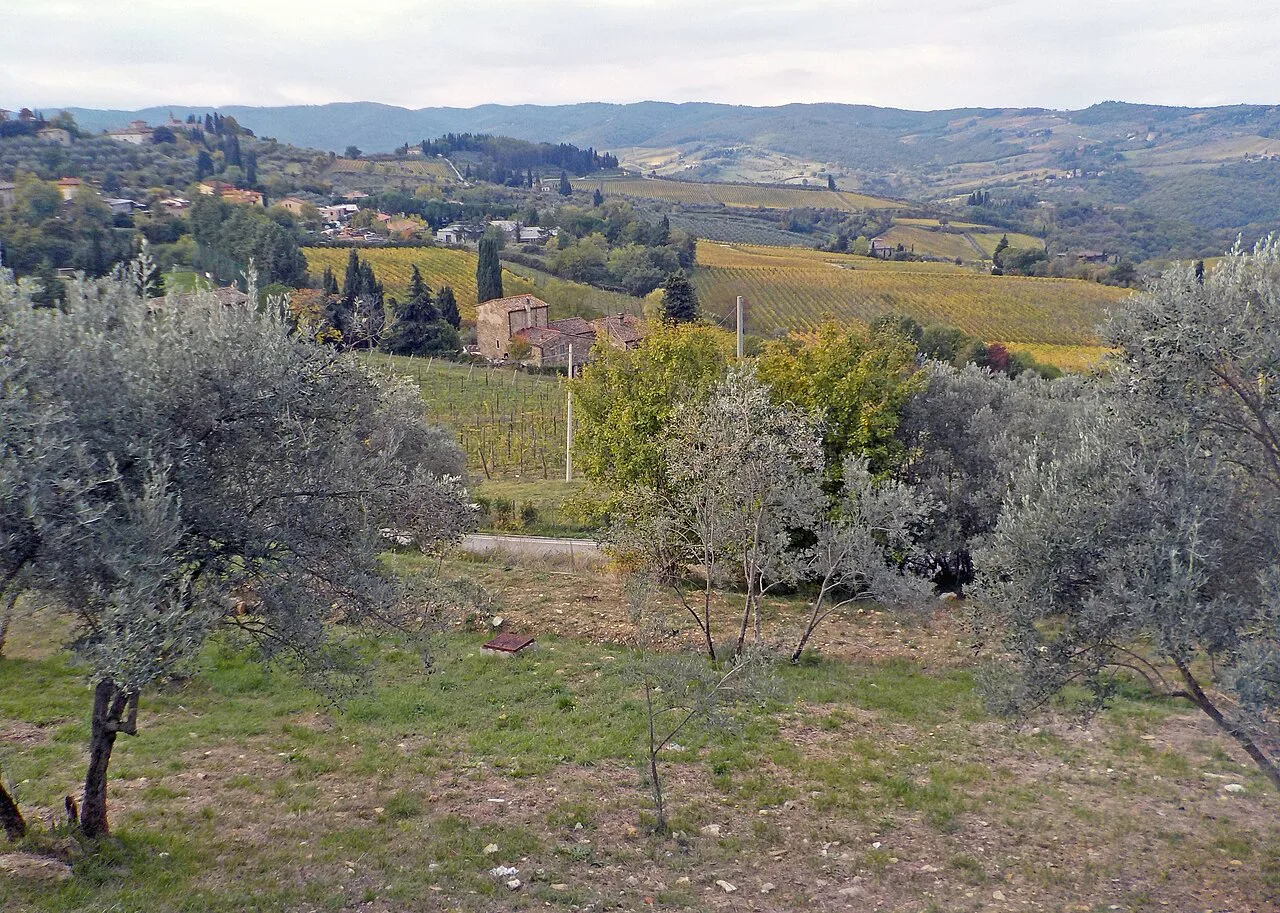
Castello di Albola sits on a hilltop in Radda in Chianti, one of the historic Chianti Classico villages northeast of Siena. The estate runs a full range of visitor experiences, from a one-hour guided tasting to a cooking class, and publishes them through an online booking platform. This guide separates those formats by time and price so you can pick one that fits a day trip from Siena rather than committing to the first option listed. If you are weighing other Tuscan hill towns for a cellar visit, wine tasting in Montepulciano covers the same decision for Nobile country.
Radda is deep in the Chianti hills, and getting there without a car takes planning: a bus or a pre-arranged transfer is the realistic path, and a guided day tour removes the logistics entirely. Pair this with the wider picture in our guide to Siena Wine tasting if you want to compare Albola against other cellars around the city.
What Castello di Albola Is
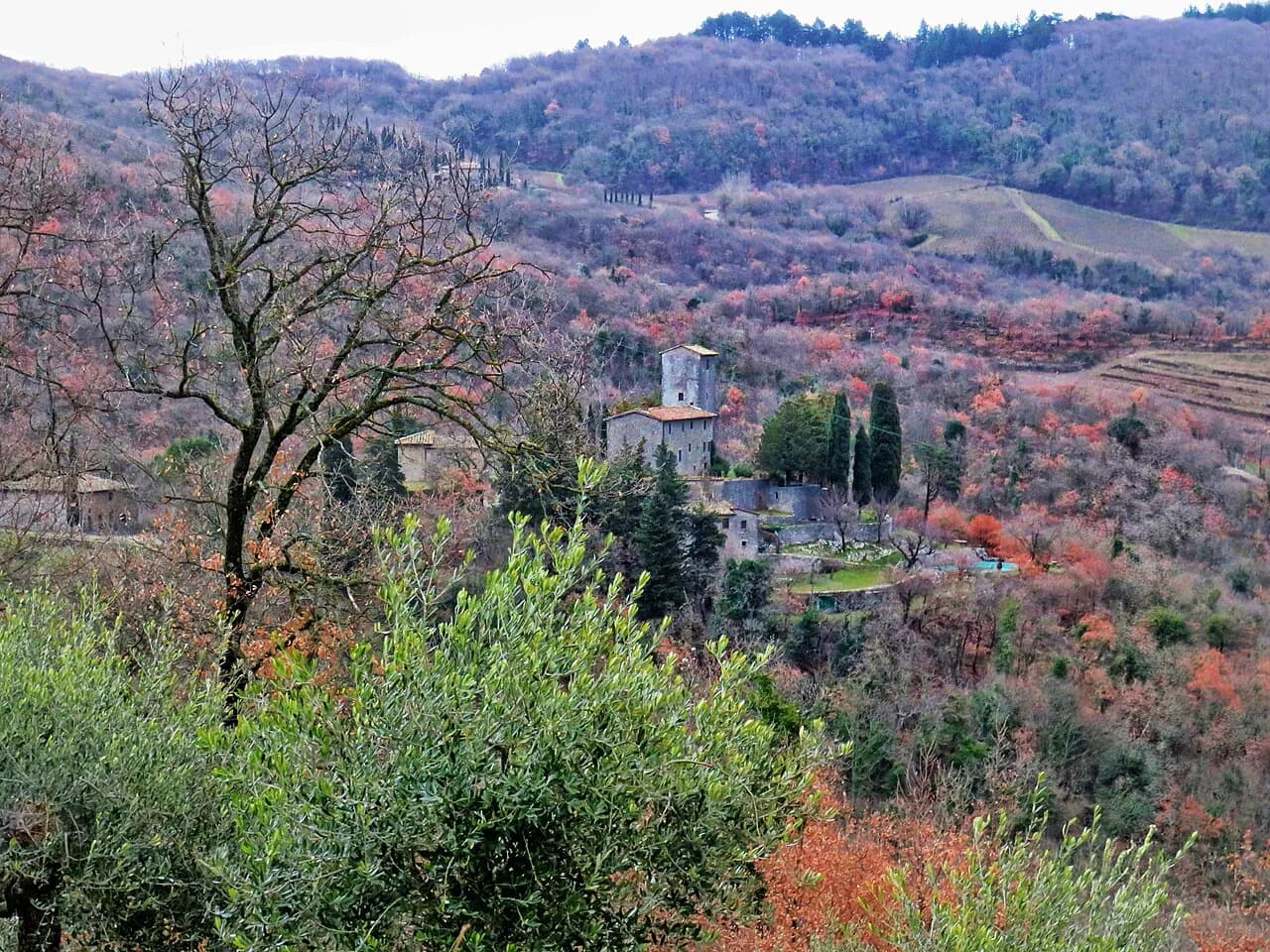
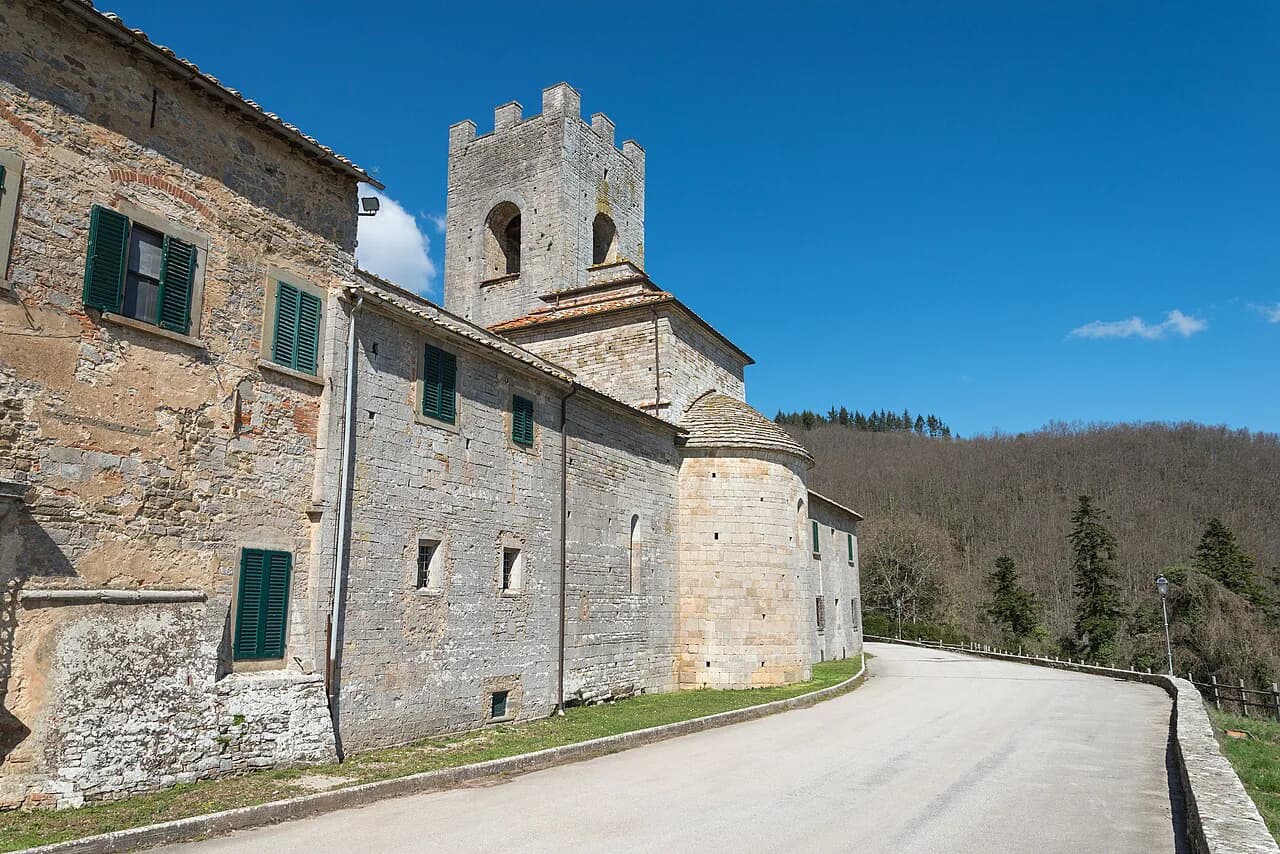
Castello di Albola is a medieval village turned wine estate at Via Pian d'Albola 31, Radda in Chianti, in the province of Siena. Its cellars are carved into rock beneath the old houses and hold large Slavonian oak barrels used to age the estate's reds. The Zonin family has owned the property since 1979, and Alessandro Gallo has directed it as estate director and winemaker.
Because the estate is a lived-in hamlet rather than a purpose-built visitor centre, visits centre on the historic underground cellars and the surrounding vineyards. The estate also lists suites, villas and an on-site osteria, so you can build a longer stay around a tasting if a day trip feels rushed.
Where It Sits in Chianti Classico
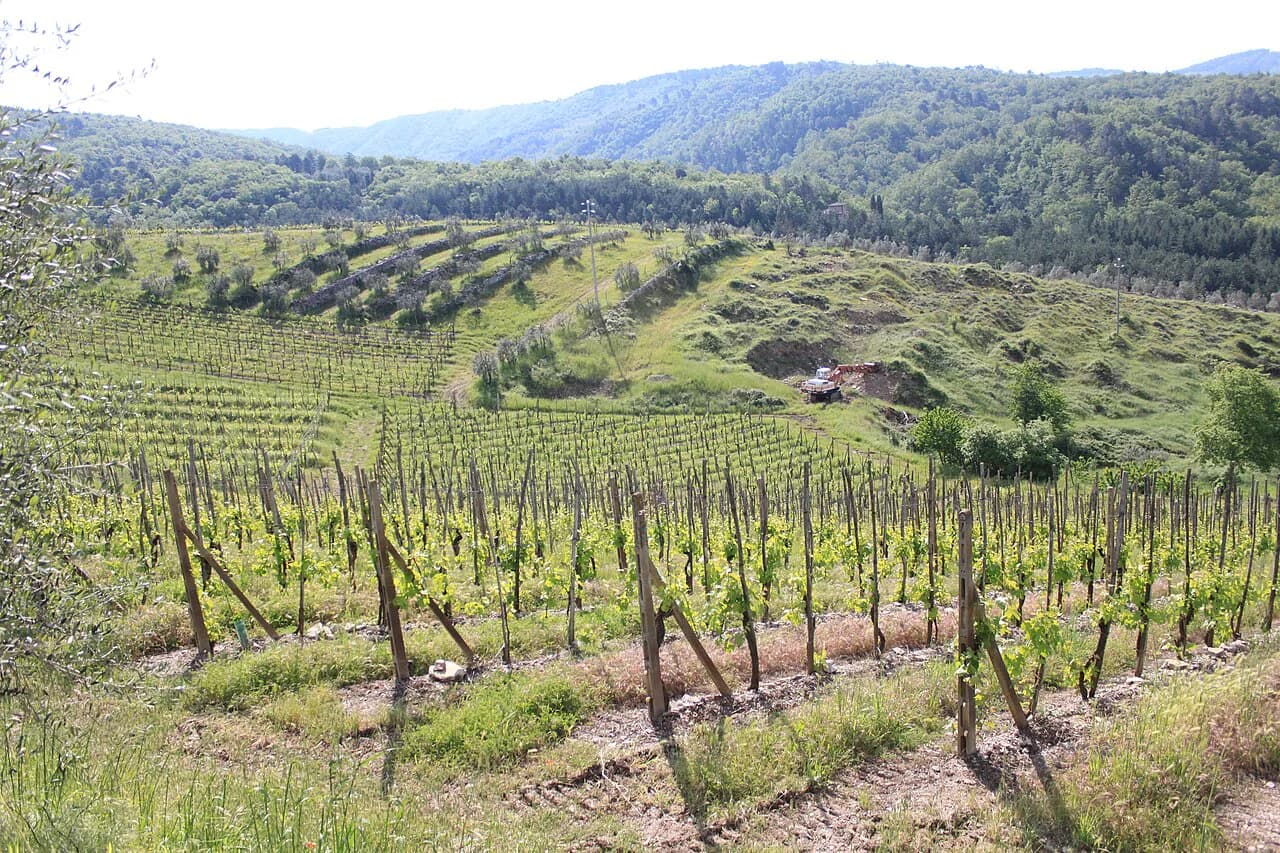
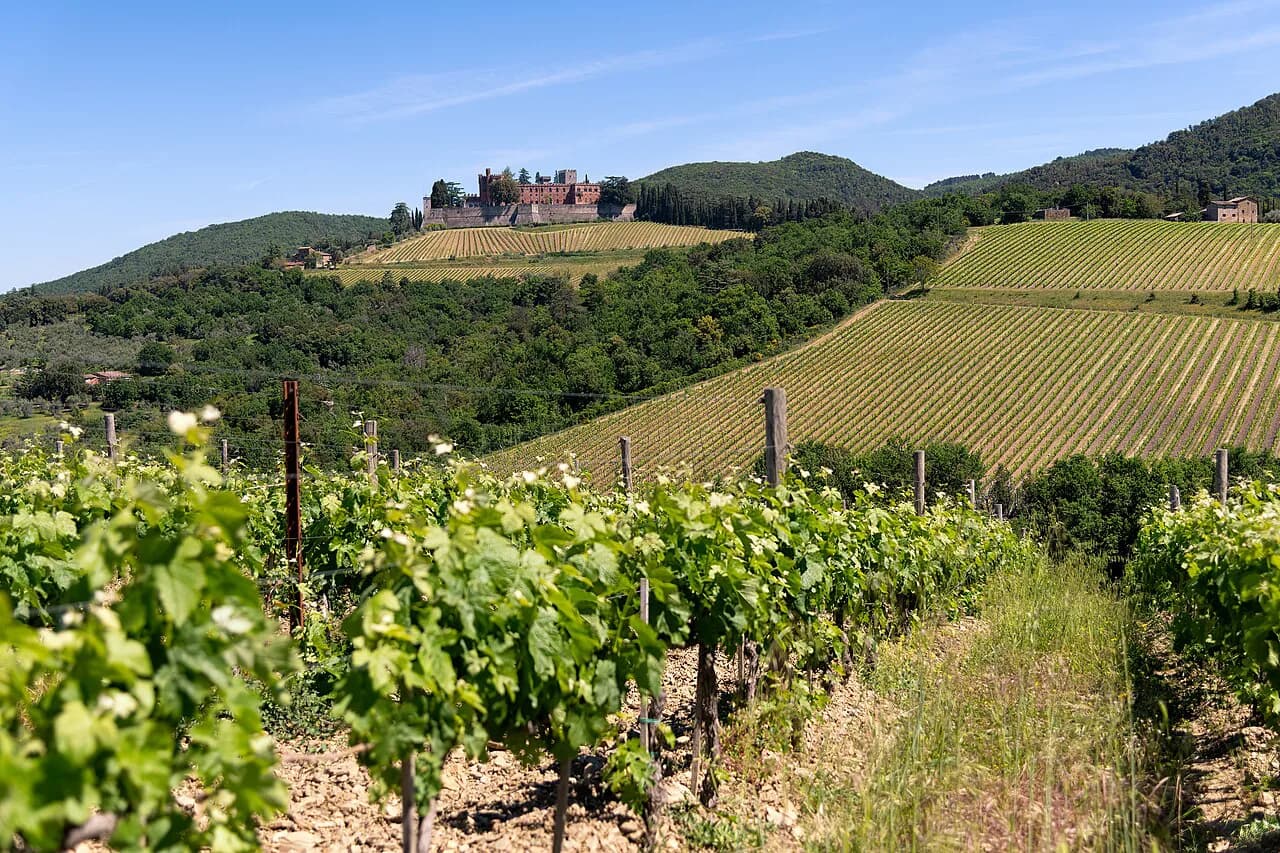
Radda is one of the higher, cooler corners of the Chianti Classico zone, and the estate makes much of its altitude positioning and stony hillside soils. Cooler sites typically give Chianti Classico a firmer, more savoury profile than the warmer villages further south, which is useful to know when you compare Radda wines with those from Greve or Castellina.
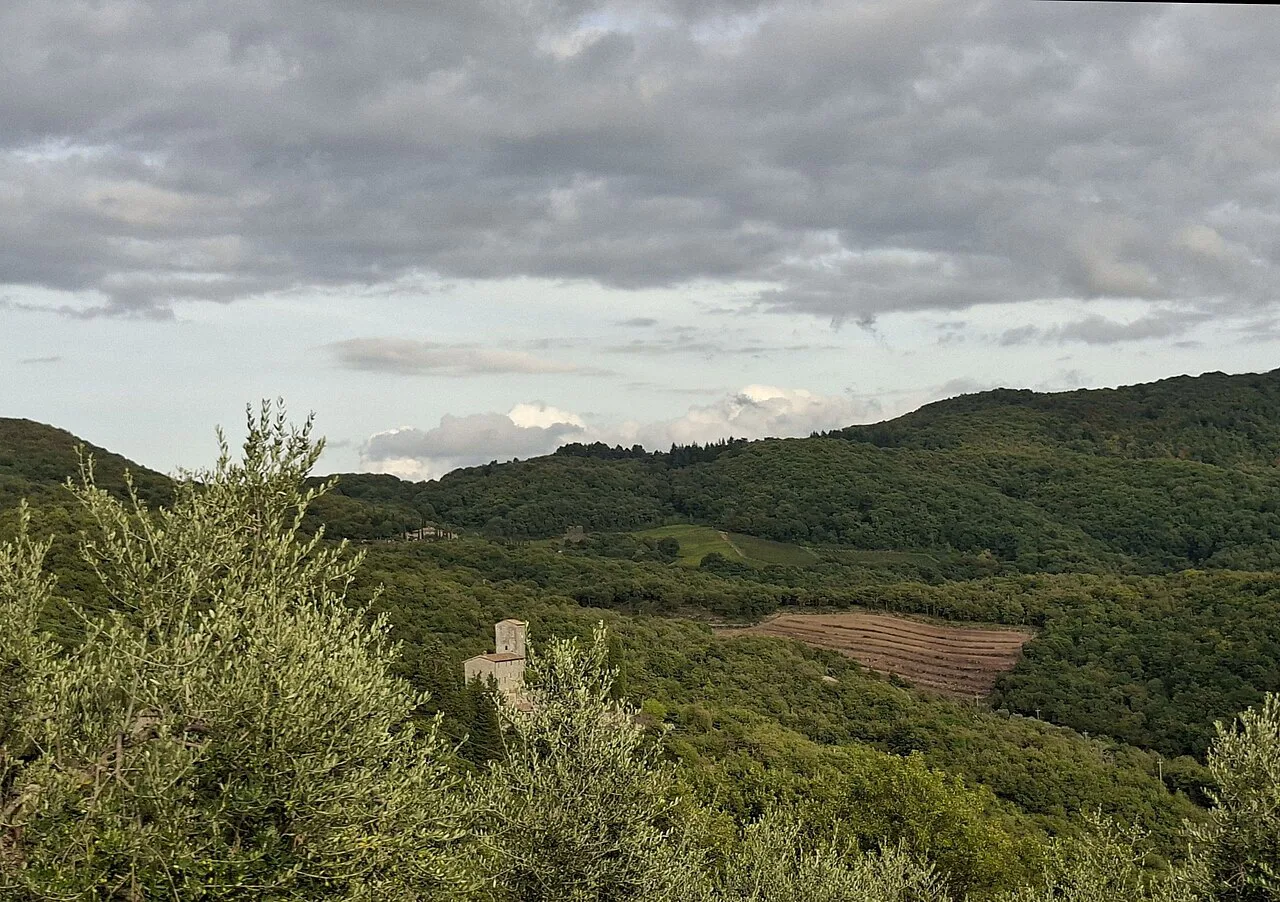
The practical consequence for a tasting day is that you are heading uphill into a scattered rural landscape, not a walkable town centre, so grouping Albola with other Radda-area stops rather than adding a distant village makes for a calmer schedule.
The Wines You Will Taste
The core range is Chianti Classico DOCG from Sangiovese, backed by a Chianti Classico Riserva and two Gran Selezione bottlings named Santa Caterina and Il Solatìo. Acciaiolo is the estate's Toscana IGT red, and the lineup is rounded out by a Chardonnay labeled Poggio alle Fate and a Vin Santo del Chianti Classico.
Which bottlings are poured depends on the format you choose: the entry tasting is described as three wines, while the itinerant tour is listed with four. Ask when booking if a specific wine, such as the Gran Selezione or the Vin Santo, is included, because the published descriptions do not itemise every pour.
Tasting Formats: Short, Standard and Themed
The simplest option is the one-hour Guided Classic Tasting, described as three wines of altitude from Radda; the Guided Premium Tasting runs the same hour and focuses on the estate's crus. These suit travelers who want a focused sit-down tasting without a cellar walk.
If you want to see the property, the Tour and Classic Tasting and the Premium Tour and Tasting each run about 90 minutes with three wines and add a guided walk through vineyards and cellars. The Wandering Tour and Tasting is also 90 minutes but lists four wines and an itinerant route through the historic cellar.
The themed upgrades go deeper: the Blind Tour and Tasting runs two hours with three wines and a cellar tour, and the Old Vintage Tour and Tasting also takes two hours, pours four wines and is built around older vintages. The Old Vintage format has a two-person minimum, so solo travelers should look at the other options first.
Prices and Durations as Published
On the booking platform, tasting experiences range from 20 to 90 euros per person: 20 for the Guided Classic Tasting, 30 for the Guided Premium Tasting, 35 and 45 for the two 90-minute tour formats, 50 for the Wandering Tour, 70 for the blind tasting and 90 for the old vintages. These are the published rates at the time of writing and are worth rechecking against your chosen date.
Two food-led options sit outside the standard tasting ladder: a two-hour Court tasting menu at 65 euros per person and a four-hour cooking class with lunch at 180 euros per person, the latter for parties of two to eight. If your group wants lunch at the estate rather than a snack, the Court menu is the shorter commitment.
The booking page lists bottle prices separately, from 14.50 euros for the entry Chianti Classico up to 70 euros for the top bottlings, which helps you judge whether shipping or carrying bottles home makes sense. Confirm the current list on the day rather than budgeting from these figures alone.
Group Sizes, Booking and Cancellation
Group limits vary by experience, generally opening at one or two people and capping between 12 and 20 depending on the format; the platform states a maximum reception capacity of 20. Booking ahead is advised, and reservations can be made up to one day before the visit.
Cancellation is free up to 24 hours before the experience starts, and the platform offers a book-now-pay-later arrangement that charges your card a few days before that deadline. That flexibility matters in the Chianti hills, where weather or a delayed bus can derail a tightly planned day.
The estate also publishes its own contact details, including email info@albola.it and telephone +39 0577 738019, which are the right channels for questions the booking page does not answer, such as the language of a tour or accessibility inside the cellars.
Getting to Radda from Siena Without a Car
The drive from Siena follows the Chiantigiana road through Castellina and then turns north toward Radda; figure on roughly an hour by road, though traffic on the Chiantigiana in summer can stretch that. No train serves Radda, so the realistic no-car choices are the regional bus network or a taxi arranged in advance.
Buses on the Siena–Radda corridor run infrequently and are geared to commuters and school schedules, so check the current timetable with the Tuscan bus operator before you commit to a specific tasting slot. A taxi from Siena is straightforward but costly for a round trip, and you will need to arrange the return pickup in advance because taxis are scarce in Radda itself.
For most travelers without a car, a guided Chianti day tour that includes a Radda stop is the lower-stress option; compare formats and group sizes in our guide to Siena wine tours. The trade-off is fixed timing and a set itinerary against the freedom to linger at Albola.
Independent Visit or Chianti Day Tour?
Going independently means fitting your Albola booking around a bus timetable, which in practice limits you to one or two experiences in a day. A tour bundles transport, a driver and often two or three cellar visits, so you can taste without watching the clock for the last bus back.
If you drive yourself, remember that the driver should not taste: use the spittoons provided, nominate a designated driver, or book a tour so everyone in the party can sample the wines.
Pairing Albola with Other Radda Stops
Radda village itself is small but has a cluster of tasting rooms and shops within walking distance of the main square, making it a sensible lunch stop before or after an Albola appointment. Castello di Radda is another bookable winery in the same commune, so two Radda cellar visits can be stitched into one loop by car or a hired driver.
Castello di Volpaia, a fortified hamlet with its own winery, lies a short drive northwest of Radda and is often combined with it on Chianti itineraries. Confirm opening days and whether each address takes walk-ins before you build a multi-stop day, since rural cellars often work by appointment.
When to Go
Harvest in Chianti Classico generally falls in September and early October, when the estates are busiest with picking and cellar work; visiting then can be atmospheric but book well ahead. Late spring and early autumn offer mild weather for the hill roads, while midsummer afternoons are hot and the villages crowded.
Winter visits are quieter, but some rural estates reduce their tour schedules outside the main season, so check the booking calendar for your dates rather than assuming a daily pattern.
Practical Notes for the Cellar
The historic cellars are carved into rock and stay cool year-round, so bring a light layer even in summer and wear shoes that cope with uneven stone floors. Photography policies vary between estates, so ask your guide before shooting in the barrel rooms.
Allow buffer time around your slot: the estate sits outside Radda village, and a delayed bus or a missed turn on the hill roads can eat into the 15 minutes you meant to spare.
If you would rather stay in the countryside than commute from Siena, our guide to Siena vineyard stays explains how agriturismo bases around Radda and Gaiole change the shape of a wine day.
Plan Your Visit
Castello di Albola rewards a bit of forward planning: choose a one-hour tasting if time is short, a 90-minute tour if you want the cellars, and a themed format if you are chasing older vintages or a blind challenge. Book online early enough to secure a slot, and use the estate's email or phone for anything the booking page leaves open.
Sort out transport before you fix a tasting time. A bus, a pre-booked taxi or a guided Chianti tour all work from Siena, but each constrains your day differently, and the driver in your group should stay off the wine.
Frequently Asked Questions
Who owns Castello di Albola?
The Zonin family has owned the estate since 1979, and Alessandro Gallo has served as estate director and winemaker. The property is a medieval hamlet in Radda in Chianti with rock-carved cellars used for aging the reds.
How much does a tasting at Castello di Albola cost?
The booking platform publishes its rates for each experience, from the short guided tastings up to the old-vintage and food-led formats, and the estate's own site lists contact details for questions. Rates change, so open the booking page for your date and compare the formats before you commit.
Do you need to book Castello di Albola in advance?
Booking ahead is advised, and reservations can be made on the platform up to one day before the visit. Group sizes are capped per experience, so popular slots and weekend dates fill first.
How long does a tour and tasting at Castello di Albola take?
Guided tastings without a tour run about one hour, while tour-plus-tasting formats run about 90 minutes. The blind and old-vintage experiences take around two hours, the Court tasting menu two hours, and the cooking class about four hours.
How do you get to Castello di Albola from Siena without a car?
There is no train to Radda, so the options are the regional bus along the Chiantigiana corridor, a pre-arranged taxi, or a guided Chianti day tour. Bus frequencies are limited, so check the current timetable before locking in a tasting time.
What wines can you taste at Castello di Albola?
The range centres on Chianti Classico DOCG, Riserva and two Gran Selezione bottlings, Santa Caterina and Il Solatìo, alongside Acciaiolo Toscana IGT, a Chardonnay and a Vin Santo del Chianti Classico. Which wines are poured depends on the format you book.
Is there a restaurant at Castello di Albola?
The estate lists an on-site osteria plus suites and villas, and the booking platform offers a Court tasting menu and a cooking class with lunch. Menus and service days change, so confirm what is running during your visit when you book.
Sources
Notes for your next wine trip
Optional updates to our winery and wine-town guides.
You might also like
Continue reading
More guides you'll find useful