Cascina Adelaide: Planning a Barolo Visit from Turin
Cascina Adelaide makes single-cru Barolo in the heart of the Barolo zone. Here is how its wines are structured and what to plan before booking from Turin.
On this page
Cascina Adelaide turns up in Barolo searches because of its vineyards rather than its village: it is a producer that set out to hold land in each of Barolo's crus. For a traveler based in Turin, it is one target inside a scattered wine zone, not a stop on a city stroll. This guide covers what the estate makes, how to read its labels, and how to shape a day around a booked visit.
Nothing here replaces the estate's own answers on appointments, tasting formats or fees. Those terms belong to the winery, and the practical sections below show which questions to put in your request so the reply covers everything you need before you commit to a date.
Why Cascina Adelaide Appears in Barolo Searches
Cascina Adelaide is a wine estate in the heart of Barolo, not a town, a station or a district you can simply arrive at. Amabile Droco bought an old farmhouse and its vineyards in 1999 and invested in a gravity-fed winery and a winemaking team, according to the producer profile published by its UK importer. That origin explains why the name surfaces in searches about Barolo wineries rather than in transport timetables.
The estate's identity rests on a simple idea attributed to its founder: the land makes the difference and the wine is the medium. In practice that means separate bottlings from named sites rather than one blended Barolo. If you want to understand how Nebbiolo changes from one slope to the next, a producer organized around crus gives you a more instructive flight than a house that pours a single village wine. For a different lens on site-driven Italian reds, this guide to wine tasting in Verona and its Valpolicella vineyards follows the same logic.
Where the Estate Sits in the Barolo Zone
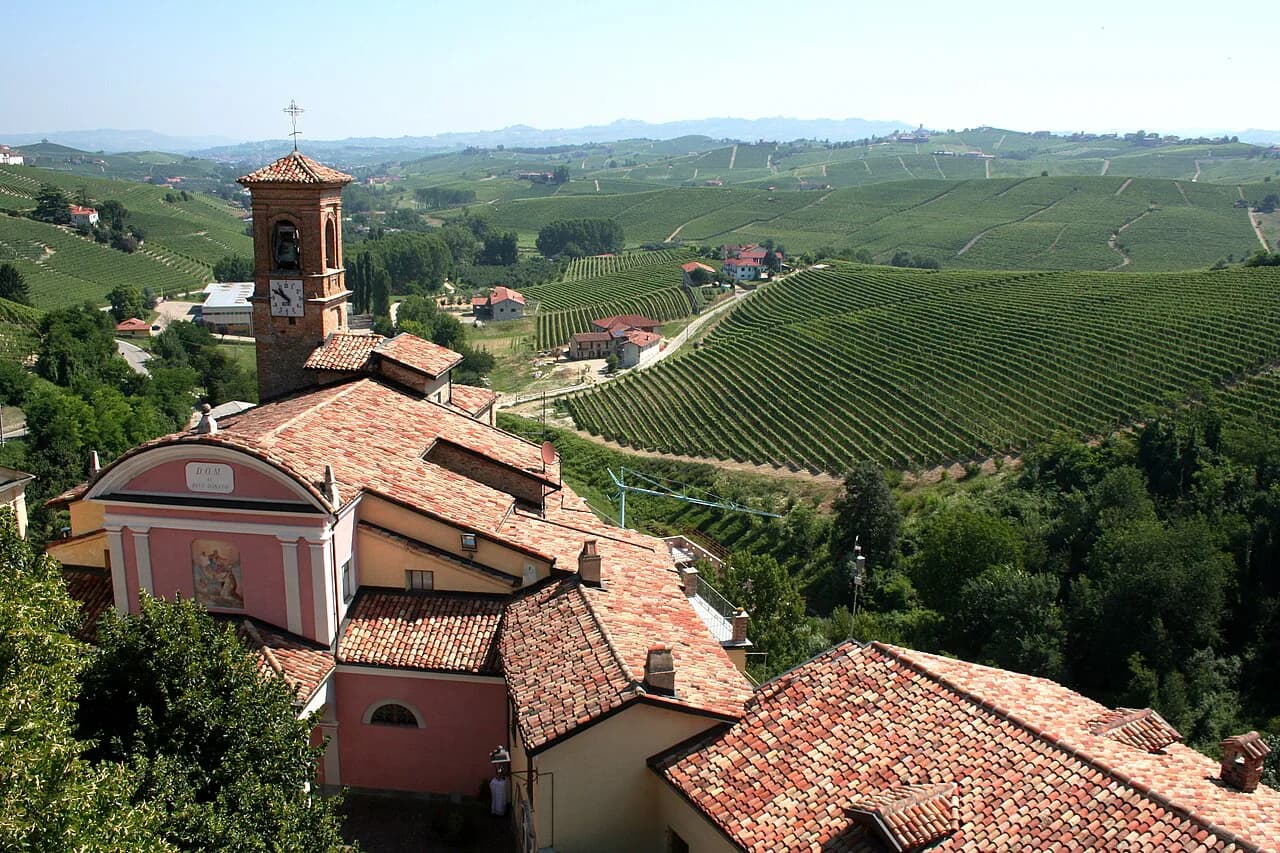
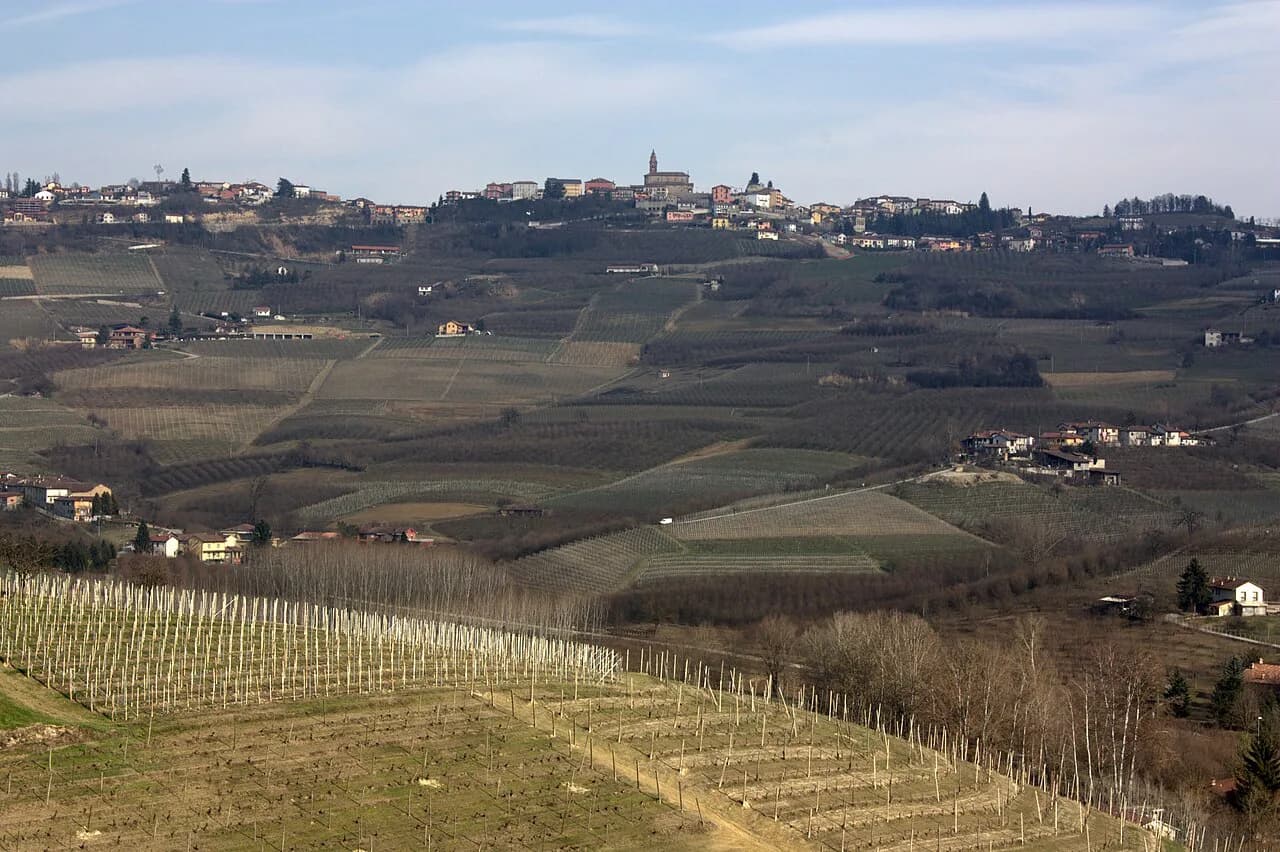
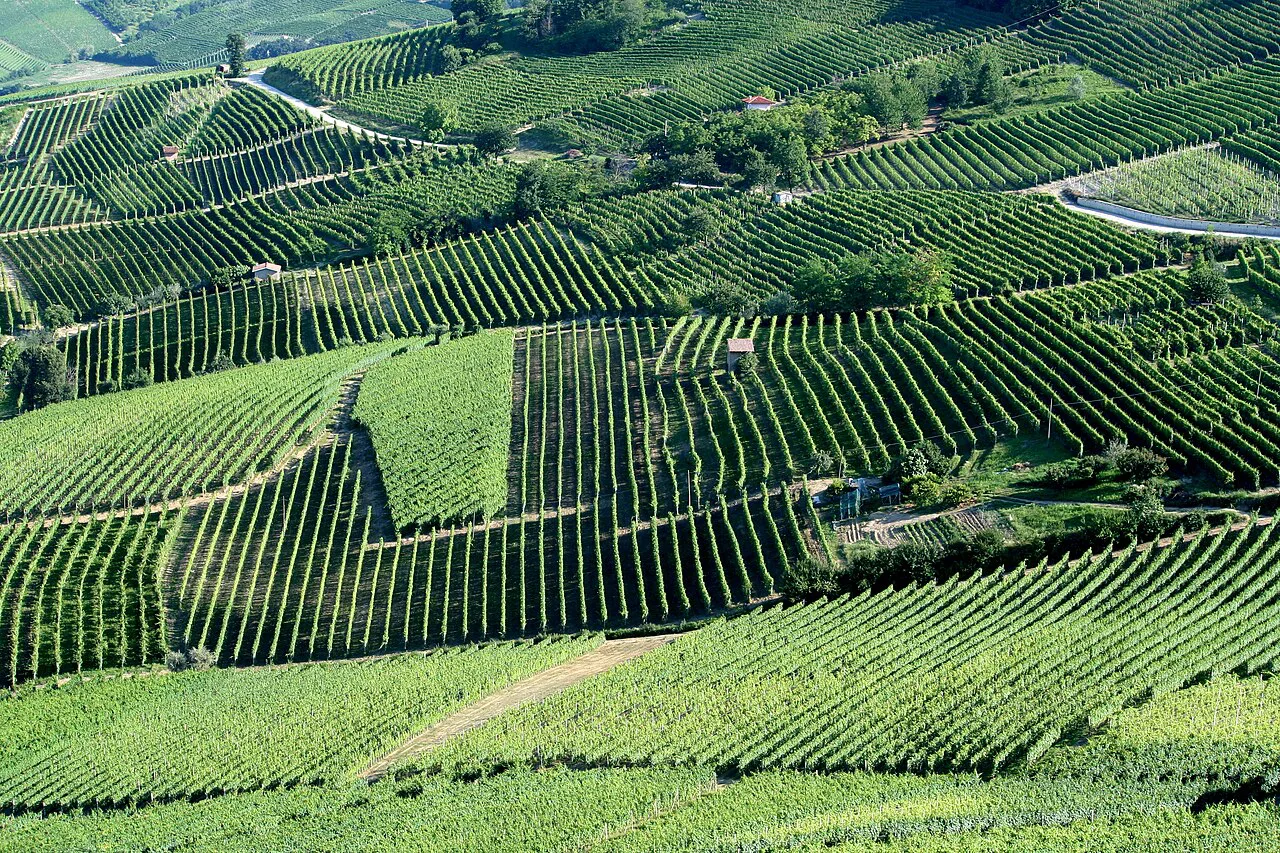
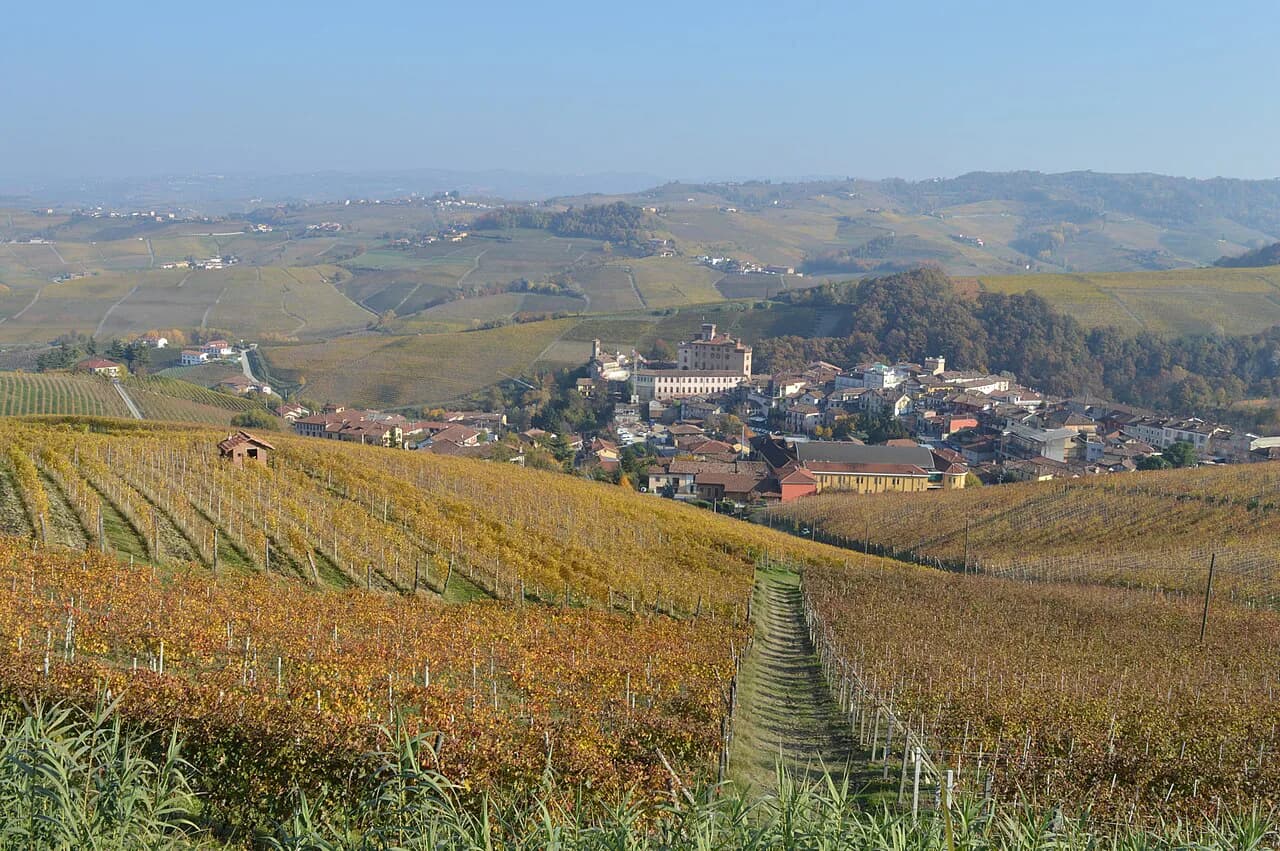
The Barolo DOCG covers a set of villages in the Langhe hills south and east of Turin, and Cascina Adelaide's vineyards sit within it, with prime sites listed in Cannubi, Preda, Fossati, Costa Fiore, Pernici and Bussia. Those names belong to different parts of the zone rather than one compact block, which is why a visit here is best planned as part of a loop through the Langhe rather than a single pinpoint stop.
Because the estate does not publish a visitor address in these sources, treat the appointment confirmation as your routing document: ask for the exact arrival point and a landmark or coordinates for navigation when you book. That single step prevents the most common Langhe mishap, which is arriving in the right village and circling the wrong hillside.
The Wines to Ask About
Cascina Adelaide's range is Nebbiolo-led, with Barolo at the center and other native Piedmont grapes alongside it. The importer's list runs Barolo bottlings from Crus including Cannubi, Preda, Fossati, Pernanno, Baudana and Bussia, plus a four-vineyard Barolo, a Langhe Nebbiolo, a Dolcetto di Diano d'Alba and wines from Barbera and Nascetta in the vineyard mix. Naming two or three of these in your visit request tells the estate what kind of tasting to prepare.
Bottle prices vary by wine, market and merchant, so they say little about what a visit costs. As a rough marker of the retail end, one aggregate listing reports an average price for the Bussia Barolo, but that figure reflects shop pricing rather than a tasting fee or cellar-door rate. Ask the estate directly for its visit terms rather than inferring them from bottle listings.
How the Wines Are Made and Why It Matters for a Visit
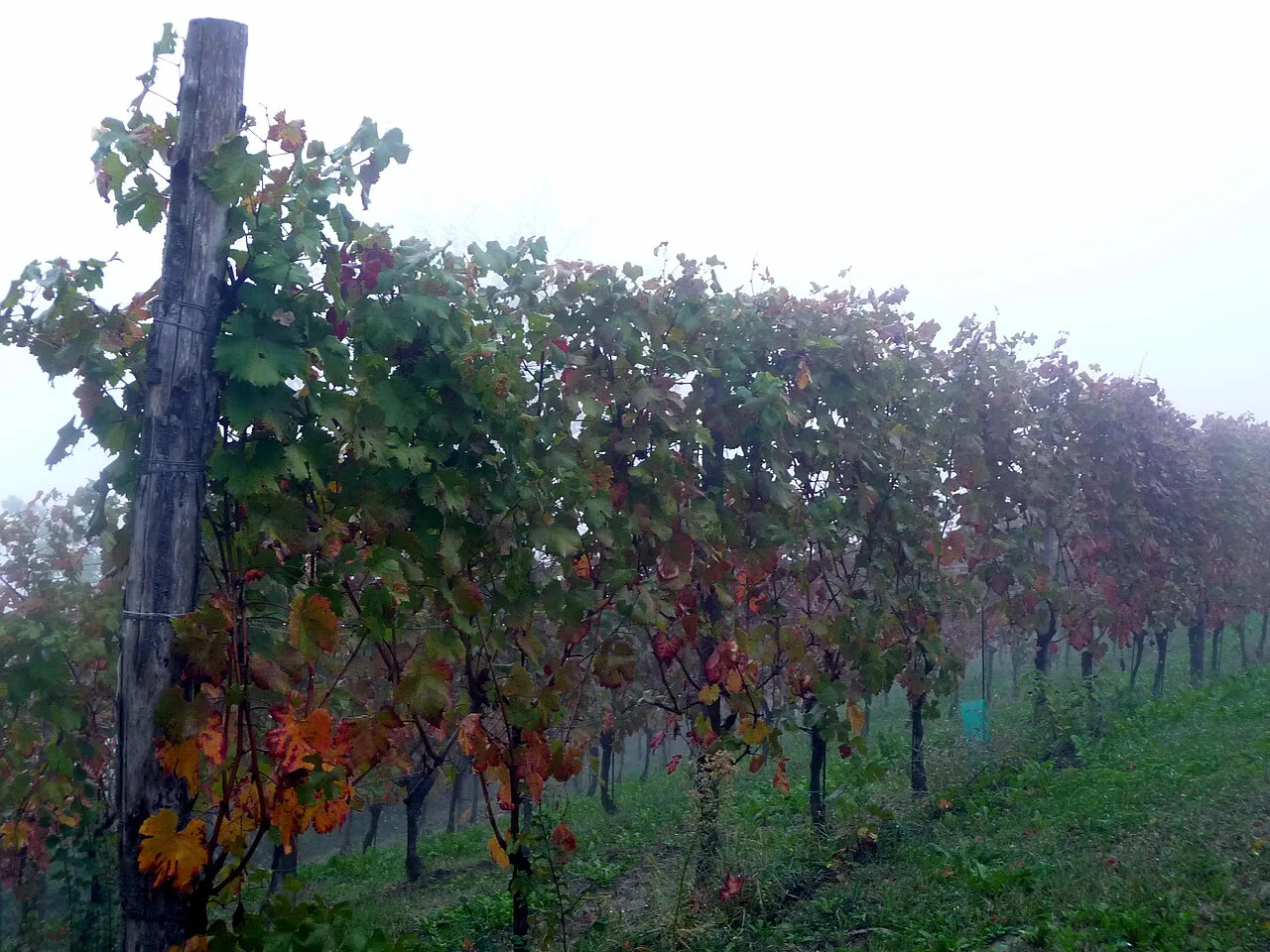
The vineyards are worked by hand with no herbicides, and harvesting and sorting are done manually, according to the importer profile. Fermentation uses native yeasts with minimal sulphur, and the Barolos age in large neutral French oak for around two years before a further twelve months in bottle. For a visitor, that timeline is the useful takeaway: the wine in your glass has spent years in the cellar, so a walk through the production side explains more than any single pour.
Large neutral barrels are chosen to keep oak from masking site character, which is the whole point of bottling crus separately. If the estate offers a cellar walk, it is the moment to ask how a Cannubi bottling is handled differently from a Bussia one, since the answers make the tasting flight legible.
Reading a Barolo Label Here
Three appellations do most of the work on this producer's labels. Barolo DOCG is the Nebbiolo-based wine from within the defined zone, and the cru name on the label narrows it to a named site. Langhe Nebbiolo is a broader appellation that can be made from Nebbiolo grown across the Langhe with shorter aging, so it generally drinks earlier and costs less than Barolo. Dolcetto di Diano d'Alba is a separate red from Dolcetto, a grape that is softer in tannin than Nebbiolo and made to be drunk young.
If you want a genuine side-by-side lesson, ask whether a flight can pair one Barolo cru with the Langhe Nebbiolo from the same cellars, and add the Dolcetto to show how a different grape behaves on the same hills. Prices and formats for such a tasting are the estate's to set, so request them in writing with your booking.
Appointment Culture in the Barolo Zone
Small Langhe estates typically receive visitors by arrangement rather than by open door, and Cascina Adelaide falls in that family of producer. Whether it currently accepts visits, and on which days, is a question for the estate itself; the importer profile and tourism listings do not publish a visitor calendar or walk-in policy. Treat a confirmed reply as the only reliable green light for your date.
A good request is short and specific. State the date and time window you prefer, the number of adults, whether anyone is a driver who will not taste, the language you would like the visit conducted in, and the wines you most want to compare. Ask what the visit includes, how long it runs, what it costs and how to pay, and whether children or non-drinkers can join. For planning, start the conversation weeks ahead rather than days, and earlier again for autumn dates.
Grouping a Cascina Adelaide Stop With Other Barolo Villages
The Barolo zone rewards cluster planning rather than point-to-point sprinting. Since one estate's holdings run from Cannubi and Preda to Fossati, Pernanno and Bussia, a sensible day pairs a booking here with a second appointment and a lunch stop in a Barolo-zone village. Build in slack between visits: hill roads, parking and finding an unfamiliar farm gate eat more time than maps suggest.
If you want the surrounding choice set before you commit, compare other estates and their visitor arrangements in this guide to Barolo wineries, which sits alongside the broader Turin wine tasting overview for cellars closer to the city. Keeping to two appointments a day, ideally in nearby villages, leaves room for a proper lunch and a relaxed final tasting.
Getting There From Turin Without Driving
Turin sits north of the Langhe, and the Barolo villages are reached by regional rail lines and local roads into the hills rather than by a direct city connection to each estate. The workable pattern is a train to a Langhe town, then a taxi, a bike with a pre-planned route, or a guided tour for the final leg; book any taxi return in advance, since rural services thin out in the evening. Check current timetables with the rail operator on the day you plan.
For the last stretch, a licensed local driver with a fixed return is the least fragile option outside organized tours. If you plan to ride, remember that the roads are hilly and narrow and that tasting and cycling do not mix: a driver should not taste, so use spittoons or designate a non-drinking driver. Arrange the return before you leave Turin, not from a hillside after the last pour.
Independent Trip vs Guided Tour
Going independently buys flexibility and time with the people who make the wine, but you carry the logistics: rail changes, taxi bookings, hill-road navigation and the risk of a missed connection. A guided tour costs more up front yet folds transport, a driver and often two or three cellar appointments into one day. Which wins depends on group size and how much you value a stress-free return.
If tours appeal, compare operators, group sizes and which estates they actually stop at before paying, and read this comparison of Turin wine tours to see how the Langhe, Barolo and Roero days differ. Related options include Alba Wine Tours if you want to build around the truffle-season town as your base for the day, and this roundup of Turin wineries for shorter trips nearer the city.
Practical Timing in the Barolo Hills
Harvest in the Langhe generally falls in the September to October window, and that is when cellars are busiest with fruit arriving and staff stretched across vineyard and winery. Saturdays fill fastest for visits in most wine regions, so aim for a weekday if your dates allow. Late autumn also brings truffle traffic to nearby towns, which tightens accommodation and restaurant tables.
Ask directly whether your preferred date falls during harvest or bottling, since those periods can change what a visit includes. Whenever you travel, confirm the final details with the estate shortly before arrival, and keep a phone number for the appointment on hand in case a train runs late.
Plan Your Barolo Day
Cascina Adelaide suits a traveler who wants to taste Nebbiolo by site rather than by house style, and who is willing to build a Langhe day around a confirmed appointment. Decide your transport first, request a visit with the wines and party details spelled out, then add one nearby estate and a lunch stop.
Keep the plan simple: public transport or a tour to the hills, no tasting for the driver, and a booked return. With those settled, the visit becomes about comparing a Cannubi pour with a Bussia one rather than about logistics.
Frequently Asked Questions
What wines does Cascina Adelaide produce?
Its core is Barolo from named crus including Cannubi, Preda, Fossati, Pernanno, Baudana and Bussia, alongside a four-vineyard Barolo. The range also takes in Langhe Nebbiolo and Dolcetto di Diano d'Alba, with Barbera and Nascetta among the other grapes in its vineyards. Ask the estate which bottlings are open when you book.
Where is Cascina Adelaide located?
It is a producer in the heart of the Barolo DOCG zone in the Langhe hills of Piedmont, with vineyard holdings spread across several crus rather than a single compact site. It is not a town, and the sources here do not publish a visitor street address, so request the exact arrival point and navigation guidance when your appointment is confirmed.
Do you need an appointment to visit Cascina Adelaide?
Small Langhe estates typically receive guests by arrangement, so plan on requesting a visit in advance rather than arriving at the gate. The estate has not published a walk-in policy or visitor calendar, so the reply to your request is the confirmation to rely on. Include your dates, party size, language and wines of interest.
How do you get to the Barolo zone from Turin without a car?
Take a regional train into the Langhe and cover the last stretch by pre-booked taxi, bike with a planned route, or a guided tour. Rural taxis thin out in the evening, so fix your return before leaving Turin. Check current rail timetables shortly before you travel.
What is the difference between a Barolo cru and Langhe Nebbiolo?
Barolo DOCG is Nebbiolo from within the defined zone and must follow the appellation's aging rules, and a cru name on the label narrows it to a named vineyard site. Langhe Nebbiolo is a wider appellation that can draw on Nebbiolo across the Langhe with shorter aging, so it tends to be more approachable and less expensive. Tasting both side by side shows the difference clearly.
Is a guided tour worth it compared with going independently from Turin?
A tour folds transport, a driver and often several cellar appointments into one price, which removes the risk of missed connections and hill-road navigation. Going independently gives more flexibility and time with the producer but puts trains, taxis and timing on you. Compare what each operator actually includes, and remember the driver will not be tasting.
Sources
Notes for your next wine trip
Optional updates to our winery and wine-town guides.
You might also like
Continue reading
More guides you'll find useful