Borgogno Winery in Barolo: Planning a Visit from Turin
Plan a trip to Borgogno, the historic Barolo cellar founded in 1761. What a visit covers, how to book, and the car-free route from Turin.
On this page
Borgogno is one of the few Barolo producers where the cellar itself is as much the attraction as the wine, since the house has worked in the village since 1761 and the underground ageing rooms are still part of the story. Paired with the castle and regional enoteca a few steps away, it turns Barolo into a full day rather than a quick stop.
This guide covers the practical side of the trip from Turin: what the visit involves, how appointments work in the Langhe, the realistic non-driving route, and what to taste and buy.
Why Borgogno is the Reference Point for a Historic Barolo Cellar
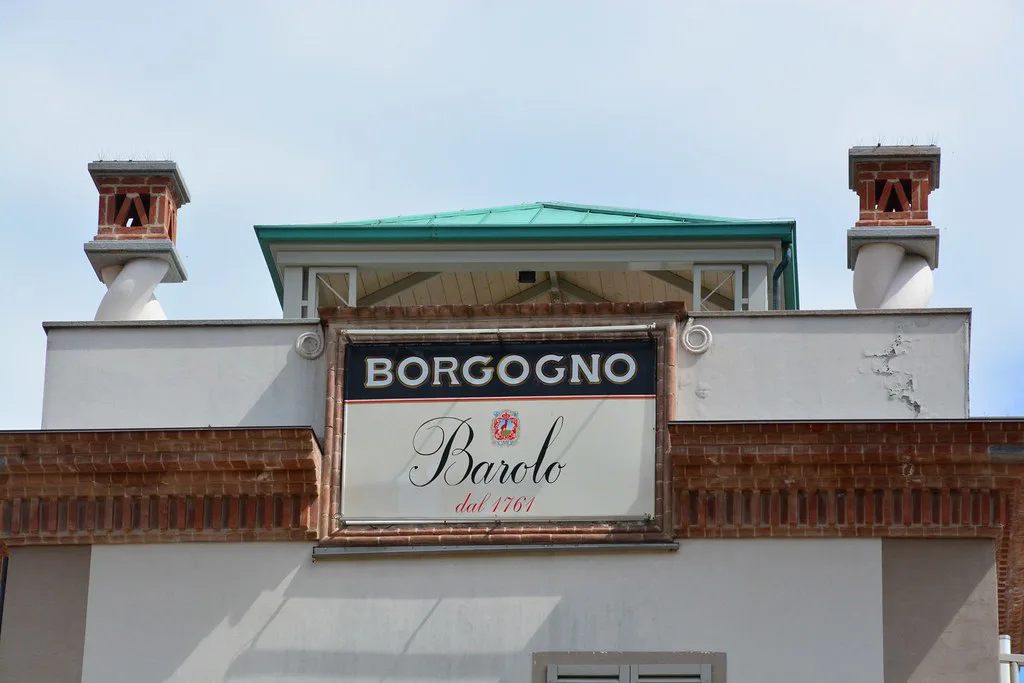
Borgogno, formally Cantina Giacomo Borgogno e Figli, traces its history to 1761 and remains one of the benchmark old houses of Barolo village. Visitors consistently point to the preserved underground cellars as the core of a stop, which is exactly the kind of ageing archaeology a Barolo tour is meant to deliver.
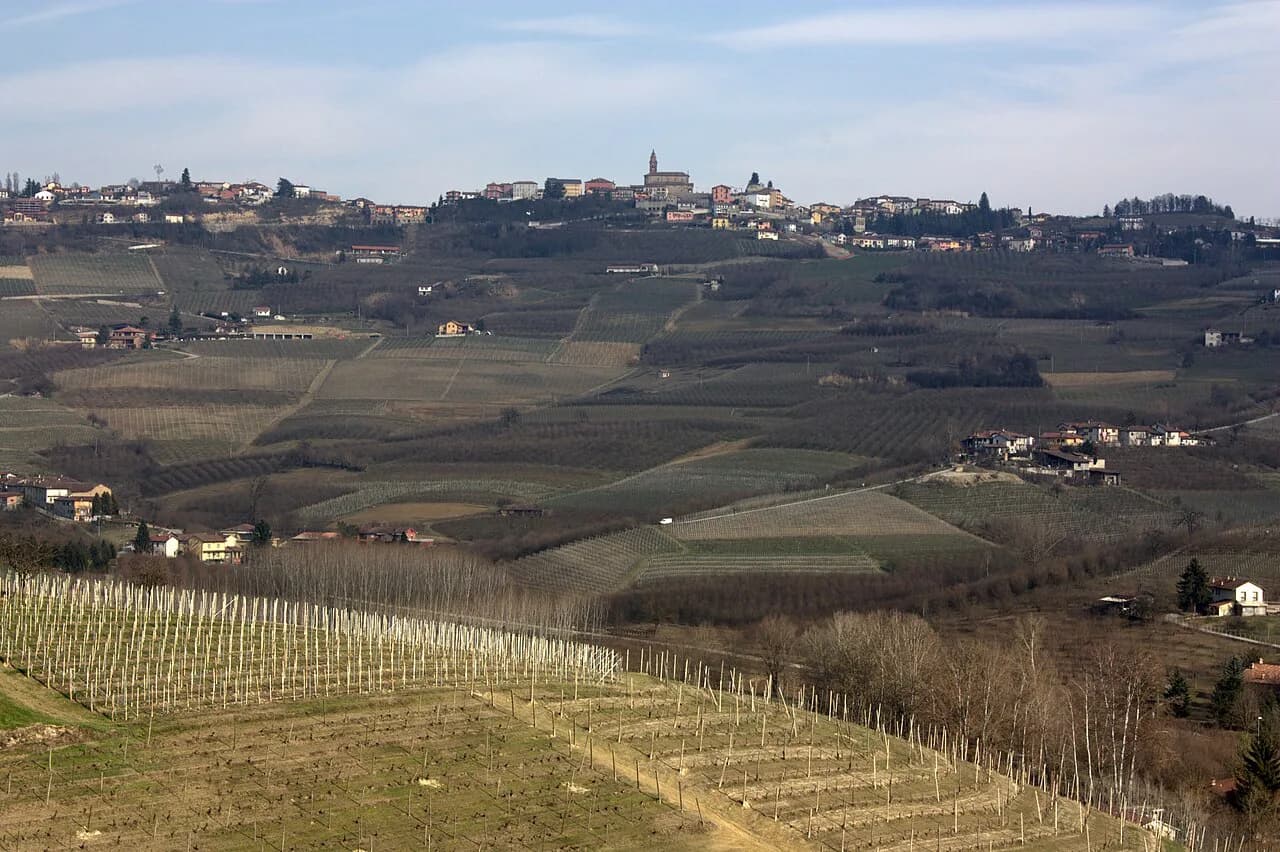
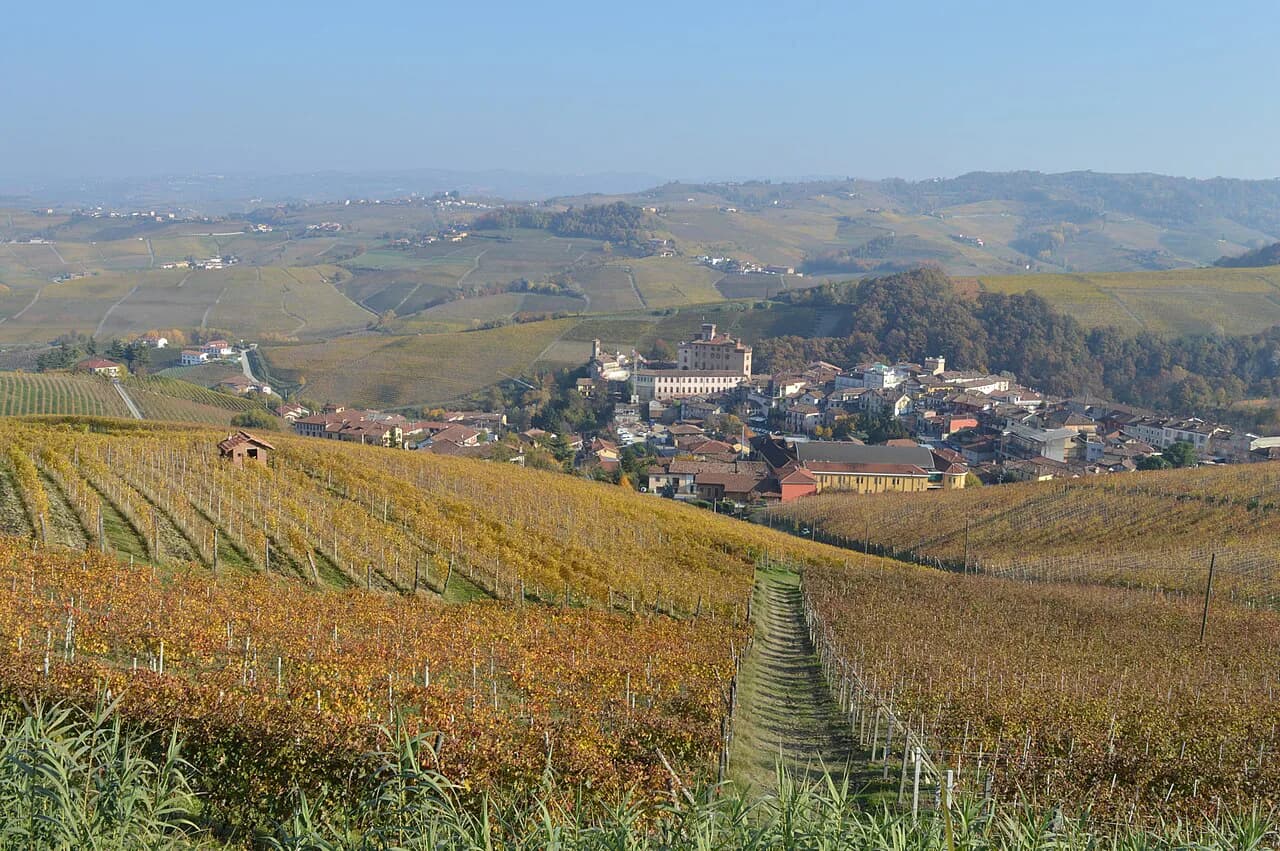
Barolo itself is a small commune in the Langhe hills south of Turin, and the wine that carries its name is made from Nebbiolo grown in a tightly defined zone of 11 communes. The whole area holds UNESCO World Heritage status as a vineyard landscape, which is why a cellar stop here feels like part of a protected place rather than a quick tourist add-on.
If you are still deciding where to base yourself, treat Barolo as a day trip from Turin or a night woven into a wider Langhe loop through Alba, La Morra and Monforte d'Alba, which is how longer itineraries generally stack their stops.
The Winery in Barolo Village: Where It Sits and How the Visit is Structured
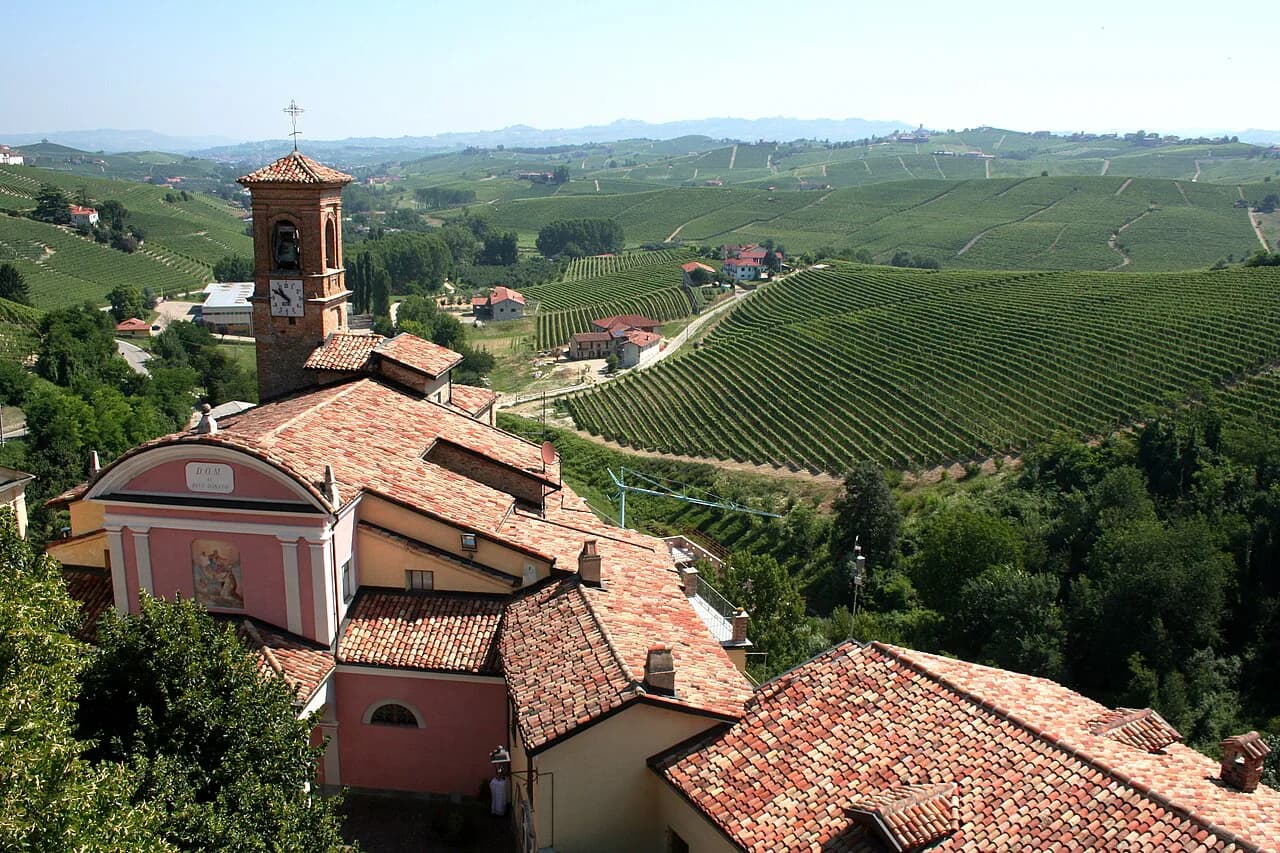
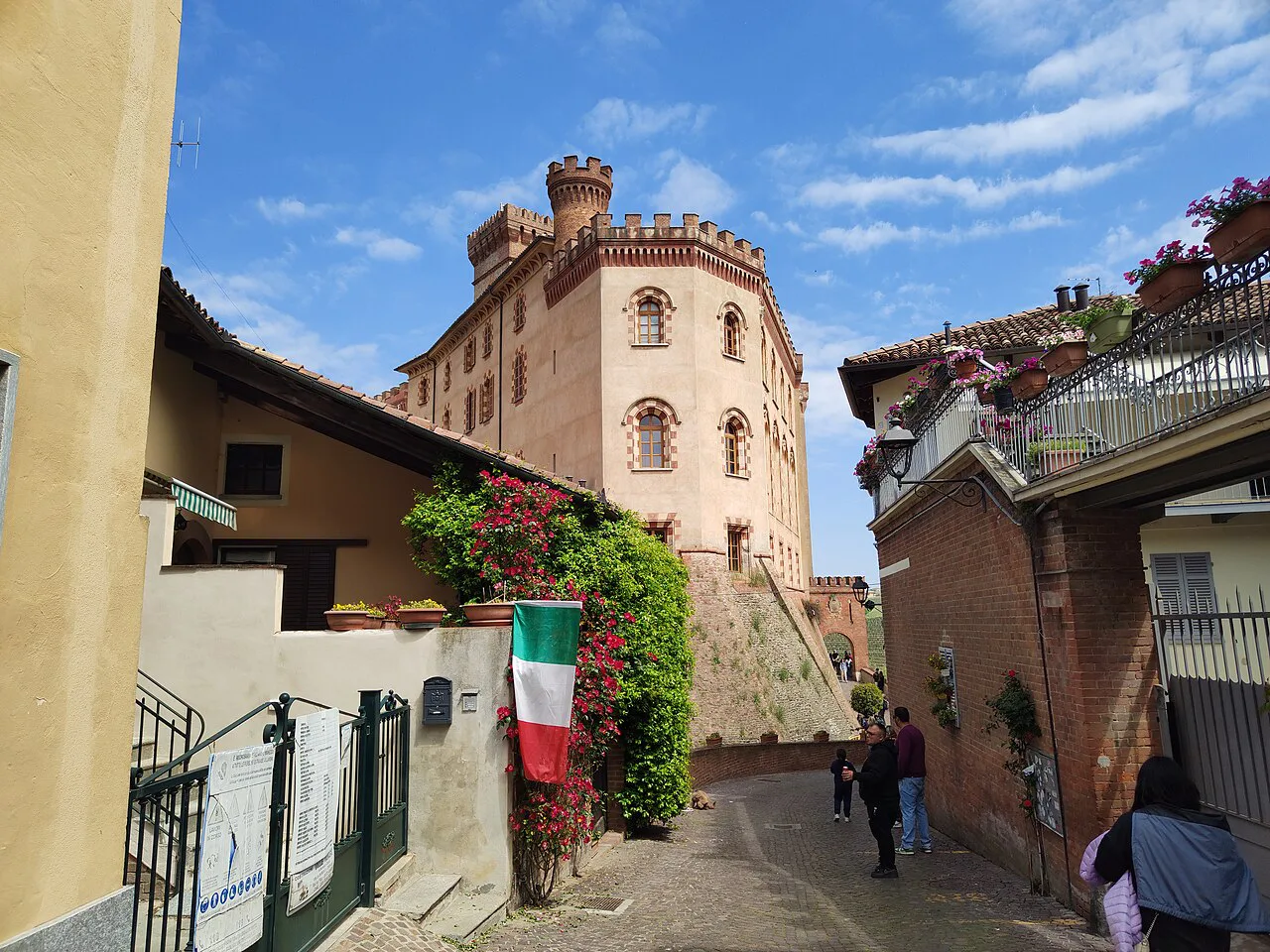
The estate sits in the village of Barolo, in the province of Cuneo, within easy walking distance of the Castello Falletti at the town's center. That clustering matters: you can park or arrive by bus once and cover the winery, the castle and the enoteca on foot.
As a small historic house rather than a large visitor complex, Borgogno works on a prior-appointment model, which is the norm among serious Langhe producers. Piedmont tastings are typically seated and guided, run 75 to 90 minutes, and focus on vineyard sites and ageing rather than brand storytelling, so two tastings a day is a sensible ceiling.
Ask when you book whether the underground cellars are included and how much walking and stair climbing that involves, since some historic Langhe cellars are reached via uneven steps or narrow passages.
What a Visit Typically Covers: Cellar, Older Vintages and the Classic Barolo Range
A structured Borgogno visit is likely to move through the ageing rooms before moving to the glass, ending with a flight that spans Nebbiolo and Barolo rather than a single bottle. The estate's range covers Barolo, Langhe Nebbiolo and other Piedmont reds, which gives the host room to set styles side by side.
Expect real Nebbiolo rather than a softened introduction: firm structure, high acidity and aromas that open up slowly, which is why the region's tastings lean on explanation, contrast and a spittoon. Ask for a Barbaresco or a Barbera if you want a more immediately giving comparison alongside the Barolo.
Piedmont tasting fees generally run in the €30 to €80 range and are often waived with a purchase, so it is worth deciding before you sit down whether you plan to buy. A basic tasting at a larger Langhe estate such as Ceretto starts from €20, which gives you a useful benchmark for judging value elsewhere.
How to Book: Direct Contact, Appointment Culture and Group Sizes
Reach out to the estate directly rather than through a resale platform, since small family houses manage their own calendars and usually answer by email or phone. Piedmont operators advise booking at least two to four weeks ahead, and longer for peak truffle-season weekends.
In your request, state the date and a weekday alternative, the number of people, and whether you want the full cellar tour or just a seated tasting. If you have a driver, say so, because arrival times matter on narrow hill roads and no-shows hurt small estates.
Where a group is larger than four or six people, ask about the maximum the estate will host, whether it splits the group across hosts, and whether a deposit or credit card is required to hold the slot. These are the three answers that most often decide whether a date survives.
Getting There from Turin Without Driving
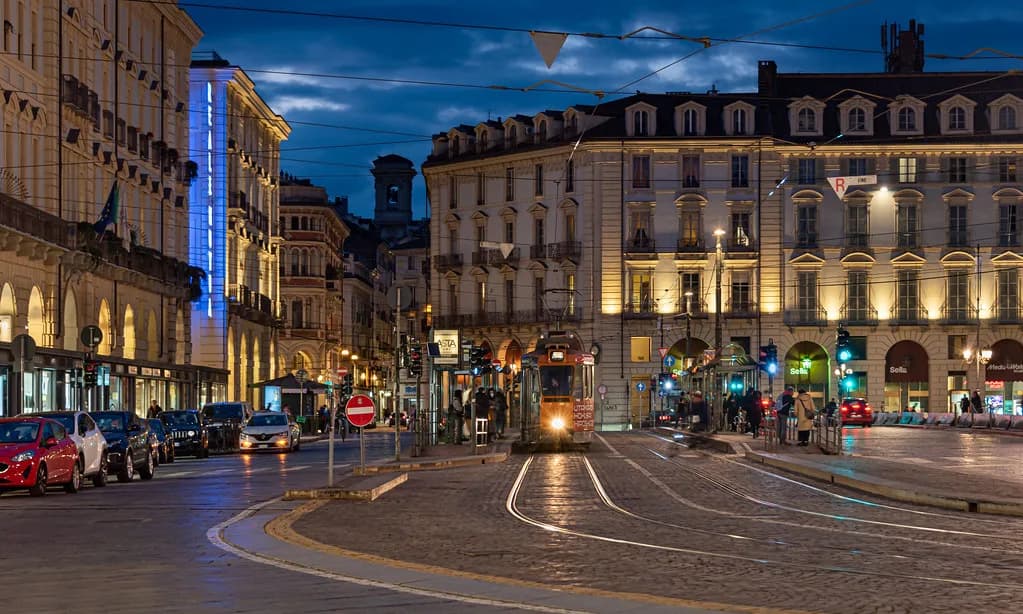
The honest answer is that the Langhe hills have very little public transport, so the realistic car-free route is by rail to a base town and then a taxi, a pre-booked transfer or a guided tour.
From Turin, aim for a train to Alba or Bra, which sit at the edge of wine country, then take a short taxi ride into the hills to Barolo village. Trains are regional and frequent enough for a day trip, but rural taxis should be booked in advance, especially the return leg.
Anyone who does drive should skip the tasting, because Langhe roads are slow and twisting even before wine is in the picture. Designate a driver, use the spittoon or pick a tour and let someone else handle the hills.
A guided wine tour from Turin handles the logistics end to end and typically bundles two estates with a lunch stop, which can be a fair trade against the cost and effort of arranging taxis yourself.
Doing It Independently Versus a Langhe Driver or Guided Day
Going independently costs less and gives you the freedom to linger in Barolo village after your appointment, but it puts the transport burden on you. A driver or guided day costs more and removes that friction, and it is the better fit if you want a second stop at Fontanafredda or a neighbouring village.
Compare accessibility when you build the day: Fontanafredda, the former royal hunting estate in Serralunga d'Alba, and Marchesi di Barolo, which has a walk-in tasting room in the village, are described as more flexible for short-notice visits than appointment-only houses. If your dates are fixed and close, keep one of them as a fallback.
On a wider trip, it also makes sense to see what else Piedmont offers beyond Nebbiolo, from Barbera and Dolcetto to the sparkling Moscato d'Asti that closes many Langhe meals.
Pairing Borgogno With the Village: Castello Falletti and the Regional Enoteca
Barolo village is compact enough that one booking can anchor a whole afternoon. The Castello Falletti, dating back to the tenth century, houses the WiMu wine museum across several floors, and the regional enoteca on site pours a spread of Barolo DOCG producers, which is useful for calibrating your palate before or after a single-estate visit.
The regional enoteca is not a substitute for a cellar tour, but it lets you compare several estates in one sitting, which is exactly the kind of side-by-side framework Nebbiolo rewards. If your appointment falls through, an enoteca flight is the easy salvage.
A short uphill walk leads to the pink-toned Chiesa di San Donato, another village sight that rounds out a slow afternoon without requiring a second appointment. If you want to plan a similar village-anchored day in another Piedmont wine town, the Verona wine guide offers a useful model for pairing a cellar stop with the surrounding town.
Barolo in a Glass: Nebbiolo, the DOCG Rules and What to Buy
Barolo is a DOCG, Italy's highest wine classification, and the rules require at least two years of ageing in oak plus a year in bottle before release. That long, slow process is what the cellar architecture at a house like Borgogno exists to serve, and it explains why the wine tastes and costs as it does when young.
Barolo from the same grape can differ strongly across villages and steep hillside sites, which is why a visit to the village itself is worth more than a label list. If you want the comparison without the detour, a day focused on other Langhe villages can cover different estates.
Buying at the cellar door means asking about shipping and allocation, since top Barolo vintages move quickly through merchants. Ask what the estate can ship to your country and whether the wines you taste on the visit are consistently available through your local importer.
Timing Your Visit: Seasons, Harvest and Truffle-Season Pressure
May and June and September through early October give you the best balance of green hills, open wineries and comfortable temperatures for a tasting-heavy day. Late September and October bring harvest energy, which is spectacular but crowds the small estates and slows the roads.
The Alba white truffle fair, held through October into November, is when demand peaks and appointment availability tightens, so plan further ahead if those weeks are the whole point of your trip. Outside that window, visits are generally easier to arrange and the cellars are quieter.
Check opening on the village sights as well as the winery, since the castle and museum run their own seasonal calendars separate from any producer's appointment.
Sensible Drinking and a Realistic One-Day Plan from Turin
A realistic day from Turin starts with an early train to Alba or Bra, a morning appointment at Borgogno, a village lunch and a visit to the castle or enoteca, then a return before dinner. That keeps you to two tastings at most and leaves the evening for a proper Piedmont meal.
That plan works best if you arrange the return taxi when you arrive, leaving a portion of the day unbooked, because each seated tasting fills 75 to 90 minutes and the driving eats into the rest.
If your schedule allows a second day, add a contrasting winery in the same district, or shift to a different style entirely, which is how to explore more broadly.
Plan Your Visit
Build a day in Barolo around one booked cellar visit, not three, and treat the village itself as the second attraction. Confirm your Borgogno appointment with the estate before you buy rail tickets, ask about stairs in the old cellars and how shipping works, and keep one nearby alternative in reserve if the day has to shift.
Above all, let the pace match the wine, and leave the hills to a driver or a train on the days you plan to taste.
Frequently Asked Questions
Is Borgogno in the village of Barolo or elsewhere in the Langhe?
Borgogno sits in Barolo village, in the province of Cuneo, in the Langhe hills south of Turin. That puts the winery within walking distance of the Castello Falletti and the regional enoteca, which makes it easy to combine a single booking with the rest of the village on foot.
Do you need an appointment to visit Borgogno?
Small, historic Langhe houses work on a prior-appointment model, so contact the estate directly rather than expecting a walk-in tasting room. In your request, give your date, a weekday alternative, the number of people and whether you want a full cellar tour or only a seated tasting.
How do you reach Barolo from Turin without a car?
Take a regional train from Turin to Alba or Bra, then a taxi or pre-booked transfer into the hills to Barolo village. Rural taxis should be reserved in advance, especially the return leg, since the Langhe has very little public transport between villages. A guided tour that includes transport is the simplest option.
How long does a Barolo tasting take?
Piedmont tastings are generally seated and guided and run 75 to 90 minutes, with explanations focused on vineyard sites and ageing. That is why two tastings in a single day is a sensible maximum, particularly once long lunches and hill-road driving are factored in.
What does a Barolo tasting cost in Piedmont?
Fees vary by estate and by format, and Borgogno quotes them when you make contact, so ask at booking rather than relying on a generic estimate. As context, Piedmont producers in this guide's sources commonly charge a per-person tasting fee that is often waived when you buy wine.
Is Barolo worth visiting if you only have one day?
Yes, if you anchor the day on one booked cellar visit and use the village around it. Barolo has the historic cellars, the Castello Falletti with its WiMu wine museum, and a regional enoteca that pours across producers, so a single appointment plus a slow lunch fills a day comfortably.
Sources
Notes for your next wine trip
Optional updates to our winery and wine-town guides.
You might also like
Continue reading
More guides you'll find useful