Castello di Grinzane Cavour: Enoteca, Museum and Tastings Guide
Plan a visit to Castello di Grinzane Cavour: a hilltop castle with museum rooms and a regional enoteca a short hop from Alba and the Barolo villages.
On this page
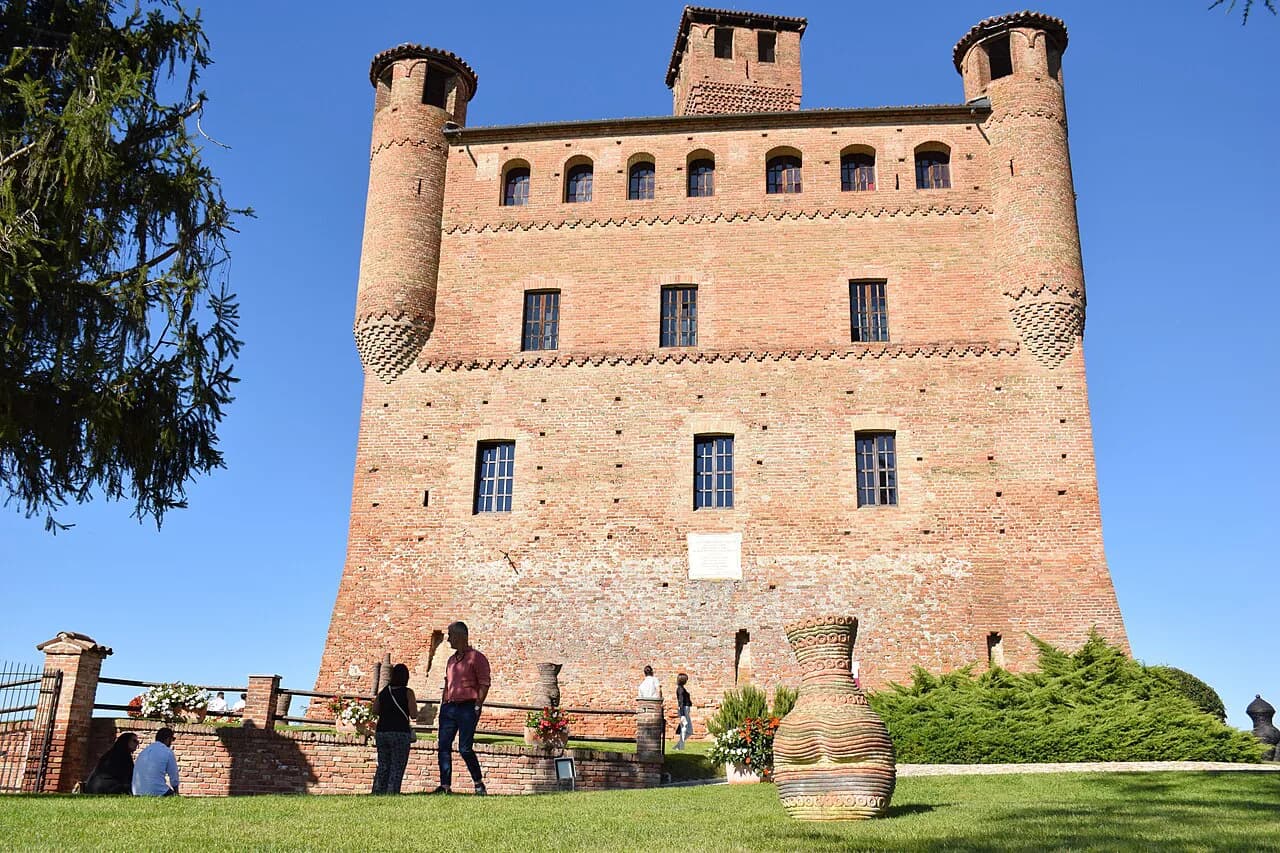
Castello di Grinzane Cavour is a hilltop fortress in the village of Grinzane Cavour, a few kilometers northeast of Alba, and it performs a different job from the estates that dot the surrounding Langhe hills. It is a historic building with museum spaces and a regional wine enoteca, not a producer pumping out its own Barolo. That distinction shapes how you visit it: you come for context, landscape and a guided flight of local wines, then move on to the appointment-only cellars that define the appellation. Readers weighing a broader city-based tasting should compare this with wine tasting in Verona, which follows a similarly civic, comparison-first logic.
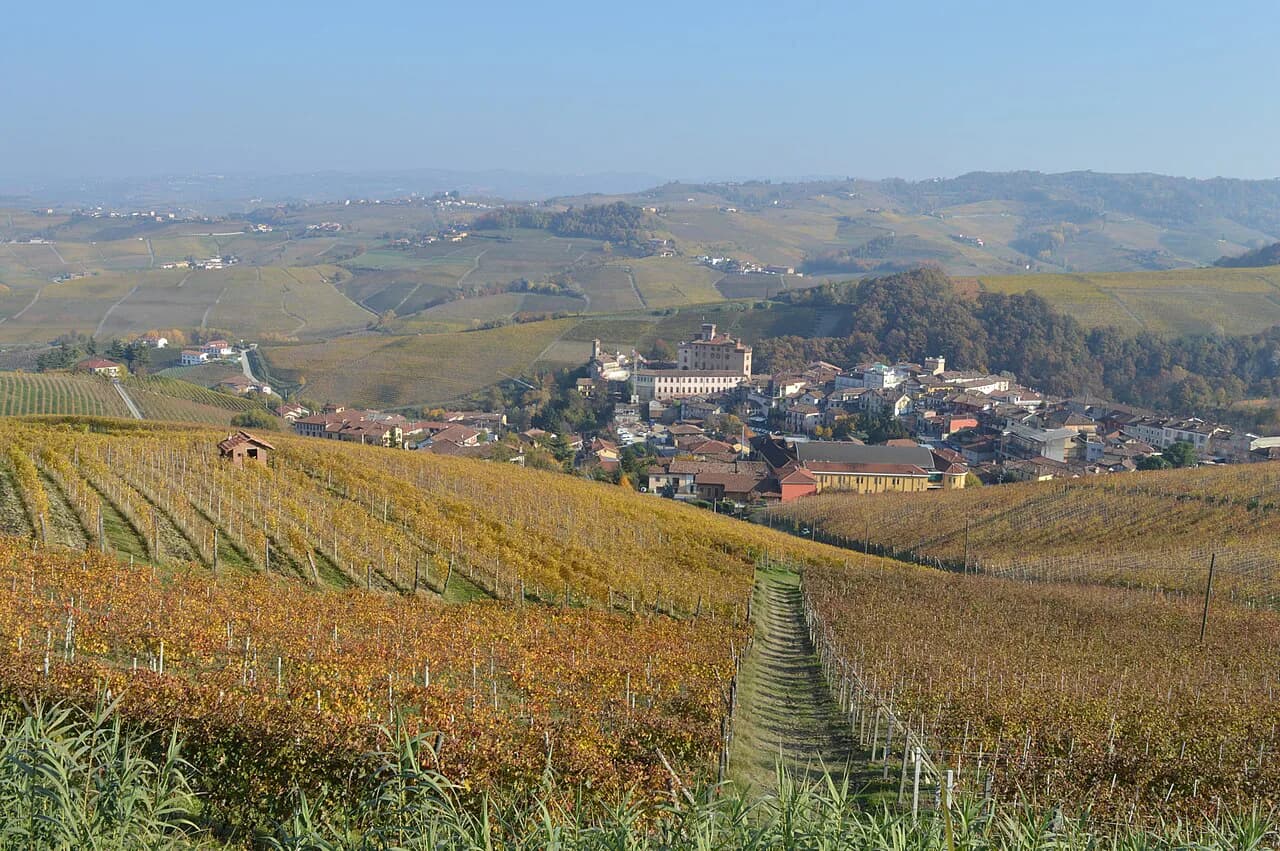
The castle sits inside the Barolo DOCG belt and the UNESCO-listed Langhe landscape, so it makes a logical orientation point on a day that also touches Barolo village and La Morra. Allow half a day if you want the museum rooms plus a serious enoteca flight, or a tight hour and a half if you are slotting it between two producer visits. Either way, treat the enoteca as calibration rather than the main event.
What Castello di Grinzane Cavour Actually Is
The building is a fortification that dates to the eleventh century and has been inscribed as part of the UNESCO World Heritage listing of the Langhe landscapes, which is why the setting feels more like a civic monument than a farm. Its most famous resident was Camillo Benso di Cavour, the Piedmontese statesman who farmed the estate before Italian unification. That history is the reason to walk the rooms rather than skip straight to the tasting counter.
Inside, the castle combines historic interiors with museum displays and a regional enoteca, the kind of civic tasting room that pours wines from across an appellation instead of from a single family cellar. For a traveler trying to understand Barolo before committing to expensive appointments, that is a useful first move. The castle's own site is the place to confirm what is open on your dates.
Where It Sits and How Far It Is from Alba
Grinzane Cavour is a small village roughly 5 km from Alba, which makes it one of the closest wine-country stops to the town center. Travelers coming from Turin or Milan usually transfer to Alba first, and the drive from Turin runs just over an hour while Milan takes closer to two. From an Alba base, the castle is a short hop rather than a day trip in itself.
The surrounding roads are the real constraint. Piedmont's hills are slower than they look on a map, and a driver who is also tasting has to be careful. If you are building a multi-day route through the Langhe, a wine tour from Turin can handle the transfers and let everyone in the car taste; independent travelers can use the castle as an easy taxi or bike target from Alba.
Getting There Without Driving
Sources on the Langhe are blunt about public transport: the winding roads that link the villages are not well served by buses, and guided tours, taxis or a rental car are the usual ways visitors move between wineries. A short taxi from Alba to Grinzane Cavour is the simplest no-car option for this specific stop, and a bike ride works if you are comfortable with hills and heat. Do not assume a scheduled bus will drop you at the castle gate; ask your hotel in Alba what is running during your stay.
Many guided Langhe day tours include the castle area as a scenic and cultural stop, which solves both the driving and the parking question in one booking. The trade-off is fixed timing: a tour may give you less time in the museum than you would choose independently. If the castle is a priority rather than a photo stop, say so when you book and ask how long the group stays.
What You See Inside the Castle
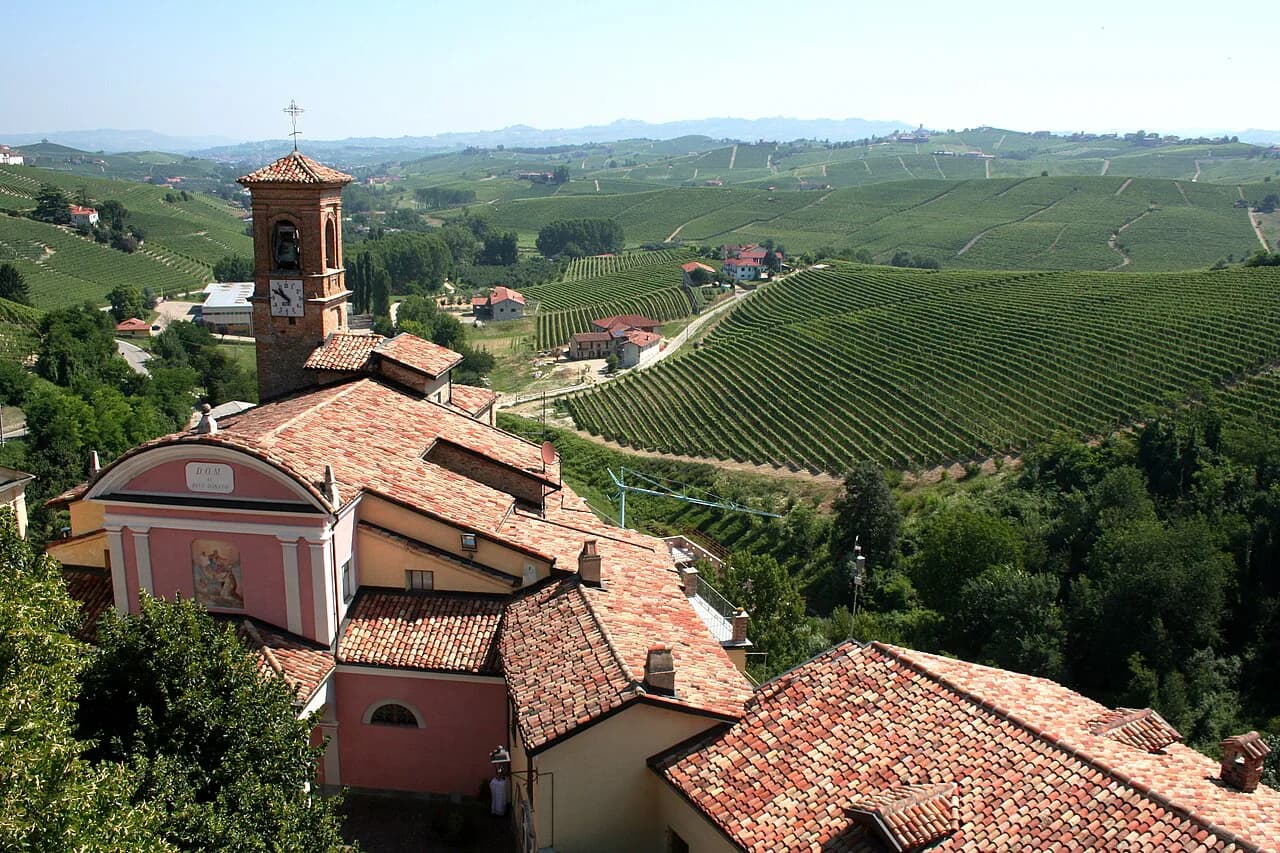
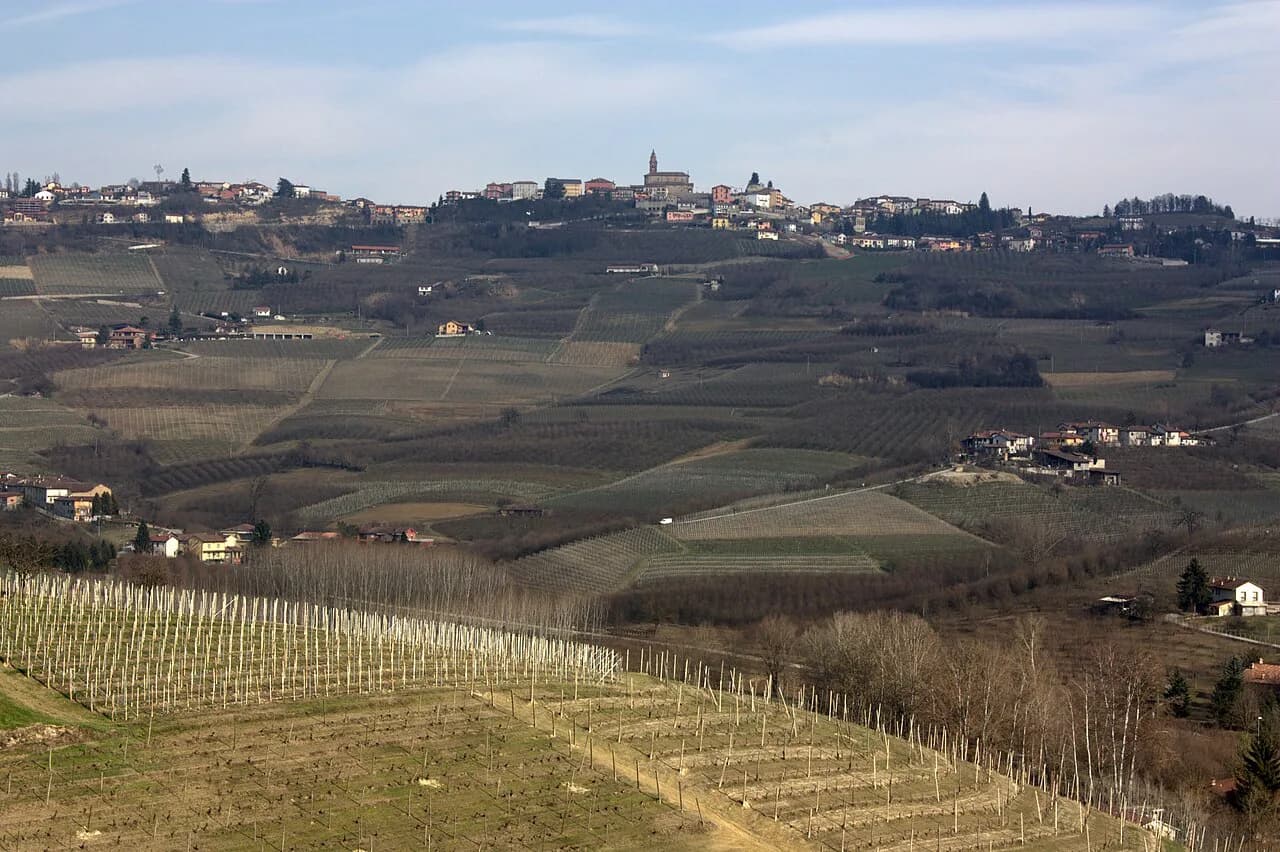
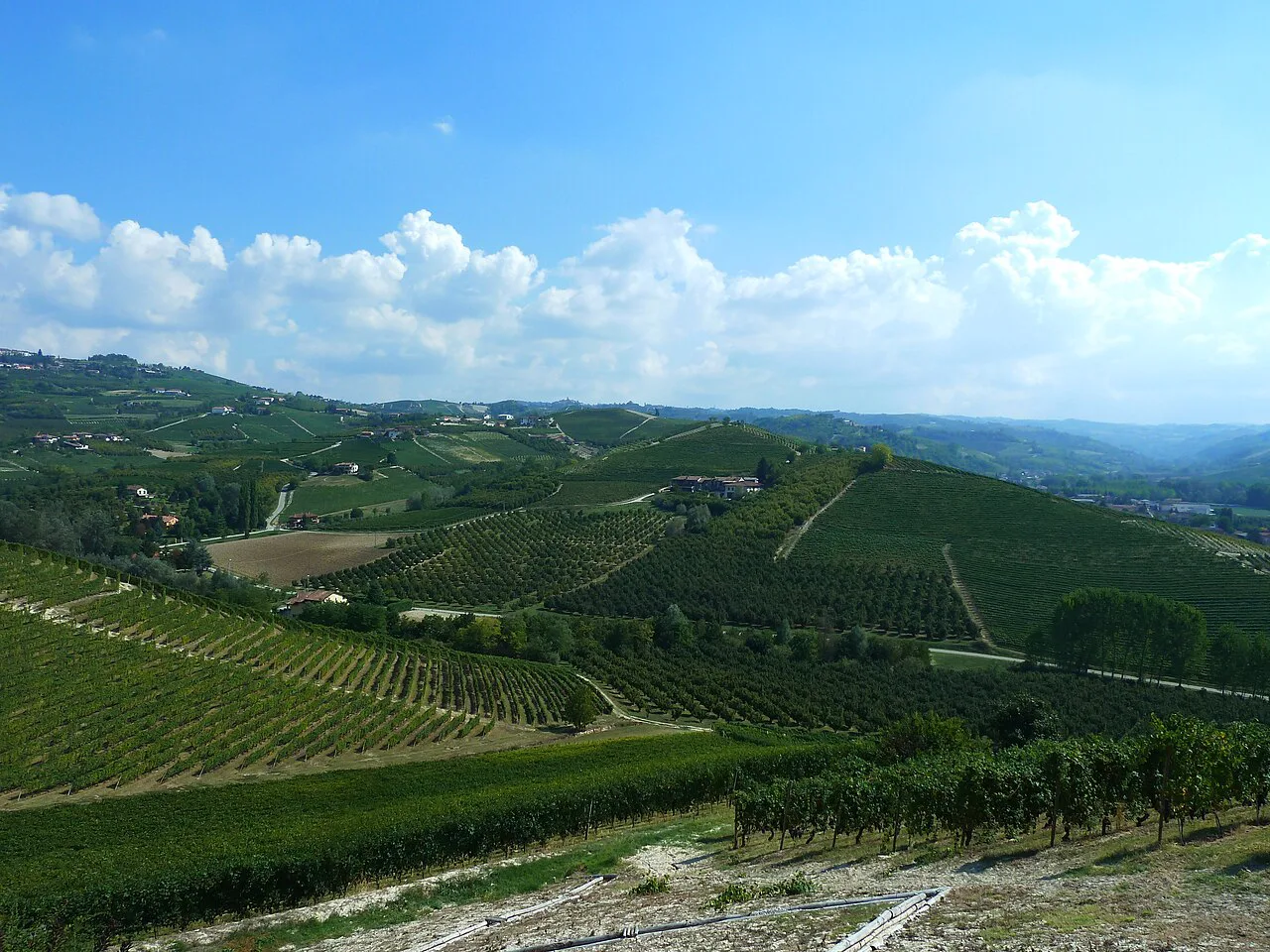
Plan on the castle as two experiences under one roof: the historic rooms that tell the Cavour story and the museum displays that explain the landscape around you. The architecture and hilltop position do a lot of the work, with views across the vines that make the appellation's shape easier to read. Allow at least an hour for the interiors and the viewpoints before you sit down to taste.
The museum function matters for anyone new to Barolo. Understanding that the zone is tightly regulated and that the Nebbiolo grape is grown only within a defined set of communes gives the labels at the enoteca meaning. The castle's official site is the most reliable place to confirm which spaces are open, since exhibition rooms can rotate.
Tasting at the Regional Enoteca
The enoteca is a tasting counter for wines from the wider territory, which makes it an efficient calibration stop before you sit down with individual producers. Flights are typically short and staff-led, and the value lies in comparing several bottles side by side rather than in depth on one estate. Ask what is being poured that day and whether a smaller flight is possible if you have another appointment later.
Do not expect the seated, cellar-based format you get at a family estate, where tastings commonly run 75 to 90 minutes and cap out at two per day for most travelers. An enoteca visit is quicker and more flexible, which is exactly why it pairs well with a morning at a producer. Carry the other format in mind: many Langhe estates require reservations two to four weeks ahead and typical tasting fees sit in the €30 to €80 range, sometimes waived with a purchase.
Entry to the castle has been priced separately from any tasting, so budget for two components if you plan to do both. Visitors have reported an entrance ticket in the region of eight euros, which is a useful planning figure rather than a guaranteed current rate.
Pairing the Castle with Barolo Village and La Morra
The castle works best as the first stop on a day that continues to Barolo village, where the Castello Falletti houses the WiMu wine museum and the Enoteca Regionale del Barolo. That regional tasting room pours wines from across the appellation, which makes it a natural second calibration point if you want a broad comparison before booking producers.
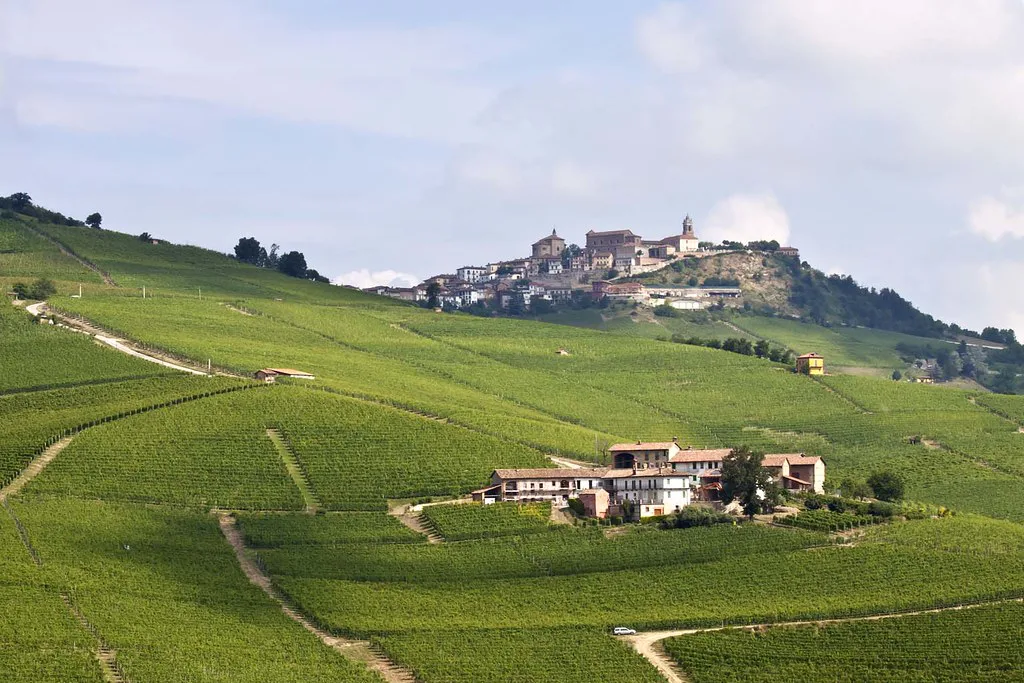
Add La Morra for the panoramic viewpoints that make the vineyard geometry legible, and you have a full day of context without a single cellar appointment. Group the stops geographically rather than by reputation: Grinzane, then Barolo village, then La Morra keeps you on one ridge line. Save the deeper producer visits for the following day, when your palate and your notes are ready.
Barolo in Five Minutes Before You Taste
Barolo and Barbaresco are both made from Nebbiolo, but they behave differently in the glass and on the page. Barolo tends to be more powerful and structured, shaped by altitude, exposure and long ageing, while Barbaresco is often perceived as more elegant and accessible earlier. Neither is better, and tasting them side by side is the fastest way to understand the distinction.
The appellation is tightly regulated: Nebbiolo for Barolo is grown in a defined set of communes around the village, and the wines must spend time in oak and then in bottle before release. Barbera and Dolcetto fill out the region with juicier, more immediately approachable reds, and Arneis and Moscato d'Asti add freshness. Starting with those lighter styles, as the enoteca flights often do, keeps your palate fresh for the Nebbiolo that follows.
Appointment Estates Versus Walk-In Tasting Rooms
The Langhe runs on two different access models, and knowing which is which saves wasted afternoons. Producer estates generally require advance booking and do not operate walk-in tasting rooms; Ceretto is the clearest example, with visits by prior appointment only and bookings handled directly through the estate's hospitality team by phone or email. Its truffle pairing in October and November books out furthest ahead, and basic tastings start from around €20, with fees quoted on contact.
Civic and regional tasting rooms supply the walk-in flexibility that estates do not. The castle enoteca, the Enoteca Regionale del Barolo in the Castello Falletti and similar counters let you turn up and taste without a reservation, which is why they belong early in a trip. Marchesi di Barolo in Barolo village and Fontanafredda in Serralunga d'Alba are also described as more accessible for short-notice visits, with Fontanafredda bookable directly through its own site.
If architecture and art are part of the draw, the Acino pavilion at Monsordo Bernardina near Alba and the frescoed Cappella delle Brunate in La Morra sit at separate locations, and whether both are included in one visit depends on the format you arrange. Book the estate directly and stay flexible on dates. Keep one afternoon free for a walk-in enoteca so a single full appointment does not sink the day.
When to Go: Seasons, Harvest and Truffle Weeks
May and June and September into early October are the most balanced months, with green or turning vineyards and comfortable temperatures for tasting-heavy days. Harvest from late September into October brings energy to the hills but demands lighter tasting schedules and earlier planning. Truffle season from October into November sharpens the food around Alba and tightens availability across the Langhe, so lead times stretch.
For the castle itself, the practical advice is simpler: go early in the day, when the hilltop light is clear and the enoteca is quiet, then continue to Barolo village for lunch. In truffle weeks, expect the roads around Alba to be busier and build slack into any taxi booking. A wine tasting in Turin before or after the Langhe leg gives you a low-stakes introduction to the region's grapes if your schedule is tight.
Practical Booking Notes Before You Travel
Settle three details before you commit a day to the castle: which museum spaces are open, whether the enoteca is pouring on your date, and how you will get there and back without a driver who has been tasting. The castle's official site carries the current visitor information, and the enoteca can answer questions about flights and group requests directly. For groups, ask about minimum party sizes and whether a guided format is required.
If you plan to buy bottles, remember that shipping is usually arranged through producers or a specialist rather than carried home in a suitcase. Sturdy shoes matter on the hill paths and in the village lanes, and smart-casual dress works everywhere in the Langhe. Anyone driving should skip the tasting or use a spittoon, and the simplest solution for a group is a hired driver or a tour so nobody sits out.
A Compact Castle Stop That Earns Its Place
Castello di Grinzane Cavour is best treated as the opening chapter of a Langhe wine day rather than the whole story. Its museum rooms and regional enoteca give you the geography and the appellation rules in an hour or two, and then you can walk into a producer appointment already knowing what you are tasting. Build the day around one estate visit, one enoteca, and a long lunch, and the castle slots in without strain.
Book the estate first, since appointment-only cellars set the shape of the day, then fit Grinzane around it. Confirm the castle's opening and enoteca schedule on its official site close to your dates, and arrange transport so the driver is not the one tasting. If you want help stitching together the Langhe villages, a wine tour from Turin removes the logistics and leaves you free to compare.
Frequently Asked Questions
Is Castello di Grinzane Cavour a winery?
No. It is an eleventh-century hilltop castle with museum spaces and a regional wine enoteca, not a producer making its own Barolo. You visit for the history, the landscape and a broad tasting of local wines.
How far is Grinzane Cavour from Alba?
The village sits roughly 5 km from Alba, making it one of the closest wine-country stops to town. A taxi or a bike ride from Alba is practical, though the roads are hilly and slower than the distance suggests.
Can you visit Castello di Grinzane Cavour without a car?
Yes, with planning. Public transport in the Langhe is limited, so the realistic options are a short taxi from Alba, a bike, or a guided tour that includes the castle. Ask your hotel in Alba what is running during your stay, and do not assume a scheduled bus reaches the gate.
How long should you spend at Castello di Grinzane Cavour?
Allow about an hour and a half for the museum rooms, the views and a short enoteca flight. Give it half a day if you want a fuller tasting and a walk through the village, or if you are combining it with Barolo village and La Morra.
Do you need reservations to taste Barolo in the Langhe?
At producer estates, yes. Many cellars are appointment-only and book up two to four weeks ahead, longer in truffle season. Regional enoteche such as the one at Grinzane Cavour and the Enoteca Regionale del Barolo are the walk-in alternatives.
When is the best time to visit the Langhe for wine?
May and June and September into early October offer the most comfortable balance of vineyard scenery, winery access and temperatures. Harvest and the October-November truffle season are livelier but busier, with longer booking lead times.
Sources
Notes for your next wine trip
Optional updates to our winery and wine-town guides.
You might also like
Continue reading
More guides you'll find useful