Barolo Wine Tours from Turin & Alba: How to Choose and Book
Compare Barolo wine tours from Turin and Alba: private van days, winery appointments, operator rates and how to reach the Langhe without driving yourself.
On this page
A Barolo wine tour is less a single product than a format: a driver-guide collects you in the morning, threads between hillside villages such as Barolo, La Morra and Serralunga d'Alba, and slots in two or three winery appointments you could not easily string together alone. The Langhe rewards this approach because the wine roads are curvy, the villages sit on separate ridges, and a serious tasting day leaves nobody fit to drive. Deciding between a booked day and a do-it-yourself route is the real planning question.
If you are still choosing a base city, start with our overview of wine tasting in turin, which sets out how the city, the Langhe and the Monferrato fit into one trip; this guide then narrows to the Barolo zone itself. Here you will find how private days are structured, where multi-day itineraries go, and how to taste in Barolo village when you want something less formal. Rates are quoted only where an operator publishes them.
Quick Answer: What a Barolo Wine Tour Actually Is
In practice, a Barolo wine tour is a transport-and-access service. The company handles the driving between villages, pre-arranges cellar visits with producers who normally receive visitors by appointment, and often adds lunch or a food stop. What you are buying is time saved and access, not a standardised product; itineraries vary sharply between operators.
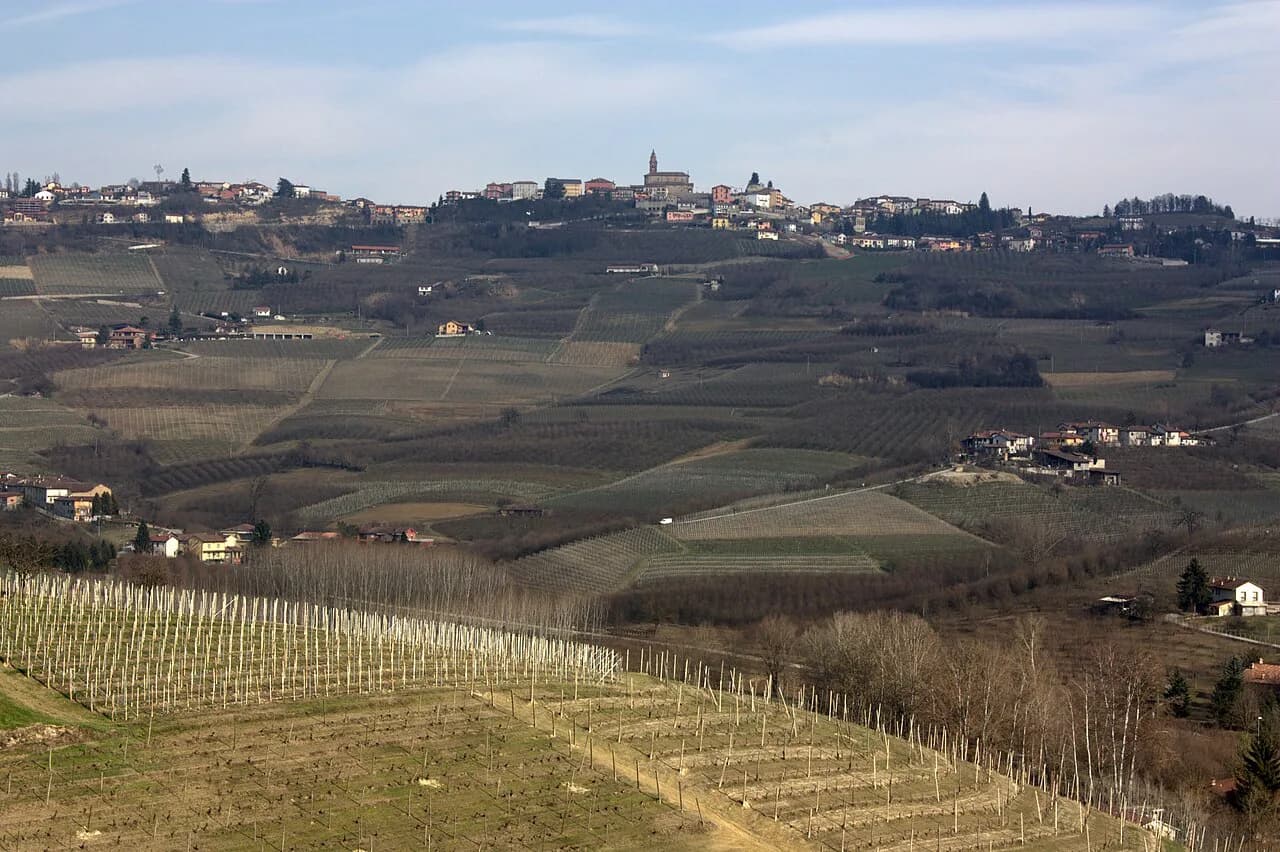
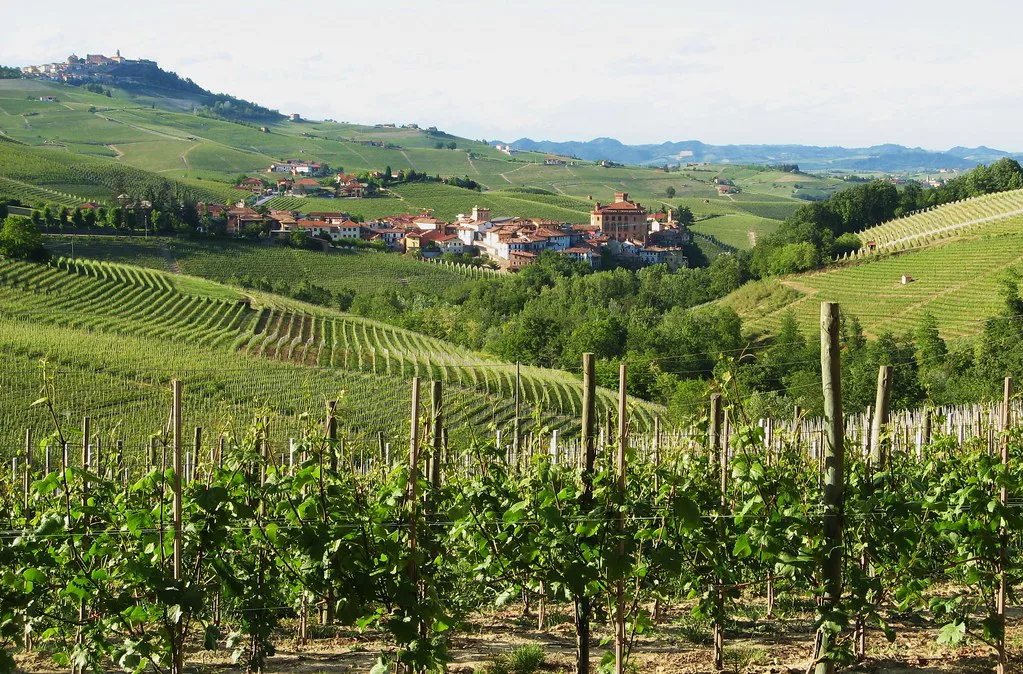
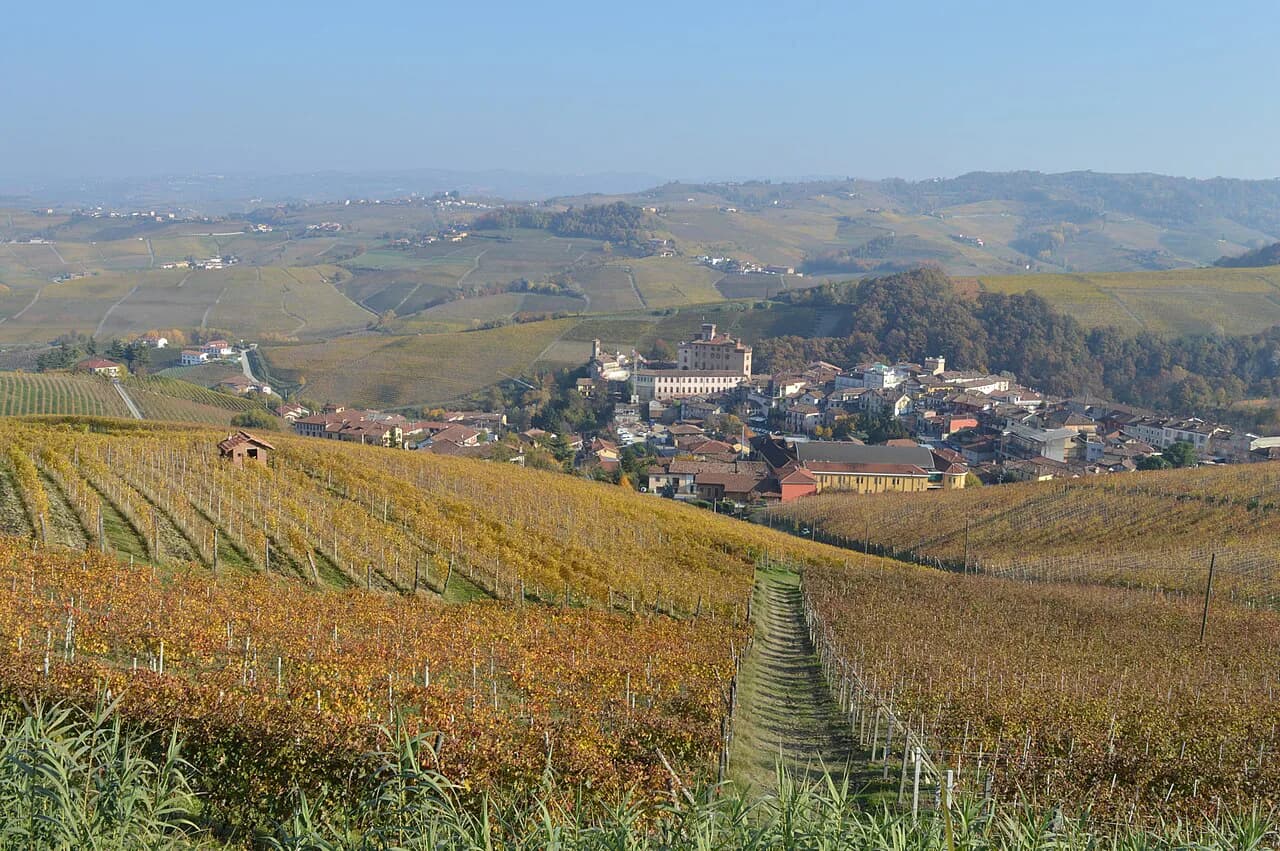
The geography explains why. Barolo is a DOCG produced from Nebbiolo in 11 communes of the Langhe, an area recognised as UNESCO World Heritage, so the appellation spreads across many villages rather than clustering in one town. A single village may hold one or two cellars worth your morning; a good day links three or four across two ridges.
That makes the solo-drive alternative weaker than it looks. Winalist's Langhe guide describes narrow, winding roads climbing the hills and concludes that public transport is essentially absent in the wine zone, recommending guided tours or a rental car instead.
Where Tours Start: Turin, Alba and Asti as Bases
Alba is the natural base for the Langhe. It sits in the valley below the Barolo and Barbaresco ridges, has a railway station, and operators working the area routinely pick up from Alba hotels and stations. If your priority is maximising cellar time, staying in or near Alba shortens every transfer.
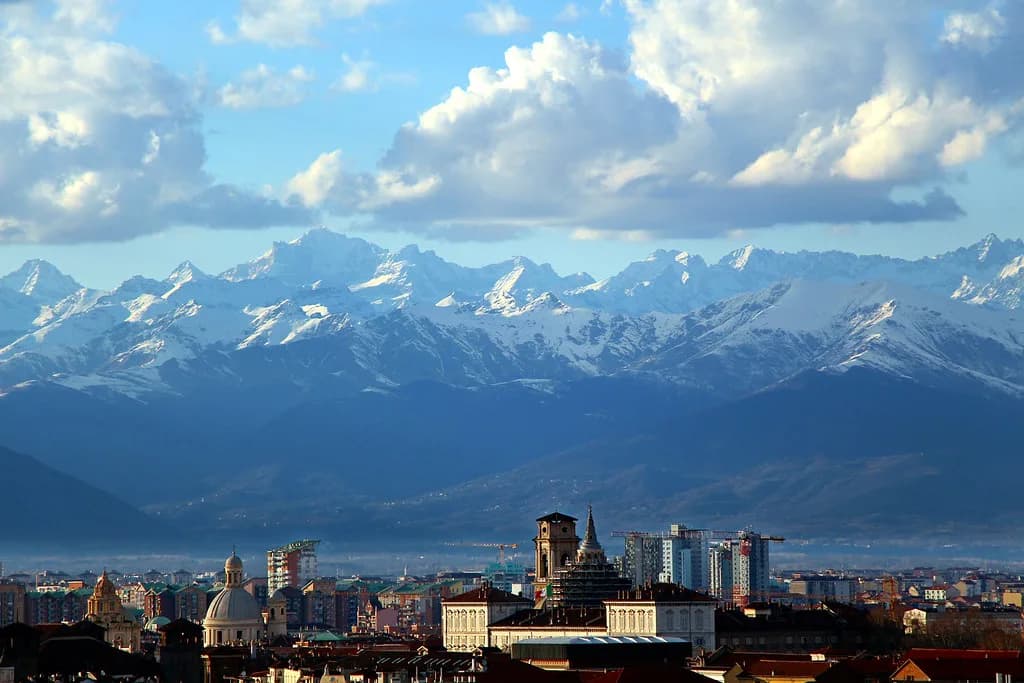
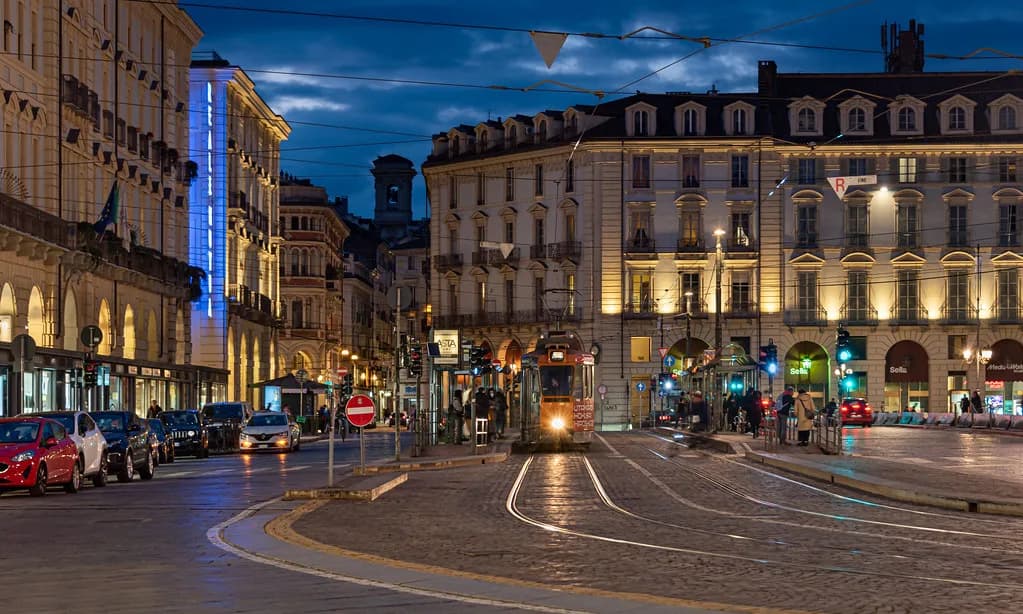
Turin works as a base if you want a city trip with one wine day attached. It is a larger city with more hotel choice and its own wine culture, and a wine tour from turin typically means a longer day in the vehicle at each end. The trade-off is straightforward: more city, less vineyard time.
Asti sits east of the Barolo zone and belongs to the Barbera and Moscato d'Asti country as much as to Nebbiolo. Operators list Asti alongside Alba for multi-day programmes that combine Barolo, Barbaresco and the sparkling cellars around Canelli. Choose Asti if you want a wider Piedmont spread rather than a Barolo-only day.
Private Guided Van Days: Format and Published Pricing
Piedmont Wine Tours is a useful benchmark because it publishes its format and starting prices. It runs exclusively private tours capped at eight participants in a Mercedes V-Class van, with pick-up and drop-off from hotels in the Langhe area and from main railway stations, plus a private driver-guide.
Its published starting rates are about 190 euros for a one-day Barolo tour of roughly nine hours, 380 euros for a two-day Barolo and Barbaresco programme, and 570 euros for a three-day Langhe and Roero itinerary, with truffle hunting offered separately from about 80 euros. Treat these as Piedmont Wine Tours' own figures, not a market average, and check what the rate covers before you commit.
The company also states a deliberate selection policy: it favours smaller producers over the largest commercial names, which shapes both the cellar list and the chance of meeting an owner. If you have a specific estate in mind, say so at the enquiry stage, because the standard route may not include it.
What a One-Day Barolo Itinerary Covers
A sensible Barolo day groups villages rather than crossing the appellation. Barolo, La Morra, Serralunga d'Alba and Monforte d'Alba form the classic western and central cluster, and an operator can reasonably fit two or three visits plus lunch across them in roughly nine hours.
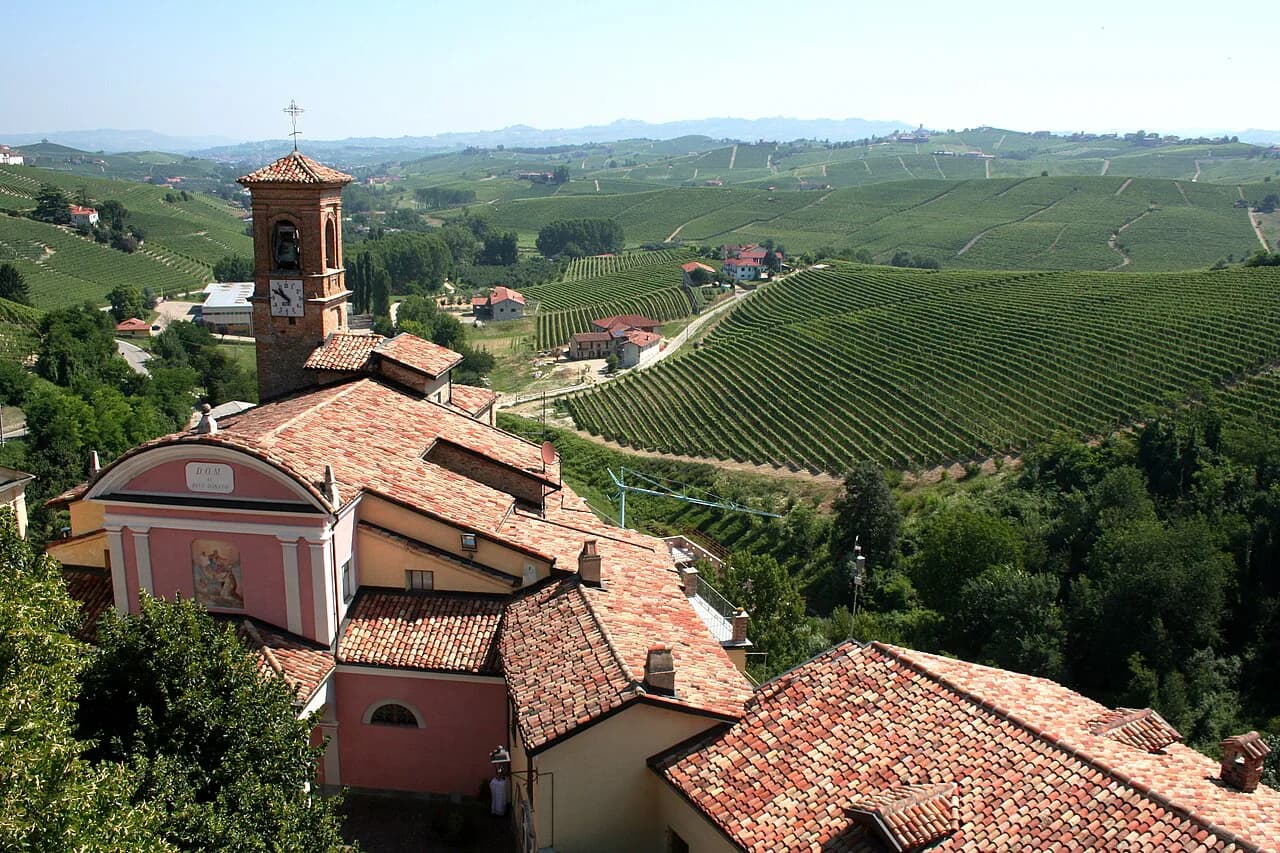
The villages differ in character as much as in wine. Barolo itself is compact and touristic, with the castle and wine museum anchoring the centre; La Morra and Serralunga spread along ridges with wider views; Monforte d'Alba feels like a small town with steep lanes. Ask which villages your tour enters, not just which wineries.
If your base is Turin and you want a shorter commitment than a full day, the same countryside can be reached independently by train to Alba and a local taxi thereafter. It is more effort and less flexible, but it costs less than a private van.
The Barbaresco Variant and Two-Appellation Days
Barbaresco is Barolo's neighbour and its stylistic opposite in some respects: also Nebbiolo, but from a smaller zone around the villages of Barbaresco, Neive and Treiso, with a lighter frame. A two-appellation day covers ground on both sides, and operators typically build it as Barolo in the morning and Barbaresco after lunch, or split it across two days.
Neive is the most rewarding add-on in the Barbaresco zone: a hilltop village with enough tasting rooms to fill an afternoon, and usefully close to routes heading back toward Asti or Canelli. If you only have one day and no strong preference, a combined Barolo and Barbaresco tour shows more variety than two Barolo cellars.
Multi-Day Options: Two and Three Days in the Langhe
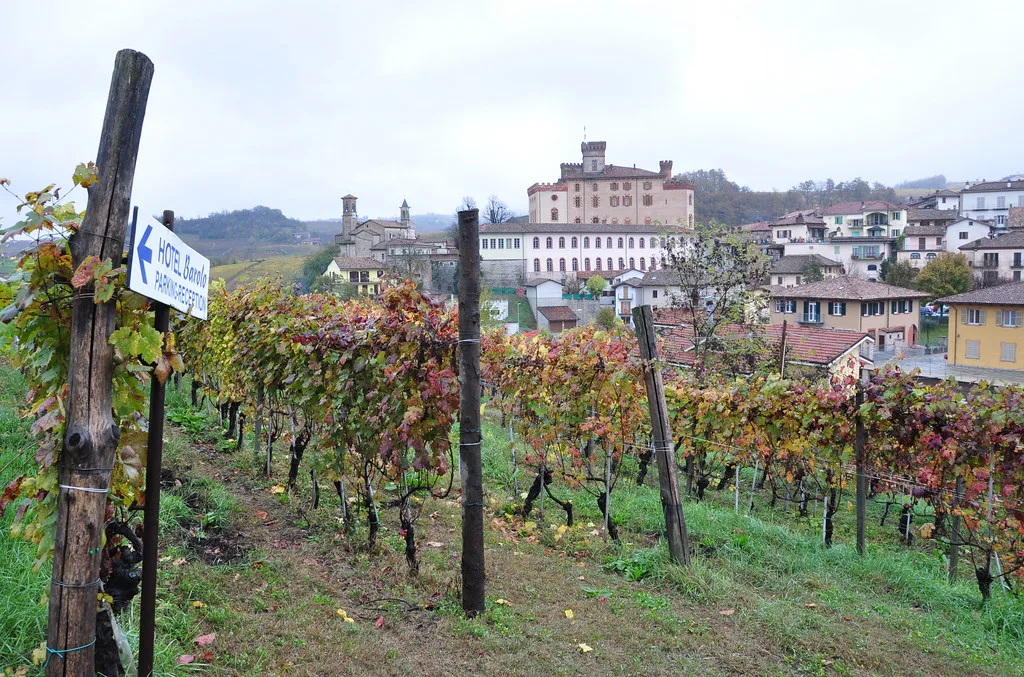
Two-day programmes are the sweet spot for a first Piedmont trip. Piedmont Wine Tours lists two-day itineraries from about 380 euros per person covering Barolo, Barbaresco, Serralunga d'Alba, La Morra and Neive, sometimes with the Canelli sparkling cellars included, which is enough time to slow down and eat properly between visits. Three days allows the Roero hills to the north as well as the Langhe. The published three-day Langhe and Roero route runs from about 570 euros and stretches across Barolo, Barbaresco, Serralunga d'Alba, La Morra, Neive and Canelli, which suits travellers who want a different landscape and a different grape register on the third morning.
Book multi-day tours earlier than single days. Each overnight needs a confirmed cellar schedule and a van allocation, and the same guide usually drives all days, so a late change is harder to absorb than on a one-day booking.
DIY Instead of a Tour: Train, Taxi, Bike
You can reach the wine zone without a car: trains run to Alba, and from there the vineyards are a taxi ride, a bicycle rental or, for the fit and well-briefed, a long walk away. What you cannot rely on is a dense bus network linking the hill villages, so plan each leg and keep a taxi number on hand.
A realistic DIY day is one village, two appointments and a booked taxi between them, rather than four villages. Book the return taxi at a fixed time before you start tasting, because phone coverage and driver availability on a ridge at dusk are not things to improvise.
Wineries That Take Visitors in Barolo Village
Some Barolo cellars do receive visitors, but the norm is appointment-based, and each winery's own booking page is the only place to confirm current days and rules. Among the estates that appear in visitor listings, Sordo Giovanni in the Barolo vineyards runs a tasting of its Barolo crus from a single vintage, while Cantina Negro Giuseppe offers a cellar tour followed by a tasting.
For a bigger-name visit with a defined format, the Ceretto family's estates around Alba are a common reference point for travellers building their own route; read up on Visiting Ceretto Winery from Turin before you write, then send your request with dates, party size and any food needs.
Some Barolo tasting rooms keep daily hours and welcome walk-ins, while cellar tours at the same estates usually run by appointment, which makes them a rare flexible option in a zone where most doors require a reservation.
The Falletti Castle Museum and Regional Enoteca
Barolo village has a low-commitment tasting option in its centre: the Castello Falletti di Barolo houses the WiMu wine museum, a multi-floor exhibit on wine and its culture, and a regional enoteca floor where you can taste without a winery appointment. It is the right stop for a rainy hour or a palate primer before a cellar visit.
Use the enoteca to work out which communes and styles you prefer, then spend your booked appointments accordingly. Admission and tasting charges are set by the museum and enoteca, so enquire at the desk or on their own site to see what entry covers.
What to Ask When Booking
Before you pay, establish the number of wines poured at each stop, whether a cellar tour is included, and whether food is served or only breadsticks. Ask how many wineries a one-day tour actually visits, the maximum group size, the language of the guide, and the cancellation terms; these are the details that separate a good day from a thin one.
Also ask where pick-up happens and at what time, and whether the return time is fixed. On a private tour you can usually adjust the pace, but each winery slot is fixed by the producer, so a slow lunch eats into the next appointment, not into the driving.
Cost Comparison: Tour, Taxi or Shared Group
Compare costs per person, not per vehicle. A private day priced from about 190 euros for a one-day tour looks expensive for a couple but divides better across six or eight passengers, which is why Piedmont Wine Tours caps groups at eight. Add winery tasting fees separately unless the company states they are included.
The DIY version is a train ticket to Alba, a taxi or two, and tasting fees, with the risk that a missed booking leaves you stranded. A shared group tour sits between the two on price and on flexibility. Nothing here substitutes for requesting a written quote for your dates and party size.
Harvest and Season Timing
Late September and October are harvest time, when the vineyards are at their busiest and wineries have the least spare time for visitors. Cellar work takes priority, so appointment slots tighten and some visits shift to mornings. Book earlier for an autumn trip and accept that a tour may show you a working winery rather than a calm one.
Spring and early summer give greener hills and easier scheduling, while winter is quiet and suits museum and enoteca visits in Barolo village. Ask Piedmont Wine Tours what the season means for which cellars are available, because the answer changes the route.
Drinking and Driving
Someone has to stay sober. If you are driving yourselves, use the spittoons at every tasting, appoint a designated driver for the day, or leave the car in Alba and take a tour or taxi instead. The roads out of the Barolo villages are steep and poorly lit, and a day of tannic Nebbiolo is not the moment to improvise.
Plan Your Barolo Day
Start with your base: Alba for maximum cellar time, Turin for a city trip with one wine day, Asti for a wider Piedmont sweep. Then choose a format, private van, multi-day itinerary or DIY with booked taxis, and match the route to the villages that actually interest you. If your city-trip base could equally be Verona, the same base-versus-vineyard logic is set out in the Verona wine guide.
Request written confirmation of the wines poured, the cellar access, the group size and the price inclusions, and re-confirm the day before. Doing that once, properly, is the difference between a day that works and one spent in the van.
Frequently Asked Questions
Is Barolo worth visiting?
Yes, if you want to taste Nebbiolo in the villages where it is made. Barolo is a small Langhe village with a castle housing a wine museum and a regional enoteca, surrounded by vineyard-covered ridges and other wine villages within a short drive. The catch is access: you need a car, a booked tour or a taxi to move between cellars.
How do I get to Barolo from Turin without a car?
Take a train to Alba, then a taxi or a booked tour into the vineyards. Public transport within the wine zone is thin, so plan each leg in advance and arrange your return taxi before you start tasting. Many visitors instead join a chauffeured tour that collects from Turin or from Alba.
Do you need to book Barolo winery tastings in advance?
For most estates, yes. Cellar visits are usually by appointment, and some tasting rooms accept walk-ins while keeping tours on a booking basis. Decide which producers you want, write to them with dates and party size, and treat the reply, not a blog post, as the confirmation.
How much does a Barolo wine tour cost?
It depends on the format; compare per person, not per vehicle. Piedmont Wine Tours publishes its own rates on its site, including day tours, multi-day programmes and a separate truffle hunt, and the figure rises with the number of days. Ask for a written quote for your dates and check whether tasting fees and lunch are included.
Can you taste Barolo wine in Barolo village without an appointment?
Often yes, at the regional enoteca in the Falletti Castle and at tasting rooms that keep daily hours. Cellar tours and visits to individual producers usually need booking. A quick tasting in the village is a good way to orient yourself before a reserved visit elsewhere.
Is a private tour or a shared group better for the Langhe?
A private tour gives you a flexible pace and your choice of producers, at a higher cost per vehicle. A shared group costs less per person but follows a fixed route. Compare per-person prices for your party size, and check the maximum group size before you decide.
Sources
Notes for your next wine trip
Optional updates to our winery and wine-town guides.
You might also like
Continue reading
More guides you'll find useful