Wine Tours from Turin: Langhe, Barolo & Roero Compared
Compare wine tours from Turin to the Langhe and Roero: driving times, tasting formats, costs, group versus private options, and when to go independently.
On this page
Turin sits close enough to the Langhe that a serious wine day is realistic without moving hotels, yet far enough that the logistics decide your whole afternoon. Arrivals come through Turin or Milan, and the transfer to Alba runs just over an hour from Turin and closer to two hours from Milan, which makes Turin the better base for a single wine day.
The bigger decision is not which winery but which format: a shared coach, a small-group van, a private driver, or a train to Alba with a taxi for the last miles. Each trades money against control, and each shapes how many tastings you can fit into a day that ends back in Turin.
Why Turin Works as a Wine-Tour Base
Turin's advantage is that the Langhe is a day trip rather than a relocation. Road transfers from Turin to Alba take a little over an hour, while Milan adds roughly another hour, so travelers flying into either city can base themselves in Turin and reach the vineyards without a 6am start.
The catch is what happens after Alba. Langhe roads are slow, hilly and winding, and the villages sit closer on the map than they feel behind the wheel; tastings are seated, guided affairs of roughly 75 to 90 minutes, so two in a day is a sensible ceiling. That combination is why so many visitors hire a driver for tasting days rather than self-drive.
If you would rather build a Turin day around city tasting rooms before heading into the hills, our guide to wine tasting in turin covers the urban side of Piedmont's wine scene.
What a Wine Tour from Turin Actually Means
The phrase covers four quite different products. A shared coach day trip is the cheapest per person and the least flexible, often bundling one or two winery stops with lunch and a fixed departure. A small-group van narrows the headcount and usually adds a second estate, while a private driver lets you pick estates and pace but costs the most per head unless your group fills the car.
Regional tours from Turin are sold both by local operators and through large marketplaces, so listings cluster in the low hundreds of dollars per person for a full day out with tastings and food. Treat those figures as listed starting points rather than a quote for your date, since inclusions and pickup points vary between operators.
The fourth option is doing it yourself: train to Alba, then a taxi, bicycle or pre-arranged transfer into the hills. It is the most flexible and often the cheapest on paper, but the last miles are the weak link, because rural estates sit off the rail line and taxis are thin in the villages.
Piedmont Grapes and Appellations in Brief
Three red grapes dominate. Nebbiolo makes Barolo and Barbaresco, structured and slow to open up; Barbera is juicier and more immediately giving; Dolcetto is lighter and fruit-forward, which is why it works well as a first tasting of the day rather than the last.
Whites and sparkling wines round out a Piedmont itinerary. Arneis from Roero gives a fresh, aromatic counterweight to a Nebbiolo-heavy schedule, while Moscato d'Asti is lightly sparkling and low in alcohol, a sensible finisher before the drive back to Turin.
Barolo is a DOCG, and the appellation rules require minimum ageing before release: at least two years in oak and one in bottle for the standard wine. That regulation is why Barolo tastings so often turn into explanations of vineyard site and ageing rather than a quick pour.
Barolo vs Barbaresco, Simply Explained
Both wines are Nebbiolo, but they behave differently in the glass and in the planning. Barolo tends to be more powerful and structured, shaped by altitude, exposure and long ageing, while Barbaresco is generally perceived as more elegant and approachable earlier, with a slightly softer profile.
For a day trip from Turin, put Barbaresco first and Barolo second if you are new to the grape, because the gentler start makes the more tannic wines easier to read. Neither is better, and the comparison only makes sense if you taste them within a day or two of each other.
If you already know you want to concentrate on the Barolo side, our Barolo wineries guide breaks down the villages and estates worth building a route around.
A Barolo Village Day: Museums and Walk-In Tastings
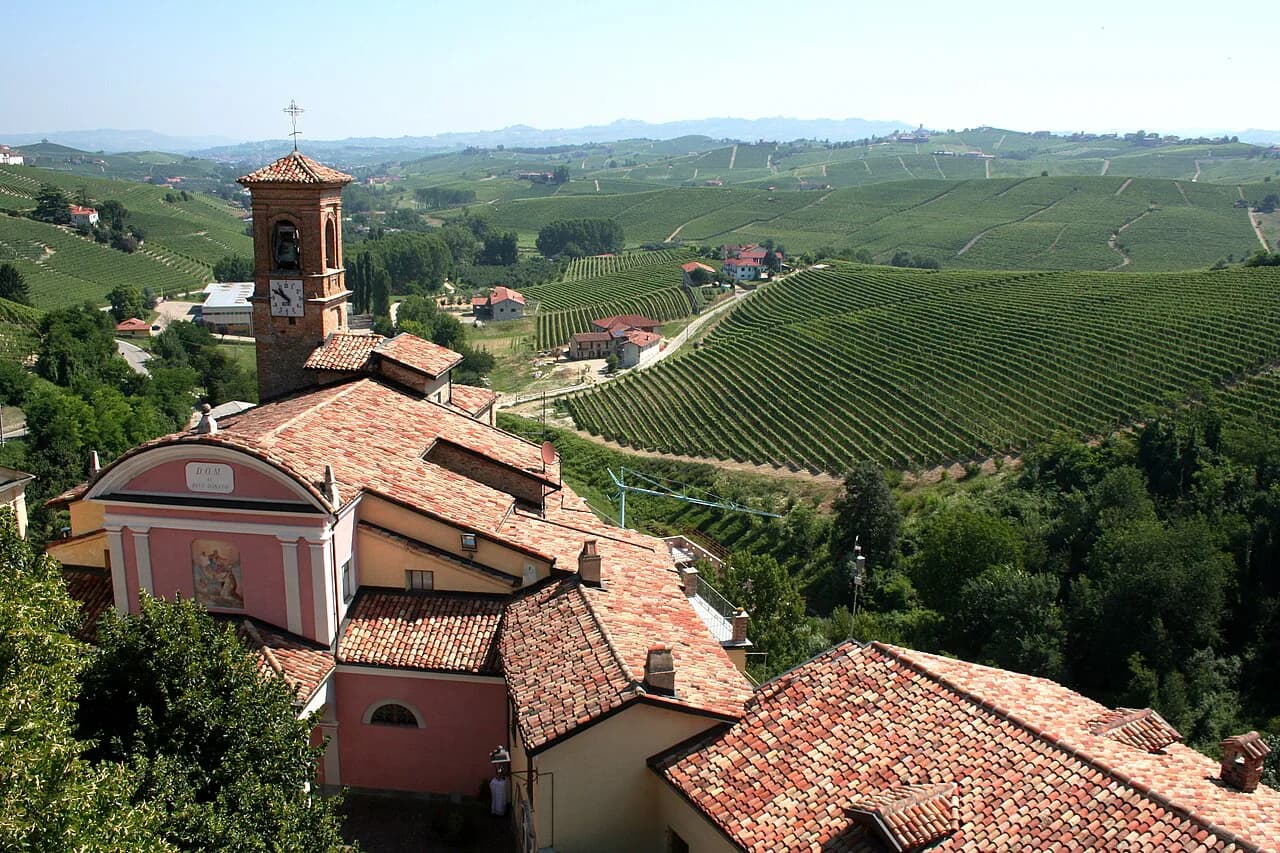
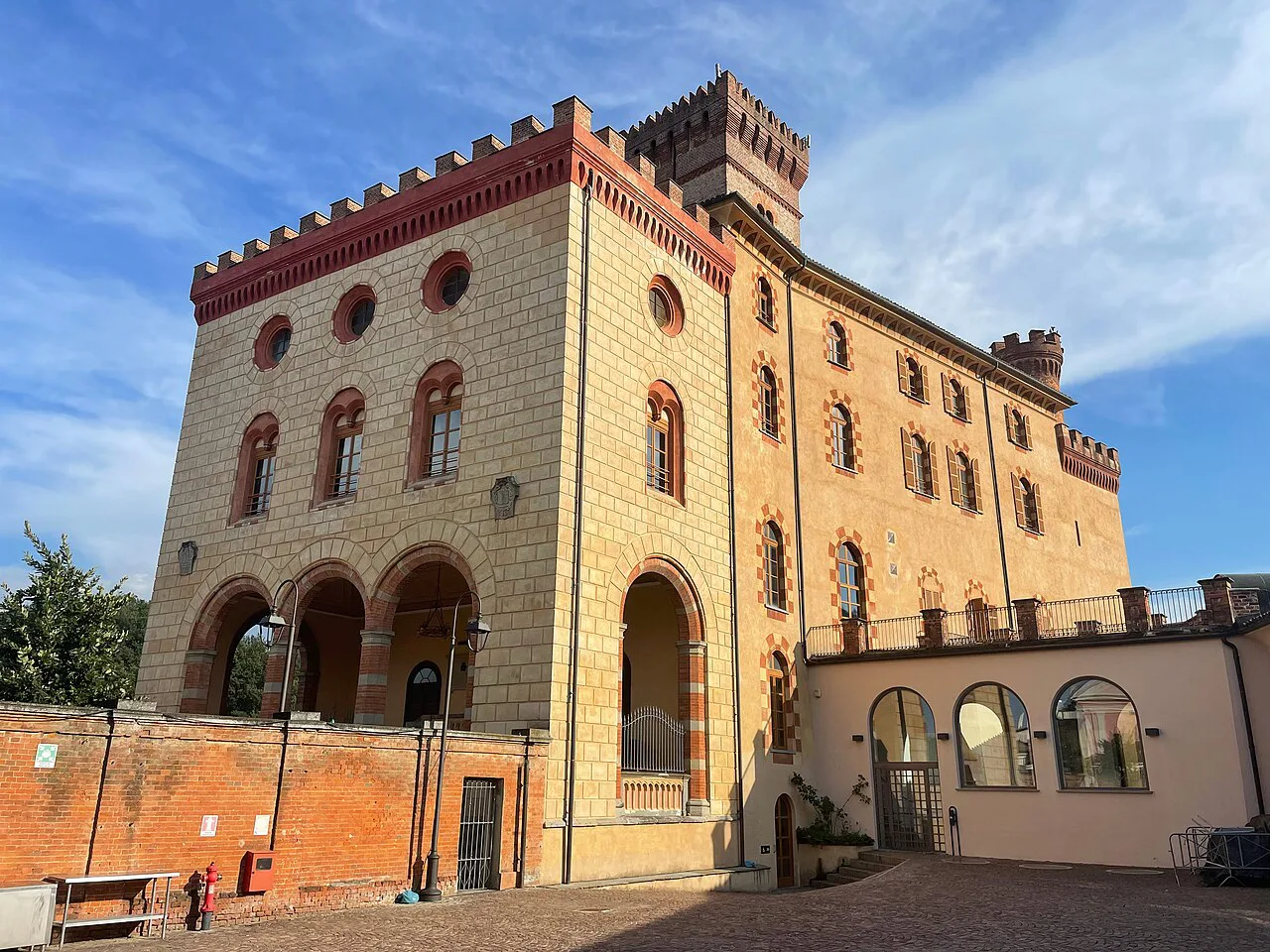
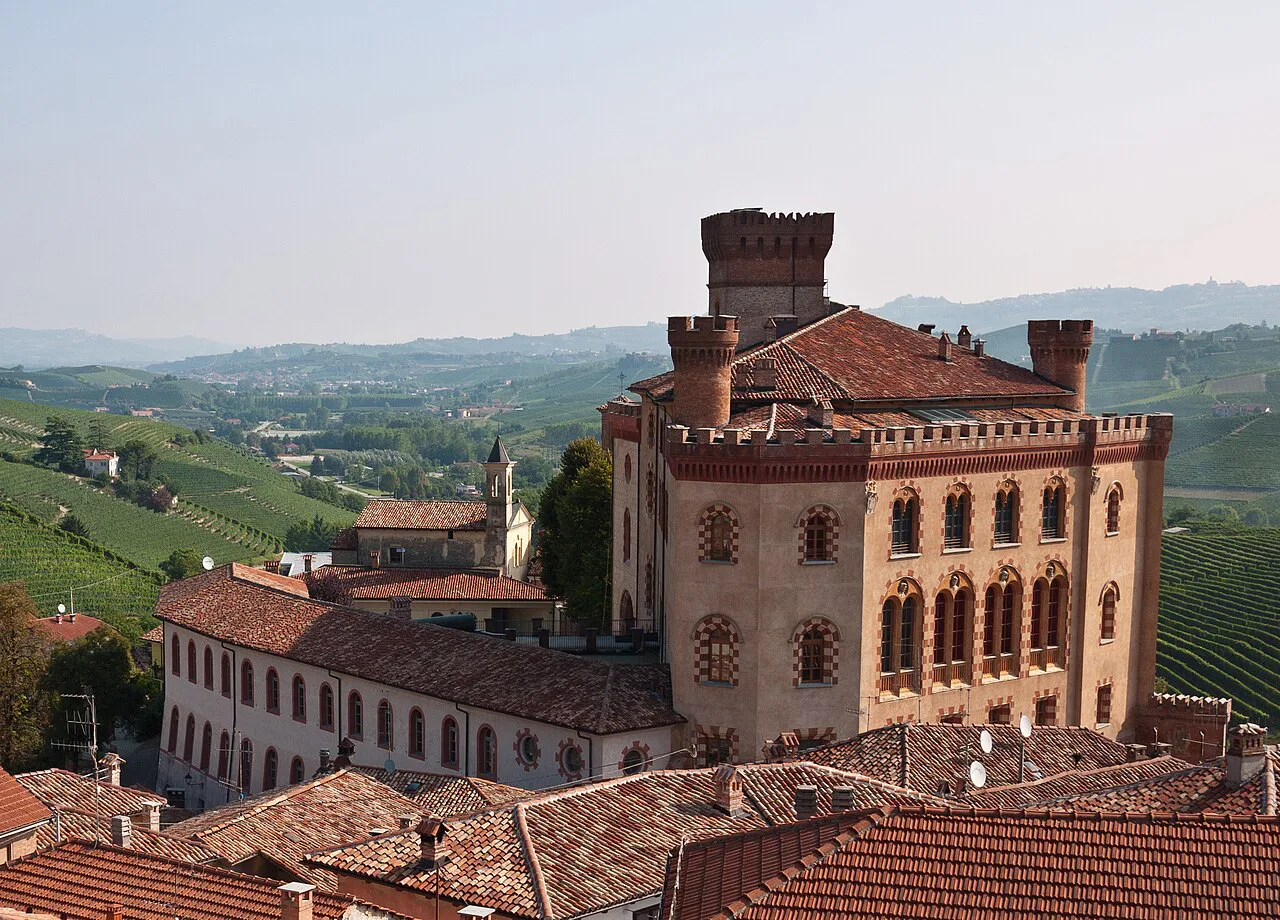
Barolo village is the low-friction option for travelers without confirmed estate bookings. The Castello Falletti holds the WiMu wine museum across several floors, and the Enoteca Regionale del Barolo on the castle's enoteca floor pours wines from across the appellation, which makes an efficient calibration before or instead of a producer visit.
Marchesi di Barolo in the village runs a tasting room that is more flexible than appointment-only estates, and Fontanafredda in Serralunga d'Alba is an accessible major producer with cellar tours and a restaurant that serves truffle dishes in season. Both suit a day when you want a cellar visit but cannot commit to a schedule weeks out.
Plan the museum and the enoteca as the spine of the day and treat any producer visit as a bonus. Barolo village is compact, and pairing the castle with a village lunch fills a morning and early afternoon without a car shuffle between estates.
Appointment-Only Estates: How Booking Really Works
The Langhe's better-known family estates work almost entirely on prior appointment, and walk-ins are rare, particularly in Barolo and Barbaresco. Requests typically go to the estate's own hospitality team by email or phone, with your preferred dates and at least one alternative, a group size, and the format you want: cellar tour, seated tasting, or something food-led.
Ceretto at Monsordo Bernardina near Alba is the worked example. Visits run seven days a week but only by appointment, and the estate handles bookings directly on +39 0173 268033 or visit@ceretto.com rather than through third-party platforms; the Acino pavilion and the frescoed Cappella delle Brunate in La Morra are separate sites, so confirm which are included in your chosen format.
Basic tastings at Ceretto start from €20, with the hospitality team quoting the actual fee for the format you book, and the white truffle pairing tied to October and November availability. For more on formats and access, see our guide to visiting ceretto winery.
Barbaresco and Neive: Elegance First
Barbaresco village suits a slow start: one well-chosen morning visit, seated and guided, focused on vineyard sites and ageing rather than volume poured. Gaja is appointment-only with limited availability and is usually closed to general visitors, so plan around a smaller estate unless you have a confirmed booking.
From Barbaresco, Neive is the natural lunch stop, one of the Langhe's most quietly charming villages and well suited to an unhurried midday meal. Leave the afternoon loose: a second light tasting only if energy holds, or a village walk and a viewpoint instead.
Group your villages by ridge rather than by reputation. Barbaresco and Neive sit close together, while La Morra and Barolo belong to a separate day, and trying to link both sides in one Turin round trip mostly buys you road time.
La Morra and Monforte d'Alba for Depth
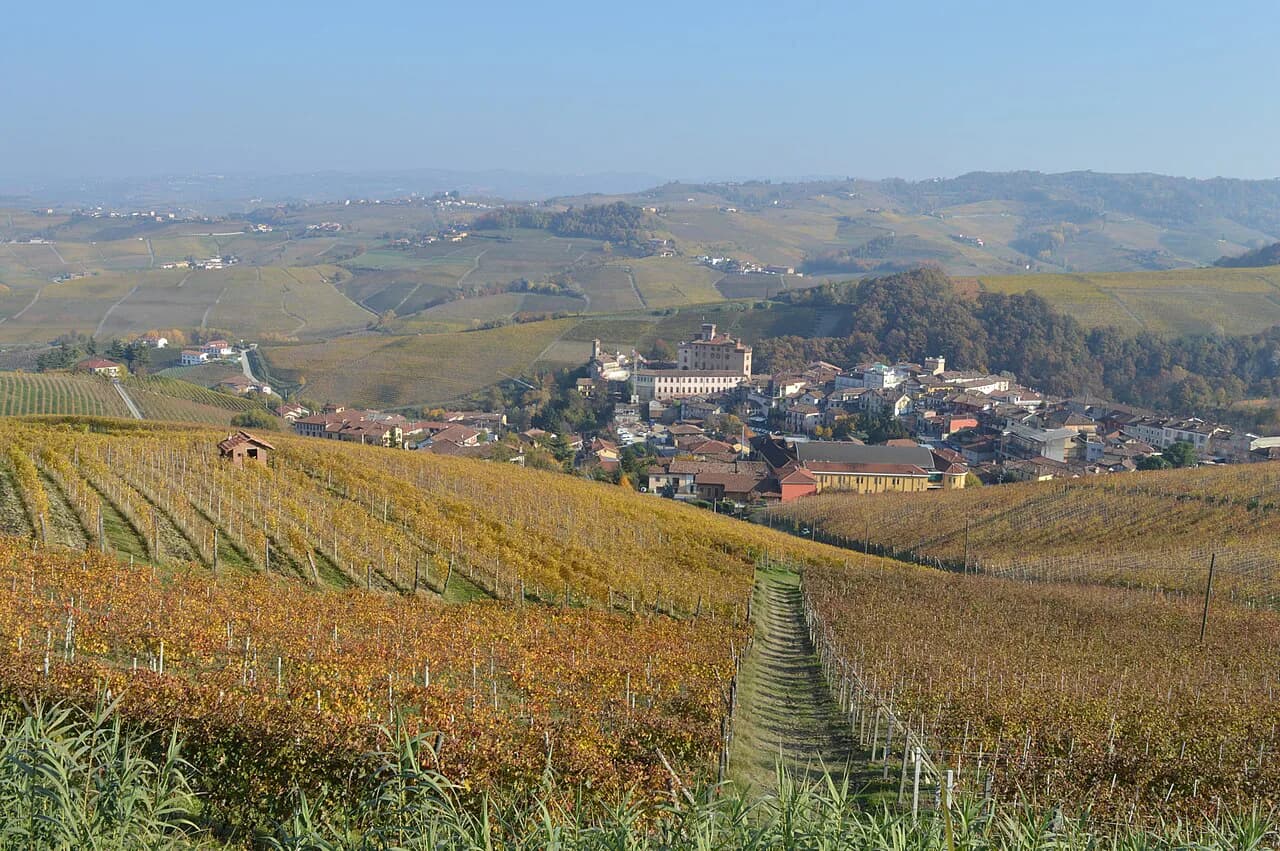
La Morra is the best place to see how Barolo's terroir works, because the panoramic viewpoints make aspect, elevation and vineyard boundaries legible in the landscape itself. A morning tasting in or near Barolo village then lands with more context than it would on day one.
Monforte d'Alba is quieter and more vertical than La Morra or Barolo, and it is where a longer, more structured Nebbiolo tasting fits best, ideally in a historic or family-run cellar with vertical or vineyard comparisons. A countryside lunch afterwards gives the morning room to settle.
For a day trip rather than a week, pick one of the two: La Morra for orientation and views, Monforte d'Alba for depth in the cellar. Doing both means the driving eats the tasting time. If you are weighing a different wine region entirely, our montepulciano wine tours guide applies the same in-town versus countryside trade-off to Tuscany.
The Roero Option: Arneis and Lighter Reds
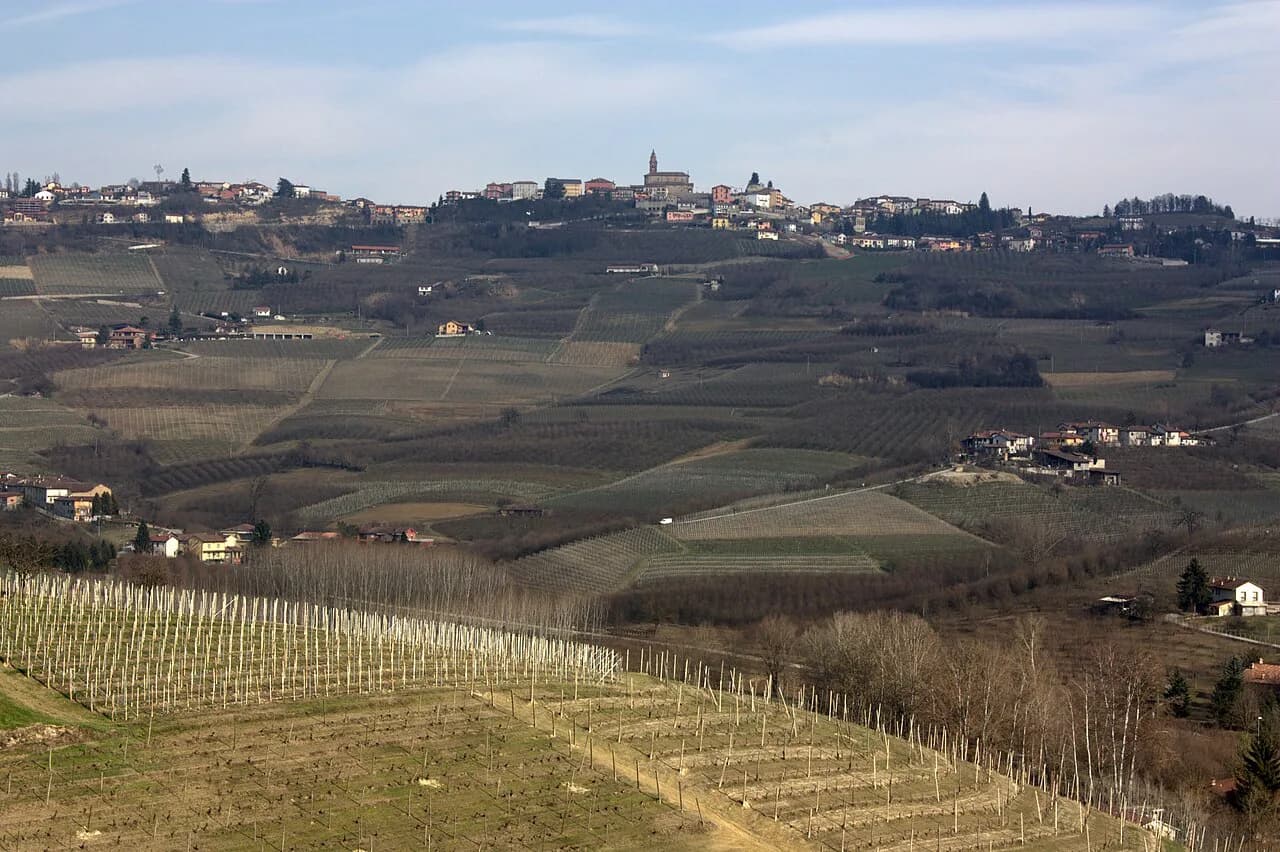
If you have already done Nebbiolo, or your group includes drinkers who prefer whites, Roero is the contrast day. The hills north of Alba are rolling rather than steep, and Arneis provides a fresh reset after structured reds; tastings there tend to feel lighter and more informal.
Roero also works well as a half-day add-on rather than the whole point of the trip. If your Turin schedule only allows one wine day, spend it in the Langhe and save Roero for a second visit.
How to Compare Tours Before You Book
Read the listing like a contract. Count the wineries, then establish whether tasting fees are included or paid on site, whether lunch is a seated meal or a snack, the maximum group size, whether hotel pickup in Turin is included, total hours door to door, and the cancellation terms.
Turin-area wine tour listings start from around $50 for shorter city tastings and run past $100 for full-day Langhe outings with food, so the cheapest headline is rarely the same product as the pricier one. Compare inclusions before comparing prices.
Small-group tours from Turin to the Langhe typically combine a scenic drive with one or two winery visits and a tasting built around Barolo, which suits travelers who want the region explained rather than a list of estates. Check how much of the day is driving before you commit.
If you want the estate list to be your own, our Barolo Wine Tours from Turin & Alba page compares the formats and what each includes.
Prices: What the Tour Covers and What It Doesn't
Separate the tour company's fee from the on-site tasting fee, because they are different payments. Typical tasting fees in Piedmont run from about €30 to €80 and are often waived with a purchase, while tour listings quote what you pay the tour company for transport and coordination.
Always ask the company running the tour whether it has prepaid tastings or whether you settle at the cellar door, and whether lunch and any museum entry sit inside the price. A tour quoted cheaply with tastings excluded can end up costing more than a private driver split across four people.
Museum and enoteca entries, restaurant covers and any wine you buy to ship home are separate again, and shipping is usually arranged through the producer or a specialist rather than bundled into a day tour.
Getting to the Langhe Without Driving
The rail-and-taxi route is workable but needs planning. Trains connect Turin to Alba, and from Alba you need a taxi, bike or pre-booked transfer to reach estates, since the vineyards sit off the rail line and rural taxi supply is limited; book the return leg in advance rather than hoping to flag a car in a village.
The honest trade-off is time and coverage. Independent travel buys flexibility and lower headline cost, but two estates plus lunch is about the realistic limit before the return journey, and a missed connection in Alba strands you far from Turin.
A tour or private driver removes that risk and lets everyone in the car taste. Whoever is driving should stick to water and the spittoon, which is standard practice at Piedmont tastings and the reason so many groups hire a driver for the day.
Timing: Seasons, Harvest and Truffles
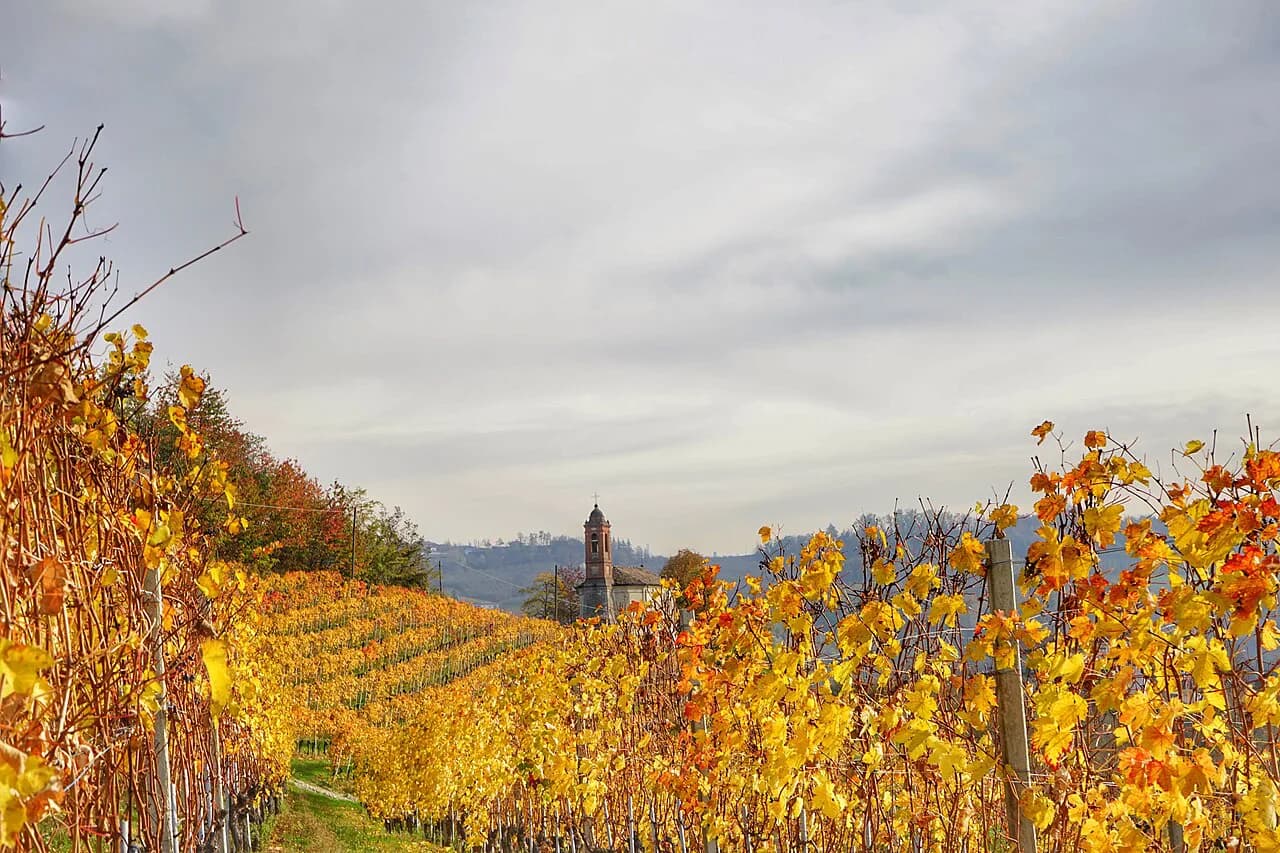
May to June and September into early October are the most balanced windows, with green or turning vineyards, comfortable temperatures and more generous winery access. Harvest, from late September through October, is spectacular but demands lighter tasting days and earlier booking.
White truffle season from October into November sharpens demand around Alba, with the Fiera del Tartufo Bianco drawing crowds and the most sought-after pairings booking out well ahead. If truffles are the reason for the trip, fix the date early; if not, avoid those weeks for easier access.
Winery reservations are effectively essential year-round, so request two to four weeks ahead and longer for peak season or truffle weeks. Flexibility of a day either side materially improves your odds at the most in-demand estates.
Pacing Rules for a Turin Round Trip
Build the day around two tastings at most. Each seated tasting runs roughly 75 to 90 minutes and is information-dense, and a long lunch is part of the experience rather than an interruption, so anything beyond two visits plus a meal turns into a blur of driving.
Late morning and mid-afternoon are the natural tasting slots, and a light Barbera or Dolcetto pour early works better than starting with structured Nebbiolo. If a train back to Turin is your return, work backwards from that departure before you book any cellar.
Dress smart-casual with sturdy shoes, since cellar floors and village lanes are uneven. Keep the day's purchases to what you can carry; larger orders are better shipped by the producer than hauled onto a train.
Quick Decision Guide
Choose a shared coach if you are traveling alone or as a couple, want the lowest per-person cost and are happy with a fixed itinerary. Choose a small-group van if you want a second estate and a smaller headcount without hiring a whole car.
Choose a private driver if you have a specific estate list, are four or more people, or are visiting in truffle season when timing matters. Choose the train-and-taxi route if you want maximum flexibility, are comfortable arranging transfers in advance, and are prepared to see less.
If estate choice is the priority, start with our Turin wineries guide and then match the wineries to a transport format rather than the other way around.
Plan Your Visit
A wine day from Turin is a logistics decision before it is a wine decision. Fix the format first, then the villages: Barbaresco and Neive for an accessible start, Barolo village for museums and walk-in tastings, La Morra or Monforte d'Alba for depth, and Roero for a lighter counterpoint.
Book estate appointments early and directly, budget the tour fee and the tasting fees separately, and leave slack in the day for a long lunch and the drive home. Check current prices and dates before booking. One last note on responsible drinking: whoever is driving should use the spittoon, choose a designated driver, or book a tour or public transport so nobody is behind the wheel after tasting.
Frequently Asked Questions
Is a wine tour from Turin worth it compared with going to Alba by train?
It depends on how much you want to choose. A tour or private driver handles the winding rural roads and the last miles from Alba, which is the weakest part of the independent route, and lets everyone taste. The train-and-taxi option is more flexible and often cheaper on paper, but realistically covers fewer estates and requires pre-booked transfers back to Alba.
How long is a Barolo wine tour from Turin?
Plan on a full day. Road transfers to the Langhe take a little over an hour each way from Turin, and seated tastings run roughly 75 to 90 minutes, so two estates plus lunch fills the day comfortably. Check the total door-to-door hours on any listing, since departure and return times may not be as generous as they appear.
Do Piedmont wineries take walk-ins or do I need an appointment?
Most family estates in Barolo and Barbaresco work by prior appointment only, with walk-ins rare, especially during harvest and truffle season. Requests go directly to the estate by email or phone with several date options and your group size. For spontaneous visits, use the walk-in tasting room at Marchesi di Barolo, the Enoteca Regionale del Barolo in the Castello Falletti, or Fontanafredda in Serralunga d'Alba.
How much do wine tastings in the Langhe cost?
Typical tasting fees in Piedmont fall in a broad middle range and are often reduced or waived if you buy wine, with basic tastings at some estates starting lower than the typical band. Tour prices are separate and cover transport and coordination. Ask the estate for its current fee for the format you want, and ask whether tastings are prepaid or settled on site.
Can I visit Barolo and Barbaresco in one day from Turin?
It is possible but cramped. The two appellations sit on different ridges, and the road time between them plus a Turin round trip leaves little room for a cellar tour, lunch and a proper tasting at each. Most travelers get more from one side per day, pairing Barbaresco with Neive for lunch or Barolo with La Morra or Monforte d'Alba.
What is the best time of year for a Piedmont wine tour from Turin?
May to June and September into early October give the best balance of comfortable weather, accessible wineries and vineyard scenery. Harvest from late September through October is dramatic but needs lighter tasting days and earlier booking, and white truffle season from October into November around Alba raises demand sharply.
Do I need a private driver for Langhe wineries?
Not strictly, but the driver question is really about the last miles. Rural estates sit off the rail line and taxis are limited in the villages, so self-driving or a hired driver is the practical route if you want two or more estates. A private driver costs more per person unless your group fills the car, but it lets every passenger taste.
Can you visit Ceretto without a reservation?
No. Ceretto visits run seven days a week but are appointment-only, and the estate does not operate a walk-in tasting room. Book directly with the hospitality team by phone or email, specify whether you want the architecture tour, a cellar tasting or the seasonal truffle pairing, and offer alternative dates, particularly for October and November.
Sources
Notes for your next wine trip
Optional updates to our winery and wine-town guides.
You might also like
Continue reading
More guides you'll find useful