Turin Wineries: Where to Taste Barolo and Piedmont Reds
Turin has no wineries in the center, but Barolo, Barbaresco and Alto Piemonte are day trips away. Plan grapes, transport and tours from the city.
On this page
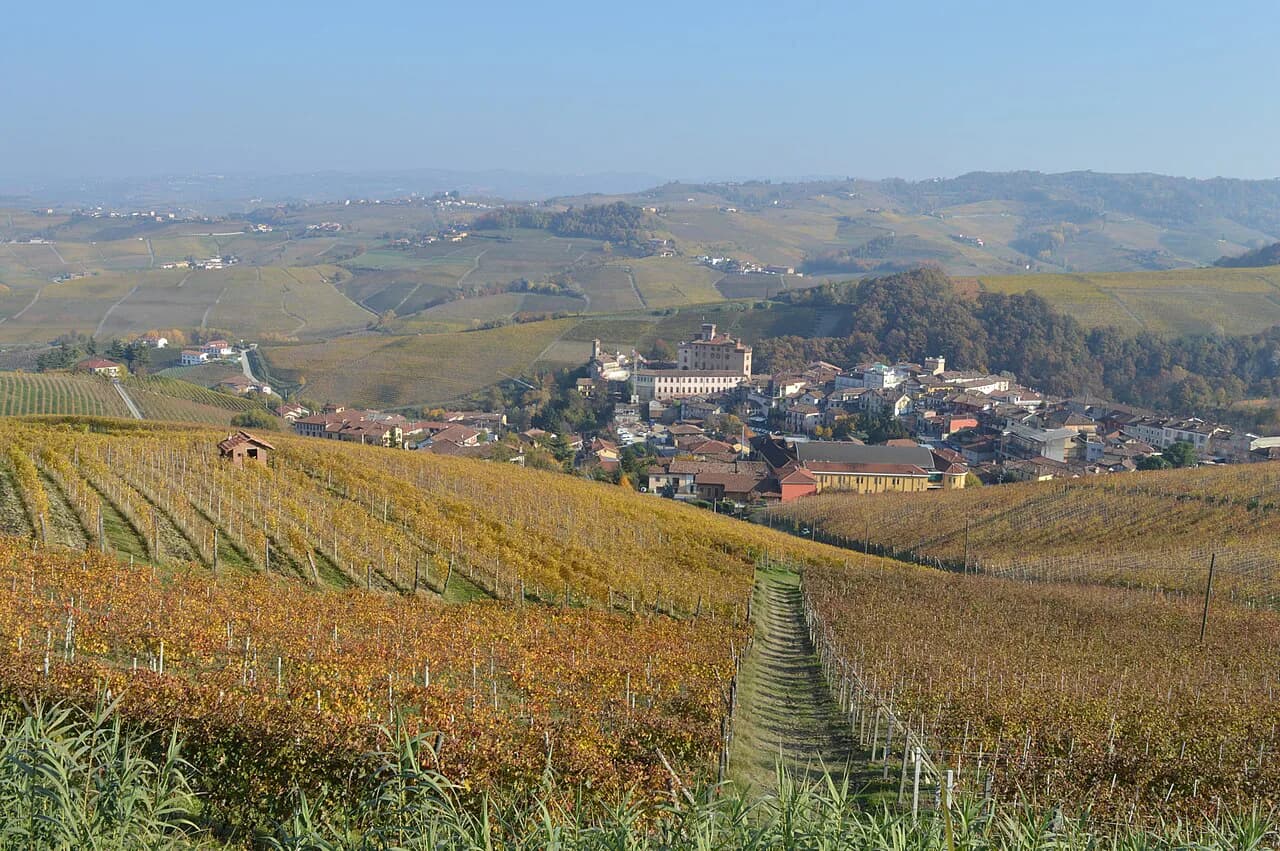
Turin sits at the edge of Piedmont's wine country rather than inside it. The city is the practical base for day trips into the Langhe, the hills around Barbaresco and the northern Alto Piemonte, which is why visitors planning wine tasting in Turin spend more time on trains and roads than on city streets.
This guide organizes the region the way a day trip actually works: pick a zone, understand what grows there, then choose between independent travel and a booked tour. It also sets out the appointment culture of the Langhe and the questions worth asking before you commit to a cellar visit.
Why Turin Is a Base, Not a Wine District
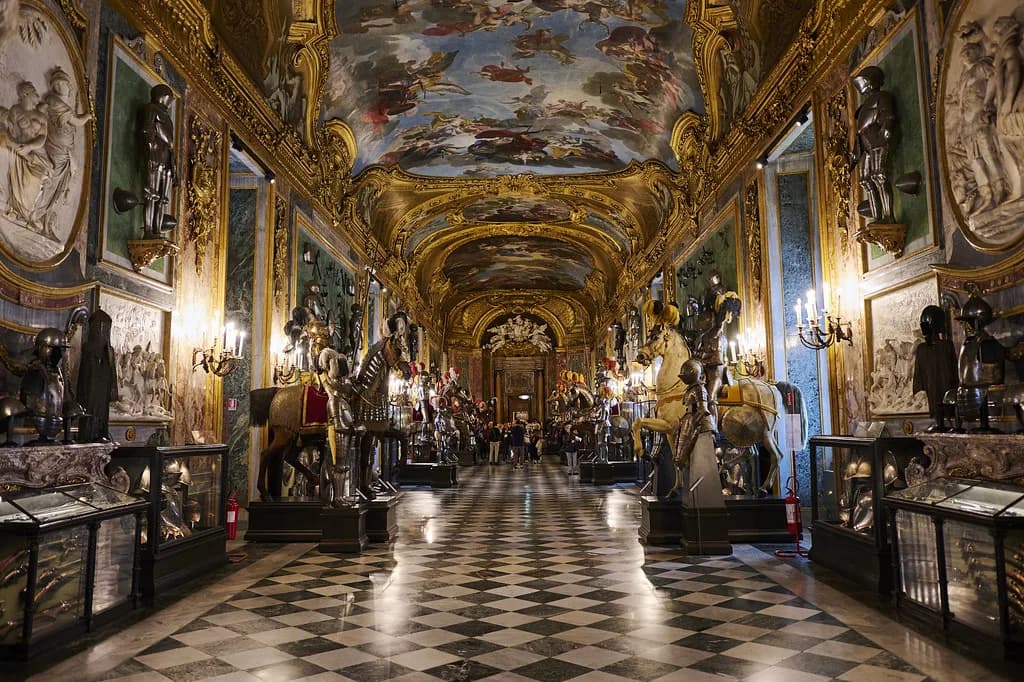
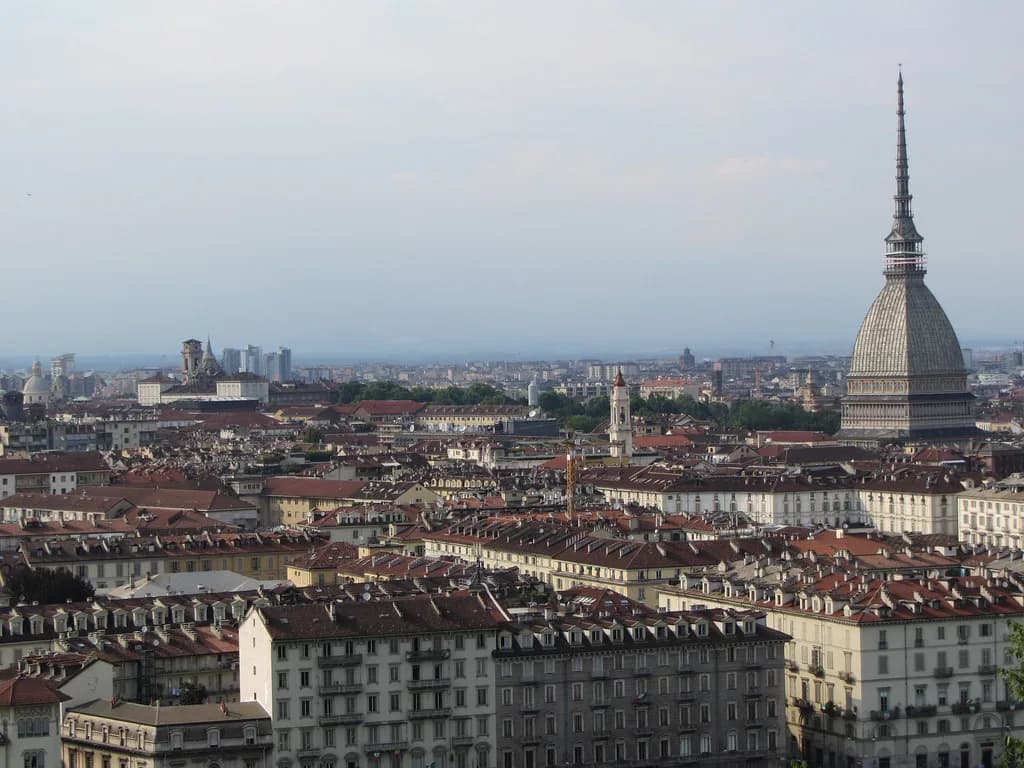
Turin is an industrial and cultural capital whose wine life happens in enoteche, restaurants and the surrounding countryside. The nearest serious vineyard zones lie south and east of the city toward Alba and Asti, and north toward the Alto Piemonte, so a wine day begins with a travel decision rather than a short walk.
Treat the city as a hub: sleep in Turin, pick one wine zone per day, and resist combining the Langhe with Alto Piemonte in a single outing. Distances on the map look modest, but hill roads and appointment times eat the day, and a rushed cellar visit is worse than a focused one.
For city-based tasting before or after your day trip, Turin's wine bars pour the same appellations you will meet in the cellars. Pair an evening of tasting in town with a countryside day rather than expecting wineries within the city limits.
Piedmont Reds in Brief: What to Taste and Why
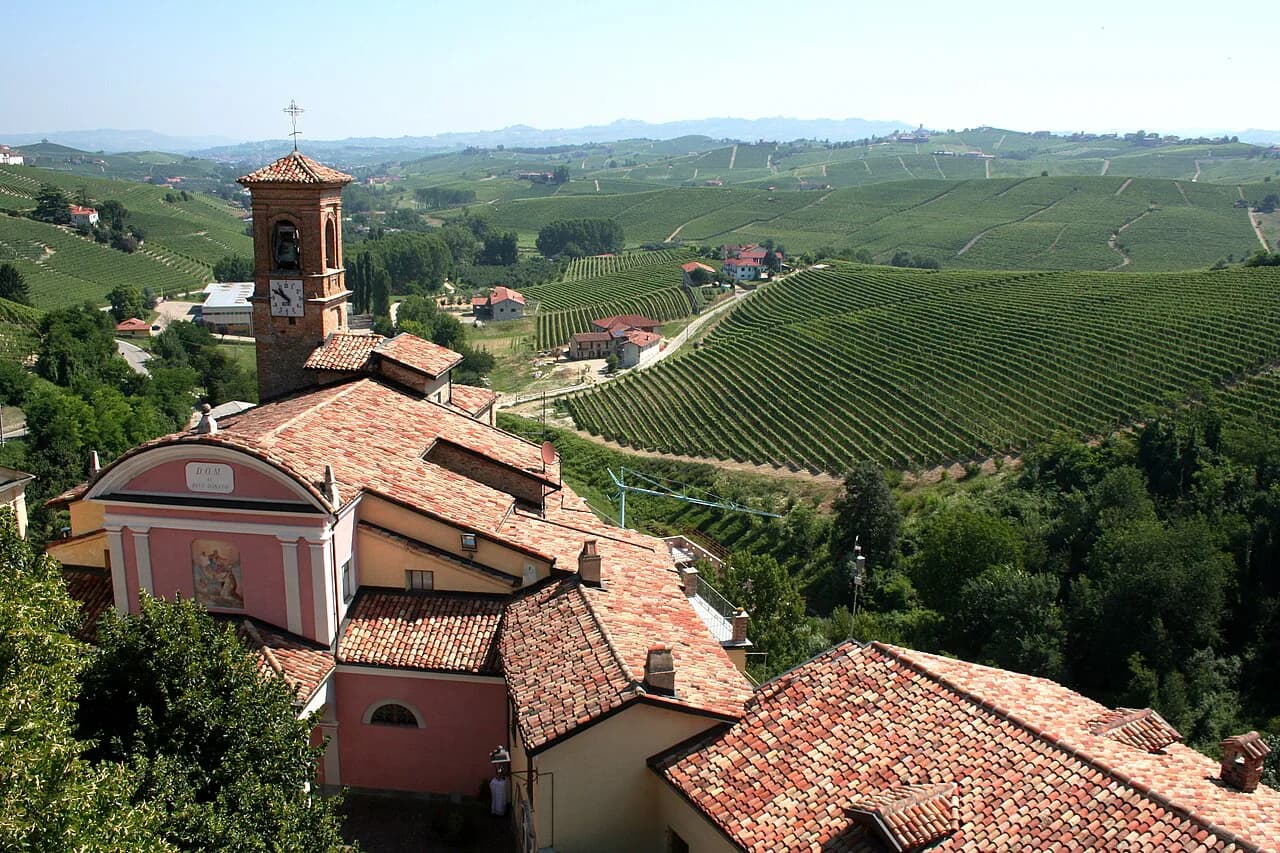
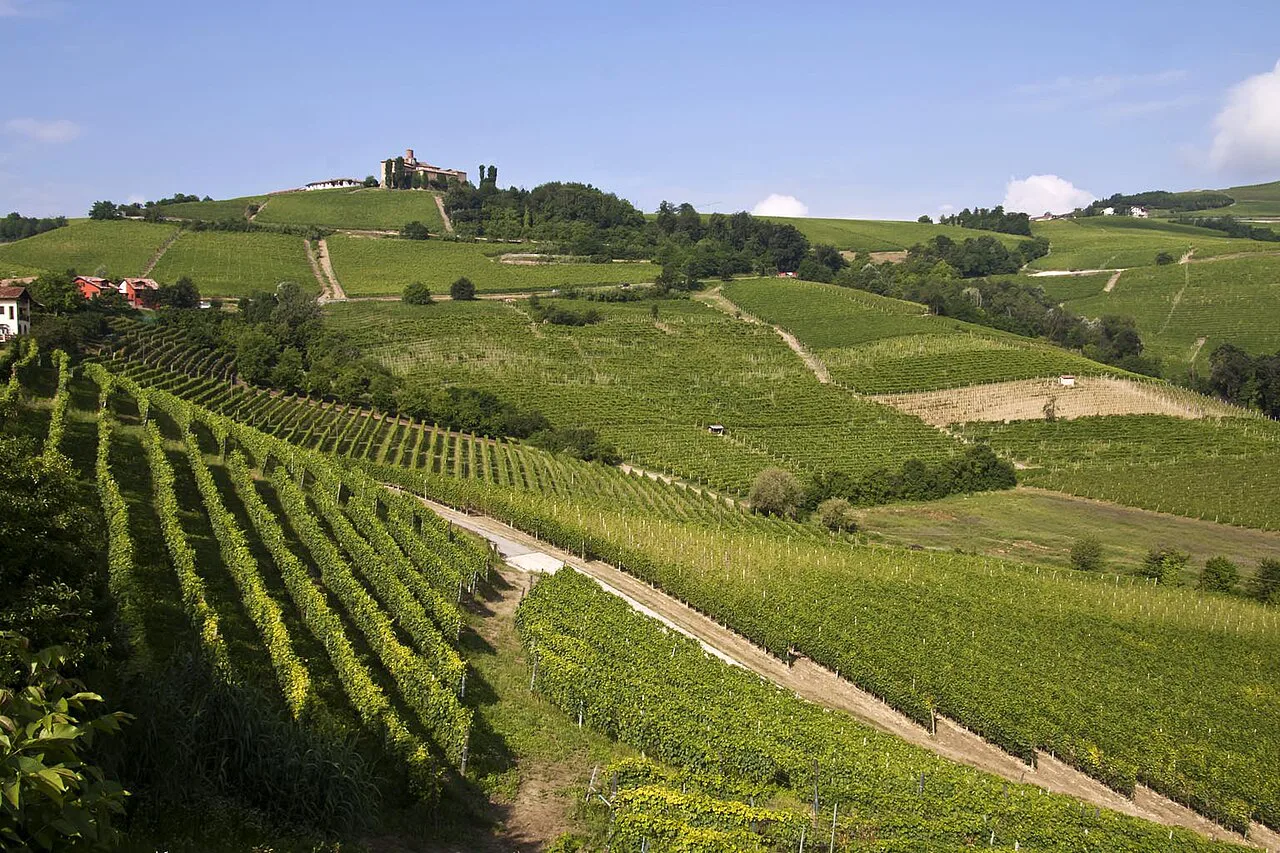
Piedmont's signature red grape is Nebbiolo, the base for Barolo and Barbaresco in the southern Langhe. The same grape appears in the north around Gattinara and Ghemme, where it is called spanna and is blended with other grapes, so the two zones give genuinely different wines from one variety.
Barolo and Barbaresco must be 100% Nebbiolo, while Gattinara and Ghemme require 90% and 85% spanna respectively, with Bonarda, Uva Rara and Vespolina permitted in the blend. Aging rules also differ: Barolo requires 38 months and Barbaresco 26 for the regular non-riserva wines, against 36 months in Gattinara and 34 in Ghemme.
Barbera dominates the region by volume and makes approachable, food-friendly reds, while Dolcetto gives lighter, earlier-drinking wines. Whites and sparkling wines round out the picture, with Moscato d'Asti among the region's best-known sweet wines and a natural match for fruit desserts.
Barolo and Barbaresco Geography: Comuni and Cru Sites
Barolo covers 11 comuni, and the best-known names for route planning are Barolo, La Morra, Castiglione Falletto, Serralunga d'Alba and Monforte d'Alba. Barbaresco is smaller, with five comuni, and the names most often encountered are Barbaresco, Neive and Treiso.
These names matter because soil and slope shape the wines: the clay-heavy Helvetian soils of Castiglione Falletto, Serralunga d'Alba and Monforte d'Alba tend toward firmer structures, while sandier Tortonian soils in Barbaresco and in the comuni of Barolo and La Morra give more delicate, aromatic profiles. Grouping visits by comune keeps your driving or taxi legs short.
The traditionalist-versus-modernist split known as the Barolo Wars still shapes what you will taste, since producers differ in skin maceration time and in whether they age in large Slavonian oak casks or small French barriques. Ask which style a cellar follows when you book, and you will avoid arriving at a producer whose wines are not what you hoped for.
The Northern Option: Alto Piemonte's Gattinara and Ghemme
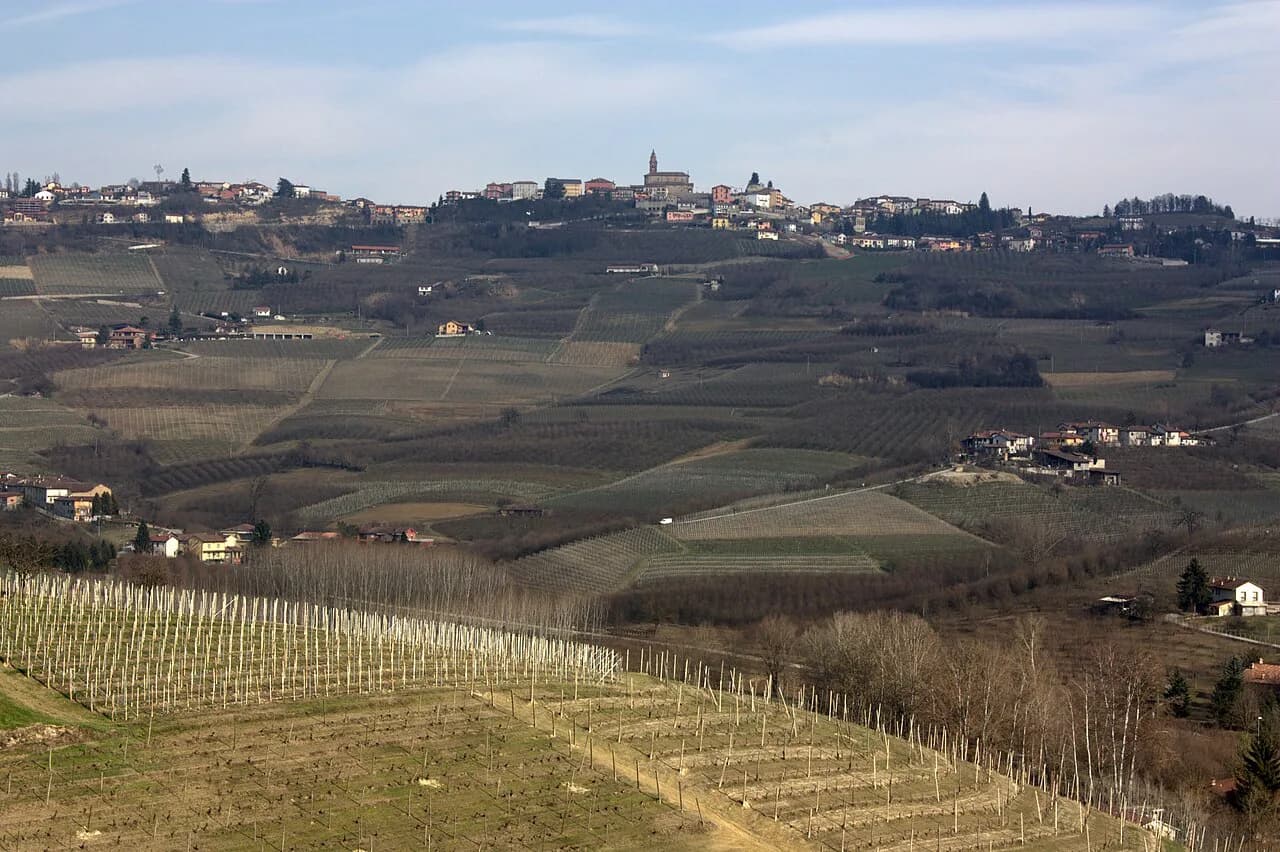
North of Turin in Novara province, Gattinara and Ghemme produce Nebbiolo-based wines under their own DOCGs from the spanna grape. The northern vineyards sit at more extreme temperatures and on morainic soils, giving wines with higher acidity and a mineral edge compared with the Langhe.
Choose Alto Piemonte if you want a quieter, lower-profile wine day and are willing to trade the concentration of famous names for a different expression of the same grape. It is also a sensible option for travelers who have already covered Barolo and want a second trip with a distinct identity.
What a Piedmont Tasting Typically Involves
Langhe cellar visits are appointment-driven rather than walk-in. Many producers receive visitors only on scheduled slots during the working week, and small family estates may have no tasting room staffed outside those bookings, so an email or phone call days or weeks ahead is the normal way in.
Expect a range of formats: a simple poured tasting, a cellar walk-through followed by wines, or a longer session with local food such as cheese and salumi. Because formats vary by producer, ask the winery directly before you book what the visit includes, how many wines are poured, whether there is a cellar tour, and the expected duration.
Booking platforms and tourism operators sell scheduled tastings in the hills, which can be the easiest route for a short trip. If you are weighing guided options, wine tours from Turin bundle transport with cellar appointments and remove the need to plan logistics yourself.
Getting There Without Driving
Rail is the backbone of car-free wine travel from Turin. Lines run toward Alba and Bra in the Langhe and toward Asti, and regional trains are the usual approach, but schedules change by season and day, so check the Trenitalia timetable for your specific date rather than relying on memory.
From the station the problem becomes local: wineries sit in hill villages several kilometers apart, and taxi availability is limited in the countryside. Local drivers, pre-booked transfers and bicycles are the realistic options once you leave the train, and a fixed return pickup is worth arranging in advance.
Taxis and private transfers cost more than rail and need to be reserved, especially at the end of the day after tastings. A designated driver or a booked tour is the simplest answer if nobody in the group wants to stay sober for the drive back to Turin.
Independent Visit vs. Guided Day Trip
Going independently gives you control over which producers you visit and how long you linger, but it puts the transport planning, appointment emails and timing on you. It works best for a single zone, a small group and a base with a station and a reliable transfer contact.
Guided day trips from Turin to the Langhe bundle winery appointments with cheese tastings and food experiences, which saves planning time and can open doors to producers who do not take individual bookings. The trade-off is a fixed itinerary and a group pace.
Tours in the province extend beyond the famous Langhe names, including the Canavese area north of Turin that many visitors overlook. Listed options and their prices change, so compare current tour pages for what is included rather than relying on a fixed package assumption.
Canavese and the Hills Closer to Turin
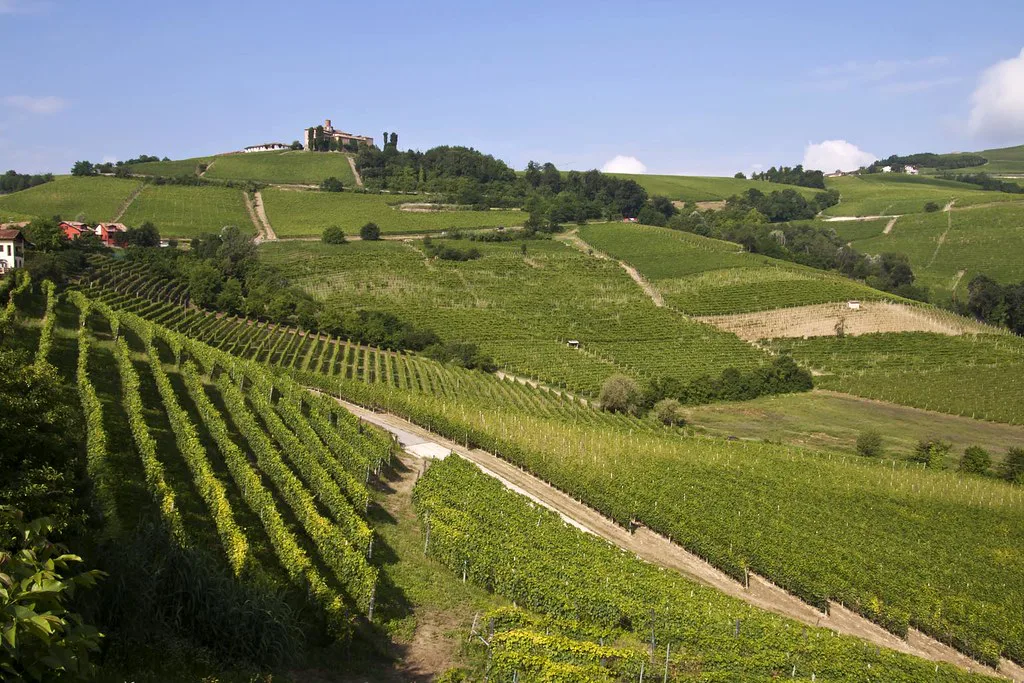
Canavese lies north of Turin and remains a low-profile wine area that most travelers skip entirely. Its proximity to the city makes it attractive for a shorter outing, though cellars are fewer and opening arrangements even more appointment-based than in the Langhe.
Use the same approach as elsewhere in Piedmont: identify producers in a small number of villages, email ahead with your dates, and confirm whether a tasting is possible on your chosen day. The reward is a quieter landscape with a fraction of the Langhe's visitor traffic.
Grouping Wineries into a Realistic One-Day Route
For a first day, pick either the Barbaresco side around Barbaresco, Neive and Treiso or the Barolo side organized around La Morra, Barolo and Castiglione Falletto. Two cellars with lunch in between is a comfortable rhythm, and three is realistic only if the visits are short and close together. If you are building a broader Italian wine itinerary, apply the same zone-by-zone planning to the wineries of Montepulciano.
If you want a single landmark visit, producers such as the Ceretto family's estates in the Barolo zone receive visitors by arrangement, and the vineyards around their Monsordo Bernardina estate make a natural pairing with lunch nearby. Reserve the slot first, then build the rest of the day around it.
For a full-day structured option, Barolo Wine Tours from Turin and Alba combine transfers with scheduled appointments, which is the most efficient way to cover two villages in one day without a car.
What to Ask When You Book a Visit
Send the essentials in your first message: dates, number of people, preferred language and whether you want a cellar tour. Ask how many wines are poured, whether food is served, how long the visit lasts, and whether children or non-drinkers can join the group.
Ask about minimum party sizes and cancellation terms as well, since small estates may only open for groups of a certain size or may close during harvest and holidays. A short confirmation email with the day, time and meeting point protects both sides.
Harvest Timing and the Best Seasons to Visit
Late summer and autumn bring harvest activity to the Langhe and Alto Piemonte, with the exact timing varying by year, altitude and grape. During crush, cellars prioritize their own work and may limit visitor slots, so book earlier than usual if you plan to travel in that window.
Spring and early autumn are pleasant for walking vineyards, while winter is quiet and well suited to tasting rooms in towns. Winery visitor hours and seasonal closures vary from one estate to the next, so confirm the specific cellar's availability for your dates when you book.
Drinking Responsibly in Wine Country
Wine country driving deserves a clear plan: a driver should not taste, and spittoons are standard at cellar visits. A designated driver, a hired car with driver, a guided tour or the train keeps everyone safe and makes for better tasting notes anyway.
Plan Your Turin Wine Day
Build the trip around one zone per day, choose your transport before you choose your cellars, and email producers early. Whether you head south to Barolo and Barbaresco or north to Gattinara and Ghemme, an appointment-based approach and a realistic timetable will shape a better day than a long list of names.
Frequently Asked Questions
Are there wineries in Turin itself?
No working wineries sit in central Turin. The city is a gateway to Piedmont's wine districts, and visitors travel south toward the Langhe and Barbaresco or north toward Alto Piemonte for cellar visits.
What wine is Piedmont known for?
Piedmont is known for Nebbiolo-based Barolo and Barbaresco in the southern Langhe, and for Gattinara and Ghemme in the north, where the grape is called spanna and is blended. Barbera and Dolcetto are the region's everyday reds.
How do I visit Barolo and Barbaresco wineries from Turin without a car?
Take a regional train toward Alba or Bra, then arrange a taxi, local driver or bicycle for the hill villages. Many producers require advance appointments, so confirm your slot and return transport before you travel.
Do Piedmont wineries require appointments?
In the Langhe, most cellar visits are by appointment, especially at small family estates. Some organized tours and tasting rooms accept walk-ins, but contacting the producer ahead is the reliable approach.
When is grape harvest in the Langhe?
Harvest generally falls in late summer and autumn, with timing shifting each year by grape variety and vineyard altitude. Cellars are busy during crush and may limit visitor slots, so reserve earlier than usual for that window.
Is a guided wine tour from Turin worth it?
A guided tour removes transport planning and can secure appointments at producers who do not take individual bookings. The trade-off is a fixed itinerary, so compare current tour details before choosing.
Sources
Notes for your next wine trip
Optional updates to our winery and wine-town guides.
You might also like
Continue reading
More guides you'll find useful