Alba Wine Tours: Barolo, Barbaresco and Truffle-Season Planning
Plan an Alba wine tour with realistic pacing between Barolo and Barbaresco, typical tasting lengths, and when a driver beats going it alone.
On this page
Alba is the largest town in the Langhe and the natural starting point for anyone planning an Alba wine tour, because both of Piedmont's famous Nebbiolo zones sit within easy reach of its historic center. The catch is that the wineries are scattered across hill villages connected by slow, winding roads, so the shape of your day matters more here than in a compact wine town. This guide works through the layout, the tasting format, costs and booking rules, then the three ways to move between estates.
Nothing here assumes you will drive. Piedmont rewards a paced day of one or two seated tastings, and the trade-offs between an operator, a hired car and the train or bus network are real enough to plan around in advance. If you want the wider regional picture before committing to a base, the guide to wine tasting in turin covers the city's own tasting scene and how it connects to the Langhe.
The Langhe Layout and Why Alba Works as a Base
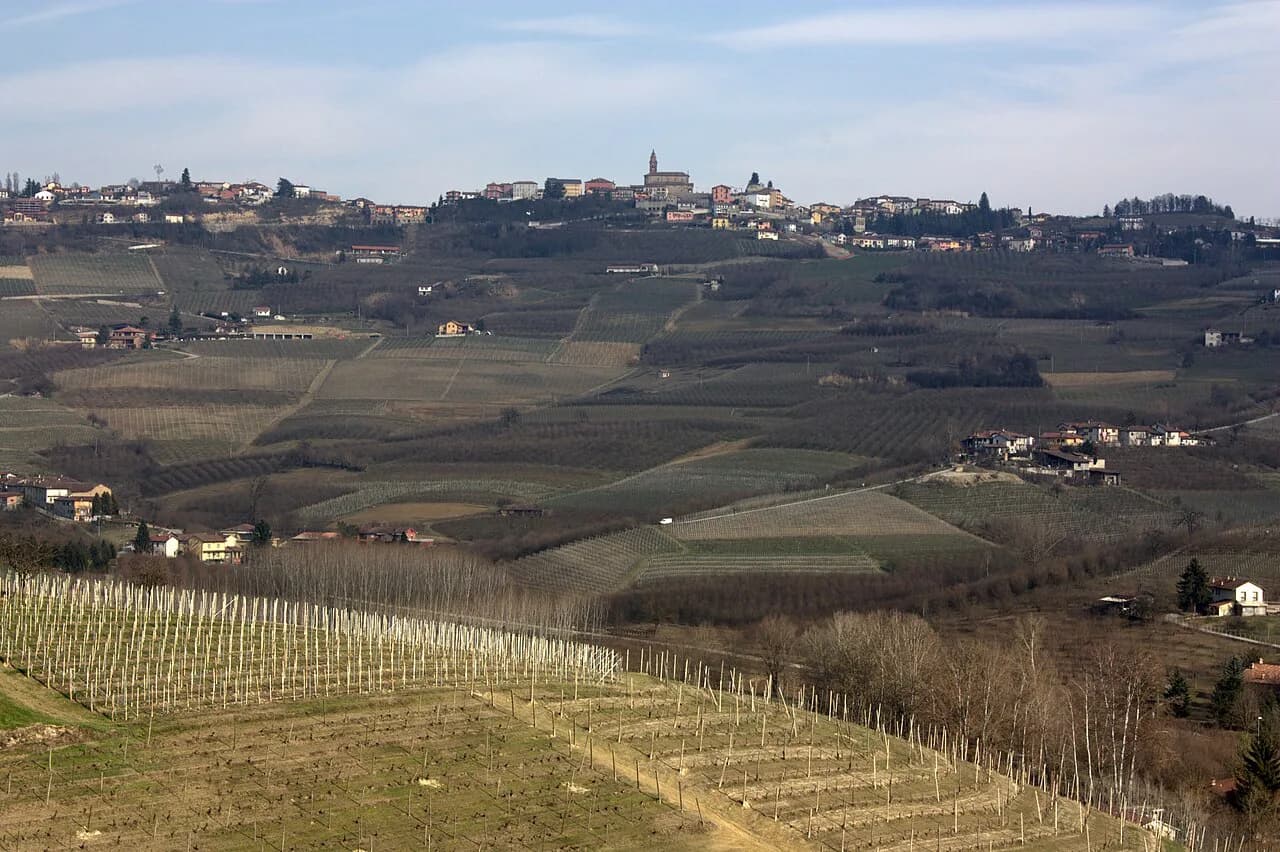
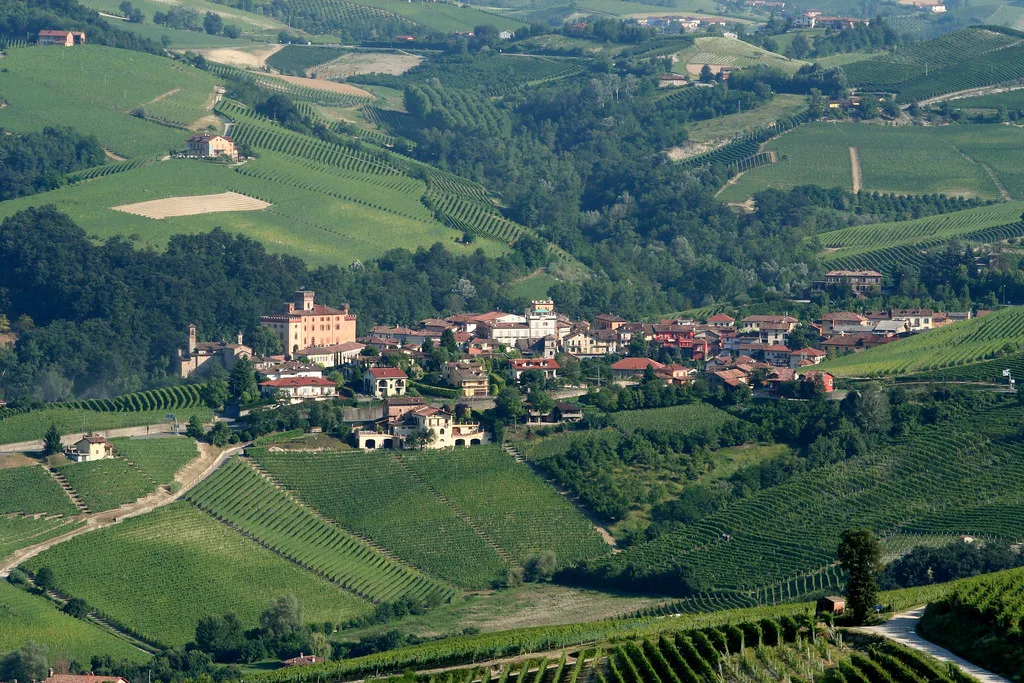
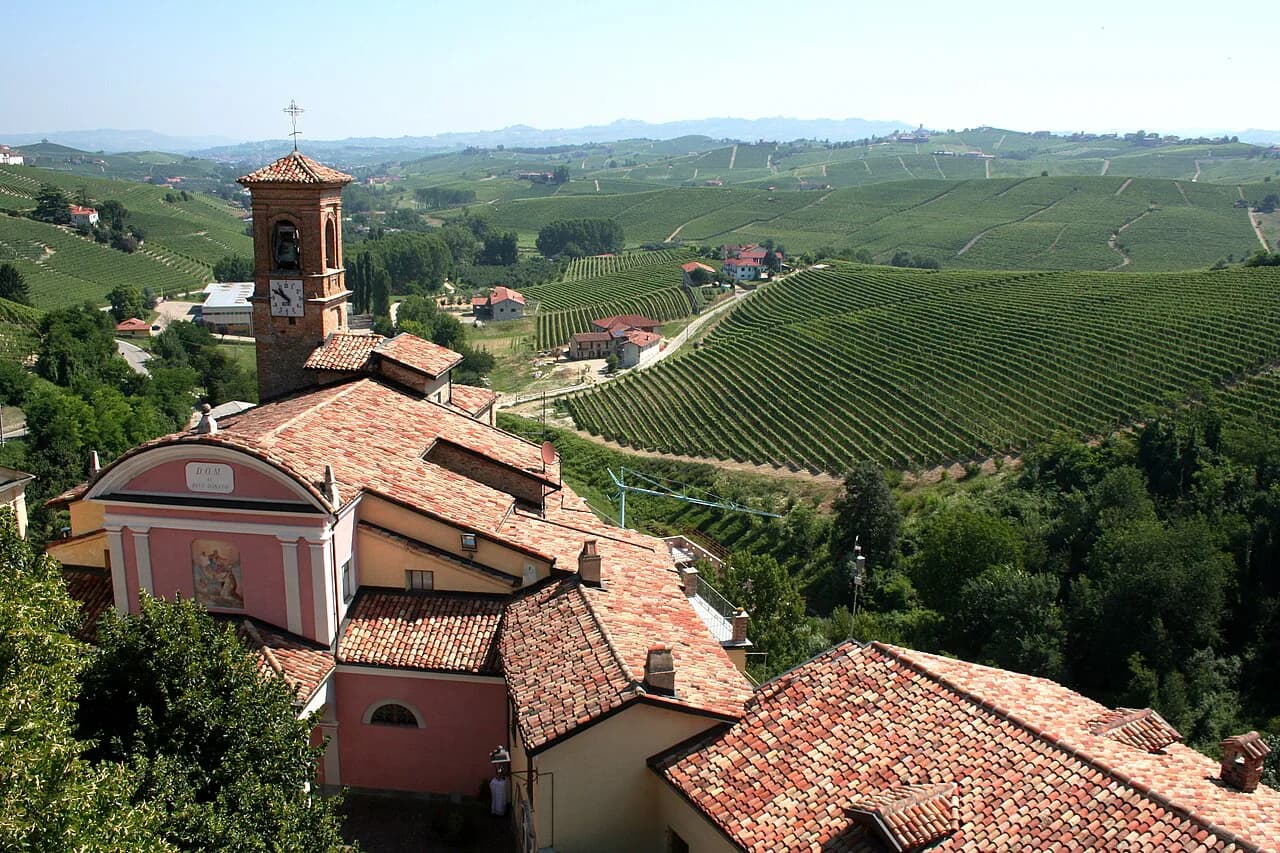
Think of the Langhe as two ridges flanking Alba. To the northeast lies Barbaresco country, with the village of Barbaresco itself and the charming hill towns of Neive and Treiso; to the southwest lies the Barolo zone, anchored by Barolo, La Morra, Serralunga d'Alba and Monforte d'Alba. Both zones are within roughly half an hour to forty-five minutes of Alba by road, but the roads climb and twist, so a fifteen-kilometer hop can take far longer than the map suggests.
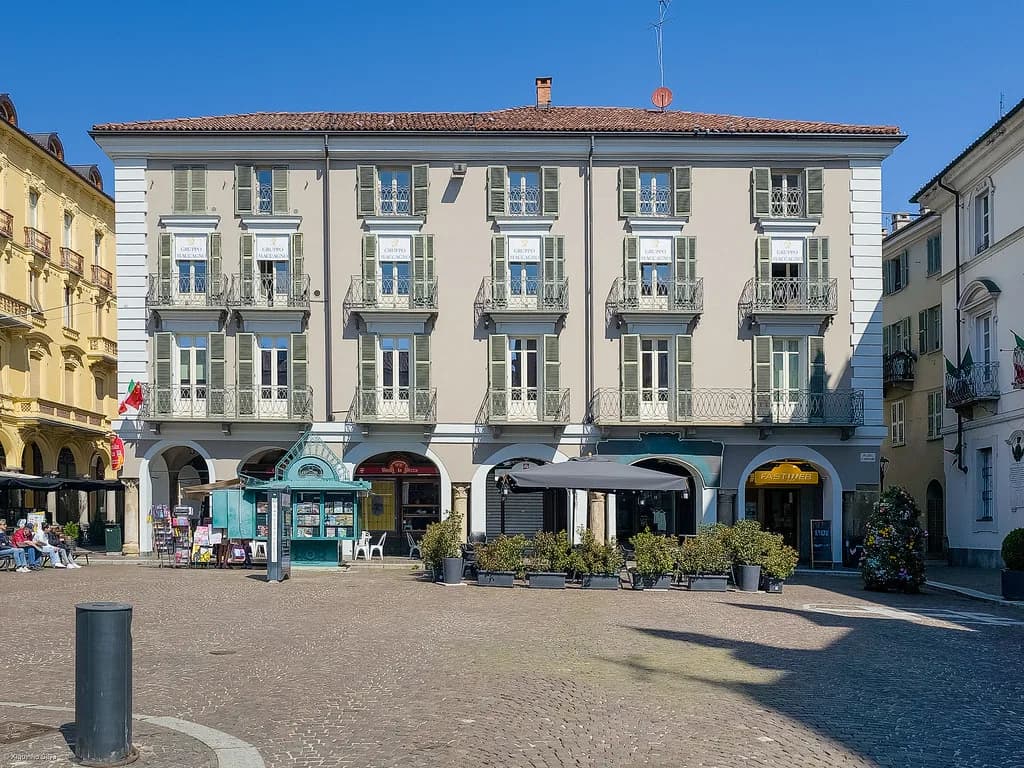
Alba works because it gives you evening life, restaurants and a compact historic center to walk after a day in the vineyards, while the countryside stays a short drive away. Countryside estate stays offer immersion and quiet but force you to route every meal and every tasting around narrow lanes. Most travelers combining both approaches spend the first nights in Alba and the last in the hills.
Most visitors reach the region by flying into Turin or Milan and transferring to Alba. The drive from Turin runs just over an hour, while Milan takes closer to two, and either route pairs well with a relaxed arrival day.
Barolo vs Barbaresco in Brief
Both zones make wine from Nebbiolo, the late-ripening grape that gives Barolo and Barbaresco their pale color, firm structure and ability to age. The difference is expression: Barolo is generally the more powerful and structured of the two, shaped by slope, exposure and long ageing, while Barbaresco tends to read as more elegant and approachable earlier. Neither is the better visit, and tasting them on consecutive days teaches you more than any single stop.
Around these two stars sit the everyday grapes that make Piedmont so easy to drink: Barbera, juicy and immediately approachable; Dolcetto, lighter and fruit-forward; and, for whites, the crisp Arneis of Roero to the north and the softly sweet sparkling Moscato d'Asti. If your trip includes time in Turin before or after, the city's own wine tasting scene, including Moscato d'Asti, is an easy warm-up.
What a Piedmont Tasting Actually Involves
Piedmont tastings are seated, guided affairs rather than standing bar flights. Expect a family member or trained host to lead you through the wines with a focus on vineyard sites and ageing rather than brand storytelling.
A typical session runs 75 to 90 minutes and is information-dense, which is why two tastings in a day is the practical maximum; anything more erodes attention and palate. The most comfortable slots are late morning, around 10:00 to 11:00, and mid-afternoon around 15:00, leaving a long lunch in between.
Bookends matter as much as the tastings themselves. Piedmont lunches stretch, and the winding drives between villages are more tiring than the distances imply, so leave slack after each appointment rather than squeezing in a third stop.
Tasting Fees and Booking Lead Time
Published tasting fees in the Langhe commonly fall in a range of roughly 30 to 80 euros per person, and estates often waive or reduce the fee when you buy bottles. Treat that as a planning bracket rather than a quote: the figure depends on the estate, the number of wines poured and whether food is included, and each winery publishes its own current fee.
Reservations are essential rather than optional. Nearly all wineries in Barolo and Barbaresco require advance booking, and walk-ins are rare, so aim for at least two to four weeks ahead, and longer in peak seasons. When you write or call, confirm the number of wines, the duration, whether a cellar tour is included, the group size limit and the cancellation terms.
Option 1: A Guided Day Tour from Alba
The simplest way to taste without driving is a small-group or private day tour based in Alba. Local operators run formats ranging from a single-day Barolo circuit to multi-day combinations of Barolo, Barbaresco, Canelli and Turin, with a driver-guide handling the routing and the winery appointments. Alba Wine Tours, for example, lists a one-day Barolo wineries tour from 190 euros, a two-day Barolo and Barbaresco tour from 380 euros, a three-day Langhe and Roero tour from 570 euros and a Langhe, Roero and Turin tour from 760 euros; these are published starting prices, so confirm what each itinerary includes before booking.
Tours from Milan also reach the region, typically pairing a Barolo tasting with a stop in Alba and a visit to one of the UNESCO-listed Piedmont castles in a small group. That format suits travelers based in Milan who want a single long day rather than a stay in the Langhe, though it means a lot of time in the vehicle.
Ask an operator three questions before you commit: how many tastings are scheduled, how large the group will be, and whether lunch and tasting fees are bundled into the listed price. A cheaper tour with one tasting and a big group is a different product from a private day with two seated visits. If you are weighing operators that start from the city rather than from Alba, the comparison of wine tours from turin clarifies what each format covers.
Option 2: Building Your Own Day with a Driver
Hiring a driver for the day gives you more control over which estates you visit and how long you linger, and it removes the fatigue of hill driving after a long lunch. The trade-off is administration: you research and book each winery yourself, sequence them realistically, and make sure the driver knows the addresses and timings.
Piedmont's roads are slow and deceptively tiring, tastings last around 90 minutes, and villages sit farther apart than the map implies, which is why many travelers hire a driver for tasting days and self-drive on lighter ones. Book the car for the full day rather than by the hour, and build in a buffer between appointments so a late lunch does not cascade through the afternoon.
Option 3: Trains, Buses and Bikes
Public transport is workable for the towns but not for most wineries. Alba has rail links to Turin and Asti, and local bus lines connect Alba with Bra and several Langhe villages, but estate driveways sit on country lanes well outside the centers, and rural services thin out sharply in the evening. Plan a single village per day, taste there on foot, and accept that you will cover less ground than a driver or tour would.
Cycling appeals to fit travelers who want to link villages under their own power, and the Langhe's hills are the honest constraint rather than the distances. A bike lets you reach a village center and a nearby estate, but it does not solve the tasting-and-driving problem, so pair it with spittoons and modest pours.
Whichever way you move, the rule is simple: a driver should not taste. Use spittoons, appoint a designated driver, or book a tour or public transport so nobody at the table is counting glasses against a steering wheel.
A Sample One-Day Route: Barbaresco and Neive, Then Barolo
Start with Barbaresco in the morning, where tastings tend to feel refined rather than overwhelming and a single well-chosen visit sets the tone for the day. Barbaresco is the most graceful introduction to Nebbiolo, and one guided visit is enough before moving on. If you want a second Nebbiolo base for comparison, the Verona wine guide shows how Valpolicella and Amarone structure a tasting day around a single city.
Drive to Neive for lunch, one of the Langhe's quietest and most attractive hill villages, and resist scheduling anything tight afterwards because the meal will run long. In the afternoon, cross to the Barolo side for a second tasting, choosing an estate that explains vineyard sites clearly rather than overwhelming you with scale.
If you prefer a single village for the whole day, Turin wineries and the surrounding Langhe hills offer alternatives that keep driving to a minimum.
Extending to Two or Three Days
A second day opens the Barolo zone properly. Begin in La Morra, where panoramic viewpoints make vineyard boundaries, aspect and elevation visible, then taste in or near Barolo village before a slow lunch. Save La Morra's full estate lineup for planning at home with a dedicated Barolo wineries guide.
A third day can go deeper into structure with a longer, more comparative Nebbiolo tasting in a historic or family-run cellar, then continue to Monforte d'Alba, which feels quieter and more vertical than La Morra or Barolo and mirrors the density of its wines. Many visitors pair Monforte d'Alba with a countryside lunch at an agriturismo and keep the rest of the day deliberately light.
For contrast, spend a day in the southern Langhe with Barbera and Dolcetto, or head north into Roero for Arneis and softer hills. Both reset the palate after Nebbiolo-heavy days and show how varied Piedmont is beyond its two famous appellations.
Truffle Season and the Rest of the Calendar
Truffle season, roughly October to November, transforms Alba's restaurants and food experiences but tightens winery availability and raises demand across the region. If you visit then, plan fewer tastings, anchor the day around one thoughtful visit and a truffle-focused meal, and book tables and appointments further ahead than usual.
For most travelers the most balanced months are May to June and September to early October, when vineyards are green or turning, temperatures suit long tasting days and winery access is generous. Harvest in late September and October is spectacular but demands lighter tasting days and earlier planning, so do not stack a harvest visit on top of a packed itinerary.
Practical Booking Questions Before You Commit
Whether you book a tour or an estate directly, ask how many wines are poured, whether a cellar tour is part of the visit, and how long the session runs. Confirm the language of the host, the maximum group size, whether children or non-drinkers can join, and what happens if you arrive late on a hill road.
For tours, confirm pickup and drop-off points, whether tasting fees and lunch are included in the listed price, and the cancellation policy. For estates, ask whether the fee is deducted against a purchase and whether they can ship bottles home, which simplifies the rest of your trip.
If your itinerary includes a day in Turin itself, Visiting Ceretto Winery from Turin is a useful template for pairing a city stay with a Langhe estate visit.
Plan Your Alba Wine Day
Alba gives you the best of the Langhe on a short trip: two great Nebbiolo zones, a walkable town for the evening, and operators and drivers who can handle the hill roads so you can taste properly. Decide first whether you want a guided day, a hired driver or a village-by-village public transport plan, then build the itinerary around one or two seated tastings rather than a checklist of estates.
Book wineries two to four weeks out, plan for 75 to 90 minute tastings, and let lunch take the time it wants. Confirm current fees and opening days with each estate or operator before you travel, and leave the driving to someone who is not tasting.
Frequently Asked Questions
How many wine tastings can you fit into one day in Piedmont?
Two is the practical maximum. Piedmont tastings are seated and guided, usually running 75 to 90 minutes, and they are information-dense. Pairing two visits with a long lunch and hill driving fills a day comfortably.
Do you need reservations for Barolo and Barbaresco wineries?
Yes. Nearly all wineries in both zones require advance booking and walk-ins are rare, so contact estates at least two to four weeks ahead and longer in peak seasons, confirming the number of wines, duration and group size.
Is it better to stay in Alba or in the countryside?
Alba suits first-time visitors because of its restaurants, rail links and compact center, while countryside stays offer quiet and immersion but require careful routing. Many travelers split the trip between the two.
Do you need a private driver for Piedmont wine tasting?
Not strictly, but a driver removes the stress of hill roads and lets you taste without counting glasses. Tours and hired cars cost more than public transport, which reaches the towns but not most estate driveways.
Can you visit Piedmont wineries during truffle season?
Yes, but availability tightens and demand rises from roughly October to November. Book further ahead, schedule fewer tastings and let a truffle-focused meal anchor the day.
How long does a typical Piedmont tasting last?
Expect 75 to 90 minutes, led by a family member or trained host with an emphasis on vineyard sites and ageing. That length is why two tastings in a day is the sensible ceiling.
How much do Piedmont wine tastings cost?
Fees vary by estate, by the number of wines poured and by whether food or a cellar tour is included, and some producers reduce the charge when you buy bottles. Each winery publishes its own current tasting fee, so request the price list when you book rather than budgeting from a single figure.
Sources
Notes for your next wine trip
Optional updates to our winery and wine-town guides.
You might also like
Continue reading
More guides you'll find useful