Barolo Wineries: Where to Taste in Piedmont From Turin
Plan a Barolo winery day from Turin: which villages to target, how appointments work, reaching the Langhe without a car, and what a tasting involves.
On this page
Barolo is a wine, a village and a small patch of rolling Langhe hills south of Turin, and travelers who arrive expecting a single walkable wine campus are usually surprised. The production is spread across a cluster of villages, each with its own clutch of cellars, tasting rooms and restaurants, so a good day out is built around geography rather than a list of famous names. This guide groups the zone the way you actually move through it, then covers booking, transport and the trade-offs that decide whether you rent a car or join a tour.
Figuring out where the Barolo zone sits relative to your arrival point matters more than it sounds. Alba is the practical hub, and Piedmont's countryside between villages is where public transit thins out fast, which shapes everything from timing to how many wineries you can realistically reach. If you are still deciding how to structure the broader day, our guide to wine tasting in turin covers the city-side options before you head into the hills.
How the Barolo Zone Is Laid Out
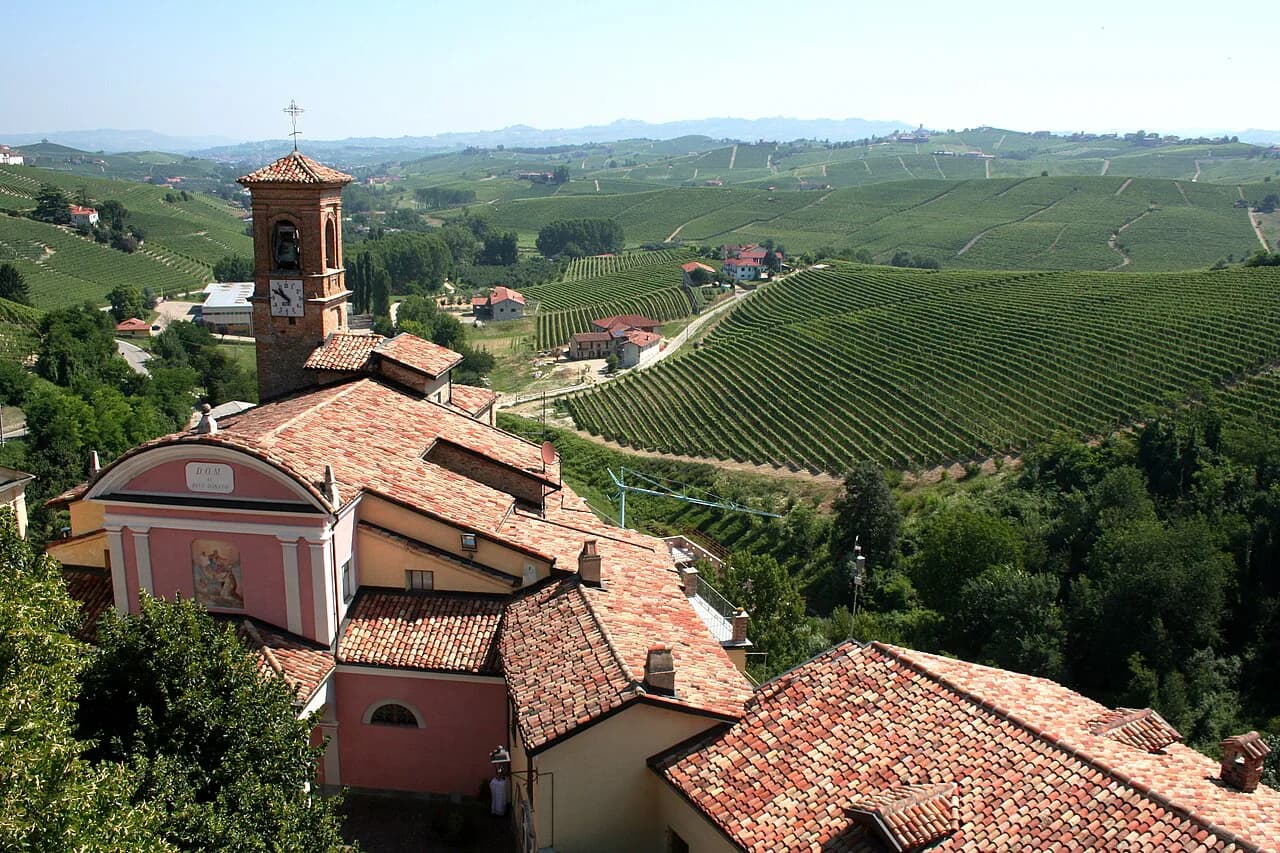
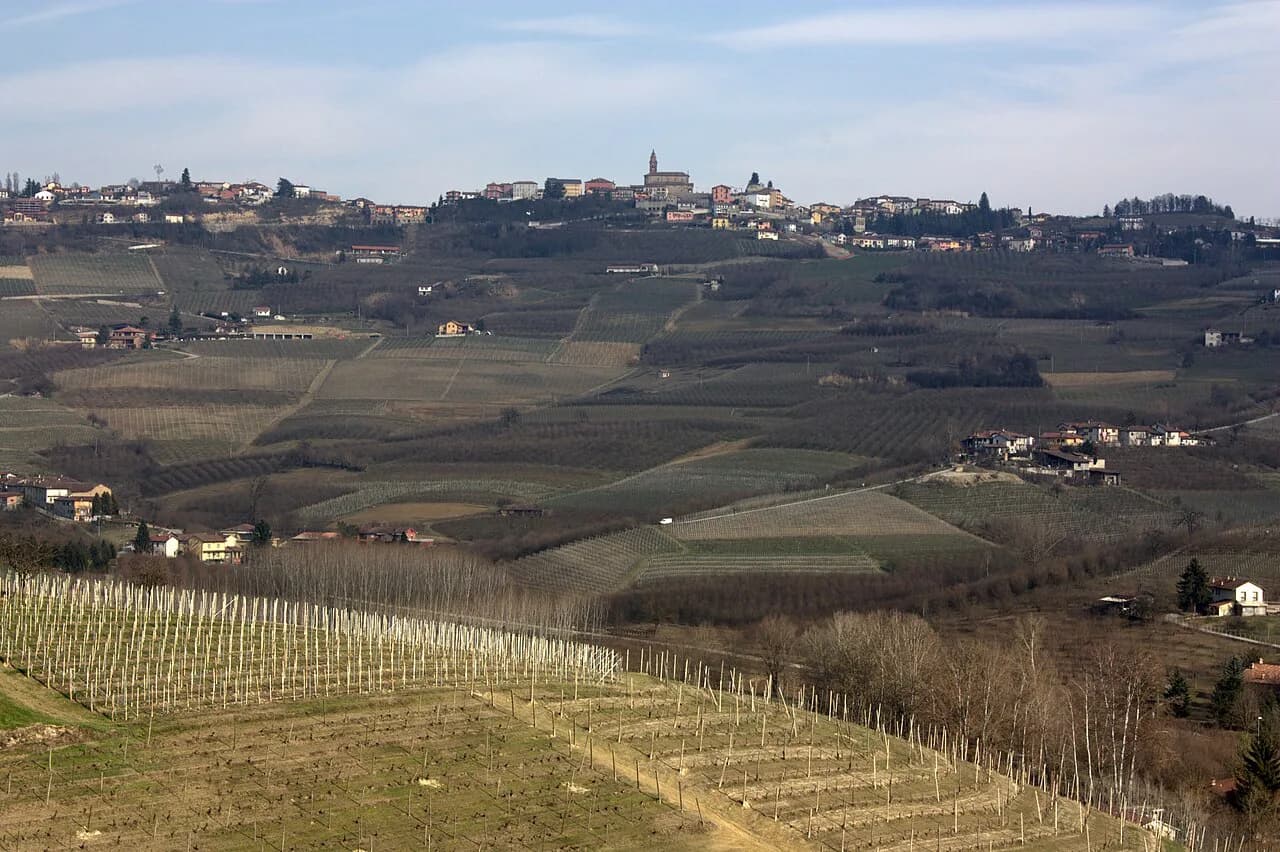
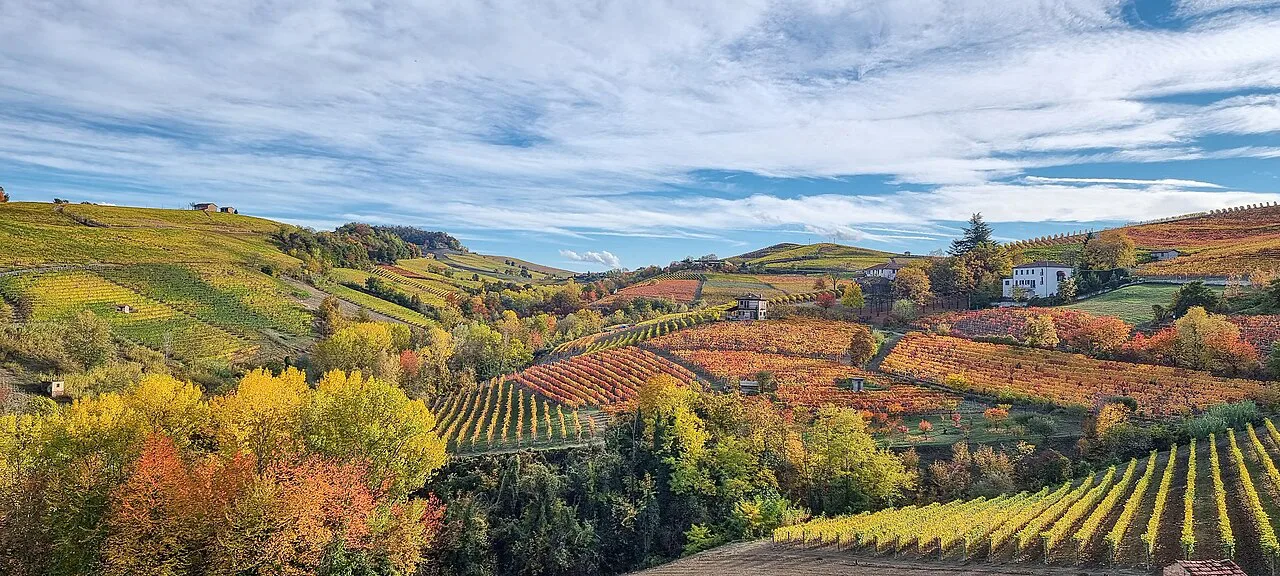
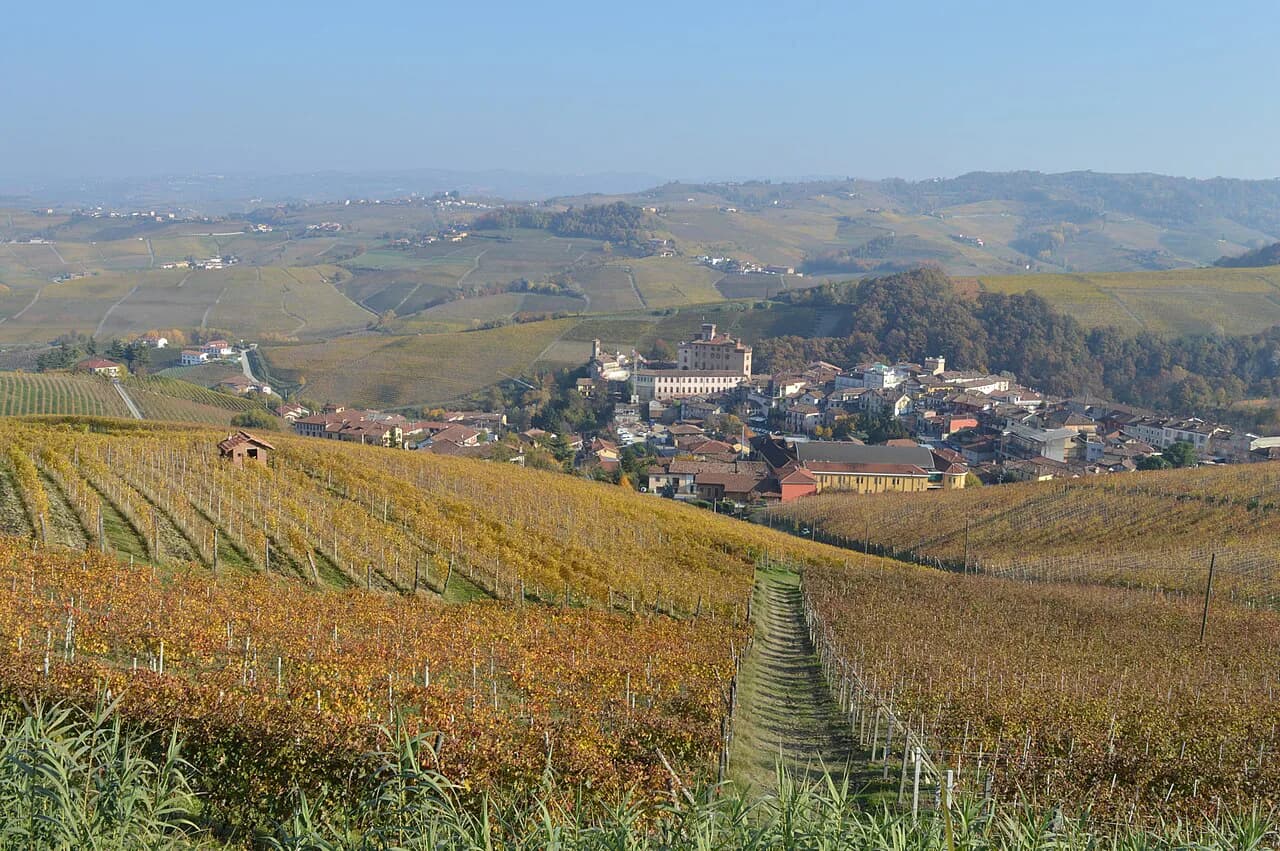
The Barolo appellation wraps around a compact set of hillside villages, with Barolo, La Morra, Monforte d'Alba, Serralunga d'Alba and Verduno among the names you will see most on labels. Wines are made from Nebbiolo, a late-ripening grape that gives the zone its pale color and firm structure; a wine labeled Barolo must come from within the defined zone and follow the appellation's rules. Understanding this helps you read a tasting list: a Langhe Nebbiolo is the lighter, earlier-drinking expression from the same grape, often from younger vines or sites outside the strictest rules.
Distances are short but the terrain is not, which is why visitors who try to cover five villages in an afternoon end up spending the day in the car. Barolo village itself lies roughly 20-30 minutes from Alba, and Alba sits about 50 km (31 miles) from Turin. A realistic plan clusters two, at most three, nearby villages per day and leaves the driving to someone who is not tasting.
The good news for anyone moving between appointments is that the villages themselves are small enough to walk end to end. Nearly every village in the zone has a bike rental location, whether traditional road or mountain bikes or electric bikes, which is a sensible way to link cellars on the quieter lanes without a car.
Village by Village: What Each Cluster Offers
Barolo village is the natural first stop: it has restaurants, wine shops, wineries and walk-in tasting rooms within a short stroll. Enoteca La Vita Turchese is a well-known tasting stop in the village and a good low-commitment place to calibrate your palate before an appointment. If you want the classic introduction, base the morning here.
La Morra sits at the highest point in the Langhe and offers a sweeping view over both the Barolo and Barbaresco hills, which is reason enough to slot it into the itinerary. The village has restaurants, bakeries, wine bars, a tourist office and walk-in tasting rooms, making it one of the easiest places to combine a cellar visit with lunch. Monforte d'Alba is often described as the most atmospheric of the group, with medieval architecture and steep lanes, while Serralunga d'Alba anchors the eastern side of the zone with its own castle skyline.
Verduno is quieter and smaller than the others but has real character and a handful of dining options, and Castiglione Falletto packs fine dining and lodging into a tiny footprint. Novello is one of the lesser-known villages, with restaurants and even a gas station, which is not a given in these hills. Whichever you pick, plot it on a map against your other appointments before you commit, because a ten-minute drive on paper can be a winding half hour in practice. If you want help shortlisting cellar visits across these villages, our Turin wineries page groups producers by area.
Booking Culture: Appointments, Walk-Ins and Lead Time
Most small Barolo estates receive visitors by appointment only, often because the person showing you the cellar is also the person making the wine. Walk-in tasting rooms exist but tend to sit in the villages rather than out among the vineyards, so a mix works well: a booked visit in the morning, an enoteca or tasting room in the afternoon. Lead time varies, and spring and autumn weekends fill up first, so contact estates as soon as your dates are fixed rather than the week before.
When you email or call, get the essentials in one message: how many wines are poured, whether the cellar is included, how long the visit runs, what language the host speaks, whether food is served, and the fee per person. Party size matters, since some small cellars simply cannot seat a group of eight, and a few charge a flat rate for the visit. Fees and minimum numbers differ from estate to estate, and the winery's own booking page or reply email is the only reliable source for them.
If you are traveling on a weekend in September or October, expect harvest to interrupt the calendar, since the same people handling your visit are often in the vineyard. That is not a reason to avoid the season, but it is a reason to book early and to accept that a short visit may replace an extended tour. Confirming the time and meeting point the day before is the one detail worth double-checking with the winery, especially if you are relying on a driver.
What a Barolo Tasting Usually Includes
A typical visit combines a walk through the cellar with a seated tasting, and the wines are usually arranged to show the difference between Nebbiolo bottlings and the Barolo itself. You might taste a Langhe Nebbiolo, then one or more Barolo wines from different vineyard sites or vintages, which is the point of visiting a producer rather than ordering at a bar. Older vintages, large-format bottles or a comparison with Barbaresco may appear, but availability depends entirely on what the estate has open.
The cellar component is worth asking about in advance, because a proper tour takes you past the fermentation tanks and the barrel room where the Nebbiolo matures in oak. Some visits add a walk through the vineyards with an explanation of the crus, the named sites that appear on Barolo labels, which is the fastest way to understand why two wines from neighboring hills taste different. If you have limited time, a focused cellar-plus-three-wines visit usually beats a rushed itinerary of four stops.
Getting From Turin to the Langhe Without Driving
There are trains to Alba from Turin, but the city's two main stations are served on the Turin side: Turin's stations connect to Alba, and Alba's own station sits a short walk from the center. From Alba, the villages of Barolo and Barbaresco are a short drive but a thin proposition by public transit, and there are no direct trains between Alba and Asti, though a bus connects the two towns. That gap in the network is why many visitors book a driver, a taxi in advance or an organized tour for the winery day itself.
Ride-sharing apps such as Uber and Lyft do not operate in this part of Piedmont, and taxis generally need to be booked ahead rather than hailed in the street. Taxis are easier to find at the station in Asti than in Alba, and many hotels and farm stays can arrange a driver for the day if you ask when you book. Treat the countryside transfer as a fixed cost of the trip and build it into your plan early, because a spontaneous ride at the end of a long lunch is where things get complicated.
The alternative is a guided day out, which bundles transport, two or three cellar appointments and often a lunch stop into one booking. That is the simplest option if you want to taste properly and not worry about driving, and a wine tour from turin removes the guesswork around who pours and who drives. Compare the inclusions carefully, since some tours cover only transport and tastings while others add meals and a vineyard walk.
The Rental Car Trade-Off
Renting a car gives you the freedom to move between villages at your own pace and to reach estates that sit off the main roads, which is a genuine advantage in the Langhe. The catch is the obvious one: whoever drives cannot taste, so a rental only works if you have a designated driver or if you are spitting and limiting yourself to a couple of small pours. Rental desks in the area keep limited hours and often close for lunch, so plan pickup around the actual opening times instead of counting on a city-style counter.
A common compromise is to take the train to Alba, stay in or near the town, and book a driver or tour for the one or two days you plan to visit wineries. Alba's compact historic center puts restaurants, wine bars and shops within walking distance of the station, which is less than five minutes on foot from Piazza Michele Ferrero. That setup lets you enjoy an evening in an enoteca without anyone worrying about the drive back.
Where to Base Yourself: Alba or a Village
Alba is the practical hub for a first visit, sitting almost directly between the Barolo and Barbaresco zones and offering the widest choice of restaurants, shops and hotels. Staying in a village is more atmospheric and puts tasting rooms on your doorstep, but you are more dependent on a driver or a bike for anything beyond the immediate lanes. If you plan two or more winery days, a village base can save hours of driving; if you want flexibility and evening options, Alba wins.
The trap to avoid is booking accommodation listed under an Alba address that actually sits in the countryside several kilometers out, which happens often enough to be worth checking on a map. Some properties are 5-10 km outside the center, fine with a car but not walkable for dinner, and others that seem central are actually a 20-30 minute drive away in a village. Use Piazza Michele Ferrero or Piazza Risorgimento as your reference points in Alba and check the walking distance before you book.
Tasting Widely in Alba Before You Commit
Alba's enoteche and wine bars are the ideal first step, letting you taste across the zone without the pressure of a scheduled appointment. Voglia di Vino is a restaurant with rooms and an enoteca attached, and Ape Wine Bar is a good spot for a pairing recommendation from the staff, while Cafe Umberto pairs a serious wine list with its kitchen. Spending an evening here helps you work out which producers and villages you want to visit in person.
It also solves a practical problem: many small estates only open their doors by appointment, so a walk-in enoteca fills the gaps on arrival day or a Sunday. Order a couple of glasses rather than a bottle, note what you like, and ask the staff which cellar would suit your taste, since local recommendations travel faster than any online ranking.
Harvest and Season in the Villages
Harvest in the Langhe generally falls in September and into October, and it is the busiest time in the vineyards, which means estates are focused on the cellar and the picking rather than on back-to-back visits. The villages are also at their most crowded during autumn food and wine events, so accommodation and drivers book out sooner. Spring is calmer and the hills are green, while midsummer can be hot for walking between wineries.
The timing of the Nebbiolo harvest shifts from year to year with the weather, and the wine release calendar matters more to collectors than to visitors, who are usually tasting wines already in bottle. If seeing the harvest is the goal, ask a prospective cellar whether visits will run during picking at all before you plan the trip around it.
Barbaresco and Nebbiolo Beyond the Barolo Zone
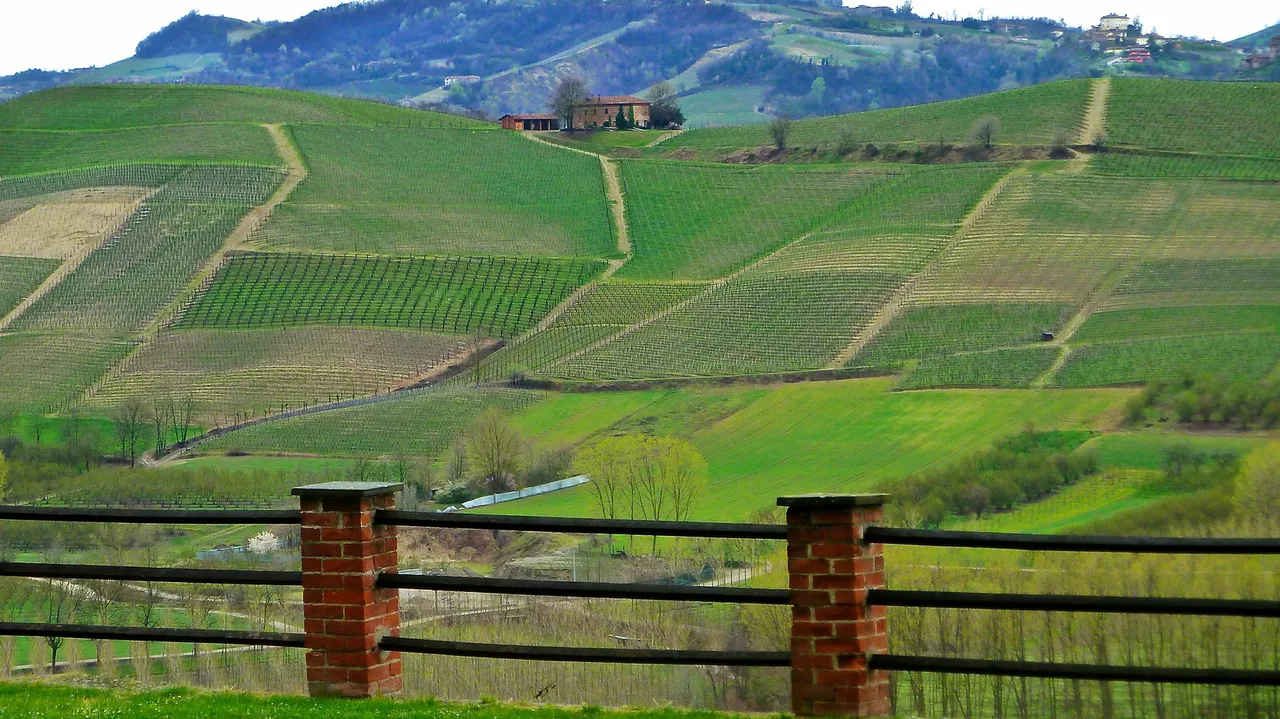
Barbaresco is made from the same Nebbiolo grape as Barolo, but the zone is smaller and the wines are often described as more approachable in their youth, which makes a useful contrast on a second day. Neive is one of the most charming villages in the Barbaresco zone, with ahistoric centre and a well-known wine bar, and it also makes a quieter base than Alba. Pairing one day of Barolo villages with one day in Barbaresco gives you a much fuller picture of Piedmontese Nebbiolo, and the same village-by-village logic applies if you extend the trip east to wine tasting in Verona and its Valpolicella hills.
Beyond Barolo and Barbaresco, Piedmont grows Nebbiolo in other zones and produces white wines including Moscato d'Asti, the gently sparkling sweet wine of the Asti area, which is a refreshing counterpoint after a morning of tannic reds. If your trip starts in the city, our guide to Moscato d'Asti and the rest of the Turin wine scene is a useful warm-up before you head south. Asti itself sits 40+ minutes from Barolo and 25 to 30 minutes from Barbaresco, so it works better as a stopover than a winery base for this zone.
Sample One-Day and Two-Day Itineraries
For a single day, start in Barolo village for a walk-in tasting at an enoteca, move to a booked cellar visit in La Morra or Monforte d'Alba, and finish with lunch and a wine bar in whichever village you are in. Two cellar visits plus one tasting room is realistic; three cellar tours in one day, with transfers, usually means rushing the last. Keep the driving legs short and plan the longest transfer for the middle of the day rather than the end.
With two days, give day one to Barolo, La Morra and Verduno, and day two to Serralunga, Monforte and Castiglione Falletto, or swap day two for Barbaresco and Neive. Book one anchor visit per half-day and leave the rest flexible, so a long lunch or a vineyard walk does not wreck the schedule. If you would rather hand the route to someone local, a Barolo wine tour from Turin or Alba handles the driving and the appointments for you.
Responsible Tasting in the Hills
The roads between the villages are narrow, winding and often unlit, so the driver in your group should not taste at all; use the spittoons provided, or book a driver service, a tour or public transport for the day. Wineries are used to this and will not be offended if one person in a couple sticks to water. Pacing matters too, since Nebbiolo is a structured wine, and a heavy lunch followed by three cellar visits is harder than it sounds.
Plan Your Barolo Wineries Trip
Barolo rewards planning more than most wine regions because the vineyards are spread across hills and the cellars run on appointments. Pick two or three villages, book one or two anchor visits early, and leave room for an enoteca in Alba or in the villages where walk-ins are possible. Decide on the car question first, since it determines everything else about your day.
For the booking message, ask about the number of wines, duration, language, cellar access and food, and expect the fee and availability to come from the estate itself rather than a general guide. Once the transport and two cellar visits are set, the rest of the Langhe, including its Barbaresco neighbors and the Moscato hills around Asti, is easy to add on a second day.
Frequently Asked Questions
Do Barolo wineries require appointments?
Most small estates receive visitors by appointment, while walk-in tasting rooms tend to be in the villages such as Barolo and La Morra. A practical plan combines a booked cellar visit with an enoteca or tasting room stop, and you should confirm availability and timing directly with the estate before your trip.
How do I get to Barolo wineries from Turin without driving?
Take the train from Turin to Alba, where direct service reaches Torino Porta Susa and a one-transfer connection reaches Torino Porta Nuova. From Alba, public transit to the villages is limited, ride-sharing apps do not operate, and taxis generally need advance booking, so most car-free visitors book a driver or an organized tour for the winery day.
How many wineries can I visit in one day in the Langhe?
Two cellar visits plus a walk-in tasting room is a comfortable day. Three full tours usually means rushing, because the villages are connected by winding hill roads and transfers take longer than the map suggests. Group your stops by village to keep driving time down.
Should I stay in Alba or in a Barolo village?
Alba suits a first visit, with restaurants, wine bars and the train station within walking distance and easy access to both the Barolo and Barbaresco zones. A village base is more atmospheric and puts tasting rooms nearby, but you will rely more on a driver or bike. Check the map carefully, since some accommodation listed as Alba sits several kilometers outside the center.
What is the difference between Barolo and Barbaresco?
Both are made from Nebbiolo in neighboring zones of Piedmont. Barolo comes from a larger zone of villages around Barolo, La Morra, Monforte and Serralunga, while Barbaresco is a smaller area centered on Neive and Barbaresco itself. Tasting both over two days is the clearest way to understand the contrast.
When is the best time to visit Barolo wineries?
Spring and autumn are the most popular, with September and October bringing harvest and busier villages. Harvest dates shift each year, and estates may run shorter visits while picking, so ask about the format when you book. Midsummer can be hot for walking between wineries.
What should I ask when booking a Barolo winery visit?
Ask how many wines are poured, whether the cellar is included, how long the visit lasts, what language the host speaks, whether food is served, and the fee per person. Party size and minimum numbers vary by estate, and the winery's own booking page or reply is the reliable source for all of these details.
Sources
Notes for your next wine trip
Optional updates to our winery and wine-town guides.
You might also like
Continue reading
More guides you'll find useful