Vietti Winery from Turin: Barolo Tour & Booking Guide
Plan a Vietti winery visit from Turin: where Castiglione Falletto sits in the Barolo zone, how Langhe appointments work, and the train-plus-tour trade-offs.
On this page
Vietti is the name most travelers meet first when they start reading about Barolo, and its cellar in Castiglione Falletto is a natural anchor for a wine day out of Turin. The estate publishes a clear identity and a mailing list, but it does not publish visitor hours, tour formats or tasting fees, so the practical work falls to you: choose a day, ask for an appointment, and build transport around the answer.
This guide treats Turin as the base, not Alba. It explains where the village sits inside the Barolo zone, what the estate grows, how Langhe appointment culture works in practice, and how the train-and-road leg changes the shape of the day compared with a guided tour.
Why Vietti Suits a First Barolo Visit
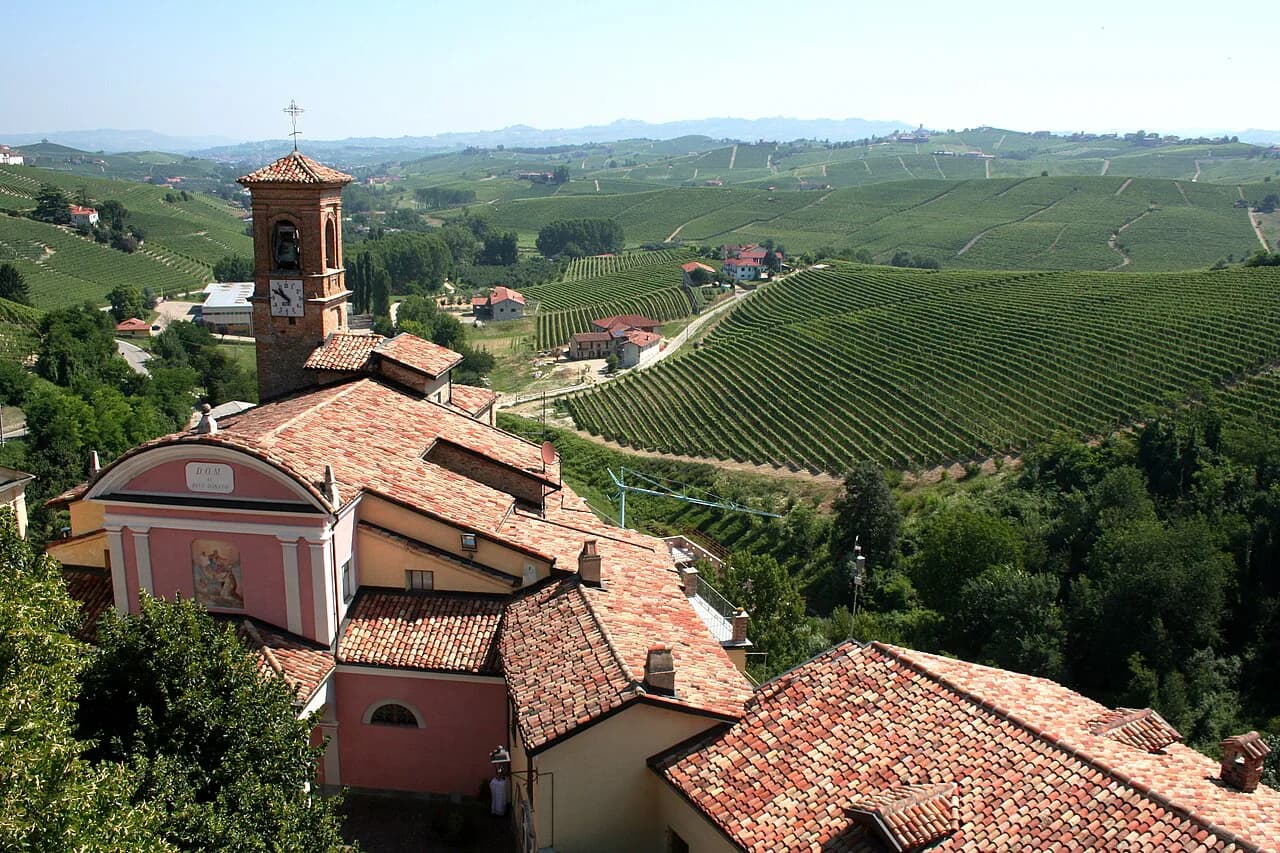
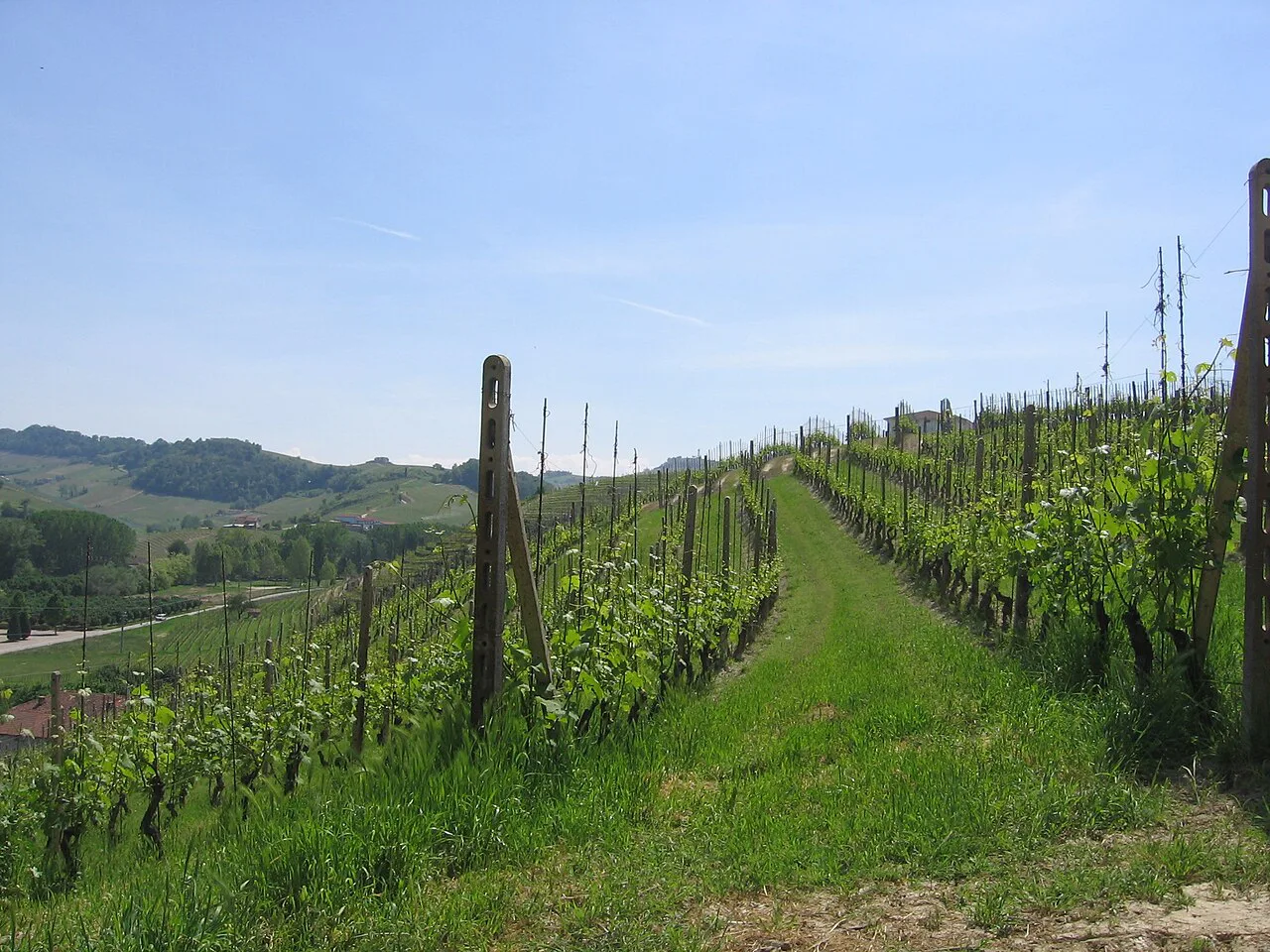
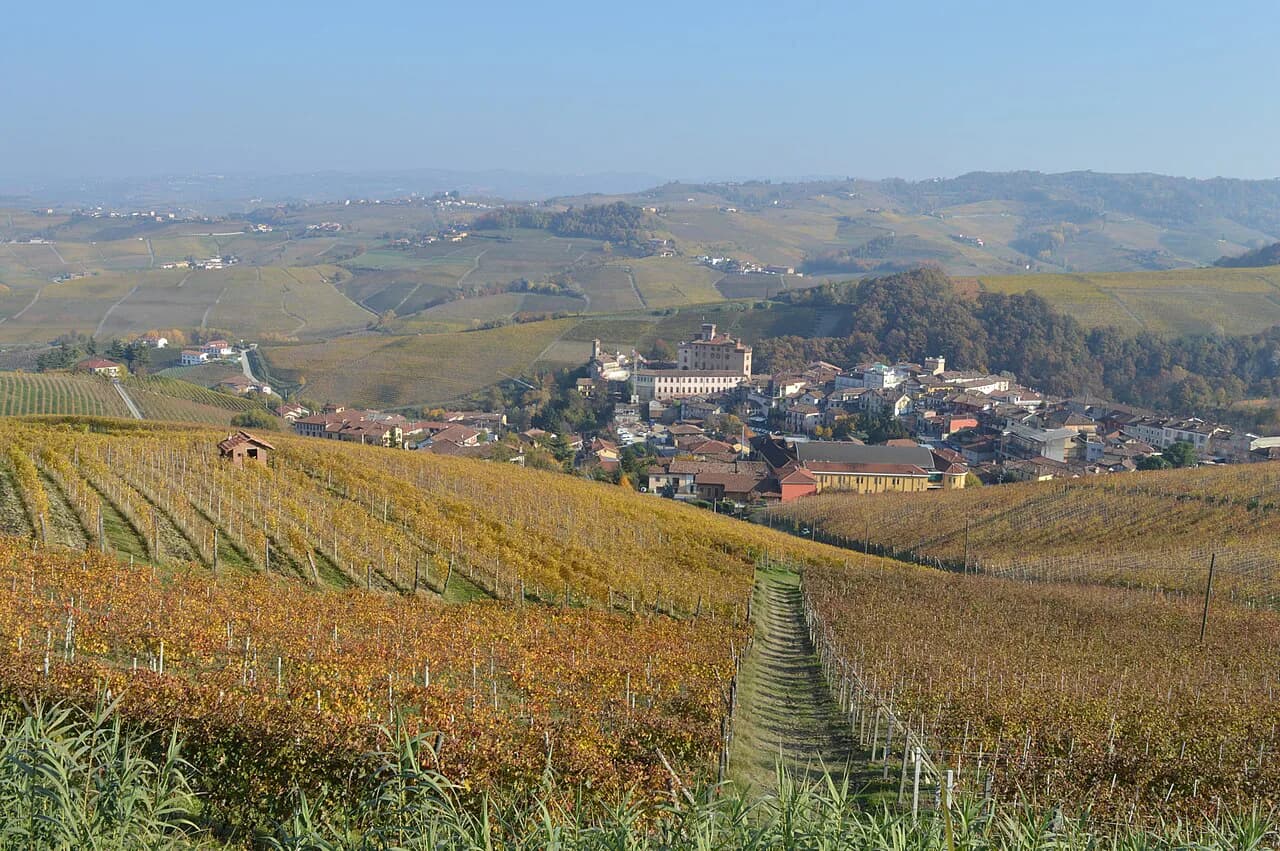
Few Langhe estates carry as much history into a single cellar door. Carlo Vietti started the winery at the end of the 1800s on the highest point of the medieval village of Castiglione Falletto, and the estate still occupies that site today. That combination of a compact, walkable hilltop village and a long-established producer makes the visit easy to picture before you go.
The range also helps a newcomer calibrate. Vietti works with Nebbiolo, Barbera, Dolcetto, Freisa, Arneis, Timorasso and Moscato Bianco across roughly 75 hectares, so a single stop can introduce the red and white grapes of the region rather than only Barolo. The estate describes itself as maintaining artisanal work and close reading of individual sites, which is the language to keep in mind when you ask what a visit covers.
If you want a wider frame for the region before committing to a booking, the broader guide to wine tasting in Turin lays out the grape varieties and appellations you will meet across Piedmont, including the sweet sparkling side of the region. Use it to decide how much of your trip should belong to Barolo and how much to the hills north of Asti.
Where Castiglione Falletto Sits in the Barolo Zone
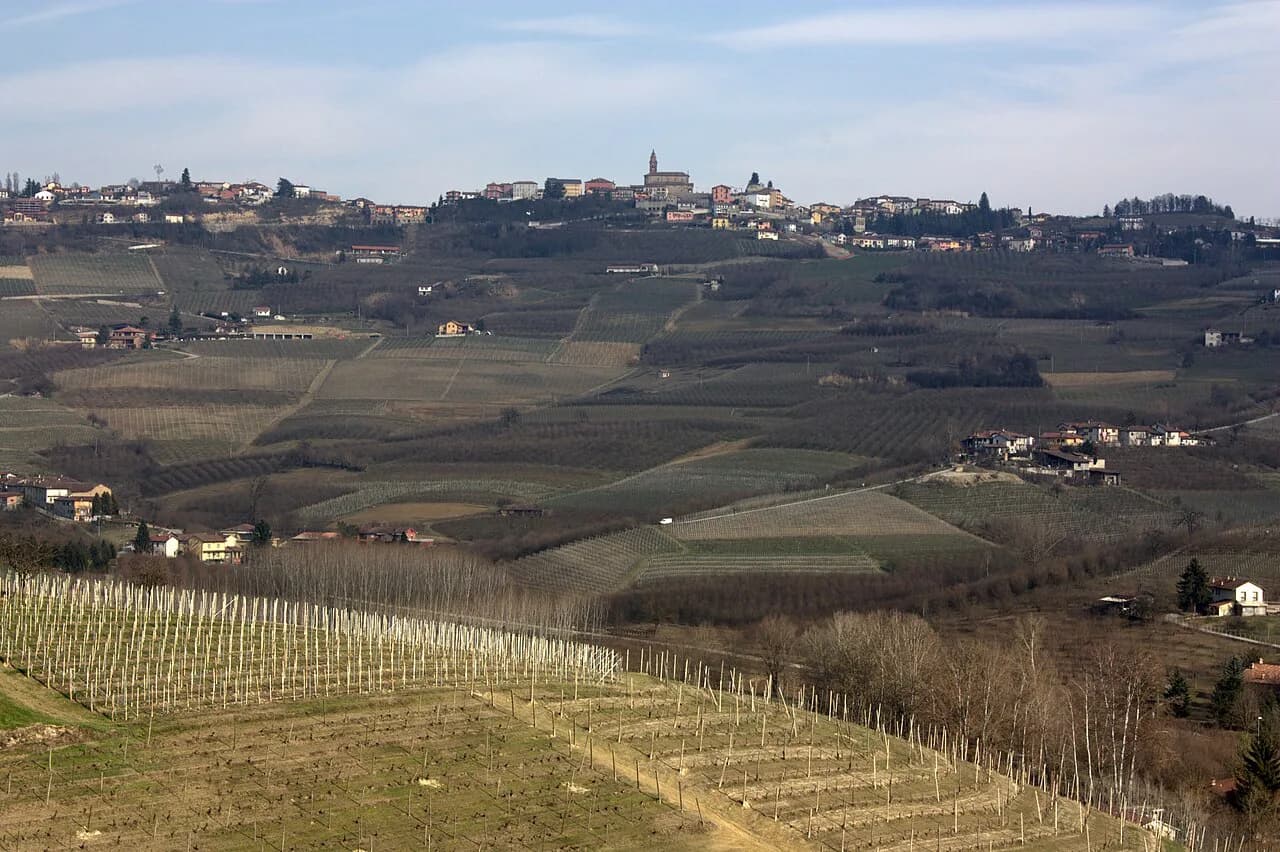
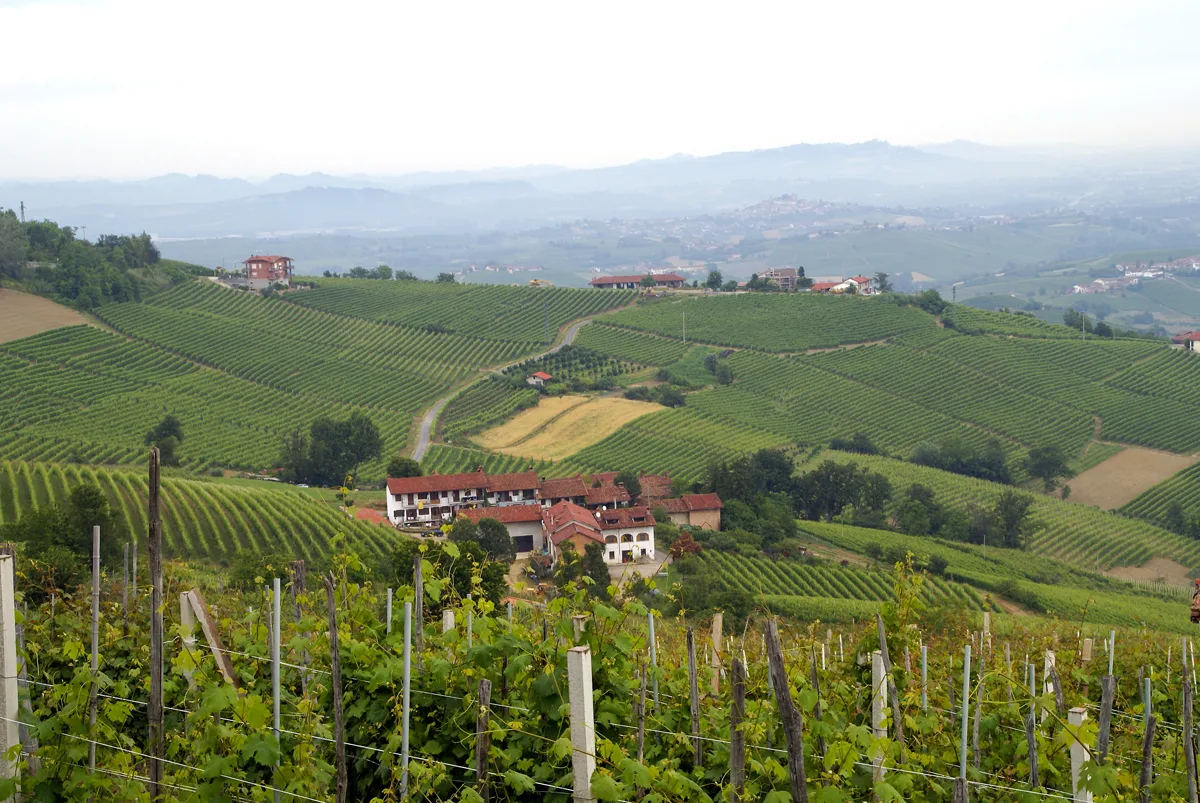
Castiglione Falletto lies in the central belt of the Barolo appellation, between Barolo itself and Serralunga d'Alba, with La Morra to the northwest. The village is small and climbs a single hill, which is why the winery's position at the top reads as a genuine landmark rather than a marketing line. Treat the village as the center of a compact loop rather than a stop on a long drive.
For a day out of Turin, the realistic geography is Turin south to Alba, then a short climb into the hills. The Barolo villages sit close enough together that a second appointment in Barolo or Serralunga d'Alba is plausible in the same afternoon, but the roads are narrow, steep and slow, and each transfer eats into tasting time. Two visits plus lunch is a full day; three is a rush.
Travelers who want to see how other villages present themselves can compare notes on the wineries around La Morra and Monforte d'Alba before fixing a route. Reading a few village profiles first makes it easier to pick a second stop that contrasts with Castiglione Falletto instead of repeating it.
The Estate in Brief: Family, Art Labels and New Ownership
The modern Vietti story runs through several generations. Mario Vietti took over from his father in 1917, and Alfredo Currado, who married into the family, pushed the estate toward bottled, site-specific Barolo from the late 1950s, with one of the first Barolo crus, Rocche di Castiglione, produced in 1961. Art labels began appearing on the bottles from 1974, a detail that explains why the wines look the way they do.
Ownership changed in 2016, when the Krause family bought the winery. Luca Currado Vietti and his wife Elena left at the beginning of 2023, and the estate now presents itself under Krause ownership with Eugenio Palumbo as winemaker and a broadened vineyard holding in Barolo and Barbaresco. Visitors who remember the older era should expect a different cast rather than a different address.
Barolo, Barbera and Arneis in Plain Terms
Barolo is made from Nebbiolo in a defined zone of eleven villages around Castiglione Falletto, Barolo, La Morra and Serralunga d'Alba. Nebbiolo gives pale, tannic, aromatic reds that reward time in bottle, which is why the appellation is associated with long aging and why a first taste can feel austere next to a softer wine.
Barbera and Dolcetto are the everyday reds of the Langhe: Barbera carries fresh acidity and dark fruit, Dolcetto is softer and meant for earlier drinking. Arneis is the local white, historically grown around the Roero side of the Tanaro, and Vietti was among the producers who brought it back to prominence with a first vinification in 1967. Timorasso, a white from the Colli Tortonesi further east, joined the range more recently and is worth asking about if you want to taste beyond the classics.
If your trip also reaches the hills around Asti, the same pillar guide covers Moscato d'Asti, a low-alcohol sparkling white that makes an easy contrast to a morning of tannic reds. Mixing a Barolo day with a Moscato stop is one of the more pleasant ways to use two days based in Turin; travelers weighing a second city's wine day can read the Verona wine guide the same way.
How Visits Work: Appointments, Party Size and Languages
Langhe estates generally receive visitors by appointment, and Vietti's public channels are built around a mailing list and trade information rather than a published calendar of tours. That means you should write ahead with dates rather than plan to turn up at the gate. The winery is the only reliable source for whether a given day is open and what the visit includes.
A good inquiry is short and specific: your preferred date and a backup, the number in your party, whether you want a cellar tour or just a seated tasting, the languages your group speaks, and whether you need parking. Ask directly for the duration of the visit and what it costs, since these details are not published and vary between estates. Mentioning that you are coming from Turin by public transport or with a driver helps them slot you into the right time.
Expect small groups and a limited number of slots per day at a working estate of this size. If you are traveling with more than four people, say so at the first contact, because party size often decides whether a visit is possible at all.
Getting There Without a Car: Turin to Alba, Then the Hills
The standard car-free route runs by rail from Turin to Alba, then by road up into the Barolo hills. Train services between Turin and Alba are frequent on weekdays and thinner on Sundays and public holidays, and the station sits below the town rather than in the wine villages. From Alba you need a local bus, a taxi or a pre-booked driver to reach Castiglione Falletto, and the last leg is the part that needs planning.
Taxis in Alba are limited in number, so a return trip is safer booked in advance rather than hailed at the end of a tasting. Ask your host which local operators they recommend and whether a pickup at the village square is practical, since the narrow streets at the top of Castiglione Falletto are not designed for large vehicles.
Timetables and operators change with the season, so check the current train and bus options with Trenitalia and the Piemonte regional bus operators before you lock in a winery slot. That single step prevents the common mismatch where a tasting is booked for a time no bus serves.
Independent Travel vs. a Guided Tour
Going independently gives you control over pace and lets you choose your own second stop, but it leaves the hill driving or the taxi logistics to you. A guided wine tour from Turin removes that problem: transport is included, someone else handles the narrow roads, and a driver-guide usually knows which estates accept which group sizes. The trade-off is a fixed itinerary and less time at any single cellar.
Compare the formats on offer before you commit. Small-group tours keep the tasting room conversation manageable, while private tours cost more and let you add a village that a shared itinerary skips. Either way, tell the tour company you specifically want Castiglione Falletto and Vietti, because not every Barolo tour visits the central villages.
A middle path suits many travelers: take the train to Alba, book one appointment for the morning, and use a pre-arranged driver for the two transfers. You keep the flexibility of choosing your own lunch and second stop while removing the risk of being stranded after the tasting.
Building a Two-Tasting Day Around the Village
A realistic day puts Vietti in the morning, when the cellar is quieter, then moves to one contrasting village for an afternoon appointment. Barolo itself and Serralunga d'Alba are the natural partners on the eastern side of the zone, while La Morra to the northwest offers a different set of views and producers. Keep the second booking in the same half of the appellation to avoid a long cross-zone drive in the middle of the day.
If you prefer to organize the second stop before the first, browse the barolo wineries listed by village and pick one that matches your appetite for either a large, polished cellar or a small family operation. Reading two or three profiles makes the choice faster than deciding on the day.
Travelers who want a specific comparison often add a visit to a producer with a vineyard restaurant or a museum-style cellar. Visiting Ceretto Winery from Turin is one such option in the wider Alba area, and it shows how a larger estate handles visitor flow, which is useful context for judging a smaller appointment.
Buying Vietti Wine: Mailing List vs. Local Shops
US buyers can join the winery's mailing list through VinConnect, which releases new vintages direct from the estate in scheduled offerings rather than continuous retail. The estate lists past release windows by vintage, and the schedule shifts from year to year, so the list is the place to watch rather than any fixed date.
Buying in Piedmont is a different exercise: local enoteche and wine shops around Alba and the Barolo villages stock Langhe producers, and prices vary by shop and vintage. Secondary-market trackers quote retail averages for specific bottlings, but those figures describe the US market and are not a cellar-door price at the estate.
If you plan to carry bottles home, ask about shipping rules and duty allowances before you buy, and keep receipts. A shop that ships to the US is worth identifying early in the trip rather than on your last afternoon.
Harvest and Seasonal Rhythms
The Langhe harvest usually falls in the autumn, and that is when a working cellar has the least spare capacity for visitors. Vineyard work, pressing and fermentation take priority, and appointments may be restricted or shifted to quieter weeks. If your dates are fixed in September or October, ask about availability earlier than you would for a spring trip.
Late autumn and winter are quieter, but some estates close for holidays or limit visits to weekdays. Spring brings budbreak and steady visitor capacity, while summer is peak season in the villages and lunch reservations matter as much as winery slots. None of these patterns replaces the answer you get from the winery itself.
Responsible Tasting and the Driver Problem
Anyone driving on a Langhe tasting day should not drink. Spittoons are standard in tasting rooms, and pouring the wine away is normal and expected rather than rude. Use a designated driver, a hired driver or public transport if the group wants to taste properly, and rotate the driving duty across days rather than within one.
The hill roads between Castiglione Falletto, Barolo and Serralunga d'Alba are narrow with blind bends, and fog can settle quickly in autumn. A driver who has not tasted is the simplest safety measure you can build into the itinerary, and it also keeps the day on schedule.
Plan Your Visit
Start with the appointment, not the itinerary. Write to Vietti with a date, a backup, your party size and your transport plan, then build the rest of the day only once you have an answer. That order reflects how Langhe estates actually schedule visitors and saves you from booking a train around a slot that never existed.
Choose your transport model honestly: train to Alba plus a pre-booked driver for flexibility, or a guided tour for simplicity. Either way, leave room for one contrasting village, keep the second tasting close by, and let the non-tasting driver take the wheel on the hill roads.
Frequently Asked Questions
Is Vietti open for tastings without an appointment?
The estate does not publish walk-in hours, and Langhe wineries of this size generally receive visitors by prior arrangement. Send a request with your dates, party size and language needs, and treat the reply as the only confirmation of availability.
How far is Vietti from Turin?
Castiglione Falletto lies in the Barolo hills south of Turin, reached by train to Alba and then by road into the vineyards. The rail leg and the final climb are separate bookings, and the road section is the part that needs arranging in advance.
What wines does Vietti produce besides Barolo?
The estate works with Nebbiolo, Barbera, Dolcetto, Freisa, Arneis, Timorasso and Moscato Bianco across its vineyards. Barbera and Dolcetto are the everyday Langhe reds, Arneis is the local white, and Timorasso comes from the Colli Tortonesi further east.
Can you reach Castiglione Falletto by train or bus?
There is no rail station in the village. The practical route is a train to Alba followed by a local bus, taxi or pre-booked driver up into the hills, and return transport is best arranged before the tasting rather than found afterwards.
Is a guided Barolo tour worth it compared with driving yourself?
A tour removes the driving problem on narrow hill roads and often secures cellar slots that individuals find harder to book. Driving yourself gives more control over pace and second stops but leaves one person unable to taste.
How do US buyers order Vietti wine directly?
VinConnect maintains the estate's mailing list for US customers, with releases offered by vintage rather than sold continuously. Join the list and watch the release announcements rather than expecting a fixed annual order window.
Sources
Notes for your next wine trip
Optional updates to our winery and wine-town guides.
You might also like
Continue reading
More guides you'll find useful