Barolo Village Wine Guide: Tasting, Booking and Getting There from Turin
Plan a wine day in Barolo village from Turin: what the Langhe town offers visitors, how Nebbiolo tasting works, appointment culture, and car-free options.
On this page
Barolo is both a village of a few hundred residents in the Langhe hills and the name of Italy's most storied Nebbiolo-based DOCG. Travelers based in Turin often assume they can hop a train to the cellar door; in practice the village is a stop inside a wine district that rewards planning. This guide covers what is actually in the village, how tastings work at family estates, and the realistic ways to get there from Turin without guessing at schedules or fees.
The practical starting point is scale. The Barolo zone sits a little over 11 km southwest of Alba, the largest town in these hills and the usual transport hub for the area. Treat the village as one appointment plus a museum visit, then build the rest of the day around nearby communes rather than trying to cover the whole appellation on foot.
What Barolo Village Actually Is
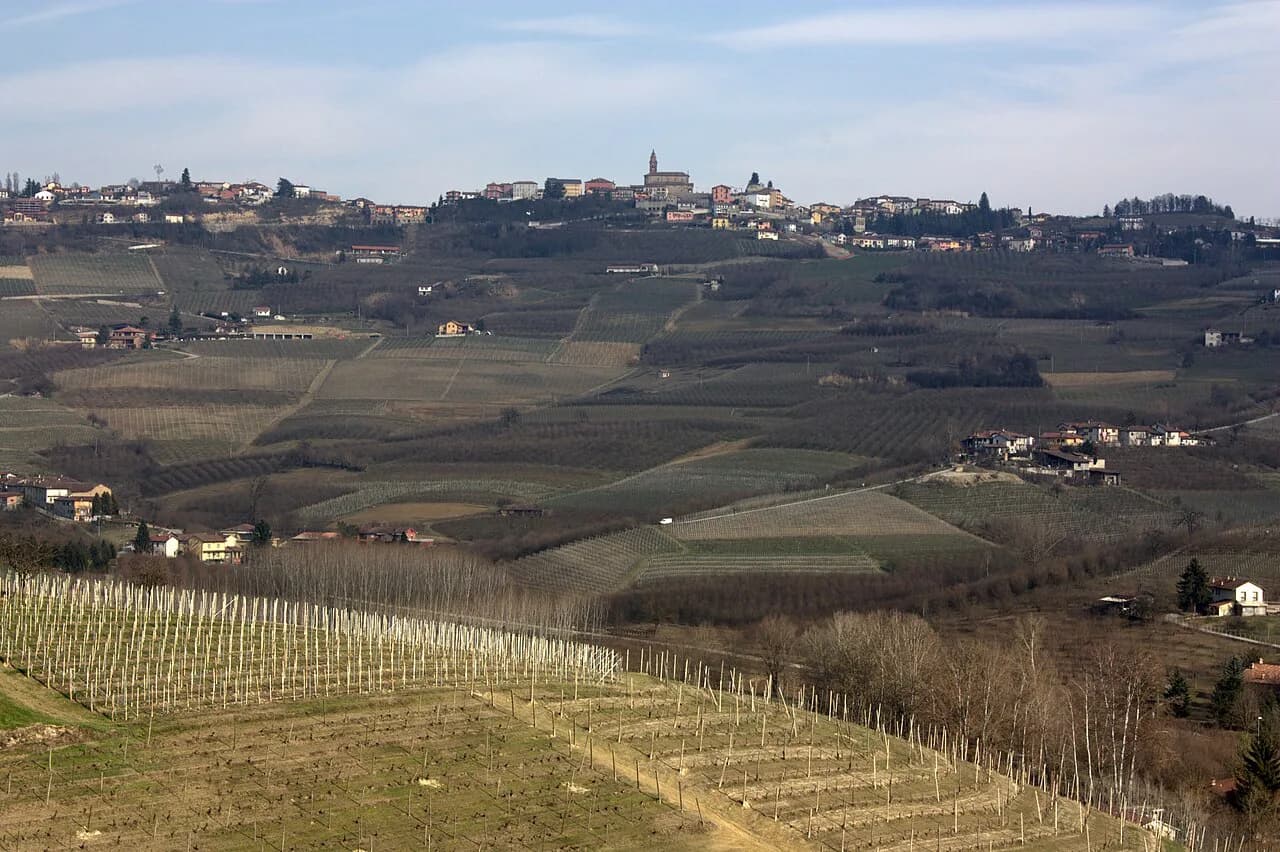
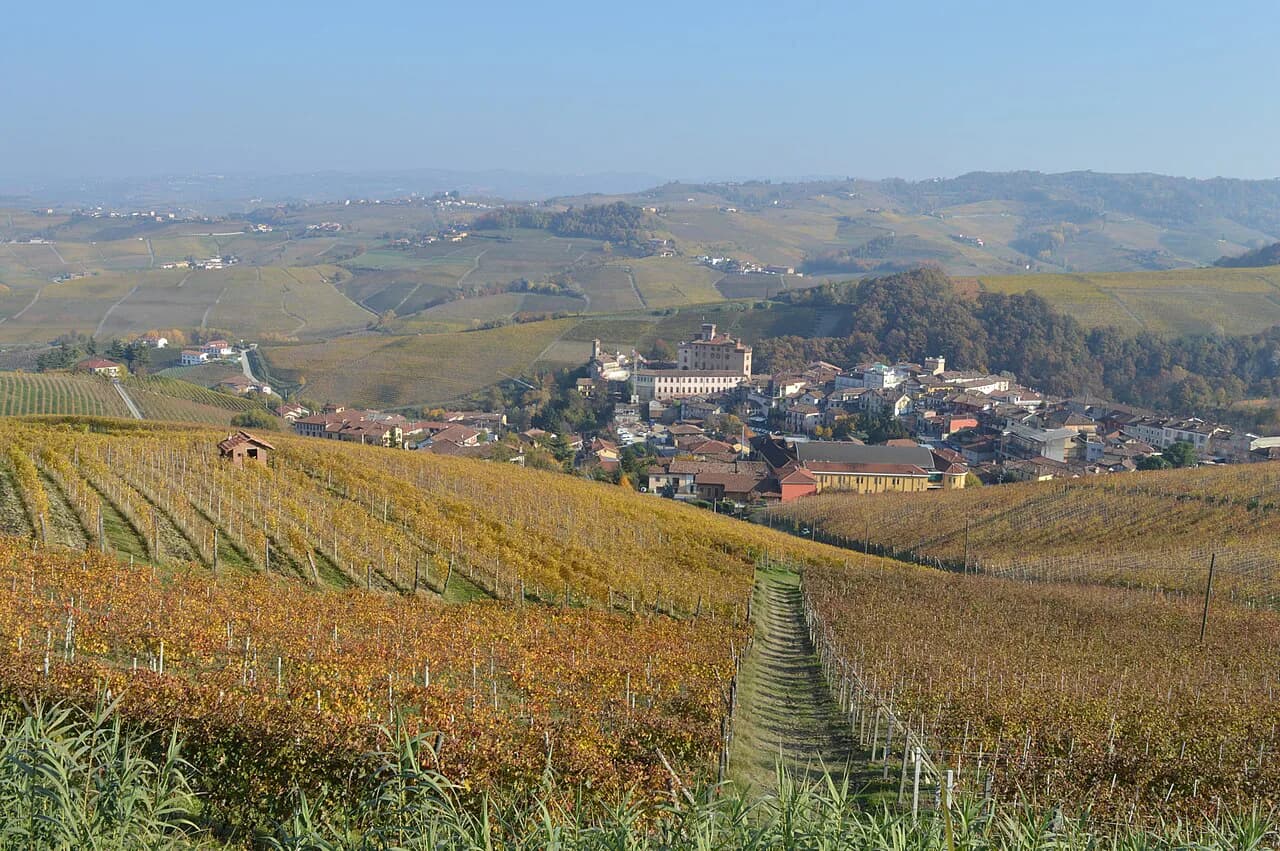
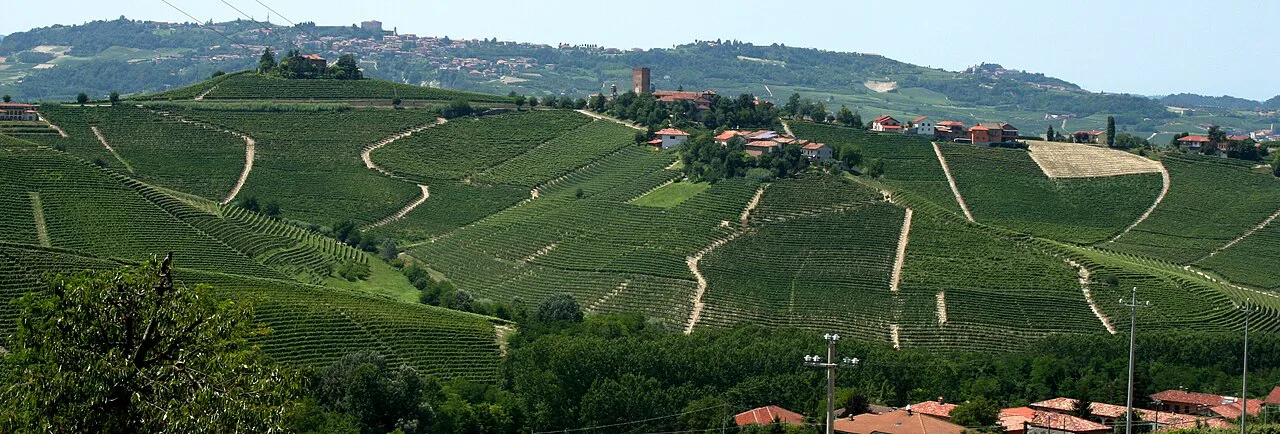
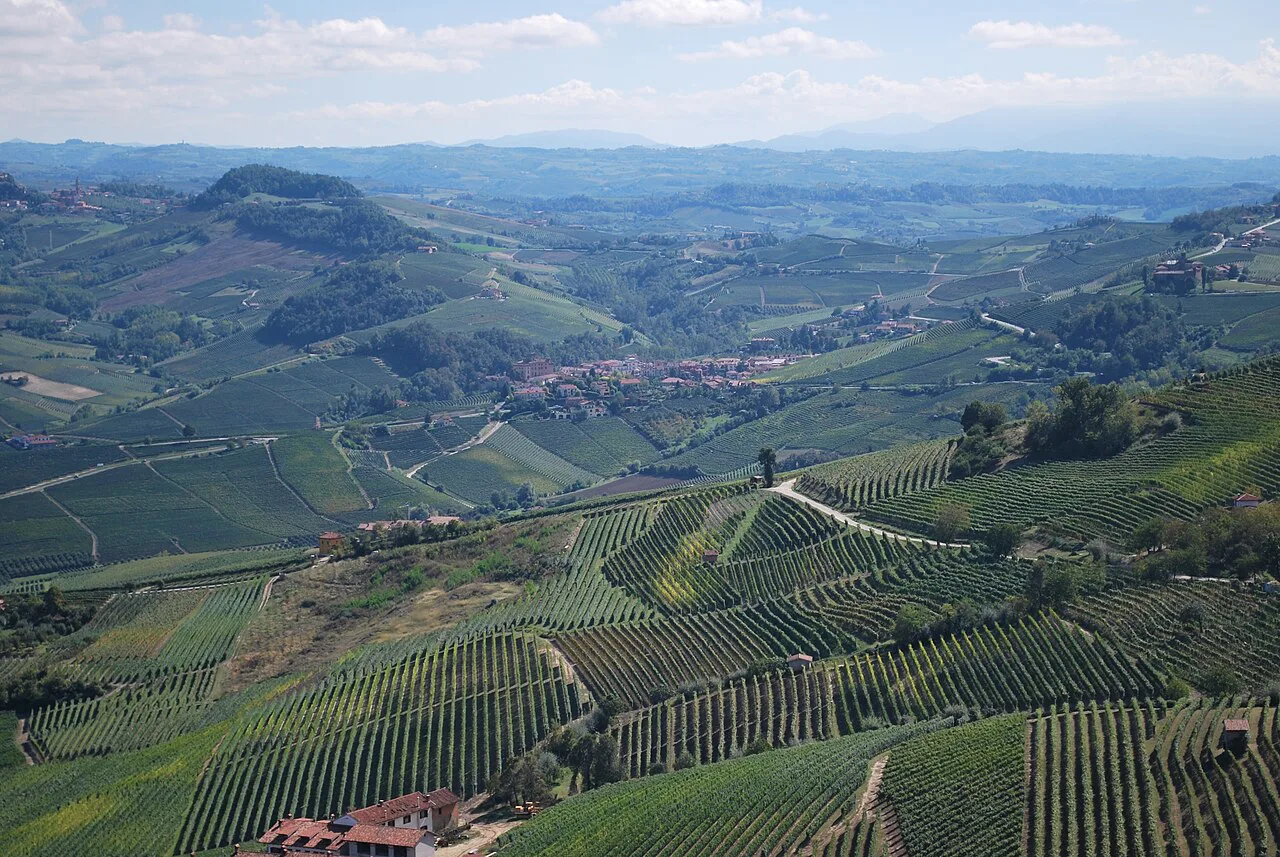
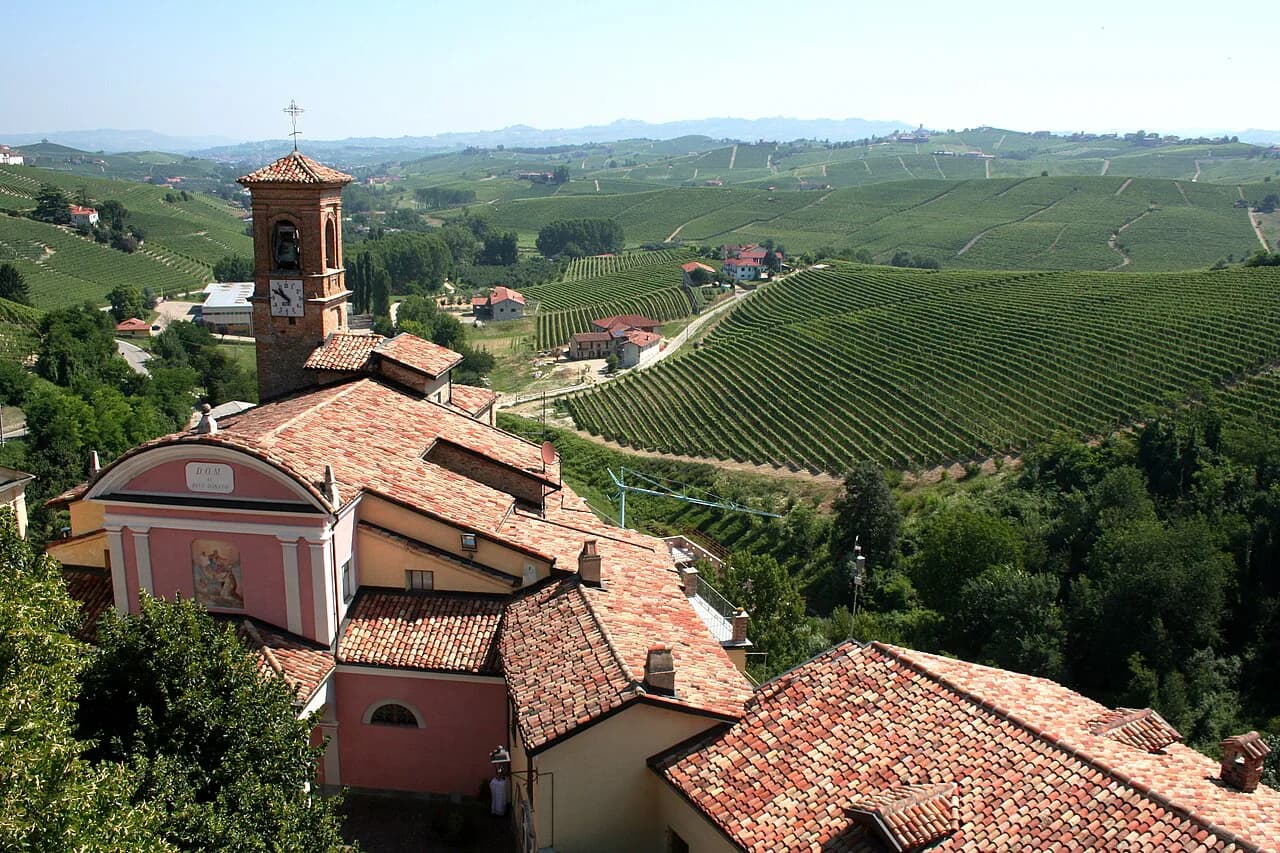
Barolo is a small commune in the province of Cuneo, in Piedmont's Langhe hills, clustered around a castle and a handful of lanes. The surrounding vineyards are a UNESCO World Heritage landscape, and the village itself is compact enough to walk end to end between two appointments. That small footprint is why it suits a half-day rather than a full one.
The name confuses first-time visitors because Barolo is simultaneously a place and an appellation. The wine is made from Nebbiolo grown in a delimited zone of 11 communes around the village, and only bottles that meet the DOCG rules may carry the name. When someone says they are going to Barolo, they usually mean the wine zone as much as the village itself.
Geography matters for planning. The village sits southwest of Alba, and the surrounding wineries are spread across ridges and side valleys rather than lined up along one road. Distances between estates look short on a map but involve winding hill roads, so two tastings plus a village walk is a sensible ceiling for a day trip.
Where Barolo Fits in a Turin-Based Trip
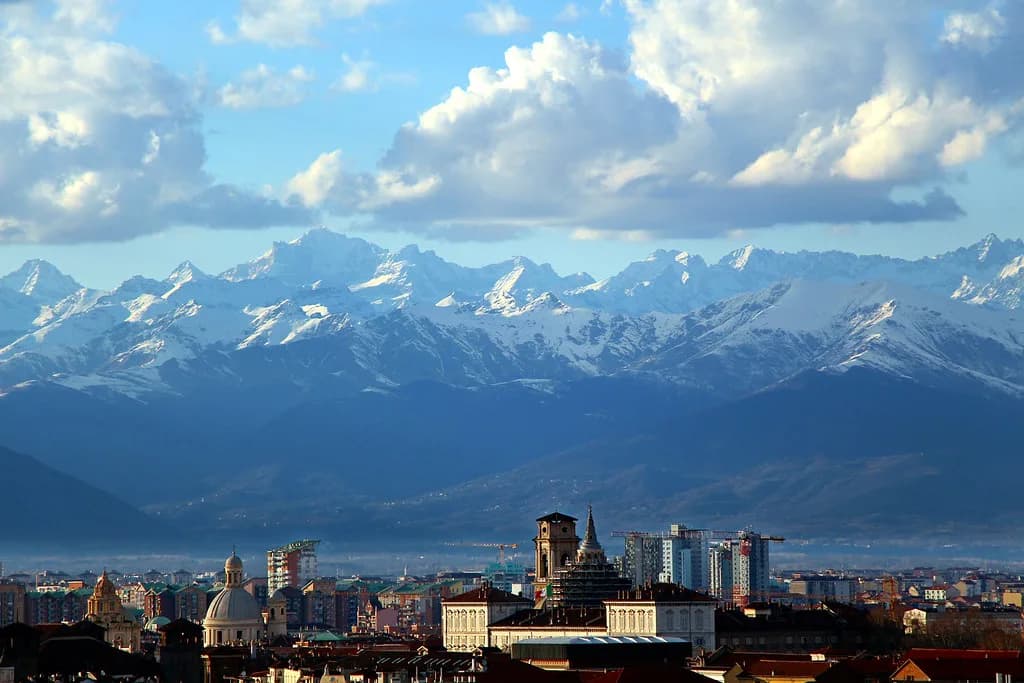
Turin is a workable base for the Langhe, but it is a base, not a doorstep. The drive south into the wine hills takes you through Alba, and from there the roads climb into the Barolo and Barbaresco zones. Travelers who want a broader menu of Piedmont cellars closer to the city should look at the options in this guide to Turin Wine tasting before committing a full day to the Langhe, and those heading east instead can use the Verona wine guide for a comparable Valpolicella and Amarone comparison.
Think of the village as one anchor in a loop that might also take in La Morra, Serralunga d'Alba or Barbaresco. Each commune has its own cluster of family estates and its own approach to visitors, and grouping two neighboring villages keeps driving time down. The comparison of Wine Tours from Turin is useful for judging how much ground a single day realistically covers.
Barolo in the Glass, Briefly
Barolo is a full-bodied red built entirely on Nebbiolo, a late-ripening grape that gives pale color, firm tannins and high acidity. The DOCG rules require extended aging before release, which is why the wines you taste in a cellar are usually several years older than the vintage on a neighboring region's shelf. That aging law is also why a visit here feels different from a quick tasting room stop.
Within the zone, the 11 communes produce noticeably different expressions, and many estates bottle both a village-level Barolo and single-vineyard crus from named sites. Knowing this helps you read a tasting list: a three-cru flight is a tour of vineyard sites, not three random wines. Ask which communes and crus are being poured when arranging your visit so the flight matches your interest.
Bottle prices for Barolo vary widely by producer, vintage and cru, so there is no useful single figure to budget. If buying is part of the plan, ask the estate for its current price list when you request the visit rather than relying on retail comparisons from another market.
What to See in the Village Between Appointments
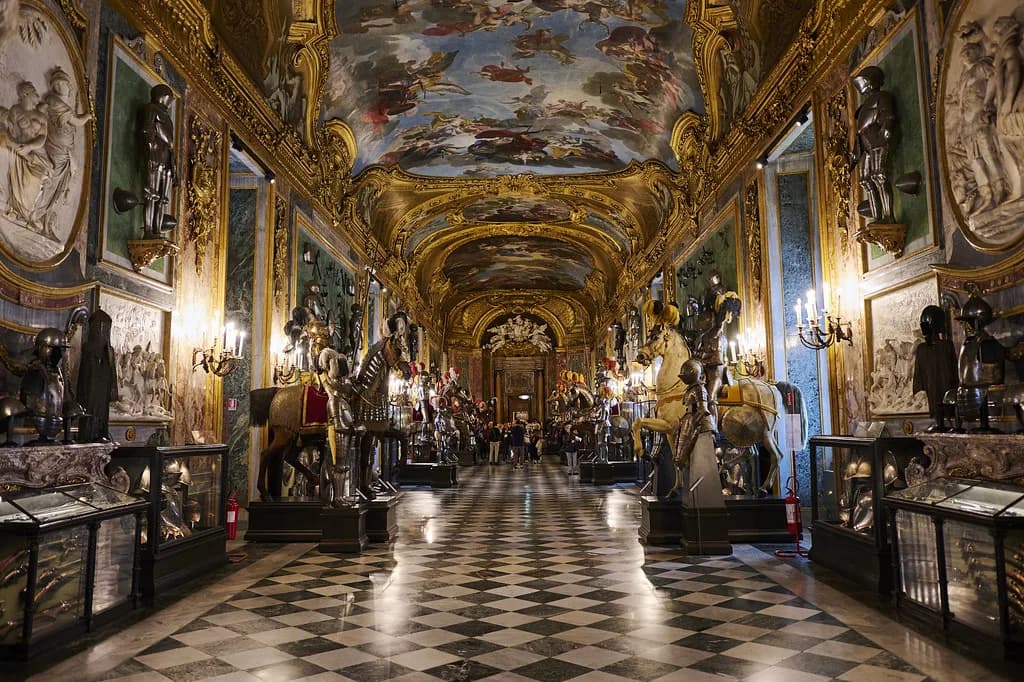
The Castello Falletti di Barolo dominates the center, a castle with medieval roots that now houses the town's wine museum. It is the obvious anchor for a village walk and the one sight that does not require a winery booking. Allow time for it separately from your tasting slot rather than squeezing it between two estates.
Inside the castle, the WiMu wine museum spreads across several floors and includes a Regional Enoteca where visitors can taste. That enoteca floor is the practical fallback for travelers who could not secure a private estate visit, since it offers a structured tasting inside the village itself. The museum publishes its own hours and admission terms, so confirm them directly before building a day around it.
The Chiesa di San Donato, with its distinctive pinkish facade, is a short walk from the castle and worth ten minutes of any village circuit. Pair it with a pass through the lanes and a look at the vineyard views from the edge of town. These are low-commitment stops that fill the gaps around fixed tasting times.
How Winery Visits Work
Most Barolo producers are small family estates, and visits run on appointments rather than drop-in hours. A tasting is typically a hosted affair in the cellar or tasting room rather than a counter service, which means the estate needs to know you are coming. Booking ahead is the norm across the zone, and it becomes essential in harvest season and on weekends.
When you write to an estate, ask five things in one message: available dates, the number of wines poured, whether a cellar tour is included, the expected duration, and the fee per person. Also state your party size so the estate can plan the host and space. Written confirmation settles language, timing and payment before you drive out.
Language is worth raising early. Many family estates host in Italian by default and arrange English tours on request, so asking directly avoids a visit where the commentary passes you by. If you need shipping, ask about export and delivery in the same email, because arrangements differ sharply between small domaines.
Producers That Receive Visitors
Sordo Giovanni in the heart of the Barolo vineyards hosts a tasting built around three of its Barolo crus from the same vintage, guided by the cellar team. It is a good fit if you want to compare vineyard sites side by side in a single sitting. Book through the estate or a wine-tourism platform and confirm the current flight and fee when you do.
Cantina Negro Giuseppe runs a cellar tour followed by a tasting, hosted by the family's sons, in the area north of Barolo toward Barbaresco. Note the geography before booking: it sits closer to the Barbaresco side than to Barolo village itself, so it pairs naturally with a Barbaresco stop rather than a village morning. Confirm the address and timing when you reserve.
Beyond these two, use booking platforms and estate websites to identify other producers that accept visitors, and check each one's stated policy on appointments and group size. A curated list of Barolo wineries is a faster starting point than cold-emailing names pulled from a wine list. Then verify the visit details directly with the estate you choose.
Getting There: Car, Tour or Train and Transfer
The Langhe road network is winding and thinly served by public transport, and the standard advice for reaching the vineyards is a rental car or a guided tour. Driving from Turin gives you the most flexibility to link estates across communes, but it also means a designated driver who abstains. That trade-off drives most of the planning decisions here.
The car-free alternative is the train to Alba, followed by a taxi or a pre-arranged local transfer into the hills. Treat that last leg as something to arrange in advance rather than assume: the vineyards are not on a town bus loop, and taxis in small Langhe towns are limited. Confirm the transfer when you book your tasting so the estate knows your arrival window.
Guided Wine Tours from Turin remove the driving question and often bundle two or three estate visits with transport between them. The trade-off is less spontaneity and a fixed itinerary, which suits travelers who would rather not navigate hill roads after tasting. Compare operators on group size, number of stops and whether tasting fees are included before choosing.
If your trip centers on Alba rather than Turin, the same logic applies with a shorter transfer. Alba Wine Tours covers how the town works as a base for the Barolo and Barbaresco zones and for truffle season, which is worth reading if you plan to sleep in the Langhe rather than commute from the city.
Timing the Trip
Harvest in the Langhe falls in autumn, when cellars are busy with fruit coming in and appointments tighten. Late spring and summer give longer days and easier driving, while winter is quieter but some small estates close or host by arrangement only. Weekdays generally book more easily than weekends across the zone.
Because Barolo must age before release, the wines poured on a visit usually reflect vintages several years behind the current harvest. That shapes what you taste: you are sampling finished, aged wines rather than the juice of the moment. Ask which vintages are open when you book if a specific year matters to you.
A Booking Script for Family Estates
A short, specific email works better than a long one. Introduce yourself, give the date and time window, state the party size, ask for the number of wines and whether a cellar tour is included, and request the fee and duration. Close by asking whether English is available and whether shipping can be arranged. That single message covers everything an estate needs to answer.
If email goes unanswered, a phone call during Italian business hours is the usual next step, and many small estates respond faster that way. Keep the conversation to dates, party size and language. For a wider list of Piedmont cellars to approach, the Turin wineries overview shows what else is within range of the city.
Plan Your Barolo Day
Build the day around one booked estate visit, the castle and its enoteca floor, and a short village walk, then add a second stop only if the geography is tight. Decide early whether you are driving, joining a tour or taking the train to Alba with a pre-arranged transfer, because that choice sets how many estates fit. Confirm the current fee, timing and availability with the estate when you reserve.
Anyone behind the wheel should skip the glass rather than sip and hope: use the spittoons, bring a designated driver, or take a tour or public transport. The Langhe rewards a slower pace, and an overnight in Alba or an agriturismo among the vines turns a rushed day trip into a proper wine visit.
Frequently Asked Questions
Is Barolo a village or just a wine?
It is both. Barolo is a small commune in the Langhe hills of Piedmont, and it is also the name of the Nebbiolo-based DOCG produced in a delimited zone of 11 communes around the village. Visitors go to the village for the castle, the wine museum and estate appointments, while the appellation name covers wines from across the wider zone.
How far is Barolo village from Turin and Alba?
The Barolo zone sits a little over 11 km southwest of Alba, the main transport hub in the Langhe. Turin is further north and requires either a drive into the hills, a guided tour, or a train to Alba followed by a taxi or pre-arranged transfer. Plan the last leg in advance rather than assuming local buses reach the vineyards.
Do you need to book Barolo winery tastings in advance?
Yes. Most Barolo producers are small family estates that host visitors by appointment rather than offering drop-in tastings. Booking ahead matters most in harvest season and on weekends. The castle's wine museum and its Regional Enoteca floor give travelers a village-based tasting option when an estate visit is not available.
What should you ask when booking a tasting?
Ask for available dates, the number of wines poured, whether a cellar tour is included, the fee per person and the expected duration. State your party size, since some estates set a minimum, and ask whether the host speaks English. If you want to buy and ship, raise that in the same message so arrangements can be confirmed.
Can you visit Barolo without a car?
It is possible but needs planning. The usual car-free route is a train to Alba plus a taxi or pre-arranged transfer into the hills, since the vineyard roads are poorly served by public transport. Guided tours from Turin are the simpler option, bundling transport with estate visits at the cost of a fixed itinerary.
How many wineries can you visit in a day?
Two estate visits plus a village walk is a realistic ceiling for a day trip, given the winding hill roads between communes. Group stops by village, such as Barolo with La Morra or Serralunga d'Alba, to cut driving time. Adding a third appointment usually means skipping the castle and museum.
Sources
Notes for your next wine trip
Optional updates to our winery and wine-town guides.
You might also like
Continue reading
More guides you'll find useful