Visiting Ceretto Winery from Turin: Alba Tastings & Booking
Ceretto is near Alba in the Langhe, not Turin. See how the appointment-only Monsordo Bernardina visit works, which tasting fits, and how to arrive by train.
On this page
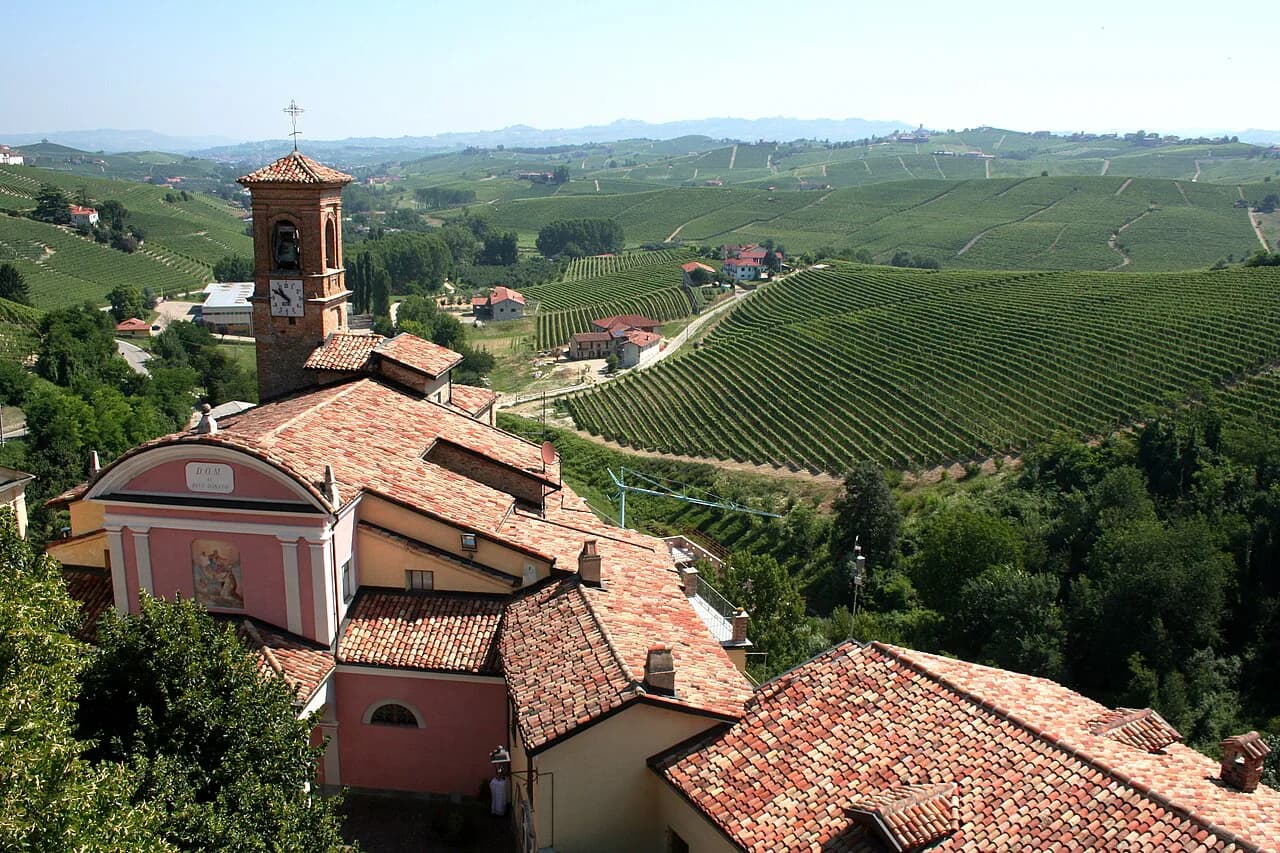
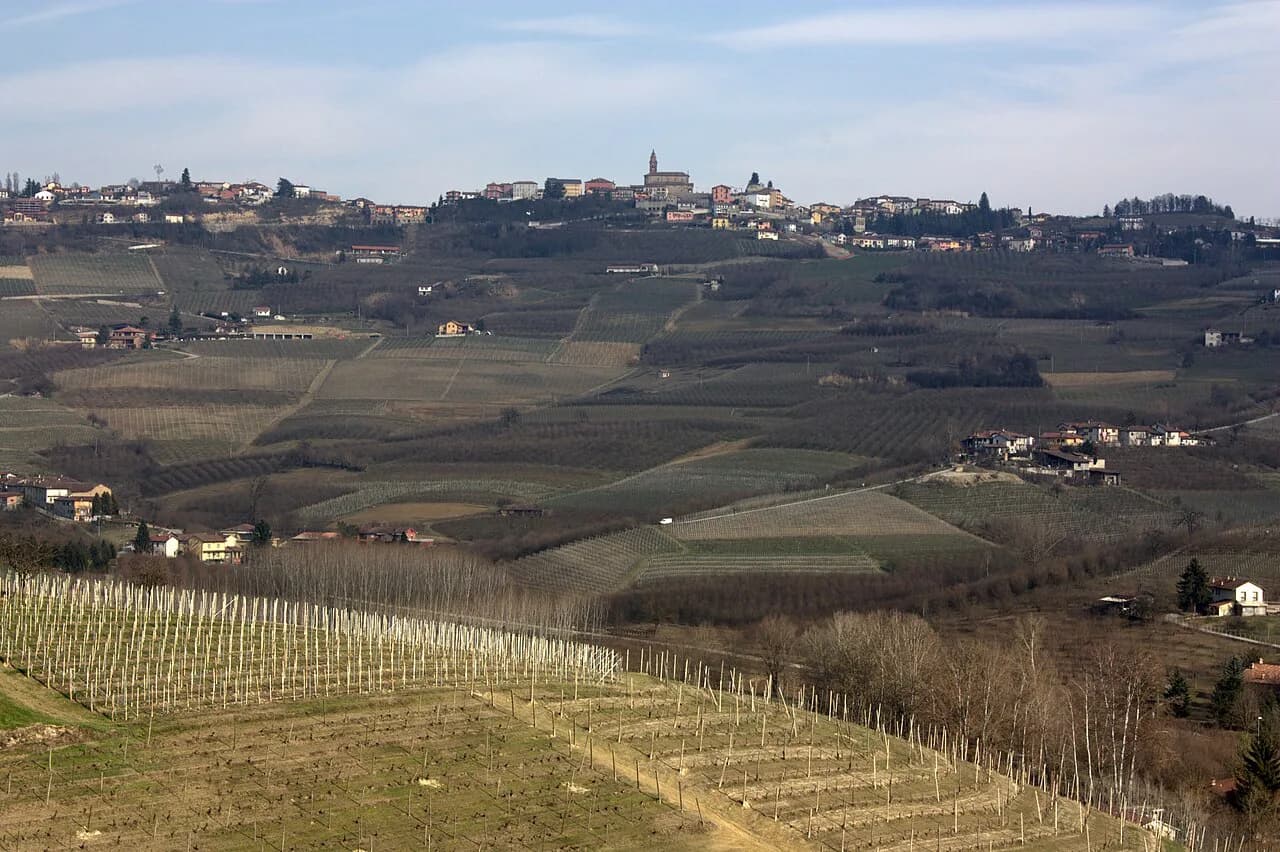
Ceretto is one of the Langhe's best-known family estates, and its visitor base is not in Turin. The hospitality hub is the Monsordo Bernardina estate on the edge of Alba, while the Bricco Rocche winery sits in Castiglione Falletto among the Barolo hills. Planning a day here means planning an Alba day, not a city stop.
The visit is structured rather than casual: sessions are staff-led, there is no walk-in tasting room, and the formats range from a Langhe introduction to a Barolo and Barbaresco cru tasting. This guide sets out the two locations, the four published formats, booking channels, the truffle-season squeeze, and a realistic no-car route from Turin.
Why Ceretto Is a Langhe Destination, Not a Turin One
Ceretto's visitor welcome point is The Grape, a pavilion on the Monsordo Bernardina estate just outside Alba on the road toward Roddi. The estate farms more than 170 hectares across Barolo, Barbaresco, Langhe and Roero, with holdings that include Bricco Rocche in Castiglione Falletto, Brunate in La Morra, Cannubi San Lorenzo in Barolo, and Asili and Bernadot in Barbaresco. Alba is a completely different town from Turin: roughly 60 km southeast, in the heart of the Langhe hills.
The estate's architecture is part of the draw. The Grape is an oval pavilion built in 2009 and designed by architects Marina and Luca Deabate, and the Bricco Rocche property hosts The Cube, a glass-and-steel structure in the middle of the Barolo hills. The family also commissioned land art in the vineyards and restored the Cappella delle Brunate in La Morra with frescoes by Sol LeWitt and David Tremlett.
The estate is also a food destination: the Ceretto family founded Ristorante Piazza Duomo in Alba, where chef Enrico Crippa won three Michelin stars in 2012, along with La Piola, a traditional Piedmontese trattoria. Those are separate bookings with their own menus and costs, not part of a cellar visit fee, so budget for them independently if you want lunch around the tasting.
The Two Ceretto Sites: Monsordo Bernardina and Bricco Rocche
Almost every visitor starts at Monsordo Bernardina, where the welcome pavilion, the tour program and the tasting flights are based. Bricco Rocche at Castiglione Falletto is the Barolo-side winery associated with the estate's single-vineyard wines and The Cube. These are separate addresses, so do not assume a single visit covers both unless the itinerary you agree with the estate says so.
The Cappella delle Brunate is a third location again, a working chapel in La Morra with the LeWitt and Tremlett interiors. Whether it appears on your visit depends on the format you book, so say explicitly if the chapel matters to you when you request dates. If you are building a broader Barolo day, the villages of La Morra and Castiglione Falletto sit close enough to group with a single base.
Booking Reality: Appointment-Only, No Walk-In Tasting Room
Ceretto offers tasting experiences seven days a week, but all visits require prior arrangement and the estate does not run a walk-in tasting room. Requests go through the estate's own hospitality team, which can be reached by phone at +39 0173 268033 or by email at visit@ceretto.com. There is no third-party booking platform connected to the estate's own calendar, so tour operators still route access through that same team.
Make the request specific. Name the format you want, your group size, and several acceptable dates rather than one fixed day, since flexibility improves your odds when the calendar is tight. Ceretto quotes fees when you make contact, so ask for the current price alongside confirmation of the itinerary and how long the session runs.
If you want the logistics handled for you, a specialist operator can assemble a Langhe day that includes an estate appointment. The trade-off is a service premium on top of the estate's own fee, in exchange for transport and scheduling solved in one booking. Travelers comfortable with email and train timetables can handle it independently for less.
Choosing a Tasting Format
Four tour-and-tasting experiences are published, pitched at different levels. The Langhe Wines session covers the basics for first-time visitors; Shades of Nebbiolo explores the range of the region's principal grape; the Barolo and Barbaresco Cru Tasting focuses on the estate's best-known crus; and Rarity is a vertical tasting of selected Barolo vintages from rare crus. Pick by how much background you already have rather than by price alone.
Every format is guided by an expert and closes with a tasting of Ceretto's main labels, with the guide covering native grape varieties, vineyard sites, organic farming and winemaking methods along the way. Basic tastings start from around 20 EUR, which gives you a floor for budgeting, but the higher formats and any truffle pairing are quoted separately.
The wines themselves are worth knowing before you choose. Nebbiolo underpins Barolo and Barbaresco, Arneis is the white grape behind the estate's Blangé, and the family also makes Dolcetto d'Alba, Barbera-based Langhe reds and Moscato from historic vineyards in Santo Stefano Belbo. If sweet sparkling wine is a priority for your trip, compare options in the wider region through this guide to Moscato d'Asti, or line up a wine tasting in Verona if your itinerary heads east toward Valpolicella and Amarone.
What a Visit Includes: Cellar, Acino and the Frescoed Chapel
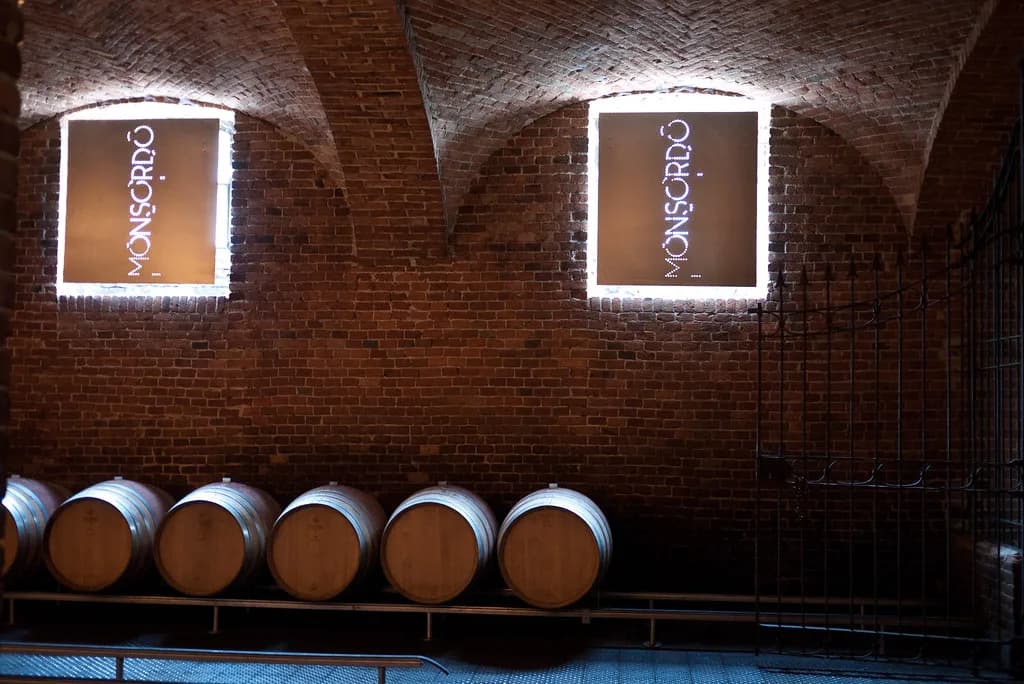
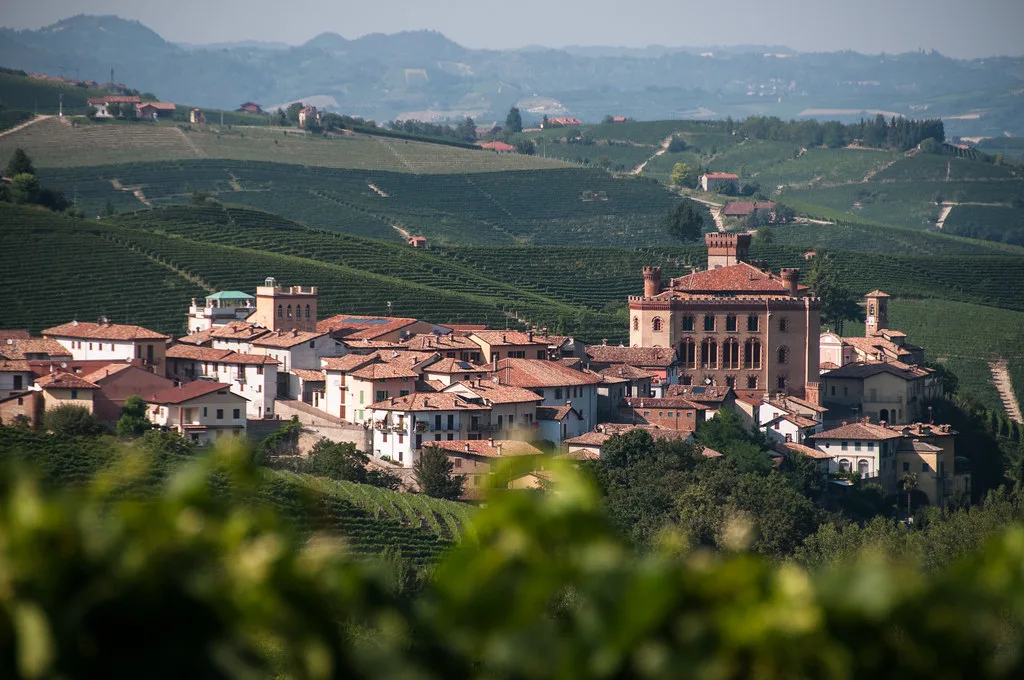
A typical visit moves through the estate's barrel-aging rooms, where the single-vineyard Barolos mature, before the tasting itself. Premium formats allow sampling of older vintages of Bricco Rocche and Cannubi San Lorenzo. The Acino, an oval ETFE pavilion that the Deabate studio set above the Monsordo Bernardina vineyards, frames views across the hills that give the single-vineyard wines their identity.
The Cappella delle Brunate in La Morra is a short drive from the Alba estate, and its Sol LeWitt and David Tremlett frescoes are among the family's signature art commissions. Because it sits at a separate site, whether it forms part of your single visit depends on the format arranged. Ask the Ceretto hospitality team directly, and if you are travelling without a car, factor the extra transfer into your day.
The White Truffle Season Question
During October and November, the Alba white truffle season draws visitors from across Europe, and Ceretto offers a truffle pairing tied to the availability of Tuber magnatum pico from the Langhe. That format is the tightest booking of the year and fills well ahead; outside the window, visits are generally easier to arrange and the cellar is quieter. Treat the pairing as seasonal rather than guaranteed on any given date.
The surrounding weeks coincide with the Fiera del Tartufo Bianco d'Alba, which typically runs through October and into November, and every serious producer in the Langhe faces the same capacity bottleneck then. If your dates are fixed to that period, send your request as early as your travel plans allow and offer alternatives by a day or two. If the pairing is not essential, shifting to late September or later in November usually smooths the process.
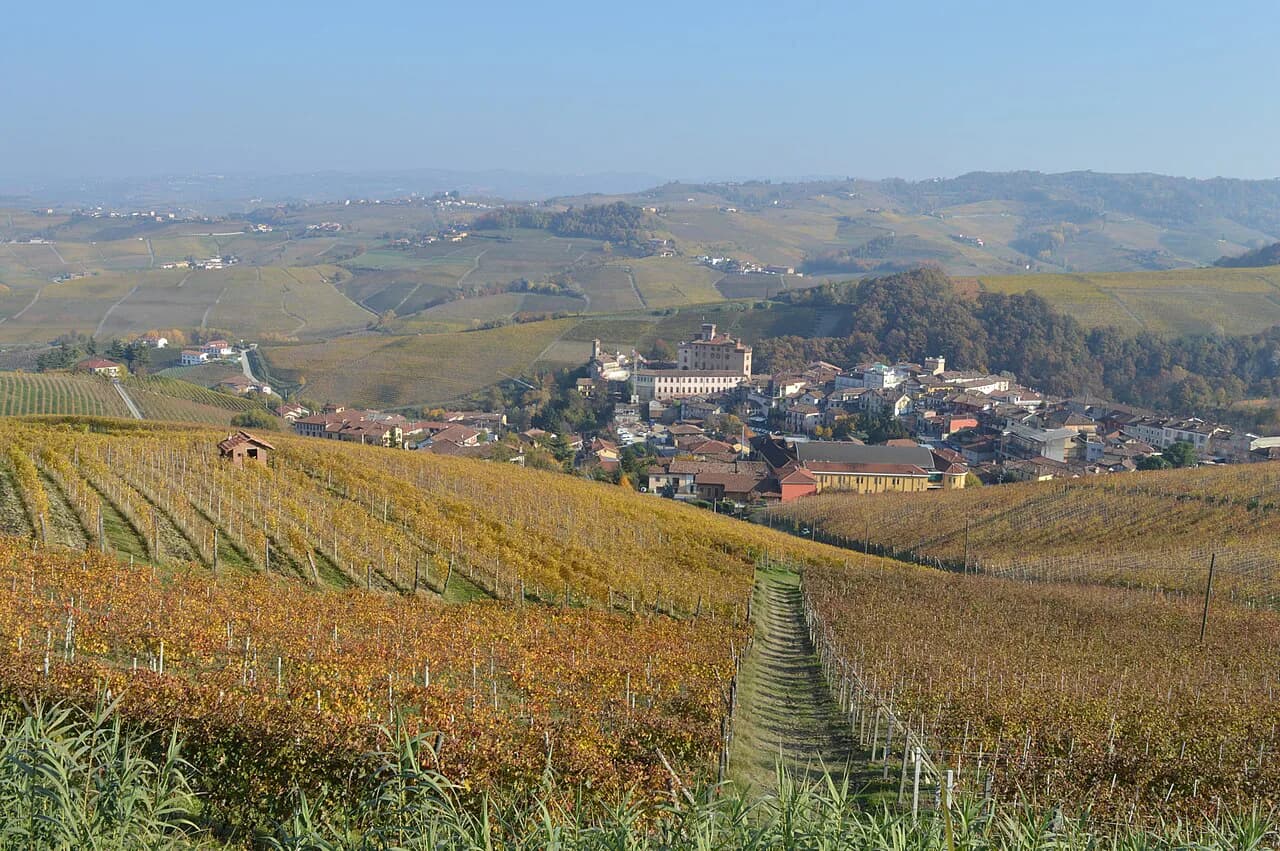
Harvest also shapes the calendar. Nebbiolo ripens slowly on the steep, calcareous slopes around Barolo and Barbaresco, and picking typically falls in autumn, which is why late-season visits can coincide with active cellar work. None of this changes the tasting itself, but it explains why capacity tightens precisely when the hills are at their most photogenic.
Getting There from Turin Without Driving
The practical no-car route is train from Turin to Alba, then a short taxi or bike ride to Monsordo Bernardina on the Roddi side of town, or a guided transfer if you have booked a tour. The precise rail timetable and last-mile options change by season, so confirm them against Trenitalia's own site before booking the estate appointment around them. Allow slack so a delayed train does not cost you the slot — Ceretto holds visits to a fixed slot once confirmed.
The trade-off is straightforward. Train plus taxi is cheaper and gives you control over timing, but you must coordinate the last stretch yourself and keep an eye on the return service. A guided day absorbs that coordination and often adds a second stop, at the cost of a fixed schedule and a higher total.
Whoever drives should not taste; use the spittoons provided, nominate a designated driver, or take the train and a taxi instead. Alba itself makes the sensible base, since the estate sits on its doorstep and the town has restaurants, hotels and rail connections in one place.
If Ceretto Is Full: Three Fallbacks
Fontanafredda in Serralunga d'Alba is the former royal hunting estate of Vittorio Emanuele II and is described as an especially accessible major Barolo producer for walk-in and short-notice visits, with a cellar complex on a village scale and a restaurant serving truffle dishes in season. For travelers who need certainty rather than a specific name, it is the most forgiving substitute in the area.
In Barolo village, Marchesi di Barolo runs a walk-in tasting room and museum, with private tours by appointment, and the village's WiMu wine museum in the Castello Falletti is worth visiting independently. Availability is seasonal, so inquire before building a day around it, and read this guide to Marchesi di Barolo for the practical details.
The Enoteca Regionale del Barolo, in the Castello Falletti, pours wines from across the Barolo DOCG appellation rather than from one producer. It is not a cellar visit, but it is an efficient way to calibrate your palate before a producer appointment or to salvage a day when an appointment falls through. Group it with the museum for a half-day in the village.
Matching the Visit to Your Trip
Ceretto rewards travelers interested in where contemporary design meets traditional viticulture: the pavilion and the frescoed chapel are central to the family's philosophy, not decoration added afterwards. If architecture and art leave you cold, the cellar and tasting are good but not categorically different from other Barolo producers, and a simpler appointment elsewhere may serve you better.
Collectors get a second benefit from going in person: a visit is the natural moment to establish a direct relationship with the estate's team, which adds context when you buy through an importer later. Travelers focused on volume tasting across many producers, or solo visitors on a tight schedule, may find the structured format less suited to their pace.
Where to Stay and How to Group the Day
Alba is the practical base inside the Langhe: the estate is on its edge, the town has the rail link back to Turin, and the truffle market and restaurants are walkable from the center. Staying overnight also lets you pair an afternoon tasting with an evening meal instead of rushing for a return train.
If you have a second day, group the villages rather than the producers. La Morra and Castiglione Falletto both sit within the Barolo zone and hold the estate's art sites as well as other cellars, while Serralunga d'Alba and Monforte d'Alba add more options on a loop. Two appointments per day is a sensible ceiling if you want to drive or transfer between them calmly.
Plan Your Visit
Ceretto is an Alba appointment, not a Turin drop-in: request a date directly with the estate's hospitality team, specify which of the four formats you want, and keep a second date in reserve if you are travelling in truffle season. Book the train before you finalize the tasting so the two schedules actually fit together.
Fees, session lengths and the exact itinerary for the Acino and Cappella delle Brunate are confirmed by the estate at the time of booking, so ask for those in writing before you commit. With the appointment secured and a fallback in Barolo village noted down, the day itself is simply a matter of arriving on time.
Frequently Asked Questions
Is Ceretto winery in Turin or in Alba?
It is in the Langhe, not Turin. The visitor base is the Monsordo Bernardina estate on the edge of Alba, roughly 60 km southeast of Turin, with a second winery at Bricco Rocche in Castiglione Falletto.
Can you visit Ceretto without an appointment?
No. The estate does not operate a walk-in tasting room, and all visits are arranged in advance with its own hospitality team. Requests should name the format, group size and several possible dates.
How do you book a Ceretto tasting?
Contact the estate's hospitality team directly by phone or email and specify which of the four tour-and-tasting formats you want. Fees are quoted when you make contact, and flexible dates improve your chances in busy periods.
What tasting formats does Ceretto offer?
Four are published: a Langhe Wines introduction, Shades of Nebbiolo, a Barolo and Barbaresco cru tasting, and Rarity, a vertical tasting of selected Barolo vintages from rare crus. Each is guided and ends with a tasting of the main labels.
When is the Ceretto truffle pairing available?
It is a seasonal format tied to Langhe white truffle availability, concentrated in October and November around the Alba truffle fair. It books out early and should not be assumed available on a specific date.
How do you get to Ceretto from Turin without a car?
Take the train from Turin to Alba, then a taxi, bike or pre-arranged transfer the short distance to Monsordo Bernardina. Check current rail times and last-mile options when booking your appointment, and let whoever drives skip the tasting.
What should you do if Ceretto is fully booked?
Fontanafredda in Serralunga d'Alba is described as accessible for short-notice visits, Marchesi di Barolo in Barolo village runs a walk-in tasting room and museum, and the Enoteca Regionale del Barolo in the Castello Falletti pours across the appellation.
Sources
Notes for your next wine trip
Optional updates to our winery and wine-town guides.
You might also like
Continue reading
More guides you'll find useful