Damilano Winery: Plan a Turin Day Trip, Booking & Tastings
Plan a Damilano winery visit in Barolo from Turin: how appointments work, what a tasting involves, and whether to drive, tour or take the train.
On this page
Damilano is one of the old Barolo names, and travelers who search for it are almost always planning a visit rather than shopping for a bottle. Its cellars sit in Barolo village itself, in the Langhe hills south of Turin, which makes it a natural target for a wine day built around a Turin base. This guide treats the query as a trip-planning question: how estate visits in Barolo actually work, what a tasting involves, and how to get there without turning the day into a logistics exercise.
Where Damilano Sits in the Langhe
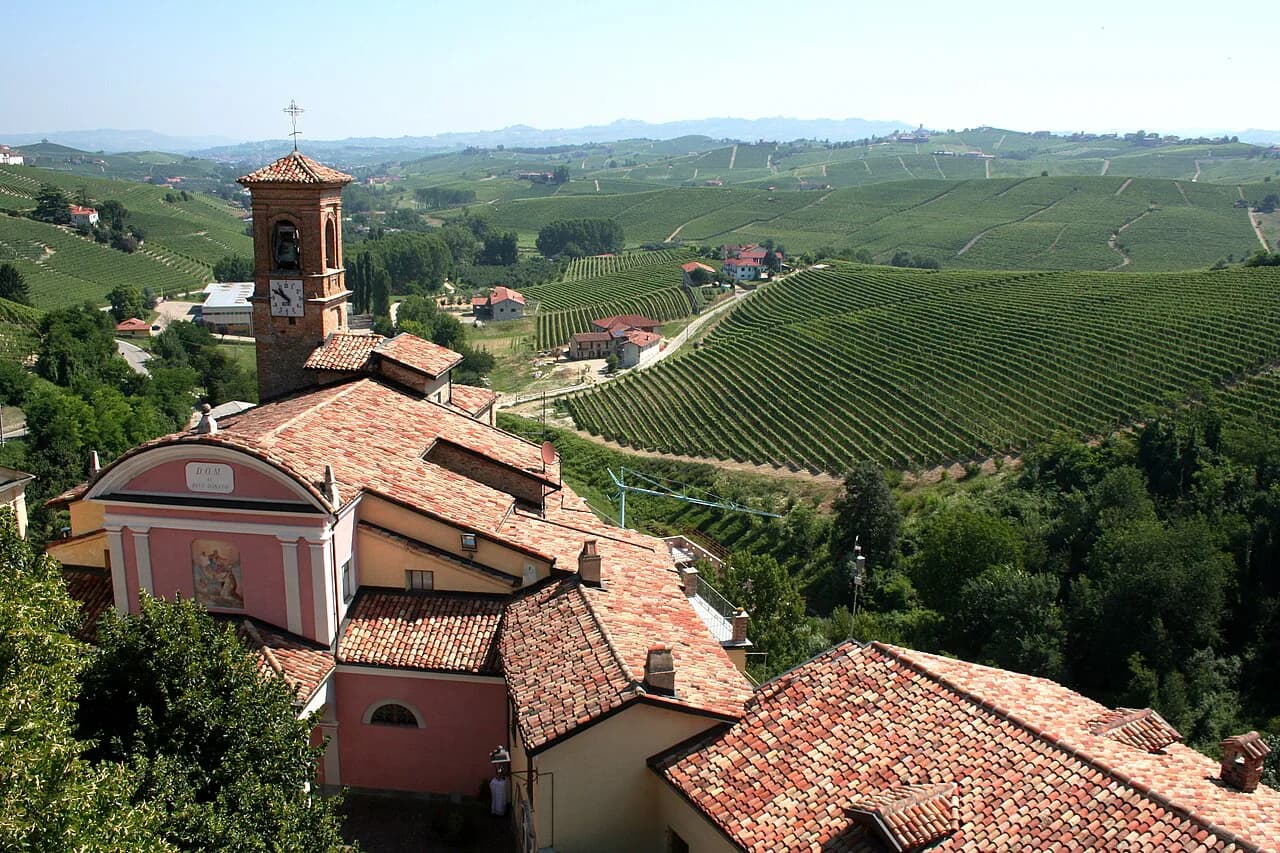
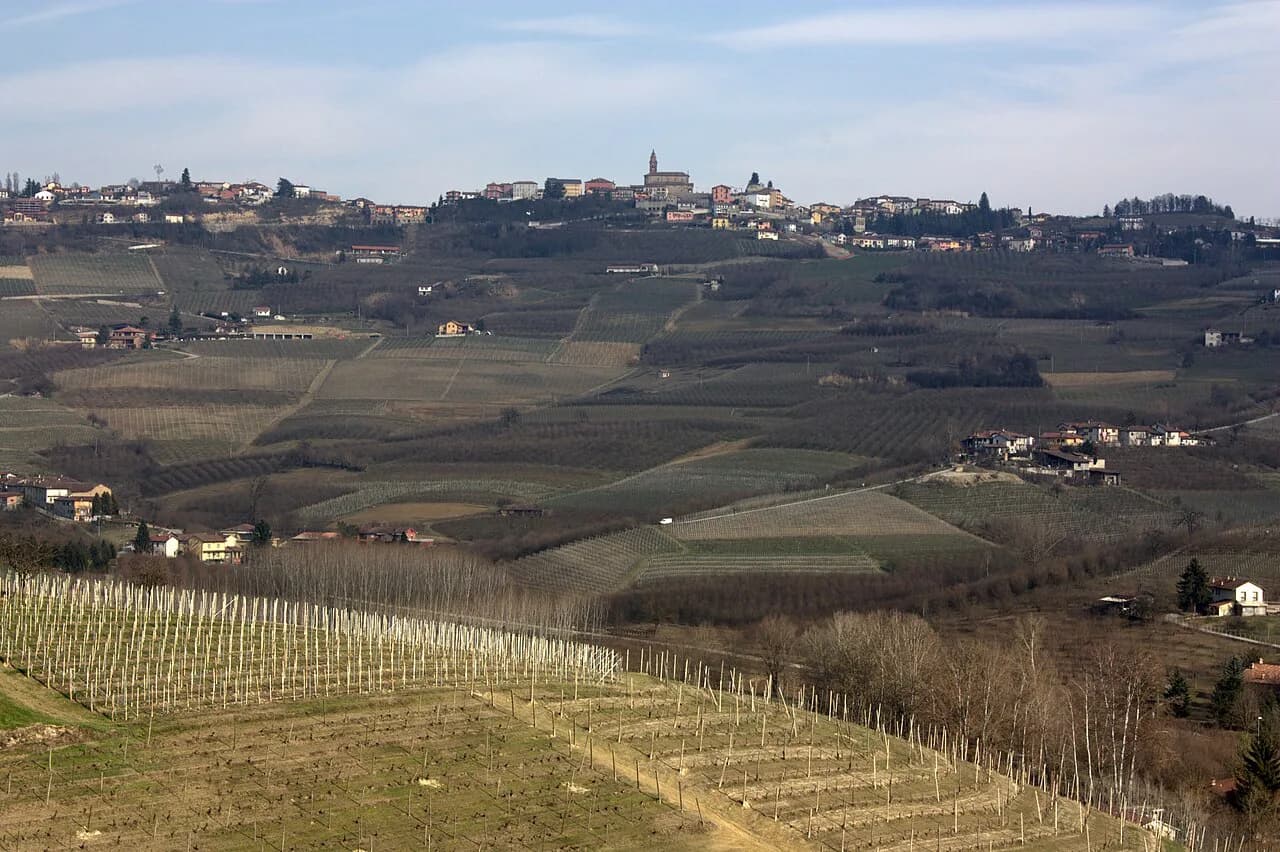
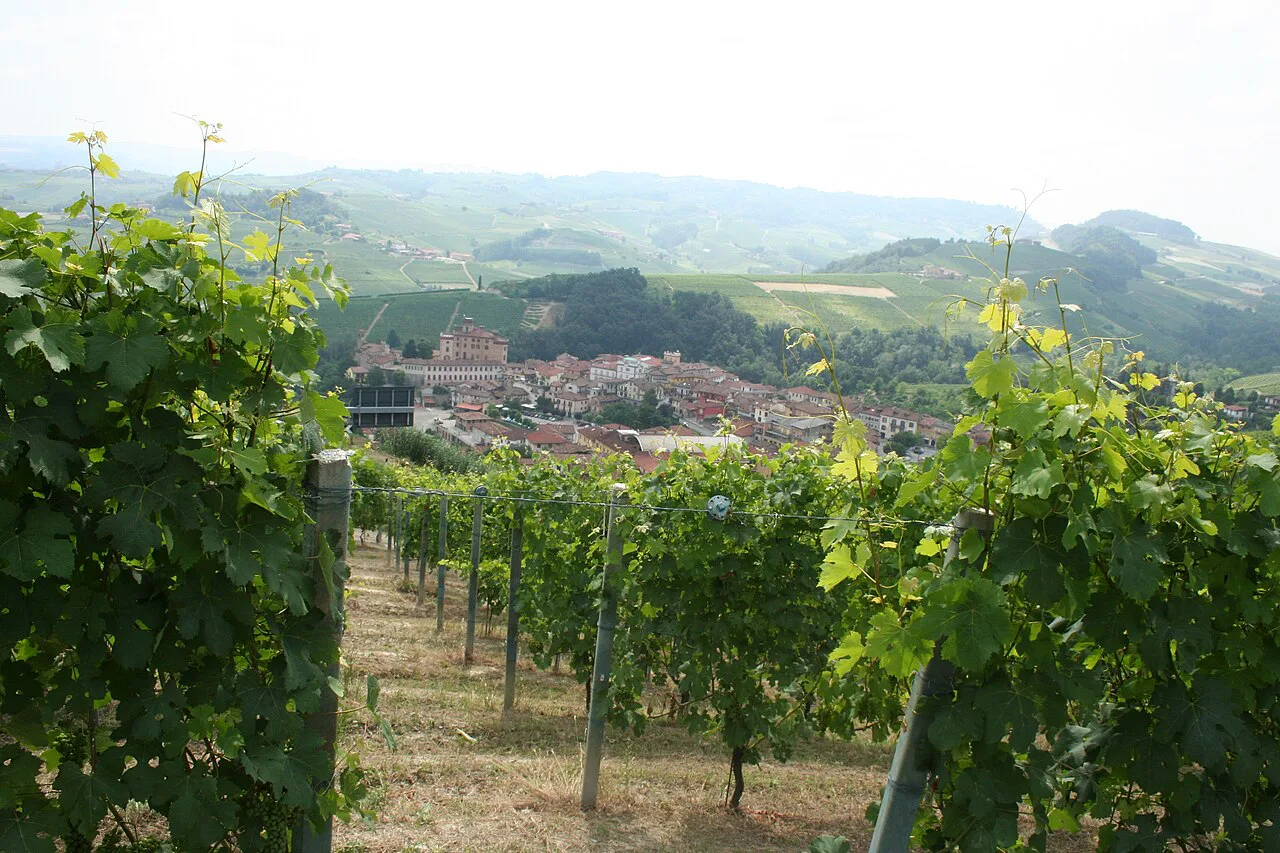
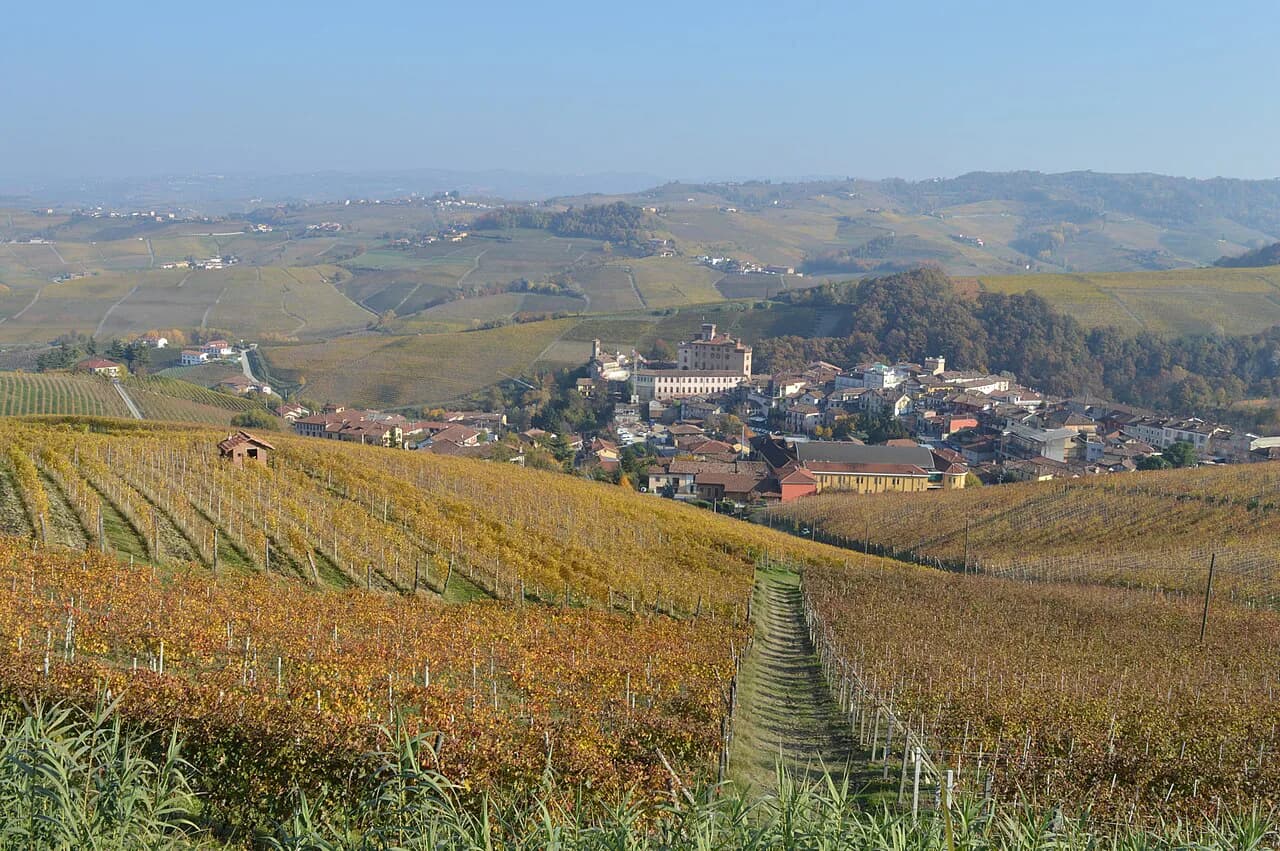
Barolo is a small village in the Langhe, the hill country between Alba and Bra in southern Piedmont, and Damilano's cellars belong to that village core rather than to a remote country estate. Travelers usually anchor the area in Alba, the region's compact market town and the easiest base for a first Piedmont wine trip. From Turin the transfer to Alba takes just over an hour by road, while Milan is closer to two hours, so Turin works well as a base if you accept a full day on the road.
Think of the Barolo zone as a ring of villages rather than a single destination. Barolo village, La Morra, Castiglione Falletto, Serralunga d'Alba and Monforte d'Alba each hold cellars, and the distances between them look short on a map but compress into slow, winding hill roads. Grouping Barolo village with La Morra in one day and saving Barbaresco and Neive for a separate outing keeps driving time down. If you need a wider shortlist of village cellars to slot around Damilano, browse the Barolo wineries directory before fixing your route.
The Wines to Understand Before You Book
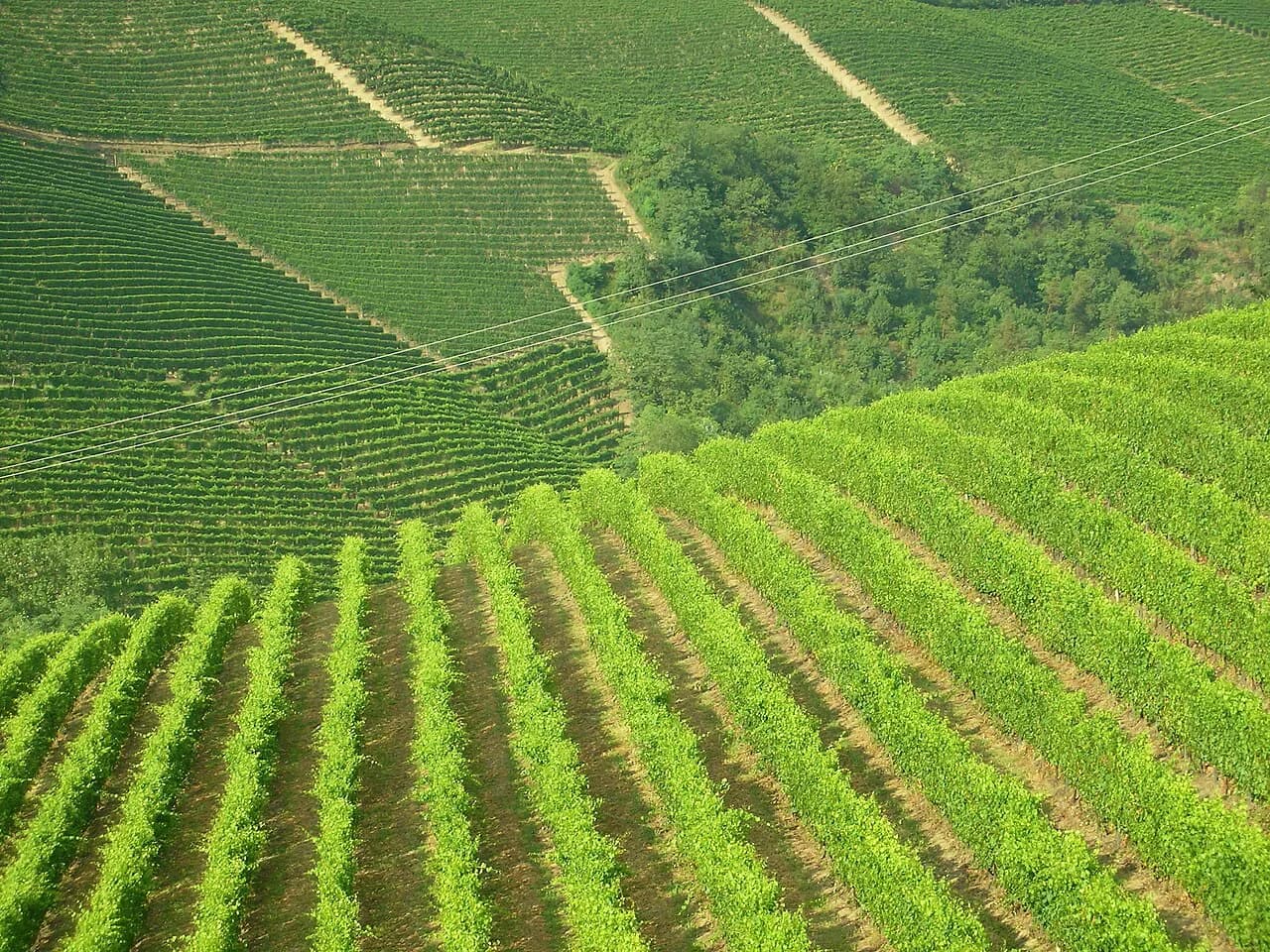
Barolo is made from Nebbiolo, a grape that gives firm structure and long ageing potential, and the wine carries DOCG status, Italy's highest quality tier. The appellation's rules require a minimum of two years in oak barrels plus a year in bottle before release, which is why even an entry-level Barolo arrives with bottle age behind it. The Nebbiolo grape may only be grown in eleven communes around the village, and since 2014 the vineyard landscape has held UNESCO World Heritage status.
Cannubi is the vineyard name most travelers hear first in Barolo village, a single site on the doorstep of the village itself, and it makes a useful topic when you book. Piedmont's other reds round out a tasting flight: Barbera brings bright acidity and immediate appeal, Dolcetto is lighter and fruit-forward, and the whites of Roero, Arneis in particular, offer a reset after structured reds. A broader look at regional tasting options, including the sparkling Moscato d'Asti style, can help you decide how many estates to fit into one trip, just as the Bologna wine guide weighs Colli Bolognesi estates against one another for a comparable decision.
Appointment Culture: Why Barolo Runs on Bookings
Nearly every serious estate in Barolo and Barbaresco works by prior appointment, and walk-ins are rare. Tastings here are seated, guided, information-dense sessions led by a family member or trained host, which caps how many visitors a cellar can absorb in a day. Reservations are typically requested two to four weeks ahead, and longer in the October to November truffle season around Alba. The practical consequence is that you should not build a Langhe day around an estate you have not confirmed.
The largest houses illustrate just how tight access can get. At Ceretto near Alba, all visits run by appointment through the estate's own hospitality team, with no walk-in tasting room, and the truffle pairing during the October and November white truffle season books far ahead. Damilano's visitor program, formats and any fees are published by the estate itself rather than by travel intermediaries, so request details directly before you commit to dates.
How to Book Damilano
Send one thorough request rather than several tentative ones. State how many people are traveling, whether you want a cellar tour as well as a seated tasting, the kinds of wine you want emphasized, and two or three possible dates in order of preference. A traveler who can shift by a day has noticeably better odds than one locked to a single morning, and this holds whether you contact the estate through its own website or by phone. Wherever you start, the booking must be confirmed by Damilano itself.
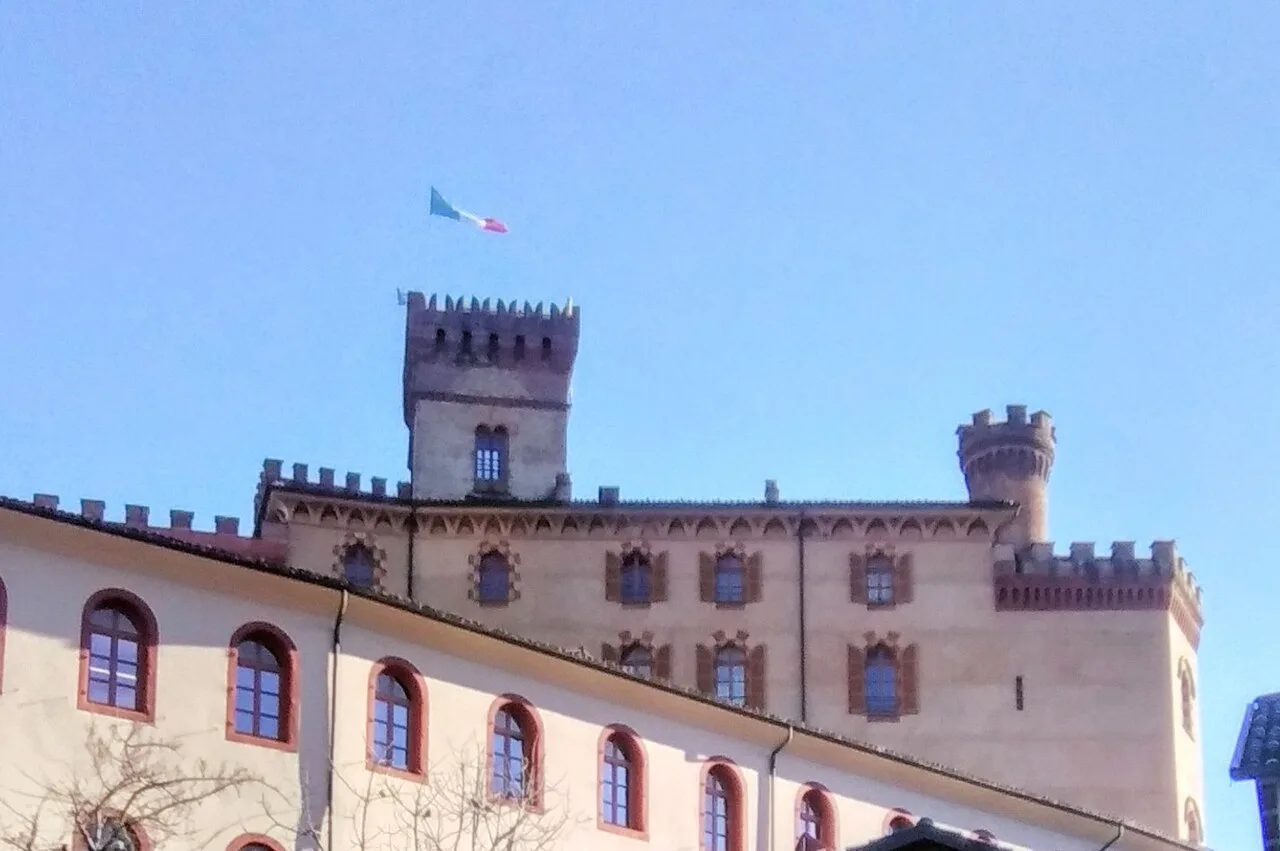
If Damilano cannot host you on your dates, decide your fallback before you leave Turin. Barolo village absorbs a changed plan well, because the castle enoteca and a major walk-in tasting room sit within a few minutes of each other. Treat the estate booking as the anchor of the day and the village stops as the flexible filler, not the reverse.
What a Barolo Tasting Usually Involves
Expect a seated, guided session lasting roughly 75 to 90 minutes, often focused on vineyard sites and ageing rather than brand storytelling. Two tastings a day is the sensible maximum once you factor in the winding drives and long Piedmontese lunches. Tasting fees across the Langhe commonly fall in the €30 to €80 range, sometimes waived against a purchase, though each estate quotes its own figure when you book.
Fees vary by format as much as by estate. At Ceretto, basic tastings start from around €20, and the estate's team quotes the rest when you make contact, with any on-site restaurant meal billed separately from the cellar visit. Use that as a benchmark for what a quoted price does and does not cover, and treat it as a Ceretto figure only, not a guide to what Damilano charges.
Pairing Damilano with Other Barolo Village Stops
Barolo village rewards a full afternoon even if your estate booking falls through. The Castello Falletti houses both the WiMu wine museum, spread over several floors, and the Enoteca Regionale del Barolo on its enoteca floor, which pours wines from across the appellation rather than from one producer. The regional enoteca is not a substitute for a cellar visit, but it is an efficient way to calibrate your palate before an appointment.
Marchesi di Barolo, in the village, runs a tasting room with more flexibility than appointment-only estates, which makes it a useful short-notice option in October and November. Fontanafredda at Serralunga d'Alba, the former royal hunting estate, is among the more accessible major Barolo producers and offers cellar tours and a restaurant, with seasonal truffle dishes. Confirm the current format and availability with whichever estate you choose before travel.
If architecture and contemporary art interest you as much as the wine, the Cappella delle Brunate, with frescoes by Sol LeWitt and David Tremlett, sits in La Morra and belongs to the Ceretto estate rather than to Barolo village. It makes a logical second stop on a day that starts in La Morra and ends in Barolo. Visiting Ceretto Winery from Turin is a separate booking entirely, so plan it as its own appointment rather than an add-on.
Getting to Barolo Village Without Driving
The Langhe hills are poorly served by public transport, and no useful bus network links the wine villages, so the realistic car-free route is a train to Alba or Bra followed by a taxi or a booked guided tour. From Alba, Barolo village is a short drive through the hills. The trade-off is real: train-and-taxi travel is flexible and lets you taste freely, but each leg needs arranging and a country taxi can be slow to summon at the end of the day.
A tour or private driver costs more per person than independent travel but removes the coordination burden and the temptation to taste and drive. Many travelers use a driver for tasting days and handle lighter sightseeing themselves. Wine Tours from Turin are the simplest way to combine an estate appointment with village time when your trip is short.
Driving, Spittoons and the Designated-Driver Rule
Self-driving is possible and gives you the freedom to stop at viewpoints and villages that tours skip. It also requires discipline in a region where tastings are generous and lunches run long. Agree on one driver per car who does not taste at all, or use the spittoons provided at every serious tasting room. If that arrangement leaves nobody sober, book a driver or a tour instead.
When to Go: Seasons, Harvest and Truffles
May and June, then September into early October, give the most balanced conditions: green or turning vineyards, comfortable temperatures and easier winery access. Harvest, from late September into October, is spectacular but demands lighter tasting days and earlier planning. The Alba white truffle season, running roughly October into November, lifts food experiences but tightens availability across the Langhe, so pair fewer tastings with longer lunches if you travel then.
A One-Day Plan from Turin
Leave Turin early enough to reach Alba by mid-morning, then drive or ride up to Barolo village for a late-morning tasting slot around 10:00 to 11:00, which is when estates often prefer to receive visitors. Lunch runs long in Piedmont, so treat it as part of the itinerary rather than a pause, and plan nothing tight immediately afterwards. Add the enoteca or WiMu in the afternoon, keeping any second tasting optional.
With only an afternoon, cut the second tasting and the museum, and concentrate on one confirmed appointment plus a walk through the village. Travelers staying several days can add a separate Barbaresco day and a Roero excursion for Arneis. Reference the existing wine tasting routes out of the city if you want to split estate visits across a longer stay in Piedmont.
Book Damilano Before You Leave Turin
Get the Damilano request in early, state group size and flexible dates, and confirm the format and fee directly with the estate before you build a day around it. Keep a Barolo village fallback in your pocket: the regional enoteca, the WiMu museum and the walk-in tasting room in the village all absorb a changed plan without wasting the drive. Decide in advance who is not drinking, and let the vineyards rather than the schedule set the pace.
Once the Damilano appointment is confirmed, add a second Langhe day for Barbaresco and Neive or for Roero's whites, and stop trying to fit everything into one loop. Two well-paced days, or three, reveal how differently Nebbiolo behaves across the hills. That contrast, not the number of cellars ticked off, is what makes a Piedmont wine trip worth the journey from Turin.
Frequently Asked Questions
How do you book a tasting at Damilano winery?
Contact the estate directly and send one clear request covering group size, preferred format, and two or three alternative dates. Barolo estates generally manage their own visitor calendars rather than selling places through third-party platforms, so the confirmation has to come from Damilano itself. Ask for the current tasting formats and fee schedule in the same message.
Can you visit Damilano without an appointment?
Assume not. Barolo and Barbaresco work on prior booking, and walk-ins are rare at serious estates because tastings are seated and guided. If your dates are fixed and the estate cannot host you, the village of Barolo offers a regional enoteca and a walk-in tasting room within a few minutes of the castle.
How far is Damilano from Turin?
Damilano is in Barolo village in the Langhe, south of Turin. The usual route runs via Alba, which is just over an hour by road from Turin, with a further short hill drive up to Barolo. Milan is closer to two hours. Treat the whole outing as a full day from Turin rather than a half-day add-on.
How long does a Barolo winery tasting take?
Most seated, guided tastings in the Langhe run about 75 to 90 minutes. Because they are information-dense and often followed by long lunches, two tastings a day is a sensible ceiling. Late morning and mid-afternoon are the common booking slots.
How much do tastings cost at Langhe wineries?
Across the Langhe, published tasting fees vary by estate, format and season, and some houses reduce the fee against a wine purchase. Rather than rely on a secondhand figure, ask Damilano and any other estate for its own current price list when you request a visit, since tour, cellar and food formats are priced separately.
How do you get to Barolo village without a car?
Take the train to Alba or Bra and continue by taxi or a booked guided tour. The hill villages have no useful bus network, so a car-free day depends on arranging each leg in advance. A tour costs more but removes the risk of being stranded when the tasting ends.
What is the difference between Barolo and Barbaresco?
Both are made from Nebbiolo, but Barolo is generally more powerful and structured, shaped by site and long ageing, while Barbaresco is often perceived as more elegant and approachable earlier. Neither is better. Tasting them side by side is the clearest way to understand the difference.
When is the best time to visit Barolo wine country?
May and June, then September into early October, give the best balance of weather, vineyard scenery and winery availability. Harvest from late September brings energy but tighter scheduling, and the October to November truffle season around Alba raises demand considerably. Book earlier if you travel in those weeks.
Sources
Notes for your next wine trip
Optional updates to our winery and wine-town guides.
You might also like
Continue reading
More guides you'll find useful