WiMu Barolo Wine Museum: A Wine Day Trip from Turin
Plan a wine day from Turin to WiMu, the Barolo wine museum: what the exhibits cover, how to reach the Langhe, and how to line up cellar tastings nearby.
On this page
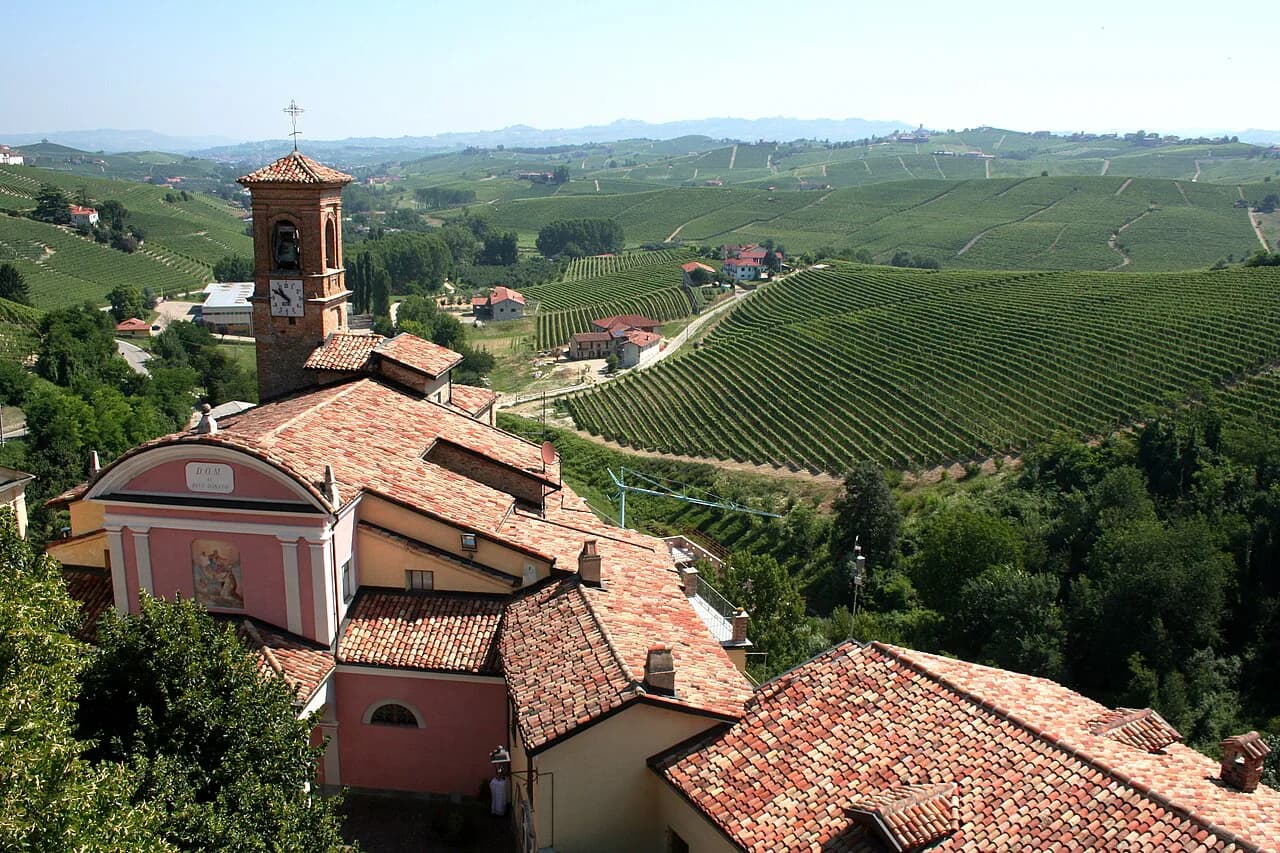
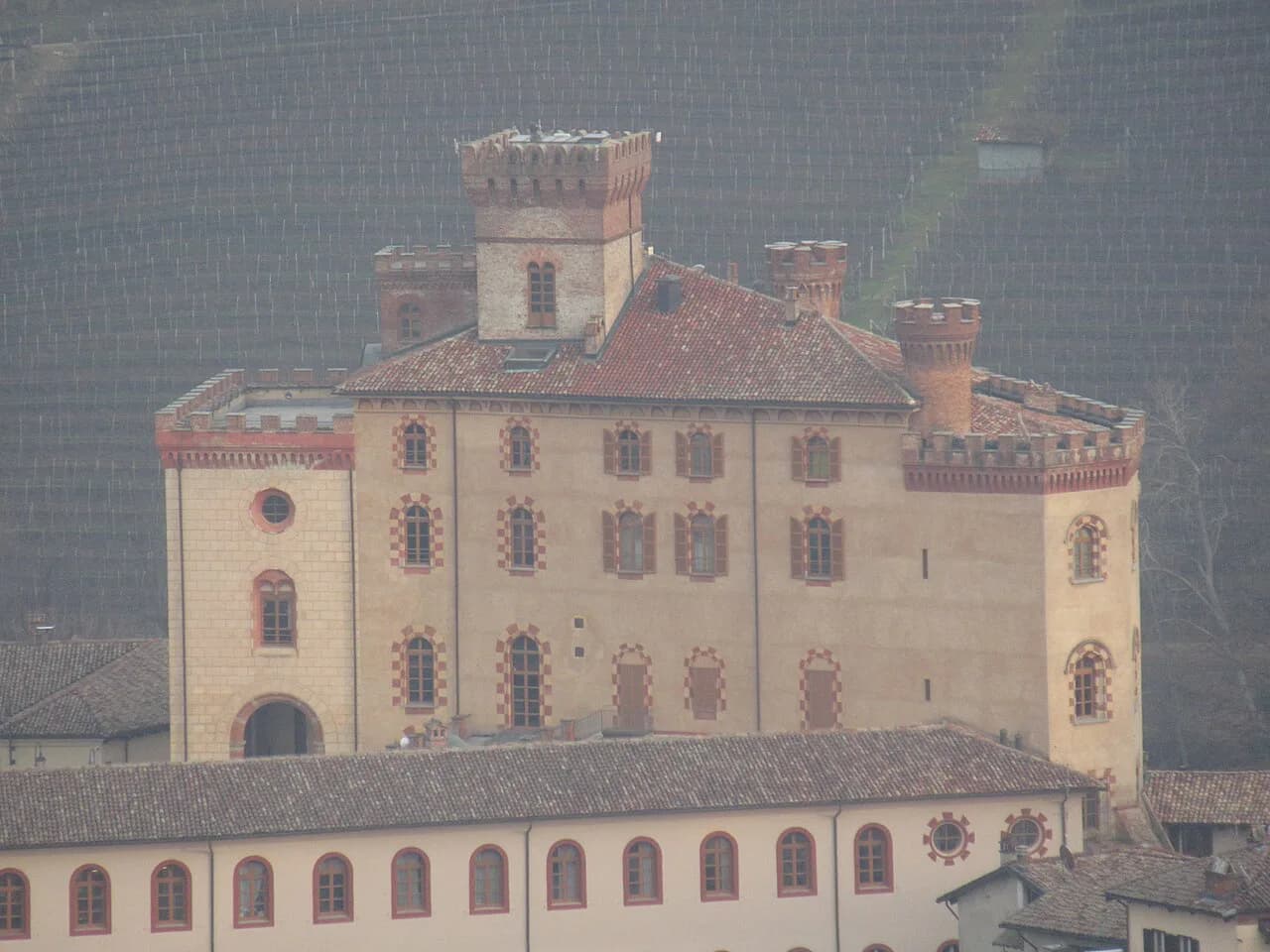
WiMu, the Museo del Vino a Barolo, sits in the castle above Barolo village in the Langhe hills south of Turin. It is a museum about wine as culture and landscape rather than a working cellar, so it works best as the anchor of a day that also includes a real tasting elsewhere in the district. This guide treats it that way: what to see, how to arrive, and how to arrange the cellar side of the trip.
Budget the day as two halves. The museum gives context on Nebbiolo, Barolo and Barbaresco and the hill landscape that shapes them; the tasting half needs to be arranged in advance with a cantina or enoteca that receives visitors. Our Turin Wine tasting guide covers the city-side options if you prefer to start closer to base. If you would rather compare a different city's cellar scene before deciding, wine tasting in Verona covers Valpolicella and Amarone in the same planning spirit.
Quick answer: what WiMu is and why it belongs on a Turin-based wine itinerary
WiMu is the wine museum housed in Barolo's castle, in the village that gives the appellation its name. It explains wine through exhibits on the Langhe, its grapes and its history rather than pouring samples, so expect an interpretive visit, not a tasting. Its ticket desk, seasonal opening calendar and any timed-entry rules are published by the museum itself, and those details change through the year.
It earns a place on a Turin itinerary because it puts you in the middle of the Barolo zone in one move. From the castle you can walk into the village and, with prior arrangement, reach cellars and wine shops in the surrounding villages. Treat the museum as the fixed morning and the tasting as the flexible afternoon, and the day holds together even if a cellar appointment runs long.
If you want a broader menu of Piedmont cellars and organized departures before fixing dates, browse the options set out in our Turin wine tours comparison. That helps you decide whether to build the day independently or hand the logistics to an operator.
Where WiMu sits in Barolo village and how the Langhe wine district is laid out around it
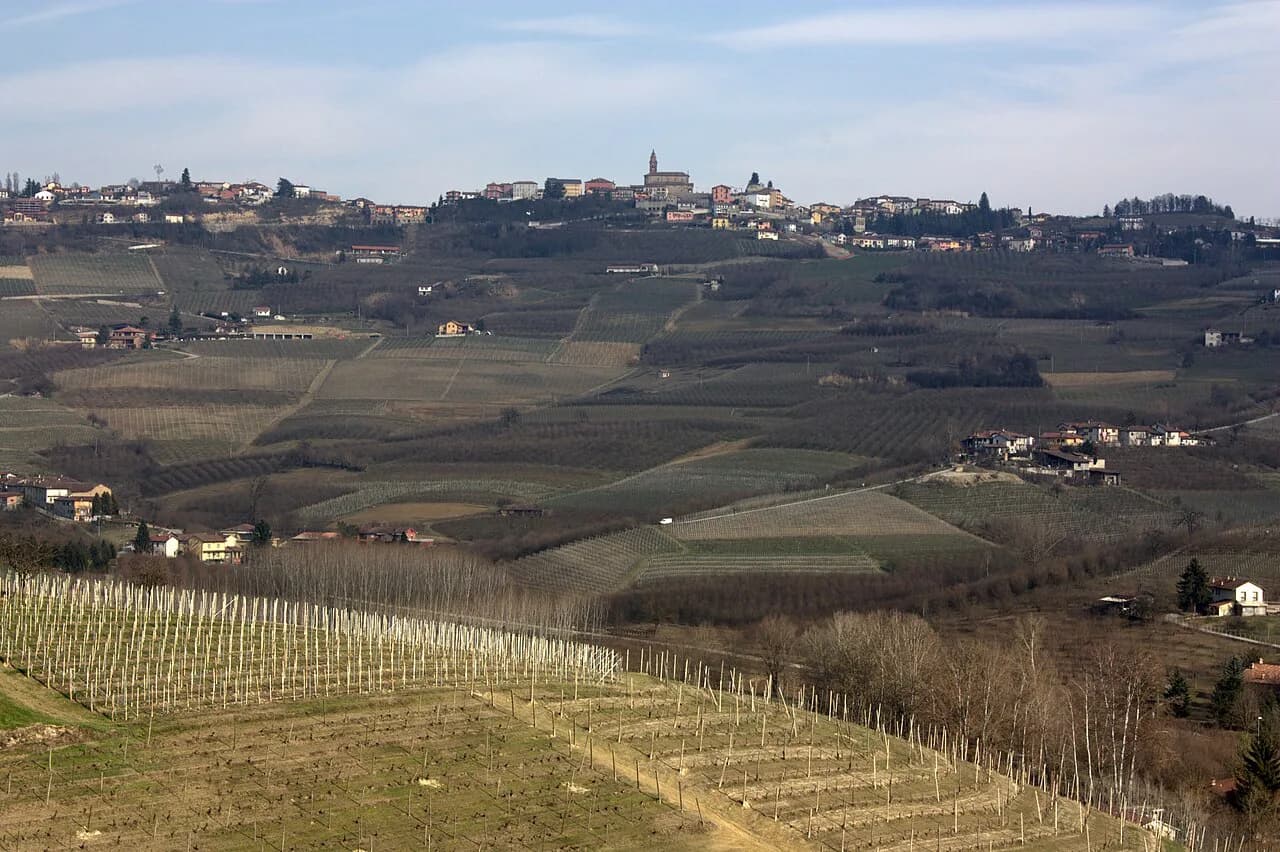
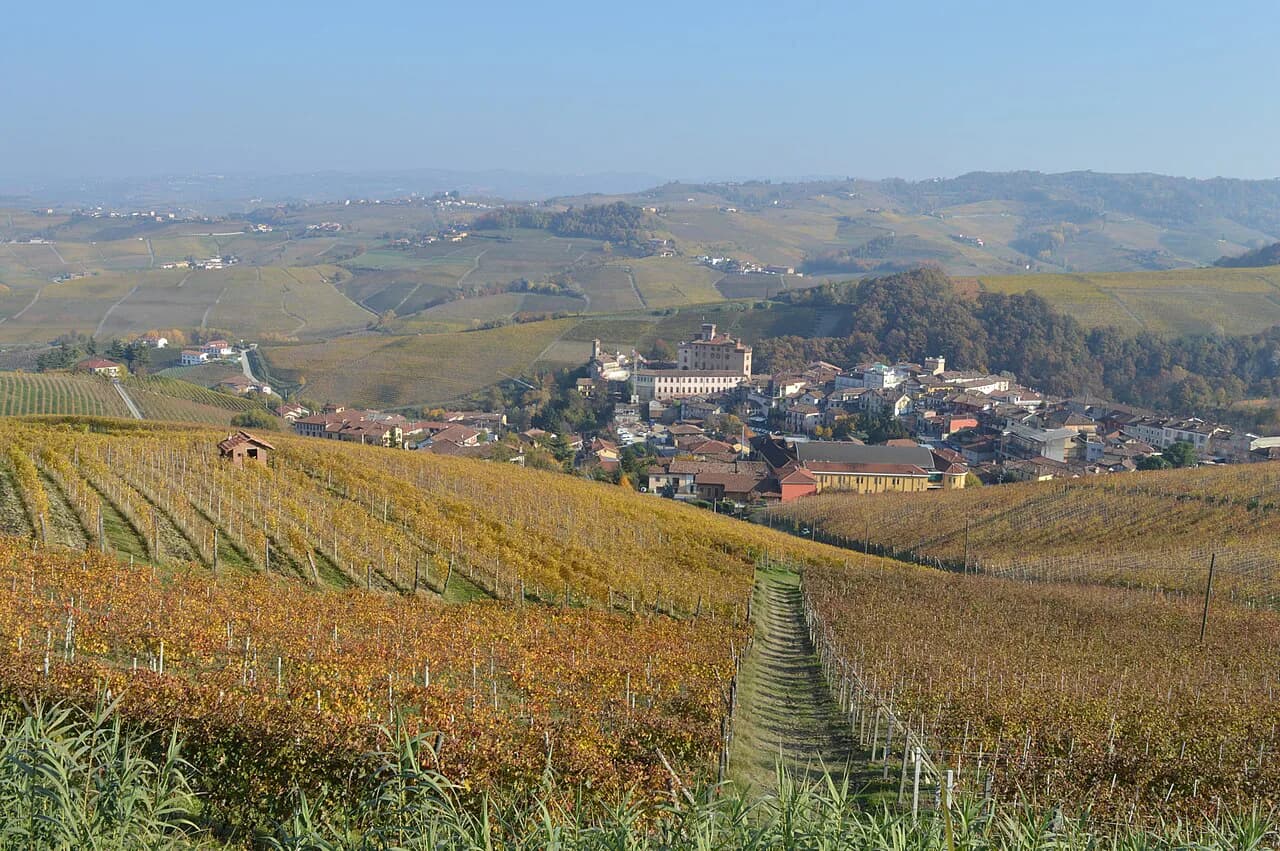
Barolo is a small village on a ridge, and the castle with WiMu crowns it; the rest is a compact knot of lanes, wine shops and eateries that you can cover on foot in a short walk. Below and around the ridge, the Langhe spreads out as a patchwork of hilltop villages linked by slow, curving roads. That geography is the single most useful thing to understand before you plan: distances look short on a map but take longer than expected.
Three places organize the district for a visitor. Barolo and nearby Serralunga d'Alba and La Morra anchor the Barolo zone; Barbaresco village anchors its own appellation to the northeast; and Alba, the largest town in the area, is the practical hub for buses, shops and the white-truffle season. Grouping stops by these clusters saves you from crisscrossing the hills.
The museum sits at the top of the village, a short uphill walk from the center. Wear shoes that handle cobbles and a slope, and leave the car at the village edge rather than hunting for space in the lanes. The walk back down is the reward for the climb.
What the museum covers: Barolo and Barbaresco appellations, Nebbiolo, and the Langhe landscape
The museum's subject is wine as a product of place. Expect the Langhe hills, the Nebbiolo grape and the two great appellations built on it, Barolo and Barbaresco, to run through the exhibits, set alongside the history of the villages and the people who farmed them. It is the kind of visit that makes the labels you meet later in the day legible.
Nebbiolo is the grape to hold in mind. It ripens late, it is grown on hillside sites across the Langhe, and it produces both Barolo and Barbaresco, the latter typically from the more easterly hills around Barbaresco village. Other Piedmontese grapes and styles appear in the region too, but for a first visit the Nebbiolo story is the one that ties the museum to the cellars.
Set aside roughly two hours for the museum, more if you read every panel, and check the museum's own site for the current calendar and any last-entry cut-off before you build the rest of the day around it. Because opening arrangements shift with the season, the museum's published information is the reliable source, not a fixed assumption about a particular weekday.
Turin to Barolo without a car: train to Bra or Alba plus bus or taxi, and the real time trade-offs
The no-car route runs by rail first. Trains from Turin connect toward the Langhe via Bra and Alba, which are the two railheads for this corner of Piedmont, and from there you continue by local bus or taxi into the villages. Rail timetables are published by Trenitalia, and the hill bus routes are run by the local bus companies, so check current times with them on the day rather than relying on any printed plan.
The trade-off is time and flexibility. Public transport into the villages is thin, especially on Sundays and outside harvest and truffle season, and a bus that suits the morning may not suit the afternoon tasting. A taxi between Alba or Bra and Barolo is the practical shortcut, but fares and availability are best confirmed locally, since hill taxis are few and should be booked rather than hailed.
The workable version without a car is to take the train to Alba, base the day there, and reach Barolo by taxi or a booked local transfer for the museum and one appointment. Alba also has the densest concentration of wine shops and eateries for the hours between connections, so you are never stranded waiting on a single bus.
Driving and guided-tour options from Turin, and why a driver should skip the tasting glass
Driving from Turin gives you the most control over the hill villages: you can link Barolo, La Morra and Barbaresco in one loop and stop where the view suits. The cost is attention. Langhe roads are narrow and winding, parking in the villages is limited, and a day that starts with a museum and ends with two cellar visits leaves no margin for a tired drive home.
A guided tour removes both problems. Operators run day trips from Turin into the Barolo and Barbaresco zone that combine transport with pre-arranged cellar visits, so the driving and the appointment booking are handled together. Compare the formats, group sizes and what is included in our Wine Tours from Turin overview before committing to one.
Whichever way you travel, the driver in the party should not taste. Use the spittoons that every tasting room provides, appoint a designated driver, or take a tour or public transport so nobody has to choose between the wine and the road. That single decision shapes the whole day's plan more than any other.
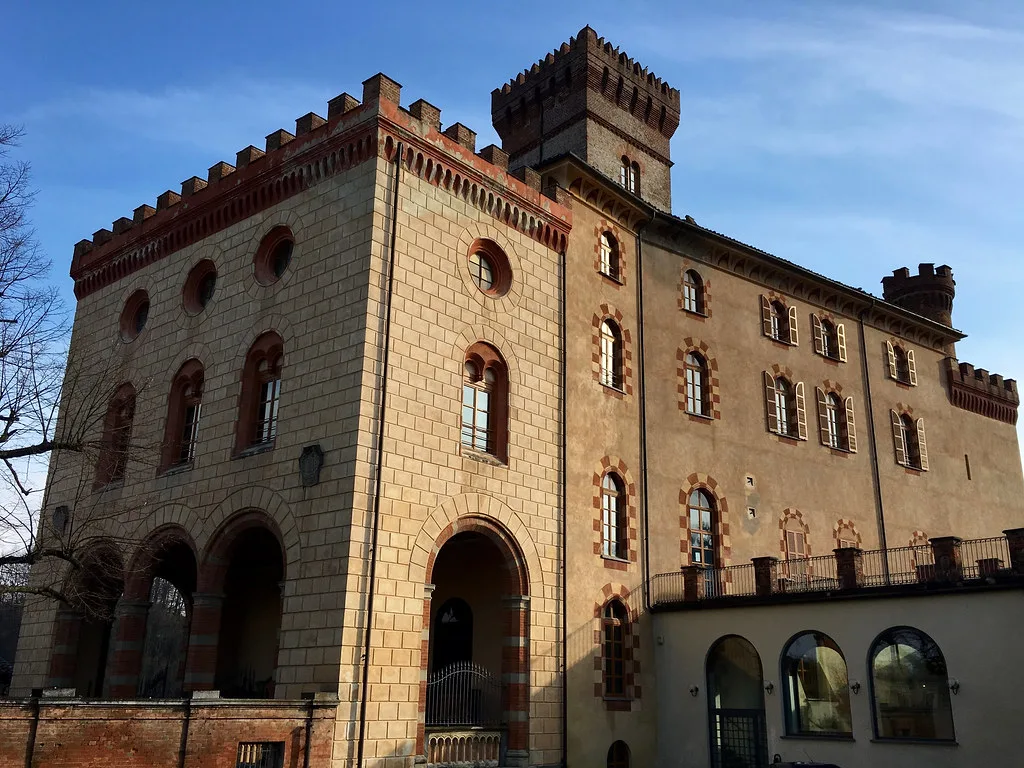
Tasting around Barolo village: enoteche and cantine that receive visitors, and appointment culture in the Langhe
The Langhe runs on appointments. Most small family cantine do not keep open doors for passing visitors; they receive guests by arrangement, often with the owner or winemaker pouring, and a same-day request frequently goes unanswered. Email or phone a week or more ahead, name your party size, and ask for the time slot you want. Wine shops and enoteche in Barolo and Alba are the walk-in option when appointments fall through.
When you write, ask three things: how long the visit runs, how many wines are poured and whether a cellar walk-through is included, and whether the host works in English or another language you need. Ask too whether there is a fee and whether it is credited against purchases; the answer varies from cellar to cellar and is the detail most often left out of email replies. Some producers charge for the tasting, some waive it with a purchase, and some receive only small groups.
For a shortlist of estates that take visitors around Barolo and the wider province, work through our guide to Turin wineries and the dedicated Barolo wineries page before you start sending requests. It is faster to email three well-matched cellars than ten at random.
Grouping a day: Barolo, Barbaresco and Alba as three bases for tasting rather than one village
A common first-timer's mistake is trying to taste in Barolo, Barbaresco and Alba in a single afternoon. The three sit in different parts of the district, and the connecting roads are slow; two appointments plus a museum is already a full day. Pick one tasting cluster per day and let the others wait for a return trip.
Barolo village is the natural pairing with WiMu: the museum in the morning, one cellar in Barolo or neighboring Serralunga or La Morra in the afternoon, and the drive or transfer back before dark. Barbaresco rewards a separate day built around its own village and the easterly hills, with Alba as the transport and lunch base. Alba itself is the third option, best in truffle season when the town is busiest and the wine shops are at their most active.
If your priority is the Barbaresco side or the Alba season, the itineraries in our Alba Wine Tours guide show how to structure those days around the town and its surrounding villages.
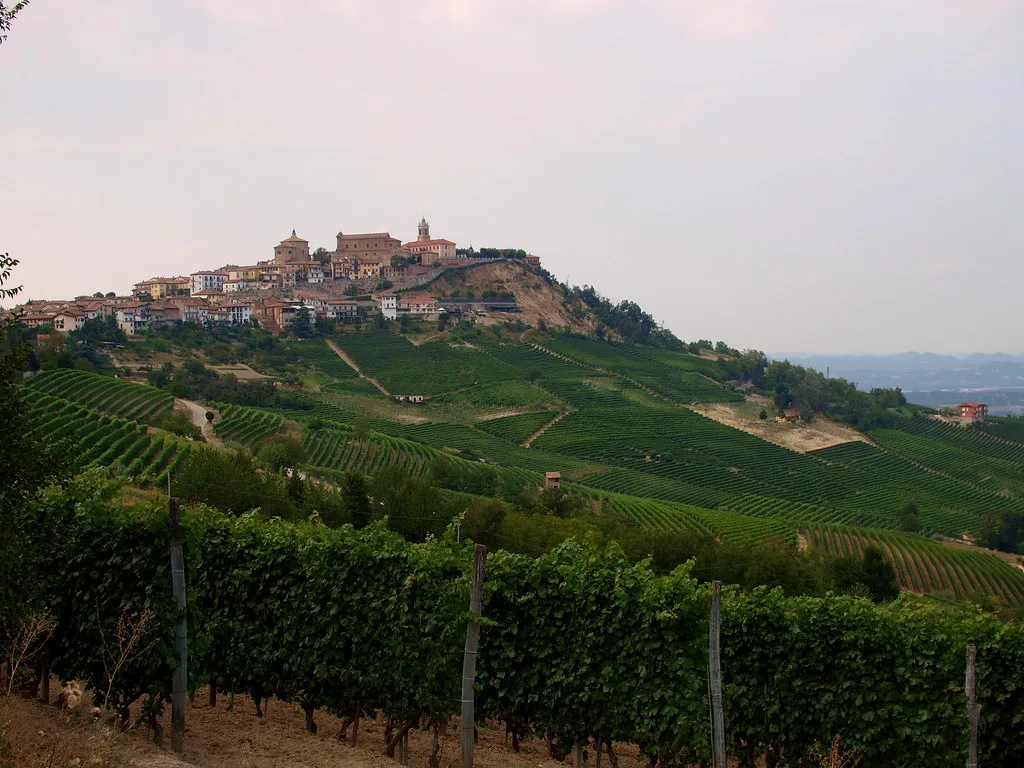
Harvest timing and seasonal rhythm for a Barolo-area visit
Nebbiolo ripens late, so the Barolo harvest generally falls in autumn, later than in many other European wine regions. That timing affects a visit: in the weeks around picking, cellar teams are in the vineyards and the winery, and appointments become harder to secure and shorter when granted. If you travel in that window, book earlier and expect a leaner visit.
The rest of the year has its own rhythm. Spring and early summer are quiet and good for unhurried cellar conversations; high summer brings heat and holiday closures at some small estates; late autumn overlaps with Alba's truffle season, when hotel rooms and restaurant tables fill and the district is at its busiest. Winter visits are possible but many small cantine receive by arrangement only, so plan a trip around a cellar only once it has confirmed.
The village itself is small enough that a harvest-time visit still works if you plan around the museum, the wine shops and a single confirmed appointment rather than a packed schedule. Fewer stops, booked further ahead, is the reliable approach in any season.
How to book tastings by email or phone, and what to ask about party size, duration and languages
Write a short, specific email: dates, number of people, whether anyone is driving and will not taste, the languages you need, and the style of visit you want, whether a quick tasting or a full tour with the cellar. Cellars reply faster to a clear request than to an open-ended one. Give a phone number, because many small estates answer by calling back rather than typing.
Ask about party size limits explicitly. Family cantine often cap visits at small groups, and a party of six may need to split or book a different producer than a party of two. Ask whether children or non-drinkers are welcome if your group includes them, and whether the visit involves stairs or a long walk through the cellars.
Once a cellar confirms, reconfirm the day before by phone or email. That single call catches a changed harvest schedule or a closure, and it is far easier than discovering it at the gate. Do the same for the museum if you are travelling in a shoulder season, since its calendar is the one fixed point your day depends on.
Practical budget framing for museum entry, transport and tasting fees without invented figures
Three costs shape the day: museum admission, the journey from Turin, and the tasting. None of them can be quoted reliably in advance here, because museum entry, rail and bus fares and cellar fees all change and vary by producer and season. Get each figure from its own source before you commit: the museum for entry, the rail and bus operators for transport, and each cellar for its tasting fee and whether it is credited against a purchase.
Set the budget by asking the cellars a direct question about fees and about any minimum purchase, and by pricing the transport both ways before you choose between train, taxi and tour. A tour bundles transport and visits into one figure, which is easier to plan around than assembling separate tickets, while independent travel is usually cheaper if you are comfortable with the schedule. Decide which of those matters more to you, then book accordingly.
Sorting the shorthand: WIMU also names a sports-tracking system, not the Barolo museum
The string wimu is worth typing in full before you search, because it is shared by two unrelated things. WiMu, with capital letters, is the Barolo wine museum described in this guide. WIMU in capitals is also the name of an athlete-tracking device developed by RealTrack Systems with the Barça Innovation Hub, documented on the FC Barcelona club website, and a search that mixes the two returns football training data rather than Piedmont cellar doors.
The device records GPS and indoor positioning data during training sessions, and coaches review it in the vendor's software. Athlete-monitoring support documentation and the vendor's platform portal are separate resources again, none of which has anything to do with museum tickets, wine tasting or the Langhe. If you land on one of those pages while planning, add Barolo, wine museum or Museo del Vino to the query to get back on track.
The practical payoff is small but real: bookmark the museum's own site once you find it, and use it as the single source for the calendar, ticket desk and any timed entry. That habit prevents a wasted morning spent on the wrong WiMu, and it keeps your travel dates anchored to published information rather than search results.
Wrap-up: the itinerary that works best for a first Barolo day from Turin
The version that works for most first visits is simple: train to Alba or Bra, a booked transfer or taxi into Barolo, WiMu in the late morning, one confirmed cellar appointment in Barolo or a neighboring village in the afternoon, and the return train from Alba. It keeps the fixed points few and the travel predictable, and it leaves room for a walk through the village lanes.
If you would rather not manage the connections, a small-group tour from Turin with a pre-arranged cellar visit does the same day with less friction, at the cost of flexibility. Either way, book the tasting first and the museum around it, keep the driver off the wine, and leave the second and third villages for another trip.
Plan Your Visit
WiMu gives a Turin-based wine day its context, but the tasting is the part you must arrange yourself, and the Langhe rewards those who book ahead. Check the museum's current opening arrangements and your cellar appointment before you travel, and build the day around one cluster of villages rather than three.
Keep the driver sober, use the spittoons, and let public transport or a tour carry the group when the plan includes more than one glass. With the museum and a single cellar fixed in advance, a first Barolo day from Turin is a manageable, memorable trip rather than a logistical gamble.
Frequently Asked Questions
What is WiMu in Barolo?
WiMu, the Museo del Vino a Barolo, is a wine museum housed in the castle at the top of Barolo village in the Langhe hills south of Turin. Its exhibits treat wine as a product of the landscape, the Nebbiolo grape and the history of the villages, so a visit is interpretive rather than a tasting. Plan roughly two hours and check the museum's own site for the calendar and ticket arrangements.
How do you get to Barolo from Turin without a car?
Take a train from Turin toward the Langhe railheads of Bra or Alba, then continue by local bus, taxi or a pre-booked transfer into Barolo village. Hill bus service is thin, especially on Sundays and outside harvest and truffle season, so many travelers base the day in Alba and arrange a return taxi. Check Trenitalia and the local bus operator for current times rather than relying on a printed plan.
Do you need to book wine tastings in the Langhe?
Yes, in practice. Most small family cantine around Barolo receive guests by arrangement rather than keeping open doors for walk-ins, and same-day requests often go unanswered. Email or phone a week or more ahead with your dates, party size, languages and whether the driver will taste, and ask about fees and group limits. Enoteche and wine shops in Barolo and Alba are the walk-in fallback.
What wines should you taste on a Barolo day trip?
Focus on Nebbiolo as it is expressed in Barolo and Barbaresco, the two appellations built on the grape in the Langhe hills. Barolo bottles on a first visit are the obvious anchor, with Barbaresco as the comparison from the more easterly hills. Ask each cellar what else it pours from Piedmontese varieties, since tasting menus vary by producer and are best confirmed when you book.
When is harvest in the Barolo area?
Nebbiolo ripens late, so picking around Barolo generally falls in autumn, later than in many other European wine regions. In the weeks around harvest, cellar teams are stretched across vineyards and winery, which makes appointments harder to secure and often shorter. If you travel in that window, book earlier and plan fewer, confirmed stops rather than a packed schedule.
Is WiMu worth visiting for wine travelers?
It is worth it if you want context before or alongside tasting, because the museum connects the Nebbiolo story and the Langhe landscape to the labels you will meet in the cellars. It is not a substitute for a tasting and it does not pour samples, so pair it with a confirmed appointment in Barolo or a neighboring village. If your only goal is drinking wine, skip the museum and spend the hours in the tasting room.
Sources
Notes for your next wine trip
Optional updates to our winery and wine-town guides.
You might also like
Continue reading
More guides you'll find useful