Agriturismo Verona: Wine Estates With Rooms Near the City
Agriturismo around Verona as a wine-tasting base: where rooms sit in the Valpolicella hills, how booking works, and how to reach wineries without driving.
On this page
An agriturismo outside Verona solves a specific problem: the Valpolicella vineyards sit northwest of the city, and staying in the hills shortens the morning run to cellar doors. The trade-off is that you give up the walkable evening in Verona's center and depend on a car, a taxi or a booked tour to move between estates. This guide covers where the farm stays sit, what they are and are not, and how to pair rooms with tasting.
Verona's wine country is not one address. Valpolicella spreads across a string of hill villages, while Soave lies east and Lugana sits on the southern shore of Lake Garda. Deciding which district you want to taste in first makes the lodging choice much simpler, and the city's own cellar doors and tasting rooms are covered in the Verona wine tasting pillar.
Why an Agriturismo Outside Verona Beats a City Hotel for Wine Tasting
A farm stay in the hills trades hotel convenience for proximity: you wake up minutes from vineyards instead of a 20- to 30-minute drive out of the city. That matters if you plan a morning cellar visit and an afternoon in a second village, because you cut the back-and-forth. The cost is that dinner and an evening stroll usually happen on the property rather than in Verona's center.
Hotels inside the city suit anyone who wants restaurants, wine bars and transport on foot. Farm stays suit travelers who treat the day as a loop through the vines and accept a quieter night. If tastings are the main event, base yourself in the hills; if the city is the main event, stay central and day-trip. The list of tasting rooms and estates is the place to start: Verona wineries.
How the Geography Works: Valpolicella Hills to Verona Center
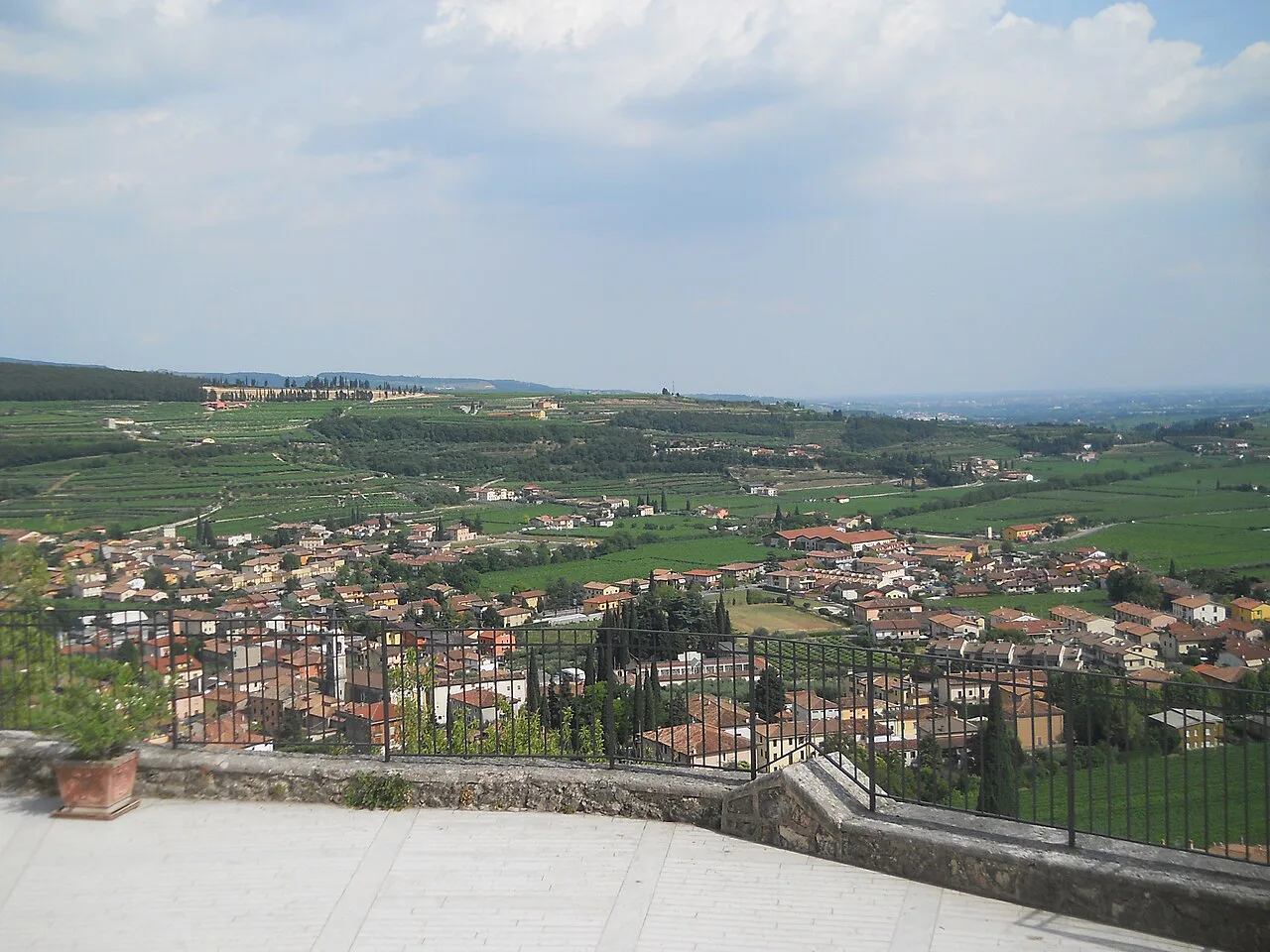
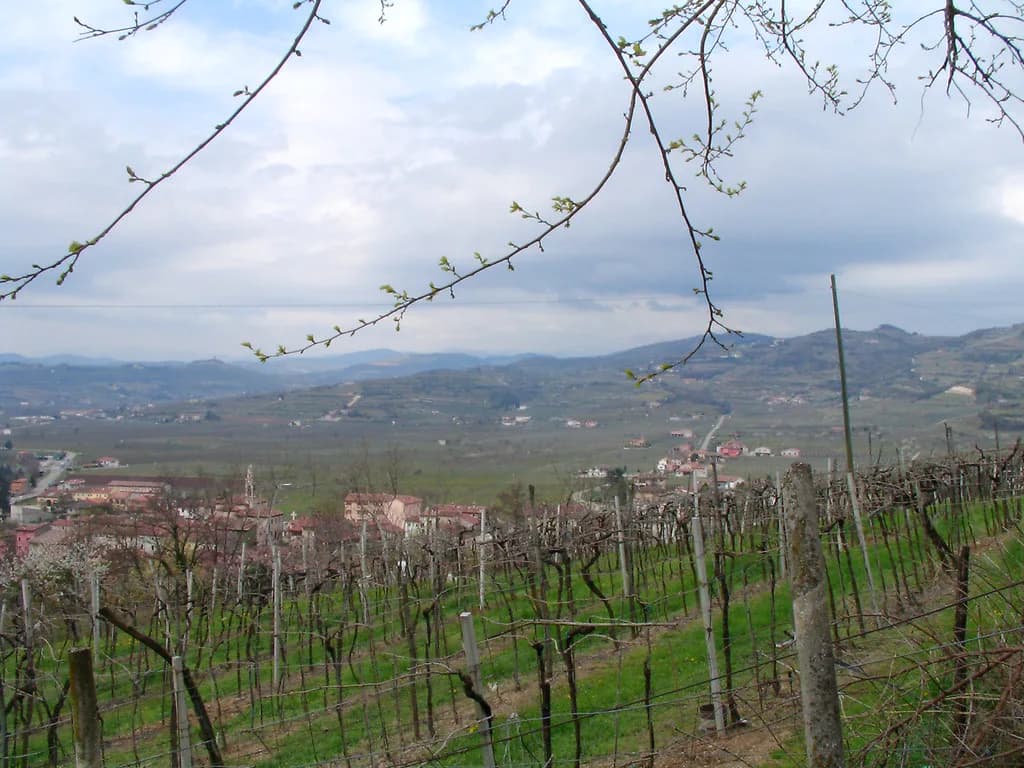
The Valpolicella zone lies northwest of Verona, with the historic core in the hills above villages such as Negrar, Marano, Fumane and Sant'Ambrogio di Valpolicella. The flatland belt closer to the city produces lighter wines, while the hillside sites are associated with the more structured styles. Distances are short in kilometers but slow on winding lanes, so plan fewer stops than the map suggests.
Group your day by village rather than by winery reputation. Sant'Ambrogio, at the western edge, pairs naturally with the lake side, while Mezzane di Sotto sits east of the main Valpolicella villages and fits a route toward Illasi. Ask the property how long the drive to your first appointment takes on a weekday morning; harvest traffic on narrow lanes changes the answer.
What 'Agriturismo' Means in Veneto Versus a Winery With Rooms
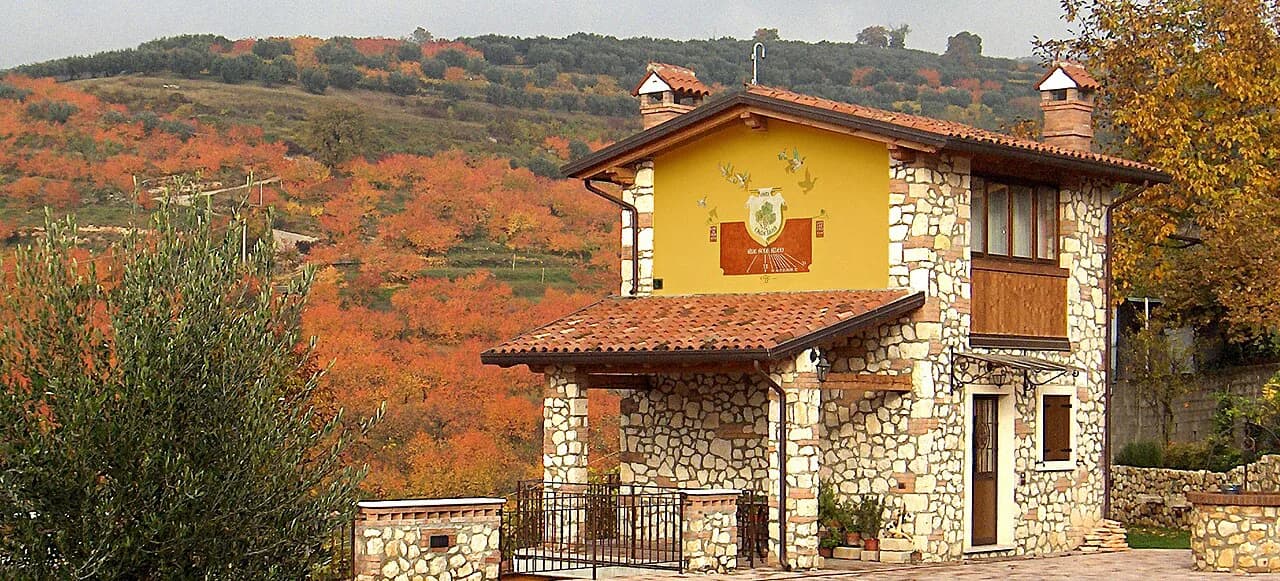
In Veneto, an agriturismo is a working farm that also takes guests; it may serve meals from its own produce and may or may not make wine. That is different from a winery that rents rooms and pours its own bottles in a cellar door. The distinction decides what you book: a farm stay gives you a rural base and often dinner, while a winery with rooms gives you the tasting on site.
Neither type promises a tasting room. Confirm before booking whether the property produces wine, whether tastings are offered to guests, and whether they are included or charged separately. If the cellar door is the priority and the farm stay is just a bed, arrange your tasting appointments directly with estates and treat the agriturismo as lodging.
Named Farm Stays Confirmed Around Verona
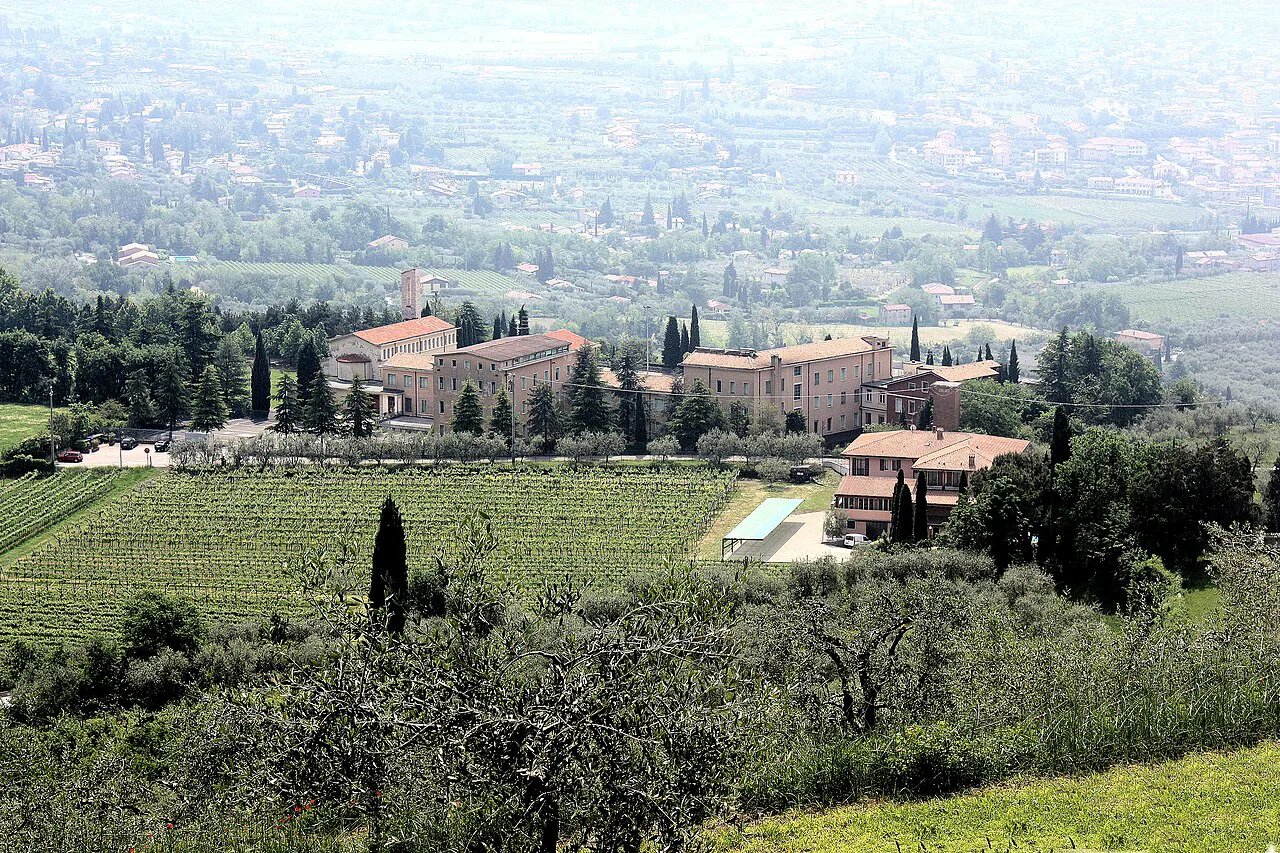
Corte San Mattia is described in guest reviews as a farmhouse on a hill with views over the valley and the city of Verona, and guests report staying in spacious garden rooms. That makes it a lodging choice with a panoramic setting rather than a documented cellar door, so ask about wine and tastings only if that matters to you. Read the guest reports for Corte San Mattia before you commit to a room type.
Corte Maccini appears in reviews as a family-run farm stay, with guests praising the people who run it. Again, the reviews describe hospitality and lodging, not a tasting program, so treat it as a country base near the city and confirm anything wine-related at booking. The reviews of Agriturismo Corte Maccini give a sense of the guest experience.
A regional farm-stay directory also lists properties in the Verona area, including entries in Sant'Ambrogio di Valpolicella, Mezzane di Sotto, Caprino Veronese, Castelnuovo del Garda and Cerea. The Sant'Ambrogio and Mezzane listings are the useful ones for Valpolicella tasting, since both sit inside or beside the wine villages. Browse the Verona farm-stay listings to see what is currently taking bookings.
Valpolicella Farm-Stay Listings Near Sant'Ambrogio and Mezzane
Sant'Ambrogio di Valpolicella sits at the western end of the Valpolicella hills, close to the Adige valley and within reach of Lake Garda's eastern shore. Staying here suits travelers who want to combine Valpolicella cellars with a day at the lake. Mezzane di Sotto lies east of the main Valpolicella corridor, quieter and more rural, and works well if you want to taste in the eastern villages without crossing the whole zone.
Use these villages as filters when comparing farm stays rather than trusting a single listing site. Cross-check the address on a map against your planned winery appointments and ask the host which villages are easiest to reach on the roads near the property. A stay that looks central on a regional page can still be 25 minutes of hill driving from your first tasting.
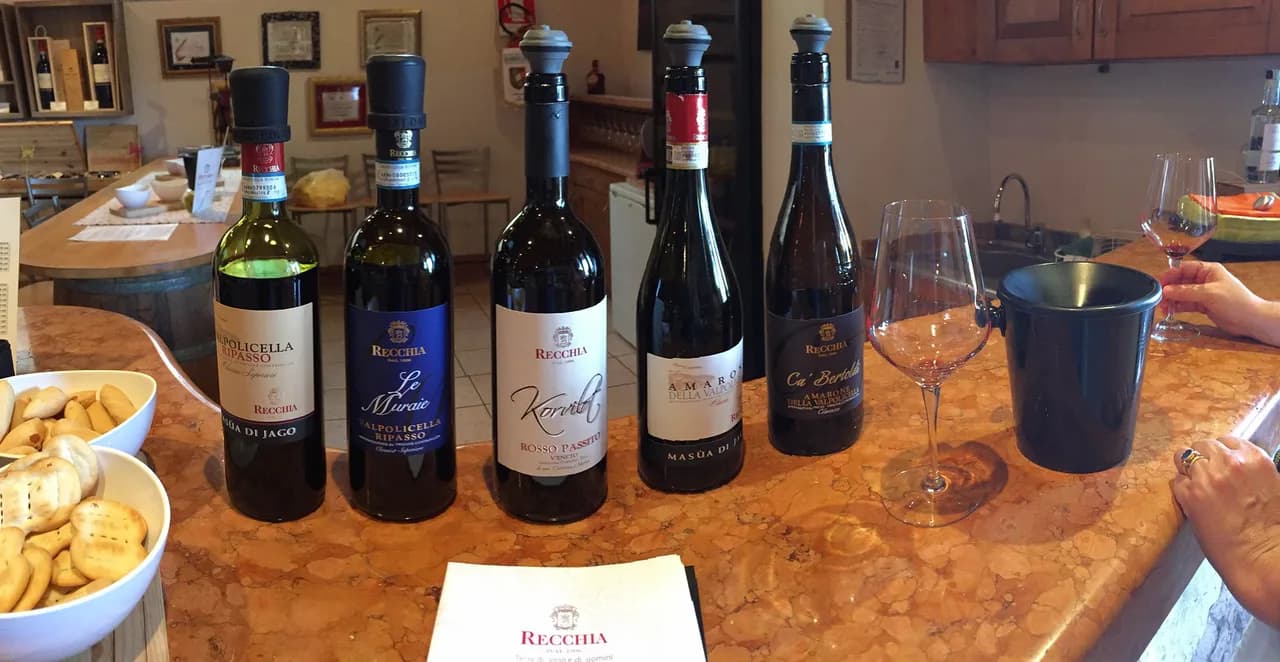
The Local Wines in Brief: Valpolicella, Ripasso, Amarone, Soave and Lugana
Soave, east of Verona, is a white zone centered on the Garganega grape, with a historic classico area in the hills. Lugana, south of Lake Garda, makes whites from Turbiana and is a short detour if you base yourself on the lake side. Knowing these styles helps you choose which district to book, since a Valpolicella base is the practical choice for red-focused tastings.
Booking a Farm Stay: What to Ask Before You Reserve
Ask four questions: whether dinner is served and on which nights, whether breakfast is included, what the cancellation terms are, and whether the hosts speak English or prefer email in Italian. Half board is common in rural farm stays and can be good value, but it also locks in your evening, which conflicts with a late tasting across the valley. Minimum-night rules often apply on weekends and in harvest season.
For the wine side, ask whether the property has its own production and whether guests can taste or buy bottles on site. If not, ask the host to suggest estates that receive visitors and how far they are. A short email in simple Italian or English with your dates and party size usually gets a clear answer faster than a booking platform message.
Getting From a Farm Stay to Wineries Without Driving
Cycling is realistic for fit riders on the quieter hill lanes between villages in spring and autumn, though heat and gradient make it a poor fit for a full tasting day. The driver in your group should skip the glass and use the spittoon at each stop, or let a tour or taxi handle the roads. Decide the transport plan before you book tastings, because cellar appointments run on fixed times.
Tasting at a Winery Versus Eating at an Agriturismo Restaurant
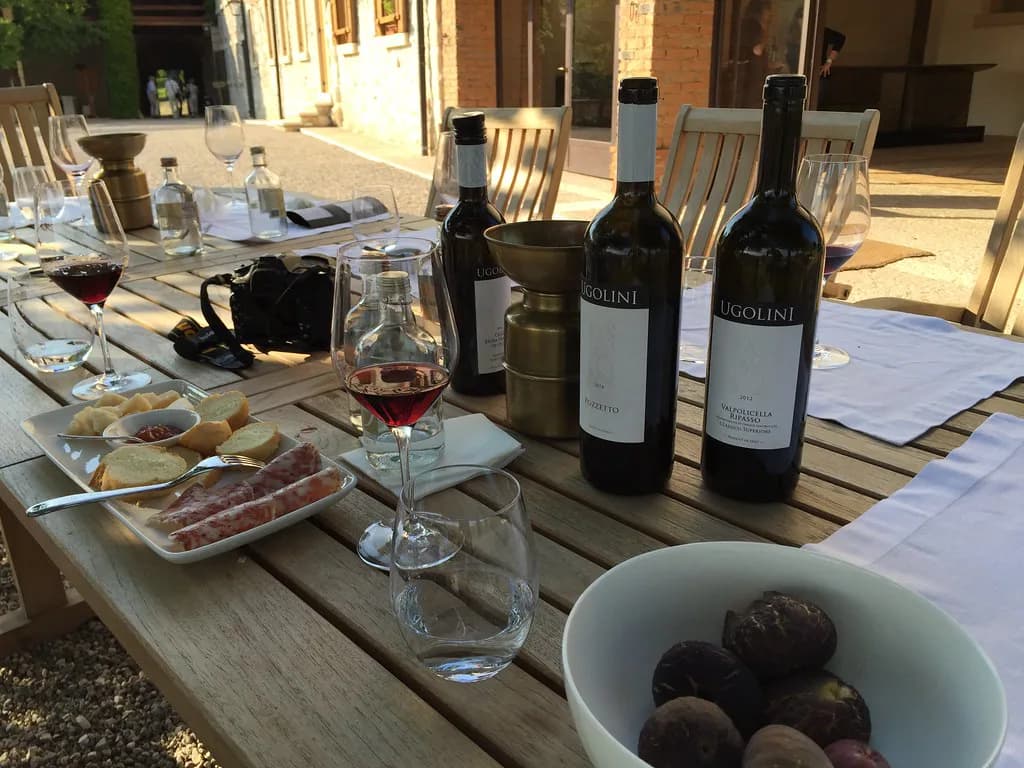
A winery visit centers on the cellar and a guided flight, usually by appointment, with the host walking you through the estate's range. A farm-stay dinner is a meal, often built from the property's own produce, and is not a substitute for a structured tasting. Combining both works best when the tasting is booked for late morning and dinner is back at the property, with a light lunch in between.
If the farm stay serves dinner, ask what time service starts and whether it is a set menu, since a fixed early seating can clash with an afternoon appointment. If you would rather eat in town, plan the drive back into Verona and check the last return leg with your taxi or tour operator. City evenings are covered in Verona Wine bars if you want to taste by the glass after dinner.
Timing Your Stay: Harvest, Spring and Autumn
Book rooms and tasting appointments together, because a confirmed bed without a confirmed cellar visit wastes the trip. The estates that receive visitors, and how their appointment culture works, are set out in Wineries Near Verona. If you are weighing different ways to structure the day, the same pages cover how tours and independent visits compare.
A Sample Two-Day Plan From a Verona-Area Farm Stay
Add a third day if you want Soave or Lugana, since both lie in the opposite direction from Valpolicella. If you would rather see how a professional estate runs a visit, an Allegrini Winery visit near Fumane shows the format. For a comparison with farm stays in another Italian wine city, see Bologna vineyard stays, which covers the same decision among the Colli Bolognesi.
Plan Your Visit
Book the room and the tastings in the same week, choose the village cluster that matches the wines you want to drink, and settle the transport before you arrive. A farm stay in the Valpolicella hills rewards planning with shorter drives and quieter evenings; a city hotel rewards spontaneity. Either way, keep the driver sober and let the spittoon do its job.
Frequently Asked Questions
Do Verona agriturismi serve dinner?
Many rural farm stays in the Veneto serve dinner, often from their own produce, but it is not universal and service days vary. Ask whether dinner is offered, whether it is a set menu, what time it starts and whether it is included in the rate or charged separately when you inquire.
Are Corte San Mattia and Corte Maccini wineries?
Guest reviews describe both as farm-stay lodging near Verona, not as documented cellar doors. Corte San Mattia is described as a farmhouse on a hill with views over the valley and the city. If a tasting on site matters, ask the property directly whether it produces wine and receives guests for tastings.
Can I taste Valpolicella wines without a car?
Yes, but plan it. Rural farm stays sit off regular bus routes, so taxis and pre-booked guided tours from Verona are the practical options. Book return transfers in advance, especially at weekends, and let a tour or taxi driver handle the roads if you plan to taste.
What is the difference between an agriturismo and a winery with rooms?
An agriturismo in Veneto is a working farm that takes guests and may serve meals, but it does not necessarily make or pour wine. A winery with rooms rents accommodation and offers tastings on site. Decide which you need, then confirm whether tastings are available, included or charged separately.
When is the best time to stay near Verona for wine tasting?
Spring and early autumn give mild weather for driving and cycling between villages, while harvest from mid-September into October is the busiest period for estates and lodging. High summer brings heat and lake traffic. Some rural properties reduce service in winter, so ask about opening dates when you book.
Sources
Notes for your next wine trip
Optional updates to our winery and wine-town guides.
You might also like
Continue reading
More guides you'll find useful