Lake Garda Wineries: Where to Taste from Verona
Plan a Lake Garda winery day from Verona: Bardolino and Lugana tasting rooms, booking culture, and how to reach the lake by train, bus or tour.
On this page
Lake Garda's wineries rarely sit in one cluster you can stroll between. The lake runs north to south for roughly 50 kilometers, and its wine districts spread across three separate zones: the Veronese eastern shore around Bardolino, the flat southern shore between Peschiera and Desenzano where Lugana is made, and the morainic hills inland around Custoza. Treating the lake as a single wine route means hours in the car; picking one district per day is what makes a trip work.
Verona is the natural base because the southern lake is short hop away and the city itself anchors a separate wine itinerary. A first day on the lake and a second in Valpolicella is a more satisfying split than two lake days, and Verona's wine tasting scene gives you something to do in the evening after the wineries close. If you are weighing other bases in the region, wine tasting in Turin offers the same city-plus-vineyard logic with Piedmont cellars instead of the lake.
The Lake's Wine Districts at a Glance
Bardolino is red-wine country: light, chillable wines built mainly on Corvina, with smaller shares of Rondinella and Molinara, grown on terraced slopes between the lake and the Monte Baldo ridge. Lugana, at the southern tip, is a white-wine appellation centered on the Turbiana grape, also called Trebbiano di Lugana, producing still, late-harvest and sparkling wines from the same variety. Custoza, inland from the eastern shore, makes fresh white blends from Garganega, Trebbiano and other local grapes.
The practical consequence is that your choice of district determines the wines you drink. If you want structured reds and cellar tours, head to the eastern shore; if you want to compare white wines side by side, spend the day on the southern flats. Trying to do both in one afternoon means a lot of driving and little tasting.
The southern lake is the easiest district to reach from Verona by rail, which matters more than the wine style for travelers without a car. The eastern shore is served by bus and by bicycle paths along the water, but the wineries sit up in the hills above the shoreline towns.
Bardolino and the Veronese Shore: Reds Between Lake and Monte Baldo
The Veronese shore strings together a line of towns, each with its own character and its own access to the vineyards above. Bardolino itself is the wine town, with tasting rooms and enoteche in the center and vineyard roads climbing behind it. Garda and Torri del Benaco continue north toward the narrower, more dramatic part of the lake, while Lazise sits south toward Peschiera.
The vineyards here occupy terraces and hillsides between the water and the Monte Baldo massif, a geography that keeps the area cooler than the flat southern shore and suits the lighter red styles. Because the slopes rise steeply behind the towns, walking from a waterfront hotel to a winery is often a climb rather than a stroll. That is worth factoring in when you decide whether to book a tour or rely on buses and bikes.
Appointment Culture: How Reservation-Only Tastings Work
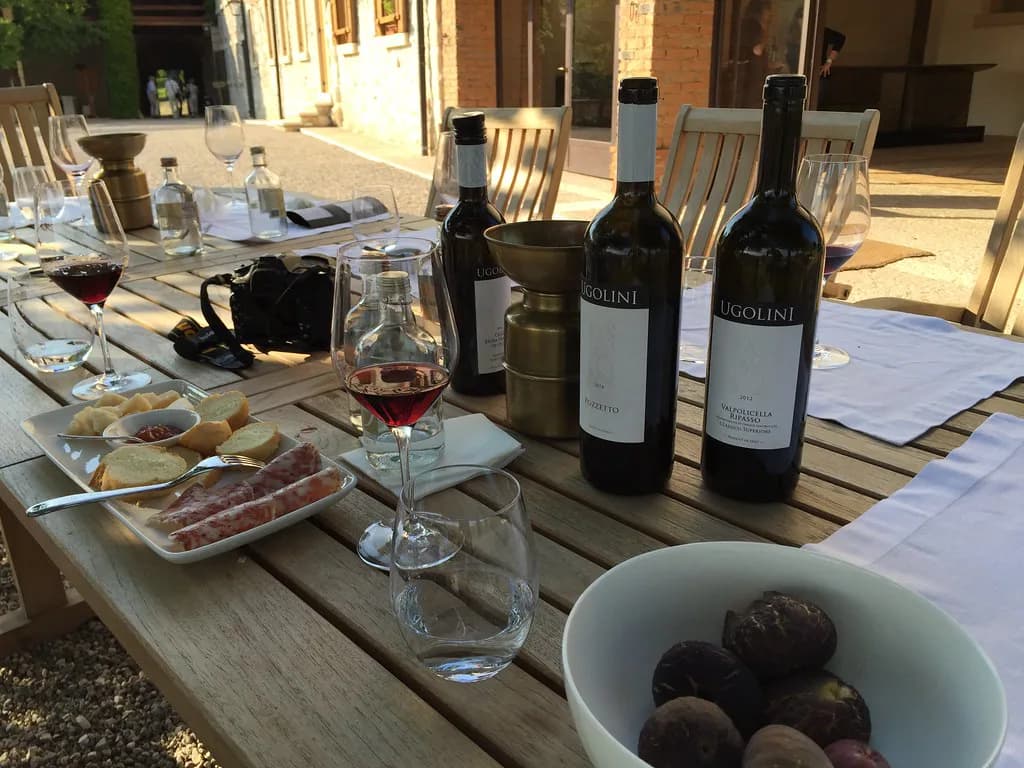
Small family estates around the lake commonly run tastings by reservation rather than keeping open doors all day. Corte Capitani, a family winery and country house on the hills above Bardolino, describes its tastings as reservation-only, with a separate picnic format where visitors pair wines with local snacks in a relaxed outdoor setting. That model is typical: you write ahead, agree a time and a format, and the visit is built around your group.
A booking email should state the date, your preferred arrival window, the number of people in your party, whether anyone is driving, and whether you want a cellar walk-through or just the wines. Ask how long the visit lasts and how many wines are poured, because formats vary widely between estates. You also want to know whether food is included or whether the tasting is wine only.
Lead time matters most in harvest season, roughly September and early October, when small estates are busy in the cellar and may have limited visitor slots. Spring weekends and the summer high season also fill early on the southern shore. A week or two of notice is usually enough for a small group outside peak periods, but two people asking for a Saturday in September should write further ahead.
Lugana on the South Shore: Turbiana Whites
Lugana straddles the Lombardy and Veneto border at the bottom of the lake, with vineyards around Peschiera del Garda, Desenzano and Sirmione. The DOC rules require at least 90 percent Trebbiano di Lugana, with the remaining share allowed to come from other permitted varieties. The same grape also goes into late-harvest sweet wines and into sparkling wines made by both the traditional method and the Charmat method.
Red wines in this zone fall outside the Lugana designation and appear under the Benaco Bresciano IGP instead, which is why a Lugana-focused winery may still pour a Merlot or a Marzemino. If you are booking by email, ask whether the tasting includes reds or stays with the whites, since it changes what you are signing up for.
Famiglia Olivini is a family-owned estate in the Lugana zone, described as producing Lugana whites along with reds, sparkling and sweet wines, plus olive oil and grappa, with a reported 26 hectares of vines planted mostly to Trebbiano. Azienda Vinicola La Rifra, run by two brothers, is reported as a small-production estate working with Trebbiano di Lugana and Marzemino. Both are described as receiving visitors with a vineyard and cellar walk followed by a tasting, though details of format and duration come from a third-party account and are worth confirming directly when you write.
One Winery Profile: Corte Capitani Above Bardolino
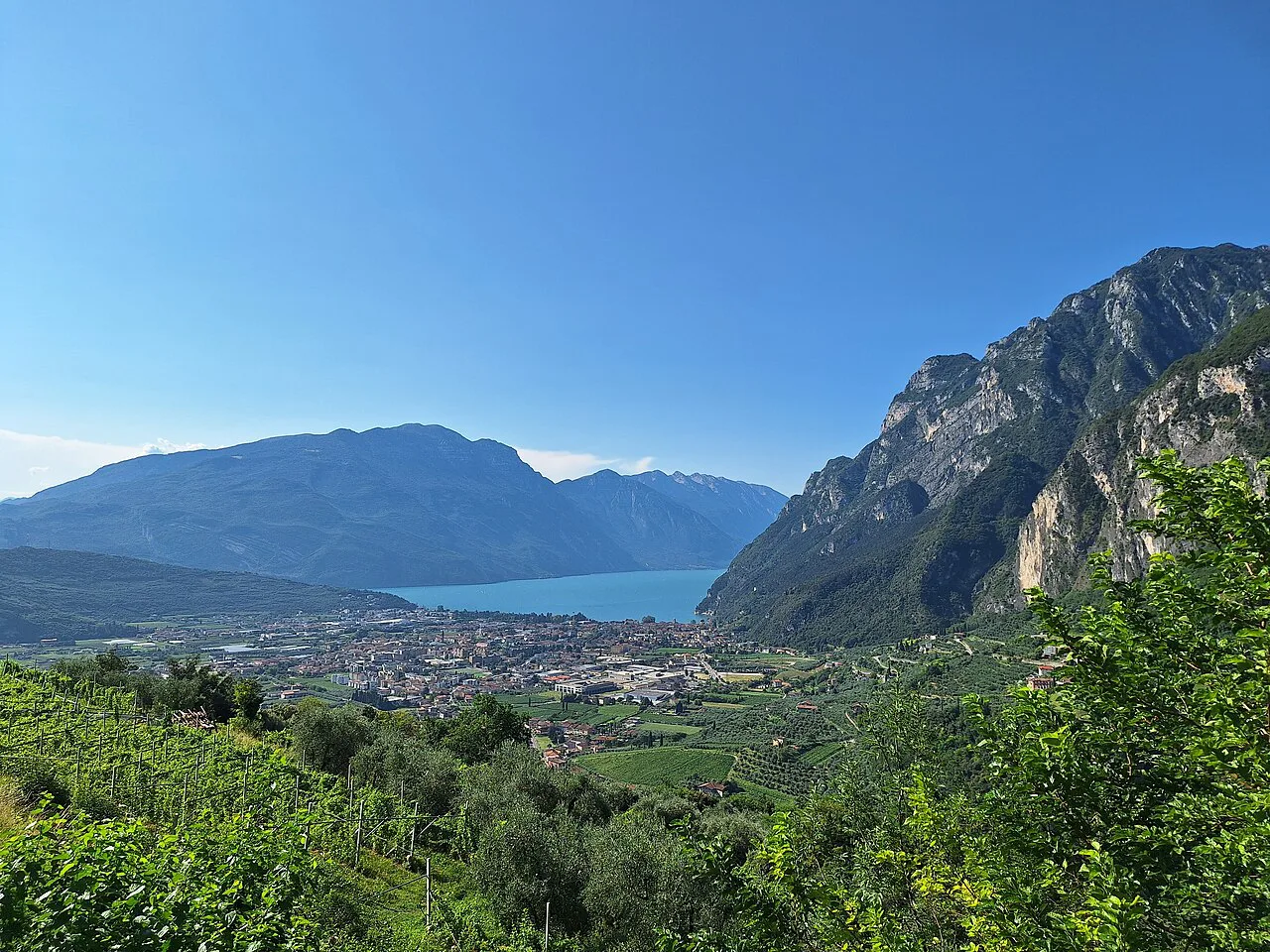
Corte Capitani sits in the hills between Lake Garda and Monte Baldo, a first-generation family project run by Jan and Wendy with terraced vineyards and several hundred olive trees on the Bardolino estate. The range runs from a Manzoni Bianco sparkling wine through white wines made from resistant PiWi varieties such as Johanniter, Bronner and Solaris, into a white labeled as an orange wine. On the red side, the wines include a Corvina-based Rosso Verona and a Rebo bottling.
Because tastings are by reservation, the useful move is to write with the wines you want to try and ask what the flight covers. The estate also produces extra virgin olive oil from its own trees alongside the wine, so an olive-oil addition is a fair question to raise when you book. The picnic format is a different proposition from a seated guided tasting and suits a group that wants a relaxed hour outdoors rather than a structured seminar.
Custoza and the Inland Villages: A Second Day
Custoza sits in the morainic hills south of the eastern shore, inland from Lazise and Bardolino, and makes fresh white blends rather than the light reds of the lakeside. Grouping Custoza with the eastern shore in one day means a lot of back-and-forth on hill roads. A cleaner plan is to give Bardolino and the shore one day and Custoza another, or to fold Custoza into a route that ends back toward Verona.
If you only have one lake day, skip Custoza and concentrate on either the eastern shore or Lugana. Travelers staying longer can also add a Valpolicella Classica day from Verona, which is a separate appellation inland from the city rather than part of the lake at all.
Getting There Without Driving
The southern shore is the easiest target by rail: trains from Verona run to Peschiera del Garda and on to Desenzano, putting you within reach of Lugana tasting rooms without a car. From either station, local buses, taxis and rented bicycles cover the last few kilometers to the wineries. The eastern shore is less rail-friendly, with buses along the shore road linking Peschiera, Lazise, Bardolino and Garda, but the estates sit uphill from the water and the final stretch is often a walk or a short taxi ride.
Taxis on the lake are scarce outside the main towns and fares add up quickly when you are bouncing between an inland winery and a waterfront hotel. Bicycles work well on the southern flats around Lugana, where the terrain is gentle and the distances short, but the climb from Bardolino into the hills is a serious ride in summer heat.
Anyone driving should not taste, full stop. Spittoons, a designated driver, a booked tour or public transport all solve the problem, and the southern shore's train line makes that the least complicated district to visit car-free.
Independent Visit vs. Organized Tour
Going independent gives you control over which estates you visit and how long you linger, and it costs less than a tour once you are moving by train and bus. The trade-off is that you handle booking each tasting yourself, coordinate bus timetables, and solve the last-kilometer problem at every stop. For a single winery visit on the southern shore, that is manageable.
An organized Verona wine tours day solves the driving and the logistics in one move, and it usually strings together two or three estates with a lunch stop. The cost is flexibility: you go where the itinerary goes and you taste on the schedule the tour company sets. For groups, or for anyone who wants to taste seriously across several estates in one day, the tour is often the more practical choice. It is worth checking current prices and dates before you book.
Pairing Wine with the Lake: Half-Day Add-Ons
Sirmione, at the end of its narrow peninsula on the south shore, combines a medieval castle, the Roman villa ruins at the Grotte di Catullo and lake views, and it sits close to Lugana vineyards. Borghetto sul Mincio, on the Mincio river south of the lake, is a small village of watermills and old stone houses that makes an easy afternoon stop. Both work as a half-day pairing with a morning tasting rather than as separate excursions.
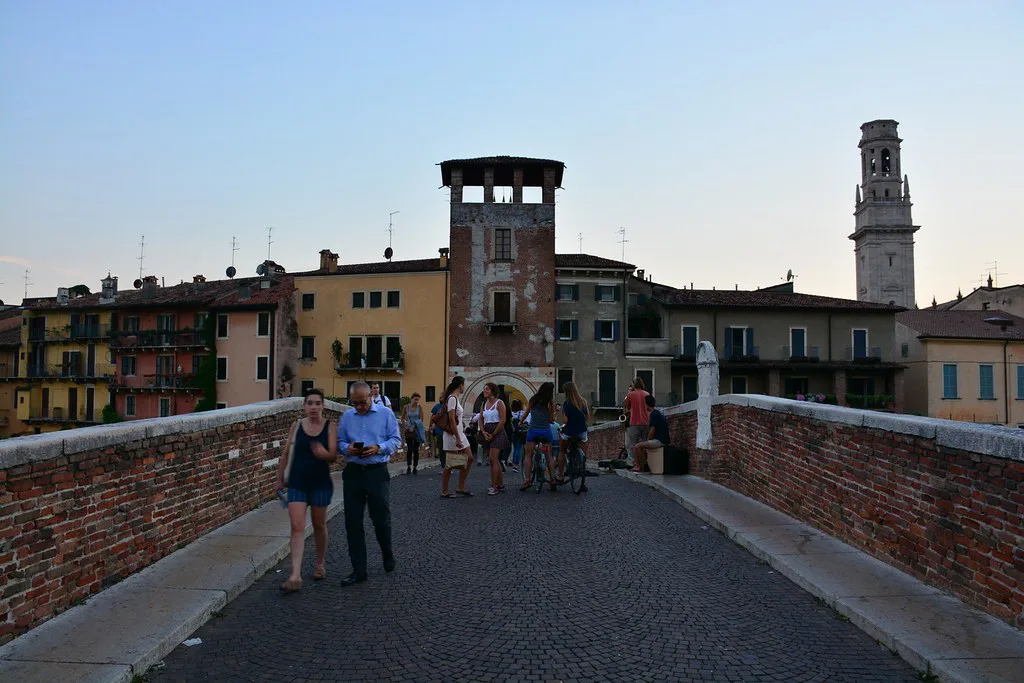
Verona old town is the other obvious add-on, with the Arena, Piazza delle Erbe and the Adige bridges within walking distance of each other. An evening in a Verona wine bar after a lake day rounds out the trip without adding another drive.
Practical Planning: Harvest, Group Sizes and Timing
Harvest on the lake generally falls in September and can run into early October, and small estates are consumed by cellar work during that window. Visiting then can mean a leaner welcome, so plan tastings earlier in the season or book well ahead.
When you write to a winery, ask about minimum party size, since some small estates set a floor for tastings and some price per person with a group discount. Ask whether the visit includes a cellar or vineyard walk, how long it lasts, and whether children or non-drinkers can join. Those four answers tell you more than any brochure.
Distances around the lake are deceptive on a map, and drive times between the eastern shore and the southern flats routinely run to an hour or more in summer traffic. Build one district per day into your plan and leave the rest for another trip.
Plan Your Visit
Start by picking one district: Bardolino and the eastern shore for reds, Lugana and the southern flats for whites, Custoza for a quieter second day. Then book your tastings by email with a date, a party size and the format you want, and confirm the details with the estate before you travel.
Arrange transport before you arrange the tasting, because the train line to Peschiera and Desenzano makes Lugana the simplest car-free option and the eastern shore rewards a tour or a designated driver. Keep the driver sober, use spittoons, and let the lake do the rest.
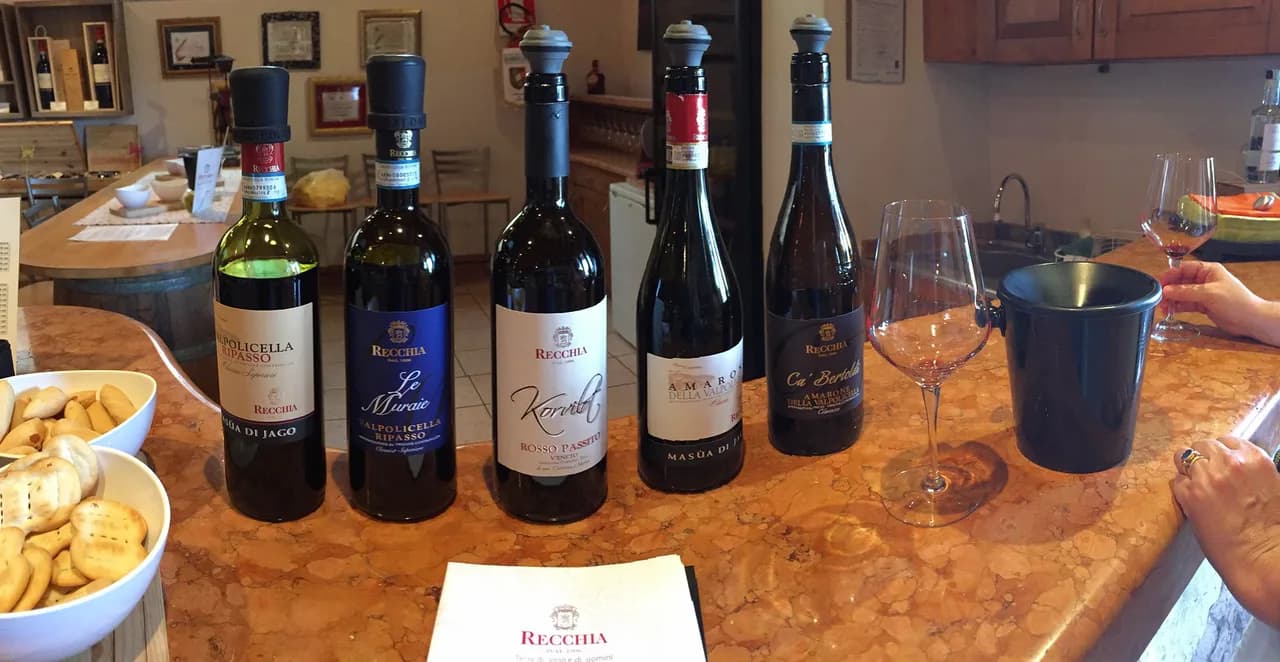
For the days around your lake visit, wineries near Verona in Valpolicella offer a natural complement, and the city's tasting rooms fill the evenings.
Frequently Asked Questions
Do Lake Garda wineries require reservations?
Many small family estates, including Corte Capitani above Bardolino, run tastings by reservation only rather than accepting walk-ins throughout the day. Larger estates on the southern shore may have more regular visitor hours, but a short email with your date, party size and preferred format is the reliable way to secure a visit. Ask how long the tasting lasts and how many wines are poured when you write.
How do I visit Lake Garda wineries without a car?
Take the train from Verona to Peschiera del Garda or Desenzano for the Lugana zone on the southern shore, then use local buses, a rental bike or a short taxi ride to reach the estates. On the eastern shore, buses link the shoreline towns but the wineries sit uphill, so expect a walk or a taxi for the final stretch. A booked tour is the simplest car-free option if you want to visit several estates in a day.
Which Lake Garda wine district is closest to Verona?
The Lugana zone on the southern shore is the most straightforward from Verona, since the train line runs to Peschiera del Garda and Desenzano. The eastern shore around Bardolino is also reachable by bus or car in roughly an hour depending on traffic. Custoza sits inland from the eastern shore and works best as its own day rather than an add-on to a lakeside route.
What are the white wines of Lake Garda?
Lugana is the lake's signature white appellation, made mainly from the Turbiana grape, also called Trebbiano di Lugana, in still, late-harvest and sparkling styles. The DOC rules require at least 90 percent of that grape in Lugana wines. Inland around Custoza, white blends are built on Garganega and Trebbiano among other local varieties. Some small estates also work with resistant PiWi grapes such as Johanniter, Bronner and Solaris.
Is Bardolino a good wine?
Bardolino is a light, fresh red based mainly on Corvina, grown on the terraced slopes between the lake and Monte Baldo, and it suits a chilled glass with lunch rather than a long cellar-aged tasting. Whether it appeals depends on what you want: travelers looking for structured reds often prefer the Valpolicella appellation inland from Verona. Tasting both is the honest way to decide.
When is harvest around Lake Garda?
Harvest generally takes place in September and can extend into early October, depending on the vintage and the grape. Small estates are busy in the cellar during that window and may have fewer visitor slots, so book earlier in the season or write well ahead. Spring and summer weekends on the southern shore also fill up quickly.
Can I combine a Lake Garda winery visit with sightseeing?
Yes, and the best pairings are close to the vineyards. Sirmione, with its castle and the Grotte di Catullo Roman ruins, sits near the Lugana zone on the southern shore, and Borghetto sul Mincio makes an easy afternoon stop south of the lake. Verona old town works as an evening add-on after a lake day, with wine bars within walking distance of the Arena and Piazza delle Erbe.
Sources
Notes for your next wine trip
Optional updates to our winery and wine-town guides.
You might also like
Continue reading
More guides you'll find useful