Bertani Winery Guide: Valpolicella Tasting from Verona
Bertani sits in Grezzana, up the Valpolicella valley from Verona. Here is how the estate fits into a tasting day, how to reach it, and what to ask when booking.
On this page
Bertani is one of the names that shaped Valpolicella's reputation, and its estate sits in Grezzana, a short run north-east of Verona rather than in the tour-bus heart of the classico zone. That position makes it useful as the first or last stop on a valley day, depending on how you are traveling. This guide treats Bertani as one piece of a Verona wine itinerary, with the transport and booking decisions laid out in the order you will actually face them.
The essentials are simple: fix your transport before you fix your appointments, because Grezzana is not a walkable add-on to a Verona city break. Then decide whether you want one estate in depth or two in a half day, and leave the city tasting option for the evening you cannot get out of town. For the wider context of the area, see the companion guide to wine tasting in Verona.
Why Bertani Anchors a Valpolicella Day from Verona
Bertani is an established Veronese producer with a long history and a portfolio built around Amarone della Valpolicella Classico and the other classic Veronese reds, plus Soave in white. The house is associated with the classic zone and with the traditional method of drying grapes for Amarone and Recioto, which is the part of a valley visit most travelers want to understand. In practice, that makes it a strong anchor stop: one appointment covers both the story of the appellation and the styles you will keep meeting elsewhere in the valley.
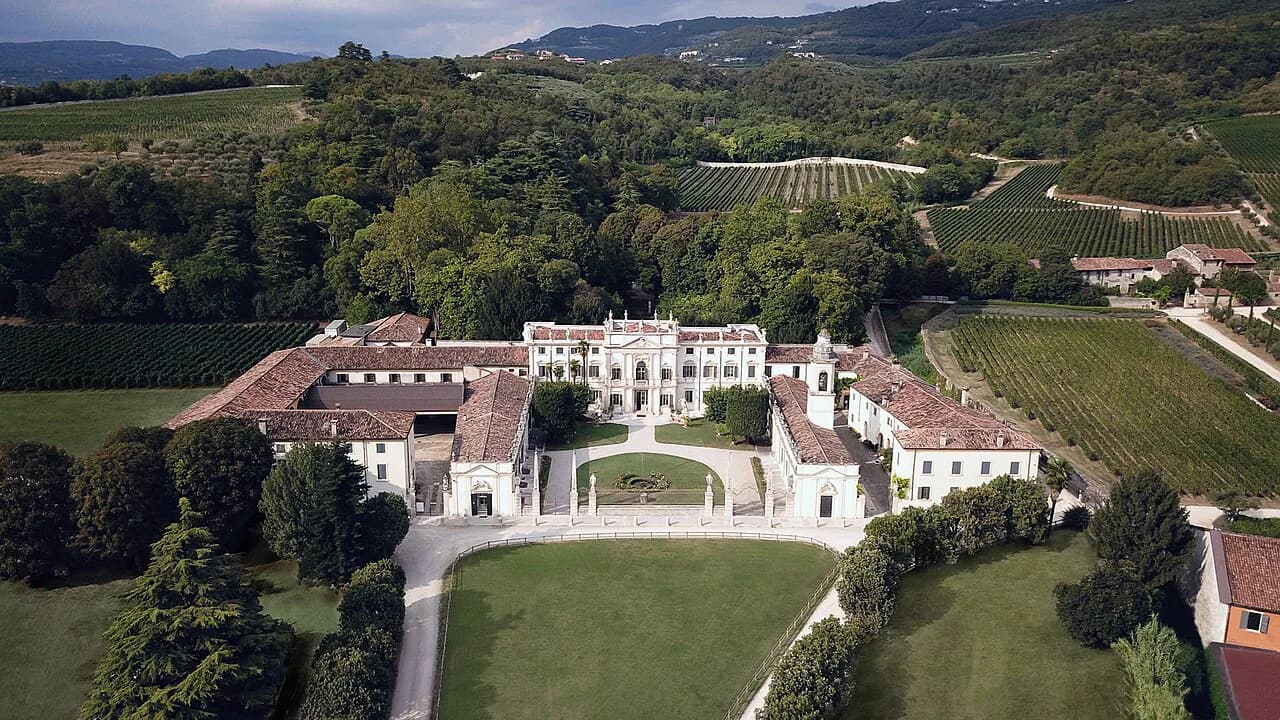
The estate is in Grezzana, in the province of Verona, and visitor information is listed under that address rather than under the town of Verona itself. Treat that as your routing fact: you are heading up the valley, not across the city. The winery's own pages describe the house and its wines, and third-party listing pages can help you find the property, but neither source publishes a fixed tasting timetable you can plan around without asking.
For a first valley day, Bertani works best as the morning stop. Appointments at historic Veneto estates tend to run on fixed slots, so the estate that opens earliest sets the shape of the day; a second, smaller family cellar fits more comfortably after lunch than before it. If you would rather compare several addresses first, scan the roundup of wineries near Verona before you start emailing.
The Bertani Style in Plain Terms
Valpolicella is a red zone built on Corvina with Corvinone and Rondinella, grown on the hills north of Verona. The everyday Valpolicella and Valpolicella Classico wines are lighter and fresher; Ripasso is made by re-fermenting a base wine on the skins left over from Amarone, which adds body; Amarone comes from grapes dried for months before fermentation, giving a rich, dry red; and Recioto is the sweet version made from the same dried fruit, stopped before all the sugar ferments out. Bertani's range follows this ladder, as its own wine pages confirm.
The word Classico matters when you read labels: it marks the historic heart of the appellation, and Bertani's Amarone carries it. Soave, the white, is a separate appellation east of Verona built mainly on Garganega, and it appears in the Bertani portfolio too, which is handy if one person in your party drinks white. Knowing these four red styles before you arrive means you can ask which of them a visit covers instead of discovering it on the drive home.
Because the range is broad, a single Bertani appointment can cover the whole ladder of styles, which is efficient but can also mean a more structured visit than a small family cellar offers. If you want the contrast between a large historic house and a hand-scale producer, plan the second stop accordingly. The wider guide to Valpolicella Classica explains how the villages differ, which helps you choose that second address sensibly.
Where Grezzana Sits Relative to Verona
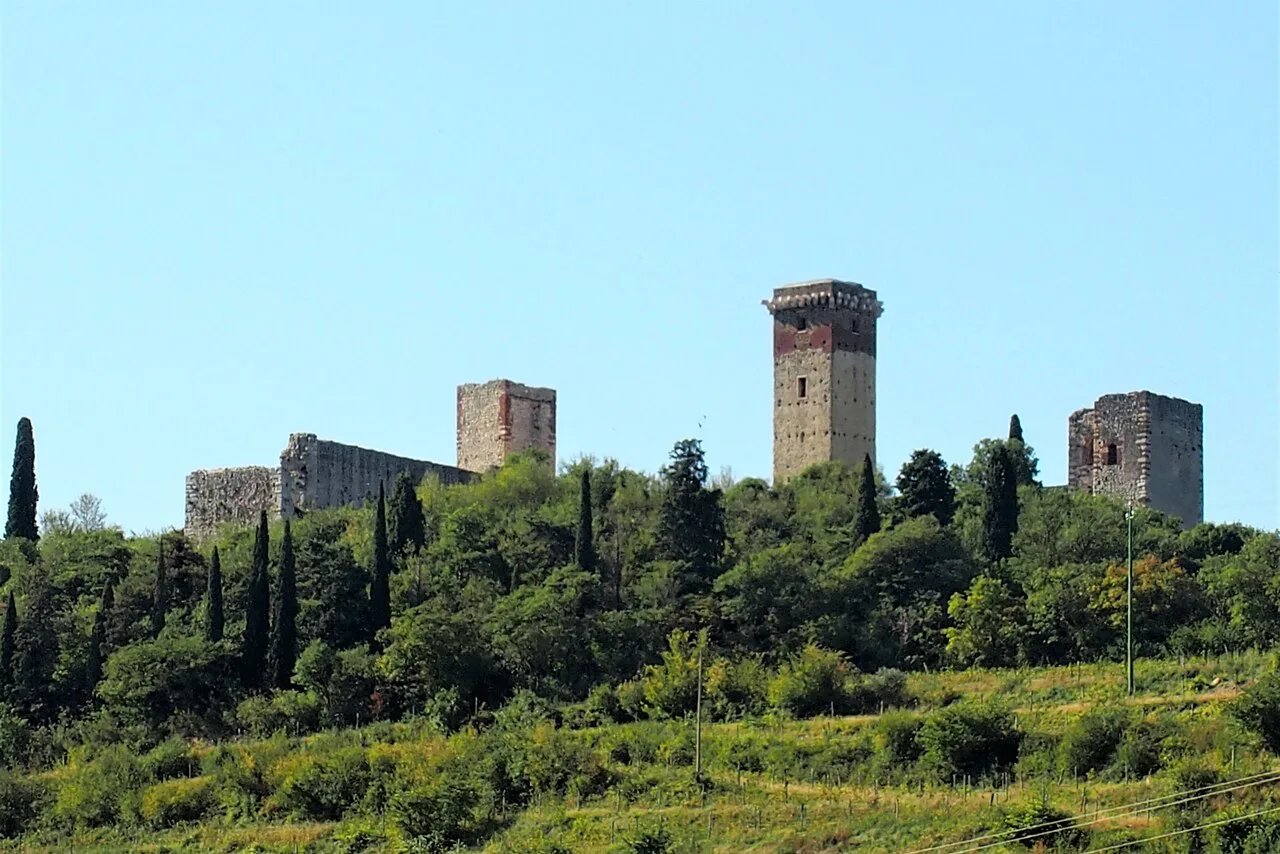
Valpolicella runs roughly north of Verona in a set of valleys, with the classico villages of Negrar, Marano, Fumane and Sant'Ambrogio strung across the hills. Grezzana sits on the eastern side of that system, closer to the road up from Verona, which is why it pairs neatly with a return through the city rather than a long loop. Get the geography right and a half day feels unhurried; get it wrong and you spend the afternoon in the car.
A sensible pairing is Bertani in Grezzana plus one estate in Negrar or Marano, both a short valley drive west of Grezzana, or a cellar in Fumane if you are heading back toward the classico villages. Sant'Ambrogio works well as a third stop only on a full day. Do not try to add Soave to the same afternoon: it lies east of Verona on the other side of the city, and the drive undoes the point of a compact valley loop.
The villages are close on a map but slow on the road, with narrow lanes between vineyard walls. Budget your day around two estates and a lunch rather than three tastings, and leave slack for the drive back into Verona in the evening. If you want to browse specific visitable addresses before committing, the list of wineries near Verona is the place to shortlist.
Visiting Bertani: Appointments and What a Visit Covers
Historic Veneto estates generally receive visitors by appointment rather than by walk-in, and Bertani is the kind of house where you should assume a booked slot until the winery tells you otherwise. The estate's own site and its third-party listing give contact routes and the address in Grezzana, but the house has not published a fixed public tasting menu or visitor calendar, so the visit you get depends on what you agree in writing. Ask by email or through the contact form on the winery site, state your date, and wait for written confirmation before booking transport around it.
A booking script saves a round of emails. Ask how many people the slot takes, whether the tour is in English, how many wines are poured and which of the Valpolicella styles they include, whether the drying rooms where Amarone fruit rests are shown, whether the cellar is walked, whether food is served and whether it needs to be requested in advance, and how long the whole visit lasts. Add whether children or non-drinkers can join, and whether you need to arrive early. Expect a house of this scale to offer a deeper tour than a two-room family cellar, but ask rather than assume.
If no slot is available, ask whether a shorter tasting without the cellar tour is possible, or whether the estate can suggest another address in the valley for the same day. Because Bertani does not publish its prices openly, ask for the per-person cost with the rest of your questions; do not budget from hearsay. Confirm the details once more the week you travel, then arrange your day around the reply rather than around the original plan.
Getting to Grezzana Without Driving
Verona is a good base for a winery day precisely because you can leave the car behind, but Grezzana needs a plan. Local buses do serve the valley villages from Verona, yet timetables change with the school and work calendar, so look up the current route and departure point on the bus company's own site a day or two before you go, and check the last return. A taxi gives you a door-to-door ride and more flexibility at the end of the day, and Verona's taxi services operate city-wide, but you should agree the return pickup with the driver, since hailing one in a village is unreliable.
The simplest option for visitors is a guided Valpolicella tour that collects you in Verona, and the official city tourism site lists one with concrete details: a four-hour morning or afternoon tour meeting in Verona, in English, for a maximum of eight people, with two traditional Valpolicella wineries, cellar visits and Amarone among the wines poured. Meals are not part of that outline, only local products alongside the tasting, so plan lunch separately. Booking runs through WAYS, the company listed on the page.
The trade-off is straightforward. A tour removes the driving and the timetabling in one step, but you go where the tour goes, so a specific Bertani appointment may not fit its route. Independent travel gives you Bertani plus the cellar of your choice, but you carry the timetable and the cost of a taxi or two. If you want the flexibility without the driving, private drivers can be hired through the same local operators; the Verona wine tours guide compares the formats. If you are weighing other Italian cities for a similar valley day, the guide to wine tasting in Turin covers the Piedmont cellars and day trips around that city. Whichever you choose, whoever is behind the wheel should not taste: use the spittoons, pick a designated driver, or book a tour.
A Half Day and a Full Day from Verona
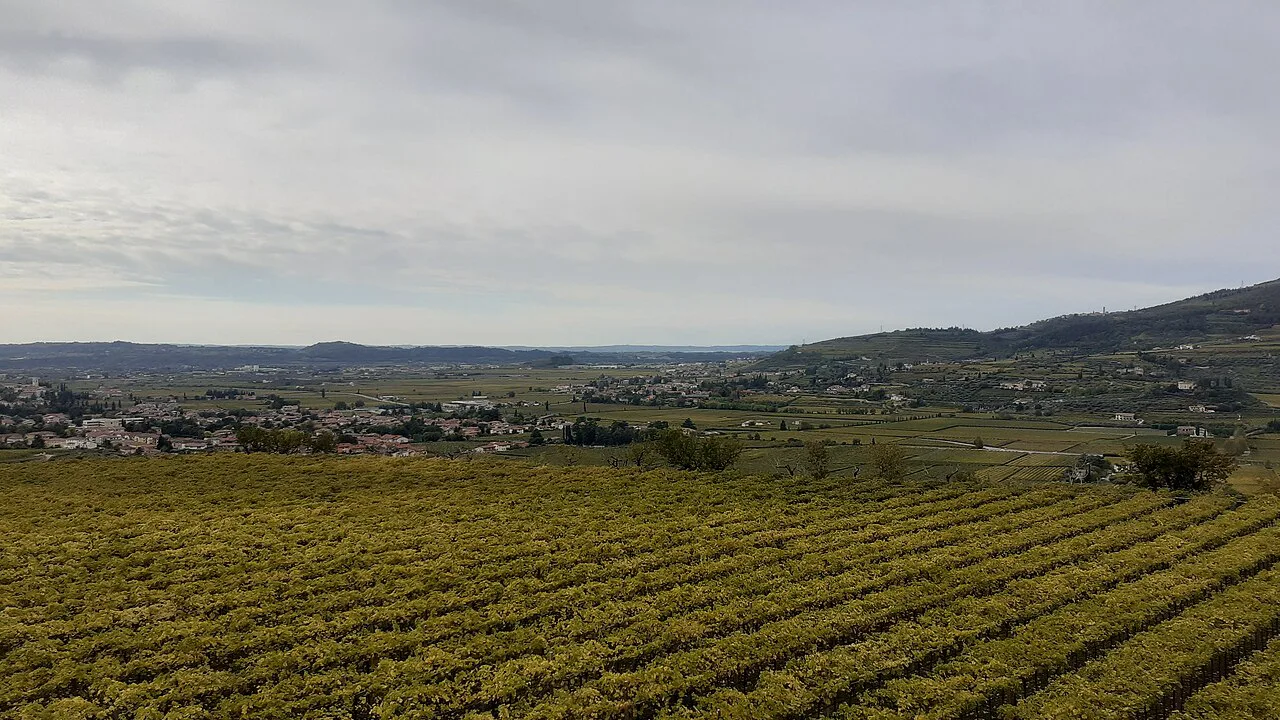
For a half day, book an early slot at Bertani, take the valley road up from Verona, and leave the early afternoon free. If you are driving yourself, use the middle of the day to see one vineyard landscape on foot between the two estates rather than adding a third appointment. If you are on a tour, treat the two-winery format as your half day and return to Verona for a late lunch.
For a full day, start at Bertani in the morning, take a long lunch in Negrar or Marano, and finish at a small family cellar in the afternoon, where the scale of the operation gives you the other half of the Valpolicella story. Keep the last appointment early enough to drive back before dark. Use the Valpolicella Classica guide to choose the second address by village rather than by reputation alone.
If you are tied to public transport, build the day around one estate only. Two appointments plus village-to-village bus changes rarely work, and the last connection back to Verona is the one you cannot miss. Check the return times as carefully as the outward ones, and have a taxi number saved as a backup.
Tasting in Verona City When the Schedule Is Tight
If the valley day does not fit, you can still taste Veronese wines inside the city. The city tourism site lists a walking-distance tasting run by Pagus Wine Tours at Via Valverde 75: about an hour, meeting at 4 pm, for groups of four to sixteen, with three traditional Verona wines including Amarone and Soave. The activity only runs with at least four participants, and Pagus emails 24 hours ahead if it is canceled. Booking is direct with Pagus by email or phone, and the current price is given at booking rather than on the page.
This is a good fallback on an arrival day or an evening after sightseeing, and it replaces the drive rather than the whole winery experience. What it does not give you is a cellar, a drying room or the vineyard landscape, so keep it as a substitute rather than a plan. For a broader list of city addresses, the guide to Verona Wine Bars covers where to drink Valpolicella by the glass.
When to Go: Harvest, Vinitaly and Quiet Seasons
Late September and early October are harvest weeks in Valpolicella, when the roads carry fruit and the cellars are at their busiest; appointments can be harder to arrange and the working day is long. The period after harvest, when the Amarone fruit is laid out to dry, is a quietly interesting time to visit because the drying rooms are full, though access depends on the estate's own schedule. Winter is the calmest season for appointments but the coldest for vineyard walks.
Spring brings Vinitaly, the international wine fair held in Verona, which draws the trade to the city and its exhibition halls. The city's own tourism site describes more than 50 themed tastings, over 4,000 exhibitors and a parallel Vinitaly and the City program with ticketed tastings at city-center venues such as Piazza dei Signori and the Torre dei Lamberti; tickets are sold online through the event's site rather than through the wineries. Expect hotels to fill and valley appointments to tighten while the fair runs, and build a day or two of slack into your trip.
Do not plan a valley day around last year's fair dates. Editions move, and the official tourism site is the place to check the current week and the city program before you book. Outside fair week and harvest, a weekday morning at Bertani is the easiest slot to secure for a small group, and the roads up from Verona are quieter than on a summer weekend.
Plan Your Verona Wine Day
Build the day in this order: choose your transport, request a Bertani appointment with the full list of questions, then fill the second slot only once the reply is in hand. If the valley does not work out, the Pagus tasting in the city is a realistic substitute rather than a consolation prize. Either way, leave the driver out of the glass and use the spittoons.
Frequently Asked Questions
Is Bertani a good winery to visit from Verona?
Yes, if you want one estate that covers the whole Valpolicella ladder of styles, from Valpolicella Classico through Ripasso and Amarone to Recioto, plus Soave. It sits in Grezzana, on the eastern side of the valley, so it pairs best with a single second stop in Negrar or Marano rather than a long loop.
Where exactly is Bertani winery located?
The estate is in Grezzana, in the province of Verona, north-east of the city. Visitor listings use that address. It is not in Verona city center, so plan transport up the valley rather than planning to walk.
Do you need an appointment to visit Bertani?
Plan on it. Historic Veneto estates generally receive visitors by prior arrangement, and Bertani does not publish a public walk-in tasting calendar. Email or use the contact form on the winery site, state your date and party size, and wait for written confirmation.
What wines does Bertani make?
Its portfolio is built around Amarone della Valpolicella Classico and the other Veronese reds, including Valpolicella Classico, Ripasso and Recioto, alongside Soave. The winery's own wine pages list the range. Ask at booking which of those styles the visit includes.
How do you get to Bertani without a car?
You can take a local bus up the valley from Verona or a taxi, but check the current timetable and the last return before you commit. A guided Valpolicella tour from Verona is the simpler option, though it follows its own route rather than yours, so a specific Bertani appointment may not fit.
How far is Bertani from Verona city center?
Grezzana is a short drive north-east of Verona, but the exact door-to-door time depends on your starting point and traffic. Allow more time than a map suggests, because the valley roads are slow and narrow.
Can you taste Valpolicella wines in Verona without visiting a winery?
Yes. Pagus Wine Tours runs an hour-long tasting at Via Valverde 75 in Verona, meeting at 4 pm, with three traditional Verona wines including Amarone and Soave, for groups of four to sixteen. It runs only with at least four participants, and it replaces the winery visit rather than the whole valley experience.
When is the best time of year to visit Valpolicella?
Late September and early October bring harvest and busy cellars, while the weeks after harvest are a good moment to see the drying rooms in use. Spring brings the Vinitaly fair and a crowded city. Winter is quiet and easy for appointments but cold for vineyard walks.
Sources
- The International Exhibition of Wines and Spirits Awaits!
- Visit Valpolicella with two tastings and winery visits (morning),
- Wine tasting in Verona, experience
- Meet Pieropan: Soave Brothers Perfecting Family Tradition | Eataly
- About us | Bertani
- Amarone and Valpolicella wines | Bertani vini
- Bertani - All You SHOULD Know Before Going 2026 (with ...
Notes for your next wine trip
Optional updates to our winery and wine-town guides.
You might also like
Continue reading
More guides you'll find useful