Le Ragose Winery Guide: Valpolicella Tasting from Verona
Le Ragose sits in Arbizzano di Negrar above Verona, making Amarone, Ripasso and Recioto. Here is how to plan a visit, book ahead and reach the estate.
On this page
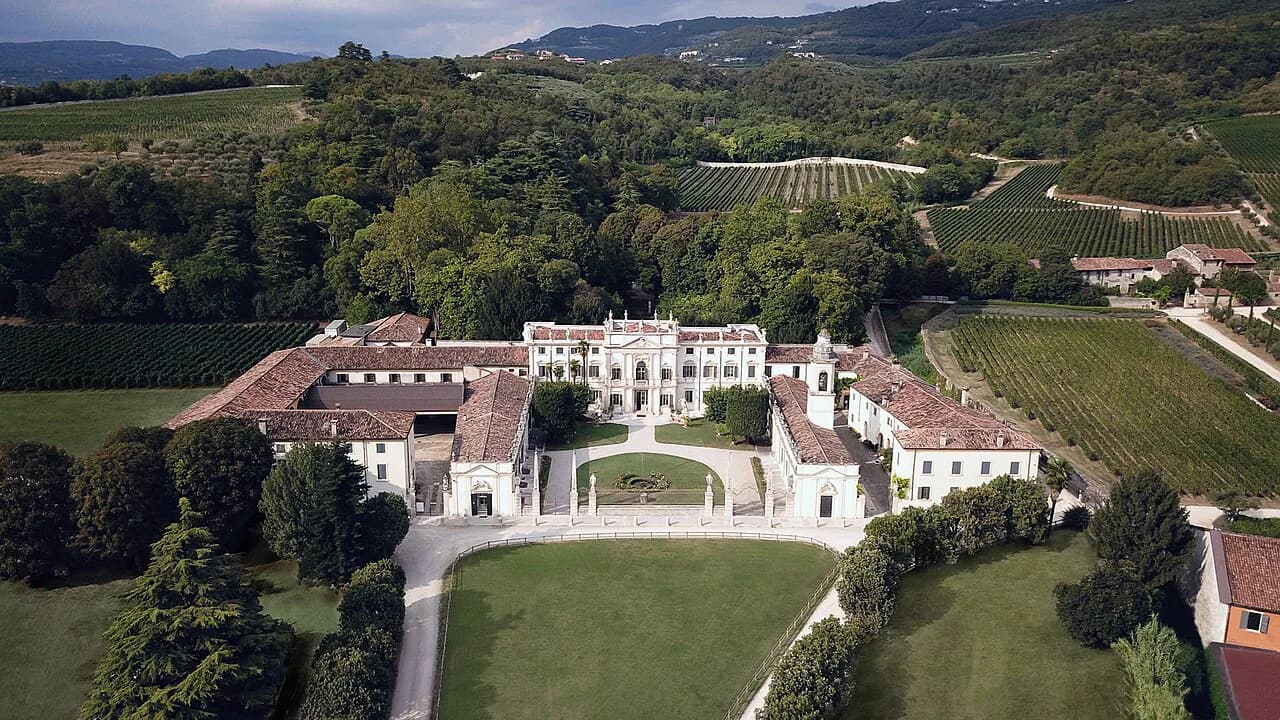
Le Ragose is a family-run estate in the Valpolicella Classico hills, filed under Località Le Ragose in Arbizzano di Negrar, on Verona's northern doorstep. It makes the classic range of the zone: Amarone, Ripasso, Recioto and Valpolicella in several guises. If you want one appointment that shows you the whole arc of Valpolicella winemaking, this is the kind of estate to build a day around.
The practical catch is that the winery publishes its wines and its contact details but not a tour menu, a visit price or opening hours. That is normal for small family estates here, and it means the visit takes shape through a direct request rather than a booking calendar. Use the details below to plan the day and the message you send, and treat this Verona wine tasting guide as the wider map for the zone.
Why Le Ragose: a family estate in the Valpolicella Classico hills above Negrar
The estate's own history page traces its start to 1969, when the oenologist Arnaldo Galli and his wife Marta began working with vines and cellar techniques in the hills. Sons Paolo and Marco now lead the family winery, and Marta, Paolo's daughter, represents the third generation. That continuity matters to visitors because a family estate usually means the person pouring your Amarone can also explain the vintage.
Le Ragose also appears at trade fairs such as Vinitaly, which tells you it works with the trade as well as private visitors. For a traveler, the useful takeaway is that this is an active commercial winery with a public face, not a hobby cellar you need an introduction to reach. The wines are the reason to go, and the Amarone and Ripasso are the anchors.
Where Le Ragose is: Località Le Ragose, Arbizzano di Negrar, and its position relative to Verona and Negrar village
The winery's published address is Località Le Ragose, 37024 Arbizzano di Negrar, Verona. Negrar, the zone's main town, lies further up the Valpolicella valley from Verona. Think of the estate as on the lower rung of the Classico hills, which makes it one of the easier estates to reach from Verona.
That position shapes the day. You can pair Le Ragose with village stops in Negrar, Sant'Ambrogio, Fumane or Marano without long transfers, because the Classico zone is compact and the roads climb between villages rather than sprawl. Allow for slow hill driving and narrow bends whatever your transport.
The wines to expect on a visit: Amarone Classico, Amarone Riserva, Valpolicella Classico and Superiore, Ripasso, Recioto, plus Ammandorlato and grappa
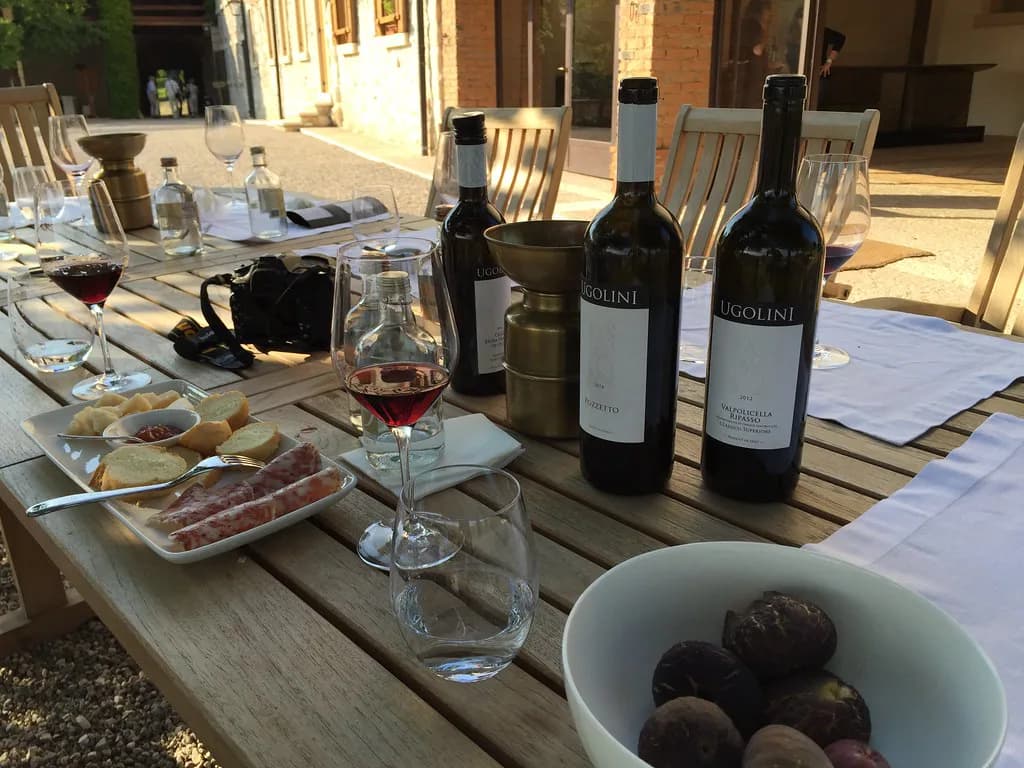
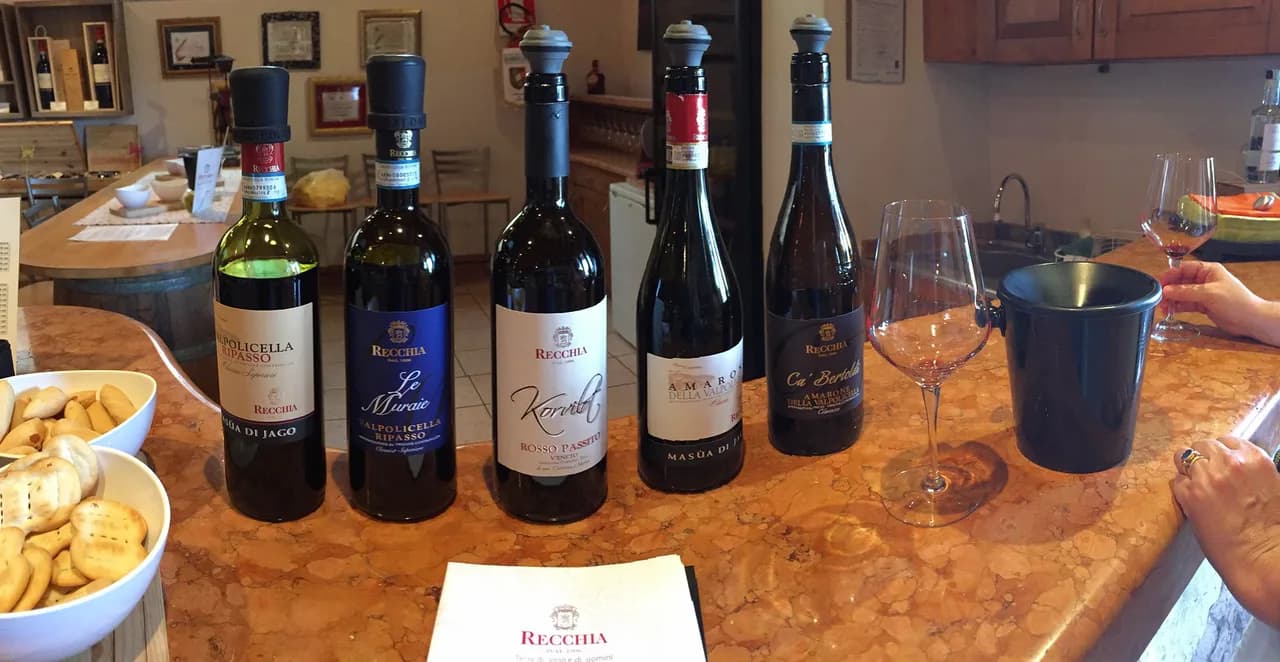
The published range covers Amarone Classico, Amarone Riserva, Valpolicella Classico and Superiore wines such as Marta Galli and Le Sassine, a Ripasso, a Recioto Classico, a Rhagós Ammandorlato, a Cabernet Sauvignon, grappa and olive oil. That is a broader spread than many small estates offer, and it means one visit can cover dry and sweet styles side by side.
The Amarone Riserva 2006 is described on the estate's own sheet as its first Riserva, released after fifty years of work, and it is made from a majority of Corvina with Rondinella and Corvinone. Older bottles like this are often kept back for a specific tasting tier or for sale rather than poured routinely, so ask when you book which wines your visit includes.
Among the current releases, the Ripasso della Valpolicella Classico 2020 earned 93 points from Wine Enthusiast in March 2024, as the estate's own news post records. Treat that as a third-party note rather than the reason to choose the estate; the better reason is that Le Ragose makes both Ripasso and Amarone, so you can taste the family relationship between the two styles in one sitting.
Reading the styles before you taste: what Corvina, Rondinella and Corvinone do in Valpolicella, and how Ripasso differs from Amarone
Valpolicella reds are blends, and the estate's technical sheet for the Riserva gives a typical picture: Corvina provides the backbone and sour-cherry character, Rondinella adds color and body, and Corvinone contributes weight. Knowing the trio helps you follow a flight, because the same grapes shift character depending on how the wine is made.
Ripasso is made by running a lighter Valpolicella over the grape skins left after Amarone fermentation, which adds depth and a hint of the Amarone register at a lighter weight. Amarone itself is dry but built from dried grapes, so it is fuller and more powerful. Tasting both back to back is the fastest way to understand why Valpolicella produces such different wines from one valley.
Appassimento explained: how the estate dries grapes for Amarone and Recioto, based on its published technical sheet
The Riserva sheet sets out the process clearly: grapes are picked by hand in September and laid in a single layer on small trays until December, a drying period called appassimento. That concentration of sugar and flavor is what allows a dry Amarone of high alcohol and what gives Recioto its sweetness.
If your visit falls in autumn, the drying fruit may be part of what you see, and it is worth asking whether the appassimento rooms are on the route. In late September and October the hills are busy with picking, so estate staff have less slack for spontaneous drop-ins. Plan the request early in the harvest window.
How to book: using the published phone, fax and email contacts, and what to put in a request
The winery publishes a phone number, 045 7513241, a fax, 045 7513171, and an email, leragose.leragose@gmail.com, along with the Arbizzano address. Email is the easiest channel for an English-language request because it leaves a written record of the date, time and party size. Send it well ahead, especially for weekends and autumn.
A good request states the date and preferred time, the number of people, whether anyone is driving, the languages spoken in your group and any interest in a specific wine such as the Riserva or the Recioto. Ask directly whether a cellar tour is included and how many wines are poured. That single message saves the follow-up exchange that eats into a short trip.
Booking questions that matter: party size, language, whether a cellar tour is included, how many wines are poured
Small estates often set a minimum party or a maximum for a guided tour, and they may only run visits on certain days. The winery does not publish those rules, so ask when you write. If you are traveling as a couple, say so, because it may be easier to slot you into an existing group.
Language is the other variable. Ask whether the visit can be given in English or whether it will be in Italian, and plan accordingly if not. A short printed list of the wines helps bridge any gap, and a focused question about appassimento or Ripasso usually gets a detailed answer from a family that has been at it for decades.
Prices, hours and closures: why the winery's direct reply is the figure to plan around
Le Ragose does not publish tasting prices, opening hours or closure dates on the pages it maintains, so any figure you see elsewhere is unverified. Budget from the reply to your own inquiry, and ask whether the fee is credited against a purchase. That is a common arrangement in the zone and worth clarifying up front.
If you are visiting in winter or around a public holiday, mention your dates and ask whether the estate is open that week. Family wineries adjust appointments around bottling, trade fairs and family schedules. A confirmed booking in writing is the only basis for building the rest of your day around the visit.
Getting there without driving: taxi from Verona, bike routes through the Valpolicella hills, or an organized wine tour
The estate sits in the hills north of Verona, so a taxi from the city center is the simplest no-car option, but arrange the return at the same time because empty cabs are scarce in the villages. Buses run up the Valpolicella valley, though you will still face a climb or a local taxi from the nearest stop to the estate. A guided tour removes the logistics entirely but fixes your schedule.
Cyclists can ride out of Verona into the Classico hills, but the gradients are real and the roads carry local traffic, so this suits confident riders only. Whatever you choose, the driver should not taste; use the spittoons, or book a tour or a taxi so the whole group can drink.
Independent vs. tour: the trade-off between flexibility and having transport between hill estates
Going independently gives you control over time at Le Ragose and the freedom to add a stop or linger over a bottle. The cost is logistics: taxi bookings between hill estates, or a long ride. A tour bundles transport and usually two or three estates with a guide, which suits first-time visitors and groups.
If your trip centers on the city, evening options matter too. Wine bars in Verona let you taste Valpolicella and Amarone without a hillside drive, which is a sensible way to fill the evening after a day in the vineyards.
Pairing the visit with the wider Valpolicella Classico zone: Negrar, Sant'Ambrogio, Fumane and Marano
The Classico zone spreads across the valleys around Negrar, Sant'Ambrogio, Fumane and Marano, and one day can realistically cover two estates with a village lunch between them. Group your bookings by valley rather than crossing the zone repeatedly. Arbizzano is a natural first stop on the way up from Verona, and other Verona wineries follow the same appointment rhythm.
Some estates in the zone are better known for grand cellars and formal tours, such as the Allegrini Winery at Villa della Torre near Fumane, which makes a contrast to a small family visit like Le Ragose. Mixing the two gives a fuller picture of how Valpolicella operates at different scales. If you want to extend the same comparison beyond this region, wine tasting in Turin opens up a parallel choice between family cellars and larger estates in the Piedmont hills.
Harvest and season timing for a Valpolicella visit
Valpolicella harvests in September, and the drying of grapes for Amarone and Recioto continues into December, so early autumn is the liveliest and busiest time in the hills. Spring and summer are calmer for visits, and winter is quiet but often the best time to taste older vintages such as the Riserva in a cellar without crowds.
Whatever the season, an estate in the hills smells of earth after rain and bakes in summer sun, so carry water and a layer for the cellar's chill. Build in slack around your appointment: hill roads and parking take longer than they look on a map.
What to buy at the estate: Amarone, Ripasso and Recioto as the bottles worth carrying home
Amarone travels and ages well, and a Riserva is the bottle to buy if the estate is pouring it. Ripasso is the easier everyday choice and the Valpolicella Superiore labels such as Marta Galli and Le Sassine sit between the two in weight. Recioto, the sweet red, is the one to take home if you have room.
Ask about shipping if you are flying, and about customs allowances for your home country before stocking up. Buy the bottles you actually tasted where possible, since the visit is your best guide to which style suits you. Leave room in the suitcase for the grappa and olive oil if they are on offer.
Plan Your Visit
Le Ragose is an easy first Valpolicella appointment from Verona: close to the city, family-run, and broad enough in range to show you Amarone, Ripasso and Recioto in one visit. Send a clear email to leragose.leragose@gmail.com with your date, party size and questions, and build the day around the reply rather than a template.
Sort transport before you go, whether that means a booked taxi, a tour, or public transport plus a short cab, and agree who is driving so everyone else can taste freely. Confirm the current details with the winery as your date approaches. The Valpolicella Classico hills reward a day spent slowly, one estate and one village lunch at a time.
Frequently Asked Questions
How far is Le Ragose from Verona?
Le Ragose is at Località Le Ragose in Arbizzano di Negrar, just north of Verona at the foot of the Valpolicella Classico hills. It is a short trip by taxi or car from the city center, but exact drive times depend on traffic and the hill roads, so plan a taxi rather than a walk.
Do you need an appointment to visit Le Ragose?
The winery publishes phone, fax and email contacts but not a walk-in policy or a booking calendar. Small Valpolicella estates usually receive visitors by arrangement, so send an email or call with your date and party size before you travel and wait for a confirmed reply.
What wines can you taste at Le Ragose?
The published range includes Amarone Classico and a Riserva, Valpolicella Classico and Superiore wines, Ripasso, Recioto Classico, an Ammandorlato, a Cabernet Sauvignon, grappa and olive oil. Which of these are poured on a given visit is set by the estate, so ask when you book.
How much does a Le Ragose tasting cost?
The winery does not publish tasting fees or visit prices, so there is no reliable figure to plan around in advance. Ask about the fee and whether it is credited against a purchase when you contact the estate. Prices vary across the Valpolicella zone depending on what is poured.
Can you visit Le Ragose without a car?
Yes, with planning. A taxi from Verona is the simplest option, but book the return trip at the same time because cabs are scarce in the villages. Buses run up the Valpolicella valley, and a guided tour covers transport between estates.
What is the difference between Ripasso and Amarone?
Ripasso is a lighter red made by running Valpolicella over the grape skins left after Amarone fermentation, which adds depth. Amarone is a dry wine made from grapes dried until December, giving it more weight and power. Tasting both at one estate makes the contrast clear.
Sources
Notes for your next wine trip
Optional updates to our winery and wine-town guides.
You might also like
Continue reading
More guides you'll find useful