Giacomo Conterno: Visiting the Barolo Estate from Turin
Giacomo Conterno in Serralunga d'Alba makes Barolo and rare Monfortino. What visitors can expect, how to request a visit, and how to reach the Langhe from Turin.
On this page
Giacomo Conterno sits at the top of the traditional Barolo hierarchy, a family estate whose Nebbiolo bottlings trade at prices most travelers only see on wine lists. If you are building a Piedmont trip from Turin, the name is worth understanding before you start emailing cellars, because a visit here is a formal appointment rather than a stroll through the vineyards.
This guide separates what the estate's history and wines tell us from the practical questions only the winery can answer. Use it to shape a request, choose which bottlings to seek out, and fit Monforte d'Alba into a wider Langhe day alongside the Wine Tasting in Turin options that anchor most Piedmont itineraries.
Quick Answer: Where Giacomo Conterno Sits and Why It Is Not a Drop-In Visit
Giacomo Conterno is a Barolo producer based in the Langhe hills of Piedmont, northern Italy, and its wines are among the most collected in the region. The estate's reputation rests on traditional Nebbiolo aged in large wooden casks, and demand for its top bottling far outstrips supply.
The practical point for travelers is that the property is a working family cellar, not a visitor center with published opening hours. No official tour schedule, tasting fee or walk-in policy is published by the estate, so treat any visit as something to arrange in writing well ahead of your trip and plan a backup in Monforte d'Alba or Alba.
If you are researching cells to visit across the zone, the broader map of Turin wineries helps you see which estates publish visitor programs and which do not. That context makes it easier to decide how much of a day to reserve for one appointment.
The House and Its History: From a San Giuseppe Tavern to Four Generations
The story begins in 1908, when Giovanni Conterno opened a small family-run tavern in the village of San Giuseppe and made wine from purchased grapes to serve alongside food, selling the surplus in barrels as was customary locally. That origin explains the estate's deep traditional streak. The house's account traces the label back to this modest beginning rather than to a grand château.
Giovanni's son Giacomo took over the running of the tavern and winery in 1934, and the family's Nebbiolo has been made in a strictly traditional register ever since. Monfortino, the label's most famous wine, is thought to have been bottled on its own as early as 1912 or 1920, conceived as a way to show off the tavern's finest casks.
Two sons, another Giovanni and Aldo, joined in 1961 but diverged in philosophy, with Aldo later founding Poderi Aldo Conterno. Giovanni bought the Cascina Francia vineyard in Serralunga in 1974, releasing its first vintage in 1978, though the vineyard name did not appear on labels until the 1980 vintage. Roberto Conterno, Giovanni's son, has led the estate since 2004.
Where the Estate Is: Monforte d'Alba, Serralunga and the Barolo Zone
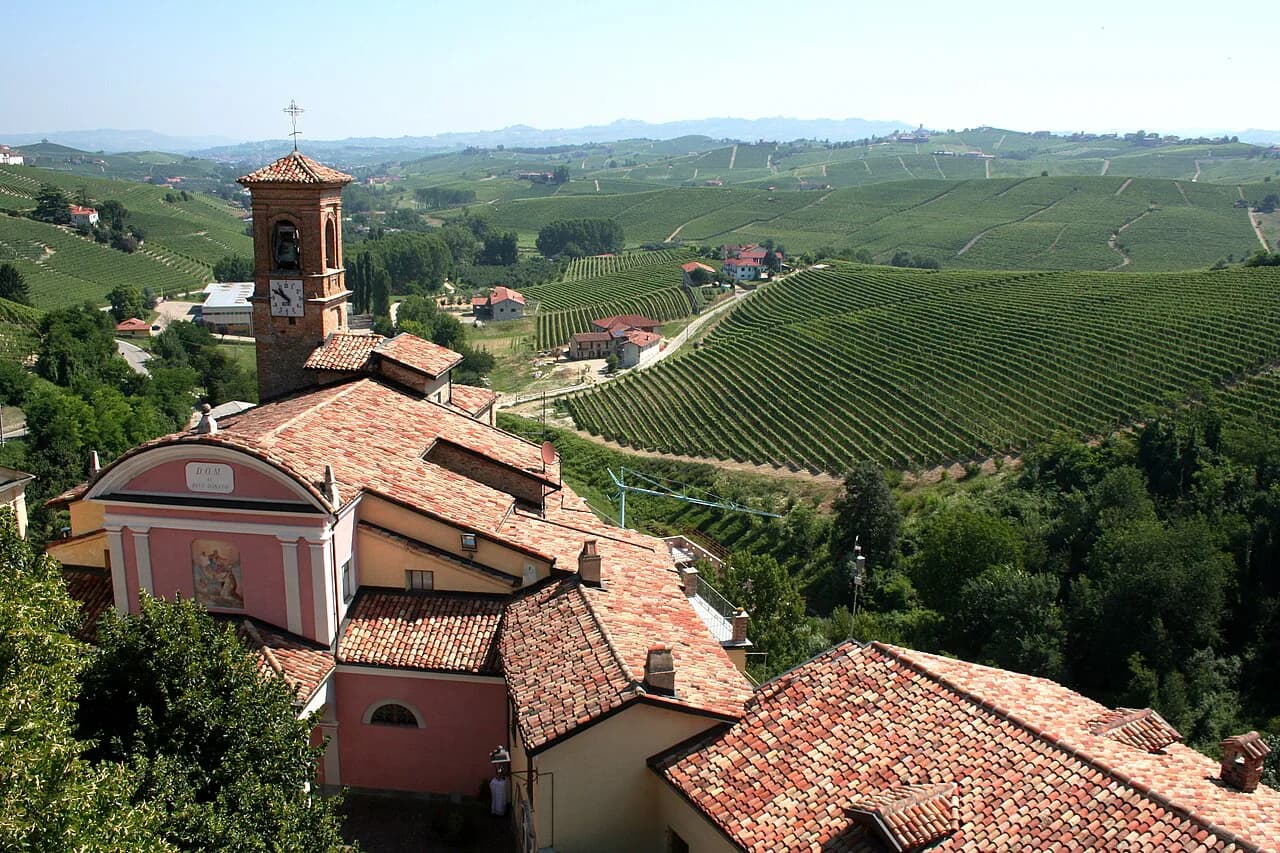
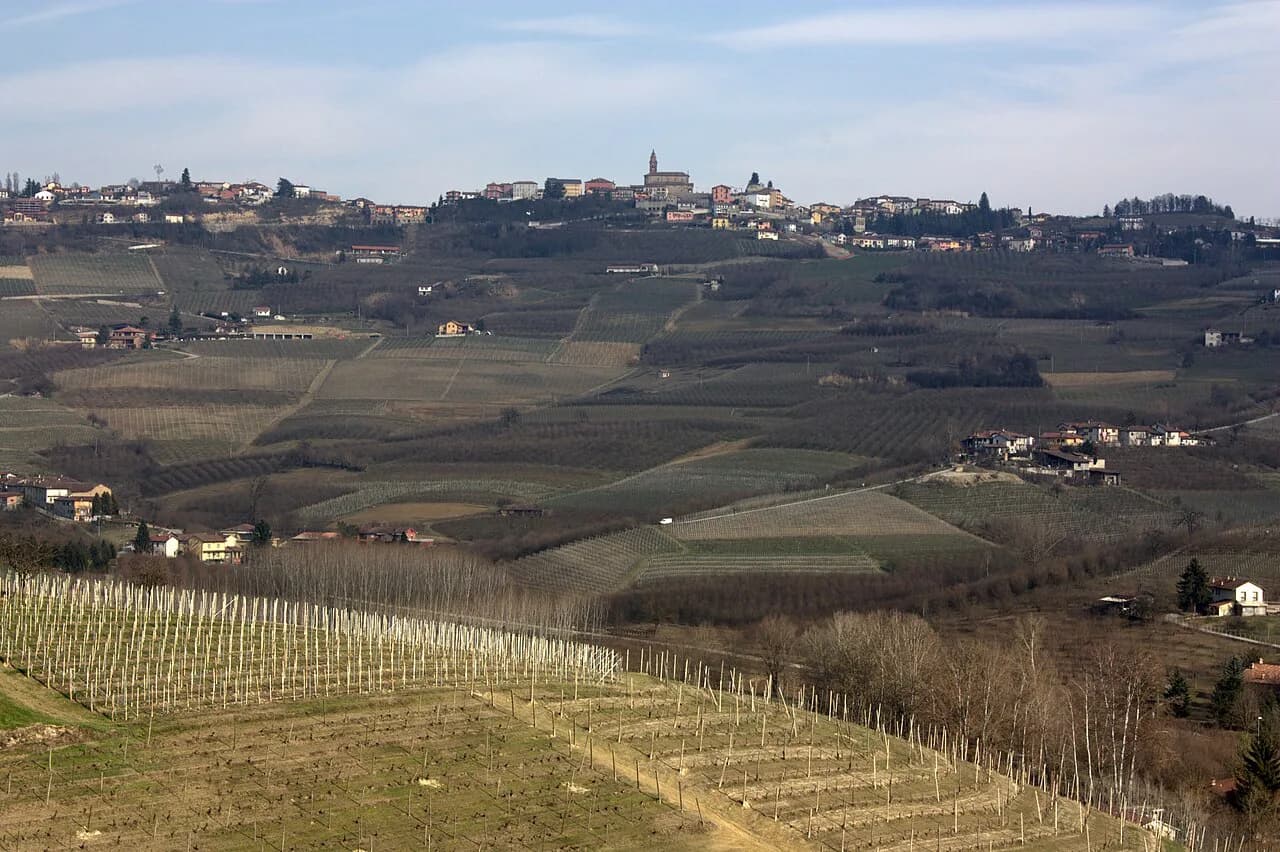
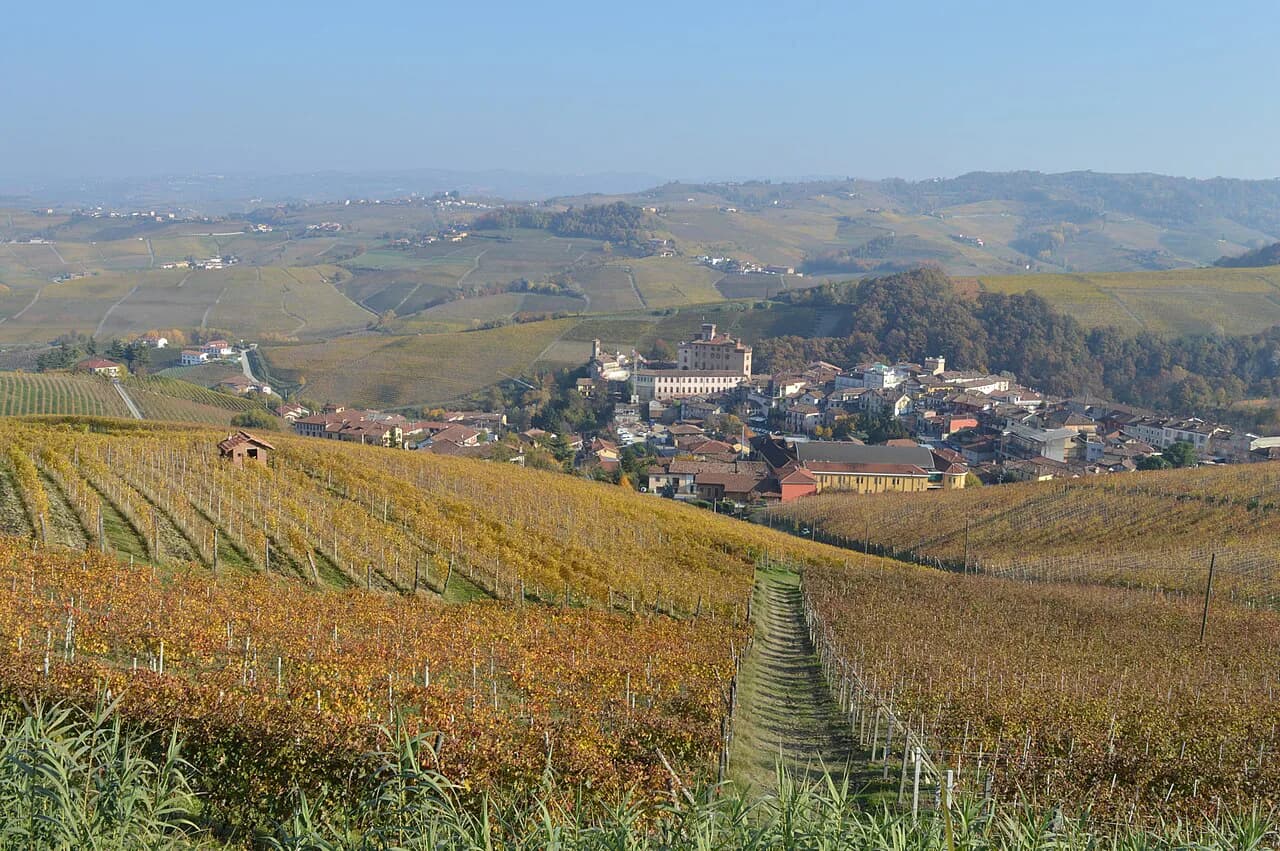
Giacomo Conterno is based in Serralunga d'Alba, one of the main communes of the Barolo DOCG zone, where its Cascina Francia holdings also lie. Serralunga sits in the eastern Langhe, a short hop by road from neighbouring Barolo villages, which makes them sensible to group on a single day rather than splitting your time across the whole appellation.
Turin is the natural gateway: the city sits on the plain northwest of the Langhe, and the run south toward Alba and then into the hills is a straightforward drive or train-plus-bus combination. Turin wine tours exist precisely because the last stretch into the villages is awkward without a car, and a booked tour removes that planning burden. For travelers weighing a second city base, wine tasting in Bologna offers a different set of nearby hills to plan around.
Alba is the practical hub for the zone, with the widest choice of transport, food and accommodation, while Monforte and Serralunga are small villages where an appointment shapes your whole timetable. Build the day around one confirmed cellar visit and leave slack for the drive between villages.
The Wines to Know Before You Ask for a Visit
Giacomo Conterno's range is narrow and Nebbiolo-led: Barolo from the Cascina Francia vineyard, plus bottlings from Arione and Cerretta, and Nebbiolo d'Alba Arione at the more accessible end. A Barbera d'Alba Cascina Francia has also featured in the portfolio. Knowing these names helps you ask precise questions about what might be poured.
Barolo is made from Nebbiolo, a late-ripening grape that gives pale, aromatic wines with firm tannin and high acidity, and the DOCG rules require extended aging before release. Monfortino Riserva is the estate's flagship, made only in exceptional vintages and aged at least seven years in large botti, with fewer than 600 cases in a typical release.
Wines sold through merchants such as Flatiron are retail listings, not cellar-door prices, so do not read those figures as the cost of a tasting. If a fee applies to a visit, that is a detail the estate should confirm directly when it replies to your request.
Why Monfortino Is Hard to Find, and Why That Shapes Your Visit
Monfortino is released only in vintages the estate considers exceptional, which means there is no guaranteed annual supply. Combined with the long cask aging and the small production, the Riserva is chased by collectors and rarely appears in everyday tasting lineups.
For a visitor, that is an argument for focusing on the estate's other Barolo and Nebbiolo bottlings rather than treating the Riserva as the goal. Ask whether the standard Barolo or the Nebbiolo d'Alba Arione features in any tasting the estate offers, and accept that availability shifts with vintage and stock.
Appointment Culture in the Barolo Zone: How to Write Your Request
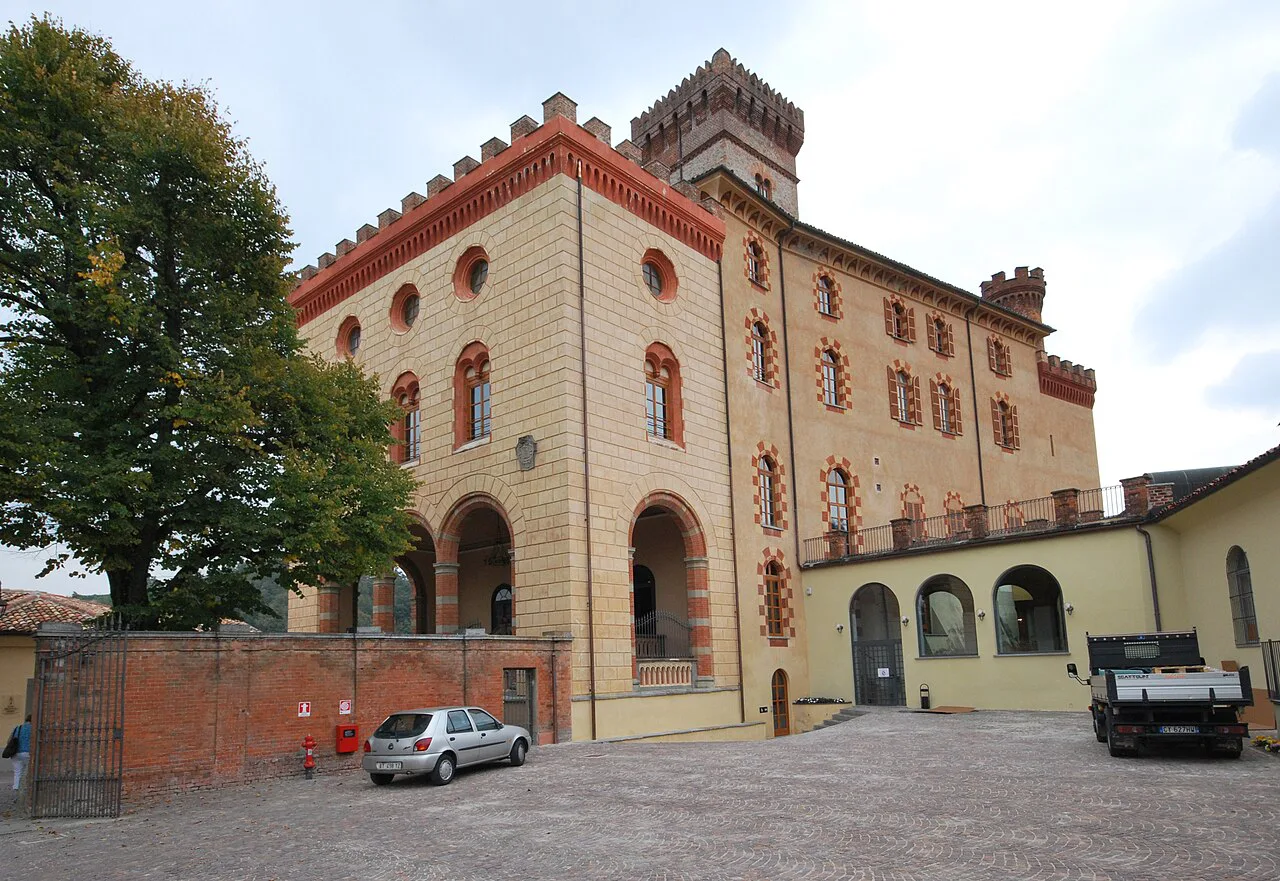
Langhe estates, Monforte d'Alba included, typically receive guests by prior arrangement rather than walk-in, and the family cellars that do open their doors usually handle requests by email or phone. Write early, in Italian or English, and state clearly that you are a private visitor rather than a trade buyer.
A useful request names your dates and preferred time window, the size of your party, the languages you speak, whether you want a cellar tour or just a seated tasting, and how long you can stay. Ask what the visit includes, which wines might be poured, and whether any fee applies, so there are no surprises on the day.
Because no public visit schedule is posted for Giacomo Conterno, send your request with enough lead time to allow a reply before you fix the rest of your itinerary. If the estate cannot receive you, the wider Barolo wineries landscape gives you plenty of alternatives in the same villages.
If the Estate Cannot Receive You: Where Conterno Bottlings Appear
Enoteche and wine bars in Alba and Monforte d'Alba are the realistic places to encounter Conterno bottlings without an appointment, often by the glass or on a carefully chosen bottle list. Monforte's own wine bars cluster in the lower and upper parts of the village, making an evening there an easy pairing with a daytime cellar visit nearby.
Alba wine tours and tasting rooms give you a second anchor for the day, since the town has the densest concentration of shops and bars in the Langhe. A shop pour or restaurant bottle is a fine way to understand the house style even when a cellar door stays closed.
Getting There Without Driving: Turin to Alba and into the Hills
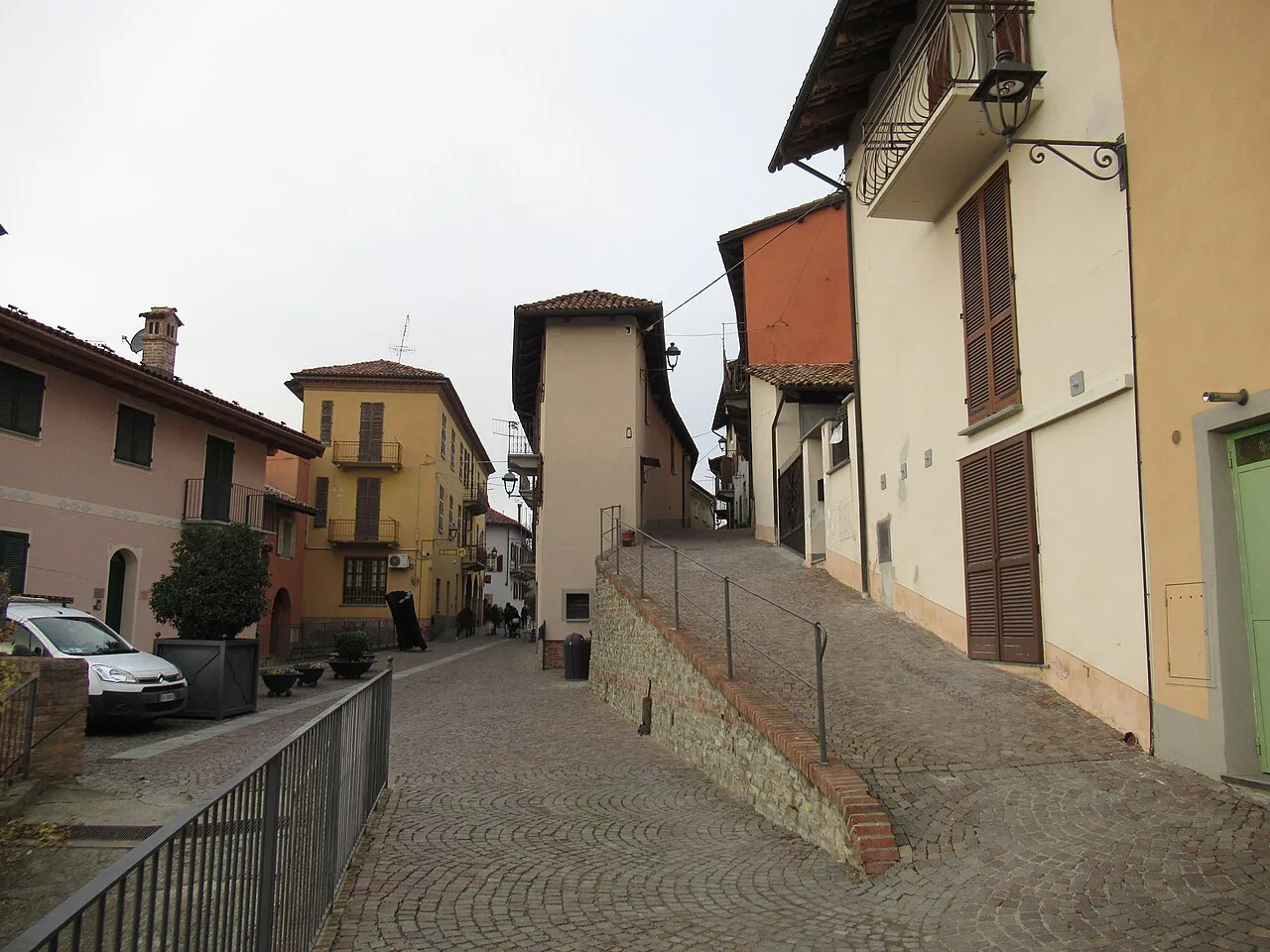
The no-car plan is train from Turin to Alba, then a local bus or taxi for the final climb into Monforte d'Alba or Serralunga d'Alba. Regional rail serves the Alba line, but hill villages have sparse connections and few late returns, so check current timetables for your dates before committing.
The trade-off is time and flexibility: public transport works best for a single village and a fixed appointment, while a hired driver or small-group tour buys you two or three stops and no timetable stress. If wine is the point of the day, a tour also solves the drinking-and-driving problem cleanly.
Guided Tour Versus Assembling the Day Yourself
Going independently is cheaper per person and gives you control over how long you linger, but you carry the risk of missed connections and unanswered appointment requests. A guided Langhe tour shifts booking and driving to the tour company and often bundles two cellar visits with lunch.
The choice usually comes down to party size and appetite for logistics. Solo travelers and couples often find a small-group tour simpler, while a group of four or more can split the cost of a private driver and keep a self-built itinerary.
Fitting Monforte into a Wider Barolo and Barbaresco Itinerary
From Turin, the sane structure is one day in the eastern Barolo zone (Monforte, Serralunga, Grinzane) and a second day toward Barbaresco, rather than attempting both in one loop. Two appointments per day is a realistic ceiling once you account for lunch and the winding village roads.
Use your first Turin day for city tasting rooms and enoteche, then head into the hills with a booked visit on the calendar. That ordering also lets you recalibrate your ambitions after seeing how far apart the villages actually are.
Timing: Harvest, Festivals and Winter Cellar Availability
Late September and October bring harvest activity, when cellars are busiest and many small estates limit visitor numbers. Late October and the winter months quiet down, but family-run houses may also travel to trade fairs or close for maintenance, so a cellar may not be free on the day you had in mind.
Spring and early summer are generally comfortable for vineyard views and driving, and autumn brings the Alba truffle season crowds, which tightens accommodation and restaurant tables. Book lodging and any guided tour before you finalize cellar appointments.
Plan Your Visit
Treat Giacomo Conterno as a considered request rather than a stop on a walking loop: identify the village, write a clear email with dates and party size, and keep an alternative enoteca in Monforte or Alba in reserve. Pair the day with public transport from Turin or a booked tour, and confirm current visit details with the estate before you travel.
If you are driving, nominate a non-tasting driver or use spittoons so nobody gets behind the wheel after the last pour. That single decision keeps a Langhe day enjoyable and lets everyone else focus on the Nebbiolo.
Frequently Asked Questions
Can you visit Giacomo Conterno winery?
The estate has not published a visitor program, tour schedule or tasting fee, so there is no confirmed walk-in option. Send a written request with your dates, party size and preferred times, and plan an alternative in Monforte d'Alba or Alba in case the family cannot receive you.
Where is Giacomo Conterno located and how far is it from Turin?
The estate is associated with Monforte d'Alba in the Barolo DOCG zone of Piedmont, with its Cascina Francia vineyard in Serralunga d'Alba. Turin is the nearest large gateway city, with the Langhe reached by road or by train to Alba followed by a local bus or taxi into the hills.
Do you need an appointment to taste at Giacomo Conterno?
Langhe cellars of this type generally receive guests by prior arrangement rather than walk-in trade, but the estate has not published its policy. Request an appointment by email or phone and wait for a reply before building your day around it.
How much does a Giacomo Conterno tasting cost?
No tasting fee is published. Merchant listings you see online are retail bottle prices for collectors, not cellar-door tasting charges, so ask the estate directly whether any fee applies to the visit you request.
What wines does Giacomo Conterno make besides Monfortino?
The range centers on Nebbiolo: Barolo from Cascina Francia, Arione and Cerretta, Nebbiolo d'Alba Arione, and a Barbera d'Alba Cascina Francia. Monfortino Riserva is the flagship, produced only in exceptional vintages and aged at least seven years in large botti.
Why is Monfortino Riserva so expensive and hard to find?
It is made only in vintages the estate deems exceptional, aged a minimum of seven years in large wooden casks, and released in tiny quantities, under 600 cases in a typical year. Long aging, low supply and collector demand all push secondary-market prices upward.
How do you get to Monforte d'Alba from Turin without a car?
Take a regional train from Turin to Alba, then a local bus or taxi for the climb into Monforte d'Alba. Hill-village services thin out in the evening and few late returns exist, so check timetables for your dates.
Is it worth taking a guided tour to Barolo producers instead of going independently?
A guided tour removes driving, handles appointments and often bundles two cellar visits with lunch, which suits couples and solo travelers. Independent travel costs less per person and gives more flexibility, but leaves you managing connections and unanswered requests yourself.
Sources
Notes for your next wine trip
Optional updates to our winery and wine-town guides.
You might also like
Continue reading
More guides you'll find useful