Allegrini Winery: Visiting Villa della Torre from Verona
Allegrini's estate is at Villa della Torre in Fumane, northwest of Verona. Here is where it sits, how to reach it without a car, and how to book a visit.
On this page
Allegrini is the Valpolicella name most travelers meet before they ever leave home, usually on a bottle of Amarone. The estate itself sits in Fumane, a village in the Classica hills northwest of Verona, and it has been family-run since the mid-nineteenth century. A visit here is less a quick counter tasting and more a stop at a working estate with a Renaissance villa at its center.
This guide covers what Allegrini makes, where the property sits relative to Verona, and how to shape a half day or full day around it. It also separates what the estate publishes from what you need to settle directly, since tasting formats and opening days change with the season.
What Allegrini Is and Where It Sits
Allegrini has been part of Valpolicella Classica since 1854, and the winery is in Fumane in the province of Verona. The family business is now steered by the seventh generation, with Francesco, Giovanni, Matteo and cousin Silvia holding roles across management, the cellar and external relations. The estate's vineyards also reach into Lugana and Soave, so the portfolio is broader than Valpolicella alone.
The property is listed at Via della Torre 25 in Fumane, and it is more than a cellar door: the site combines the cellars, bottling and packaging, tasting rooms, a grape-drying center, over 100 hectares of family vineyards and the Villa della Torre. That layout matters when you plan, because a visit can mean a tasting, a walk through the production side, or time in the villa rather than a single room.
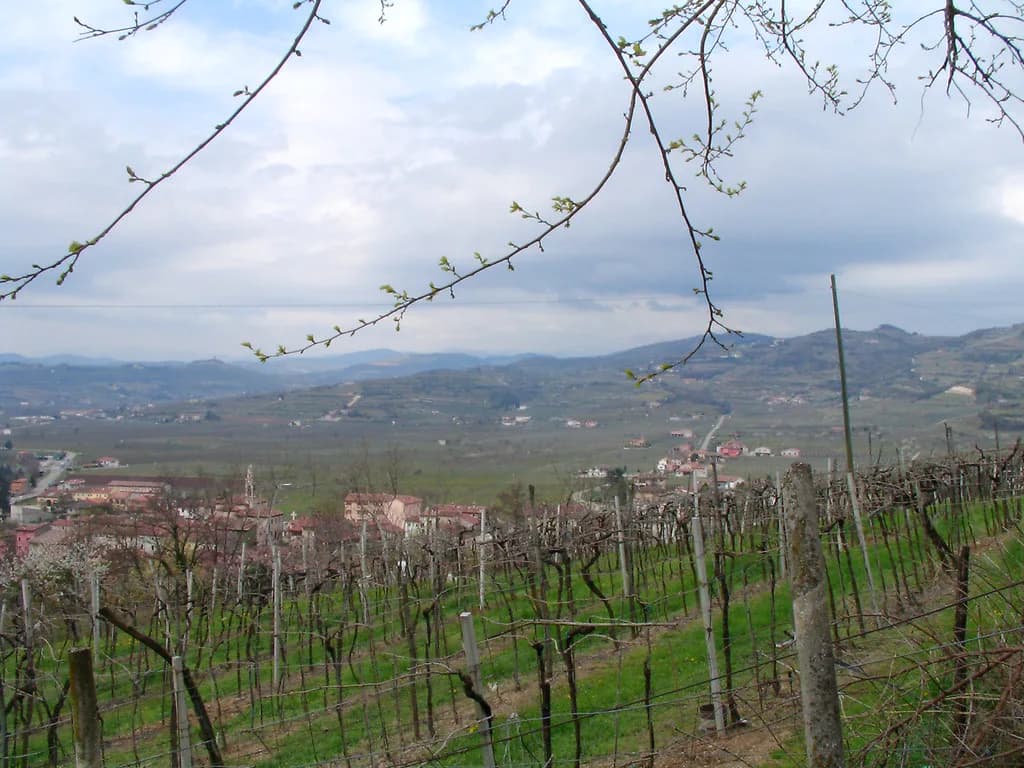
Fumane sits in the Monti Lessini foothills, and the vineyards around it benefit from a micro-climate tempered by nearby Lake Garda. The soils are morainic and gravelly, which is the classic Valpolicella recipe for wines with freshness as well as weight. All of Allegrini's Valpolicella Classica vineyard land is now on hills, a detail that shapes how the estate describes its sites.
If you are building a broader Verona itinerary, Allegrini belongs on the shortlist of wineries near Verona that anchor the Classica zone, alongside the estates of San Pietro in Cariano and Negrar. Treat it as one substantial stop rather than a box to tick between two others. If you are weighing a different city base for a cellar-focused trip, the same decision comes up in wine tasting in Turin, where Piedmont's cellars sit within day-trip range.
The Wines to Know Before You Go
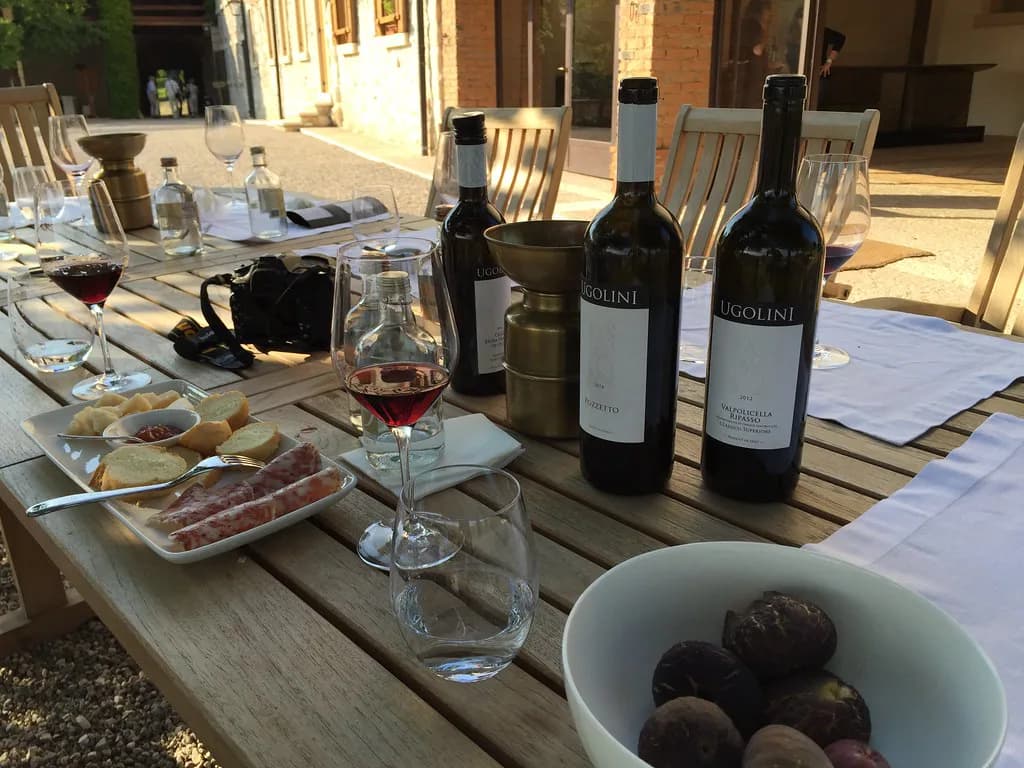
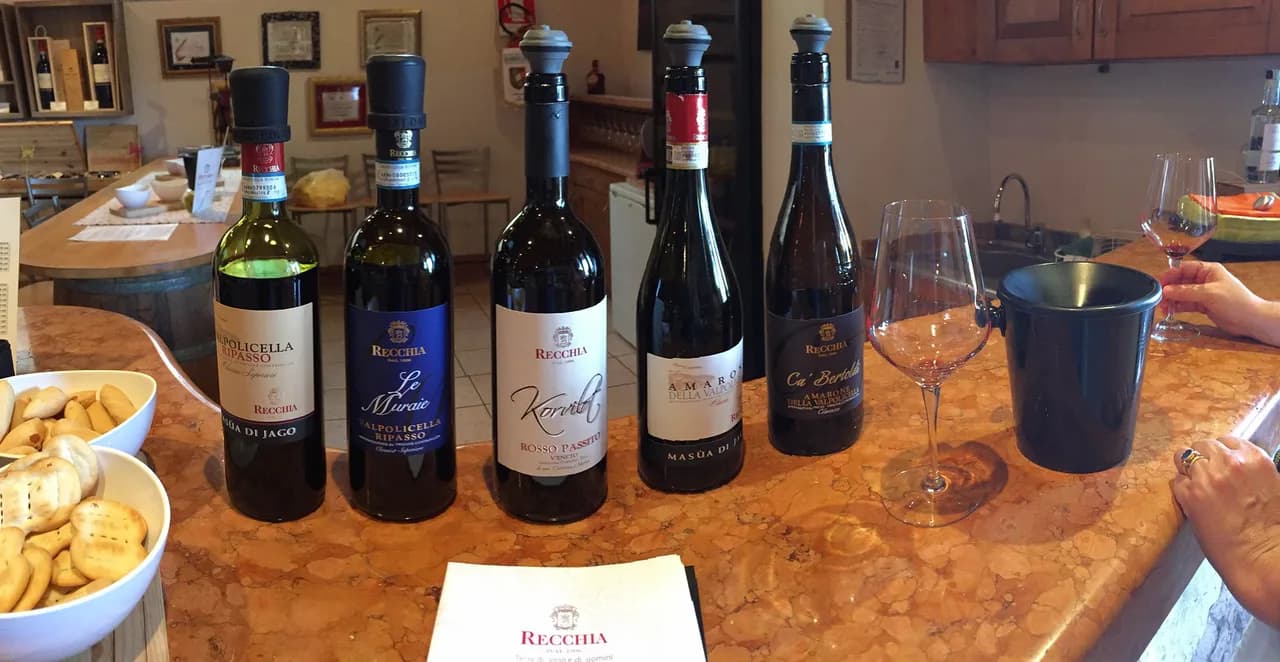
Allegrini's reds rest on the core Valpolicella grapes: Corvina and Corvina Veronese, Rondinella, Molinara and Oseleta, with Sangiovese and Syrah appearing in some bottlings. The range runs from Valpolicella DOC through Palazzo della Torre and La Grola as Veronese IGT wines, up to Amarone della Valpolicella DOCG. Knowing which tier you are tasting makes the visit far easier to follow.
The whites come from other parts of the Veneto portfolio: Soave Classico from Garganega, and Lugana. The Allegrini vineyard holdings span Valpolicella, Lugana and Soave, so a tasting may pull in wines from well south and east of Fumane. If you came for Amarone alone, say so when you book and ask what the white pour will be.
La Poja, a single-vineyard Corvina Veronese bottling, is the estate's most distinctive red departure from the blended house style, and Palazzo della Torre is the more approachable introduction to the dried-grape method at a lower tier than Amarone. Ask which of these are open on the day you visit, because small-production labels are not always part of the standard line-up. Existing listings of the range give you a starting point for what to request.
Why Amarone Matters Here
Amarone della Valpolicella is made from grapes dried before fermentation, which concentrates sugar and flavor and yields a rich, full-bodied red. At Allegrini the drying happens in a dedicated high-tech facility on the estate, so a production walk-through puts the method in front of you rather than leaving it in the abstract. If you only taste and skip the cellar, you miss the part of the story that explains the price of the bottle.
The same dried-grape technique at less intensity produces Palazzo della Torre, an IGT Veronese wine that sits between the fresh Valpolicella DOC and the full Amarone. Tasting the two side by side is the clearest education a Valpolicella visit offers, so ask whether the flight is structured that way. This is a request to make when you reserve, not on arrival.
Getting There from Verona Without Driving
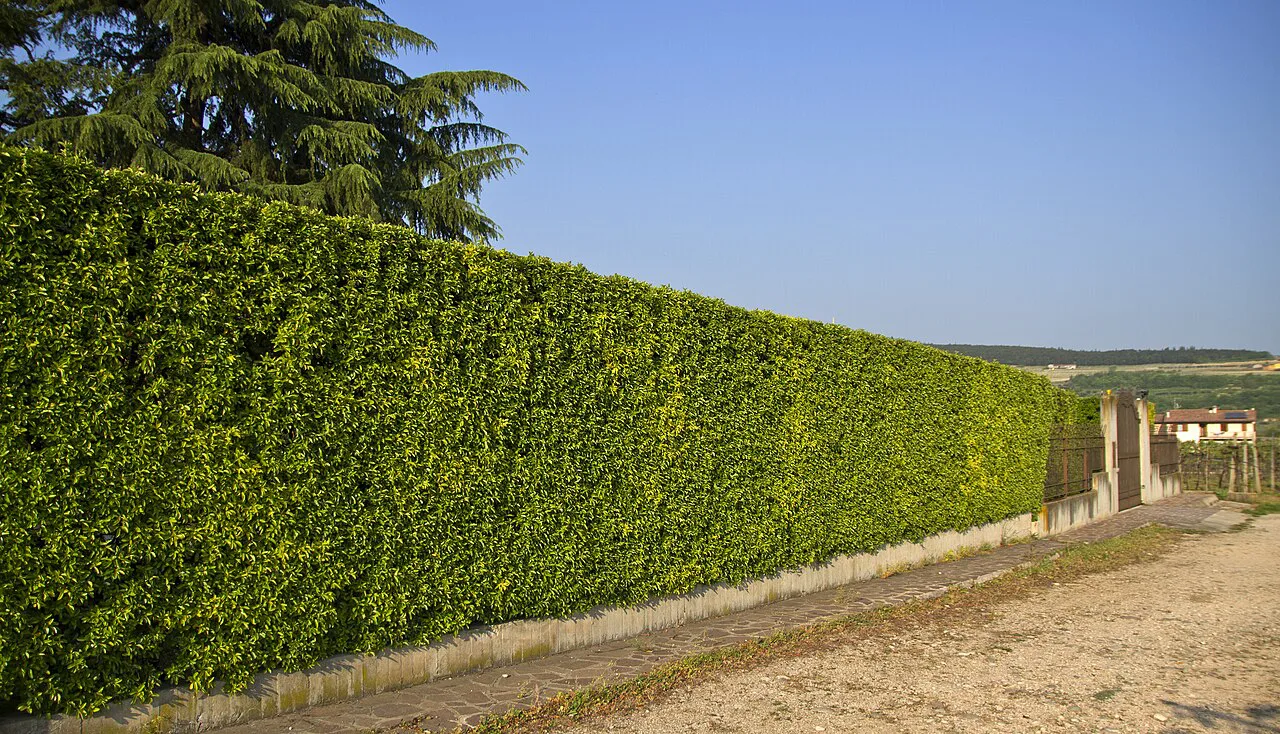
Fumane lies a short drive northwest of Verona in the Classica hills, and the villages you will group with it, San Pietro in Cariano and Negrar, sit close by. A sensible day joins two or three estates within this cluster rather than trying to reach the far side of the region. The road into Fumane climbs, so plan your time around the drive, not around a train timetable.
There is no practical direct rail service to the estate, and buses reach the villages but leave you walking rural roads with no sidewalk. A taxi from Verona is straightforward for the outward leg, but the return is the weak point: ask the driver to wait or book a pickup time, and expect to hold a local taxi number. A pre-booked Verona wine tours option removes that uncertainty and often groups two estates in one afternoon.
Cycling is feasible for fit riders who know how to pace a climb, but the hills and the dispersed estates make it a full-day commitment rather than a casual ride. Whichever option you choose, the person driving should not taste: use the spittoons, split a flight, or let a tour handle the driving.
Booking a Visit and What to Ask
The estate is reached through the published phone line and address in Fumane, and appointments are the norm for winery visits in Valpolicella. Call or email ahead with your date, party size and whether you want a tasting only or a cellar walk as well. The official Allegrini site is the right place to start for the current contact route and visitor information.
Put four questions in the message: how many wines are poured, whether the drying facility or cellar is included, how long the visit runs, and the minimum party size. Ask for the price in writing rather than guessing from a retail listing, since tasting fees are not published in the available material. If you want La Poja or a specific vintage, name it.
A Verona wine bar stop later in the evening is a good complement to a daytime estate visit, especially if you tasted young vintages and want to see how the wines show with more age. Keep the two separate, though: an estate appointment is a scheduled commitment.
Villa della Torre and Staying Overnight
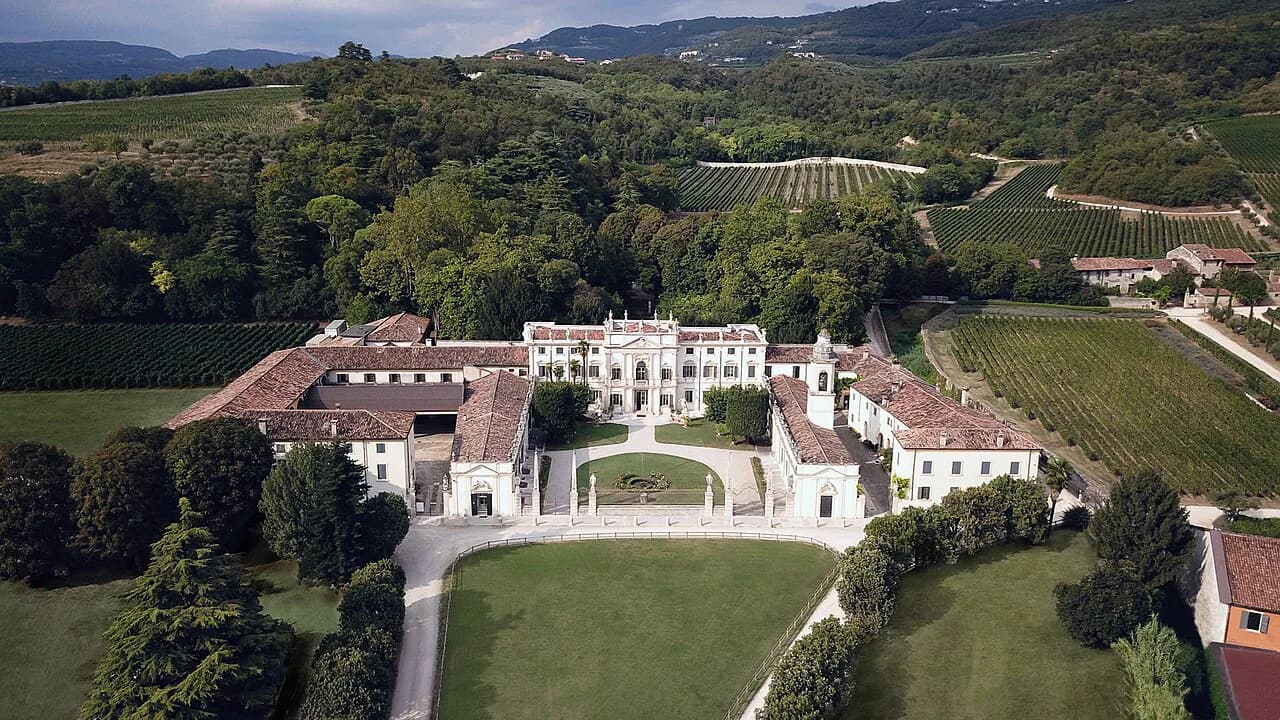
Villa della Torre is a Renaissance palace in Fumane designed by Giulio Romano, modeled on the villas of ancient Roman aristocracy. It serves as Allegrini's headquarters, an events and cultural venue, and the heart of the estate's hospitality, with rooms in the upper floors overlooking the Palazzo della Torre vineyard. It is a working building, not a museum set.
The guest rooms at Villa della Torre come with an indicative published range of 200 to 250 euros, well above what a standard Verona hotel room typically costs. The listed amenities include air-conditioning, heating in winter, parking, television and WiFi. Treat that figure as a starting range from the property listing rather than a confirmed rate, and ask for the price for your exact dates when you reserve.
No restaurant is confirmed on the estate, so plan dinner in Verona or in one of the nearby villages and arrange transport accordingly. If a long lunch or dinner is part of your plan, ask the estate whether any food pairing accompanies the tasting. That single question changes the shape of the day.
Pairing Fumane with Nearby Estates
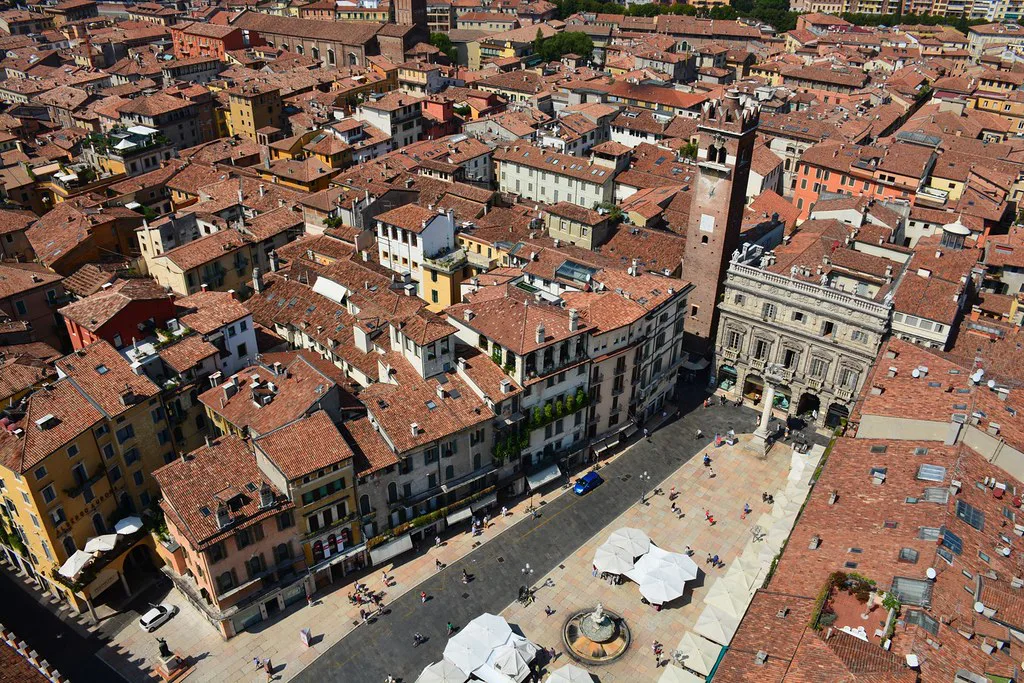
Valpolicella Classica rewards geography: Fumane, San Pietro in Cariano and Negrar are close enough to combine in one loop. Pick two estates with different house styles rather than three similar ones, and leave buffer time between appointments. A second visit in the same zone, such as the Masi Winery Visits from Verona, gives you a contrasting take on the same grapes.
Grouping estates by village also solves the transport problem, because a driver or tour can drop you between nearby properties without long transfers. Map your stops before you book, and check each estate's visiting days so the sequence works on paper first.
Staying Overnight at Villa della Torre
If you want to stay on the estate itself, Villa della Torre is a luxury Bed & Breakfast, and it is now possible to stay in one of the beautifully renovated upper rooms overlooking the surrounding Palazzo della Torre vineyard. The rooms mix refined antique furnishings with exclusive touches of modern design, and the conveniences listed for guests are air-conditioning, heating in winter, parking, a television and WiFi.
Rates for these rooms run from 200 € to 250 €. The villa, located in Fumane di Valpolicella, was designed by the architect and artist Giulio Romano modeled after the homes of the ancient Roman aristocracy, or "Domus". It is the company's headquarters and acts as a venue for cultural, artistic, and epicurean events, and it is the heart of Allegrini's hospitality.
The address is Via Della Torre, 25 – 37022 Fumane, and the telephone number is (+39) 045 6832070. Near the estate you will find the Church of San Floriano in San Floriano, the Madonna De La Salette Sanctuary in Fumane, the Grotto of Fumane, the Waterfall Park of Molina at Via Bacilieri 1, Molina di Fumane, 37022, and Garda Lake, the biggest lake of Italy.
Plan Your Visit
Allegrini is best treated as a half-day anchor in the Classica hills: book ahead, ask about the cellar and the drying facility, and build the rest of the day around Fumane rather than across the whole region. Confirm the current visiting days, tasting fee and any seasonal closures when you book, since these are not published in the material available here. A single conversation with the estate settles everything else.
Frequently Asked Questions
Where is Allegrini winery located?
The estate is in Fumane, in the province of Verona, within the Valpolicella Classica hills northwest of Verona. The published address is Via della Torre 25 in Fumane, where the cellars, tasting rooms, grape-drying facility and Villa della Torre sit together. From central Verona it is a short drive, and the villages of San Pietro in Cariano and Negrar are close enough to pair with it in one day.
Can you visit Allegrini winery from Verona without a car?
Not easily on public transport, because there is no practical direct rail link to the estate and buses leave you on rural roads without sidewalks. A taxi covers the outward leg well, but you should agree on a pickup time or keep a local taxi number for the return. A pre-booked wine tour from Verona solves both legs and often combines two estates in the same afternoon.
Do you need to book Allegrini tastings in advance?
Appointment-style booking is the norm for Valpolicella estate visits, so contact the winery before you travel rather than turning up. State your date, party size, and whether you want a tasting only or a cellar and drying-facility walk as well. Ask how many wines are poured, how long the visit lasts, and the minimum party size, then request the tasting fee in writing along with current opening days and any seasonal closures.
What wines does Allegrini make?
The core reds come from Corvina, Corvina Veronese, Rondinella, Molinara and Oseleta, with Sangiovese and Syrah in some bottlings. The range covers Valpolicella DOC, Palazzo della Torre and La Grola as Veronese IGT wines, La Poja from Corvina Veronese, and Amarone della Valpolicella DOCG. The wider portfolio also includes Soave Classico from Garganega and Lugana, so ask which labels are open on your visit date.
Who owns Allegrini today?
Allegrini remains a family company, and the seventh generation now holds significant roles across general management, the cellar and external relations. The family has been part of Valpolicella Classica since 1854, and the winery is based in Fumane. Its vineyard holdings extend beyond Valpolicella into Lugana and Soave.
Is there somewhere to stay at Allegrini?
Yes. Villa della Torre, the Renaissance palace designed by Giulio Romano that serves as the estate headquarters, has renovated guest rooms on its upper floors overlooking the Palazzo della Torre vineyard. The property listing describes amenities such as air-conditioning, winter heating, parking, television and WiFi, and gives a room rate range rather than a fixed figure. Ask the property for the price for your dates when you reserve, and note that no restaurant is confirmed on the estate.
Sources
Notes for your next wine trip
Optional updates to our winery and wine-town guides.
You might also like
Continue reading
More guides you'll find useful