Zenato Winery from Verona: Lugana and Valpolicella Tastings
Zenato's two Veneto estates sit in Lugana and Valpolicella Classica. Here is how to arrange a visit, which wines you will meet, and how to reach them from Verona.
On this page
Zenato is one of the Veneto names travelers ask about most before a Verona wine day, yet the label hides a split geography. The company farms a lakeside estate at San Benedetto di Lugana, near Peschiera del Garda, and a hillside estate called Costalunga in Sant'Ambrogio, one of the five villages of Valpolicella Classica. Treating those as one address is the most common planning mistake.
The good news is that both fit naturally into a short trip from Verona, provided you decide which half of the portfolio you want to taste. Lugana means white wine from Turbiana on glacial soils close to the lake, while Valpolicella means Corvina-based reds built on the appassimento method. The two estates are roughly an hour apart by road, so a single day rarely covers both comfortably.
What follows separates what Zenato publishes from what you have to ask directly, so you can call or write with the right questions rather than guessing. It also maps the train, bus, taxi and bike options for each estate and weighs an independent visit against a guided tour.
Why Zenato Belongs in a Verona Wine Day
Zenato was founded in 1960 by Sergio Zenato, who built the business around the native white grape of the southern lake shore before the family expanded into Valpolicella. The company now farms about 95 hectares across the two estates, with the Santa Cristina property at San Benedetto di Lugana and the Costalunga property at Sant'Ambrogio. That history explains why the range reads as two stories rather than one.
For a traveler based in Verona, the practical appeal is coverage: a single producer whose portfolio spans a crisp lake white and the full Valpolicella hierarchy, from everyday red to Amarone. If you want one appointment that teaches you how the region's two signature styles differ, Zenato is an efficient choice. If you want depth in a single village, you are better served by a smaller estate.
The family's second generation runs the company today, with Nadia Zenato handling sales and marketing and Alberto Zenato overseeing production. That continuity matters when you book: you are dealing with a sizable, export-oriented winery rather than a farmhouse cellar, so the visit program is organized and the correspondence is in English as well as Italian.
The Wines You Will Meet: Lugana and the Valpolicella Ladder
At Santa Cristina, the focus is Turbiana, also called Trebbiano di Lugana, planted on clay and mineral soils formed in the glacial era and moderated by proximity to Lake Garda. The wines appear under the Lugana DOC as a youthful white and, in better vintages, as a richer riserva. Lugana is a useful contrast to the Soave whites many visitors taste first, being broader and more textured.
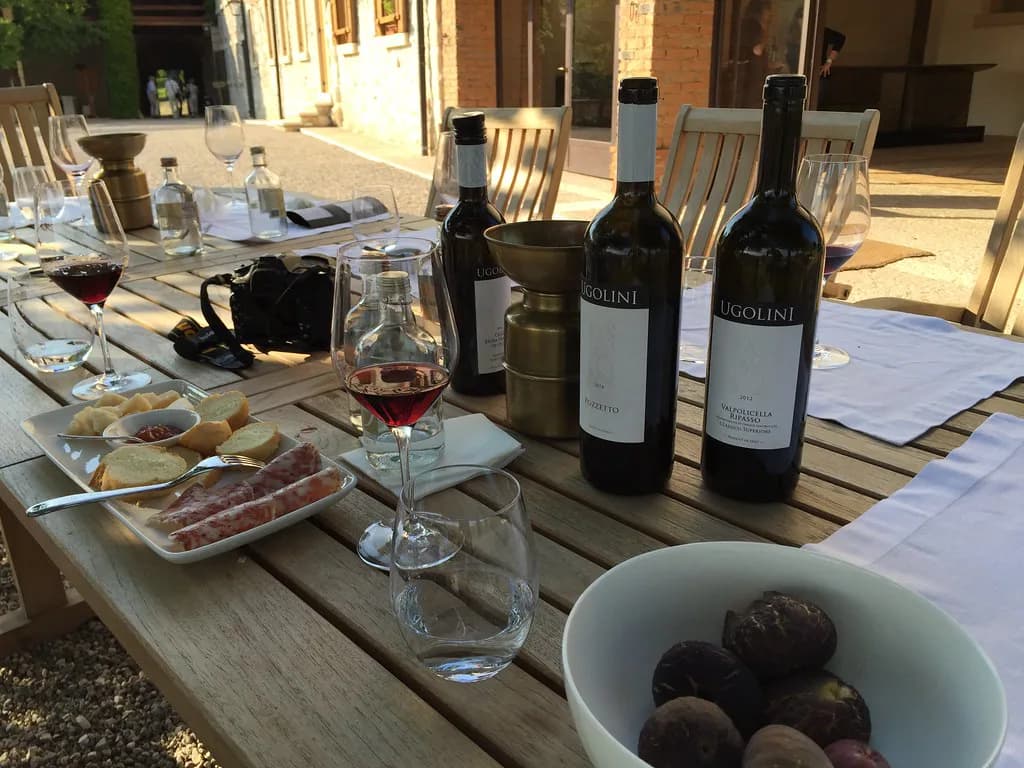
At Costalunga, the reds follow the classic appassimento ladder. Valpolicella is the lightest tier, Valpolicella Superiore adds body, Ripassa is made by re-passing the wine over the skins left from Amarone, and Amarone della Valpolicella comes from grapes dried before fermentation. Knowing this order before you arrive lets you ask for the tasting that matches your interest instead of accepting a fixed flight.
Amarone is the flagship, made mainly from Corvina with Rondinella, Oseleta and Croatina permitted in the blend, and it is the wine most visitors want to compare. Ripassa, a Zenato signature, sits in the middle of the price and weight range and is often the more useful bottle to learn from.
Zenato also produces wines beyond the Veneto, including a Bolgheri range in Tuscany, plus sparkling and dessert bottlings. Those are worth knowing about but should not shape your choice between the two estates. The decision that matters is white and lake or red and hills.
Where the Estates Are Relative to Verona
The registered address, Via San Benedetto 8, 37019 Peschiera del Garda, sits at the southern end of Lake Garda, where the lake narrows toward the Mincio plain. From central Verona that is a straightforward run down the SS11 or the A4, typically under forty minutes outside rush hour. Train connections on the Verona–Peschiera line make it feasible without a car.
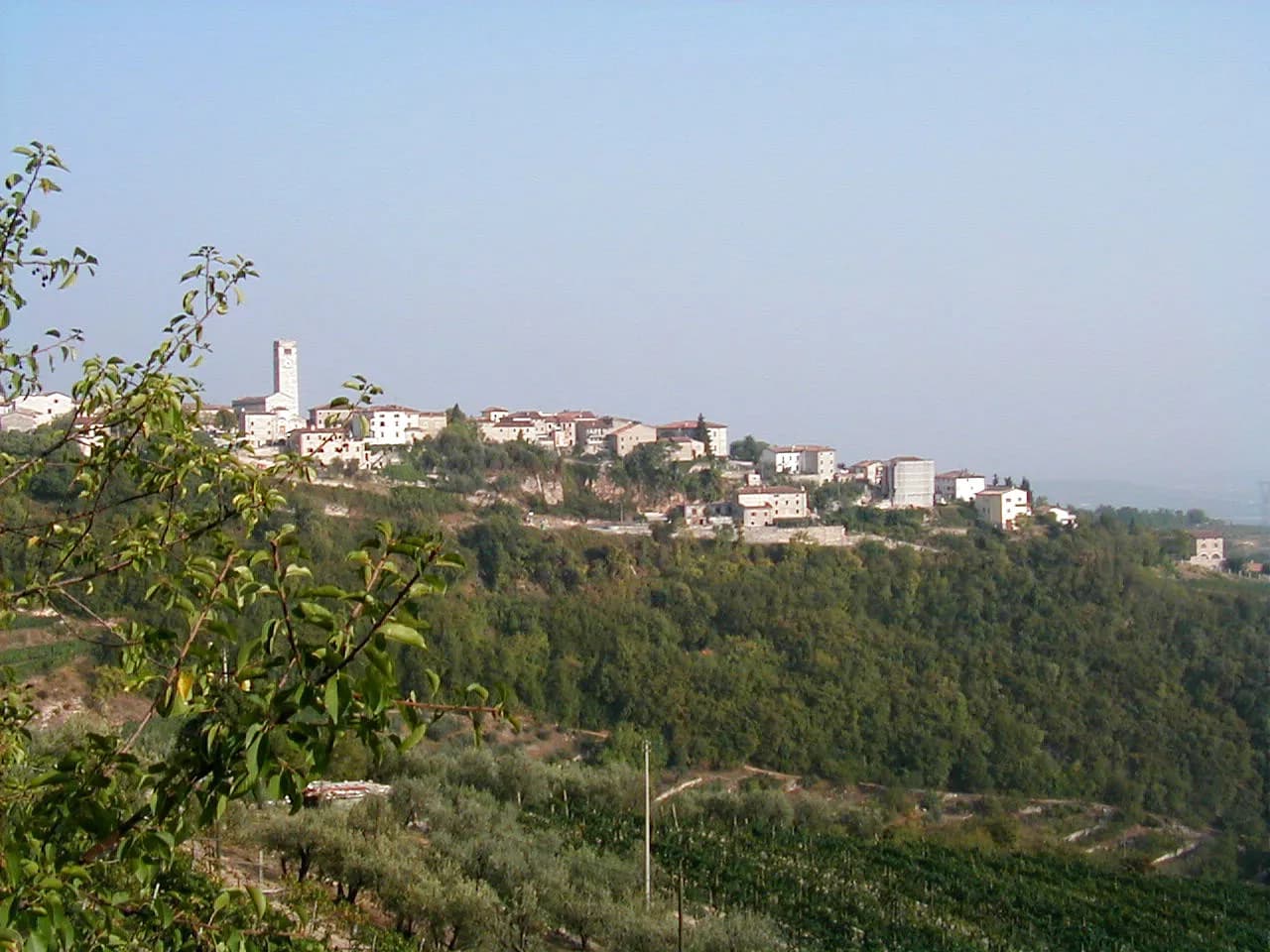
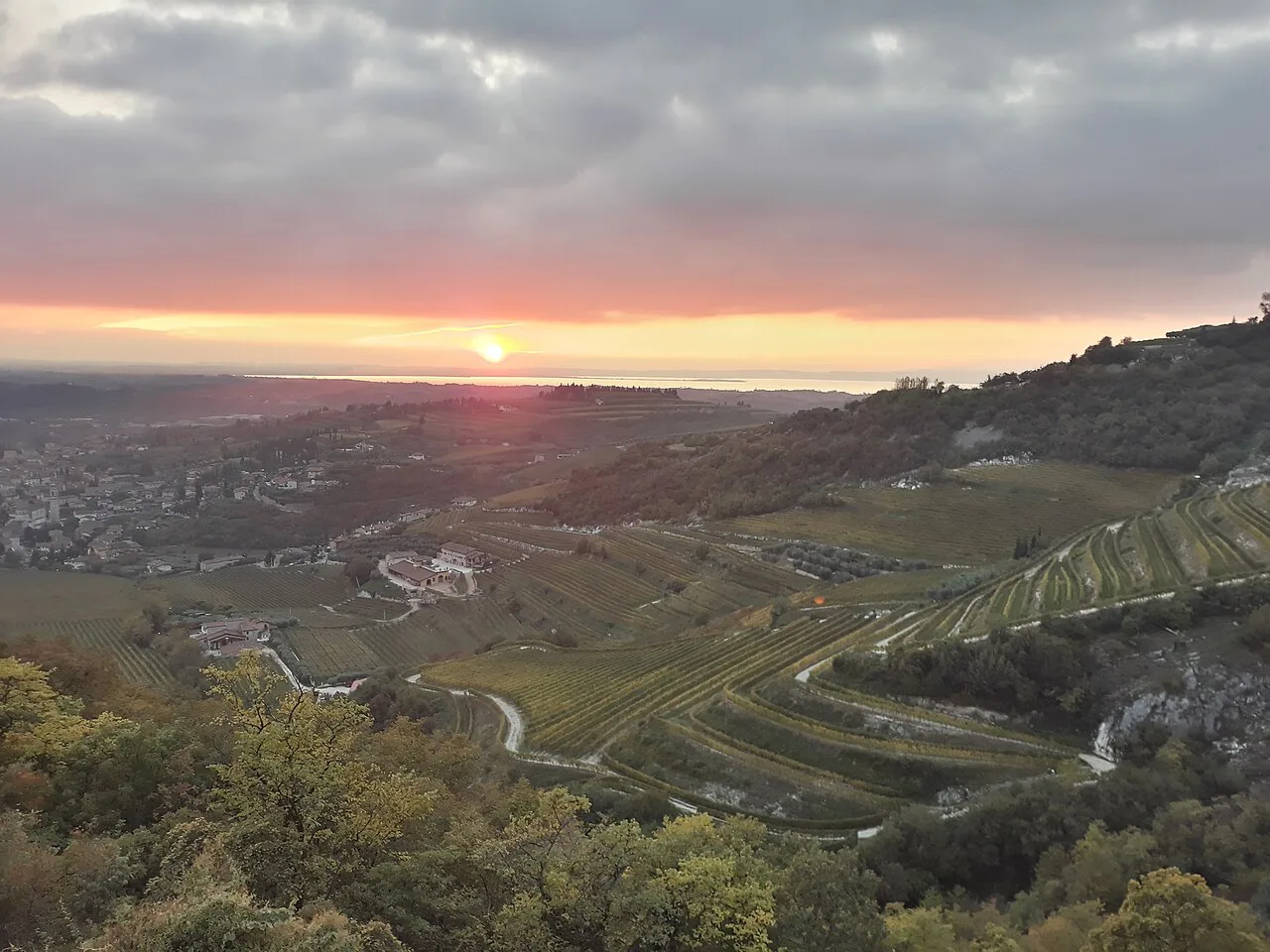
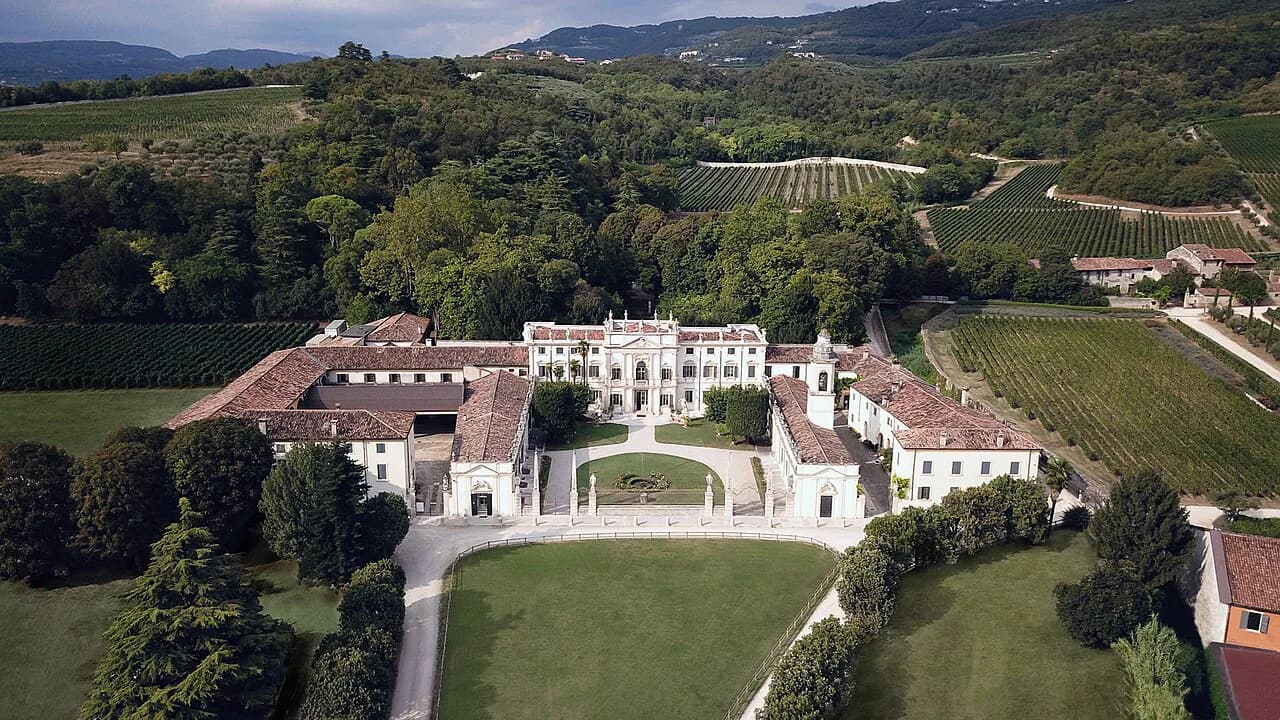
Costalunga lies in Sant'Ambrogio di Valpolicella, north-west of Verona in the Classica zone, a hill property at roughly 450 meters with the terra rossa soils typical of the area. The drive from Verona is shorter than to Peschiera, generally half an hour or less depending on traffic leaving the city. The two estates are far enough apart that combining them demands a full day and a car or driver.
If you are weighing this visit against others in the hills, the Valpolicella Classica villages of Fumane, Marano and Negrar sit on the same axis, and a family estate such as Allegrini Winery in Fumane makes a logical second stop. Grouping two appointments in one valley is far more efficient than crossing to the lake and back. If you are comparing the appassimento reds with another Italian region before you book, wine tasting in Bologna offers a useful counterpoint.
Booking a Visit: What Zenato Publishes and What You Ask
Zenato maintains a tours and tastings page on its corporate site and a main office reachable at +39 045 755 0300 or info@zenato.it. That is the channel to use for a tasting request, and it is also where you confirm which estate hosts visitors and on which days. Tasting prices, durations and the number of wines poured are not stated on that site, so ask for them in your email.
The only published hours belong to the wine shop, open Monday to Saturday from 8:30 to 12:30 and 14:00 to 18:00, closed on public holidays. Do not read those as tasting slots; they describe retail access, and a seated tasting is a separate arrangement. Ask explicitly whether a shop stop and a guided tasting are booked through the same request.
In your email, state the date, the number of people, which estate you want, and whether you need the visit in English. Ask for the tasting fee, the wines included, whether a cellar or vineyard walk is part of it, and the cancellation terms. Ask about minimum party size, since many Veneto estates set one for guided tours, and whether a single visitor can join a scheduled group.
Harvest, usually September into October, is the period when tour capacity tightens and production areas are busiest. If your dates fall in that window, write earlier than you otherwise would. If you are traveling in winter, ask Zenato directly whether tastings run on your dates instead of assuming the shop hours apply to visits.
Getting to the Lugana Estate Without Driving
Regional trains between Verona Porta Nuova and Peschiera del Garda run frequently along the lake's southern shore, and the station sits a short taxi ride from San Benedetto di Lugana. From Peschiera you can also cycle the lake path toward the estate, which is a flat and pleasant option in good weather. Check the current timetable before you commit, because the frequency drops on Sundays.
Buses along the lake shore connect Peschiera with the Lugana villages, and local operators publish seasonal schedules that change between summer and winter. A taxi from the station is the simplest fallback and inexpensive over that short distance. If you are staying in Verona rather than by the lake, the train-plus-taxi combination takes about an hour door to door.
The lake option pairs well with the wider Lugana and Bardolino shoreline, where two tastings in one day are realistic because distances are short. For an overview of what else is possible from the city, see wine tasting in Verona.
Getting to Sant'Ambrogio in Valpolicella Classica
There is no dedicated rail line into Valpolicella Classica, so the practical non-driving route is a bus from Verona toward the valley villages followed by a taxi or a walk of variable length. Service is geared to residents, with fewer runs on Sundays and in the evening. Confirm the return trip before you set out, since a missed last bus leaves you with a costly taxi back to the city.
A taxi from central Verona to Sant'Ambrogio is short in distance and reasonable for two or more passengers sharing, but availability at the estate gate is limited. Arrange a pickup time when you book the tasting rather than hoping to find a cab on the road. Bike routes exist, though the climb to the Costalunga estate at 450 meters is a real effort.
This is the estate where an organized Verona wine tours arrangement earns its cost, because the operator handles the valley road, the appointment and the return. For a broader list of producers in the zone, see wineries near verona.
Independent Visit or Organized Tour
Going independently keeps your schedule and your budget for the tasting itself, and it lets you linger over the wines you like. The trade-off is logistics: on the Valpolicella side you will need to solve the last few kilometers by taxi or on foot, and you absorb the risk of a delayed bus. For the Lugana estate the balance tips toward independent travel, since the train does most of the work.
A tour costs more up front but bundles transport, a driver who does not drink, and often two or three appointments in one loop. That matters if you want to taste Amarone properly rather than sip and stop. Tours also smooth the appointment process, which helps in harvest weeks when private slots fill.
Zenato has plenty of competition in the hills, and reading up on the appellation first helps you choose between a large family company and a smaller cellar. The Verona wine-tasting overview breaks out wine tasting by zone and by season.
Pairing Zenato With the Rest of the Day
On the lake, San Benedetto di Lugana adjoins Peschiera del Garda, Sirmione and Desenzano, which makes a natural white-wine morning followed by a lakeside lunch. Keep the driving short and you can add a second small Lugana cellar on the same afternoon. The area is flat, well signed and easy to navigate.
In Valpolicella, Sant'Ambrogio connects easily with Fumane, Marano and Negrar along the valley roads, so pair Zenato with one nearby appointment rather than two. An evening back in Verona is well spent at a wine bar in the historic center, where the day's discoveries are often available by the glass. See Verona Wine Bars for orientation.
How Tastings Are Usually Structured in This Part of Veneto
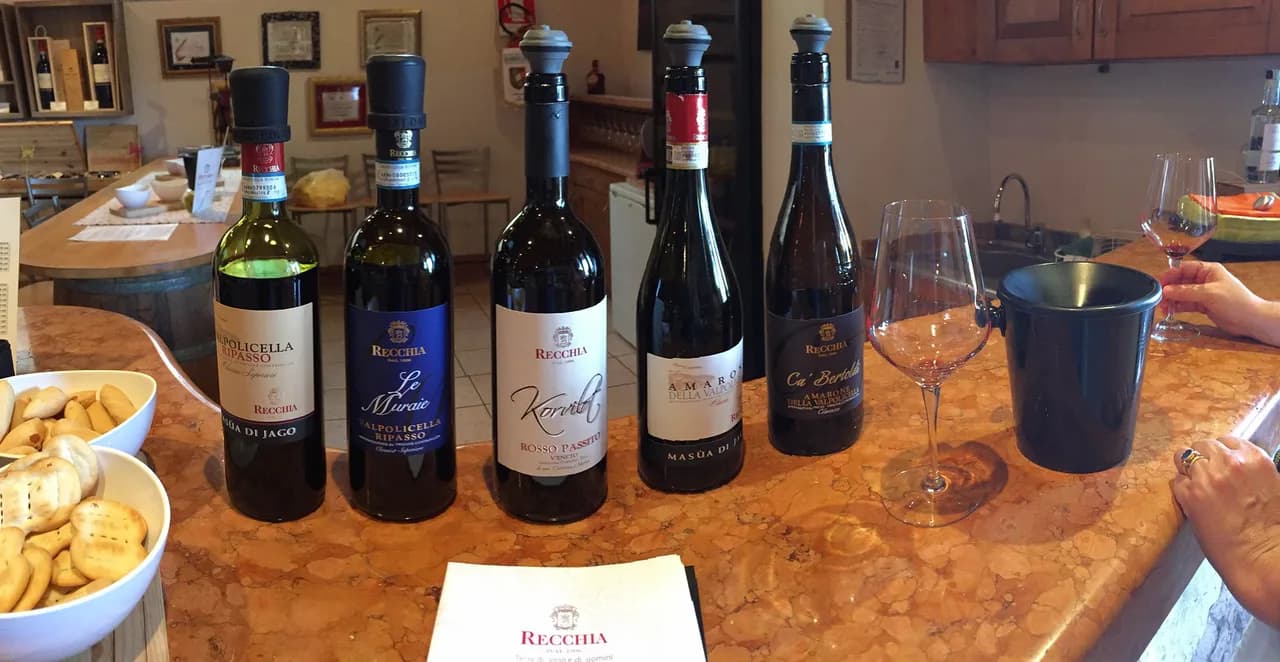
Visits at estates of Zenato's scale commonly combine a short walk past the tanks or barrels with a seated tasting, and some include bread, cheese or cured meat. Zenato's own site lists tours and tastings as a distinct offering without publishing the format or fee. That means the content of each tier is a question for the booking email, not something to infer from the wine list.
Tasting fees in the region are often waived or reduced against a purchase, but the threshold varies by estate and is rarely posted. Ask Zenato before you book if you plan to buy bottles, and ask whether shipping to the United States is offered. Retail prices in the US market are a poor guide to cellar-door pricing, so don't budget from them.
For a sense of how wines like Zenato's sit in the market, US retail listings show a Valpolicella Superiore at around $20 and Amarone near $73, which tells you the tier differences but not what the winery charges. Treat those figures as retail context only.
Designated Driver and Spitting: Keeping the Day Practical
Whoever is driving should not taste. Use the spittoons that every tasting room provides, appoint a designated driver, or book a tour or train so nobody is behind the wheel after wine. That single rule keeps a Lugana and Valpolicella day safe and unremarkable in the best sense.
Plan Your Visit
Decide first whether you want the lake or the hills: Lugana for Turbiana and an easy train ride from Verona, Valpolicella Classica for Corvina, Ripassa and Amarone in the Sant'Ambrogio hills. Then email Zenato with your date, party size, preferred estate and the details you need on fee, format and duration.
Book transport to match the day's shape, favoring the train for Peschiera and a tour or taxi for Sant'Ambrogio, and confirm the return leg when you make the appointment. If you would rather build the day around a guided format, browse Verona wine tours before committing.
Frequently Asked Questions
Where is Zenato winery located?
Zenato operates two Veneto estates. The registered office is at Via San Benedetto 8, Peschiera del Garda, at the southern end of Lake Garda, on the Santa Cristina estate in San Benedetto di Lugana. Its red-wine estate, Costalunga, is in Sant'Ambrogio di Valpolicella, in the Classica zone north-west of Verona.
Can you visit Zenato winery for a tasting?
Zenato lists tours and tastings as an offering on its website, and the winery takes requests through its main office phone and email. The site does not publish the tasting fee, the number of wines poured or the visit duration, so ask those questions when you write. Confirm which estate hosts visitors on your dates.
Is Zenato in Lugana or Valpolicella?
Both. The white wines, based on Turbiana, come from the Santa Cristina estate in San Benedetto di Lugana near Peschiera del Garda, while the Corvina-based reds, including Ripassa and Amarone, come from Costalunga in Sant'Ambrogio di Valpolicella. The two locations are roughly an hour apart by road.
What wines does Zenato make?
The range covers Lugana whites, the Valpolicella ladder of Valpolicella, Superiore, Ripassa and Amarone della Valpolicella, sparkling and dessert wines, and a Bolgheri line from Tuscany. Amarone and Ripassa are the best-known reds, and Lugana San Benedetto is the signature white.
How do you get to Zenato from Verona without a car?
For the Lugana estate, take a regional train from Verona Porta Nuova to Peschiera del Garda, then a short taxi or the lakeside bus, or cycle the flat shore path. For Sant'Ambrogio in Valpolicella, take a bus into the valley and finish by taxi, or join an organized tour that handles the valley roads and the return.
Do you need an appointment to taste at Zenato?
The winery publishes a tours and tastings page and an office contact for visits, and appointment practice is the norm at estates of this size in the Veneto. Ask when you write whether a walk-in tasting is possible on your dates or whether everything is scheduled in advance, especially during the September and October harvest.
Sources
Notes for your next wine trip
Optional updates to our winery and wine-town guides.
You might also like
Continue reading
More guides you'll find useful