Vinitaly in Verona: Trade Fair vs Vinitaly and the City
Vinitaly is Verona's giant wine trade fair, while Vinitaly and the City opens city-center tastings to everyone. Compare access, tickets, timing and transport.
On this page
Vinitaly is not a stroll between piazza tasting tables. It is a four-day wine trade fair held at the Veronafiere exhibition centre on the southern edge of Verona, built around business meetings between cellars and buyers. A separate event, Vinitaly and the City, is the part designed for the general public, with tastings staged in the city centre.
That split matters for planning. If you want to swirl and spit your way past hundreds of producers in a single hall, the fairground delivers it; if you want an evening in a palace courtyard with a glass in hand, the city programme is the better fit. This guide sets out what each event publishes, how access works, and how to slot either one into a wider Verona wine trip.
What Vinitaly Actually Is
Vinitaly was founded in 1967 in Verona's Palazzo della Gran Guardia and has grown into the reference trade show for Italian wine, with foreign producers and spirits now sharing the halls. The published programme describes four days of conferences, masterclasses and targeted workshops aimed at connecting exhibiting cellars with trade operators. It is a working fair first and a consumer festival second.
The scale is the point: recent editions have drawn more than 4,000 exhibitors from around 41 countries, with exhibitor lists spanning everything from large cooperatives to tiny family estates. For a visitor, that means the fairground is a directory of Italian wine geography laid out in pavilions rather than a curated tasting flight. You choose your route; nobody chooses it for you.
Veronafiere sits at Viale del Lavoro 8, a short ride from the historic centre and close to the A4 and A22 motorway exits. Inside, specialist zones group the offer: Vinitaly Bio for certified organic wines, Micro Mega Wines for small producers of rare or threatened native grapes, an International Wine hall, Vinitaly Tasting, and Vinitaly Design for packaging and bar fittings. Planning a route by zone is far more efficient than wandering.
Vinitaly vs Vinitaly and the City: Which One Fits You
Vinitaly proper is aimed chiefly at wine industry professionals, and the organisers' own description frames the city programme as the route for anyone who simply loves fine wine. In practice, the fair is heavy on B2B conversations, importer meetings and technical seminars, which is either exactly what you want or entirely beside the point.
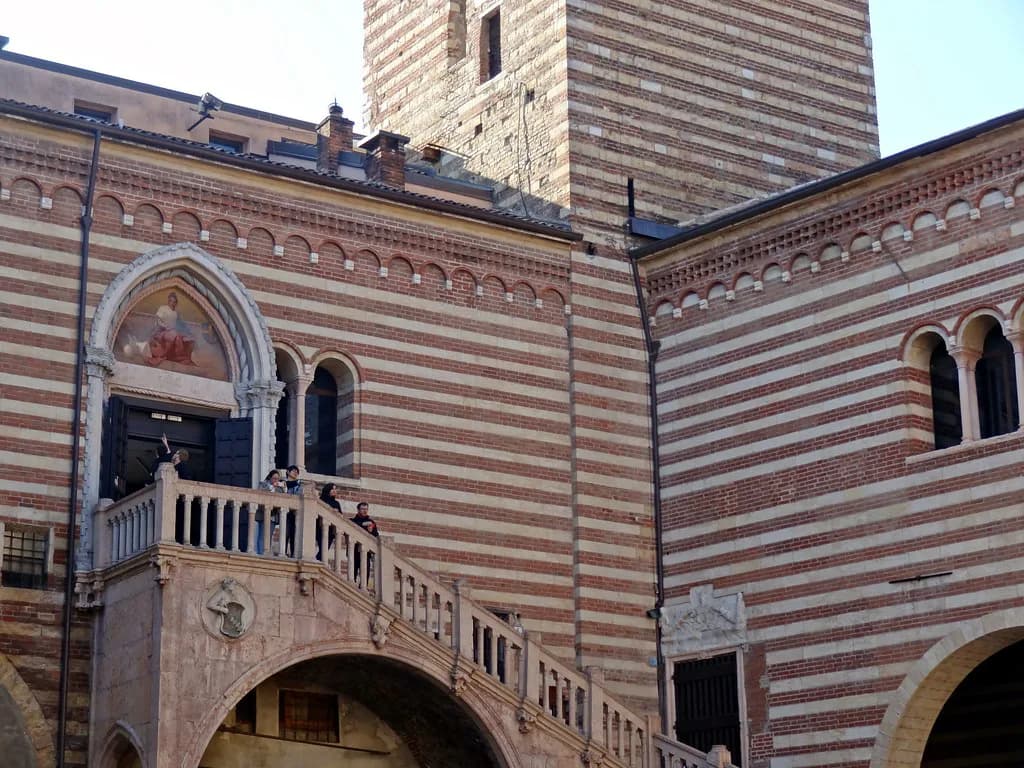
Vinitaly and the City spreads tastings across Verona's most photogenic addresses, including Piazza dei Signori, the courtyard of the Mercato Vecchio and the top of the Torre dei Lamberti, 84 metres above the street. Guided tastings are staged in the Loggia Antica and at the Accademia di Agricoltura, Scienze e Lettere, and the evenings add music, shows and DJ sets. For a leisure traveller with a partner or friends in tow, this is the accessible half of the festival.
A sensible compromise for a wine-focused trip is one day inside the fairground to work through the regional pavilions and one evening in the city programme. Doing both in the same day is possible but punishing: the fair is a large site and the city tastings run into the night. Group them by district instead, and treat the fair day as a full working day.
Dates and Hours: What the Organiser Publishes
The most recent published calendar lists Vinitaly at Verona from 12 to 15 April 2026, with Enolitech running on the same dates, and an earlier listing gives the following edition as 11 to 14 April 2027. Fair dates move and are sometimes restated with a different year attached, so confirm the edition you are booking against the official Veronafiere calendar before you commit to flights or hotels.
Published opening hours for the fairground are 9:30 to 18:30 across all four days, which leaves little slack for a late start. The parallel city event has been scheduled just before the fair itself, with a published run in Verona from 10 to 12 April 2026. Build your trip so the city evenings come first and the fairground days after, and you get both without doubling back.
Getting to Veronafiere Without a Car
The organisers are blunt about this: given the nature of the event, the car is the weakest way to arrive, and safety comes first. Instead, scheduled buses and shuttle services connect the fairground with the main car parks, the city centre, Verona Porta Nuova railway station and the airport. If you are staying near the station or in the centro, the bus is the default plan.
Urban bus lines 21, 22, 24, 61, 73, 93 and 98 serve the exhibition centre, and the site has a large car park for anyone who does drive. For door-to-door flexibility, Radiotaxi Verona and the AppTaxi app both operate during the fair, and drivers are used to the run. Expect taxi demand to spike at closing time, so leave a margin or book ahead.
If your trip continues into the hills, the practical pattern is train or bus into Verona, then a guided transfer or public transport for the wine day rather than a hire car. Anyone driving should not taste at all; use the spittoons, nominate a driver, or join a [wine tours](/verona-wine-tours) group with transport included.
Tickets, Badges and What Prices Are Published
Access to the fair runs through registration on the official event site, where visitors obtain an access badge; advance purchase is advised to avoid queues at the entrances on the busiest days. The city event is simpler: admission to the tastings is by ticket, bought online at the Vinitaly and the City site, where you choose between a straightforward wine tasting and one of the guided tastings.
Neither event's published pages in this round of sources quote an admission figure, so treat any number you see elsewhere as unverified and consult Veronafiere's official ticketing page for the current edition. What you can plan around is structure: badge registration for the fairground, per-session tickets for the city tastings, and separate booking for individual masterclasses. Budget for the masterclasses as an add-on; they are not included in the badge.
Trade visitors should note that some zones, such as Vinitaly Tasting, are oriented to buyers and hospitality professionals, so not every area is equally open to a general ticket. Ask which areas your badge covers when you register, since the answer shapes your route through the halls.
What a Day Inside the Fair Looks Like
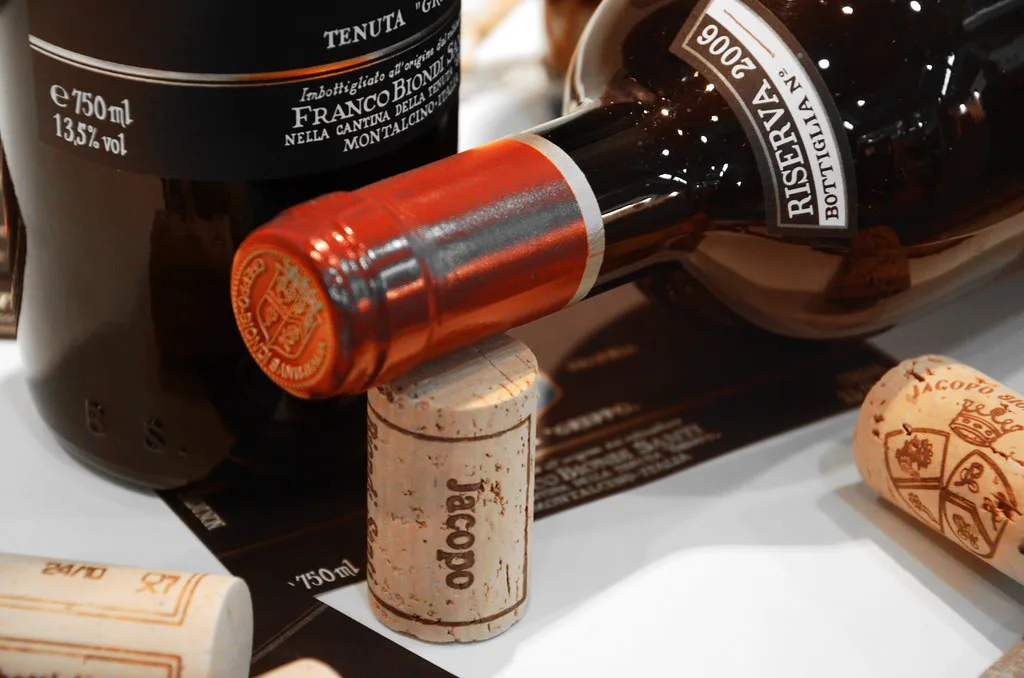
The fair is laid out as regional pavilions plus thematic zones, with more than 18,000 wines poured across the run and over 400 events on the programme. A realistic day covers two or three regions properly rather than attempting the whole site. Start with the zone that matches your interest, whether that is organic certification, rare native grapes or a single region's consortium stand.
Food is part of the fairground offer: a Grande Cucina section hosts restaurant menus, and the Cittadelle della Gastronomia serve pairings of wine with regional produce. That makes a sit-down lunch a genuine option rather than a break in the day. Book the tasting sessions you care about first and fit eating around them.
Beyond wine, Enolitech covers equipment and technology for wine, oil and beer production, from barrels and casks to cellar software, and Vinitaly Design concentrates on packaging, bar fittings and vineyard accessories. These halls appeal to anyone curious about how wine gets made and sold, not just what it tastes like. If you are travelling with a design-minded companion, this is the section that wins them over.
Masterclasses and Themed Tastings
The programme includes more than 50 themed tastings of Italian and foreign wines alongside conferences and training sessions. Consortiums run their own sessions: the Alto Adige Wines Consortium, for example, has organised daily thematic tastings of a selection of 20 wines at its pavilion, with registration required. Seats for these fill, so reserve as soon as the programme is published.
Award programmes sit alongside the tastings, including a blind-judged selection that produces a guide to wines scoring 90 points or above. Treat these results as a shortlist of producers worth seeking out on the floor rather than a reason to queue at one stand. Cross-reference the list against the exhibitor directory before you arrive and you will use your hours better.
Vinitaly and the City: Tastings in Squares and Palaces
The city programme turns Verona's centre into the venue, with tastings in Piazza dei Signori, in the Mercato Vecchio courtyard and high on the Torre dei Lamberti. Ticketing is per tasting, and the guided sessions in the Loggia Antica and the Accademia di Agricoltura, Scienze e Lettere are the ones to book early because capacity is fixed. Everything else is a short walk apart, which makes it easy to combine with dinner.
Guided tours and workshops themed on wine run at Corte Sgarzerie and near Porta Borsari during the same days, and the evening programme adds performances and DJ sets that suit a mixed group. The whole city is animated during fair week, so a [Verona wine bar](/verona-wine-bars) becomes an extension of the festival rather than a separate evening.
Where to Stay and How Fair Week Changes the City
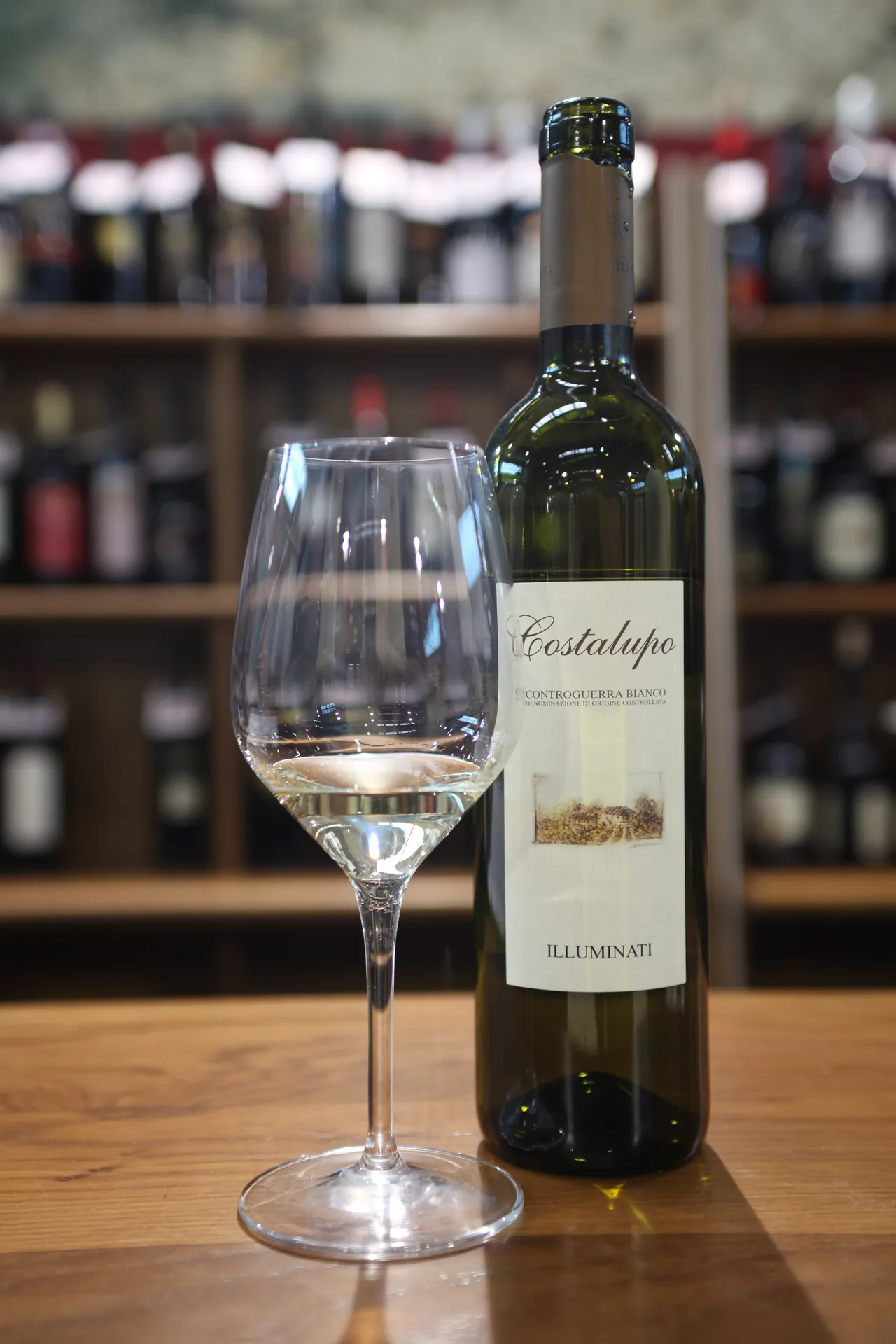
Fair week fills Verona's hotels, and the sources are explicit that accommodation should be booked well in advance because of the event's popularity. Options range from hotels near the exhibition centre to quieter properties in the Veronese hills with transport to the fairground, subject to availability. For a short trip, the area around Verona Porta Nuova station wins on logistics: trains, buses and airport links all converge there.
Staying in the centro instead puts the evening city tastings on your doorstep and the fairground one bus ride away. Weigh which half of the trip matters more before you book, because the two bases pull in different directions. A split stay, centro for the city programme and a station-area hotel for the fair days, is workable if you dislike long transfers.
Pairing the Fair With Real Winery Visits
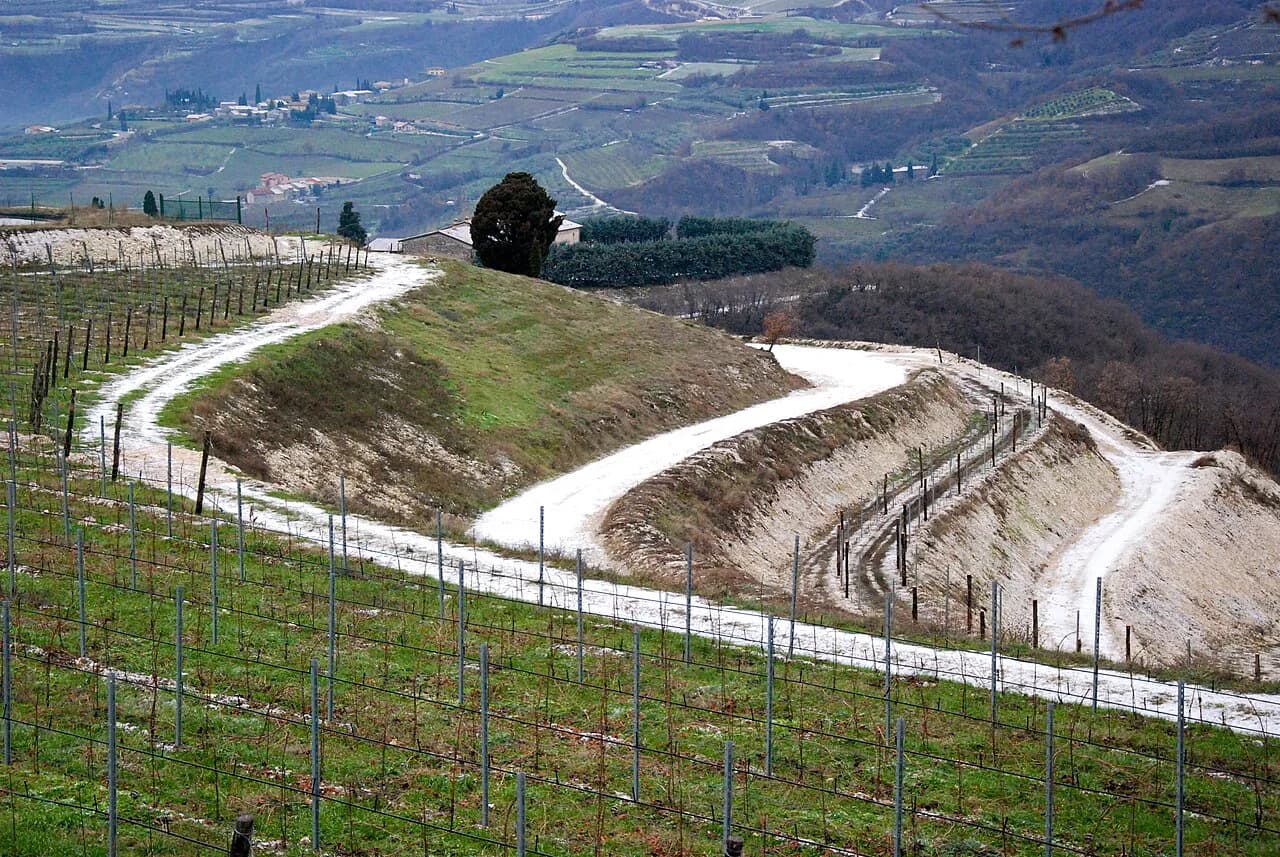
Verona's advantage is that the fair is only part of the wine story. The Valpolicella hills northwest of the city, and Soave to the east, hold working estates that receive visitors by appointment, which is a different experience from tasting at a trade stand. A day among the [wineries near Verona](/verona-wineries) before or after the fair gives context to everything you tasted in the halls. If you enjoy comparing regions this way, the [Turin wine guide](/turin-wine-tasting) covers the Piedmont cellars that anchor Italy's northwest.
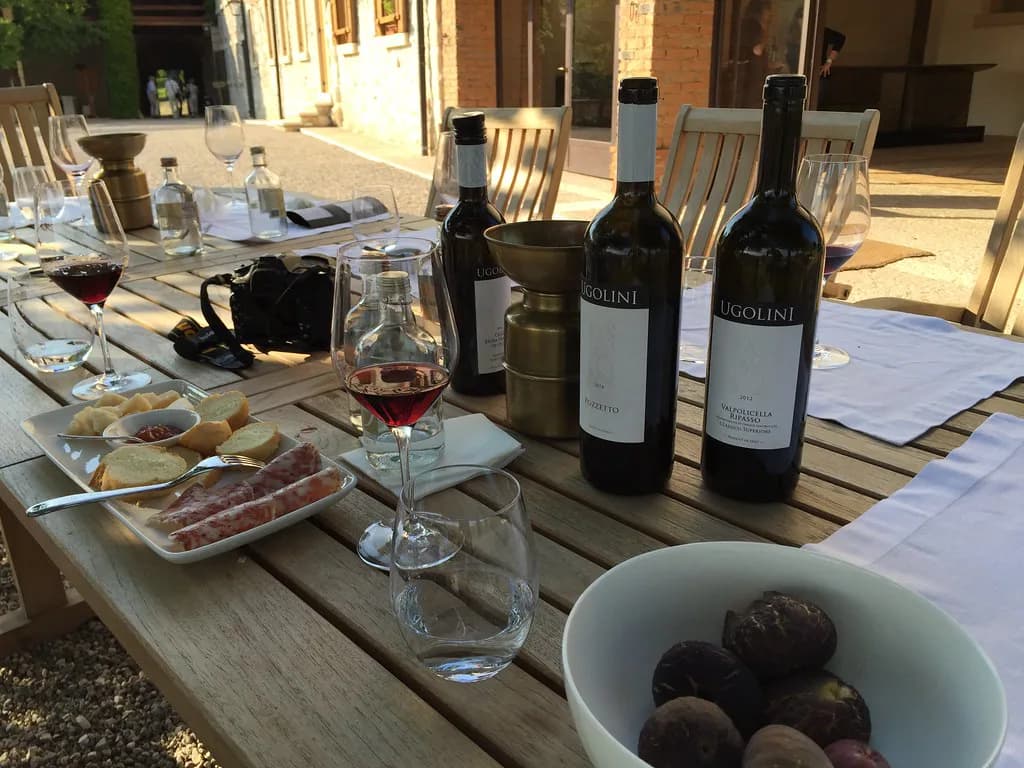
In Valpolicella Classica, estates such as the [Allegrini winery](/allegrini-winery-visit) in Fumane open their cellars to booked visitors, and appointments are the norm rather than the exception in this district. Book direct by email or through the estate's site, state your party size and ask what the visit covers. Outside fair week, availability is far easier.
Timing matters: harvest in the Veronese hills falls in late summer and early autumn, when cellar work takes priority and appointments tighten. Spring, when the fair runs, is a good window for visits because the wineries are between vintages. Ask when you book whether the tasting includes a cellar walk-through or is a seated flight only.
Practical Trade-offs: One Day, Three Days or None
For a leisure traveller, one day at the fair is usually right: enough to work a handful of regions, watch a masterclass and eat well, without the fatigue that sets in by day three. Three days only pays off if you have buying decisions to make or a list of producers to meet. Anything beyond that is a professional schedule, not a holiday.
For the city programme, the decision is simpler. Independent travel gives you flexibility and costs less than an organised evening, while a guided [wine tasting](/verona-wine-tasting) or tour removes the transport question entirely and often includes cellar visits you could not arrange alone. Choose the tour when your group includes non-drinkers who still want the day to work.
Skip the fairground altogether if you want scenery, small cellars and unhurried conversation with the people who make the wine, and take the city event instead if you want an evening out. The fair rewards preparation; the city event rewards a free evening. Neither replaces a visit to Valpolicella Classica, which is where the wine actually comes from.
Plan Your Verona Wine Trip
Set your dates against the official Veronafiere calendar and the Vinitaly and the City ticketing page before booking anything else, then decide whether your priority is the fairground or the piazza. Register for a badge for the fair, buy city tasting tickets online, and reserve any masterclass the moment the programme appears.
Build the rest of the trip around the events rather than the reverse: a station-area hotel for fair days, a centro base for the evenings, and one day in the hills for appointments at estates in Valpolicella or Soave. If anyone in the group is driving, they should not taste, and the spittoons at every stand exist for exactly that reason.
Frequently Asked Questions
What is the difference between Vinitaly and Vinitaly and the City?
Vinitaly is the four-day trade fair at the Veronafiere exhibition centre, built around meetings between cellars and buyers, with regional pavilions, masterclasses and specialist zones. Vinitaly and the City is the parallel public programme, with ticketed tastings in Verona's squares, courtyards and palaces, plus guided tastings, tours and evening entertainment.
Can non-professionals attend Vinitaly?
The fair is aimed chiefly at wine industry professionals, and access runs through registration and an access badge rather than an open door. Some zones, such as Vinitaly Tasting, are oriented towards buyers and hospitality professionals. Leisure visitors who mainly want to taste wine in a social setting usually find the city programme a better match for their interests.
How do you get to Veronafiere without a car?
Scheduled buses and shuttles link the fairground with the city centre, the main car parks, Verona Porta Nuova station and the airport, and urban lines 21, 22, 24, 61, 73, 93 and 98 serve the site. Radiotaxi Verona and the AppTaxi app cover the door-to-door option. The organisers themselves advise against arriving by car during the event.
Do you need to buy Vinitaly tickets in advance?
For the fairground, you register on the official event site to obtain an access badge, and advance purchase is recommended to avoid queues at the entrances on the busiest days. For the city tastings, admission is by ticket bought online, where you choose between a simple tasting and a guided session. Masterclasses are booked separately from general admission.
What can you taste at Vinitaly?
The programme spans thousands of wines across regional pavilions and international halls, with dedicated areas for certified organic producers, small estates working with rare native grapes, spirits, and Italian and foreign wines in themed tastings. Food pairings come from the fairground's restaurant and regional produce sections, and consortiums run their own seated sessions.
When is Vinitaly held?
The most recently published calendar lists the fair at Verona from 12 to 15 April 2026, with the following edition given as 11 to 14 April 2027, and the parallel city event scheduled just before the fair. Dates are restated between editions and have appeared with different years attached, so confirm the edition you intend to attend on the official calendar before booking travel.
Is Vinitaly worth visiting for a leisure traveller?
One day at the fairground is worthwhile if you want to taste widely across Italian regions in a single place and catch a masterclass or two. If your ideal day involves small cellars, scenery and unhurried conversation, put the time into Valpolicella or Soave instead and take the city programme for your evening.
Sources
Notes for your next wine trip
Optional updates to our winery and wine-town guides.
You might also like
Continue reading
More guides you'll find useful