Corte Sant'Alda Verona: How to Plan Your Winery Visit
Plan a Corte Sant'Alda visit from Verona: the Mezzane Valley setting, the Valpolicella wines to know, booking culture and how to reach it without driving.
On this page
Corte Sant'Alda is one of the reference names of Valpolicella, and it sits not in the famous Classico villages but in the Mezzane Valley, in the eastern part of Verona province. The estate is biodynamic and family-run, built around Marinella Camerani, whose wines cover the whole local ladder from everyday Valpolicella up to Amarone and Recioto.
This guide is for travelers based in Verona who want one serious estate visit rather than a rushed circuit. It covers the wines to understand before you arrive, the shape of a visit to a farmhouse cellar like this, booking culture in the valley, and the realistic transport options. Details of tastings and visits are not published in the sources consulted here, so plan to confirm the format directly with the estate.
Why Corte Sant'Alda Draws Visitors
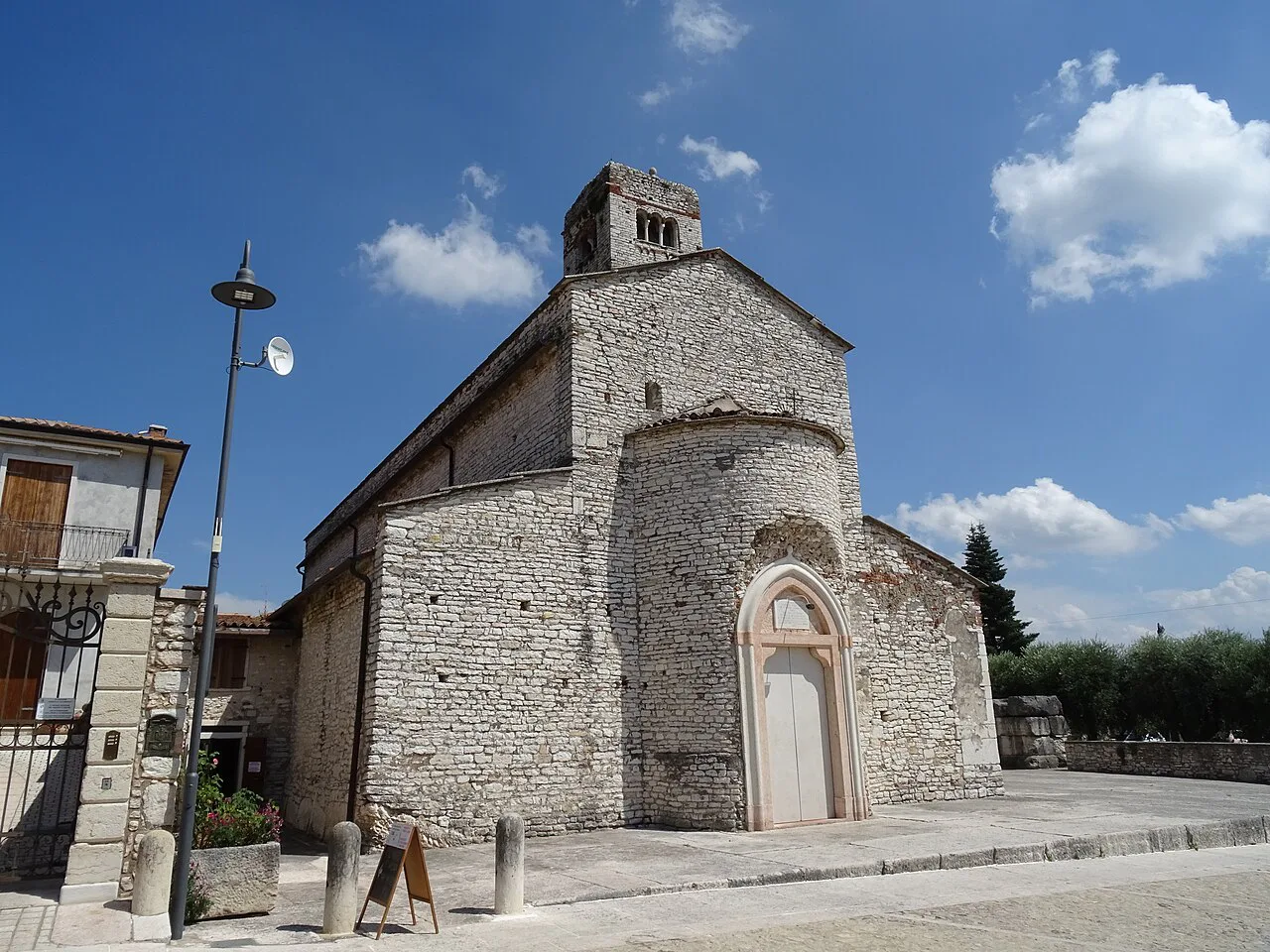
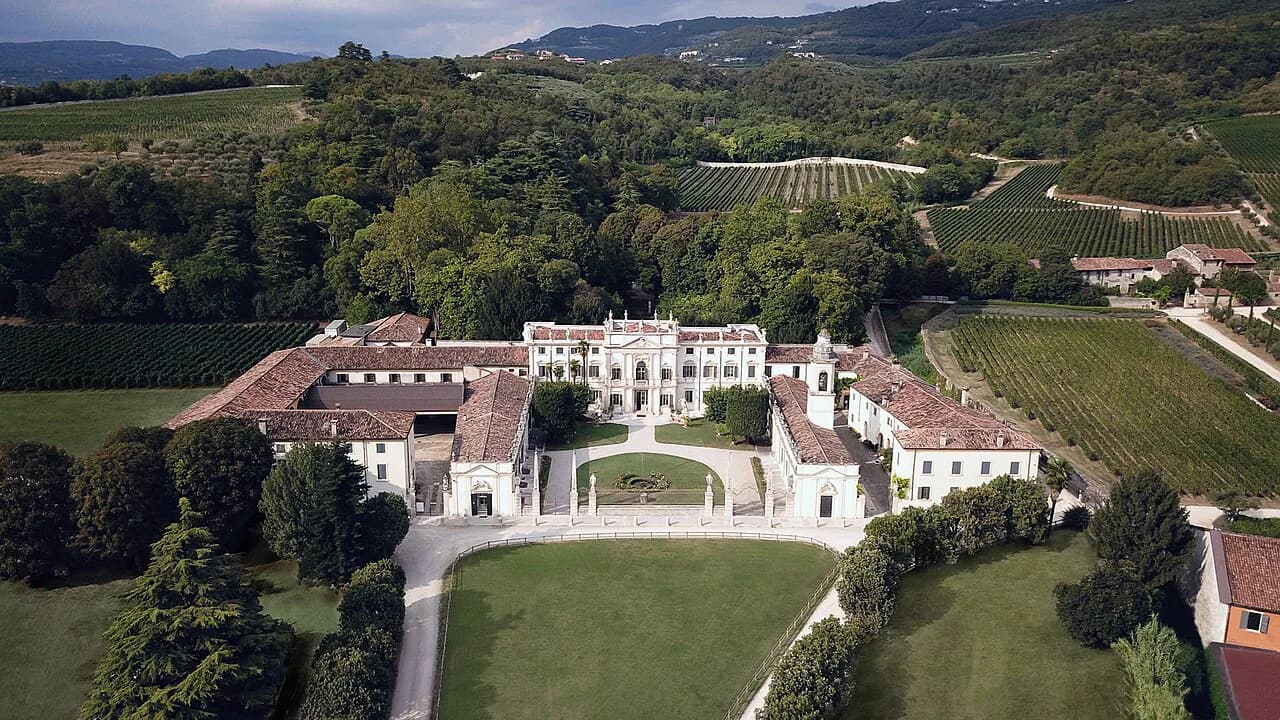
The draw is a working farm estate rather than a polished visitor center. The property is a restored farmhouse that serves as both home and winery, with large oak fermentation vats in the building and an old Roman cellar below holding the oldest barrels used for maturation. That combination of a lived-in cellar and serious winemaking is what makes a stop here feel different from a large commercial cantina.
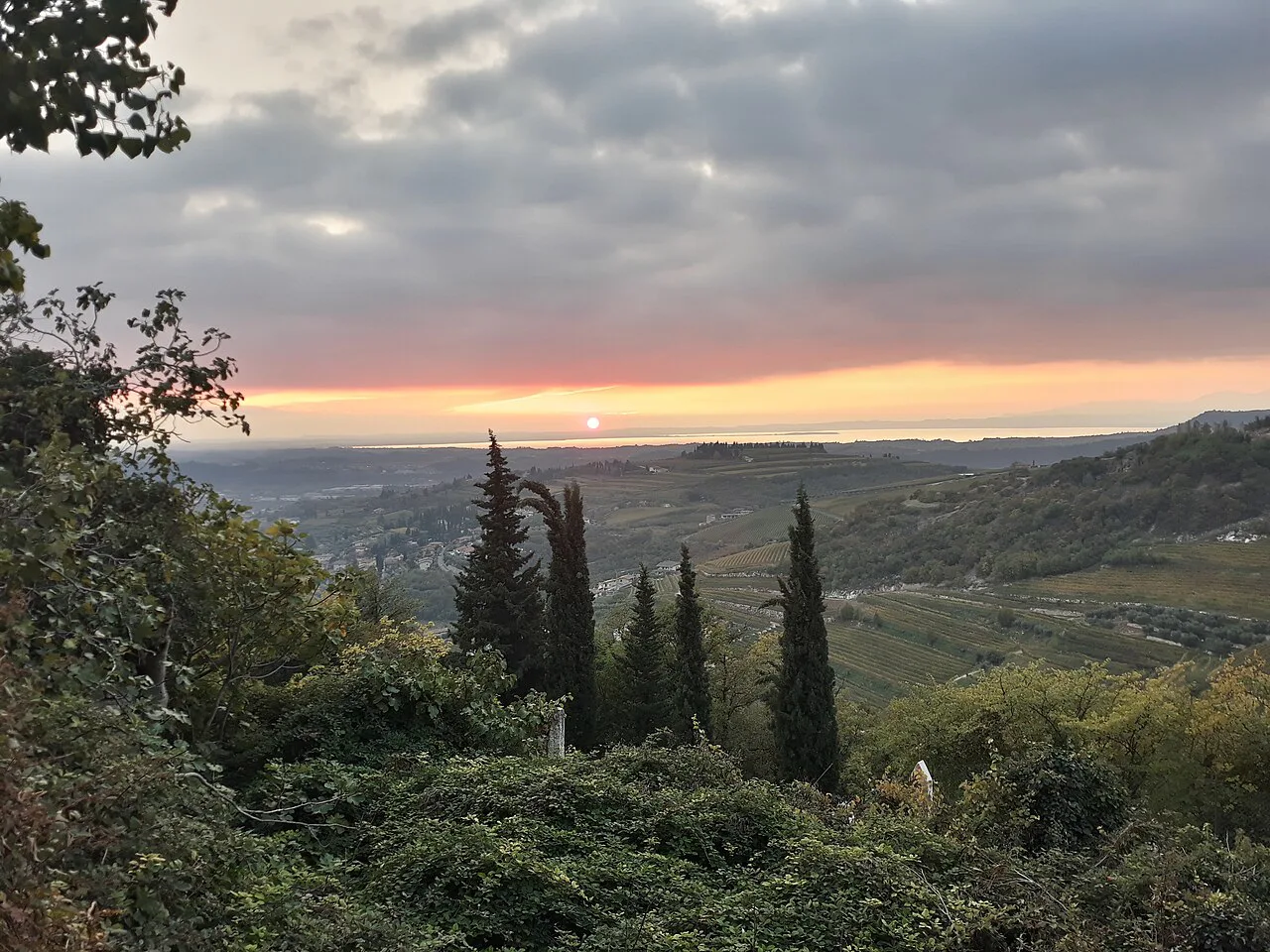
The estate's reputation rests on biodynamic farming and on Camerani's standing in the region; the Italian wine guide Gambero Rosso named her Italian Winemaker of the Year in 2025. The vineyards sit high in the hills with the Dolomites as a backdrop, which is part of why the Mezzane district reads as a cooler, greener corner of Valpolicella than the southern Classico zone.
Production is modest for the region, roughly 100,000 bottles a year from about 19 hectares of vines. That scale matters for planning: a small team cannot absorb drop-ins the way a large winery with a dedicated hospitality staff can, so a booked appointment is the sensible default.
Where the Estate Is: Mezzane di Sotto and the Valley Layout
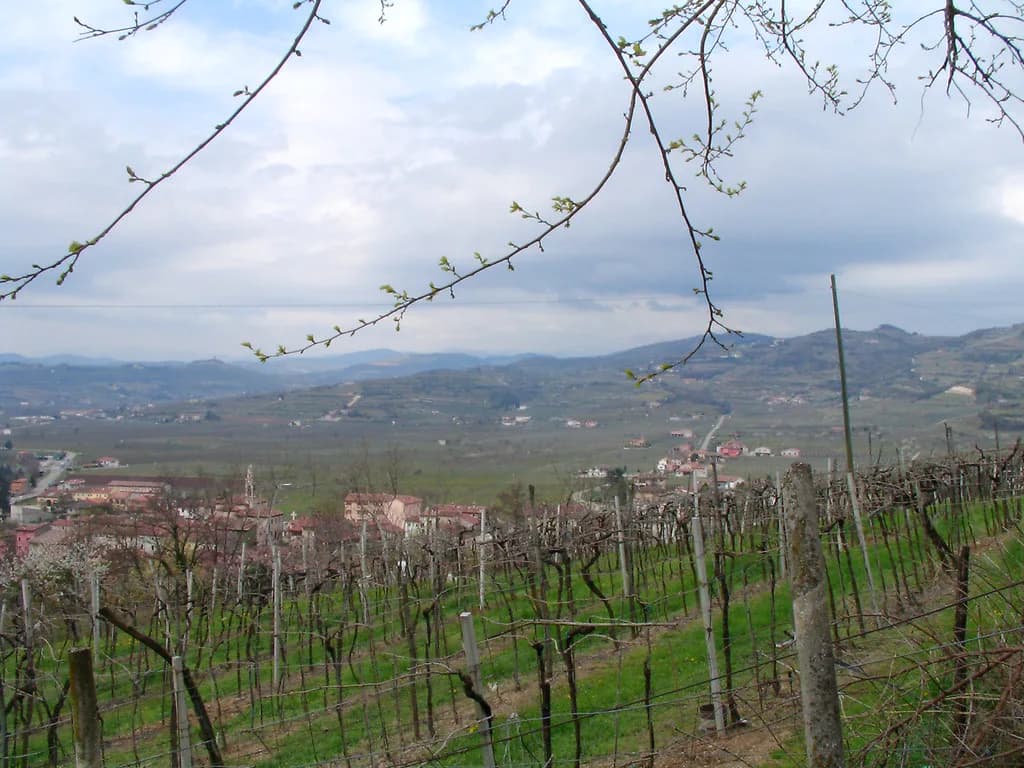
Corte Sant'Alda lies in a valley near the village of Mezzane di Sotto, in the eastern part of Verona province. The wider property covers about 40 hectares, only half of it planted to vines, with olive groves, cherry trees and chestnut trees mixed in. Mezzane is a comune of scattered hamlets rather than a single tight village, so treat the address as a valley destination and follow the estate's own directions for the final approach.
From Verona the trip runs east and then north into the hills above the plain. Rather than relying on a quoted drive time, plan on a short regional drive and check the route on a mapping service for the day you travel, since hill roads and harvest traffic change the picture. If you are touring without a car, the practical base is still Verona, with a taxi or a pre-arranged driver for the last stretch into the valley.
The Wines to Know Before You Book
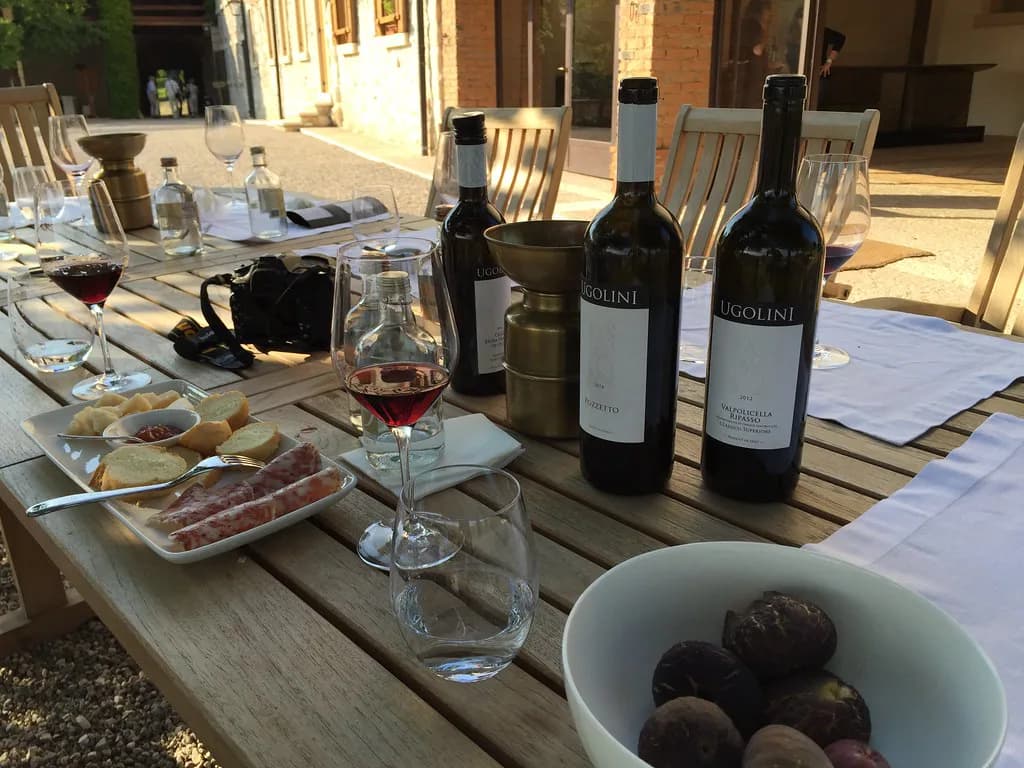
Valpolicella is the entry wine, and Corte Sant'Alda's is Ca' Fiui, a blend of Corvina, Corvinone and Rondinella in the traditional proportion. It ferments with native yeasts in large oak vats and ages in the same vessels for months before bottling, giving a fresh, red-fruited style that takes a light chill well. Knowing this helps you read the rest of the range: everything above it adds concentration rather than changing grape.
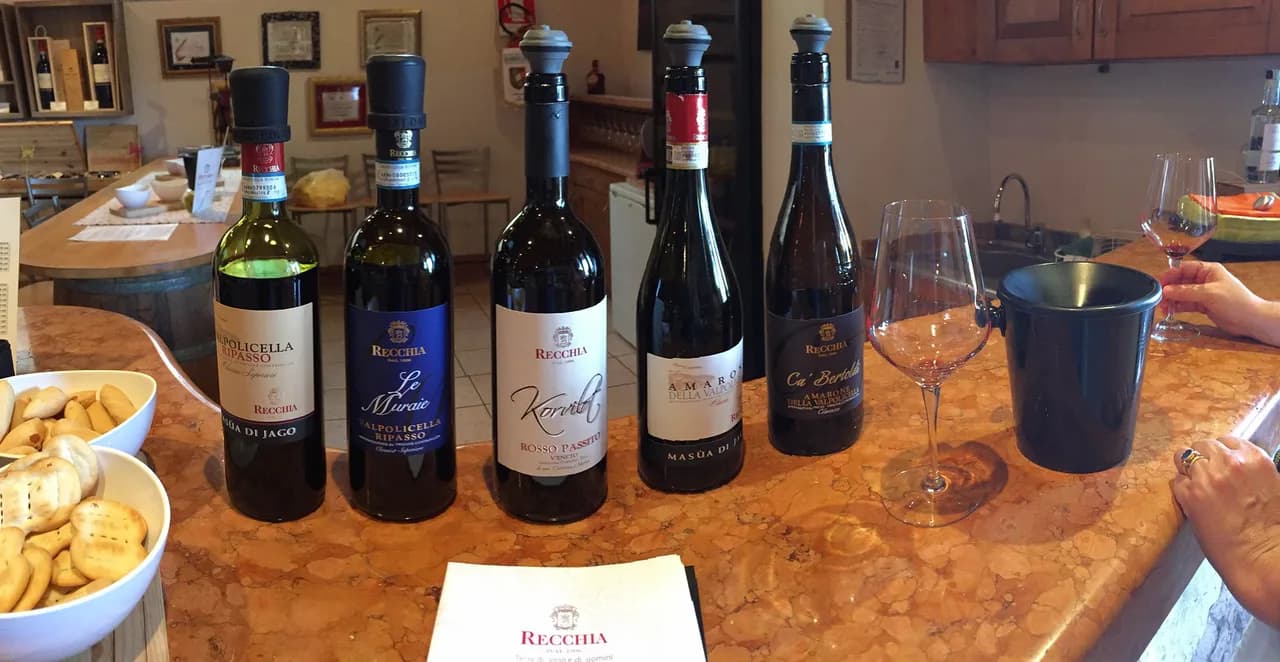
Campi Magri is the Ripasso, made by re-fermenting the fresh Valpolicella on the skins left over from Amarone, which adds body and alcohol. In this range it matures for about two years in barrels, and the result sits between the everyday Valpolicella and the dried-grape wines in weight. If you only have time for two pours, order Ca' Fiui and Campi Magri side by side to see exactly what that second fermentation does.
Amarone della Valpolicella is the flagship, made from grapes dried after harvest and fermented to dryness, which is why it is powerful and complex rather than sweet. Recioto is the traditional sweet red from the same dried-grape method, stopped before all the sugar ferments out, and it is the wine to finish on rather than start with. The estate's Amarone is labeled Val**zzane, a name Camerani adopted after the consorzio disallowed geographical subzones in wine names.
Beyond the classics, the cellar also works in less traditional directions, using terracotta amphora for a rosé and conical cement vessels for an orange wine called Inti. Those are the wines that make a seated tasting here more interesting than a straight run through the appellation. Ask when you book whether the experimental range is part of the standard lineup.
What a Visit Typically Covers at a Family Estate
At a farmhouse winery of this size, a visit usually means a walk through the working parts of the cellar followed by a seated tasting in a room set aside for guests. The features worth asking about here are the large oak tini used for fermentation, the old Roman cellar with the oldest botti, and the amphora and cement vessels used for the experimental wines. That is a compact circuit, so most of your time will be spent at the table rather than on a long vineyard walk.
The estate does not publish tasting formats, flight sizes or tour lengths in the sources available for this guide, so avoid assuming a fixed package. When you write, ask how many wines are poured, whether the lineup includes Amarone and Recioto, whether the cellar is included, and whether there is any food. If you want the full ladder, say so in the request so the estate can price and schedule accordingly.
Because the farm is a home as well as a working cellar, timing and punctuality matter more than at a large visitor center. Arrive when you said you would, and keep the group to the size you declared.
How to Book: Appointment Culture in the Mezzane Valley
Small Valpolicella estates generally receive visitors by arrangement rather than keeping open tasting-room hours, and the Mezzane district is quieter than the Classico villages in this respect. For Corte Sant'Alda, treat an appointment as the working assumption and confirm the current terms directly with the estate before you build a day around it. The producer's site is the place to start for contact details and any published visitor information.
A good request is short and specific: dates and a backup date, the number of people, whether anyone is driving and will not taste, the wines you most want to try, and your preferred language. State your arrival time window and mention if you are coming by taxi or with a driver who needs to wait. Estates respond faster to a clear, single email than to a chain of questions.
If you hear nothing within a few days, a phone call in Italian or English during working hours is normal practice for small family businesses. Have an alternative estate in the same valley ready so one unanswered email does not sink the day. Reading up on Verona wine tasting, and on which wineries near Verona take visitors and how they book, will help you phrase the request and judge what you are offered. If you are weighing a different city for the same kind of appointment-based visit, the Bologna wine guide covers the Colli Bolognesi estates.
Getting There Without Driving
Verona is the transport hub for this trip, and the region is served by trains from Verona Porta Nuova and by local bus lines that run into the Valpolicella villages. Service into the Mezzane valley itself is thin, so most car-free visitors combine a train or bus to the nearest town with a taxi for the final climb. Check current timetables on the Trenitalia site close to your date, since rural services change with the season.
A pre-booked taxi or a driver who waits is the most reliable way to reach an appointment-based estate in a side valley, and it also solves the tasting problem. Cycling is possible for confident riders, but the climb into the hills and the heat in summer make it a serious outing rather than a casual spin. Whoever is driving should not taste; use the spittoons or book a driver so nobody has to choose between the road and the glass.
Independent Trip vs Guided Valpolicella Tour
Going independently gives you a longer, quieter conversation at a single estate and the freedom to follow the wines in depth. The trade-off is logistics: you arrange the taxi or driver, you manage the timing, and if the estate cannot host you, you have to replan the day yourself. For a focused visit to one appointment-only producer, that effort is usually worth it.
A guided tour removes the driving and often pairs two or three estates in a day, which suits travelers who want breadth or who are uneasy about rural roads. The cost is depth: group tastings move faster, and you see less of any one cellar. If Corte Sant'Alda is your priority, ask any operator directly whether it is on the itinerary before booking, since small estates are not on every route.
Pairing the Visit with Other Eastern Valpolicella Stops
Mezzane sits in the eastern part of the province, so the natural pairing is with other estates in the same hills rather than a dash across to the western Classico zone. Grouping two nearby stops keeps driving short and leaves room for a proper lunch between appointments. Ask each estate for a recommendation in the valley; small producers generally know who else receives visitors.
If you would rather keep the day urban, Verona's own wine bars pour Valpolicella, Ripasso and Amarone by the glass, which is a low-risk way to compare producers before committing to a country appointment. Some larger Valpolicella estates closer to Verona, such as the Allegrini complex at Villa della Torre, run more structured visits and can fill a second slot.
Harvest Timing and the Seasonal Rhythm
Valpolicella's rhythm is shaped by the dried-grape wines: fruit for Amarone and Recioto is picked and then laid out to dry through the autumn, so the cellar is busiest from September into early winter. That is the least flexible period for a small team, and it is also when the hills are full of vineyard work. Spring and early summer are calmer for visits, while late summer heat makes a morning appointment more comfortable than an afternoon one.
Weekdays tend to be easier to arrange than weekends at family estates, and harvest and bottling weeks can close the door to visitors entirely. Build a flexible itinerary with one confirmed appointment and one optional backup, and avoid scheduling a tight train home after a tasting.
Practical Questions to Ask When You Confirm
Before you commit, settle the practical points in writing: the exact meeting point in the valley, whether the cellar is included, how many wines are poured, and whether food is served. Ask about parking if you are driving and about waiting time for a hired driver. Confirm the language of the visit and whether the tasting room is accessible for anyone in your group with mobility limits.
Finally, ask what the estate needs from you, from arrival time to group size, and whether card payment is accepted for any wines you buy. Bottles from this range are sold internationally, so you can also buy at home if luggage space is tight. Knowing the wines and the valley before you arrive is the best preparation for a visit here.
Plan Your Corte Sant'Alda Visit
Corte Sant'Alda rewards travelers who treat it as a destination rather than a stop on a circuit: a biodynamic family estate in the Mezzane Valley with a genuine cellar and a full ladder of Valpolicella wines. Understand Ca' Fiui, Campi Magri, Amarone and Recioto before you go, and the tasting becomes a lesson in how one valley makes four very different wines.
Base yourself in Verona, arrange transport into the hills in advance, and send a clear appointment request rather than turning up. Confirm the visit format and timing with the estate before you finalize the day, and keep a second option in the same valley.
Frequently Asked Questions
Where is Corte Sant'Alda located?
The estate is in a valley near the village of Mezzane di Sotto, in the eastern part of Verona province, within the Mezzane Valley. The property is a working farm of about 40 hectares, half planted to vines, and the winery is housed in the restored farmhouse itself.
Can you visit Corte Sant'Alda for a tasting?
The estate is a small family winery, and the sources consulted for this guide do not publish tasting formats, hours or booking rules. Treat an appointment as the working assumption for small Valpolicella estates and contact the producer through its official site to confirm whether and when it can receive you.
What wines does Corte Sant'Alda make?
The range runs from Valpolicella Ca' Fiui, a blend of Corvina, Corvinone and Rondinella, through Campi Magri Ripasso, to Amarone della Valpolicella labeled Val**zzane and a Recioto. There is also an experimental side, including a rosé fermented in amphora and an orange wine called Inti.
How far is Corte Sant'Alda from Verona?
The estate lies east of Verona in the hills of the Mezzane Valley. Drive times vary with traffic and hill roads, so check a mapping service for your date rather than relying on a fixed figure, and allow extra time during harvest.
Do you need to book a Valpolicella winery visit in advance?
At small appointment-based estates, yes. These are working farms with small teams, so a written request with dates, group size and the wines you want to try is the normal way in. Confirm the current terms with the estate before you finalize your schedule.
How do you get to Mezzane di Sotto without a car?
Take a train or bus from Verona toward the Valpolicella villages, then a taxi for the final stretch into the valley, since rural service is limited. A pre-booked driver is the most reliable option and also means nobody has to drive after tasting.
Sources
Notes for your next wine trip
Optional updates to our winery and wine-town guides.
You might also like
Continue reading
More guides you'll find useful