Verona Wine Bars: Where to Taste Local Wines
Plan an evening of wine tasting in Verona, Italy. Learn how enoteche work, which central wine bars pour Valpolicella and Soave, and how to order without a car.
On this page
Verona rewards travelers who treat the city center as a tasting base rather than a stopover between train stations. Dozens of bars and enoteche sit within a fifteen-minute walk of Piazza Bra and the Arena, and many pour the same Valpolicella and Soave you would otherwise drive into the hills to find. That makes a city evening the low-effort first step before committing a full day to wine tasting in verona's surrounding valleys.
One trap catches almost every search for this query: the top results for "Verona wine bar" often point to Toot + Kate's, a self-serve wine bar at 109 S Main Street in Verona, Wisconsin. It is a real and friendly business, but it has nothing to do with the Italian city, and its Wisconsin address, US telephone number and Wisconsin opening schedule make the confusion easy to spot once you look at the contact panel. This guide covers Verona, Veneto, Italy only.
Why Verona's Center Works as a Wine Base
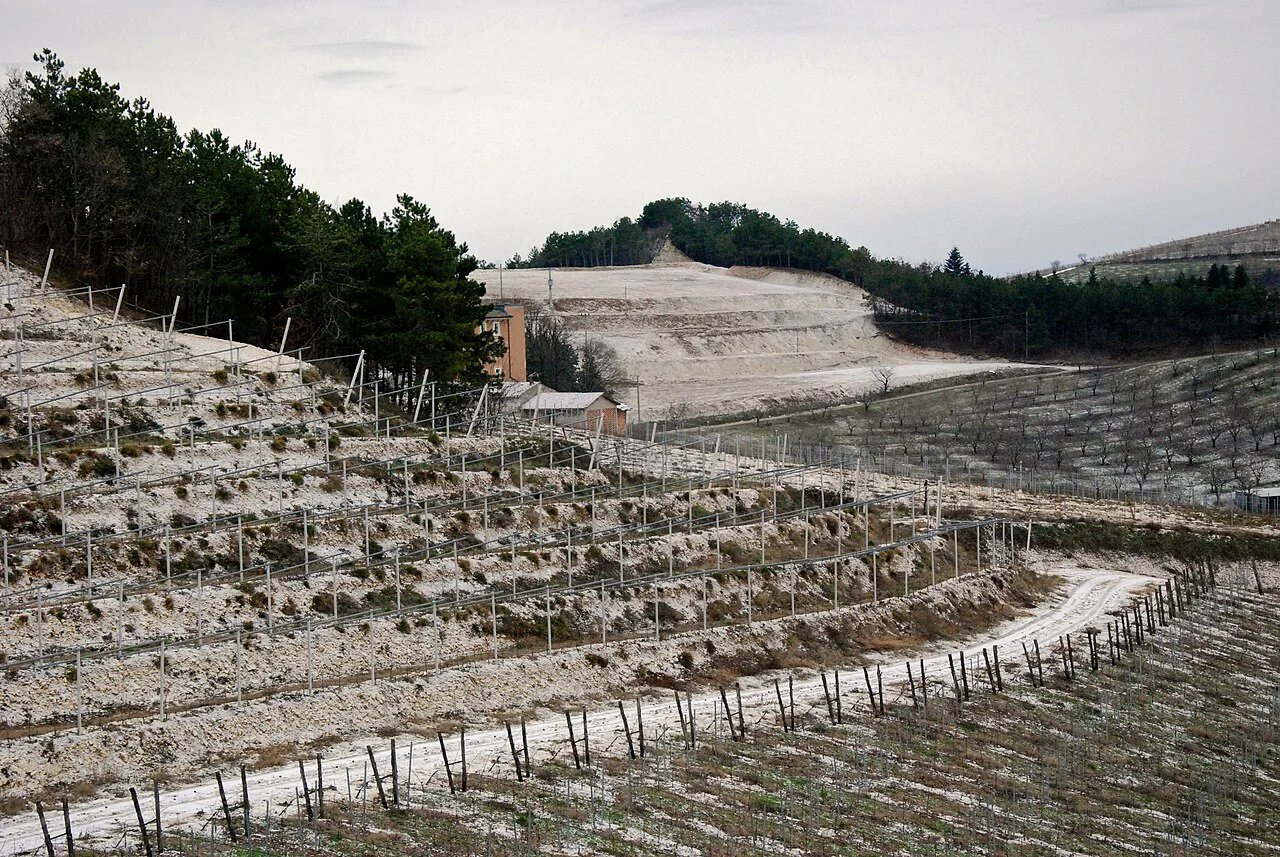
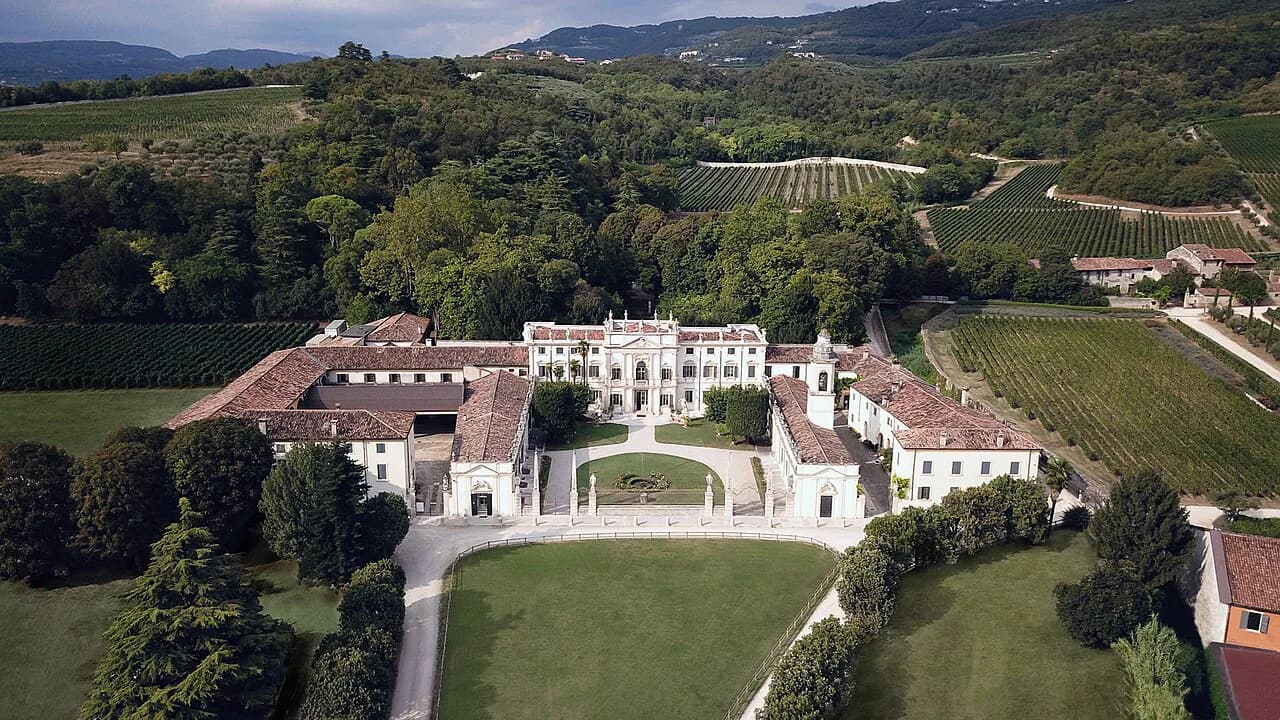
Verona sits at the western edge of the Veneto wine country, with Valpolicella to the northwest and Soave to the east. The historic center packs wine bars, osterie and enoteche into a compact grid of streets between the Arena, Piazza delle Erbe and the Adige river, so you can compare several venues in one evening without a taxi. For travelers based in the city, that density is the main argument for starting with bars rather than booking a winery visit immediately.
The trade-off is depth versus convenience. A city wine bar gives you breadth: several appellations, several producers, small pours. A winery visit gives you the cellar, the vineyard and the producer's own account of the vintage. Most visitors do both, spending one evening in the center and one day in the hills, and the practical guides to wineries near verona explain how the second half fits together. Travelers weighing a similar city-evening-versus-country-day decision for Tuscany can compare it against Siena Wine Bars and Enoteche.
What an Enoteca Is, and How It Differs From a Bar
In Italy, an enoteca is a wine-focused shop and tasting venue: bottles to buy, wines by the glass, and often a short list of salumi, cheese and crostone to accompany them. A bar more broadly sells coffee, beer and cocktails alongside wine, and a ristorante expects you to order a meal. Knowing which one you have walked into tells you whether to sit down for dinner or stand at the counter for a glass.
When you order, the useful phrases are straightforward. "Un bicchiere" gets you a glass of the house pour, "un calice" is the more formal word for a glass, and "una degustazione" signals that you want a guided taste of several wines. If you want a specific producer, name it; if you want to explore, ask what is open by the glass from the local area. Many enoteche also sell bottles at retail, sometimes with a small surcharge to drink on site.
The Local Wines to Look For on a Verona List
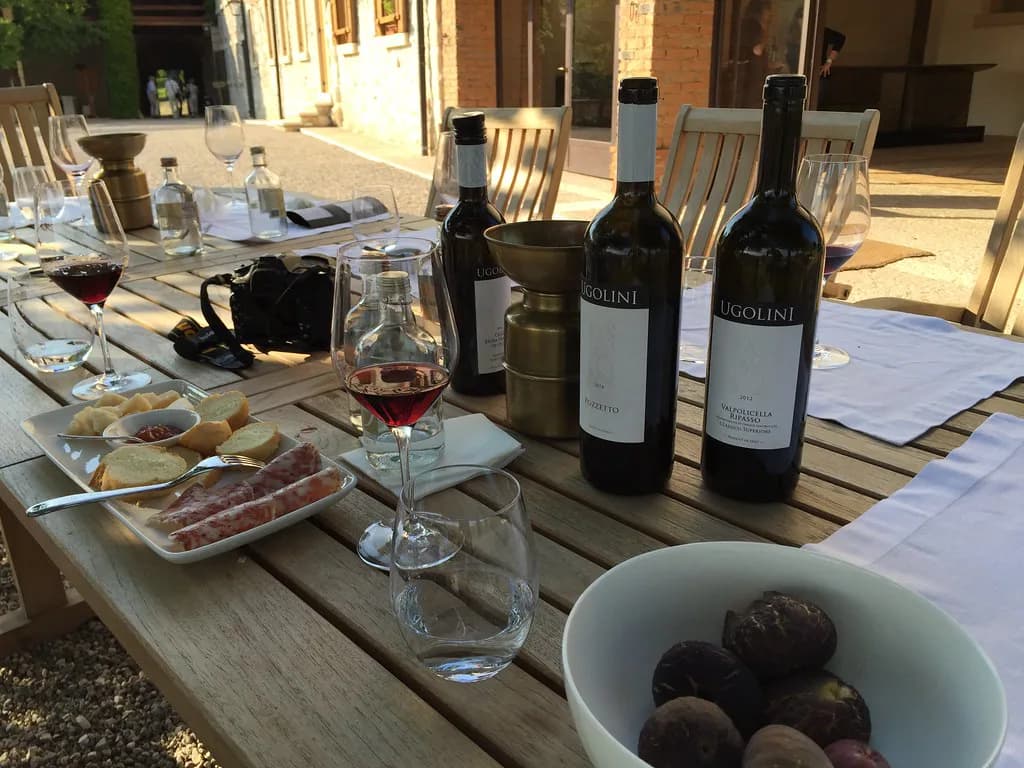
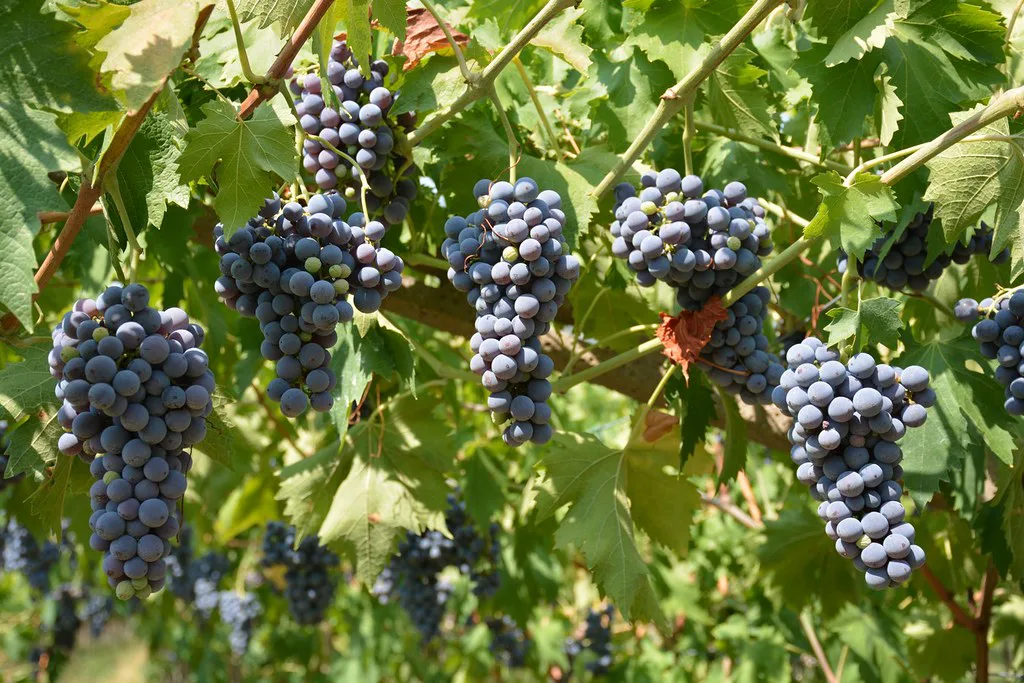
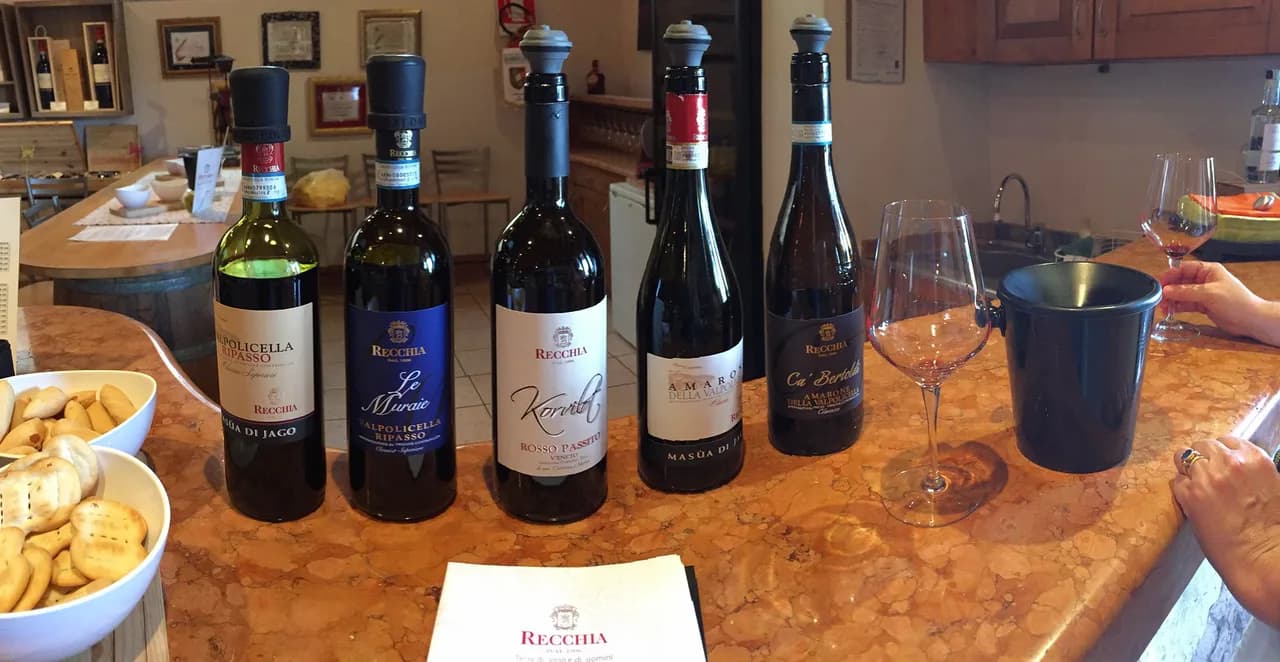
Valpolicella is the red to know. It is blended mainly from Corvina, Corvinone and Rondinella, grown in the hills north of the city, and it appears in several guises: a light, fresh Valpolicella; a Ripasso, which is refermented on the skins left over from Amarone; and Amarone della Valpolicella itself, made from grapes dried before fermentation, so it is richer and stronger. A wine bar list may also show Recioto, the sweet version of the same method.
For whites, look for Soave, based on Garganega and grown east of Verona toward the hills of the Soave zone, plus Lugana from the southern shore of Lake Garda, made from Turbiana. Bardolino, from the eastern shore of the lake, is a lighter red in the same family as Valpolicella. Prosecco is a separate appellation from the Treviso hills further east, so treat it as a sparkling interlude rather than a local specialty.
How a Wine Bar Visit Actually Works
Ordering by the glass is the norm for a short visit, and it is the cheapest way to sample across appellations; ordering a bottle makes sense when a group settles in for the evening or when the list prices a particular wine attractively. Some enoteche offer a small flight or a set of tastes, but you should ask rather than assume, since formats vary by venue and change with what is open. Portions are typically modest, so two or three glasses across an evening is a typical pace rather than an ambitious one.
Service may be at a table, at a counter, or standing at a high ledge, and the format often depends on the time of day. Small plates matter more than they sound: bread, cheese, salumi and simple hot dishes are what keep a wine bar evening from turning into a sprint. Ask what comes with the glass if you are unsure, and remember that many venues also sell bottles to take away.
Named Venues Confirmed in the Listings
Star Wine List's Verona page names Antica Bottega del Vino, Bistro del Borgo, Café Carducci, Caffè Monte Baldo and Dal Zovo Wine Bar among the city's wine bars. TripAdvisor's Verona wine bars listing names Il Giusto Vino, Enoteca SantaMaria, Boutique del Vino, La Vineria di Borgo Trento and La Tua Bevanda. Both are directories rather than rankings, so the order on the page says nothing about quality; treat them as a starting list to check addresses against a map.
Several of these names place themselves for you. Antica Bottega del Vino is a historic address near the center that has long been associated with the city's wine trade, and Caffè Monte Baldo sits close to the Arena side of the historic core. La Vineria di Borgo Trento and Bistro del Borgo both point toward the Borgo Trento district north of the center, while Dal Zovo, Il Giusto Vino, Enoteca SantaMaria, Boutique del Vino and La Tua Bevanda are best located on a map before you set out. Street addresses and current hours are the two details to confirm directly, and the venue's own page or a phone call settles both.
Building a Short Walkable Route
The center is small enough that a sensible route groups venues by district rather than zigzagging. Start near Piazza Bra and the Arena, where Caffè Monte Baldo and the historic center addresses sit within a few minutes of each other, then work north toward Piazza delle Erbe and the streets around it. Cross the Adige to the Borgo Trento side for La Vineria di Borgo Trento and Bistro del Borgo, which makes a natural second stop before heading back.
Two or three venues in an evening is enough; more turns tasting into tourism. Pick one anchor bar where you plan to eat, then treat the others as short stops for a single glass. If you want the cellar experience instead, a day in Valpolicella Classica is the better use of a morning, and the winery guides cover which estates take visitors and how to reach them without a car.
Ordering, Paying and Service Conventions
Italian bars and enoteche commonly add a small coperto, a per-person cover charge, when you sit at a table, and it usually appears on the menu or the bill rather than being announced. Tipping is not obligatory; rounding up or leaving a few euros is a normal courtesy for table service. Card payment is widely accepted in the center, but carrying some cash is sensible for small counters and for markets.
If you want to taste before committing to a glass, ask directly whether a small taste is possible; many venues will pour one, and a polite request costs nothing. Water is normally charged if bottled, and tap water may not be offered automatically. For a group of more than a handful, call ahead so the bar can arrange space and enough open bottles.
Timing an Evening: Aperitivo to Late
Veronese aperitivo hour runs in the early evening, when bars fill with a spritz-and-snack crowd, and it is the easiest moment to sample a glass without committing to a table for dinner. Later, the crowd shifts toward seated dining and slower drinking, and the center stays active well into the night, especially on weekends. Lunchtime is quieter and better for a conversation with the person behind the bar.
Season matters in a different way: summer evenings push people outdoors onto the piazzas, while winter concentrates everyone inside, so a small enoteca can feel full on a cold Saturday. The harvest period in the hills, generally late September into October, brings extra activity to the wine scene, and Vinitaly in Verona each spring fills the city with trade visitors, which changes how easy it is to get a table.
From Bar to Winery: A Valpolicella Day Trip
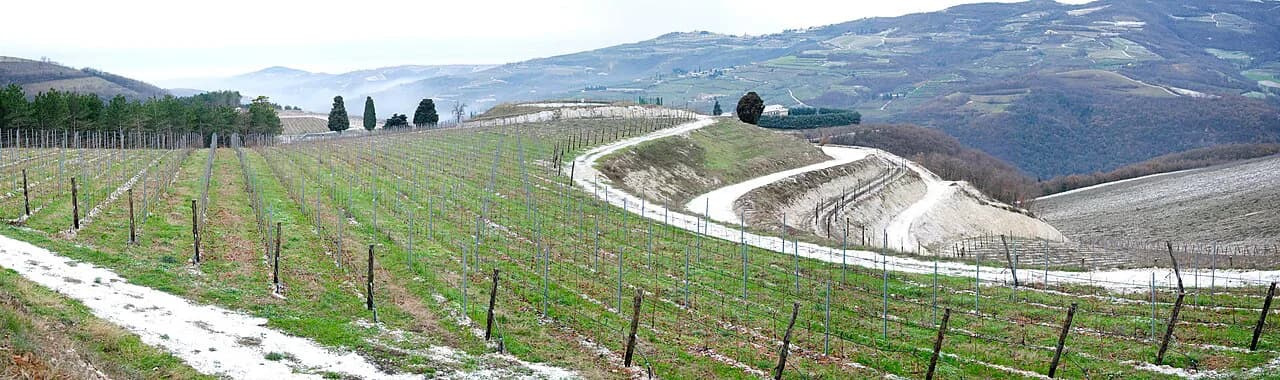
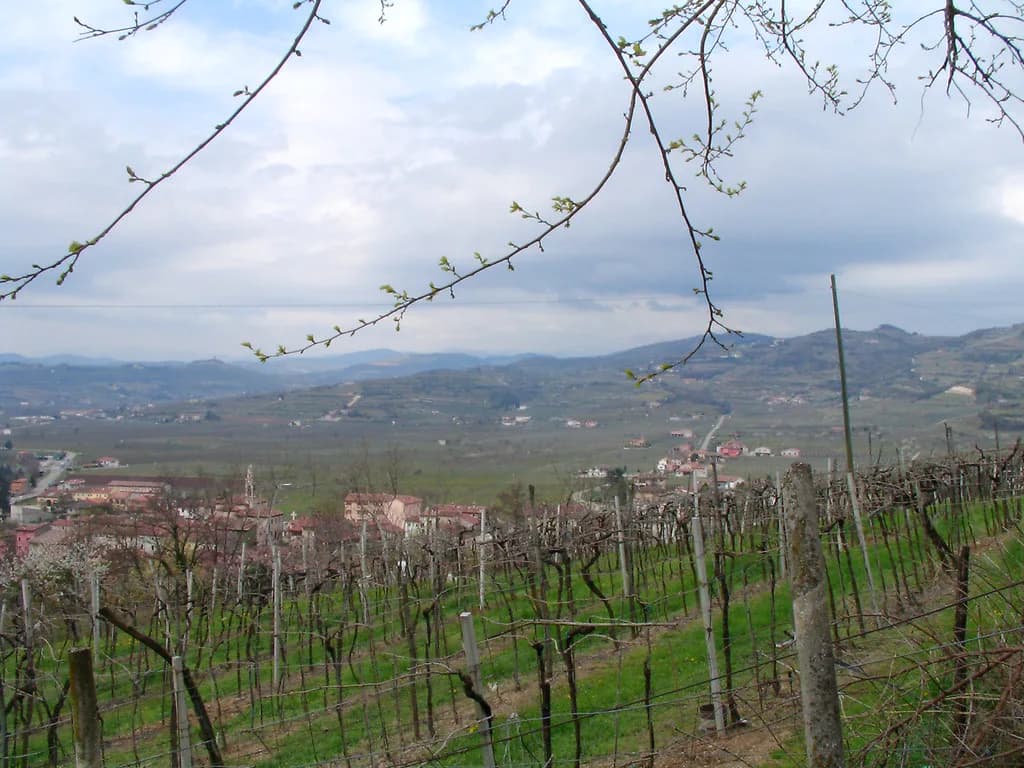
The hills of Valpolicella begin just northwest of the city, and the classic villages of the Classica zone, including Negrar, Fumane, Marano and San Pietro in Cariano, are within a short drive of the center. This is where you find the cellars producing the Amarone and Ripasso you tasted the night before, along with smaller family estates. A day trip works best when you pick one or two villages and book visits in advance rather than trying to cover the whole zone.
Without a car, the realistic options are a local bus toward the Valpolicella villages, a taxi for a fixed run, or an organized wine tours itinerary that handles the driving. The trade-off is flexibility: buses follow fixed routes and timetables, taxis cost more but let you choose the estates, and tours remove the logistics entirely at the price of a set schedule. A driver in your group should stick to water and use the spittoons that cellars provide, since Italian alcohol limits apply on the road.
Getting Around Without Driving
Central Verona is genuinely walkable, and most of the venues named in the listings sit within twenty to thirty minutes on foot of each other, so a wine evening needs no transport at all if you stay near your hotel. Distances between the Arena, Piazza delle Erbe and the river crossings are short, and the streets are flat. Wear shoes that handle cobblestones, since that is the main practical obstacle.
For anything further, city buses cover the wider urban area and taxis are available from ranks near the Arena and the train station. Verona Porta Nuova station is the rail gateway for day trips to Lake Garda, Venice and Milan, which makes a bar evening easy to slot into a longer itinerary. If you are staying outside the center, decide on your return taxi before the last glass rather than after it.
Plan Your Verona Wine Evening
Build the evening around two or three venues in one district, order by the glass to compare Valpolicella, Soave and Amarone, and sit down somewhere that serves real food. Use the listings as a starting point, then confirm addresses and current opening days directly with the venue you plan to visit, since a bar's schedule can shift with the season.
If the city leaves you wanting the cellars, add a Valpolicella day using a bus, a taxi or a tour, and keep the driver sober. For the wider picture, including which estates receive visitors and how to book them, start with the main guide to wine tasting and then narrow down to the wineries that match the wines you liked best in town.
Frequently Asked Questions
What wine is Verona famous for?
Valpolicella is the signature red, made mainly from Corvina, Corvinone and Rondinella in the hills north of the city. It appears as fresh Valpolicella, as Ripasso, and as Amarone della Valpolicella, which is made from dried grapes and is stronger and richer. Soave, based on Garganega, is the local white to look for.
What is a wine bar called in Italy?
An enoteca is the wine-focused venue: bottles for sale, wines by the glass, and usually simple food such as cheese and salumi. A bar sells coffee, beer and cocktails as well as wine, and a ristorante expects a meal order. In Verona you will find all three within a few minutes of each other.
Do Verona wine bars take reservations?
Some do, especially for groups or for a table at dinner time, while counters and standing service usually do not need one. For a party larger than four or five people, call or email the specific venue, and ask about table availability on weekend evenings. Individual policies vary by bar.
Can you taste Amarone by the glass in Verona?
Often yes, because Amarone is the city's flagship wine and many enoteche keep at least one open. Availability depends on the bar and the day, and pours are typically small given the wine's strength. If a specific producer matters to you, name it when you order, or plan a cellar visit in Valpolicella instead.
Is the Verona wine bar in Wisconsin the same city?
No. Toot + Kate's is a self-serve wine bar in Verona, Wisconsin, in the United States, with a Wisconsin address and phone number. It has no connection to Verona, Veneto, Italy. Searches for "Verona wine bar" mix the two, so check the address before you set out.
How do you reach Valpolicella from Verona without a car?
Local buses run toward the Valpolicella villages northwest of the city, taxis can be hired for a fixed run, and organized tours handle transport between estates. Each option trades flexibility against cost and convenience. Whichever you choose, book cellar visits in advance, since many producers receive visitors by appointment only.
What should you eat with wine in a Verona enoteca?
Expect simple, wine-friendly plates: cheese, salumi, bread, and in many places a hot dish or two. Menus vary by venue and season, so ask what is available. Eating something substantial is also the practical way to pace an evening of tasting.
Sources
Notes for your next wine trip
Optional updates to our winery and wine-town guides.
You might also like
Continue reading
More guides you'll find useful