Valpolicella Wine Tour from Verona: Which Winery to Pick
Plan a Valpolicella wine tour from Verona: guided Amarone and Ripasso tours, a Fumane winery with published tasting formats, and how to choose your day.
On this page
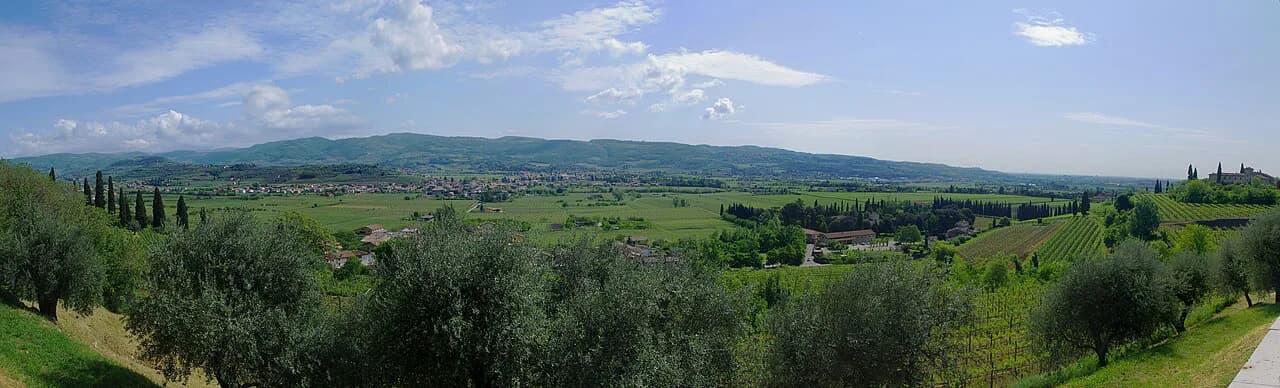
Verona is the practical base for a Valpolicella day because the wine district begins at the city's northwestern edge, in the hills above villages such as Fumane, Negrar and Marano. You do not need to move hotels or commit to a multi-day wine route. The real planning question is different: whether to join a fixed guided tour or book a single winery visit and build the day around it.
The second question is transport. The villages sit close together on a map but are poorly connected for anyone relying on buses, and a driver should not taste. That makes the tour minibus genuinely attractive, while independent visitors usually settle on one estate and treat the day as a long lunch rather than a crawl.
Why Verona Is the Right Base for a Valpolicella Wine Tour
Valpolicella is not a single wine town but a patchwork of hill villages northwest of Verona, so a base in the city lets you choose between a half-day excursion and a slower day at one estate. Trains, buses and taxis all start from Verona, and the tourist board lists its own bookable wine experience departing from the city center. If you want the wider picture of city-based tasting before committing to a day out, see this guide to wine tasting in verona.
Harvest comes in autumn in these hills, and the weeks that follow are when the drying rooms for Amarone and Recioto grapes are full, which makes late autumn a distinctive time to visit. Spring and early summer are quieter and greener. Winter visits are possible but some small estates run reduced schedules, so ask about your travel period when you book.
What Valpolicella Wines Actually Are
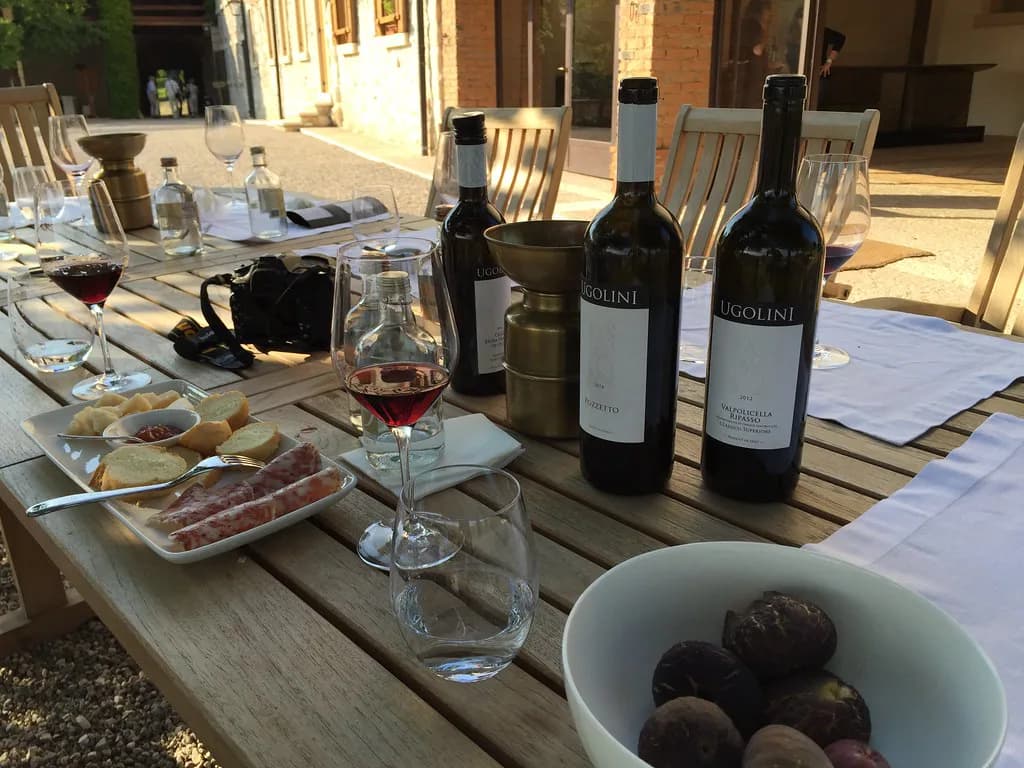
The red wines here come mainly from Corvina and Corvinone, with Rondinella in support. The same grapes make three quite different wines. Valpolicella and Valpolicella Superiore are the lighter, everyday reds; Ripasso is made by re-passing the wine over the skins left from Amarone production, which adds body; and Amarone della Valpolicella is made from grapes dried for months before fermentation, giving a rich, high-alcohol red. Recioto, the sweet relative, comes from the same dried grapes with fermentation stopped early.
The word Classico on a label refers to the historic zone around the western villages, including Fumane, Marano, Negrar and Sant'Ambrogio, rather than a style. When you choose a winery, the village tells you which part of the district you will be driving through, and grouping two estates in the same valley saves time on winding hill roads.
Two Ways to Do It: Guided Tour or Your Own Booking
A guided tour solves the two hardest problems in one move: transport between estates and a designated driver. You give up control over which wineries you see, since the tour company chooses them, and the pace is fixed. Booking a winery directly does the reverse: you pick the estate and the tasting format and stay as long as you like, but you must organize the journey yourself and limit yourself to one or two stops. The same fixed-tour-versus-direct-booking decision shapes a day of wine tasting in Turin, where the Piedmont cellars sit a short trip from the city.
For a first visit with a group of friends, or with a partner who wants the Amarone story explained end to end, the guided format is usually the better use of a short trip. For anyone staying several days, or traveling with a serious wine buyer, a direct booking at one estate gives more depth and often more contact with the family that makes the wine.
Option 1: The Guided Valpolicella Tour from Verona
Verona's official tourism site lists a Valpolicella experience with two tastings and two winery visits, departing at 9:00 AM and 2:30 PM, lasting four hours, in English, with a maximum of eight people. The group meets a wine expert in Verona and travels through the valleys, stopping to look at vineyards and the hilly landscape on the way.
The first stop is a family-run cellar where the winemaker shows the production areas and the tasting includes Amarone paired with local products; the second winery covers the family story, the barrels and the grape-drying process, with further wines to compare. The VisitVerona tourism site directs bookings to WAYS, with an office address in Verona, a booking email and a phone number for questions about dates and availability.
One distributor's description of the same excursion adds schedule detail worth knowing before you pick a departure: Perillo Tours lists the tour Monday through Saturday, with the morning departure running April to October and the afternoon departure running all year. Treat the seasonal split as the schedule published by WAYS, the Verona company that runs the excursion, rather than a fixed rule, and confirm the date you want when you reserve.
The trade-offs are clear. Two wineries in four hours means roughly an hour of tasting and tour time at each, plus driving, so there is no lingering over a long lunch. The eight-person cap keeps it intimate, but it also means popular weekend dates fill early, especially in harvest season. The meeting point is in central Verona, so plan to reach it on foot or by city transport rather than from your hotel door.
Option 2: Booking Direct at Accordini Stefano in Fumane
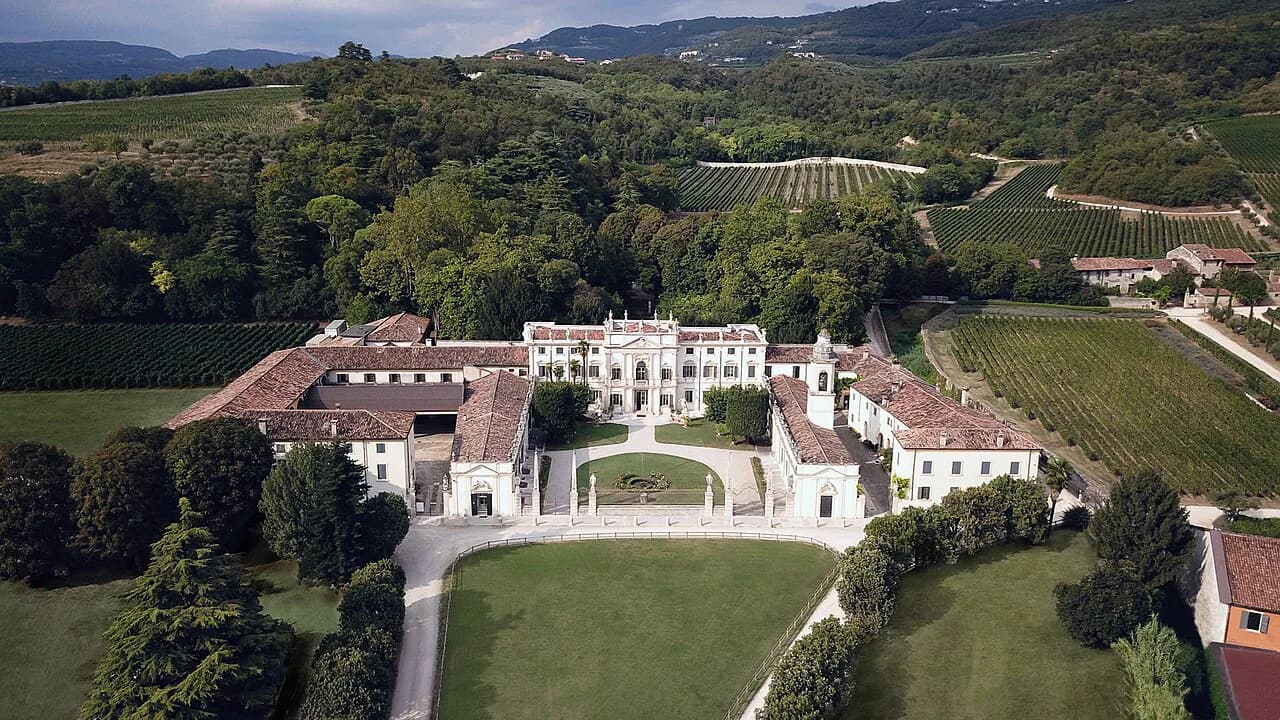
Accordini Stefano, a family estate in Località Camparol at Fumane, receives visitors for vineyard tours, cellar visits and guided tastings in the heart of the Valpolicella Classica zone. It publishes a full menu of formats with times, durations, group sizes and prices on its site, which makes it a useful example of how direct booking works in this district. Contact is by phone at +39 045 7760138 or through the form on the winery's site.
The entry point is an audio-guided vineyard walk lasting one hour, running Monday to Saturday from 10:00 to 15:00, at 10 euros per person for groups of one to twenty. A short guided tasting on the panoramic terrace lasts 30 minutes, is free, serves three Valpolicella wines and takes one to five people, Monday to Saturday from 10:00 to 16:00. Both are easy add-ons to a longer visit.
Matching a Tasting Format to Your Group
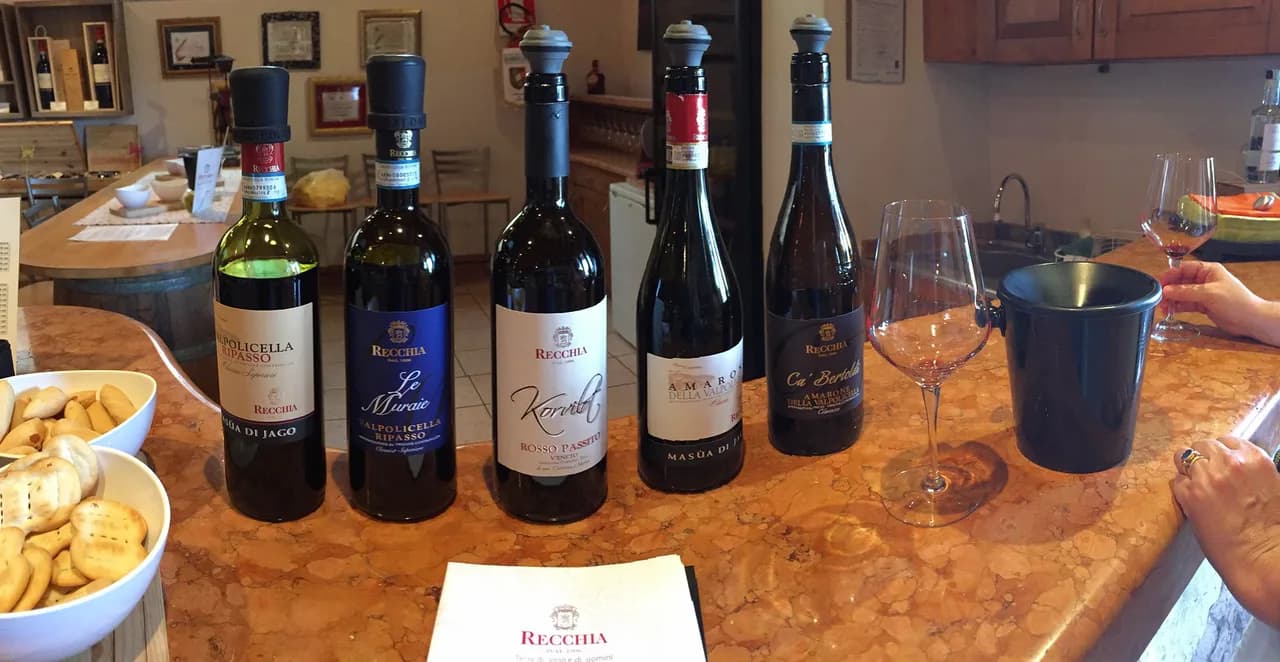
For a couple wanting a proper cellar visit, the Amarone Acinatico Superior tour is the standard choice: one and a half hours, five wines including Amarone and Recioto, with local cheese and cold cuts, at 12:00 or 15:00 Monday to Friday or 12:00 on Saturday. It is priced at 20 euros per person and requires a party of two to fifty, booked in advance. The Riserva Gourmet version extends the same visit to six wines, adds three local cheeses and a Corvinone berry aged under Amarone grappa, and costs 30 euros per person over the same time slots and party range. The Gourmet PLUS on Saturdays at 12:00 turns it into a 2.5-hour lunch with risotto made with Amarone, priced at 44 euros and reserved for groups of 15 to 50, so it suits a club or a large family gathering rather than a couple.
An evening option runs Monday to Saturday from 18:00 to 22:00, with Sunday by request: a 2.5-hour dinner of four courses and four wines including Amarone and Recioto at 50 euros per person, again for 15 to 50 guests. That makes the estate a workable choice for a celebration group that wants to eat and taste in one place rather than drive between stops.
Reading the Valpolicella Hills: Which Villages to Group
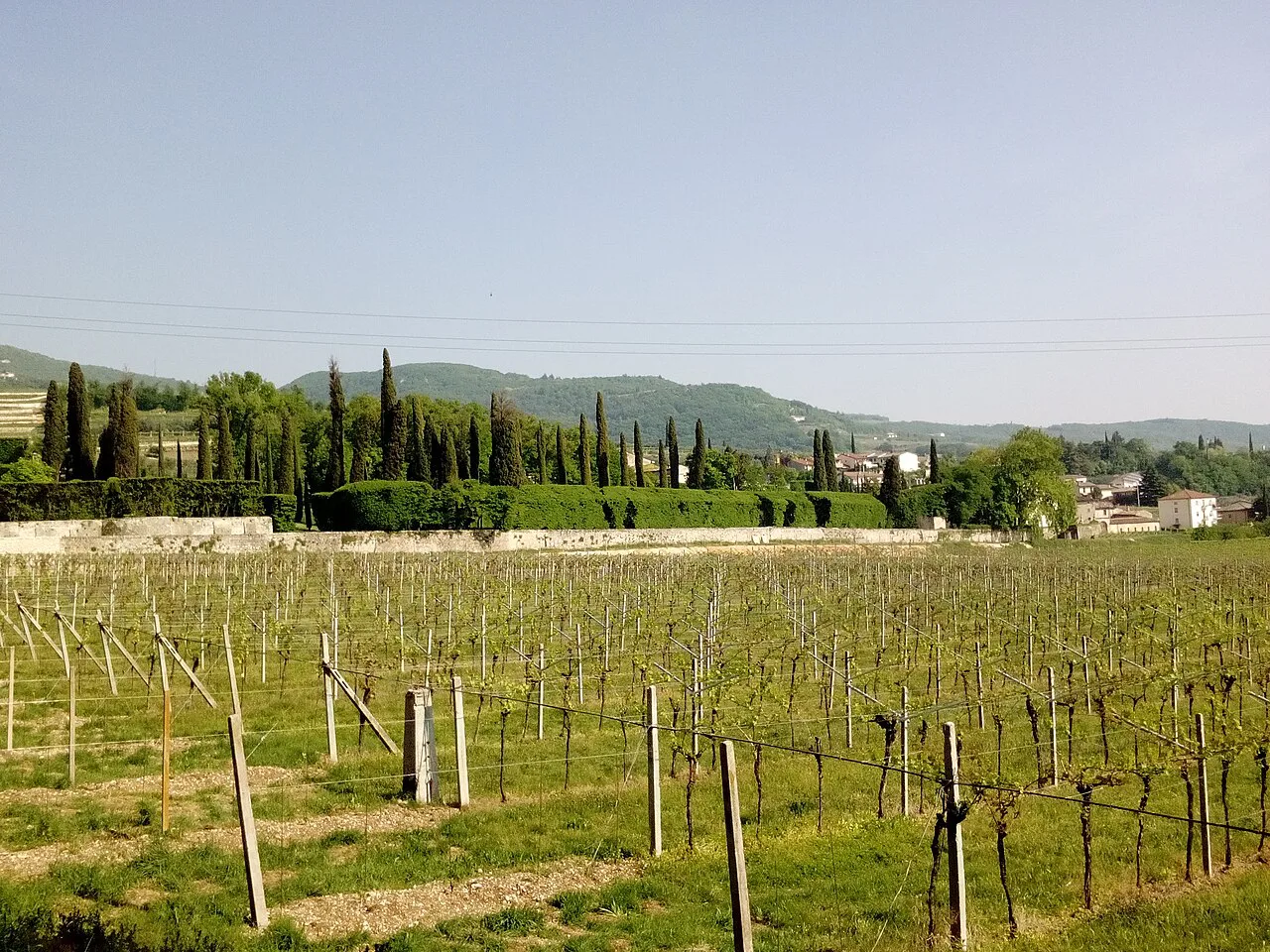
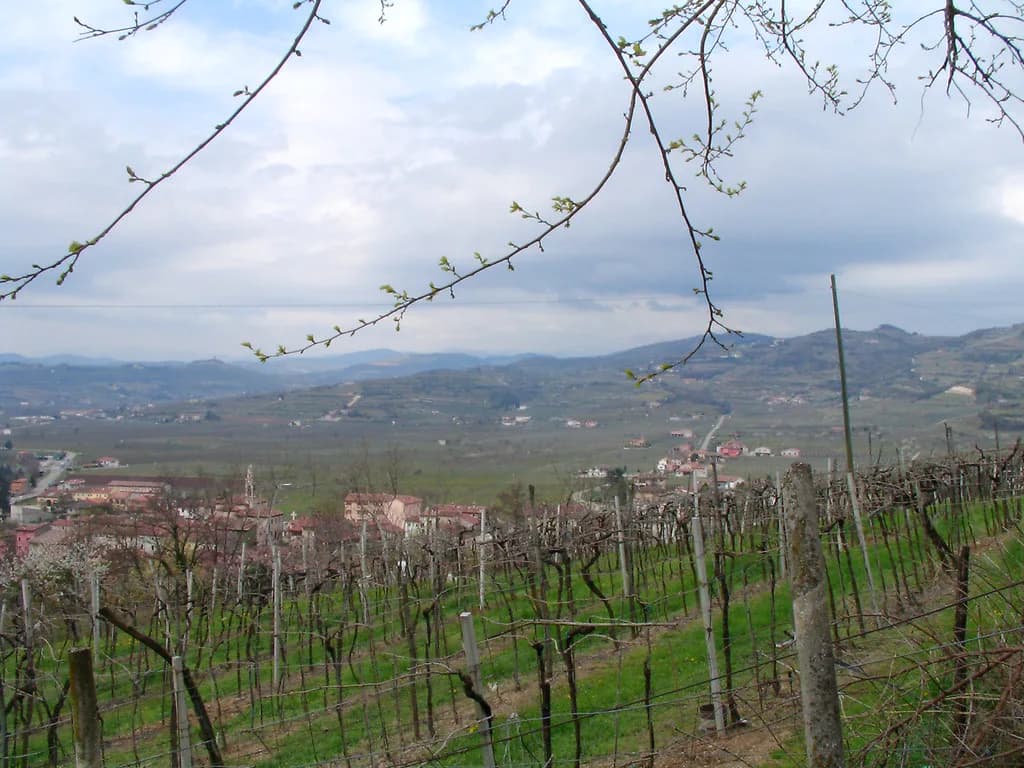
The Classico zone fans out northwest of Verona through a series of valleys, each with its own villages and small estates. Fumane sits in one of the closer valleys, Negrar and Marano lie further west and north, and Sant'Ambrogio sits toward the Adige side. Rather than zig-zagging, pick one valley per day and accept that you may see two estates at most, with a lunch stop between them.
Fumane alone holds several producers that take visitors, so it is a sensible target for a single-estate day; if you want to compare options in that village, this look at the Allegrini Winery in Fumane shows how one larger family estate presents its visits. A short list of reputable addresses keeps planning simple when public transport is part of the plan.
If you prefer to build the day around estates rather than a single address, browsing wineries near verona helps you see which villages cluster together before you commit to a route. Choose two that share a valley, and leave the rest for another trip.
Getting Around Without Driving
The tour minibus is the only published option that connects multiple wineries without a car, since it collects you in central Verona and returns you there. Independent visitors face a last-mile problem: local buses run through the valley floors, but estates sit on hillside lanes above the villages, so a bus gets you to the village and no further. Taxis from Verona are possible but costly for a round trip with waiting time, and returning from a hill estate in the evening can be slow.
Cycling is realistic for confident riders in good weather, as the valley roads are short but steep in places, and it rules out tasting more than a token glass. A private driver or a licensed car service booked for the day is the flexible middle ground for small groups. Whichever you choose, spittoons, a designated driver or public transport and tours are the practical answer: the person driving should not taste.
Half-Day or Full-Day: Building the Itinerary
A half day works well as either the 9:00 AM tour, which returns you to Verona around lunchtime, or an afternoon booking at one estate such as Accordini Stefano's 12:00 or 15:00 slot. That leaves the rest of the day for Verona itself, which is a fair trade on a short city break. A half day also limits the amount of wine you sit through, which matters if you are still learning the difference between Ripasso and Amarone.
A full day suits travelers who want two estates plus a proper meal, or one estate with the long Gourmet PLUS lunch and a slow afternoon afterward. In that case, stay the night in Verona rather than planning a train onward the same evening. Build in slack for the drive back from the hills, which takes longer than the map suggests once you leave the main road.
Booking Practicalities: Lead Time, Party Size and Language
Accordini Stefano publishes its tasting times, minimum and maximum party sizes, and the languages offered (Italian and English, with German on some formats), which tells you what to state in your request: date, preferred slot, number of people and any dietary needs for the cheese and cold-cut pairings. The Gourmet PLUS and dinner formats need 15 people minimum, so couples should choose a different tier or ask about joining a shared group.
For the guided tour from Verona, reserve through WAYS by email or phone rather than turning up at the meeting point, and ask which wineries are scheduled for your date if that matters to you. For weekend dates in the harvest weeks, book well ahead. When you write to any estate, ask about the language of the visit, whether a cellar tour is included, and how many wines are poured.
Common Mistakes on a First Valpolicella Tour
The most frequent error is assuming a single-winery visit is a tour of the region. One estate gives you depth on one family's wines, not a survey of Amarone, so if you want the wider story, either take the two-winery guided excursion or plan two separate bookings. Another is underestimating travel time between estates and overbooking the day.
A third is booking a large-group format when you are a couple, or expecting a Saturday lunch slot at short notice. Finally, many visitors arrive without a plan for the driver. Decide before you book who is not drinking, and choose the tour or a hired driver if nobody wants to abstain.
Where to Taste Valpolicella in Verona Itself
If your schedule leaves no room for the hills, Verona's own wine bars pour Valpolicella, Ripasso and Amarone by the glass, and several run flights built around the local grapes. That is a reasonable fallback on a rainy day or a late arrival. A short list of trusted Verona Wine Bars helps you avoid the most tourist-facing addresses near the arena.
City tasting does not replace a cellar visit, since you miss the drying rooms and the vineyards, but it does let you work out which style you prefer before committing to a winery booking. Try a Ripasso alongside an Amarone from the same producer if the bar offers both, and note the difference in weight and sweetness before you head into the hills.
Travelers comparing operators before booking a day out can also review the broader choice of verona wine tours to see how a Valpolicella half day fits with Soave or Lake Garda options. Pick the format that matches your available time rather than trying to fit three regions into two days.
Plan Your Valpolicella Day
Decide first whether you want a guided two-winery tour or a single estate, because that choice sets your transport, your budget and your timetable. From Verona, the 9:00 AM or 2:30 PM guided excursion covers the region's basics in four hours, while Accordini Stefano in Fumane publishes formats ranging from a free 30-minute terrace tasting to a Saturday lunch or an evening dinner.
Check the details of your chosen date and slot directly with WAYS or the winery, since schedules and prices change with the season. Whoever is driving should stick to water and spittoons, and everyone else should have a way back to Verona arranged before the first glass is poured.
Frequently Asked Questions
How far is Valpolicella from Verona?
The Classico villages begin just northwest of the city, with Fumane among the closer ones, but the hill lanes make the trip longer than the distance suggests. The guided tour from Verona includes transport and takes four hours for two winery visits, which gives a realistic sense of the round trip.
Do you need a car for a Valpolicella wine tour?
Not if you join a guided tour, which collects you in central Verona and drives between estates. Independent visitors can take a local bus to a village or a taxi from the city, but estates sit on hillside lanes above the villages, so the last stretch usually needs a car, a bike or a booked driver.
How much does a Valpolicella tasting cost?
It depends entirely on the format. Accordini Stefano publishes a free 30-minute guided tasting of three wines plus several longer cellar tours with food and a dinner option, each with its own duration and minimum party size. The winery's own tasting page lists current prices.
Do Valpolicella wineries require reservations?
Most estate visits are by arrangement rather than walk-in, and the larger tasting and meal formats at Accordini Stefano are explicitly upon reservation with minimum party sizes. Email or phone ahead with your date, group size and preferred slot, and ask which languages the visit is offered in.
Is Valpolicella the same as Chianti?
No. Valpolicella is in Veneto, near Verona, and its reds are built on Corvina, Corvinone and Rondinella, with Amarone made from dried grapes. Chianti is in Tuscany and is based on Sangiovese, so the wines, the landscape and the appellation rules are entirely separate.
What is the difference between Amarone, Ripasso and Valpolicella Classico?
Valpolicella Classico is the lighter red from the historic western zone, made from fresh grapes. Ripasso is re-passed over the skins left from Amarone, which adds body, while Amarone itself is fermented from grapes dried for months, producing a rich, strong wine. Recioto is the sweet version of the same dried-grape method.
Can I visit Valpolicella without drinking?
Yes. Tours and cellar visits cover vineyard history, the drying rooms and the barrel cellars, and spittoons are standard at tastings. Designate a driver or take the guided tour so the non-drinker is not behind the wheel after sampling.
Sources
Notes for your next wine trip
Optional updates to our winery and wine-town guides.
You might also like
Continue reading
More guides you'll find useful