G.D. Vajra Winery Visit: Barolo Tasting Guide from Turin
Plan a G.D. Vajra winery visit in Barolo: where the Vergne estate sits, how to reach it from Turin, the wines to know, and how booking works.
On this page
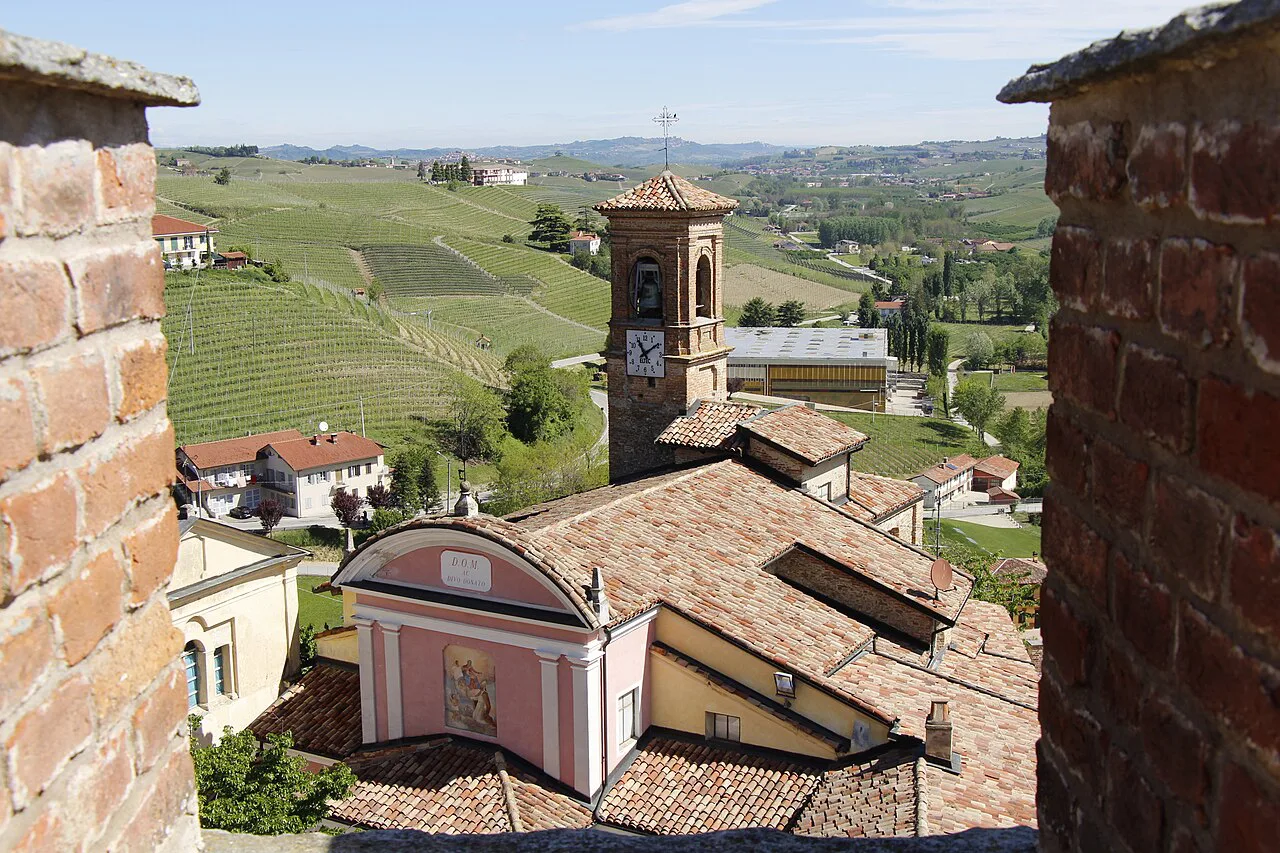
G.D. Vajra is one of the Barolo zone's most recognizable names, and its cellars sit in the Vergne hamlet of Barolo itself rather than in the better-known hilltop towns of La Morra or Serralunga. For a traveler based in Turin, that makes it a natural anchor for a Langhe day built around one confirmed appointment. This guide covers where the estate is, the wines behind its reputation, how to reach Vergne without a car, and how to frame a visit request.
Why G.D. Vajra Is Worth a Stop in Barolo
The estate is associated with Aldo Vaira, who grew up in Turin, studied agronomy there, and returned to his family's Barolo roots to build what is now a 60-hectare holding spread across several parts of the Alba area. That unusual geography — vineyards in different villages rather than a single contiguous block — is the reason the range runs well beyond Barolo. His three sons now work alongside him, so the winery reads as a family operation with a serious analytical streak rather than a single-cru specialist.
For visitors, the payoff is breadth. A stop here gives you Nebbiolo in its Barolo form, but also Dolcetto from parcels that include the Coste and Fossati crus in Barolo, Moscato d'Asti from Mango and Santo Stefano Belbo, and cooler-site whites including Riesling and Langhe white. If you are choosing between estates for a first Barolo day, that spread makes Vajra a good single stop that covers both red and white Piedmont. If you would rather build a tasting day in a city instead, wine tasting in Verona offers a contrasting Valpolicella route to weigh against it.
Where the Winery Is: Vergne, Barolo (CN)
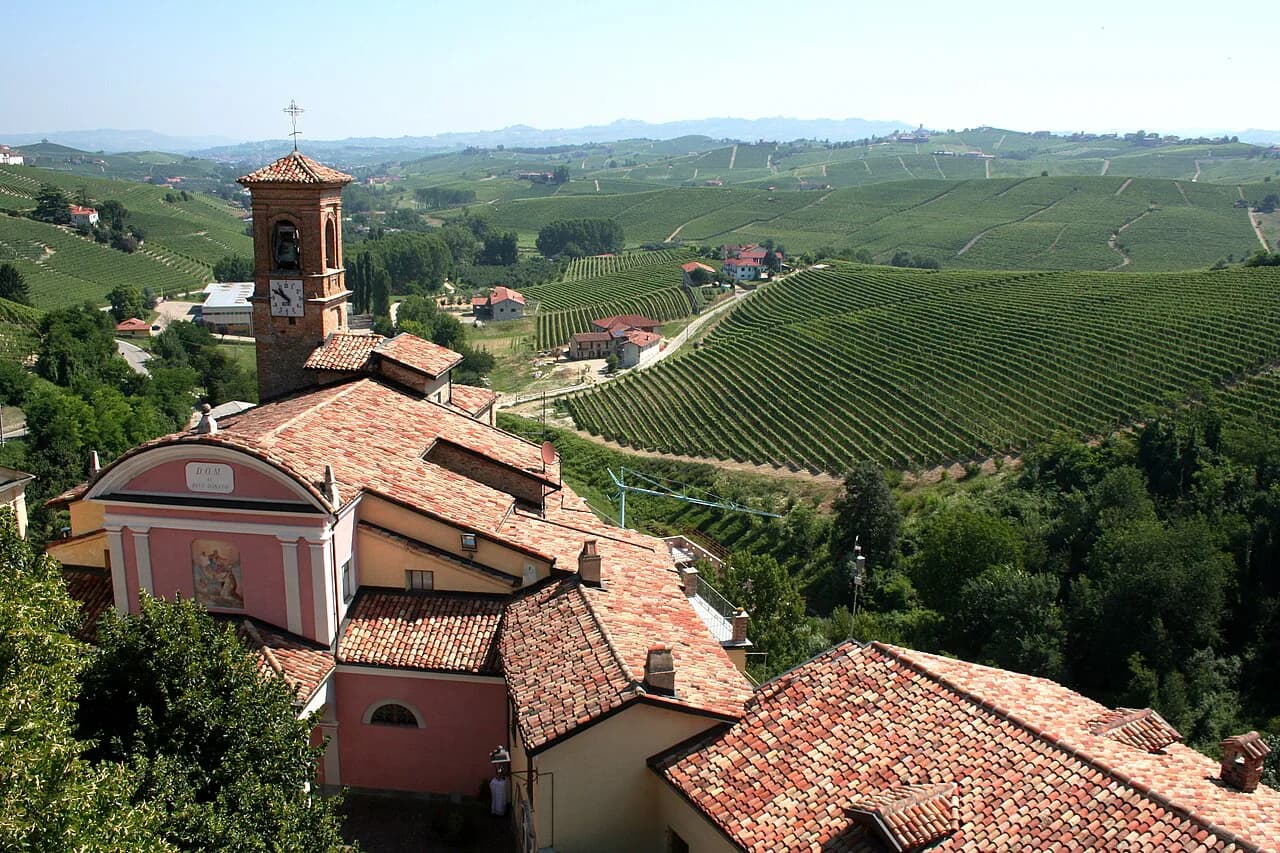
The published address is Via delle Viole, 25, Frazione Vergne, 12060 Barolo (CN), with telephone +39 0173.56257, email welcome@gdvajra.it and the site gdvajra.it; the same listing notes wine tastings and direct sales. Vergne sits in the valley below the town of Barolo, which matters when you plan the day: you are not parking in the center of Barolo and walking to the winery, so build in a car, taxi or bike transfer.
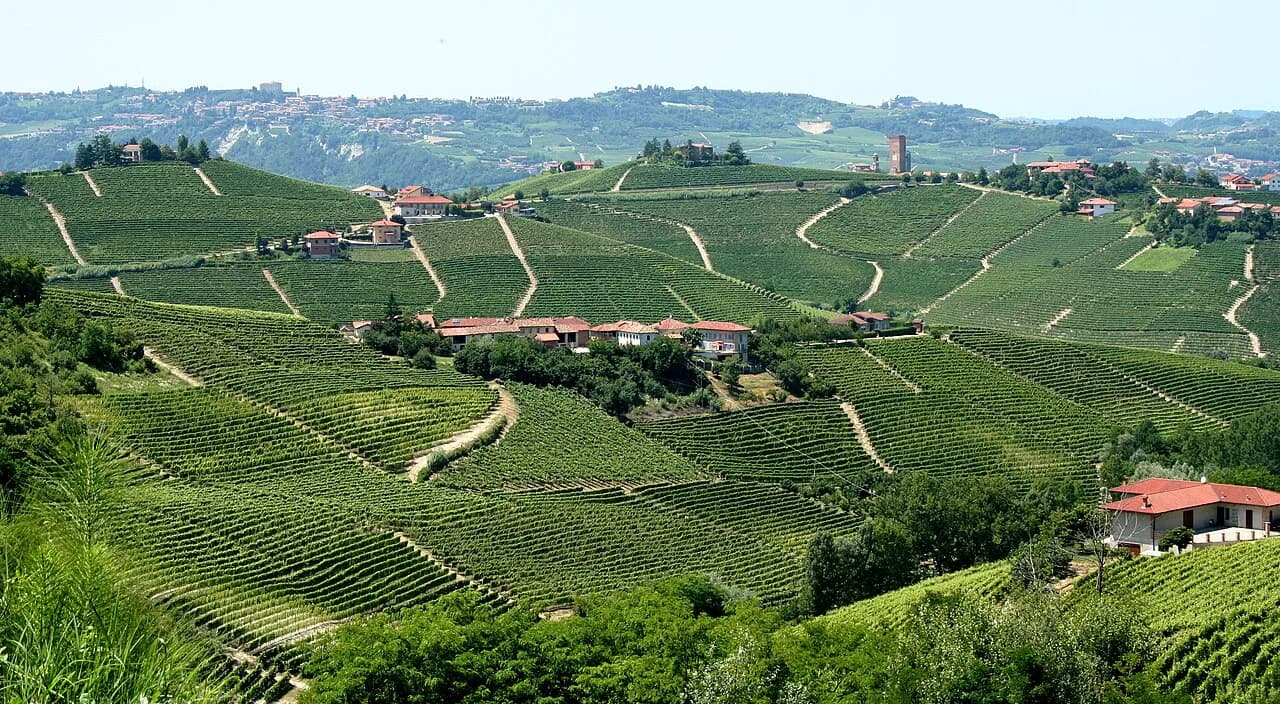
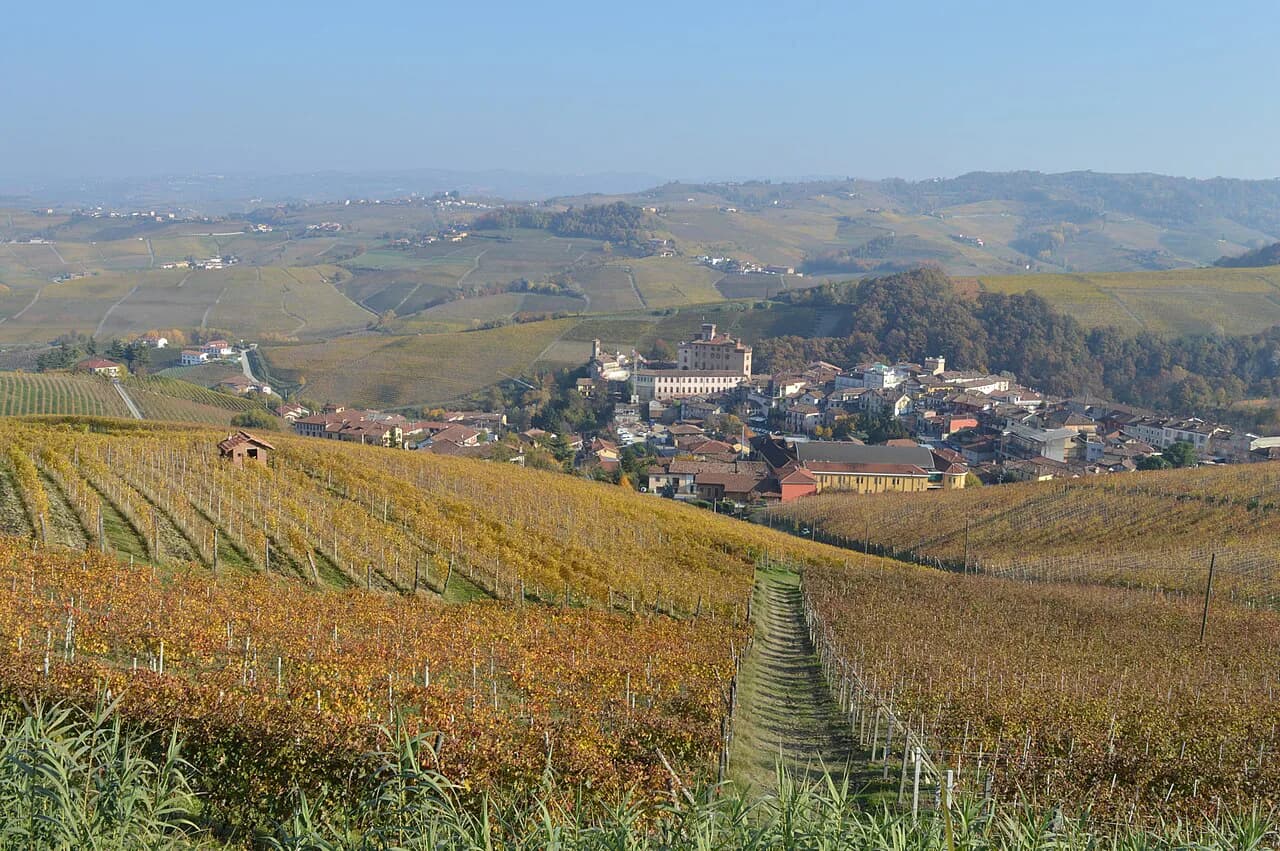
The Barolo zone fans out around a handful of villages — Barolo, La Morra, Serralunga d'Alba, Monforte d'Alba and Verduno among them — and the roads between them twist through vineyard ridges rather than following a grid. Vergne is a short hop from Barolo town but a longer, slower drive from La Morra, so treat the appointment as the day's fixed point and group the rest of your stops around it.
The Barolo DOCG itself is Nebbiolo grown within a defined set of comuni, and the best-known crus are named vineyard sites rather than separate appellations. Vajra's Bricco delle Viole bottling is a Barolo DOCG from 100% Nebbiolo, the kind of site-labeled wine that tells you the estate is working plot by plot. Knowing this helps you read a tasting list before you arrive.
The Wines to Know Before You Go
Barolo is the headline: Nebbiolo, high in tannin and acidity in its youth, aged long enough under the rules to soften before release, which is why Barolo rewards cellaring and why a bottle can sit in a cellar for many years. Piedmont's other reds give the region its everyday drinking: Dolcetto is rounder and meant for earlier drinking, while Barbera brings bright acidity and is often the value pick on a list.
The white and sparkling side is more distinctive than outside drinkers expect. Moscato d'Asti is a low-alcohol, lightly sparkling sweet wine from the Asti area, made from the Moscato Bianco grape and typically drunk young; on a wine tasting in turin itinerary it is the classic finish to a Piedmontese meal. Vajra also works with Riesling, Pinot Nero and Langhe whites from cooler sites, which rewards a taster who wants more than red wine.
One wine worth asking about by name is the estate's 100% Nebbiolo Metodo Classico, a sparkling wine made from the red grape in the traditional method rather than from Chardonnay or Pinot. It shows how far a Barolo producer's range can stretch, and it is a sensible question to put in a booking email if sparkling wine is your interest.
Getting There from Turin Without Driving
Turin is the practical base for this excursion: the Barolo zone lies south-east of the city in Cuneo province, in the hills around Alba and Bra. The rail plan is a train from Turin to Alba or Bra — both sit on lines from the Turin area — then a local bus or taxi for the last stretch into the Barolo villages. Schedules vary by season and line, so look up the current timetable with Trenitalia and the local bus operator before you fix an appointment time.
The last leg is the weak point. Buses in the Langhe run thinly outside school hours and are built around local commuters rather than wine visitors, and taxis in the small villages are few, so a pre-booked car or a local transfer from Alba is often the realistic solution if you are not joining a tour. Vergne is close enough to the town of Barolo that a fit cyclist can ride it, though the lanes are steep and shared with tractors.
A wine tour from turin removes that problem entirely: someone else handles the hill roads and the tasting-room timings, and you get dropped at the door. The trade-off is cost and rigidity — a shared group tour sets the schedule, so a specific appointment slot at Vajra may not line up with the tour company's route. Compare the two before committing to either.
Independent Trip vs. Guided Day Tour
Going independently gives you flexibility on which villages you add around Vajra and how long you linger, and it usually costs less than a private driver for a single traveler. The cost is attention: you plan the rail and bus legs, you book the taxi or rent the car, and any schedule slip on a connecting bus ripples into your appointment. If the estate is your main reason for the trip, build in a generous buffer on the way out.
A guided tour is the better fit if you want more than one estate in a day, since the tour company clusters nearby wineries and handles the driving while you taste. On a shared tour you may not control which producers you visit, so ask whether Vajra is confirmed or simply one option in a rotating list. Small-group tours do sell out in harvest season, so a modest amount of lead time is worth the planning.
Booking a Visit: How Barolo Appointment Culture Works
Barolo estates are small and tasting rooms are staffed around the cellar work, so visits are usually arranged in advance rather than dropped into. Vajra publishes a phone number, an email address and a website for tastings and direct sales, which are the three channels to use; a written request stating your date, time window and party size is easier to schedule than a phone call at harvest.
Barolo visits are normally booked at least a few days ahead in low season and several weeks ahead in September and October, when the harvest pulls staff into the vineyard. Writing in Italian or English is fine; naming the wines you care about, asking whether a cellar walk-through is included, and confirming the language of the tasting will get you a clearer answer. Repeat visitors to the region often book two estates back-to-back and leave the middle of the day free for lunch.
What to Ask When You Book
Tasting formats vary from estate to estate, so ask concrete questions: how many wines are poured, whether the tour covers the cellar and bottling area, whether food is served or breadsticks only, how long the whole visit runs, and whether the tasting fee is deducted against a purchase. G.D. Vajra does not publish its current visitor fees on the listing used here, so ask for the price in your booking email rather than guessing a figure from retail listings.
Ask too about group size and children or non-drinkers in your party, and whether the tasting room can accommodate a wheelchair or limited mobility. If you intend to buy bottles, check whether the estate ships or whether you will carry them home, since airline liquid rules affect the answer. Confirm the final slot in writing so you have the time on hand for the taxi or tour pickup.
Grouping Vergne with the Rest of Barolo
Vergne is within the Barolo municipality, so the obvious pairing is the town of Barolo itself, whose wine museum and enoteche fill a wet afternoon. From there, La Morra sits on the ridge to the north-west with a cluster of estates and a view across the whole zone, and it makes a sensible second tasting stop on a self-drive day.
If you have a driver or a tour, extend east to Serralunga d'Alba and Monforte d'Alba, where the wines tend to be firmer and more structured than those from La Morra's sandier soils. For a wider list of estates across the zone, use a curated directory of barolo wineries to shortlist two or three before you email. A visit to Ceretto Winery at Monsordo Bernardina near Alba works well combined with a morning train arrival.
Harvest Timing and the Best Months to Plan
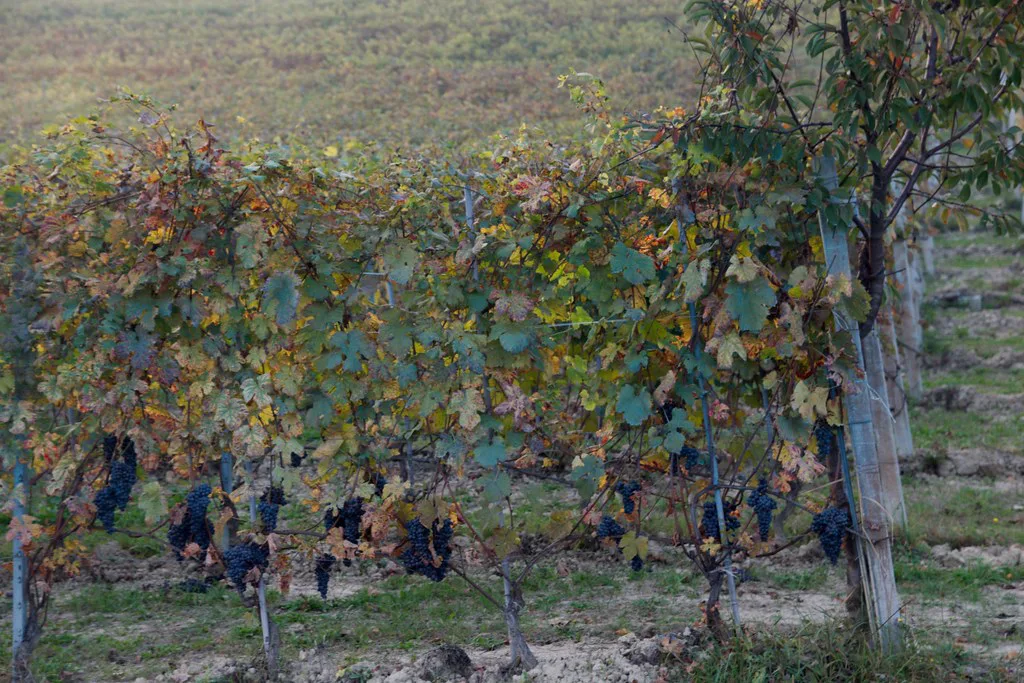
Piedmont's Nebbiolo harvest usually falls in October, with Dolcetto and Moscato picked earlier in September; the exact dates shift with the year's weather. During the harvest, wineries are busy in the vineyard and tasting slots are scarcer, so book earlier. November to March is quiet and often foggy but the cellars are working and appointments are easier to get.
Spring and early summer are the pleasant window for combining tastings with walking in the vineyards, and the vines are green and the light long. The trade-off is that weekends in May and June fill up, so midweek appointments give you better choice of times. Autumn gives you the crush, and the scent of fermentation in the cellar, but plan around the estate's availability rather than the other way round.
If Vajra Can't Fit You In
One confirmed appointment is enough to anchor a Barolo day, so if the estate has no slot, keep the time and shift the estate. Use a directory of turin wineries and the Barolo village lists to find a producer with an opening on the same date, then structure your travel around that booking rather than chasing a second choice. Enoteche in Barolo and Alba give you a taste of the zone's wines without an appointment.
A second option is to book a tour that includes a confirmed estate and let the tour company build the transport for you. That way the day holds together even if your first choice is unavailable, and someone else is driving the hill roads. Either way, a single confirmed slot beats four speculative emails.
Practical Notes: Driving, Spitting and Transport
Barolo is a high-tannin, high-acid wine served in tasting pours, and the usual courtesy in tasting rooms is the spittoon. If someone in your party is driving, that person should not taste: use the spittoon, appoint a designated driver, or take a tour or public transport instead. Tasting-room staff are used to the request and will not be offended.
Distances between villages look short on the map but take longer on the winding roads, so allow 20 to 30 minutes between stops rather than 10. Wear shoes that handle gravel and cellar stairs, and carry a light layer because cellars stay cool year-round. Look up the train and bus timetable for your date on the Trenitalia site before you leave Turin.
Plan Your Visit
Treat G.D. Vajra as the fixed point of a Barolo day from Turin: confirm one appointment in Vergne, build the train and taxi legs around it, and keep the rest of the itinerary loose. Decide early whether you will drive, take a tour or rely on public transport, because that choice shapes which appointment times you can accept. Check current opening and visit details with G.D. Vajra when you book, then spend your energy on the wines.
Frequently Asked Questions
Where is G.D. Vajra winery located?
G.D. Vajra is at Via delle Viole, 25, Frazione Vergne, 12060 Barolo (CN), in the Barolo municipality of Piedmont. Vergne sits below the town of Barolo, so you need a car, taxi, bike or tour transfer for the last stretch rather than a walk from the center.
Do you need an appointment to visit G.D. Vajra?
Barolo estates generally work on advance bookings rather than drop-in visits, and Vajra publishes a phone number, email and website for tastings and direct sales. Write ahead with your date, time window and party size, and ask what the visit includes.
How do you get to Barolo from Turin without a car?
Take a train from Turin toward Alba or Bra, then a local bus or taxi into the Barolo villages. Bus service in the Langhe is thin outside commuter hours, so a pre-booked transfer from Alba or a guided tour is often the more reliable option. Check current timetables before fixing an appointment.
What wines does G.D. Vajra produce besides Barolo?
The range includes Dolcetto from parcels in Barolo, Moscato d'Asti from Mango and Santo Stefano Belbo, and cooler-site wines such as Riesling, Pinot Nero and Langhe white. The estate also makes a 100% Nebbiolo Metodo Classico sparkling wine.
How long can you keep a bottle of Barolo?
Barolo is Nebbiolo, high in tannin and acidity, and is released only after extended ageing under the rules, so a well-stored bottle can develop for many years. Storage conditions matter more than a fixed number, and lighter vintages will not last as long as structured ones.
Is a guided Barolo tour worth it compared with going independently?
A tour removes the hill-road driving and lets you taste freely, and operators cluster nearby estates into one day. Going independently usually costs less and gives you freedom over which villages you add, but you plan the rail, bus and taxi legs and carry the risk of a missed connection.
When is the best time to visit the Barolo zone?
Spring and early summer are pleasant for vineyard walks, and May and June weekends fill up, so midweek works better. Nebbiolo is normally picked in October, when estates are busiest; November to March is quiet and appointments are easier to get.
Sources
Notes for your next wine trip
Optional updates to our winery and wine-town guides.
You might also like
Continue reading
More guides you'll find useful