Tommasi Winery Visit from Verona: Valpolicella Tasting Guide
Plan a Tommasi winery visit from Verona: where the Pedemonte estate sits, which Valpolicella wines to taste, and how to arrange an appointment.
On this page
Tommasi is one of the names that comes up first when you start planning a Valpolicella day out of Verona, partly because the family's Amarone is famous well beyond the region and partly because the estate sits close enough to the city for a half-day trip. The practical catch is that most of what matters for planning, from where the Pedemonte site actually is to which wines you will meet on the table, gets muddled by the group's wider Italian portfolio. This guide separates the Verona estate from the rest and gives you a workable plan for a visit that starts and ends in the city.
Nothing here relies on driving. A taxi, a guided tour or a mixed public-transport plan all work, with different trade-offs in cost and flexibility, and anyone behind the wheel should skip the glass rather than sip and hope. Use spittoons, nominate a driver, or book a tour or bus so the tasting is the point of the day.
Why Tommasi Is a Sensible First Valpolicella Stop from Verona
For a first encounter with the zone, Tommasi is a logical anchor because it covers the full ladder of local styles under one roof, from lighter reds up to Amarone and Recioto, so you can compare them side by side instead of driving between small family cellars. The estate is also used to visitors, which matters in a district where many producers ask you to email ahead and open the cellar door only for confirmed parties. If you are weighing several addresses, this belongs on any shortlist of the wineries near Verona.
The wider regional picture helps too: Tommasi Family Estates runs six properties across Italy, and its ranges appear on Verona wine lists and in city enoteche, so a tasting here gives you context before you sit down in town. A short pre-dinner stop in a Verona wine bar the evening before is a low-risk way to calibrate which styles you want to explore in depth.
Where the Pedemonte Estate Sits
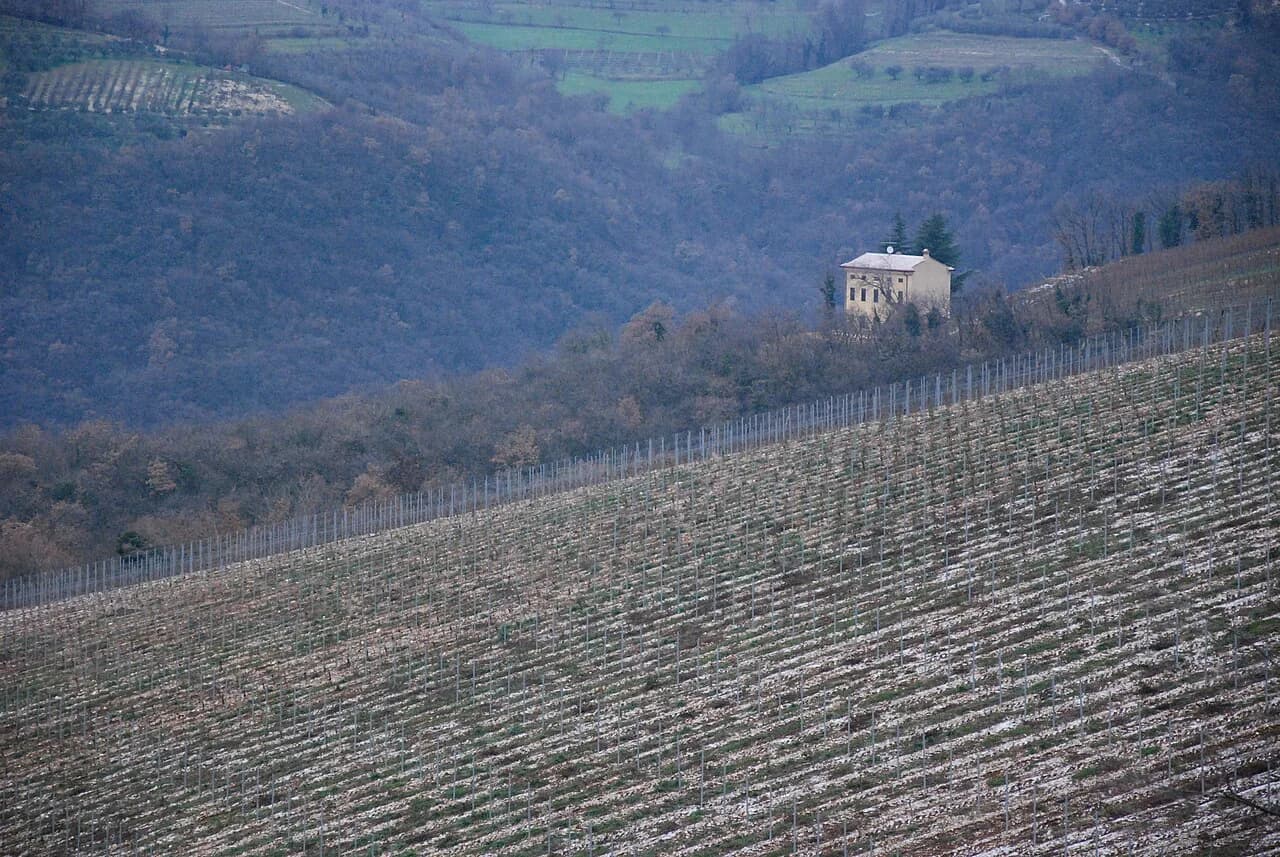
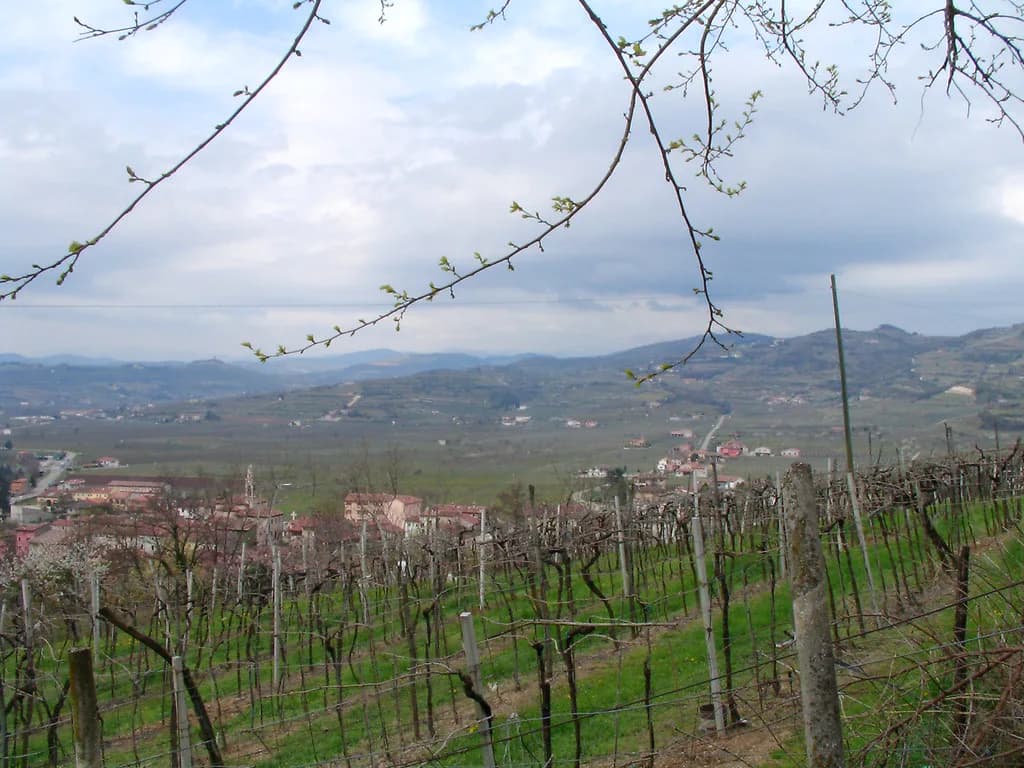
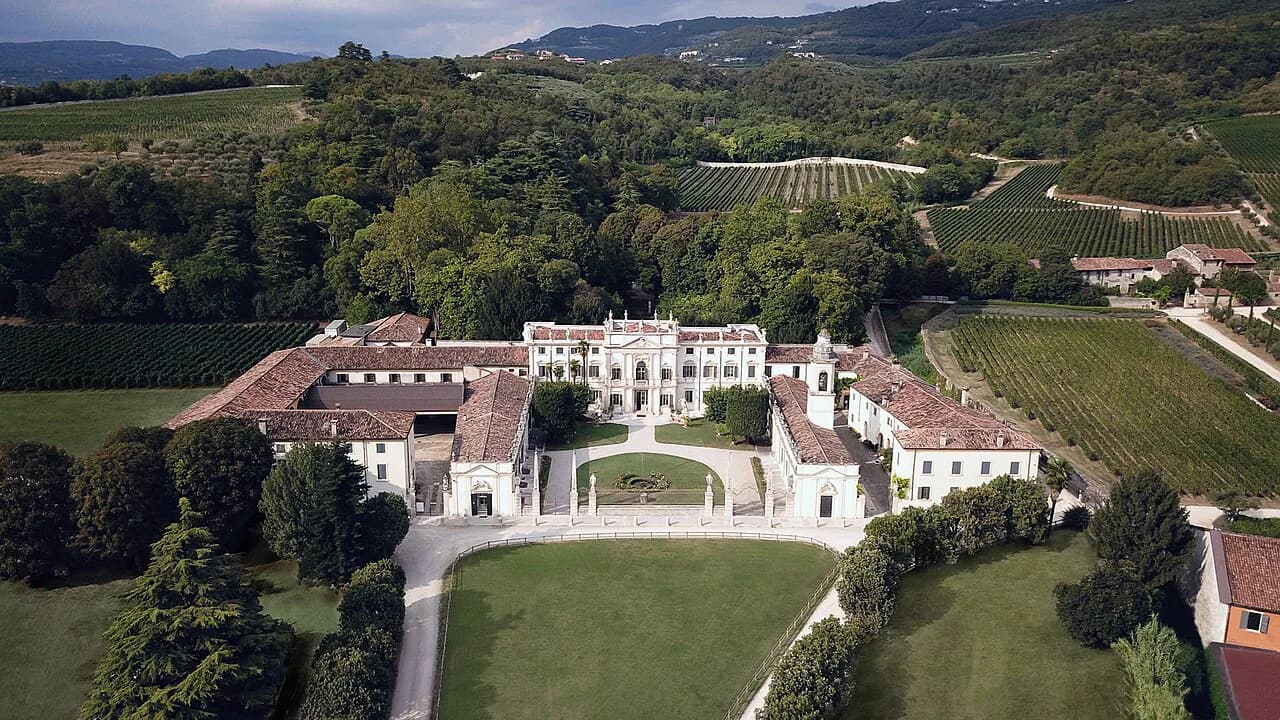
The Verona-area estate is in Pedemonte, within the San Pietro in Cariano commune, and the broader family group keeps its Valpolicella winery operations in the Classica zone northwest of the city. Pedemonte sits among the villages that make up the historic heart of Valpolicella Classica, the same cluster that includes Negrar, Fumane and Marano.
Distances here are short in absolute terms: the drive from central Verona into Pedemonte takes well under half an hour in normal traffic, and a taxi is the simplest no-car option, with a return leg arranged in advance because roadside cabs are scarce in the villages. Confirm the exact meeting point and arrival time when you book, since a group tasting will not wait for a late taxi.
Tommasi Family Estates: Which Site Are You Visiting?
Tommasi is a family group with estates well beyond Veneto, spanning Lombardy, Tuscany, Puglia and Basilicata alongside the Veneto properties. The list of estates on the group's site makes clear that Montalcino, Maremma and the southern estates are separate destinations, so a search result naming Casisano or Poggio al Tufo is not an invitation to a cellar outside Verona.
That matters when you book: ask explicitly for the Pedemonte address and specify that you want the Valpolicella estate, not a tasting room associated with another property. Traveler reviews filed under the group's Pedemonte entry confirm the site as a recognized visitor stop, which is useful context, but the official estate pages remain the reference for what is currently offered.
How Booking Works
The group's own visitor information does not publish tasting fees, tour lengths or daily opening hours in the material available here, so treat any figure you find on a resale site as unverified. Write to the estate or call before you build your day around it, and ask three specific questions: whether your preferred date is open, whether the visit includes a cellar walk-through, and how many wines are poured.
Appointment culture is the norm in Valpolicella, and party size is the usual lever: small groups of two to six are easier to slot in, while larger parties need more notice and often a fixed time slot. State whether anyone in the group is tasting and who is driving, ask where to meet, and confirm the language of the tour if that matters to you. Vintage and harvest timing affect what is happening in the cellar, so ask what you will actually see in the week you plan to come.
What a Valpolicella Tasting Should Cover
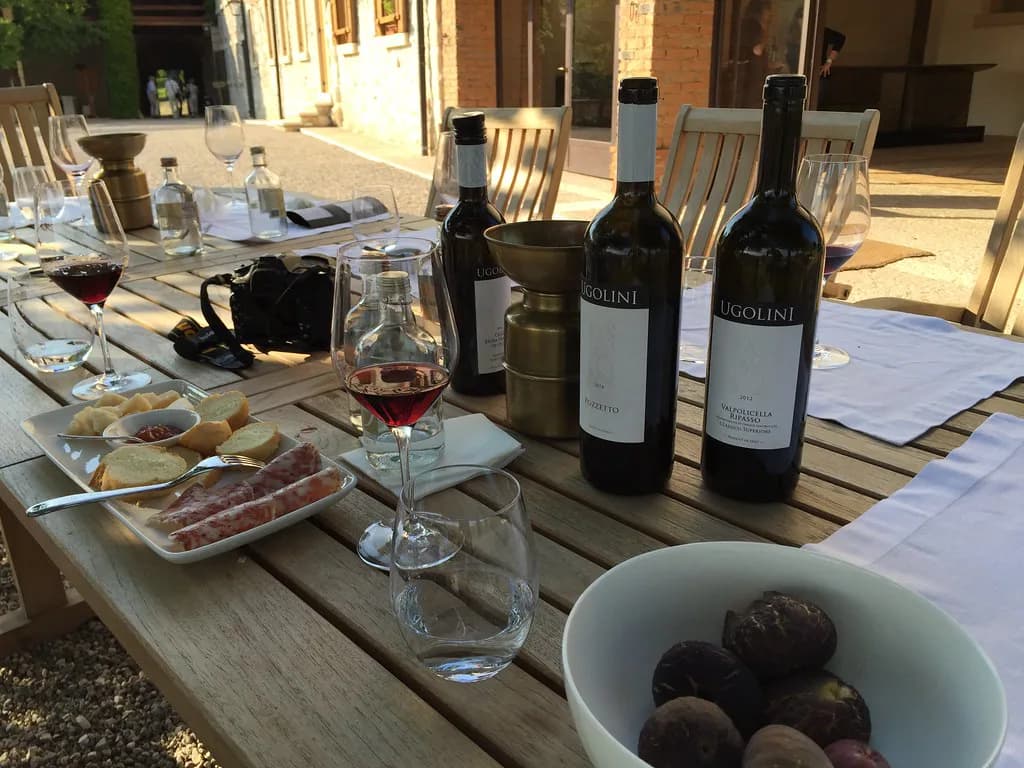
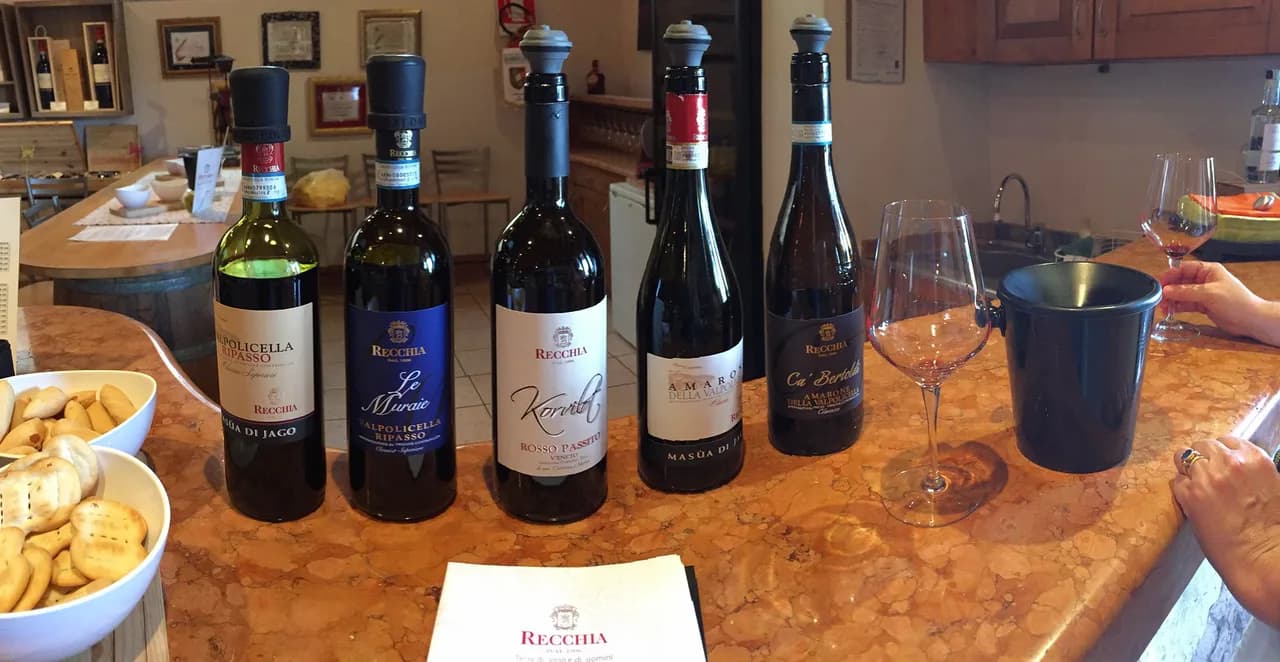
A well-structured visit moves through the zone's hierarchy: base Valpolicella, then Valpolicella Superiore, then Ripasso, then Amarone della Valpolicella Classico, and finally Recioto if it is open. Each step adds weight and concentration, which is why the sequence matters more than the individual labels. Ask for that progression rather than a loose selection, and you will leave with a mental map of the appellation rather than a list of names.
Tommasi's own advice for newcomers, given in an interview with the family, is to start with the younger wines, such as Valpolicella Superiore or Rosso di Montalcino, before moving to the flagship bottlings, because comparison teaches you more than starting at the top. That is a useful thing to mention when you book a tasting, especially if the group includes people who mostly drink white wine at home. Expect pours to be modest; the point is the comparison.
Grape and Appellation Primer: Corvina, Corvinone, Rondinella, Oseleta
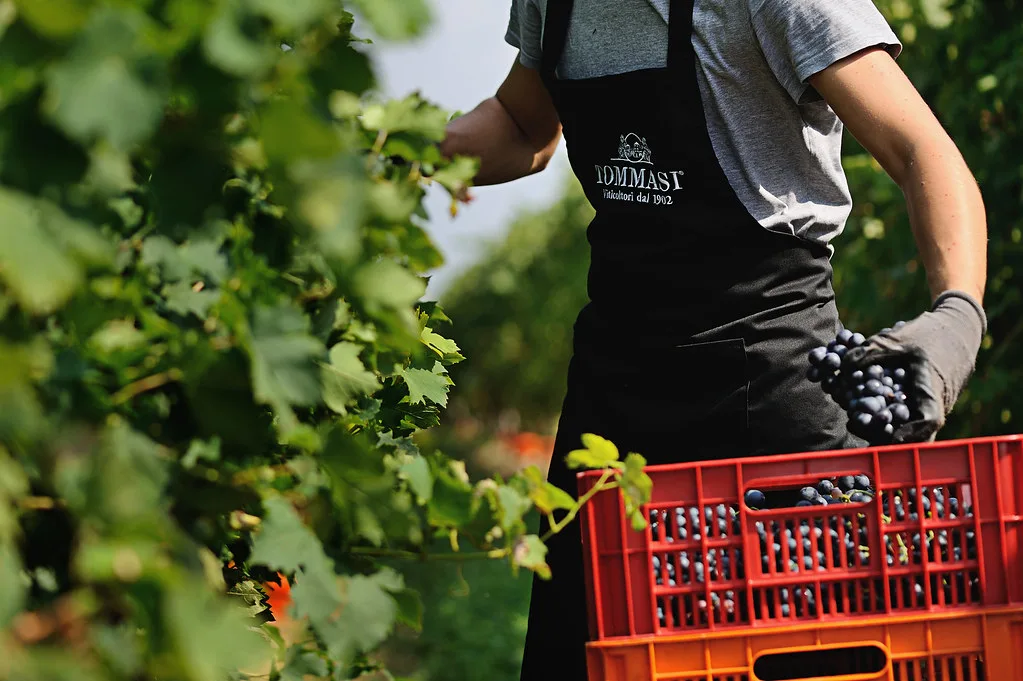
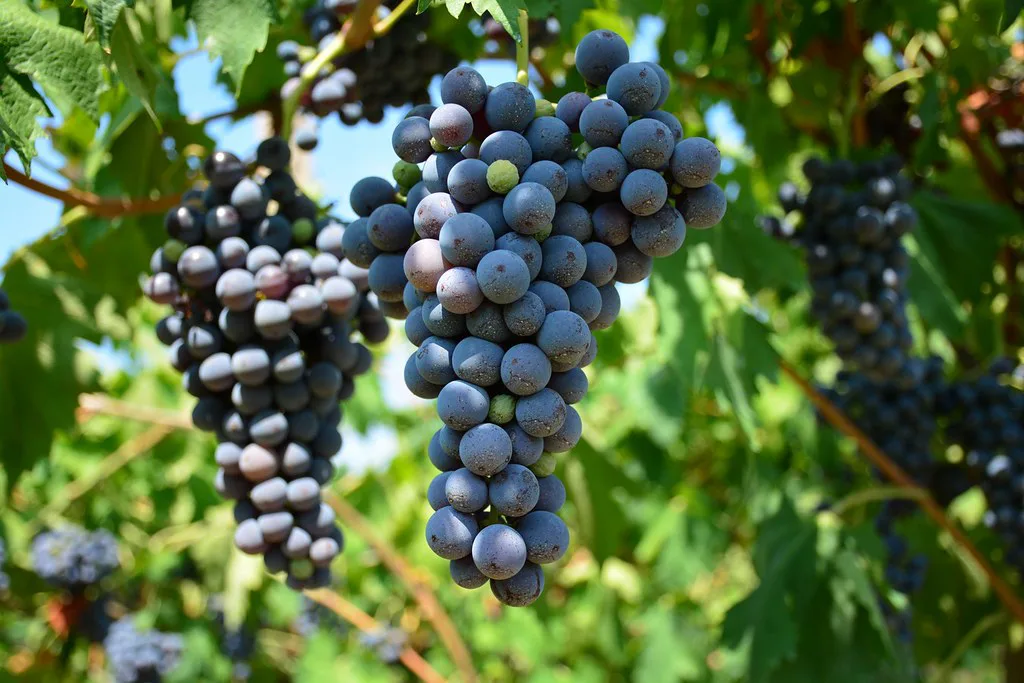
The Valpolicella reds are blends, built mainly on Corvina with Corvinone, Rondinella and a little Oseleta in support; the family's Amarone Classico, for instance, is a blend of half Corvina with substantial Corvinone, Rondinella and a small share of Oseleta. Corvina brings acidity and scent, Corvinone adds color and body, and Rondinella fills out the structure.
Amarone depends on appassimento: grapes are dried before fermentation, concentrating sugar and flavor, which is why the style is richer, higher in alcohol and more expensive to make than a standard Valpolicella. Ripasso, by contrast, is made by running a lighter wine over the spent Amarone skins, which gives it extra depth without the full weight of a dried-grape wine. Knowing these two methods explains most of the price and style difference you will meet on the table.
Where the Flagship Wines Sit
Beyond the Valpolicella range, two bottlings are worth understanding before you arrive. Tommasi's Lugana Le Fornaci comes from vineyards at Desenzano del Garda on Lake Garda and is made from Turbiana, so it is a white wine from a completely different appellation, not a Valpolicella wine. The Casisano Brunello di Montalcino belongs to the group's Tuscan estate and is made from Sangiovese in Montalcino, which is a wholly separate region.
In other words, a bottle of Lugana or Brunello on a Verona shop shelf tells you about the family's reach, not about what grows around Pedemonte. If you want to taste those styles, ask whether they are part of the tasting flight on the day; availability varies by vintage and by what the estate chooses to pour. Retail prices for these bottles vary by market and vintage, so compare locally rather than budgeting from a foreign listing.
Getting There Without Driving
A taxi from central Verona to Pedemonte is the cleanest independent option, and asking the driver to return at a set time solves the usual problem of finding a ride back from a village. Guided Verona wine tours work well if you would rather not negotiate logistics at all, and they typically string two or three estates together so you cover more ground in a single day.
Public transport is the weakest link. Buses run through the Valpolicella villages, but timetables are geared to residents rather than visitors and a missed connection can swallow your tasting slot, so a bus-plus-winery plan needs generous margins and a confirmed appointment time. Cycling is realistic for confident riders given the short distances, but the roads are narrow and the hills are real; a driver who plans to taste should be in a taxi or on a tour, not in the saddle.
Independent Visit vs Organized Tour
Going independently buys you time: you can linger over a cellar conversation, revisit a wine you liked, and leave when you are finished rather than when the minibus is. It costs you the coordination, and in Valpolicella that means booking the estate yourself and arranging transport both ways. A tour shifts that burden to the guide and adds commentary on the landscape, but it fixes your schedule and often your tasting choices.
The deciding question is usually appetite for planning rather than money. If you have one day and no car, a tour is the lower-risk choice; if you have two days, book one estate independently and use a tour for the second, so you get both the unhurried visit and the broader sweep of the district. Either way, none of it works well on a whim in harvest season, when cellars are busy with fruit arriving. The same one-day-without-a-car trade-off drives the planning in the Turin wine guide, where Piedmont cellars sit outside the city centre.
Filling a Full Day: Pedemonte, Negrar and Fumane
Pedemonte sits within a short drive of Negrar and Fumane, so two appointments in a morning and afternoon make a coherent day without long transfers. Pick contrasting producers rather than two similar ones: a larger estate with a formal tasting room and a small family cellar give you very different views of the same appellation. If you want a second address in the Classica zone, the Allegrini winery in Fumane is a well-known benchmark to weigh alongside Tommasi.
Allow time for lunch in one of the villages rather than squeezing a third visit in; the distances are short but the tastings are not, and a rushed schedule is the most common way to ruin a Valpolicella day. Book the second stop first if it is the harder one to get into, then fit the first around it.
What to Buy and Carry Home
Amarone and Recioto are the bottles worth prioritizing for the suitcase because the appassimento method makes them labor-intensive and pricey to produce, so buying at the source is mainly about provenance and selection rather than bargains. Valpolicella Superiore and Ripasso are the practical everyday purchases, and they travel better in a checked bag than a delicate white.
If you liked the Lugana, note that it comes from Lake Garda rather than Valpolicella, so it may be easier to find at home than a small-production Amarone. Ask about shipping and about airline liquid rules before you commit to a case, and remember that bottles bought in Europe may not be legal to bring into every country in quantity.
A Sensible Tasting Order for Newcomers
Start with Valpolicella, move to Superiore, then Ripasso, then Amarone, and finish with Recioto if it is poured. This order runs from lightest to most concentrated and from dry to sweet, which keeps your palate useful for the wines that matter most. Take notes on the first two rather than the last two; by the Amarone you will have opinions, but your detailed impressions will be of the earlier glasses.
If the flight also includes the Lugana or the Brunello, taste the white before the reds and treat the Brunello as a separate comparison rather than part of the Valpolicella ladder. Spit when you taste, particularly if more than a handful of wines are on the table, and drink water between flights. The goal is to leave knowing which Valpolicella style you would buy again.
Practical Timing and How Far Ahead to Book
Harvest, roughly from September into October, is the most atmospheric but also the busiest period in Valpolicella cellars, and the drying lofts for Amarone grapes are in active use then. Spring and late autumn are calmer, and weekdays are noticeably easier to book than weekends, when Verona day-trippers fill the popular estates. Ask the estate what is happening in the cellar during your dates rather than assuming a tour is available.
As for lead time, a few weeks is prudent for a weekend in high season and a matter of days may suffice midweek in a quiet month, but this depends entirely on the estate's schedule. The one reliable move is to send a short, specific request with date, time window, party size and what you want from the visit, then wait for confirmation before booking transport.
Plan Your Visit
Build the day around one booked appointment, a fixed transport plan in both directions, and a tasting order that starts with the lighter wines. Keep the group small, name the Pedemonte estate explicitly in your request, and leave room for lunch in the villages rather than stacking three tastings into one afternoon. If you want to widen the trip, the wider wine tasting in Verona guide maps out the city and the surrounding zones.
The details that change, from what is poured to when the cellar is free, are exactly the ones to settle with the estate directly before you commit. Everything else, from the appassimento method behind Amarone to the taxi ride from Verona, you can plan with confidence now.
Frequently Asked Questions
Is Tommasi winery worth visiting from Verona?
Yes, if you want a single address that covers the Valpolicella range in one sitting, from lighter reds through to Amarone and Recioto. The Pedemonte estate is in the Classica zone northwest of the city, a short drive or taxi ride, so it fits a half-day or a full day combined with another village such as Negrar or Fumane. Anyone expecting a casual drop-in tasting room should plan differently: visits are arranged ahead, so send a request before booking transport.
Do you need to book Tommasi winery in advance?
Treat it as appointment-based. Valpolicella producers generally open their cellars for confirmed parties rather than for walk-ins, and the estate does not publish daily opening hours that would make a spontaneous stop reliable. Email or call with your date, a time window, the number of people and whether you want a cellar tour as well as a tasting. A few weeks of notice is sensible for a high-season weekend, while midweek in a quiet month may come together faster.
What wines can you taste at Tommasi in Valpolicella?
Expect the Valpolicella ladder: Valpolicella, Valpolicella Superiore, Ripasso, Amarone della Valpolicella Classico and, when it is open, Recioto. The family also produces Lugana from Lake Garda and Brunello di Montalcino in Tuscany, but those come from other appellations, so ask whether they are part of the flight on your date. The estate's own advice to newcomers is to begin with the younger wines and work up to the flagship bottlings so you can compare them properly.
How far is Tommasi winery from Verona?
The estate is in Pedemonte, part of San Pietro in Cariano in the Valpolicella Classica zone, within easy reach of central Verona by road. In normal traffic the drive is short enough to fit a morning or afternoon tasting, which makes a taxi a practical option. Arrange your return pickup when you book, because village roadsides are not places where you can count on hailing a cab.
Can you visit Tommasi winery without a car?
Yes, with planning. A taxi both ways is the simplest independent route, and guided Verona wine tours handle the transport and often add a second or third estate. Local buses serve the Valpolicella villages but run on resident-oriented timetables, so a missed connection can eat into your slot. Cycling works for confident riders given the short distances, though the roads are narrow and hilly.
What is the difference between Amarone and Valpolicella?
Amarone is made from grapes dried before fermentation, a method called appassimento that concentrates sugar and flavor and produces a richer, higher-alcohol wine that costs more to make. Standard Valpolicella is fermented from fresh grapes and is lighter. Ripasso sits between the two: a lighter wine is run over the spent Amarone skins to gain depth. Tasting them in that order, from Valpolicella up to Amarone, is the clearest way to understand the appellation.
Sources
Notes for your next wine trip
Optional updates to our winery and wine-town guides.
You might also like
Continue reading
More guides you'll find useful