Verona Wine Tours: Valpolicella, Amarone and Soave Compared
Verona wine tours compared: Valpolicella and Amarone by minibus, in-city tastings and the Soave hills, with group sizes, timings and booking steps.
On this page
Verona works as a wine base because the districts sit close and the formats differ sharply. A morning minibus run to Valpolicella, a one-hour seated tasting near Piazza Bra and a half-day east toward Soave solve different problems, and choosing well matters more than collecting tours. This guide lays out what each option covers, how long it takes and how to book it without anyone in the group driving.
Prices move with season and operator, so confirm the current figure at booking rather than budgeting from an old quote. What stays stable is the structure: small-group tours sell out by seat, city tastings need a minimum headcount to run, and the Soave side usually rewards a car, taxi or a longer guided day.
Why Verona Is a Practical Wine-Tour Base
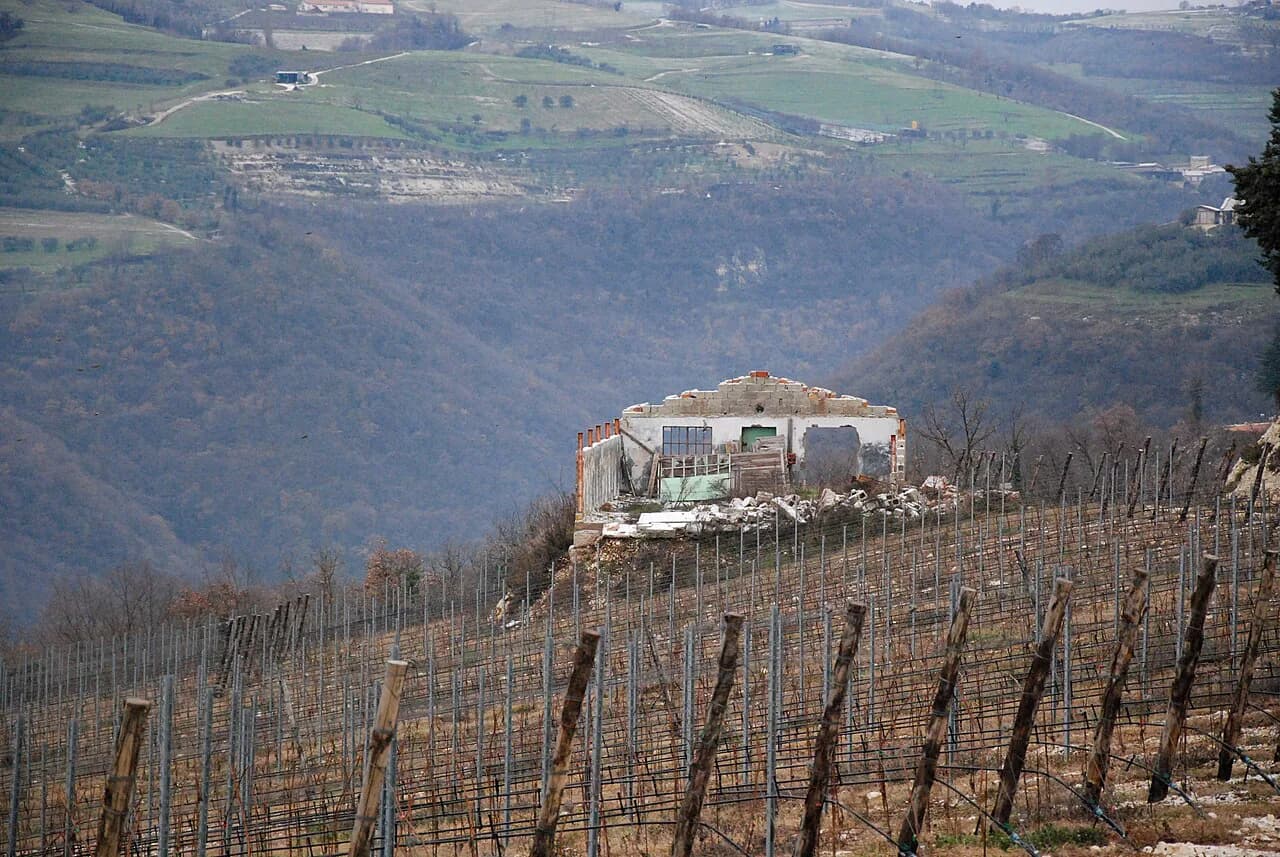
The Valpolicella zone begins just northwest of the city, where the hills climb through villages such as Negrar, Fumane and Marano toward Sant'Ambrogio. Soave lies east along the plain below its castle, a separate appellation with its own white grape. Verona's compact historic center, meanwhile, hosts tastings that never require leaving town.
That geography shapes the day. A Valpolicella winery visit fits into a half day including transfers, Soave is easier as a full or long half day, and an in-city tasting slots between other sightseeing. Staying in Verona rather than on Lake Garda saves transfer time on any of them.
Beyond tours, the city rewards a slower approach: a wine bar or enoteca lets you compare Corvina-based reds and Garganega whites side by side before you commit a day to one district. Use the city pour as a calibration, then pick the tour that goes deeper where your interest landed.
Quick Orientation: Three Districts, Three Grape Stories
Valpolicella reds are built on Corvina with Corvinone and Rondinella, grown in the hills and in the flatter Valpantena. The appellation covers fresh, light-bodied Valpolicella, the more concentrated Ripasso, and Amarone, made from grapes dried before fermentation into a powerful dry red. Recioto, the sweet version of that dried-grape process, comes from the same method.
Soave is white and Garganega-led, with Trebbiano di Soave playing a supporting role; the best sites climb volcanic and limestone hills above the town. The two districts rarely appear on the same short tour, which is why the Valpolicella-versus-Soave decision is really a decision about the day. Tuscany poses a similar choice for reds, where Montepulciano wine tours weigh in-town cellars against countryside estates.
If you only have one wine afternoon, Valpolicella gives you cellar, barrel room and sometimes a drying loft in a single visit, which is the most compact education in the region. Soave pays off for travelers who prefer whites, quieter roads and a hill town to walk after the tasting.
Option 1: Small-Group Valpolicella and Amarone by Minibus
A four-hour guided excursion from Verona covers two traditional wineries in Valpolicella with a local wine expert, transport and two tastings included, one of them pairing Amarone with local products in a family-run cellar. The group is capped at eight people, which keeps the cellar visits and the driving practical.
Departures run 9:00am to 1:00pm and 2:30pm to 6:30pm, Monday through Saturday. The morning tour operates from April to October, while the afternoon slot runs year-round, so a winter visit should aim for the 2:30pm departure. Meeting is at a central location confirmed in your final documents, and hotel pickup is not included.
The format suits couples and solo travelers who want two producers in one outing without renting a car. The trade-off is depth: four hours is tight for two wineries, vineyard stops and transfers, so expect a focused cellar walk and a seated tasting rather than a long lunch in the vines.
Independent-minded tasters who want a longer sit-down at a single estate may prefer a private visit. Larger estates in Fumane and Sant'Ambrogio run their own tours and can be booked direct; the Allegrini winery is one such address to research if you want a single-producer deep dive.
Option 2: A One-Hour Tasting in the City Center
Verona's tourism board lists a seated city tasting run by Pagus Wine Tours for parties of four to sixteen, lasting about an hour and pouring three traditional Verona wines including Amarone, with Soave also represented. It meets at 4pm at Via Valverde 75, at the Pagus shop, which makes it an easy addition to a sightseeing day.
The activity runs only with a minimum of four participants, and the organizer notifies bookers by email 24 hours ahead if it is cancelled for lack of numbers. That rule matters for couples and solo travelers: booking early and confirming status the day before protects your evening. Contact details published by the tourism board are info@paguswinetours.com and +39 327 796 5380.
Compare this with a hillside tour and the trade-off is obvious. You lose the vineyards and cellar, but you gain a short, fixed-length introduction that works on arrival day or in bad weather, and it leaves the rest of the afternoon free for the Arena, Piazza delle Erbe or a proper dinner.
Option 3: Framing a Half Day in Soave
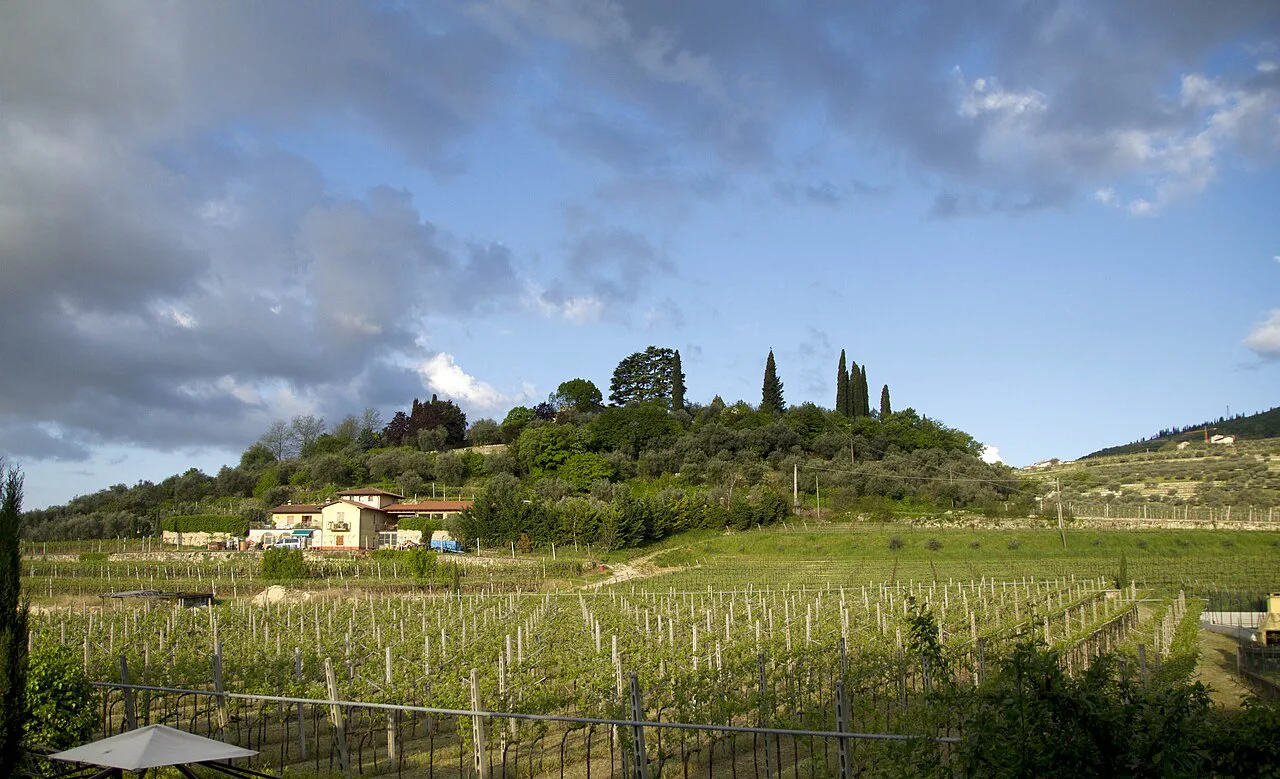
Soave deserves its own slot rather than being squeezed after Valpolicella. The walled town, its castle and the surrounding Garganega hills form a distinct landscape, and the drive from Verona runs east across the plain. A half day gives you one serious winery visit plus a walk through the town; a full day allows two estates and a proper lunch.
Fewer operators publish fixed small-group Soave departures than Valpolicella ones, so treat this as the district to arrange first. Ask a Verona-based operator or your hotel whether they run an eastern-hills day, or book a car and driver for a fixed itinerary. Public buses reach Soave, but wineries outside the town sit on rural roads that reward wheels.
Soave pairs usefully with a Valpolicella day for travelers staying three nights or more: reds and dried-grape methods one morning, whites and volcanic soils the next. Two half days beat one rushed full day in which the second district gets a single glass and no cellar.
Option 4: Doing It Independently Without Drinking and Driving
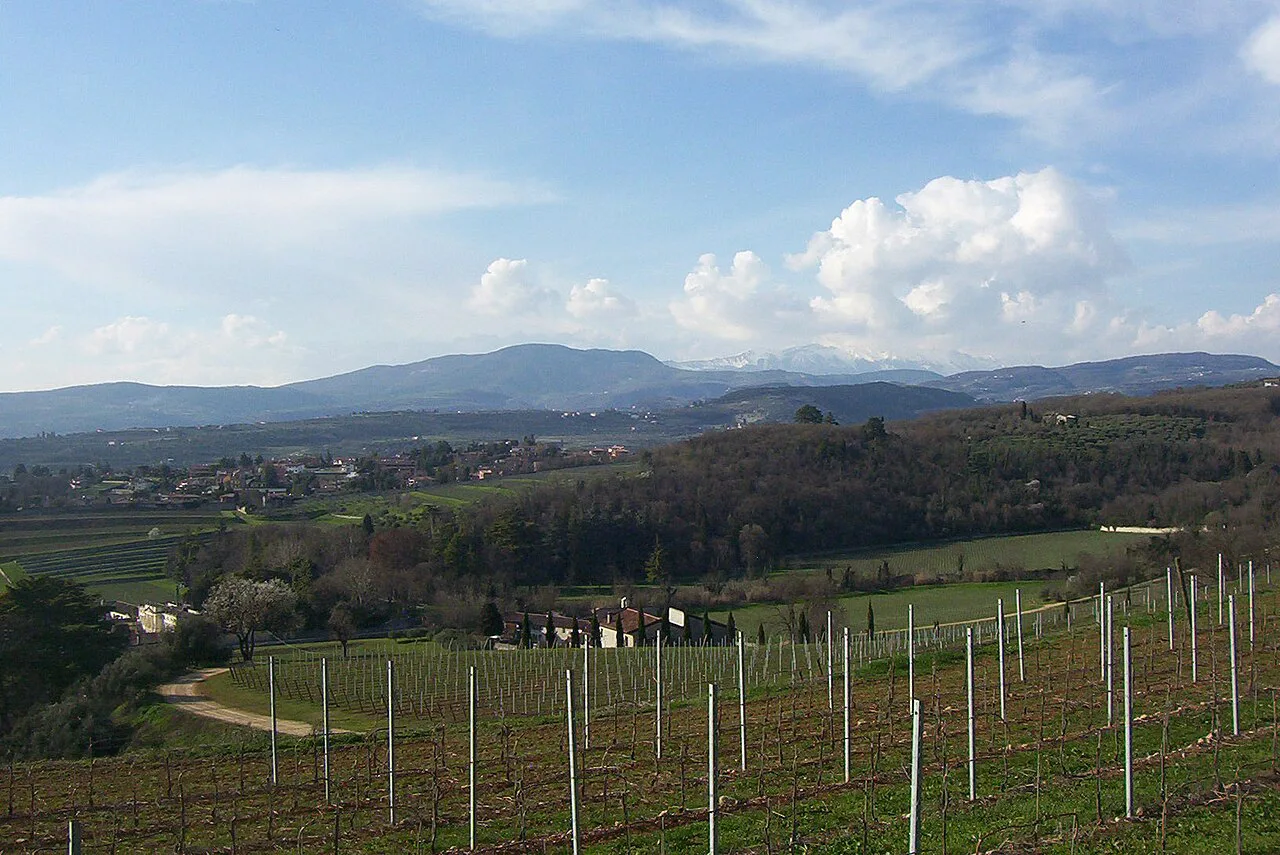
Valpolicella is served by buses from Verona toward Negrar and San Pietro in Cariano, which drop you in the villages but not at individual estate gates. Wineries sit up lanes and on hillsides, and appointments cluster around fixed slots, so a bus-based day usually means one or two visits plus walking time. A taxi booked for a round trip costs more but buys flexibility.
Expect appointment culture rather than open doors. Many family estates receive visitors only by prior booking, often with a minimum party size such as two or four people, and small wineries may decline drop-ins during harvest. Write to the estate with your date, group size and language, and ask what the visit includes before committing.
The decisive question is who drives. If nobody in the group wants to abstain, a tour is the honest choice; the minibus format removes the problem entirely and the group cap keeps tastings civil. If you take a car, agree on a designated driver who spits rather than swallows and rotates across the days.
Comparing Tours on the Details That Matter
Ask four questions before booking: how many wineries, how many wines at each, how long is actually spent in a cellar, and whether food is included or just breadsticks. A four-hour tour with two wineries carries real transfer time, while a one-hour city tasting is all seated, all pouring. Neither is better; they answer different plans.
Group size changes the feel more than the itinerary. A cap of eight keeps a cellar tour conversational and lets the host answer questions, whereas a coach group moves through in waves. Also confirm the guide's language, whether the tasting is hosted by the winemaker or a guide, and where exactly the meeting point is.
City-tour marketplace listings show the spread of options and prices, but they change constantly and reviews skew toward headline experiences. Use them to shortlist companies, then book on the company's own site or by email so cancellation terms and meeting details come from the seller directly; check current prices and dates before you commit.
One Verona-specific complication: during Vinitaly in spring, the city fills with trade visitors and hotel rates and tour availability tighten. If your trip overlaps the fair, book tastings and transfers well ahead, and expect wineries to be busy with buyers rather than leisure visitors.
What a Valpolicella Visit Usually Covers
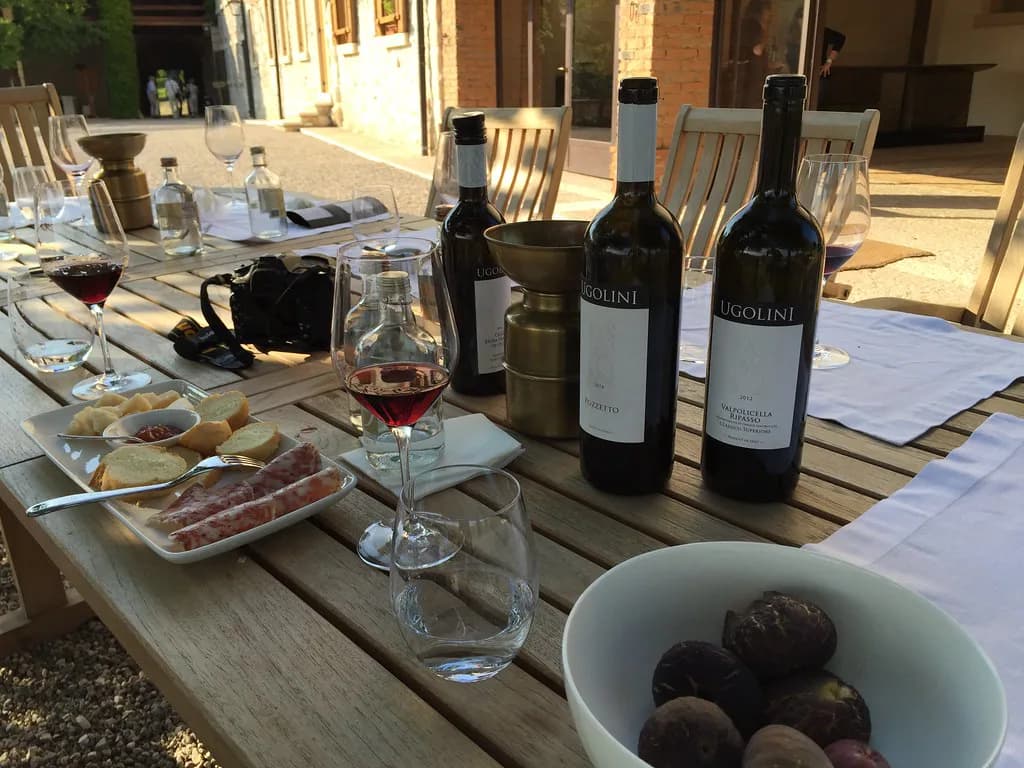
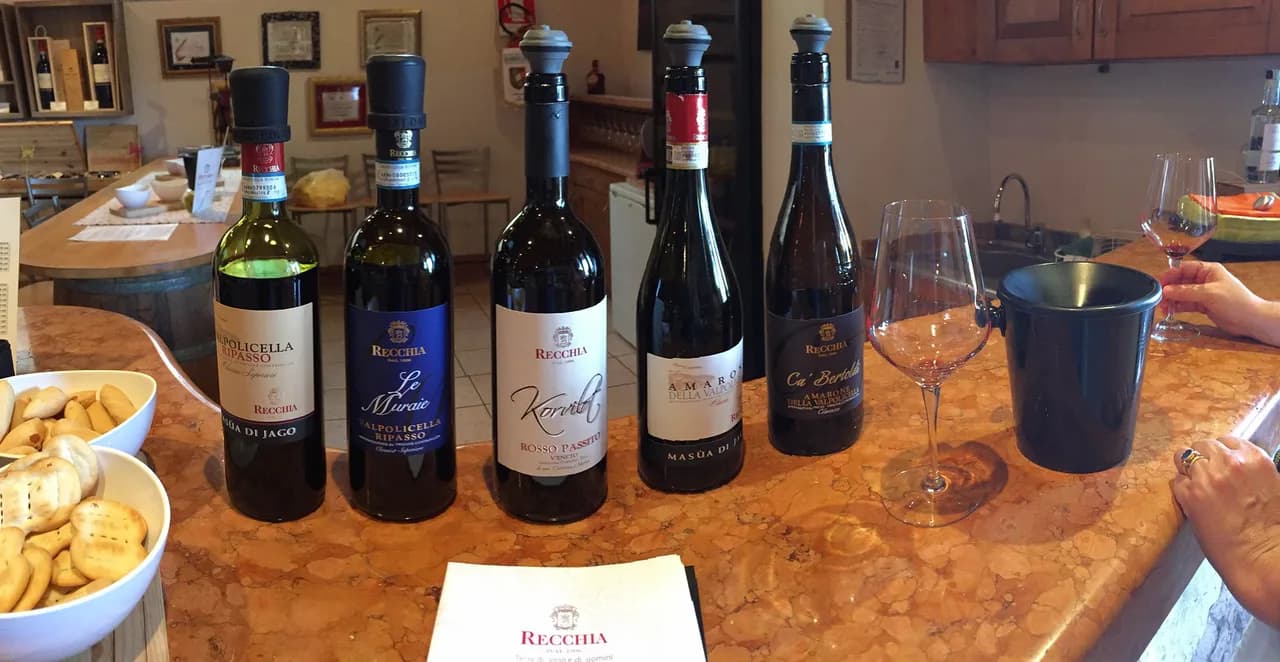
A typical estate visit walks you through the fermentation room, the barrel cellar and, at producers making Amarone, the drying loft where grapes rest on racks through the winter. The tasting then moves from fresh Valpolicella through Ripasso to Amarone, and often finishes with sweet Recioto. Count on three to five wines depending on the estate.
Food pairings vary: some visits end with local salumi and cheese, others with just taralli and water. The Perillo excursion specifies Amarone paired with local products at the family winery, which is typical of the more generous format. If food matters to you, ask at the time of booking whether a tasting includes a paired plate.
Harvest runs roughly from late September into October, and the weeks around it are the liveliest but least flexible for visiting, since cellar staff are in the vineyard. Late spring and early summer offer open roads and full appointment calendars; winter visits are quieter but some small estates close entirely.
Matching the Tour to Your Trip
First-timers with two nights in Verona should take the small-group Valpolicella tour and add a city tasting only if a slot fits. Travelers who prefer whites, or who have already seen Amarone country, should spend the effort on Soave instead. Groups of four or more get flexibility from the city tasting's minimum-size rule.
Visitors based on Lake Garda face a longer transfer each way, so a single well-chosen tour beats two short ones. Couples should book city tastings early and reconfirm the day before, and anyone traveling in the April-to-October window should grab the morning Valpolicella departure before it fills.
Plan Your Verona Wine Day
Decide first whether you want vineyards or a glass in town, then whether the group includes a willing non-drinker. Those two answers point to a minibus tour, a city tasting or a booked car with a designated driver, and everything else is detail.
Book direct where you can, confirm the meeting point and cancellation terms in writing, and keep one flexible afternoon for a wine bar if the schedule shifts. Verona rewards that small amount of planning with three wine districts reachable before dinner.
Frequently Asked Questions
Can I visit Valpolicella wineries without a car?
Yes, but plan around fixed appointments. Buses from Verona reach villages such as Negrar and San Pietro in Cariano, though estates sit up lanes away from stops, so most car-free visitors pair one or two booked visits with a taxi or join a small-group tour that includes transport and a driver-guide.
How long does a Valpolicella and Amarone tour from Verona take?
The small-group excursion published by Perillo runs four hours, with a morning departure from 9:00am to 1:00pm and an afternoon one from 2:30pm to 6:30pm. It covers two wineries and two tastings, and the group is limited to eight people.
Is the morning Valpolicella tour available in winter?
The morning departure operates from April to October, while the afternoon departure runs year-round, Monday through Saturday. A visit between November and March should therefore plan on the 2:30pm slot and confirm the operating day when booking.
What does the in-city Verona tasting include?
The Pagus tasting listed by Verona's tourism board pours three traditional Verona wines, Amarone among them, over about an hour, starting at 4pm at Via Valverde 75. It requires a minimum of four participants and is cancelled with email notice 24 hours ahead if numbers fall short.
Should I choose Valpolicella or Soave for a half day?
Pick Valpolicella if you want reds, cellar tours and the Amarone drying process in one compact visit, since several operators run fixed departures. Choose Soave for Garganega whites, hill scenery and a quieter town walk, accepting that you will likely need a car, taxi or custom guided day.
How far in advance should I book a Verona wine tour?
Book small-group tours and city tastings as soon as your dates are fixed, especially for the April-to-October morning departures and during trade-fair weeks when the city is busy. City tastings need four people to run, so early booking gives the organizer time to fill the slot or warn you.
Sources
Notes for your next wine trip
Optional updates to our winery and wine-town guides.
You might also like
Continue reading
More guides you'll find useful