Inama Winery, Soave: What to Decide When Visiting Verona
Inama is a Soave producer based at San Bonifacio, west of Verona. Learn where it sits, what Garganega and Carmenère it makes, and how to arrange a visit.
On this page
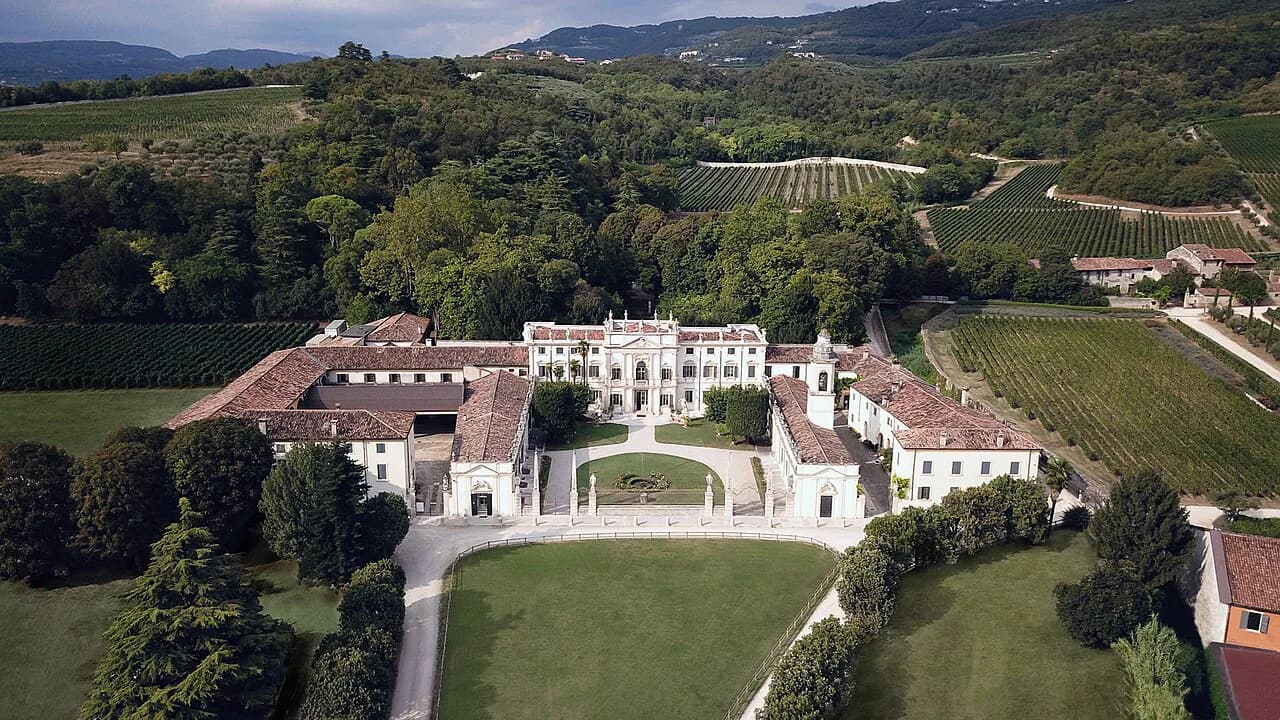
Inama is a family estate in the Soave zone whose reputation rests on old-vine Garganega and on reds from a second, very different terroir south of Vicenza. Its registered address is in San Bonifacio, on the western side of the Soave district and within easy reach of Verona by rail. That combination makes it one of the more practical serious-winery stops on a day of wine tasting in verona and its surrounding hills.
This guide sets out who Inama is, what the estate makes and where it sits, then turns to the logistics that decide whether a visit works: how appointments are handled by family estates in the zone, how to reach San Bonifacio without a car, and how to pair Inama with the rest of the Soave and Valpolicella districts. Tasting fees and visit formats vary and the estate publishes its own arrangements, so treat what follows as a planning framework rather than a fixed itinerary.
Who Inama Is: The Family and the San Bonifacio Base
Giuseppe Inama began buying vineyard plots in Soave in the 1950s, convinced that old-vine Garganega could show what the appellation was capable of. The estate is run from San Bonifacio, with the family's hillside holdings above the village of Foscarino at the center of the range. Its published address is Via IV Novembre 1, 37047 San Bonifacio, in the province of Verona.
Inama farms roughly 25 hectares of vineyard in the Soave zone, split between Garganega for Soave Classico and Sauvignon Blanc, which first brought the estate wider attention in the early 1990s. A separate holding in the Colli Berici, south of Vicenza, supplies the red grapes behind the Carmenère-based wines. The Inama family owns about 23 hectares in the terraced Foscarino cru alone, which explains how central that hillside is to the range.
This is a working family estate rather than a visitor center, so the visit experience depends on the season and on who is available. When you write, say plainly that you would like to taste the Soave range and, if it is offered, see the Foscarino vineyards or the cellar. Language, group size and whether a tour is possible are the details worth settling in the first message rather than on arrival.
Where Inama Sits Relative to Verona
San Bonifacio lies west of Soave town on the plain and rail line between Verona and Vicenza, which is what makes Inama attractive for travelers based in Verona without a car. The historic Soave Classico hills, including Monte Foscarino, rise to the east of San Bonifacio toward Soave and Monteforte d'Alpone. Plan on the estate address as your anchor and the hill villages as the scenery around it.
For a day trip, the geography rewards a west-to-east line: San Bonifacio first, then the climb into the Classico zone toward Soave and Monteforte d'Alpone. Distances are short in kilometers but slow on the hill roads, so two estates plus a meal is a realistic full day. Trying to add Valpolicella the same afternoon means a long transfer back around Verona and a rushed finish.
What Inama Makes: Soave, Foscarino and the Vulcaia Whites
The core white is Soave Classico from Garganega, including a bottling from old vines at the top of Monte Foscarino. Sauvignon Blanc planted on the Foscarino slopes in the 1980s is bottled under the Vulcaia name, in both a stainless-steel version and a barrel-fermented Riserva. If you want to understand why the estate is talked about, ask to compare the Soave Classico with the Foscarino bottling in the same sitting.
The estate's stated approach is old vines from the best plots, careful viticulture without overcropping, and minimal intervention in the cellar, with the red varieties farmed organically but without certification. That philosophy shows in a range that stays deliberately narrow rather than sprawling across every Veneto appellation. For a visitor, it means a tasting that can be walked through in a logical sequence instead of a long catalog.
Do not expect a large commercial cellar door with fixed flights and a shop counter. Inama's wines reach travelers mostly through importers and specialist merchants, and the estate's own hospitality is arranged directly. That is normal for a family property of this size in the Soave zone, and it is why a little advance planning matters more here than at a large cooperative.
Soave in Brief: Garganega, Classico and Old Vines
Soave is a white wine appellation built principally on Garganega, a late-ripening grape with naturally high acidity that holds structure well into bottle age. The Classico zone covers the original hills between Soave and Monteforte d'Alpone, and its volcanic and limestone soils give the wines a firmer, more mineral profile than the broader Soave DOC on the surrounding plain. When you see Classico on a label, you are looking at that historic core.
Many old vineyards in the Classico zone are trained on the pergola, which shades fruit under the Veneto sun and suits the vigorous Garganega vine. Pergola training is labor-intensive and awkward to mechanize, which is one reason old-vine parcels are prized and replanting is slow. Reading a Soave label for a named cru such as Foscarino tells you the fruit came from a defined hillside rather than a blended purchase.
Soave is often dismissed on the strength of inexpensive supermarket bottlings, but the Classico hills produce a different wine entirely: drier in impression, more textural, and capable of aging. Tasting at a serious estate is the quickest way to see the difference, because you can compare a village-level wine with a single-cru bottling side by side. Keep notes on which vineyard and which vintage you preferred so you can buy with confidence afterward.
Colli Berici in Brief: Terra Rossa and Carmenère
Inama's reds come from the Colli Berici, a hilly district south of Vicenza where red clay over limestone soils and a hot, dry climate ripen late varieties. Carmenère arrived there with Italian workers returning from Bordeaux in the nineteenth century and was long mistaken for Cabernet Franc because the leaves look similar. The estate now works its own clones, adapted over roughly 150 years in these hills.
The red range includes a Carmenère-led blend called Più, a Cabernet Sauvignon and Carmenère blend sold as Bradisismo, and a Montepulciano d'Abruzzo from a separate parcel in Abruzzo. If your visit is focused on white Soave, ask whether the reds are open for tasting on the day, since they come from a different estate site and stocks vary. This is also the moment to ask about vintages, because older library bottles may not be part of the standard line-up.
Visiting: Appointment Culture in the Soave Zone
Family estates in the Soave Classico zone generally receive visitors by prior arrangement, and requests are usually handled by email or phone rather than a booking engine. Inama's contact details and any published visit information sit on the estate's own site, which is where the current arrangements and any tasting fee are set out. Write in Italian or English, state the date and a window of a couple of hours, and say how many people are coming and whether any of you drive.
A good request covers four things: party size, preferred day and time, language, and what you want to focus on, whether that is Soave Classico and Foscarino or the Colli Berici reds. Ask how long the visit runs and whether it includes a cellar or vineyard walk, since these vary by season and by who is hosting. Weekday mornings are usually calmer than Saturday, and harvest-time requests should go in well ahead.
If you are traveling in a group of six or more, say so upfront, because small estates host larger parties less easily and may need to split the visit. If you need the tasting in English or another language, ask Inama when you request the appointment rather than assuming it. A confirmed reply with the time, meeting point and duration is what you want in hand before you commit to train times.
Getting There Without Driving: Train, Taxi and Bike
San Bonifacio has a station on the Verona–Vicenza line, with regional services taking a short hop from Verona Porta Nuova; timetables and exact journey times are best read on Trenitalia's current timetable before you fix a tasting slot. From the station, the Inama estate address on Via IV Novembre is a local taxi ride, and taxis in a small town are limited, so arrange a return or keep a local number handy. Cycling is an option for confident riders on the flat approach, though the climb into the Classico hills is a different proposition.
The last mile is the part that trips people up. A train gets you to San Bonifacio, but a taxi may not be waiting, and the hills around Foscarino are not walkable in wine-tasting condition. Hiring a driver or joining one of the organized wine tours removes that problem, and it also lets you taste the reds from the Colli Berici without worrying about the road back to Verona.
If you do drive, decide before you leave who is not tasting. A driver should use the spittoons throughout, and many estates will pour smaller measures for the driver on request. Alternating drivers across a two-day trip is a simple way to keep everyone in the group enjoying the wines without cutting the day short.
Pairing Inama with the Wider Soave and Valpolicella Districts
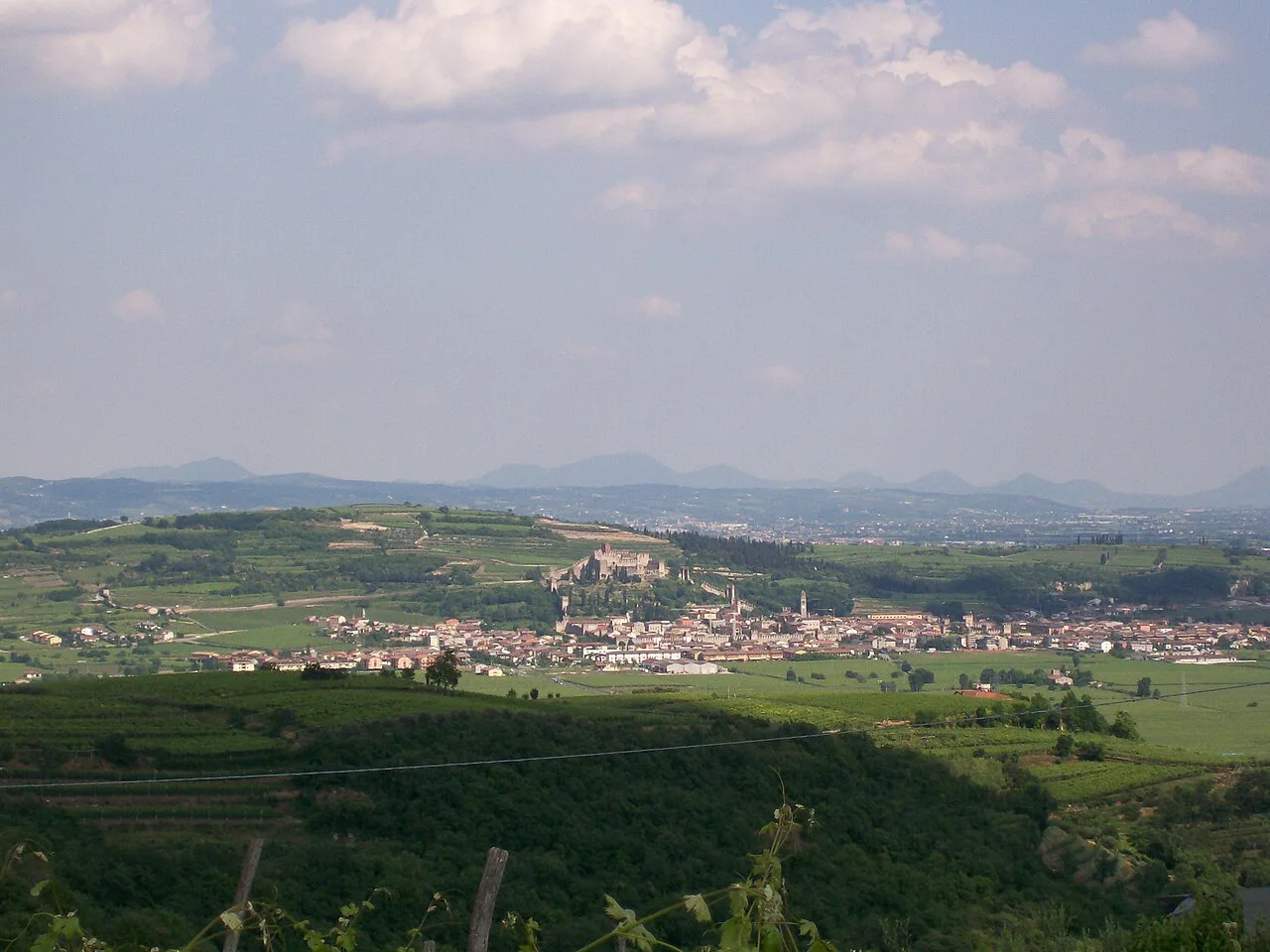
The strongest day trip keeps the driving short: Inama in San Bonifacio, then the hill villages of the Classico zone such as Soave and Monteforte d'Alpone, finishing with lunch or an early dinner in Verona. If you want a second producer, choose one in the same hills rather than adding another district. That way the comparison stays about Garganega and site rather than becoming a tour of unrelated appellations. If you would rather compare regions than sites within one, wine tasting in Bologna covers a different set of hills and grape varieties to weigh against Soave.
Valpolicella Classica is a separate day, north-west of Verona, and it makes a natural second outing built around Corvina, Corvinone and Rondinella. Estates such as the Allegrini winery in Fumane are well known to visitors, and mixing one Valpolicella stop with an Amarone-focused tasting gives the day a clear theme. Trying to compress Soave and Valpolicella into one afternoon is where most itineraries fall apart.
If you prefer to stay in the city, a Verona wine bar is a sensible way to taste Soave and Valpolicella by the glass before committing to a countryside day. Use the bar to work out which styles you like, then build the winery visit around that preference. It is also a good rainy-day substitute if an outdoor vineyard walk is called off.
Practical Booking and Confirmation Points
Confirm three things in writing before you set out: the time and meeting point, the expected duration, and whether a tasting fee applies and how it is paid. The estate's own site is the place to check current contact details and any published visit information, since these change with the season and with staffing. Save the confirmation on your phone in case you lose signal in the hills.
Ask about the current release and whether older vintages are open, because a family estate may pour the wines on hand rather than a fixed list. If you hope to taste the Foscarino bottling or the Colli Berici reds, name them so the host can plan. Arriving with a specific interest gets you a more useful visit than a general request for a tasting.
Finally, check the regional rail timetable and any local closures on the day you plan to travel, then build in a buffer of at least thirty minutes at each end. That margin covers a missed connection or a delayed taxi and keeps a relaxed tasting from becoming a sprint to the platform. It is the cheapest insurance on a wine day in the Veneto.
Plan Your Soave Day Around One Estate
Inama rewards travelers who treat it as the anchor of a western Soave day rather than one stop on a long list. Book ahead, be specific about what you want to taste, and solve the last-mile transport before you commit to a train time. The Foscarino hills and the Classico villages are close enough to combine comfortably, and far enough from Valpolicella that you should not attempt both.
Confirm timings, fees and availability directly with the estate before booking travel, and keep the driver sober: use spittoons, appoint a designated driver, or book a tour or public transport instead. Tasted responsibly and planned with a little margin, an Inama visit is one of the clearest introductions to modern Soave available from Verona.
Frequently Asked Questions
Where is Inama based, and how far is it from Verona?
The estate's published address is in San Bonifacio, on the western edge of the Soave district in the province of Verona. San Bonifacio sits on the Verona–Vicenza rail line, so it is a short regional train ride from Verona Porta Nuova plus a local taxi or arranged transfer to the estate itself. The Classico hills around Soave and Monteforte d'Alpone lie to the east, which makes a west-to-east day easy to plan.
Can you visit Inama without an appointment?
Inama is a working family estate rather than a visitor center with walk-in opening hours, so plan on asking in advance by email or phone, using the contact details published on the estate's own site. State your party size, preferred day and time, language, and what you would like to focus on, whether Soave Classico and Foscarino or the Colli Berici reds. Ask how long the visit lasts and whether a cellar or vineyard walk is included, since those vary by season.
What wines should a first-time visitor taste at Inama?
Start with the Soave Classico from Garganega and, if it is open, the bottling from old vines on Monte Foscarino, so you can compare a broader blend with a single hillside. Ask whether the Vulcaia Sauvignon Blanc or its barrel-fermented Riserva is being poured, and whether the Colli Berici reds such as Più and Bradisismo are available. Naming the wines you hope to try in your booking request helps the host plan the line-up.
What is the easiest way to reach San Bonifacio from Verona without driving?
Take a regional train from Verona Porta Nuova toward Vicenza and get off at San Bonifacio, then use a local taxi or a pre-arranged transfer for the final stretch to the estate. Taxis in a small town can be scarce, so book the return trip or keep a local number with you. Alternatively, a guided tour or hired driver handles the whole loop and lets everyone in the group taste.
How does Soave Classico differ from the wider Soave appellation?
Soave Classico comes from the original hills between Soave and Monteforte d'Alpone, where volcanic and limestone soils and old pergola-trained Garganega give firmer, more mineral whites that age well. The broader Soave DOC covers the surrounding plain and is the source of most inexpensive bottlings. Tasting both styles side by side at an estate is the fastest way to understand the gap.
Sources
Notes for your next wine trip
Optional updates to our winery and wine-town guides.
You might also like
Continue reading
More guides you'll find useful