Soave Wine Tasting from Verona: Wineries, Prices and Trains
Plan a Soave wine tasting day from Verona: which wineries welcome visitors, how booking works, what weekend closures change, and how to arrive by train.
On this page
Soave sits east of Verona and packs three things into a small area: a walled medieval village, a hillside Classico zone, and wineries that actually receive visitors rather than just selling bottles. That combination makes it the most straightforward wine day from the city, whether you have a car or are relying on trains. The catch is that the village center and the surrounding production villages are different places, so a good plan groups them deliberately.
This guide uses what estates publish: Canoso's three-tier tasting ladder with its prices and durations, and Pieropan's experience page, which confirms the Soave estate offers a bookable visit. It also explains the Garganega-based wines you will meet and the reds that Soave estates pour alongside them. If you are comparing Soave with the city's other options, the broader picture is in our guide to wine tasting in verona, and for a full day among the vineyard hills use wineries near verona as your starting list.
Why Soave Works as a Day Trip from Verona
Soave's center is a compact walled village where you can walk between a wine shop, a café and a castle without moving the car. The vineyards that made the name, however, sit on the hills outside the village and in neighboring communes such as Monteforte d'Alpone. That split shapes everything: a station-to-village plan works beautifully for tasting rooms in the center, while hillside estates need a taxi, a bike or a tour.
Because Soave is small, one well-chosen estate plus a walk through the village is a satisfying day, and two tastings is plenty if one of them includes a cellar visit. Travelers who try to add Valpolicella Classica on the same afternoon usually spend more time in the car than in the cellar; the two zones sit on opposite sides of Verona. The same one-estate-plus-walk rhythm applies if you are weighing wine tasting in Bologna instead.
The Wines in Brief: Garganega and the Reds
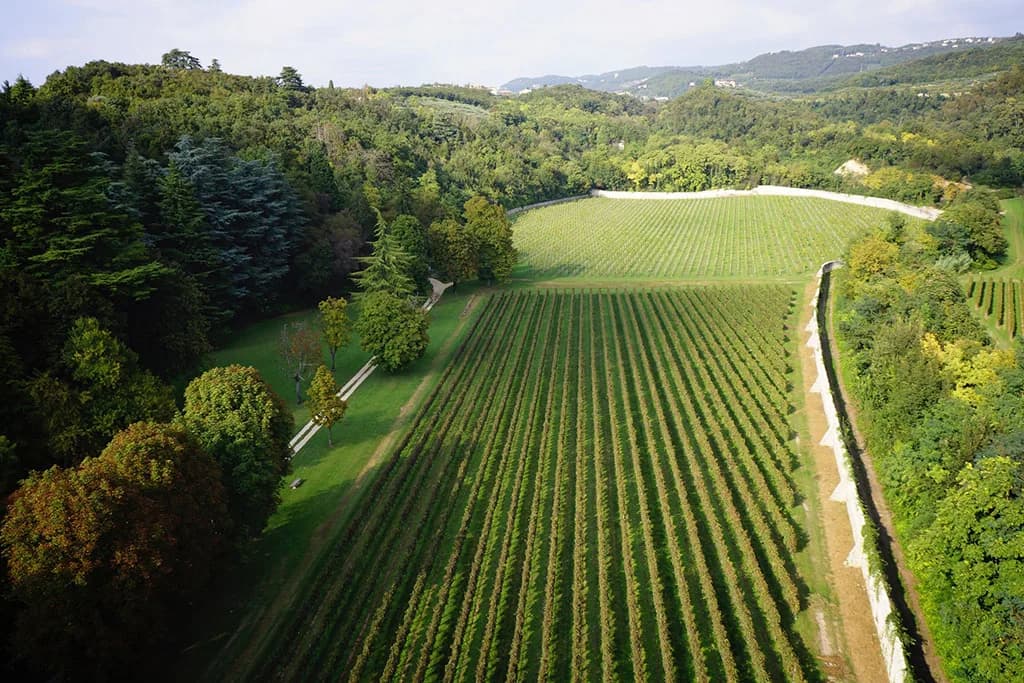
Soave is a white wine built mainly on Garganega, grown on volcanic and limestone hills north of the village. Soave Classico DOC comes from the historic hillside zone, while Soave Superiore DOCG is a separate, stricter designation for the same area; both are dry, still wines, so Soave Classico is not a sweet wine. Recioto di Soave, made from dried grapes, is the sweet style, and sparkling Garganega also appears in tasting flights.
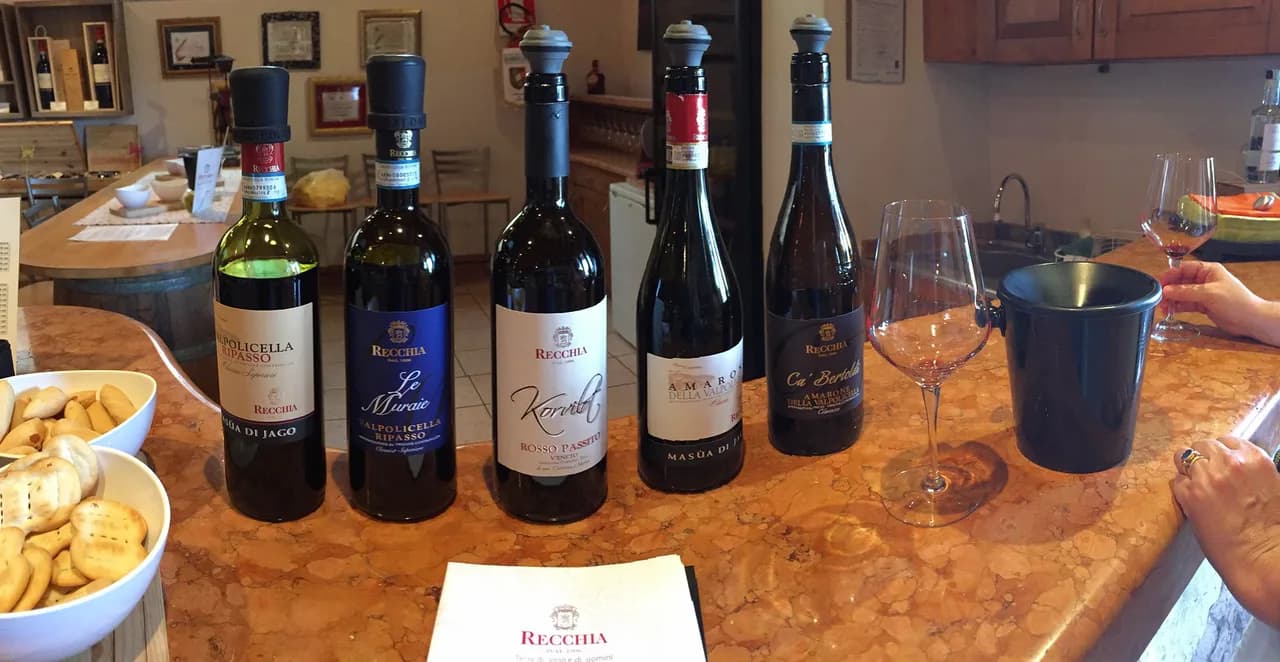
Many Soave estates are also Veronese estates, so their tastings often move from white into red: Valpolicella Superiore DOC and Amarone della Valpolicella DOCG, both based on Corvina with Rondinella. That matters when you pick a tasting format, because a red-focused flight costs more and runs longer than a whites-only one, and it lets a single stop cover both of Verona's signature wine families. For the red side in depth, see our Valpolicella Classica coverage.
Canoso: Two Venues, and What Changes at Weekends
Canoso runs two locations: a winery on Via Roma 97 in Monteforte d'Alpone, in the hills east of Soave, and a wine shop on Via Giulio Camuzzoni 7 in the center of Soave. Tastings can be booked at either, but the winery closes at weekends, so Saturday and Sunday tastings move to the shop in the village. In that case the vineyard walk and the visit to the vinification and ageing rooms do not take place, which is the single most important detail for weekend planners.
Groups larger than 25 people can arrange a weekend tasting at the winery itself by writing to info@canoso.it. For smaller parties the shop in Soave is the weekend venue, and it keeps the tasting without the cellar. Book online in advance, and note that pets are allowed. The estate also publishes a booking calendar split between the two venues, which is the fastest way to see which dates are open.
Canoso's Three Tastings: What You Get at Each Price
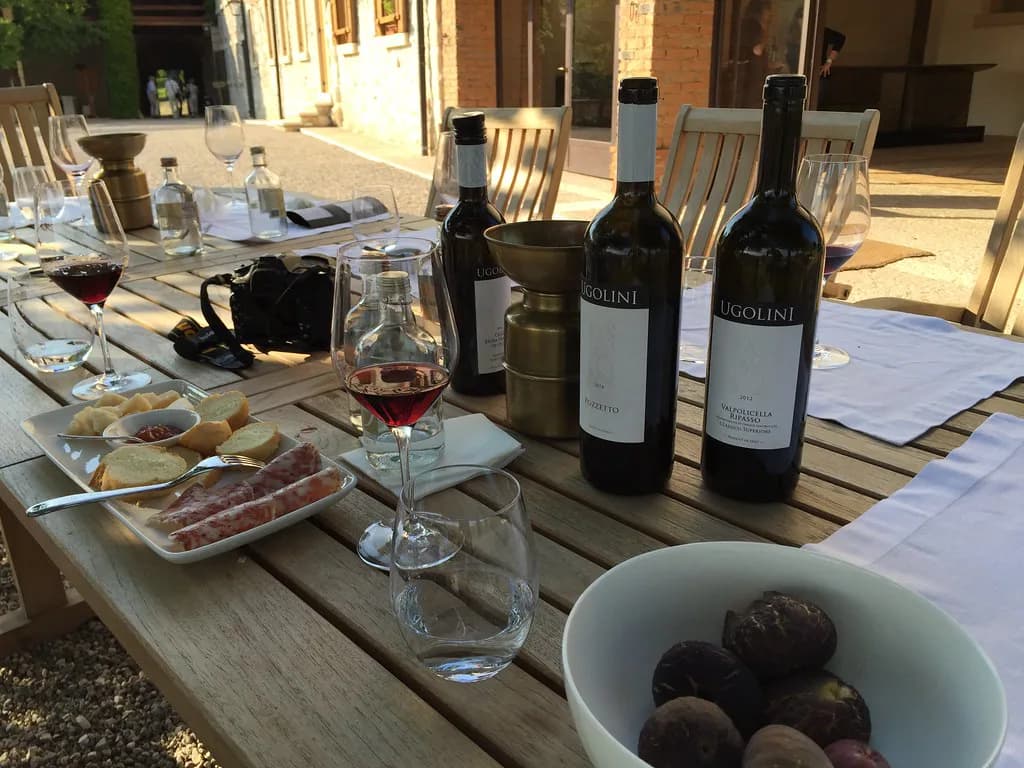
The Origin is the entry format: about an hour and a half, priced at €20, built around white wines and paired with cold cuts and cheese. It opens with the Garganega Spumante Mossa, then moves through Fonte Soave Classico DOC, Verso Soave Superiore Classico DOCG, Oltre Veronese IGT white and the sweet Passo to finish. It is the right choice if you want to understand the Garganega range and still have the afternoon free.
The Evolution costs €30, runs about an hour and a half, and switches to reds: Segno Rosso Veronese IGT, Terra Valpolicella Superiore DOC and Corpo Amarone della Valpolicella DOCG, with the same cold cuts and cheese pairing and the same Mossa and Passo bookends. The Panoramic is the full flight at €40 over about two hours, combining the white and red line-ups in one visit. Prices and durations are the estate's published figures, so treat the ladder as a guide to style rather than a ranking.
Read the formats as a choice about what you want to drink, not how many wineries you can tick off. Two people splitting The Origin and The Evolution get the full white-and-red picture for less than two Panoramic bookings, though they taste from different glasses. Anyone driving should skip the alcohol entirely and use spittoons where offered, or leave the car in Verona.
Pieropan: Booking the Soave Estate Experience
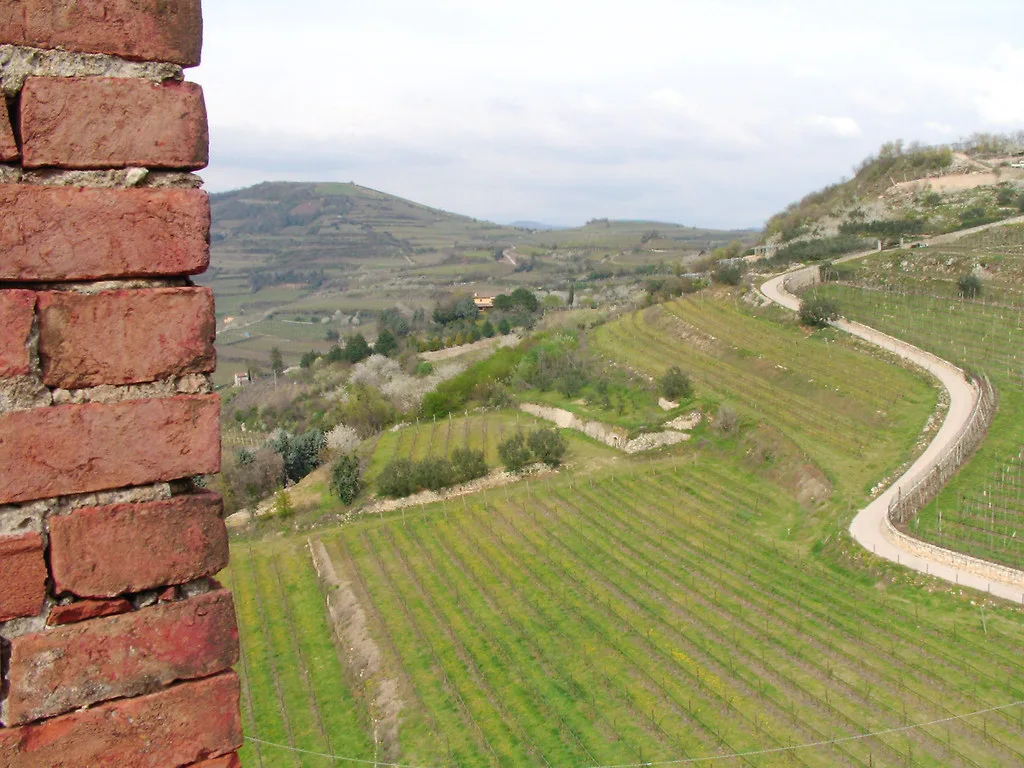
Pieropan, the Soave family estate, publishes a dedicated wine experience page describing the visit as a sensory journey through architecture, identity and vision, with booking handled through the estate. The page does not publish the tasting fee, the number of wines poured or the duration, so those details come at the time of reservation rather than from the website. Contact details are listed directly: +39 0456190171 and info@pieropan.it.
Practically, that means Pieropan suits travelers who are comfortable reserving by phone or email and asking three questions: which wines are poured, how long the visit lasts, and whether the fee is credited against purchases. The estate also runs a wine club for limited releases, which is separate from the visit and not a substitute for booking. Because Soave fills up on spring and autumn weekends, request your slot before you fix train times.
Grouping a Soave Day: Village Rooms vs. Hillside Estates
A realistic afternoon is one cellar visit plus one village tasting. Start at a hillside estate in the morning while energy and daylight are best, then return to Soave for a shop tasting and a walk inside the walls; that pattern also sidesteps the weekend cellar closures at estates like Canoso. Two full cellar tours back to back, with a train to catch, is the plan that usually breaks.
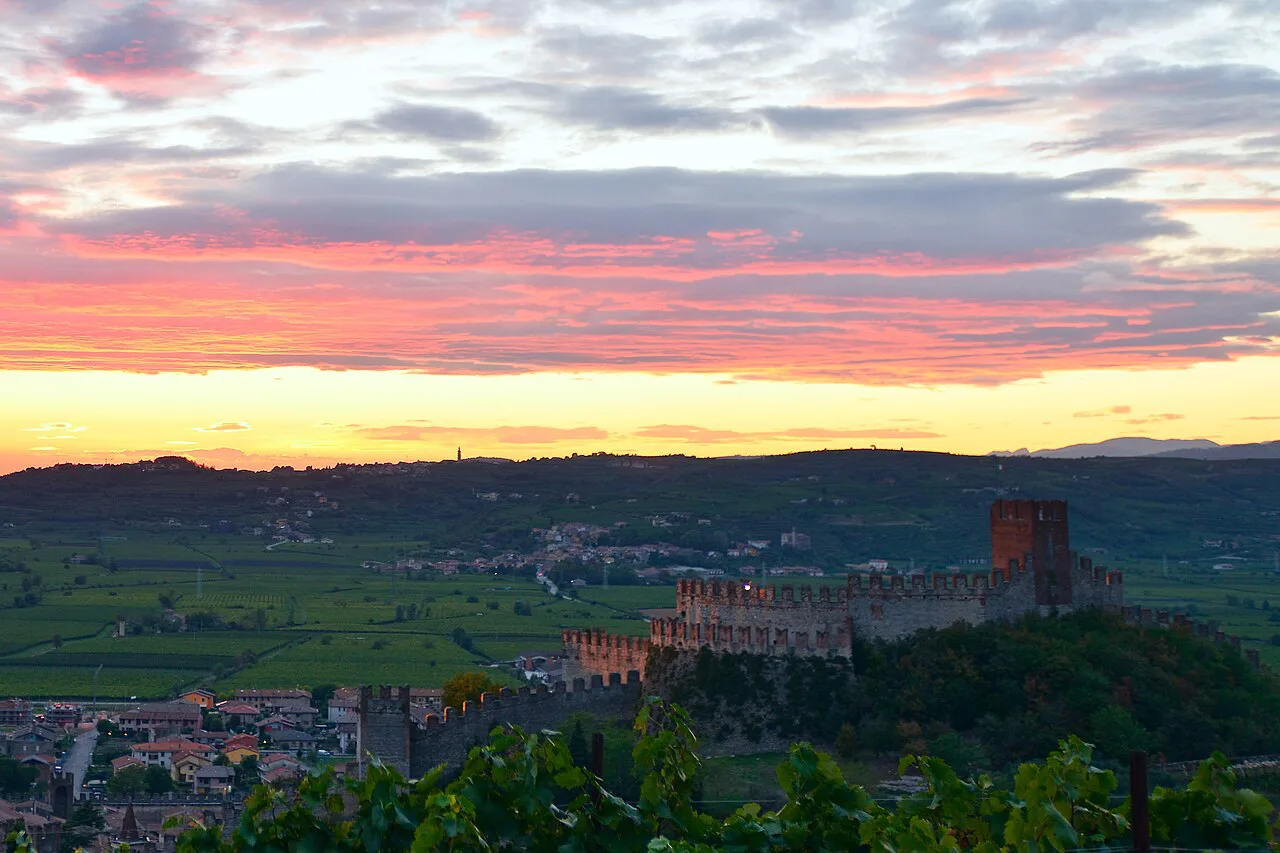
If you are staying in Verona and relying on public transport, keep the day to the village and the shop tasting, and save the hillside estates for a day when you have wheels or a driver. Soave rewards slow pacing: the walled center is small enough to wander between appointments, and the castle above it gives the best orientation to the Classico hills you have been tasting from.
Getting There Without Driving
Trains run from Verona Porta Nuova to Soave on the Verona–Vicenza line, and the station sits a short walk below the walled center, which makes the train the simplest car-free option. Those services are regional and schedules vary by season and day, so check current departure times on the Trenitalia timetable for your date rather than relying on a remembered pattern. Buy a return ticket before you leave Verona to avoid a queue at a small station later in the day.
For the hillside wineries around Monteforte d'Alpone, a local taxi or a pre-booked transfer is the realistic option; the distances are short but the roads climb and are not pleasant to walk between estates. Bikes work for confident riders who do not intend to taste, and several operators run guided tastings in the area if you would rather hand over the logistics. Our verona wine tours comparison sets out the tour-versus-independent trade-off in more detail.
Independent Visit vs. Guided Tour
Going independently wins on cost and flexibility: you choose the estate, the flight and the pace, and Canoso's published formats start at €20 per person, which is hard for a tour to match once transport is included. A guided tour buys you the hillside estates without driving, a fixed itinerary and someone else handling bookings, which matters for small parties who cannot fill a taxi economically.
The trade-off is control. Tours bundle in stops you did not choose and run to a schedule, while independent travelers must line up train times, taxi availability and tasting slots themselves, and a missed booking leaves few alternatives in a small village. For a first visit with no car, a tour is often the better use of a single day; for a second visit, book directly and stay longer at one estate.
Booking Mechanics and What to Ask
Book online where the estate offers it, as Canoso does, and use email or phone for anything unusual: groups over 25, weekend winery access, or dietary needs around the cold cuts and cheese pairings. Give your party size, preferred venue and a time window, and say whether a cellar visit is essential, since that single answer decides whether a weekend slot works for you.
At reservation, ask four things: which wines are poured, how long the visit runs, whether food is included, and what the cancellation terms are. Also ask where to arrive, because estates with both a winery and a shop in town, like Canoso, will send you to different addresses depending on the day. Weekend slots are the first to go in harvest season, so book those earliest.
Pacing the Day: Food, Closures and Harvest
Tastings at Canoso come with cold cuts and cheese, which is enough to keep you steady through a 90-minute flight but not a substitute for lunch. Eat properly in Soave before or after your appointment rather than squeezing a meal between two tastings, and keep the last slot of the day for the village so a delayed train does not cost you a cellar tour. In the evening back in Verona, Verona Wine Bars are the low-effort way to close the day.
Late September and early October bring harvest, when cellar teams are busiest and some visits shift around picking; spring and early summer are quieter and the hills are greener. Confirm your booking once shortly before you travel, especially if you booked months ahead, and ask whether the vineyard walk is running that week. A wine bar in Verona keeps later hours than most estates, so plan your tasting for the day and your glass for the evening.
Plan Your Soave Day
The simplest strong plan is a morning train from Verona Porta Nuova, a hillside tasting booked in advance at Canoso's Monteforte d'Alpone winery, a walk through the walled village, and a return train before evening. If you are traveling at a weekend, reverse the logic: book the shop tasting in central Soave, skip the cellar, and use the saved time for the castle and the village streets.
Whichever format you choose, decide by the wines you want in the glass, not by the number of stops. Pair Soave with a Valpolicella day only if you have a car and a driver, and leave the driving to someone who is not tasting.
Frequently Asked Questions
How do you get to Soave from Verona without a car?
Take a regional train from Verona Porta Nuova toward Vicenza and get off at Soave; the station is a short walk below the walled center. Regional schedules vary by season and day, so check departure times for your date, and buy a return ticket in Verona.
Do you need to book Soave wine tastings in advance?
Yes for any estate visit. Canoso takes bookings online and recommends reserving ahead, and Pieropan handles its experience through the estate by phone or email. Weekend slots in spring and autumn fill first, so request those as early as your dates allow.
How much does a Soave wine tasting cost?
Canoso publishes its current tasting fees and durations on its own tastings page, tiered by wine style and length of visit; read the figures there for your dates. Pieropan does not publish its tasting fee on its experience page, so ask when you reserve.
Is Soave Classico a sweet wine?
No. Soave Classico DOC and Soave Superiore DOCG are dry, still white wines made mainly from Garganega on the hills north of the village. The sweet style in the family is Recioto di Soave, made from dried grapes, and sparkling Garganega also appears in some tasting flights.
Can you visit wineries in Soave at the weekend?
Central Soave works well at weekends, but some hillside wineries close. Canoso's winery in Monteforte d'Alpone is closed at weekends and moves tastings to its shop in the village, without the vineyard walk or cellar visit; groups over 25 can request a weekend winery visit by email.
How long does a Soave tasting take?
Canoso's published formats run roughly ninety minutes for its shorter flights and about two hours for the combined tasting; the estate lists the durations alongside each option. Pieropan does not publish a duration, so ask at booking. Allow extra time to walk the walled village and reach the station for your return train.
Sources
Notes for your next wine trip
Optional updates to our winery and wine-town guides.
You might also like
Continue reading
More guides you'll find useful