Masi Winery Visits from Verona: Valpolicella Tasting Guide
Plan a Masi winery visit from Verona with the Serego Alighieri estate in Valpolicella Classica, booking advice, and how to arrive without driving.
On this page
Masi is one of the names that defines Valpolicella Classica, the hill country northwest of Verona where Corvina and Rondinella are dried to make Amarone and Recioto. For a traveler based in Verona, the appeal is simple: the estate visitor experience at Serego Alighieri sits a few kilometers from the historic center and shares the day easily with a return to the city for dinner. This guide focuses on that Serego Alighieri estate, which is the address most visitors mean when they search for the Masi winery.
Where Masi Sits in Valpolicella Classica
Masi Agricola is based in Sant'Ambrogio di Valpolicella, and its visitor estate, the Possessioni Serego Alighieri, sits in the heart of Valpolicella Classica among green hills a few kilometers from Verona's historic center and Lake Garda. The property has belonged to the Serego Alighieri family, descendants of Dante, since Pietro Alighieri bought it in 1353, and it joined the Masi group in 1973. That history is the reason the visit feels like a country estate rather than a factory tour. For a wider look at the valley's cellars, see this guide to wineries near Verona.
The Masi group's own identity is tied to this corner of Veneto: Corvina, Rondinella, Molinara, Corvinone and Oseleta are the grapes behind its Valpolicella, Ripasso, Amarone and Recioto, and the house is known for its long work with the appassimento method of drying grapes. That makes a visit here a compact lesson in how the region's best-known reds are built, not just a stop for a glass.
The Masi Wine Experience at Serego Alighieri
The estate opens to visitors through the Masi Wine Experience, which the property describes as a way to reveal the soul of Valpolicella and its historical memory. A visit typically includes the cellar and the historic fruttaio, the drying loft where grapes were once laid out for appassimento. Those two spaces are the heart of the experience, and they explain more about Amarone than any single glass does.
At the estate shop, or rivendita, guests can find the full range of Serego Alighieri and Masi wines to taste and to take away, and staff there can suggest how the wines pair with local dishes. That makes the shop a practical alternative to shipping bottles home: you can buy at the source after tasting and carry your selection back to Verona. The property also includes a cooking school, meeting rooms and event spaces, and a foresteria of eight apartments in traditional country style if you want to stay among the vines.
The cellars still use cherry-wood barrels alongside the more common oak, a nod to an older local habit that the estate keeps alive. The estate's ticket listings on TripAdvisor describe guided tour and tasting options, but those listings carry no confirmed current date, so what appears there may not match what is offered on the day you visit. Ask Masi directly what the visit includes on your date, how many wines are poured, and whether the historic cellar and fruttaio are both part of the route.
Booking: What to Ask Before You Go
Visits to the Serego Alighieri estate run on a booking basis, so send an inquiry with your preferred date, the size of your party and whether you want a tasting only or the full cellar and fruttaio route. Weekends and harvest-time dates fill first, and small groups are easier to slot in than large ones. The estate's visitor site is the place to start, and a phone call is the quickest way to settle a date if email goes unanswered.
When you write, ask three things: whether the tasting includes the historic drying loft, how many wines are poured and whether they span the Serego Alighieri and Masi ranges, and whether food is served or can be arranged. That last point matters because the estate can suggest local pairings at the shop, but a seated food pairing is a different arrangement and should be confirmed in advance. If you are coming by taxi or transfer, ask the estate to recommend a local operator for the return leg, since the hills around Sant'Ambrogio are not a place to rely on hailing a cab.
Getting There Without Driving
There is no winery train station, so the shape of your day depends on how you plan the last few kilometers. The practical options from Verona are a taxi or private transfer arranged for a fixed round trip, a bike ride into the hills for confident cyclists, or a booked tour that includes transport. A designated driver is the fourth option, but whoever is driving should not taste at all.
A pre-booked transfer solves the return problem, which is the real trap: a taxi that drops you at the estate may not be waiting when you finish. Agree on a pickup time and price before you leave Verona, and keep the driver's number. For a broader view of how the wine day fits together from the city, see this guide to wine tasting in verona.
Independent Visit or Organized Tour
Going independently gives you control over timing: you can linger in the fruttaio, spend longer in the shop and add a second stop in the valley without waiting for a group. The cost is logistical, because you must arrange both legs of the transfer and commit to a pickup time before you know how long you will want to stay. Readers weighing a different Piedmont base with the same DIY-versus-transfer decision can compare this with wine tasting in Turin.
A tour bundles transport and usually a fixed itinerary, which suits anyone who would rather not think about the return trip or who wants to combine Masi with another Valpolicella stop. The trade-off is less flexibility and a set pace. If that appeals, compare options through these verona wine tours and check whether the Masi estate is named explicitly rather than assumed.
Which Wines to Taste to Understand Masi
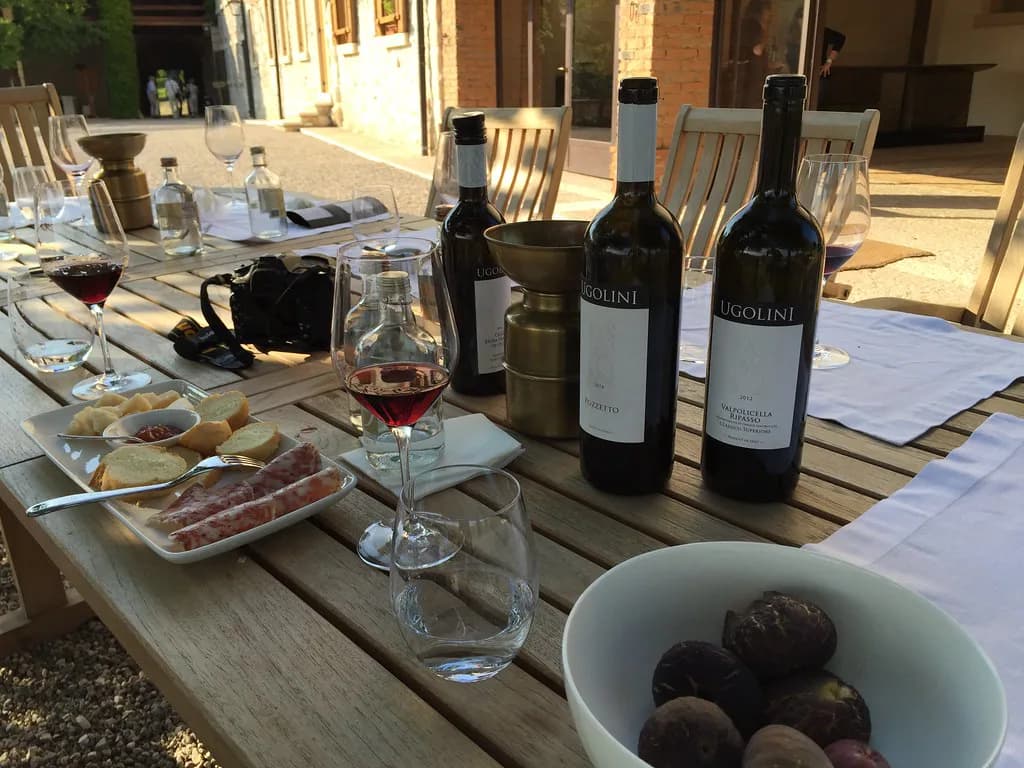
A sensible progression runs from fresh to rich: Valpolicella, then Ripasso, then Amarone, then Recioto. Valpolicella is the light, bright red from the valley's core grapes; Ripasso is made by re-passing the wine over the skins left after Amarone fermentation, which adds body and depth. Amarone della Valpolicella DOCG is the dry wine from dried grapes, and Recioto is its sweeter sibling, stopped before all the sugar ferments away.
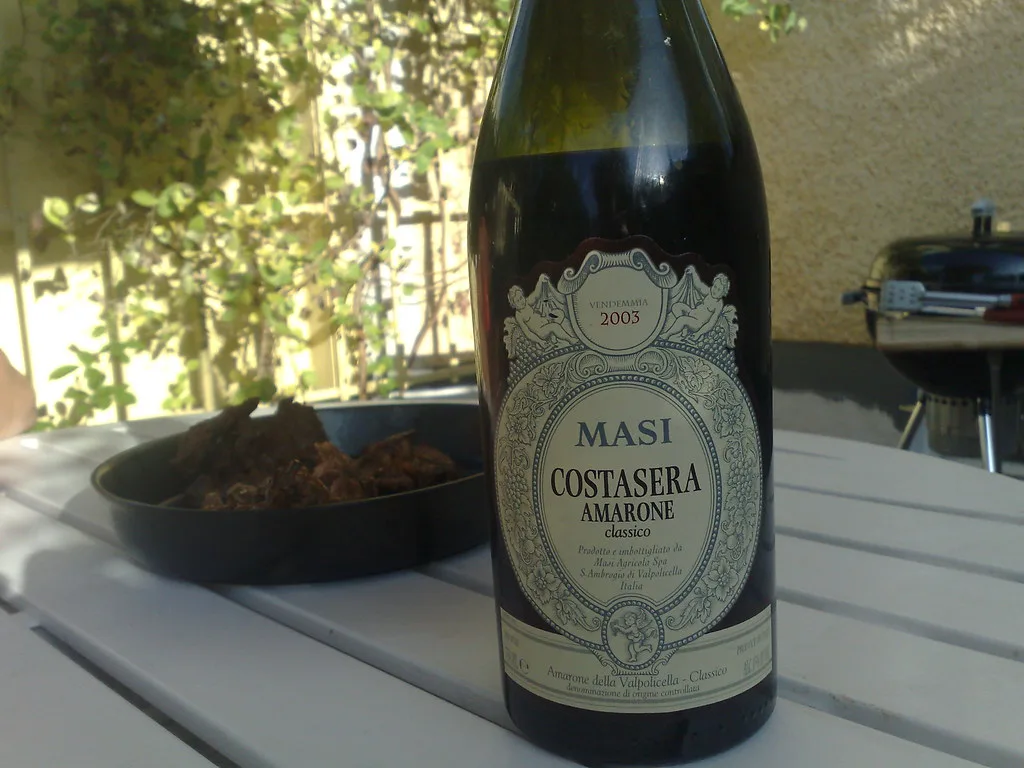
Campofiorin is the label most associated with Masi's work in ripasso, a wine that sits between Valpolicella and Amarone in weight and price. If the tasting includes it, it is a useful benchmark for understanding how the appassimento technique shapes the house style. The estate shop stocks the Serego Alighieri and Masi ranges, so you can compare bottles after the visit and decide what to carry home.
Masi's Two Valpolicella Locations
It helps to keep two addresses separate. The Masi Agricola winery is in Sant'Ambrogio di Valpolicella, while the visitor estate with the cellar, fruttaio, shop, cooking school and apartments is the Serego Alighieri property in the heart of Valpolicella Classica. TripAdvisor lists Masi Agricola as a Sant'Ambrogio attraction, which is where the confusion starts. Decide which one your booking is for before you arrange transport, because the two are not the same address.
Grouping the Day Around Valpolicella Classica
Valpolicella Classica is a compact set of valleys and villages, so a Masi visit pairs naturally with a second stop rather than a full day at one estate. Ask the estate which nearby villages fit your route, and keep the day to two appointments at most if you are using a transfer. For an alternative cellar in the same district, the allegrini winery in Fumane is another name that receives visitors, though it requires its own booking.
End the day back in Verona rather than rushing to a third winery. A wine bar in the city is a gentle way to compare what you tasted with other Valpolicella producers, and it keeps the evening flexible. See this list of Verona Wine Bars for options within walking distance of the historic center.
Timing, Harvest and Seasonal Openings
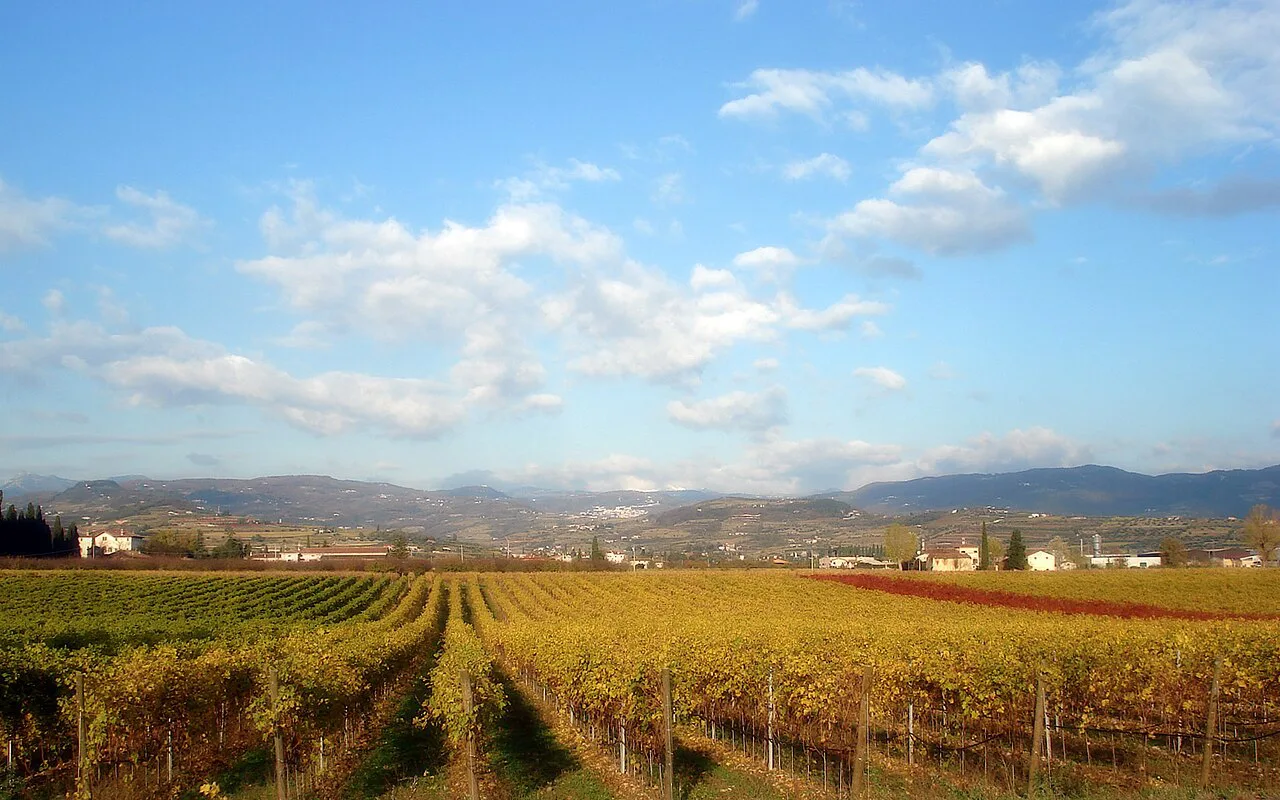
Harvest in Valpolicella usually falls in late September and October, and the weeks around it are the busiest for estates because the cellar is working. If you visit then, expect less availability and book earlier than you would in spring. Masi has not published a fixed calendar of closures, so ask about your specific dates when you book instead of assuming the estate is open every day.
Weekends are the most popular slot for tastings, so a weekday visit often means more attention from your host. If your trip is short, aim for the first appointment of the day and plan your transfer around it. Confirm current opening days and any seasonal breaks with the estate at the time you book, since these are the details most likely to change.
Responsible Drinking and the Driver Question
If one person is driving, that person should not taste at all; use the spittoons, and let the rest of the group enjoy the flight. The same rule applies if you hire a car for the day. A designated driver, a booked transfer or a tour with transport are the three ways to keep the day safe, and the estate's hills are not a place to improvise a ride after drinking.
Content here is for adults of legal drinking age, and the sensible approach is to treat the tasting as a seated, measured experience rather than a race through the list. Spitting is normal at wineries and no host will be offended. If you are unsure how much is poured, ask before you start so you can plan the rest of the day.
Plan Your Visit
The Masi estate at Serego Alighieri is the most straightforward Valpolicella winery day from Verona: a historic property, a working cellar and drying loft, and a shop where you can buy the wines you just tasted. Treat the transport as the main planning task, and the visit itself becomes simple.
Book ahead with your date, party size and the kind of visit you want, and ask whether the historic cellar and fruttaio are included. If you want a wider shortlist of cellars to compare, this guide to Valpolicella Classica wineries near Verona is a good next read.
Frequently Asked Questions
Where is the Masi winery in Valpolicella?
Masi Agricola is based in Sant'Ambrogio di Valpolicella, while the visitor estate, the Possessioni Serego Alighieri, sits in the heart of Valpolicella Classica a few kilometers from Verona and Lake Garda. Check which address your booking is for before arranging transport.
Can you visit Masi winery without a car from Verona?
There is no winery train station, so the practical options are a taxi or private transfer, a bike for confident cyclists, or a booked tour that includes transport. A designated driver is the other route, but that person should not taste.
Do you need to book a Masi winery tour in advance?
Visits run on a booking basis, so send an inquiry with your date, party size and the kind of visit you want. Weekends and harvest-time dates fill first, and a phone call is often quicker than email for a short-notice booking.
What wines are poured at a Masi tasting?
The estate shop carries the full Serego Alighieri and Masi ranges, which include Valpolicella, Ripasso, Amarone and Recioto. Ask at booking exactly which wines are poured on your date, since the lineup can vary by visit type.
How long does a Masi wine experience take?
Tour listings describe guided options, but those entries carry no confirmed current date. Ask the estate when you book how long the cellar and fruttaio route takes and whether the tasting is seated, so you can time your transfer accordingly.
Is Masi Campofiorin worth trying?
Campofiorin is the label most associated with Masi's work in ripasso, sitting between Valpolicella and Amarone in weight. If it is part of your tasting, it is a useful benchmark for understanding how appassimento shapes the house style.
Sources
Notes for your next wine trip
Optional updates to our winery and wine-town guides.
You might also like

Continue reading
More guides you'll find useful