Paolo Scavino: Visiting the Barolo Estate from Turin
Paolo Scavino is a Barolo estate in Castiglione Falletto. Learn how it is laid out, how to request a visit, and how to reach the Langhe from Turin.
On this page
Paolo Scavino is a family-run Barolo estate in Castiglione Falletto, a hilltop village in the heart of the Langhe. Its name travels well among wine buyers, but the estate does not present itself as a tourist attraction, so a visit takes some planning rather than a spontaneous drop-in. This guide separates what is firmly documented about the property from the booking details you arrange directly with the estate.
If you are based in Turin, the estate works best as one stop in a Langhe day built around Castiglione Falletto and its neighboring Barolo villages, and it slots neatly into the wider picture covered in this guide to Turin Wine tasting. Read on for the family history, the vineyard holdings, the wines to expect, and a candid comparison of train-plus-taxi against a guided tour from the city.
A Family Estate Built Around Bric del Fiasc
Lorenzo Scavino bought vineyards on the slope known as Bric del Fiasc in 1921, above Castiglione Falletto. After his death the property was divided between his sons, with Alfonso founding Azelia and Paolo keeping the estate under his own name. That split explains why two well-known Barolo cellars trace back to one family and sit so close together.
Paolo's share included roughly two hectares at the crest of Bric del Fiasc, and a Barolo bottled under that name has been made since 1978. Paolo's son Enrico Scavino drove the estate's rise, buying additional plots in Cannubi and Rocche dell'Annunziata and blending some parcels into a wine called Carobric.
Where the Estate Sits in the Barolo Zone
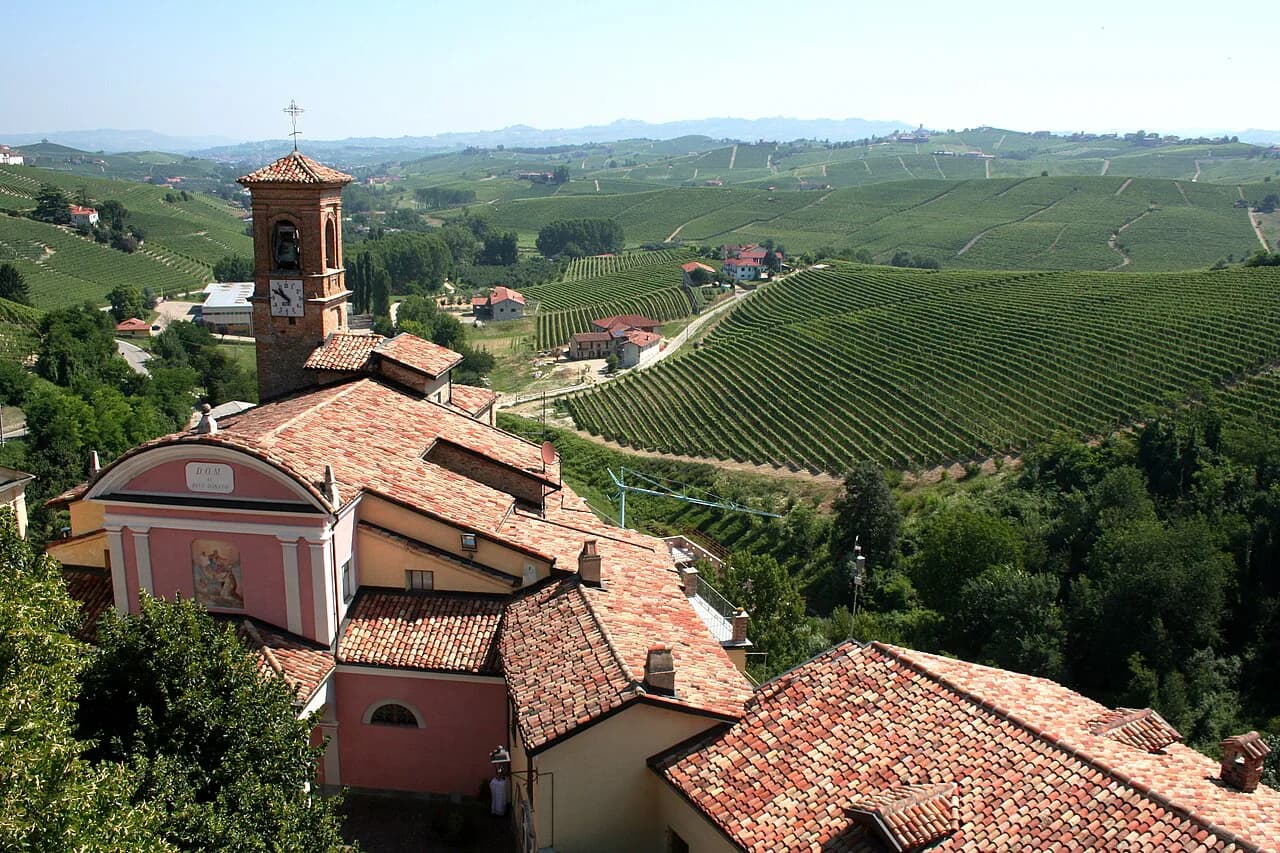
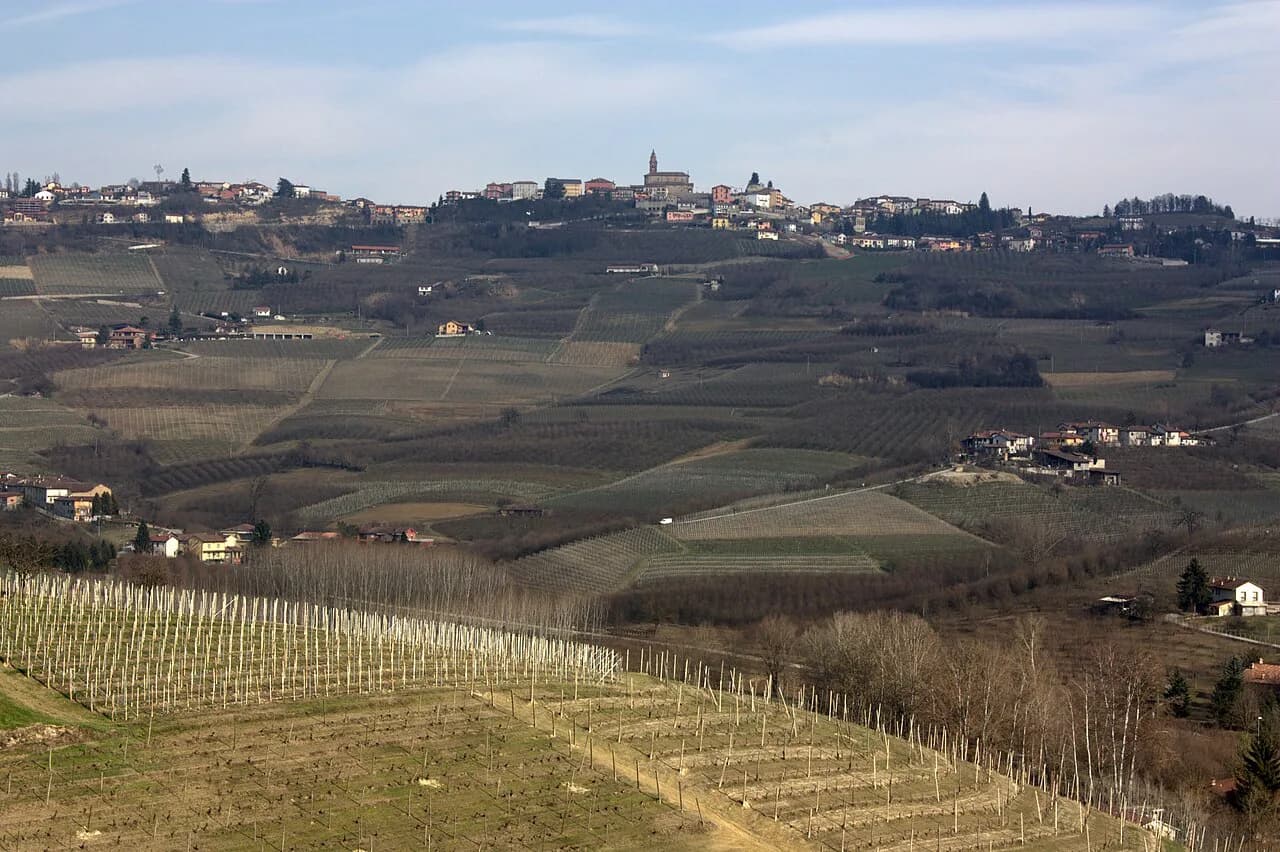
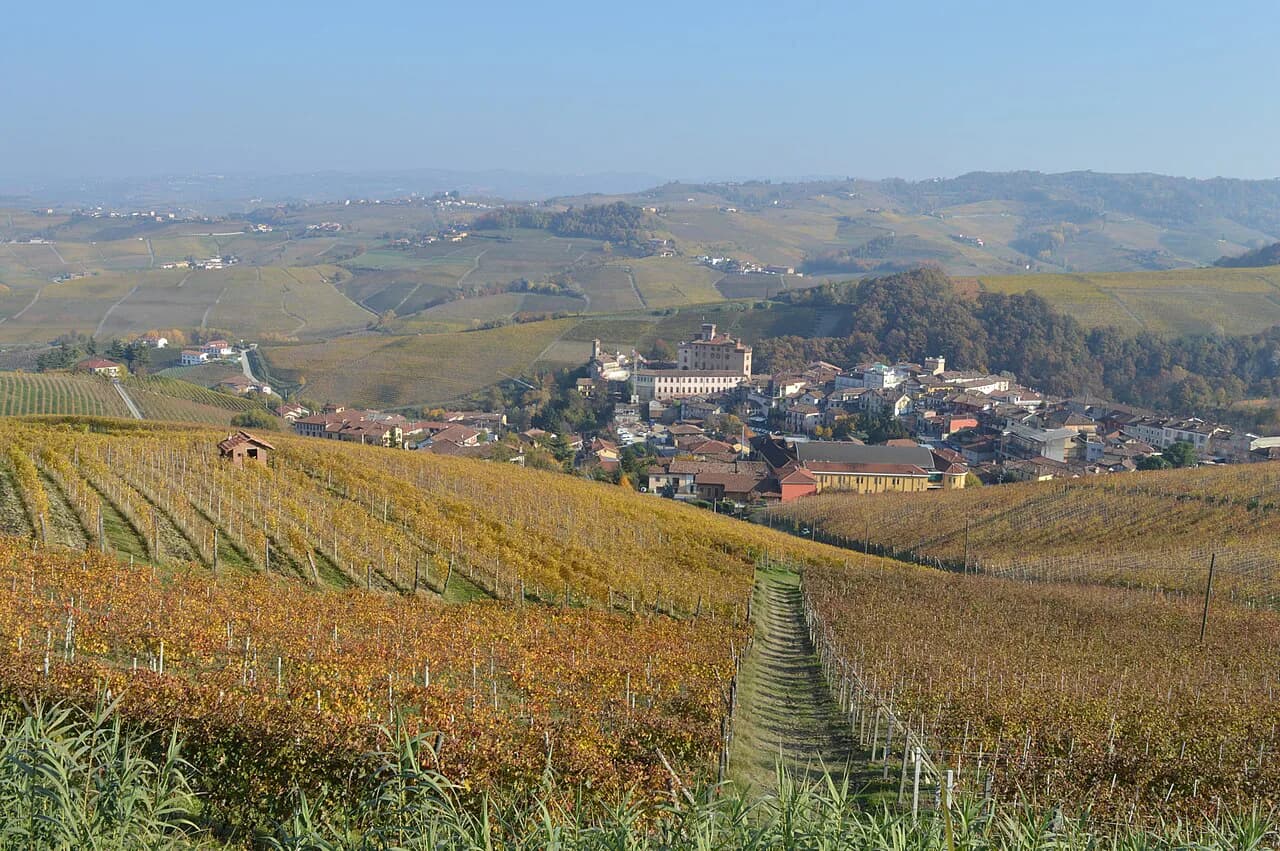
Castiglione Falletto is one of the eleven communes of the Barolo appellation, set on a ridge between Serralunga d'Alba and La Morra. Its vineyards face in several directions, which is why the village is a sensible anchor for a tasting day rather than a detour. Barolo itself, La Morra and Serralunga d'Alba are all short hops away, so you can group several appointments in one loop.
Treat the village cluster as the planning unit. A morning appointment in Castiglione Falletto, a lunch in one of the villages and an afternoon stop in La Morra or Barolo gives you a full day without long transfers. Booking two estates is usually enough; three is tight once you allow for the unhurried pace of a proper cellar visit.
Vineyards and Production at Scavino
The Scavino family farms a substantial spread of vineyards around the winery in Piedmont, with holdings described as twenty sites totaling more than thirty hectares. Other profiles date from an earlier era and describe about thirteen hectares producing roughly 80,000 bottles a year, so treat hectare and bottle figures as historical rather than current.
The sites that matter most in the estate's story are Bric del Fiasc, Cannubi and Rocche dell'Annunziata, all within the Barolo zone. If you want to understand how a single producer interprets different crus, ask at booking whether the visit includes a comparison across sites. That question tells you more about the tasting format than any published price list.
The Wines You Are Likely to Encounter
Barolo is made from Nebbiolo, a late-ripening grape that gives pale-colored wines with firm tannins and high acidity, built for long aging. Scavino also produces Barbera d'Alba and Dolcetto d'Alba, both from native Piedmont grapes, which are rounder and easier to drink young. Expect the Barolo to be the focus of any serious tasting, with the Barbera and Dolcetto showing the estate's range.
The estate's Barolo lineup historically included a Riserva alongside the Bric del Fiasc bottling, and the Carobric blend combines parcels from several crus. Enrico Scavino has been associated with a modernizing approach in the cellar, including the use of French oak, which softens Nebbiolo's structure in its youth. Ask which wines are open on the day you visit, since availability shifts with releases.
The Barolo itself is filtered and aged in oak before release, which is why bottles sold at retail are priced as a considered purchase rather than an everyday pour. You can see how a single bottling is positioned commercially on this retail listing for Scavino Barolo, useful for judging whether a cellar-door purchase makes sense.
Booking a Visit: What to Expect and What to Ask
Small Langhe estates work on appointments, and Scavino should be approached that way: contact the estate through its own website before you finalize travel plans. Published sources do not list visitor opening hours, tasting formats or visit prices for Paolo Scavino, so the estate's site is where terms actually live. Do not assume a walk-in tasting room exists.
In your request, state your preferred date and time window, the number of people, whether you need English, and whether you want a cellar tour or a seated tasting. Ask how many wines are poured, how long the visit lasts, whether there is a fee and whether it is credited against a purchase. A reply with those answers is worth more than any directory listing.
Castiglione Falletto: Village Layout and Access
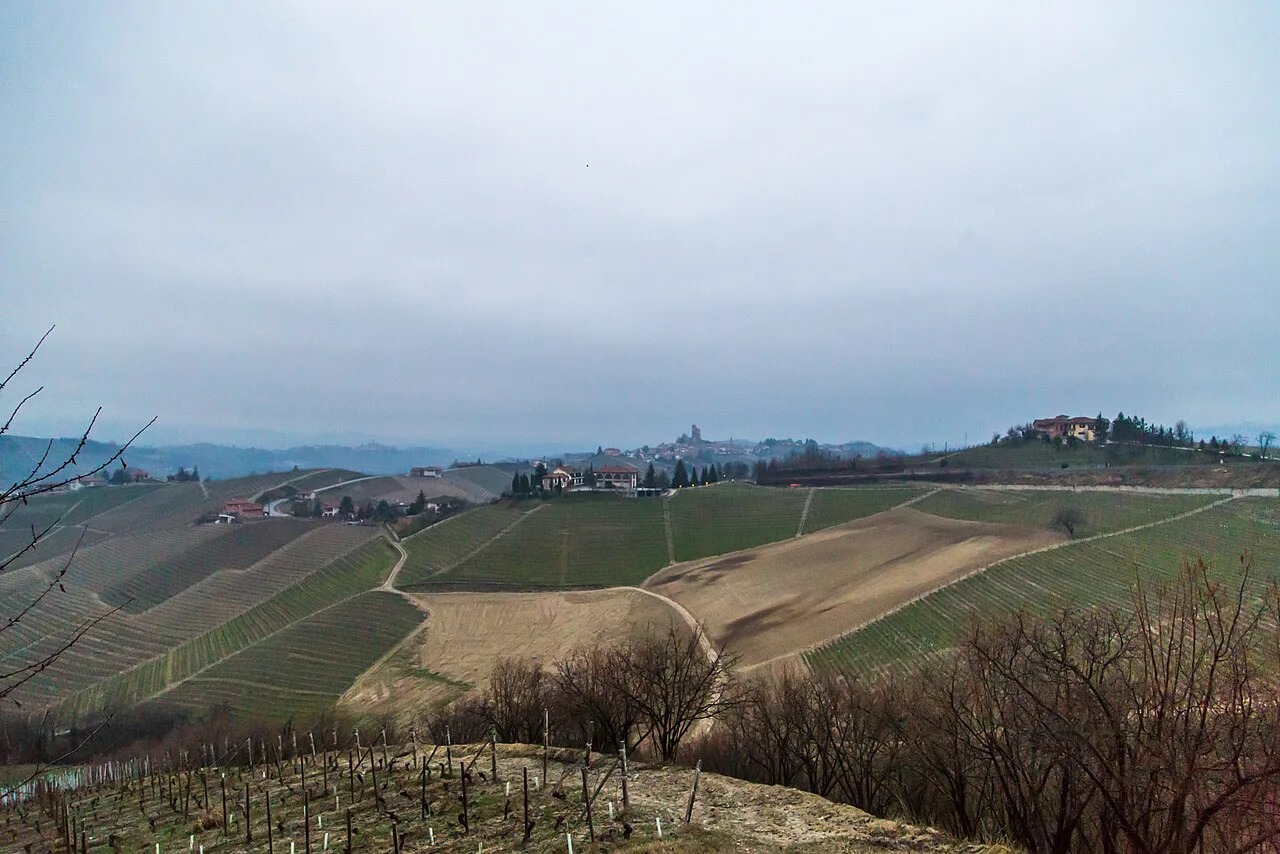
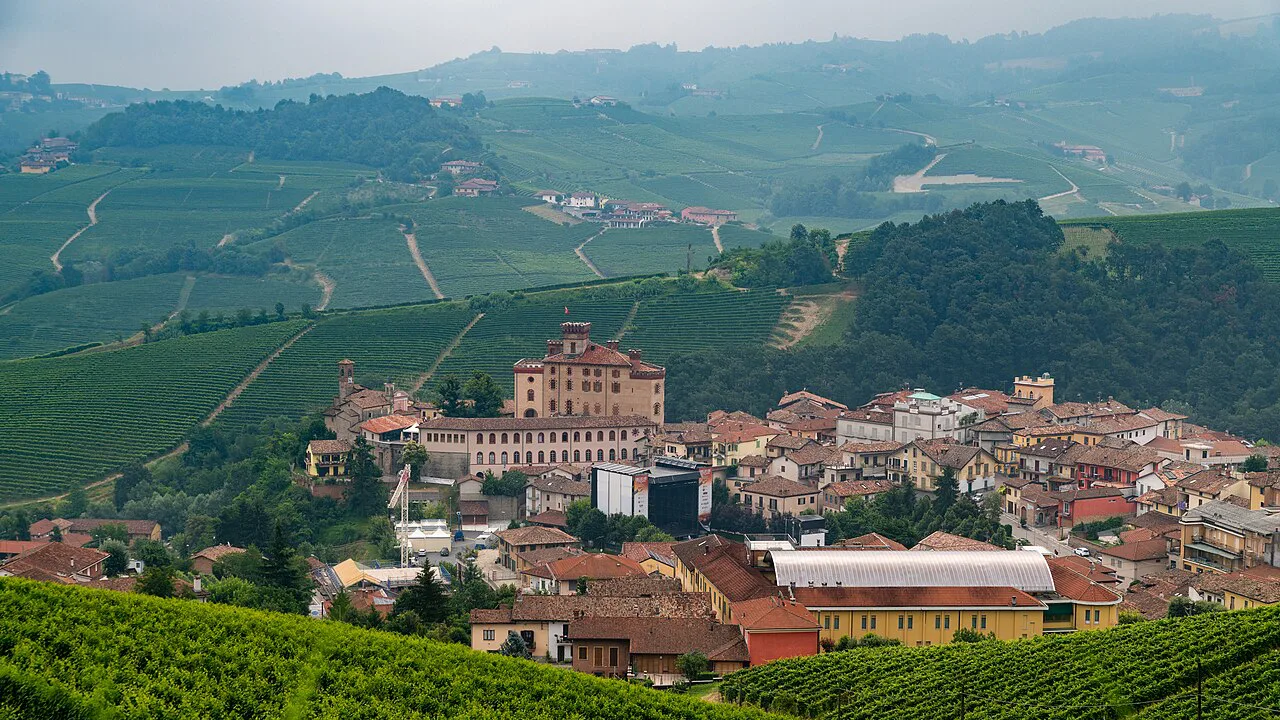
Castiglione Falletto is a compact hill village with steep lanes, a small historic center and a castle tower that marks the skyline. The winery sits within the village area, but the exact approach and parking arrangements are best confirmed in your booking correspondence. Sturdy shoes help on cobbles and cellar stairs.
From Turin, the drive into the Langhe is a straightforward route southeast via Alba or Bra, typically around an hour and a half depending on traffic and your exact starting point. Treat any drive time you read as a planning estimate rather than a schedule, and build in buffer for the final climb into the village.
Getting There Without Driving
The car-free route runs by rail: regional trains connect Turin to Alba and Bra, and from either town you continue by local bus or taxi into the Barolo villages. Bus coverage thins out in the hills, so check current timetables before you commit and have a taxi number ready for the return leg. This option costs the least but demands the most patience.
A guided tour from Turin removes the logistics entirely, usually combining transport, two or three estate appointments and a stop for lunch. Compare what each operator includes before booking, since some tours focus on Barolo and others on Barbaresco or Roero. Turin wine tours differ widely in group size and pace, and the same holds if you are weighing a day here against wine tasting in Verona further east.
The trade-off is control versus convenience. Independent travel lets you linger in Castiglione Falletto and choose your own lunch, while a tour handles appointments and the drive back after tastings. If someone in your group is driving, they should use the spittoon or stick to water, which makes a tour or the train the more relaxed choice.
Building a Full Day Around the Estate
Pair Scavino with one more appointment in Castiglione Falletto or a neighboring village, then leave room for a walk through the vines and a long lunch. The Barolo wineries in this part of the zone are close enough to link on foot in some cases, by car in most, and by pre-arranged taxi if you are relying on public transport.
Vineyard geography rewards a focused plan: Nebbiolo for Barolo on the prime ridges, Barbera on warmer sites, Dolcetto on higher ground. Choosing estates with different crus teaches you more than visiting three cellars that pour similar ranges. For alternatives across the zone, see this guide to Barolo wineries.
Seasonal Timing in the Langhe
Harvest in the Langhe generally falls in September and early October, when villages are busy with picking and cellar work and appointment slots tighten. Late October brings the white truffle season, which fills Alba's restaurants and hotels and raises prices across the area. Book both accommodation and estate visits well ahead for that window, and note that Alba Wine Tours fill quickly in those weeks.
Spring and early summer are quieter and vineyard views are at their best, though some estates close for holidays around August. Winter visits are possible but need more lead time because cellars are focused on the new vintage. Ask about closures when you request dates.
Practical Notes for a Smooth Visit
Cellars are cool year-round, so bring a layer even in summer, and wear shoes that handle gravel courtyards and stone stairs. If you plan to buy bottles, leave space in your luggage and ask about shipping before you commit. Confirm the meeting point and arrival time in writing so you are not searching for a gate on a hill road.
Keep the whole day realistic: two estates, one lunch and a village walk is a good shape, and adding a third stop often means rushing the best part. Confirm current visiting hours and tasting prices with Paolo Scavino once, shortly before you travel, and let everything else follow from that confirmation.
Travelling to the Estate with a Dog
The Scavino family farms 20 vineyards covering more than 30 hectares surrounding the Paolo Scavino winery in Piedmont Italy, so a visit already puts you in open countryside rather than a walled city. From Turin the estate lies in the Barolo zone, with the winery itself in the village of Castiglione Falletto, where a slope descends sharply from the edge of the town toward the central valley of Barolo. The wines are made from Nebbiolo, with additional plots in the Cannubi and Rocche dell'Annunziata sites and a blend called Carobric, and the estate's annual output is about 80,000 bottles from 13 hectares of vineyards.
The key figure for anyone bringing a dog is the size of the holding: the family farms 20 vineyards covering more than 30 hectares, which means the surroundings are working land rather than a park. Fiasco is the local patois name for that steep slope above the central valley of Barolo, and Lorenzo Scavino acquired vineyards there in 1921; his sons later split the property, with Paolo calling his estate Paolo Scavino and keeping 2 hectares of vines at the crest of the Bric del Fiasc. Walking a dog here means sharing narrow, sloping ground with cultivated vines, so the practical point is to keep the animal close and off the rows.
For the estate itself, remember that it is a working producer with cellars dedicated to Nebbiolo and Barolo, and its wines have been sold under the Bric del Fiasc name since 1978. Enrico Scavino is described as a reformist who sees room for improvement in wines from all the native vines of Piedmont, and he greets praise for his wines with a skeptical expression. A dog changes the shape of a day here: the pleasure is in the outdoor setting among the vineyards around the winery, while the tasting is best planned as a short stop rather than a long afternoon indoors.
If the dog needs more than the vineyard slopes, build the rest of the day in Castiglione Falletto itself, on the edge of the town above the central valley of Barolo, and use the estate as one stop in a wider loop through the Barolo zone rather than the whole outing. The village setting and the surrounding 30 hectares of family farmland give you room to walk before or after a tasting, and the steep drop toward the valley makes a natural turning point for a short circuit.
Making the Trip Work from Turin
Paolo Scavino rewards travelers who treat it as a working family estate rather than a visitor attraction. Request an appointment early, ask precise questions about the tasting and the fee, and plan the day around Castiglione Falletto rather than trying to cover the entire Barolo zone.
If you would rather not drive the hill roads after tasting, the train to Alba or Bra with a taxi for the final leg, or a guided tour from Turin, are the two dependable options. Whichever you choose, build in time for the village itself. For a wider look at the region's cellars, browse Turin wineries and compare what each one actually opens to visitors.
Frequently Asked Questions
Can you visit Paolo Scavino winery?
The estate does not publish a walk-in tasting room, so a visit should be arranged in advance by contacting Paolo Scavino directly through its own website. Ask about available dates, whether a cellar tour is included and what the tasting covers. Published sources do not list visitor hours or formats, so the estate's reply is the reliable source.
How do you book a tasting at Paolo Scavino?
Send a request through the estate's official website or contact channel, stating your preferred date, party size, language and whether you want a cellar tour. Ask how long the visit lasts and whether a fee applies. A written confirmation removes the guesswork.
How far is Paolo Scavino from Turin?
The winery is in Castiglione Falletto in the Langhe, southeast of Turin. By road the journey is typically around an hour and a half, depending on traffic and your starting point. By public transport, take a regional train toward Alba or Bra and continue by local bus or taxi.
What wines does Paolo Scavino make?
The estate is best known for Barolo from Nebbiolo, including wines tied to Bric del Fiasc, Cannubi and Rocche dell'Annunziata, plus the Carobric blend. It also produces Barbera d'Alba and Dolcetto d'Alba. Ask which bottlings are open when you book.
Can you reach Castiglione Falletto without a car?
Yes, but it takes planning. Regional trains serve Alba and Bra, and from there local buses or taxis reach the Barolo villages. Bus service in the hills is limited, so check timetables and arrange a return taxi in advance. A guided tour from Turin is the simpler alternative.
When is the best time to visit the Barolo zone?
Spring and early summer are quieter and pleasant for vineyard walks. September and early October bring harvest activity, and late October is truffle season in Alba, when the area is busiest and pricier. Winter visits are possible but need more lead time.
Sources
Notes for your next wine trip
Optional updates to our winery and wine-town guides.
You might also like
Continue reading
More guides you'll find useful