Speri Winery: Visiting the Valpolicella Estate from Verona
Speri sits in Valpolicella Classico northwest of Verona. Learn the wines to taste, where the estate is and how booking works before you go.
On this page
Speri is the estate that makes Valpolicella legible in a single stop. It sits in the Classico zone northwest of Verona, between the city and Lake Garda, and it produces the full arc of local red styles from fresh Valpolicella through to Amarone and Recioto. For a wine day built out of Verona, it is a sensible anchor rather than an afterthought, and the broader Verona wine tasting picture shows why the Classico villages deserve the day.
The practical catch is that Speri is a working family estate, not a drop-in tasting room with posted hours. Visits run through the estate's own contact route, which the site keeps under a Visit us heading, so the booking decision comes before the transport decision. Plan the appointment first and the bus or taxi second.
Why Speri Is the Reference Visit for Valpolicella Classico
Valpolicella is often described as one district when it is really a patchwork, and the Classico subzone is the historic core northwest of Verona. Speri farms and bottles entirely within that core, which is why a visit here gives you a clean baseline for the appellation rather than a blend of zones. The estate has been family-run for seven generations and is among the producers credited with shaping Amarone as it is known today.
That history matters on a tasting because it explains the house style: the family describes its Amarone as among the drier, lower-residual-sugar expressions of the appellation, built for the table rather than for the cellar trophy shelf. If you have only met Amarone as a heavy, sweet-edged wine, this is the visit that recalibrates the reference point. Compare it against a Classico and a Ripasso in the same sitting and the production logic becomes obvious.
Where Speri Sits: Pedemonte, Northwest of Verona
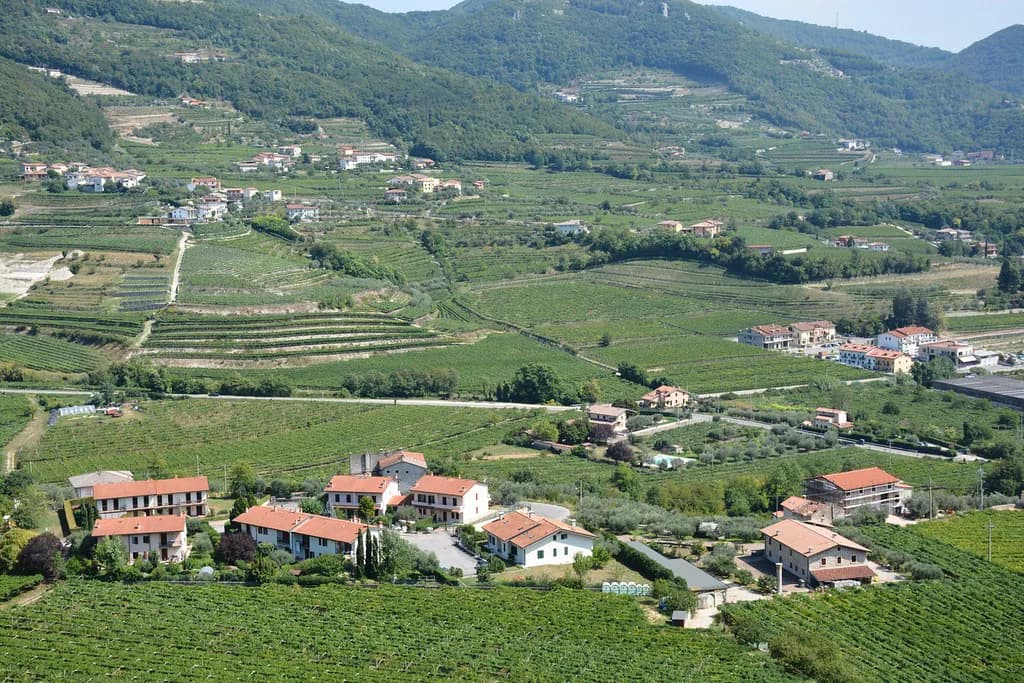
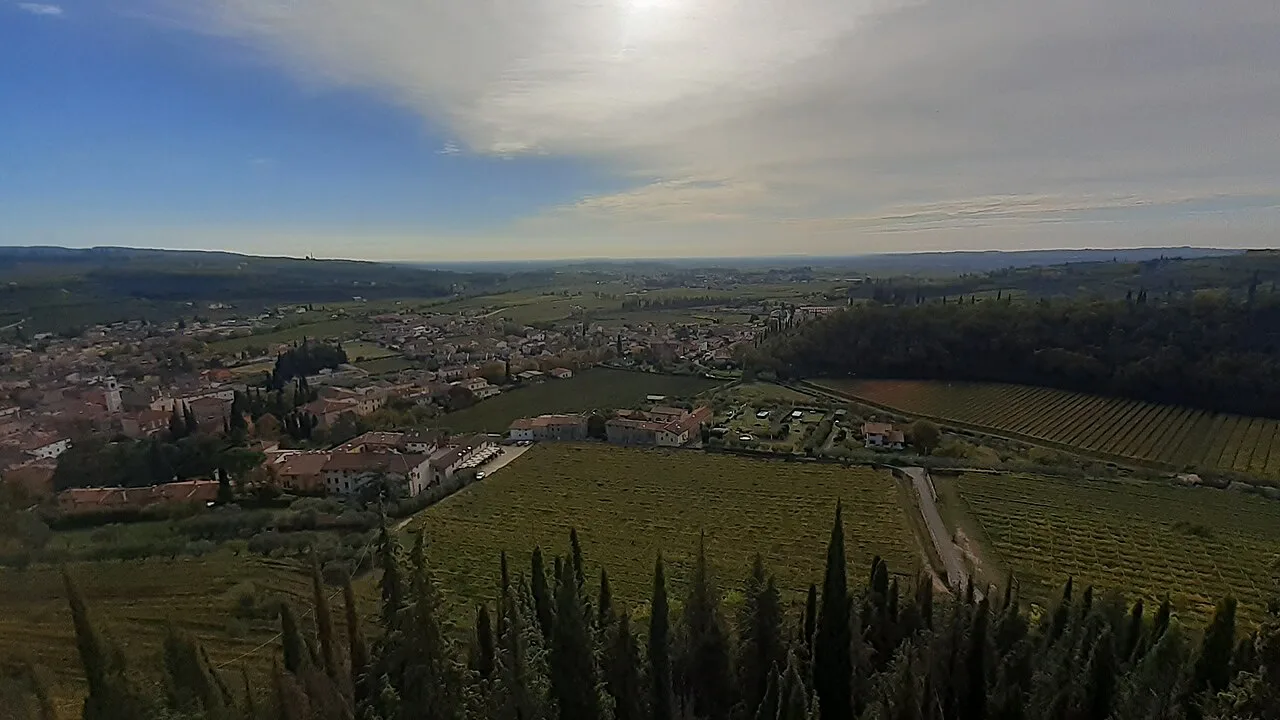
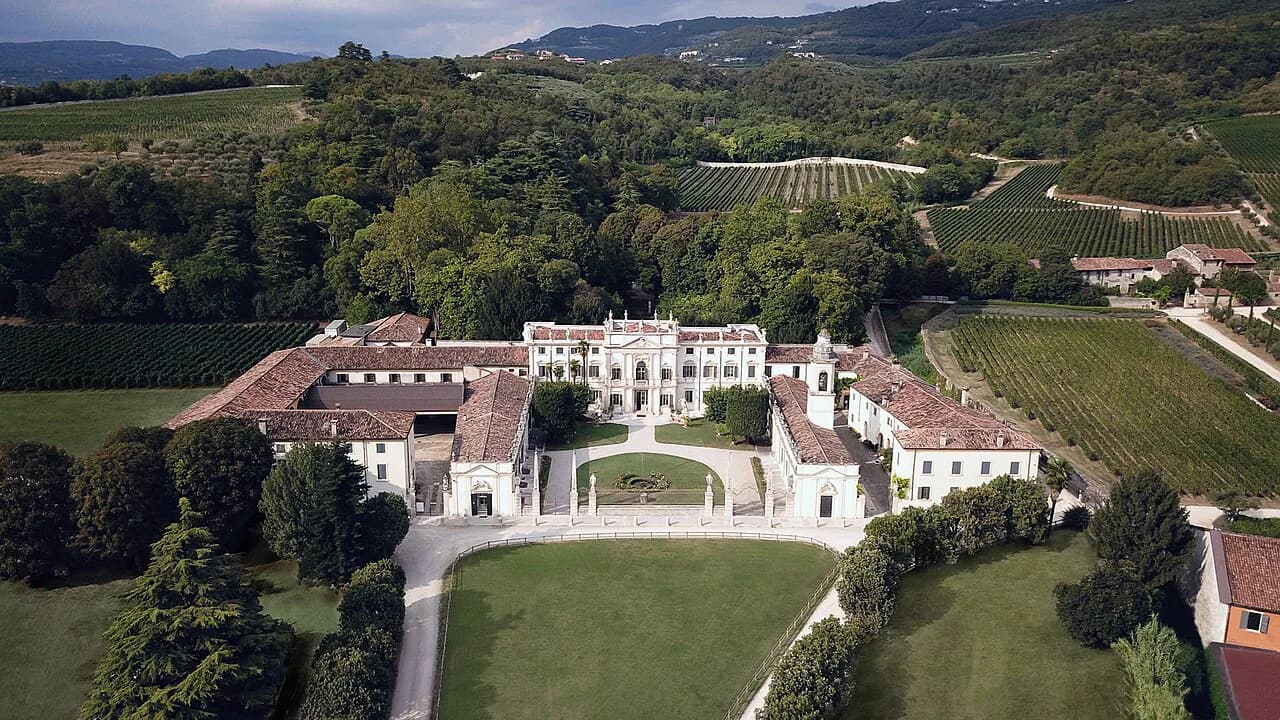
The estate is in the Valpolicella Classico area northwest of Verona, in the hills between the city center and Lake Garda, with the Alps rising to the north. The surrounding landscape is unexpectedly Mediterranean for northern Italy, with olive groves and lemon trees among the vines, a detail that surprises visitors expecting alpine cold. Local addresses place the winery around Pedemonte and San Pietro in Cariano, the cluster of villages at the heart of the Classico zone.
Distances in this zone are short in kilometers but slow in minutes: roads wind through vineyards and village centers, and a 12-kilometer hop can take a good deal longer than the map suggests. Build slack into any schedule that chains two or three estates in one afternoon. If you are comparing options across the region, the wider picture of Verona wineries helps you see how the Classico villages relate to Soave and Bardolino, and the same logic of anchoring a day around one estate applies to wine tasting in Bologna.
The Wines You Will Meet on a Visit
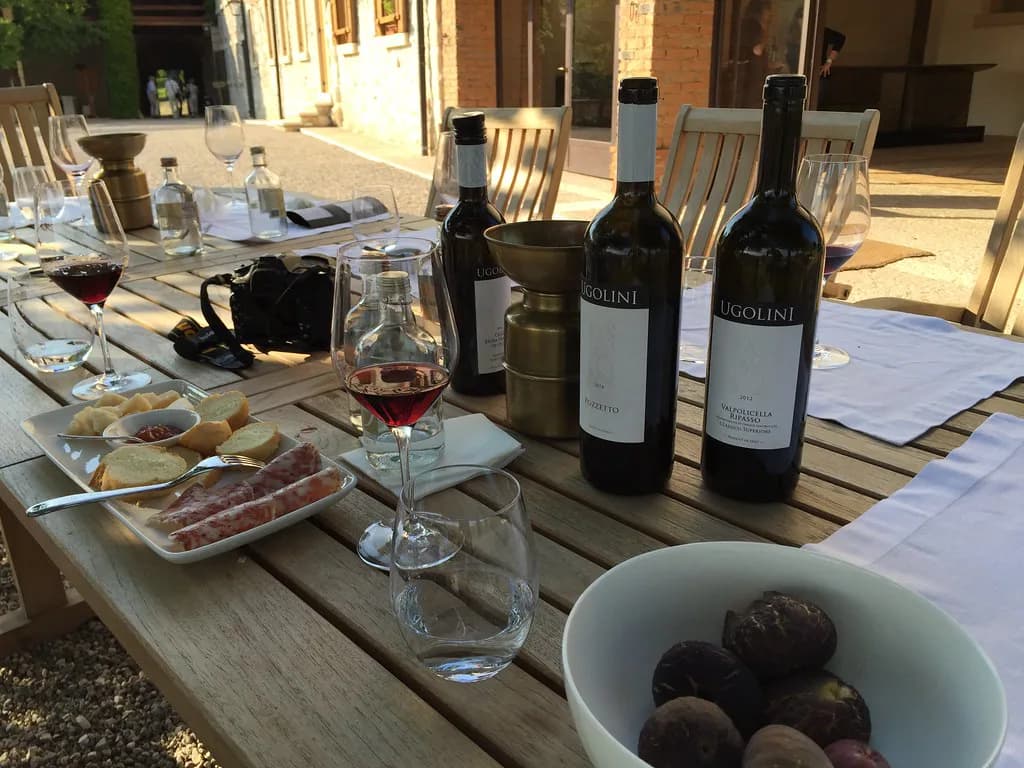
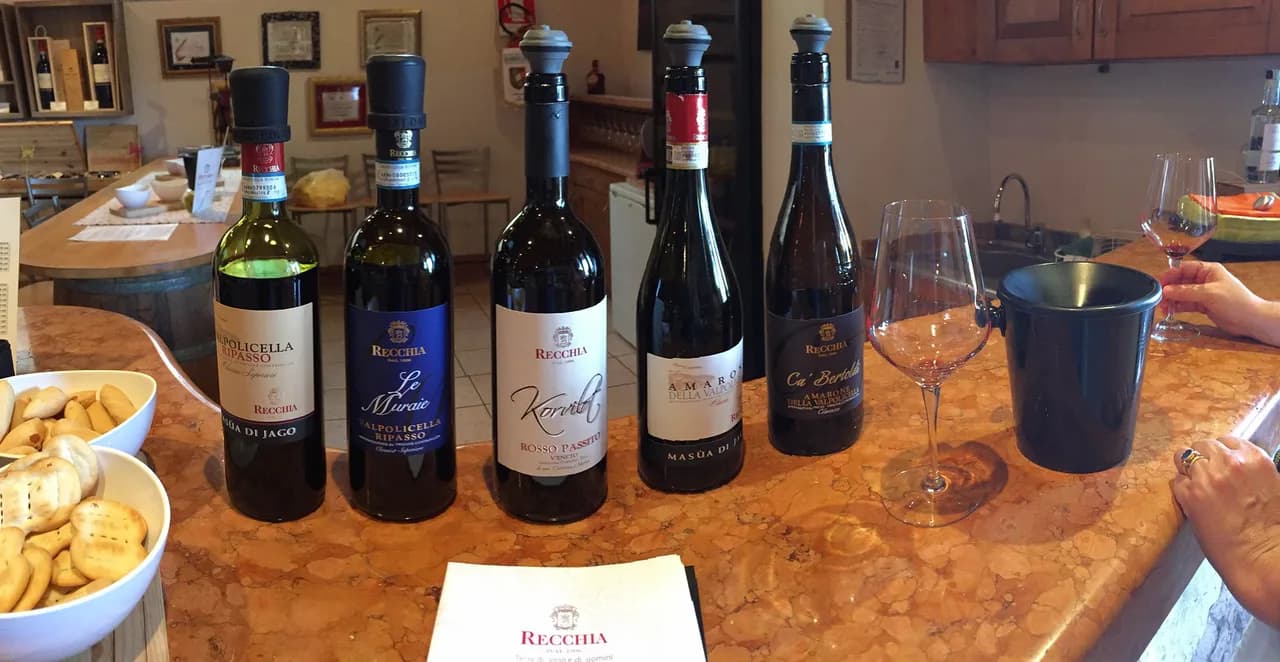
Speri works only with the traditional Valpolicella varieties: Corvina, Corvinone, Molinara and Rondinella. The estate uses the same blend across its range, so the differences you taste come from method rather than grape choice. Expect a flight that moves from Valpolicella Classico, the fresh everyday red, to Valpolicella Superiore, which by law spends at least a year in wood.
Above those sit Ripasso, Amarone della Valpolicella and Recioto. Ripasso is made by running Valpolicella wine over the spent skins left from Amarone fermentation for around ten to twelve days, picking up color, tannin and body before a year or more in wood. Recioto is the sweet counterpart to Amarone, historically the celebration wine of the region. Ask during booking which of these the estate is currently pouring, since the lineup shifts with vintage and stock.
Appassimento: The 100-Day Drying That Shapes the Tasting
The technique behind Amarone and Recioto is appassimento, the drying of healthy grapes before fermentation. Speri dries its best bunches for roughly 100 days, during which the grapes lose about 40 percent of their weight, concentrating sugar, color and structure. This is why the same vineyards can yield a light Classico and a powerful Amarone.
The method only works because the local varieties have large, juicy berries with thin skins; smaller-berried grapes would be desiccated long before the process finished. On a tour, the drying rooms are usually the most memorable stop, because the scale of fruit laid out to concentrate is hard to picture from a bottle. Ask whether the drying rooms are part of the visit when you arrange it, as access varies by season and by the day's work in the cellar.
Booking Culture: Appointment First
Speri handles visits through the contact options listed on its own Visit us page rather than through posted drop-in hours. That means the estate, not a booking platform, is the authority on what is available on a given date. Write with your preferred dates, party size and whether you want a cellar walk-through or simply a seated tasting, and expect the reply to confirm what the estate can offer.
Appointment culture in Valpolicella is not bureaucratic, but it is real: estates such as Speri schedule tastings around cellar work, harvest and family commitments. A request sent a few weeks ahead is far more likely to land than one sent the day before, especially in September and October. If your dates are firm, say so and offer a second option. This is also the moment to confirm current availability and whether a visit is possible at all on your chosen day.
Prices, Formats and What the Estate Publishes
Speri does not publish a standard tasting price, tour length or a fixed menu of formats on its main site; the Visit us section is the route to ask. Rather than budget from forum guesses, request the current offer directly and ask what the fee covers, how many wines are poured and whether a cellar tour is included. Those three answers settle most of the planning.
Traveler reviews of the estate describe substantial Valpolicella flights building toward Amarone, but reviews are not a price list and should not be treated as one. Use them to gauge the character of a visit, not its cost or schedule. Any figure you see quoted online is worth confirming with the estate before you commit to a date.
Getting There Without Driving
Verona is the natural base. Buses run from the city toward the Valpolicella villages, but service is thin on Sundays and in the evening, and stops sit on main roads rather than at estate gates, so the last stretch is often on foot along vineyard lanes. A taxi from central Verona is straightforward for the outward leg; the return is the weak point, so arrange a pickup time when you arrive or keep a local radio-taxi number handy.
A guided Valpolicella tour solves the logistics by fixing transport and appointments in one booking, at the cost of set timings and a shared group. Independent travelers get flexibility and lower cost but carry the scheduling risk. Weigh which matters more for your day, and if you want to compare formats across the region, these Verona Wine Tours are a useful starting point.
Whoever drives should not taste. Use the spittoons at every estate, nominate a designated driver, or take a tour or public transport so nobody at the table is behind the wheel with wine in the glass. It is a simple rule that keeps a good day good.
Building a Half-Day Route Around Speri
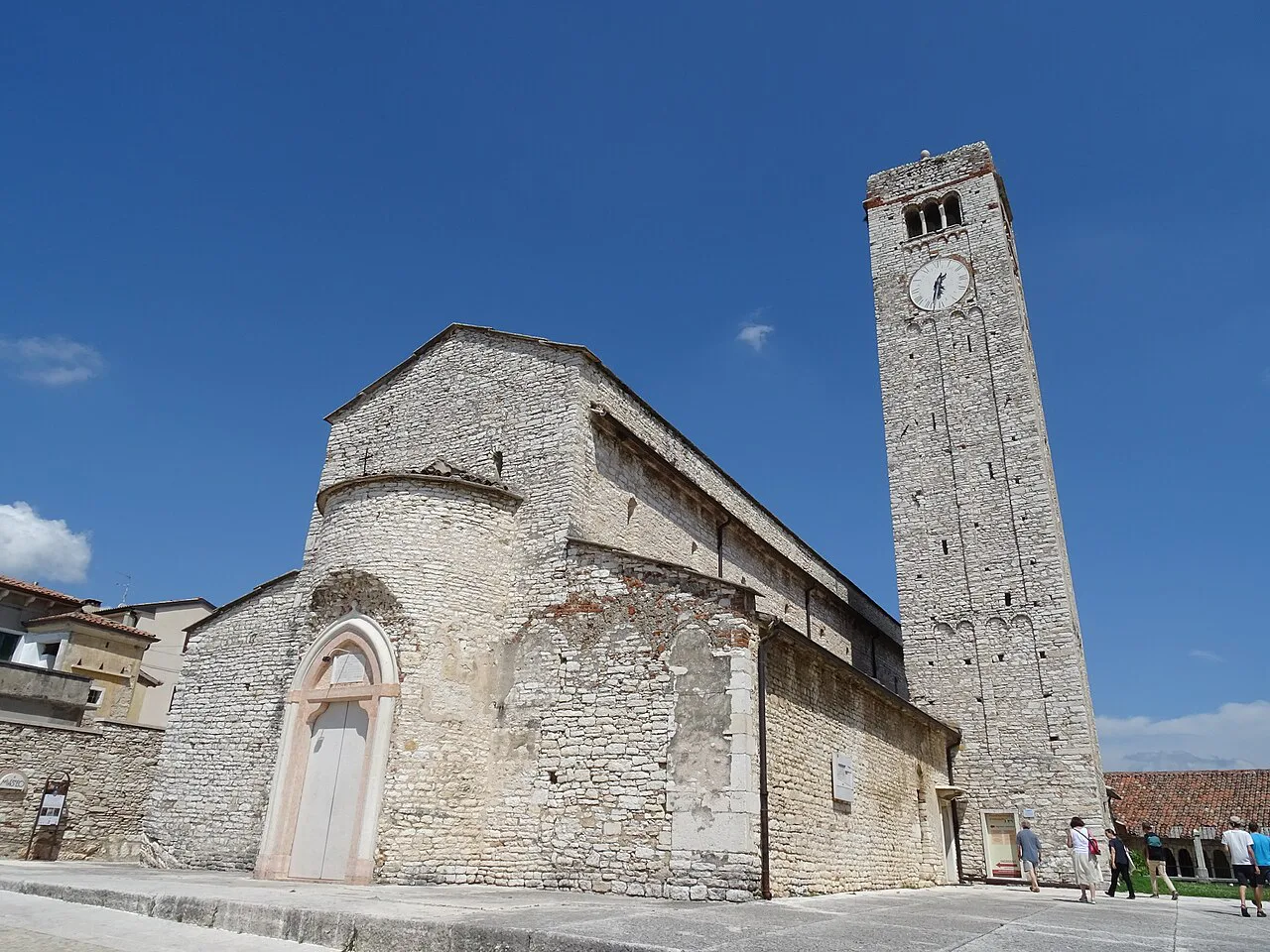
The Classico villages of Pedemonte, San Pietro in Cariano, Sant'Ambrogio and Negrar sit close together and reward a compact loop rather than a long haul. Book Speri as your anchor, then add one estate in a neighboring village for contrast, keeping the drive between stops short. Two well-paced visits beat four rushed ones every time.
For a second stop, family estates in the same zone make the easiest pairing, and Villa della Torre is a well-known option nearby if you want architecture alongside the cellar; the Allegrini Winery visit page covers how that estate handles bookings. If you would rather stay in the city afterward, Verona Wine bars give you a low-commitment way to close the day with a glass of Classico.
Common Mistakes to Avoid
The most common error is arriving unannounced. Speri is not a walk-in tasting room, so turning up at the gate on a Saturday afternoon is likely to end in a polite no. The second is expecting a restaurant: the estate is a working winery and cellar, not an on-site dining destination, so plan lunch in a village trattoria or back in Verona.
A third mistake is treating a cellar tour as the same thing as a tasting. A walk through the barrels tells you how the wine is made; the seated flight tells you what it tastes like, and the two are often booked separately. Ask for both explicitly when you write, so there are no surprises on arrival.
Best Timing Across the Seasons
Spring and early summer are comfortable for vineyard walks, with mild temperatures and green hillsides. Harvest usually falls in September and October, and while that is the most atmospheric period, it is also the busiest for estates and the hardest window for short-notice appointments. Book earliest for those months.
Winter is quieter and cellar-focused, with tasting rooms often warmer than the vineyards and more room in the schedule. Where drying is under way, the rooms holding the Amarone fruit are the draw; ask ahead whether they can be included in the visit. Across all seasons, confirm the day's availability with the estate rather than relying on a website calendar.
Plan Your Visit
Speri is best planned as a short, deliberate trip from Verona: settle the appointment through the estate's own Visit us page, then choose between bus, taxi or a guided tour based on how much flexibility you value. Anchor your day here, add one neighboring Classico estate, and leave the rest of the afternoon open.
The wines reward a little prior reading, so arrive knowing the difference between Classico, Superiore, Ripasso, Amarone and Recioto before the first glass is poured. And whatever the plan, the driver stays dry: spittoons, a designated driver or public transport keep the day on the right side of the line.
Frequently Asked Questions
Where is Speri winery located relative to Verona?
Speri is in the Valpolicella Classico zone northwest of Verona, in the hills between the city center and Lake Garda, around the Pedemonte and San Pietro in Cariano villages. It is a short drive from the city but on winding roads, so allow more time than the distance suggests.
Do you need an appointment to visit Speri?
Yes. Speri arranges visits through the contact options on its own Visit us page rather than operating as a drop-in tasting room. Write with your dates, party size and what you want from the visit, and let the estate confirm what is possible on the day.
What wines can you taste at Speri?
The range runs from Valpolicella Classico and Valpolicella Superiore through Ripasso and Amarone della Valpolicella to Recioto, the sweet red. All are made from Corvina, Corvinone, Molinara and Rondinella. Ask when booking which wines are currently being poured.
Is Speri organic?
Yes. The estate has described itself as organic certified since 2015 and as a leading organic estate in Valpolicella, farming its own vineyards in the Classico zone.
How do you get to Speri from Verona without a car?
Buses run from Verona toward the Valpolicella villages, but service is limited on Sundays and in the evening and stops are not at the estate gate. A taxi is simpler for the outward trip, though you should arrange the return in advance or keep a local taxi number ready.
Can you combine Speri with other Valpolicella wineries in one day?
Yes, and it works well. Book Speri as your anchor and add one estate in a neighboring Classico village. Two well-paced visits are more rewarding than four rushed ones, especially given the winding roads between villages.
Sources
Notes for your next wine trip
Optional updates to our winery and wine-town guides.
You might also like
Continue reading
More guides you'll find useful