Marchesi di Barolo: Choose Your Turin Wine Tour
Plan a visit to Marchesi di Barolo in Barolo village: what the historic cellar visit and five-wine selection cover, how to book, and how to arrive from Turin.
On this page
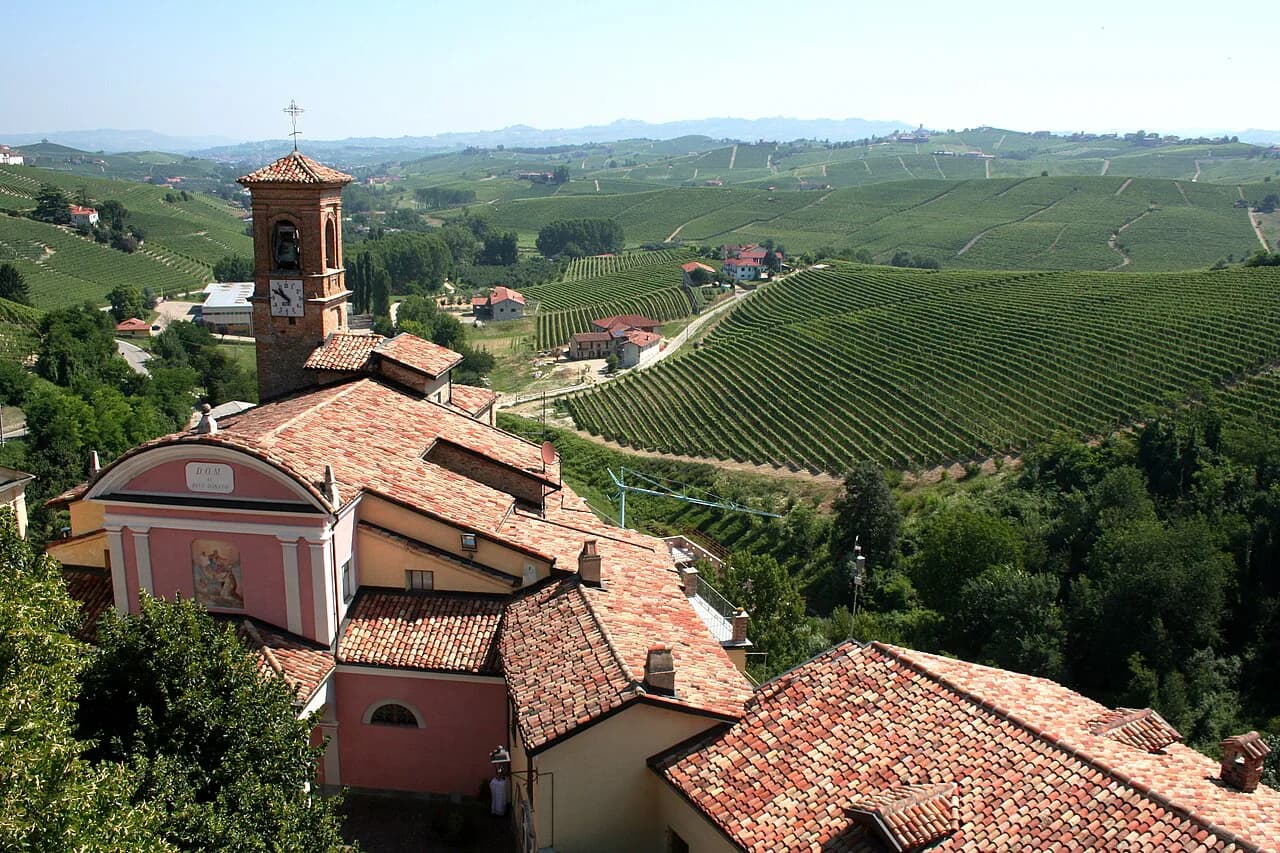
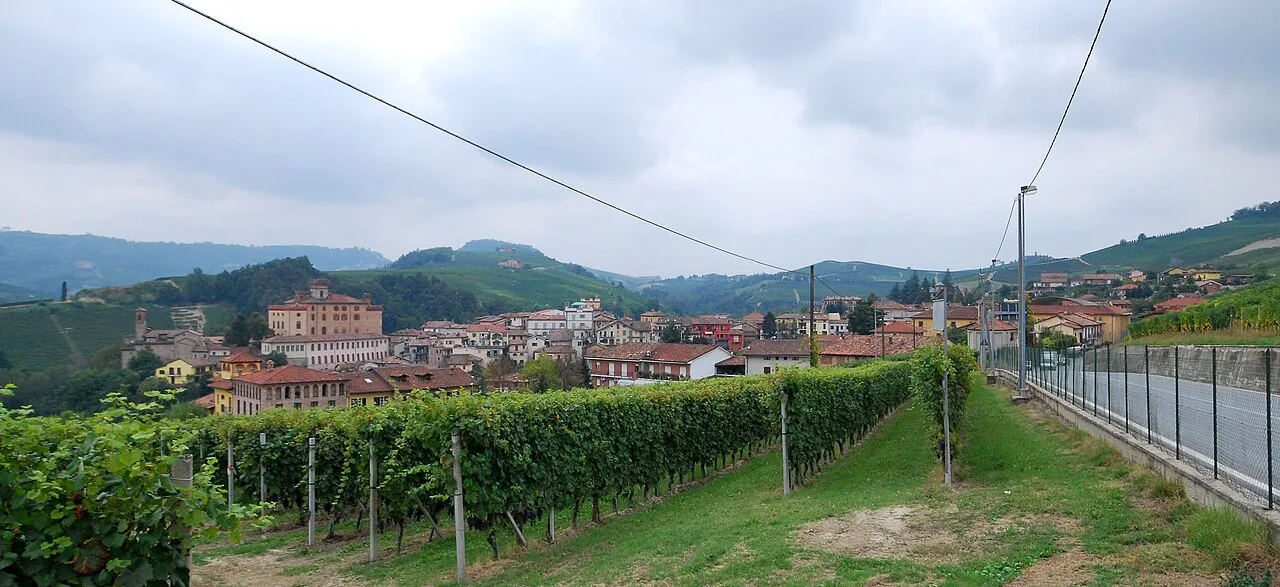
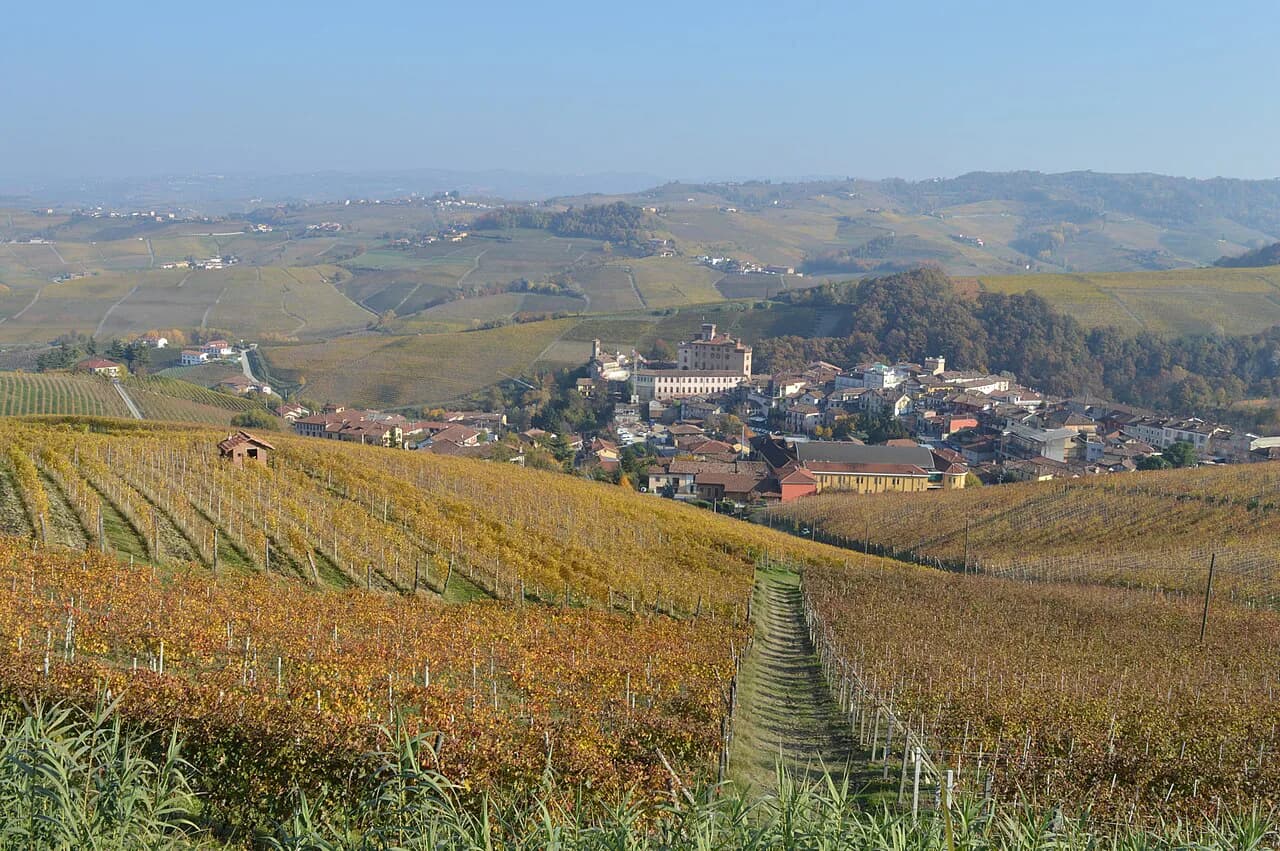
Barolo village is small enough to cross in fifteen minutes, and one of its oldest wine addresses sits right in the middle of it. Marchesi di Barolo bases its historical cellars in Barolo, in the heart of the Langhe, and its visit page frames the estate as part of the town's own origin story, describing the site as the place where Barolo was born more than 200 years ago. That claim is the winery's own framing rather than a neutral history lesson, but it does explain why a stop here reads as a village visit as much as a cellar visit.
The practical version is straightforward: you are not driving to a rural estate on a vineyard road, you are walking to a cellar in town, which makes this one of the easier winery stops to slot into a Langhe day built on trains and buses. The trade-off is that Barolo village fills up on weekends and in October, when the vineyards turn and the harvest wraps, so the visit needs a plan rather than a spur-of-the-moment arrival.
Why Marchesi di Barolo Sits at the Center of Barolo Village
The winery presents itself as tied to the birth of Barolo as a wine, and its visit page repeats the line that Barolo was born here more than two centuries ago. Treat that as the house's founding narrative, useful for understanding how the estate positions itself in the village, rather than as the last word on the appellation's history. What matters for a visitor is the consequence: the cellars are an established, visitable address in the town center, not a working farm you need to hunt down.
Because the cellars are in the village, the visit pairs naturally with the town's other draws, including the wine museum and the ridge walks above the rooftops. Budget the cellar stop as one block of a half day and leave the rest for the village itself.
Where It Is: The Historic Cellars in the Heart of the Langhe
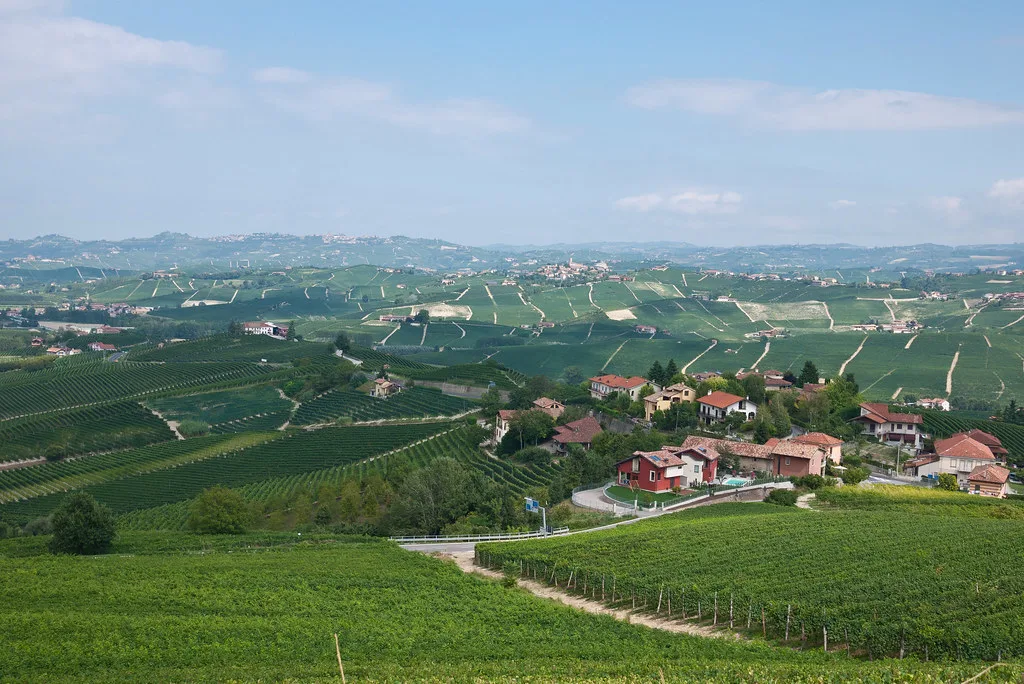
Marchesi di Barolo is based in Barolo, in Piedmont's Langhe hills south of Turin, and the historic cellars are the address visitors ask for. The village sits on a ridge with the wine museum, enoteche and restaurant tables within a short walk of each other, so once you arrive you can leave the car parked, or never bring one at all.
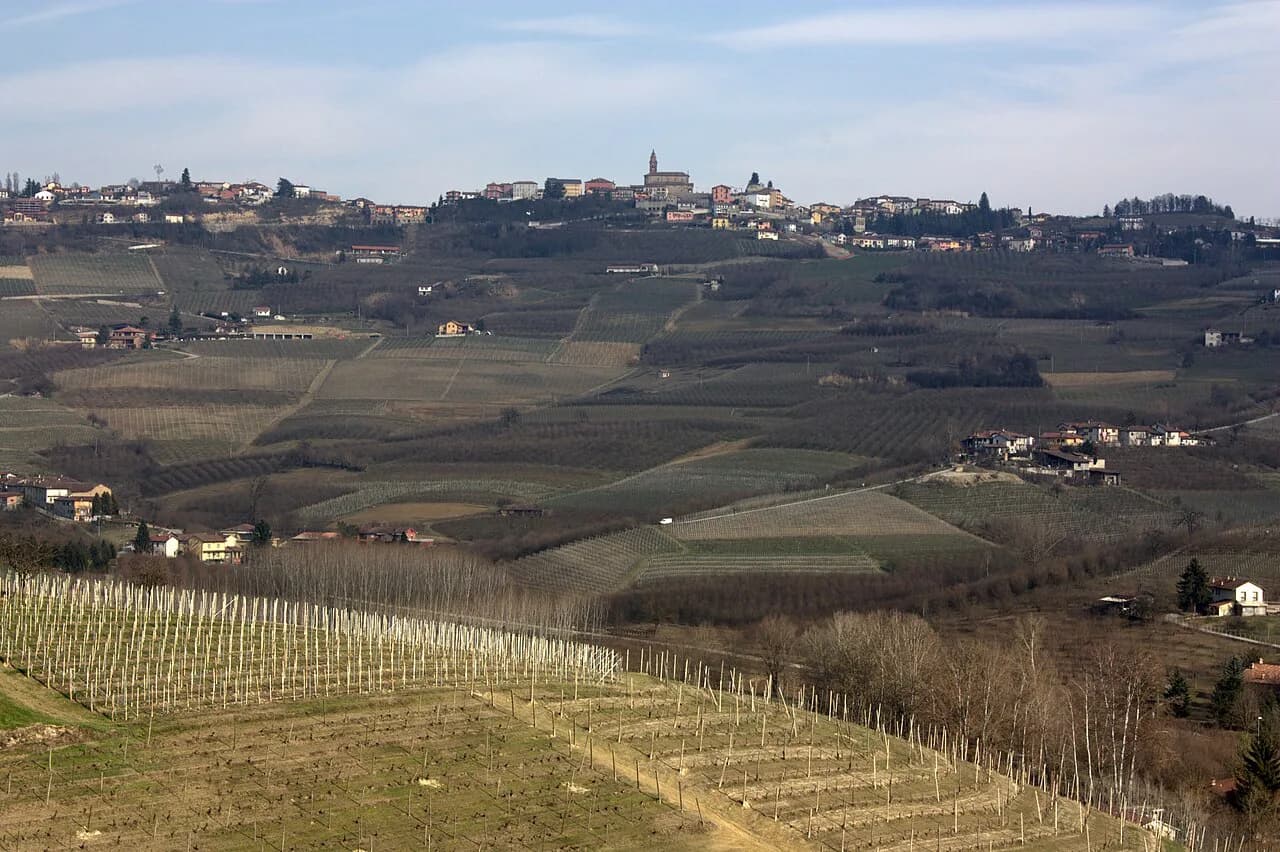
Distances within the Langhe are short in kilometers and long in minutes: the roads between Barolo, La Morra and Monforte d'Alba twist along the ridges, and what looks like a ten-minute hop on a map can take considerably longer with a bus that runs a few times a day. That is the argument for basing yourself in one village and grouping visits rather than trying to collect four towns in an afternoon. For a wider menu of cellar options across the zone, see these Barolo wineries and the neighbouring village of La Morra. If you are weighing up a second wine region, our wine tasting in Verona covers the Valpolicella cellars a train ride east.
The Visit Format: Historical Cellars and a Selection of Five Wines
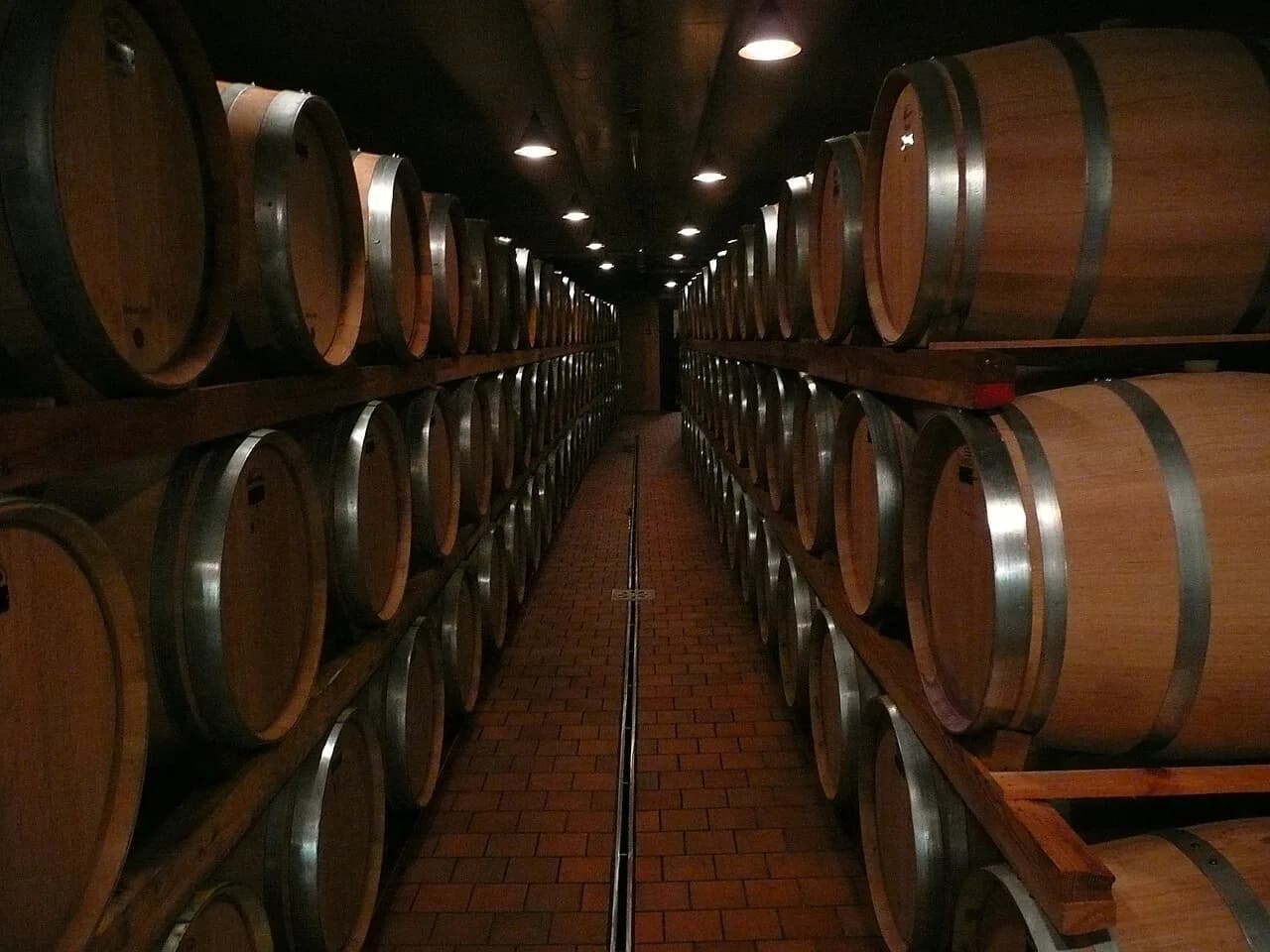
The winery's visit page describes the experience as a historical cellar visit with a selection of five wines. That is the published format to plan around, and it is a sensible shape for a Barolo-area stop: the cellar walk gives you the geography of the appellation and the tasting gives you the range. It is not necessarily the only option the estate offers, so if you want a shorter tasting or a longer session, ask Marchesi di Barolo when you request your time.
In Barolo generally, expect a hosted seated or standing tasting rather than a bar-style flight, with someone walking you through the wines in order. Portions are usually modest and spittoons are normal, which is worth knowing if you have another appointment later the same day. The visit page does not publish tour times, prices or seasonal closures, so those are the things to settle directly with the winery when you book.
The Wines You Will Meet: Nebbiolo, Barolo DOCG and the Wider Range
Barolo is made from Nebbiolo, and the estate's range is organized around that grape, with the cantina's own wine pages grouping the bottles into cru, reserve, traditional and selection lines, alongside Barbaresco and other Piedmont labels. You do not need to memorize the tiers to enjoy the visit, but knowing that Barolo and Barbaresco are both Nebbiolo, grown in neighboring zones and aged differently, helps you follow the lineup as it is poured.
One useful distinction for the tasting table: the estate's La Tradizione Barolo is a 100% Nebbiolo bottling drawn from selected vineyards in Barolo, Monforte, Castiglione Falletto and La Morra, which is a blended Barolo rather than a single-village cru. That sourcing note applies to that bottling specifically, not to the whole portfolio, and it is a good reminder to ask which wines in your flight come from a single vineyard and which are assembled across the zone.
If your trip has more than one wine day in it, Piedmont rewards range: the same base can put you in front of Nebbiolo in the Langhe and the aromatic white wines of the Asti area, which is the thinking behind this broader guide to wine tasting in Turin and the surrounding hills.
Booking the Visit: Appointment Culture in the Langhe
Langhe wineries work largely by appointment, and even town-center cellars with steady visitor traffic prefer to know you are coming. The winery publishes a visit page and a contact route through its site, but it does not publish opening days, tour times or minimum party sizes, so the booking request is where those details get settled. Write before you build the rest of your day around the stop.
A good request states four things in the first lines: how many people are in your party, the date and a preferred time window, the language you would like the visit conducted in, and whether you want the cellar tour with tasting or a tasting on its own. Add whether anyone in the group does not drink, and ask about access if stairs are a concern, since historic cellars are often below street level. A short, specific email gets a faster answer than a general inquiry about availability.
Two seasonal realities shape the calendar. Harvest, usually somewhere from late September into October depending on the year, is the busiest and most photogenic moment but also the least flexible for spontaneous requests, and winter visits tend to run on reduced schedules. Neither is a reason to skip the trip; both are reasons to book earlier and to ask what is actually running during your dates.
Getting There Without a Car: Train, Bus and the Tour Trade-off
The car-free route from Turin runs by rail to the Alba and Bra area, then continues by local bus into the Langhe villages; connections are workable but sparse, and the last leg to Barolo rewards checking the current timetable before you commit to a cellar time. A taxi from Alba is the fallback, and availability is limited, so booking a return in advance beats hoping to find one in the village square. If you would rather hand the logistics to someone else, a wine tour from Turin removes the timetable problem entirely at the cost of flexibility and money.
The honest trade-off: independent travel is cheaper and lets you linger in the village, while a guided day covers more ground, usually adds a second or third producer, and means nobody at the table has to watch the clock or the odometer. If your group is two people and your only goal is this one cellar, the train-and-bus route works. If you want three wineries and a lunch in one day, book the tour.
Whoever drives should not taste: use the spittoons, appoint a designated driver, or take a tour or public transport so the day does not depend on a sober driver missing the point of the visit.
Pairing the Cellars with Barolo Village and Nearby Villages
A cellar visit here takes a slice of the day, not the whole of it, so build the rest around the village: a walk through the old streets, the wine museum, and a long lunch are the natural companions. Keep the afternoon light for the ridge road above town, which gives you the vineyard view that explains the appellation better than any label.
For a fuller day, group villages by geography rather than ambition: Barolo with La Morra and the western ridge is one comfortable loop, while Monforte d'Alba and Castiglione Falletto sit to the east and reward a separate morning. If you want a second visit with a different character, the Ceretto winery near Alba runs its own visitor experience and its Monsordo Bernardina estate is a contrast in scale to a village cellar.
Travellers using Turin as a base have more than the Langhe within reach, and a wider list of Piedmont options is collected in this guide to Turin wineries; the Moscato d'Asti hills, for instance, make an easy counterpoint day to a Nebbiolo one.
How It Compares with Other Barolo Producer Visits
Marchesi di Barolo's advantage is location and scale: a historic cellar in the village itself, a published five-wine format, and a range broad enough to show you Barolo, Barbaresco and the everyday Piedmont wines in one sitting. The counter-argument is intimacy; smaller family estates in La Morra or Monforte d'Alba often mean a single host, a smaller group and a closer look at one family's vineyards.
Choose by what you want from the hour: a polished, central, history-forward visit suits first-time visitors and mixed groups, while a hillside small producer suits anyone chasing a specific cru or a conversation with the winemaker. Neither is the better visit in the abstract, and a strong day can include one of each.
Practical Notes: Harvest Rhythm and What to Ask When You Book
The Langhe's working calendar runs on the vine: spring budbreak, a summer of vineyard work, harvest from roughly late September into October, and a quieter winter. Visits during harvest can be more atmospheric and slightly more rushed, since the cellar team is processing fruit; visits in late autumn and winter are calmer but some estates scale back their hospitality. Ask Marchesi di Barolo what is happening on your dates when you book.
When you confirm, get the practical answers in writing: the meeting point in the village, how long the visit runs, whether the five-wine selection can be adjusted, whether food is served or should be arranged separately, and what the cancellation terms are. If you are arriving by bus, tell them, because a delayed connection is the most common reason a booked slot slips. Confirm the current details on the winery's own site within a few days of your visit, since published information changes between seasons.
Plan Your Barolo Day
Marchesi di Barolo is the rare Langhe visit you can make on foot from a village square, with a published historical cellar tour and a five-wine selection as the anchor of the stop. Book ahead with party size, language and format spelled out, then build the day around the village rather than trying to stitch three towns into one afternoon.
If you are coming from Turin, decide early between the train-and-bus route with a pre-booked taxi fallback and a guided day that removes the timetable risk. Either way, leave room for lunch, a ridge walk and a second, smaller producer, which is where the Langhe usually turns a good day into a memorable one.
Frequently Asked Questions
Is Marchesi di Barolo in the town of Barolo?
Yes. The winery's historical cellars are in Barolo village, in the heart of the Langhe in Piedmont, south of Turin. That central position means you can walk to the cellars from the village center rather than driving out to a rural estate.
How many wines are included in a Marchesi di Barolo tasting?
The winery's visit page describes the experience as a historical cellar visit with a selection of five wines. Ask when you book whether other formats exist, such as a tasting without the cellar walk or a longer session, since the published page focuses on that format.
Do you need to book Marchesi di Barolo in advance?
Langhe wineries generally work by appointment, so request a time before you fix your travel plans. The visit page does not publish opening days, tour times or minimum party sizes, so state your party size, date, preferred language and whether you want the cellar tour in your first email.
Can you visit Marchesi di Barolo without a car?
It is possible but requires planning. The usual route is by train toward the Alba and Bra area, then a local bus into the Langhe villages, with a pre-booked taxi from Alba as a fallback. Timetables are sparse, so check them before committing to a cellar time, or take a guided tour from Turin instead.
What is the difference between Barolo and Barbaresco?
Both are made from Nebbiolo in neighboring Piedmont zones, but they are separate appellations with different aging rules and village-level character. Marchesi di Barolo produces both, so a single tasting can show you the contrast without a second appointment.
Which grapes go into Marchesi di Barolo's Barolo?
Barolo is a Nebbiolo wine. The estate's La Tradizione Barolo is a 100% Nebbiolo bottling sourced from selected vineyards in Barolo, Monforte, Castiglione Falletto and La Morra, which makes it a blended Barolo rather than a single-village cru.
What else can you do in Barolo village on the same day?
Pair the cellar visit with the village itself: the wine museum, the old streets and a long lunch are all within walking distance, and the ridge road above town gives you the vineyard view that explains the appellation. Monforte d'Alba and Castiglione Falletto are a separate, eastern loop.
When is the best time to visit the Langhe?
Harvest, roughly late September into October depending on the year, is the most atmospheric period but also the busiest for winery appointments, and winter visits often run on reduced schedules. Decide which matters more to you and book accordingly, then confirm what is running during your dates.
Sources
Notes for your next wine trip
Optional updates to our winery and wine-town guides.
You might also like
Continue reading
More guides you'll find useful