Michele Chiarlo: Visiting the Calamandrana Winery from Turin
Plan a Michele Chiarlo winery visit in Calamandrana, Piedmont: what the estate opens to visitors, how to book, and how to reach it from Turin without driving.
On this page
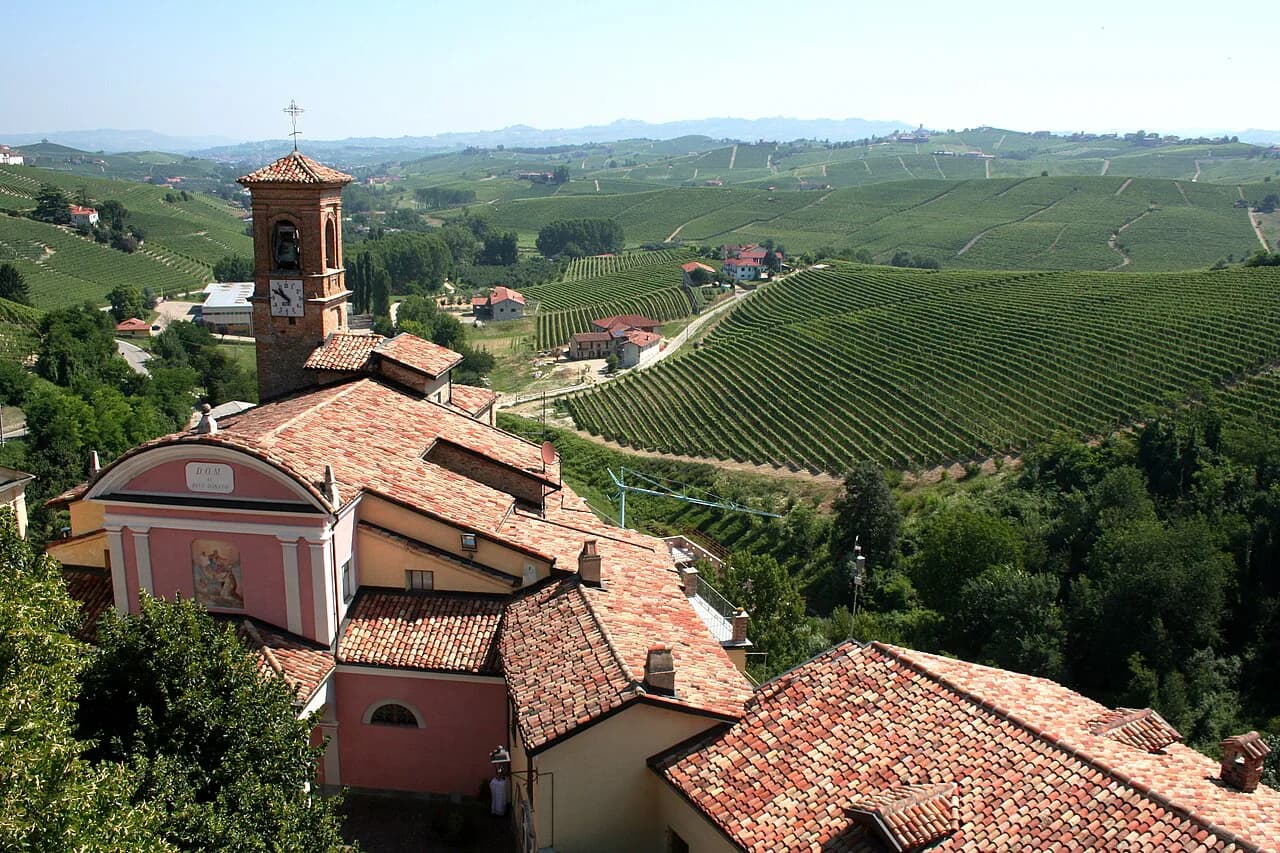
Michele Chiarlo is one of Piedmont's better-known family houses, founded in 1956 and still rooted in the Monferrato hills at Calamandrana, in Asti province. Travelers searching the name usually want one of two things: a cellar visit at the estate, or a Barolo-focused tasting in the Langhe. Those are separate places, and mixing them up is the most common planning error.
This guide separates the two addresses, explains the crus behind the labels, and sets out a realistic no-car route from Turin via Asti or Nizza Monferrato. Where the estate has not published a detail such as tasting length or price, you will find instructions for getting it directly rather than a guess.
Why Travelers Seek Out Michele Chiarlo
The Chiarlo family built its reputation on Piedmont's indigenous grapes, with particular attention to Nebbiolo, Barbera, Cortese and Moscato, and today farms roughly 110 hectares of vineyards, split between family-owned land and long-term leases. The house is now run by the founder's sons, with Alberto on business development and Stefano as oenologist.
What makes the estate useful as a wine-travel stop is its range: Barolo and Barbaresco from named crus in the Langhe, plus Nizza, Barbera d'Asti, Gavi, Roero Arneis and Moscato d'Asti from the wider region. You can build a single visit around either the structured Nebbiolo side or the fresher white and Moscato side, depending on what the cellar is pouring.
Two Addresses, Not One: Calamandrana vs. La Morra
The operating winery sits on Strada Nizza-Canelli in Calamandrana, in the province of Asti, and the estate publishes a phone number and email for contact: +39 0141 769030 and info@chiarlo.it. Use that address for anything described as a cellar visit, tasting at the winery or wine shop purchase.
Palás Cerequio is a separate hospitality project in the ancient village of La Morra, in the heart of the Barolo zone, restored by the family as a crus-themed relais. It is a Langhe address roughly an hour's drive from Calamandrana, not an annex of the winery, so treat it as its own stop with its own booking.
If your goal is a Barolo deep-dive rather than a working-cellar visit, plan around the La Morra end of the trip and browse other options in the zone alongside it, such as the Barolo wineries that receive visitors across La Morra and Monforte d'Alba.
The Wines to Know Before You Go
Chiarlo's Barolo labels come from named crus including Cerequio and Cannubi, and the Barbaresco range draws on Asili, Faset and Montestefano. Nizza and Barbera d'Asti are sourced from La Court, while Gavi, Roero Arneis and Moscato d'Asti round out the portfolio. Knowing these names lets you ask for a specific flight rather than a generic tasting.
Barolo and Barbaresco are both Nebbiolo, but they answer different questions: Barolo from La Morra-side crus such as Cerequio tends toward aromatic lift, while Barbaresco from Asili and Faset sits a little further east. Tasting both in one sitting is the clearest way to understand why the two appellations are kept separate on a Piedmont itinerary.
The white and sparkling side matters more than many visitors expect. Gavi is Cortese, Roero Arneis is a fragrant local white, and Moscato d'Asti is lightly sparkling and sweet at low alcohol, which makes it a natural finish to a tasting day; it is also a good entry point if you are building a broader wine tasting itinerary around Turin.
What Visitors Can Do at Calamandrana
The estate states plainly that Tenuta La Court and the Michele Chiarlo winery are open to wine lovers, and the site carries a dedicated tastings-at-the-cellar section alongside a wine shop and the Art Park La Court. That combination of cellar, shop and vineyard art trail is what distinguishes a visit here from a standard tasting room stop.
The Art Park La Court is a walkable sculpture route through the La Court vineyards, so a visit can be split between outdoor time and cellar time. When you book, say whether you want the park included or a cellar-focused flight, because the two change how long you should allow on site.
The estate has not published tasting prices, the number of wines poured, session length or opening days in the material available here, so ask those four questions in your booking message. That single email saves a wasted trip on a closed afternoon.
Booking the Visit
Reservations run through the winery's own online booking route, and the estate also publishes email and phone contact for direct enquiries. For a party of more than a handful, or for a specific language, the email route is more reliable than a booking form because you get a written confirmation.
Put five things in the message: your preferred date and a backup, the exact party size, whether anyone is not drinking, the language you need, and whether you want the Art Park, a cellar tasting or both. Piedmont runs on appointment culture, so a request sent a few weeks ahead is normal rather than excessive.
Harvest, usually late September into October for Nebbiolo and earlier for Moscato, is the busiest and least predictable moment in the cellar. If you travel in that window, expect slower replies and less flexibility on times, and build a second-choice winery into the day.
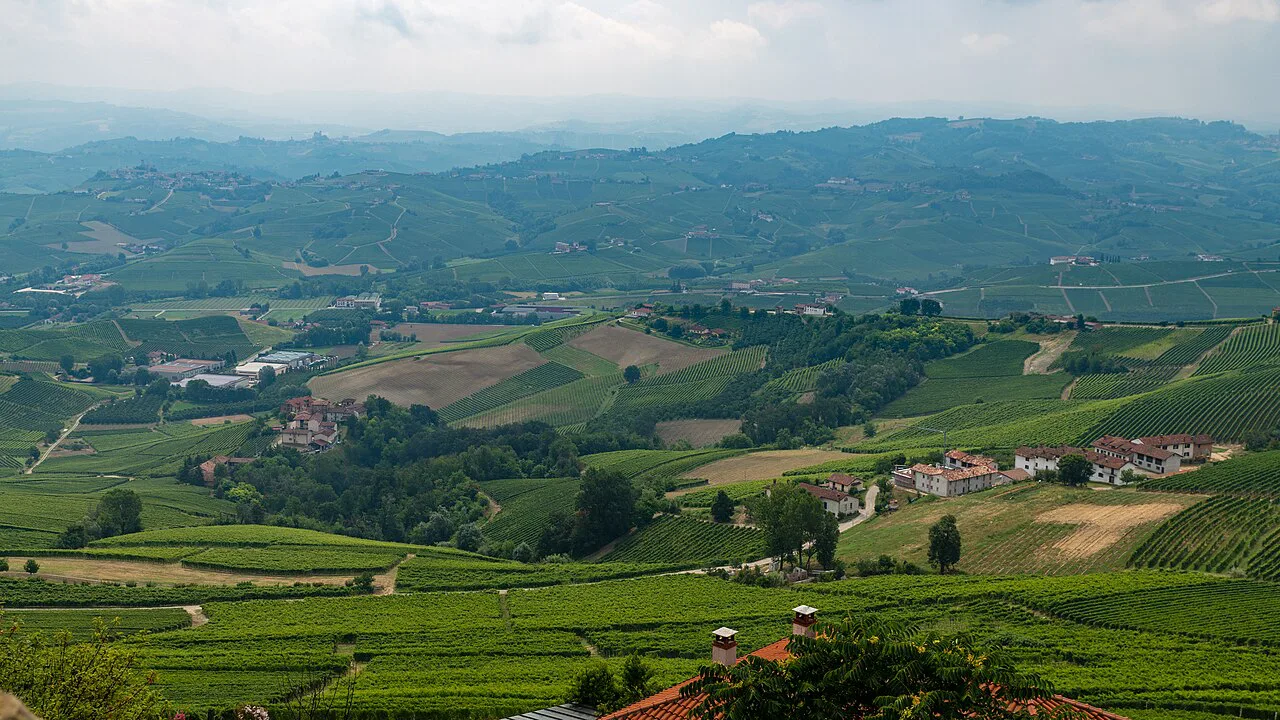
Palás Cerequio in La Morra
At Palás Cerequio the draw is the Vertigo tasting service, which lets guests assemble vertical and horizontal flights from more than 400 labels spanning nine main Barolo crus, among them Brunate, Bussia, Cannubi, Cerequio, Ginestra, Rocche dell'Annunziata and Villero. This is a Langhe experience built around comparing vineyards, not a tour of the Calamandrana production cellars.
Because it sits inside La Morra village, Palás Cerequio pairs naturally with other visits in the Barolo zone and with the broader set of Turin wineries that lie within day-trip range of the city. Treat it as the anchor for a Langhe day and Calamandrana as the anchor for a Monferrato day.
Getting There from Turin Without Driving
Calamandrana has no direct rail link to Turin, so the practical no-car pattern is a train to Asti or Nizza Monferrato followed by a taxi or a rented bike for the final stretch. Both towns sit on the regional rail network from Turin, and both have the services you need for the last leg.
That approach works, but it costs flexibility: you are tied to the taxi you arranged or to a return train, and rural taxi availability in the Monferrato hills is thin at the end of the day. Book the return leg when you arrive rather than hoping to find a car outside the winery.
A wine tour from Turin removes that problem entirely by bundling transport with appointments, which matters if you want Calamandrana and La Morra in the same trip. The trade-off is fixed timing and less freedom to linger in the Art Park.
Whoever is behind the wheel should skip the tastings rather than sip and drive; spittoons are standard at the cellar bench, and a designated driver, a tour or the train solves the problem cleanly.
Independent Trip vs. Organized Tour
Going independently gives you control over pace and lets you combine a cellar visit with a walk through the La Court vineyards and a stop in the wine shop. It also costs less on paper, since you are paying only for rail, taxi and whatever tasting fee the estate quotes.
The tour option wins when your time is short or your group is large, because someone else handles the two-site logistics and the appointment confirmations. The trade-off is that you see what is on the schedule, not what catches your eye on the day.
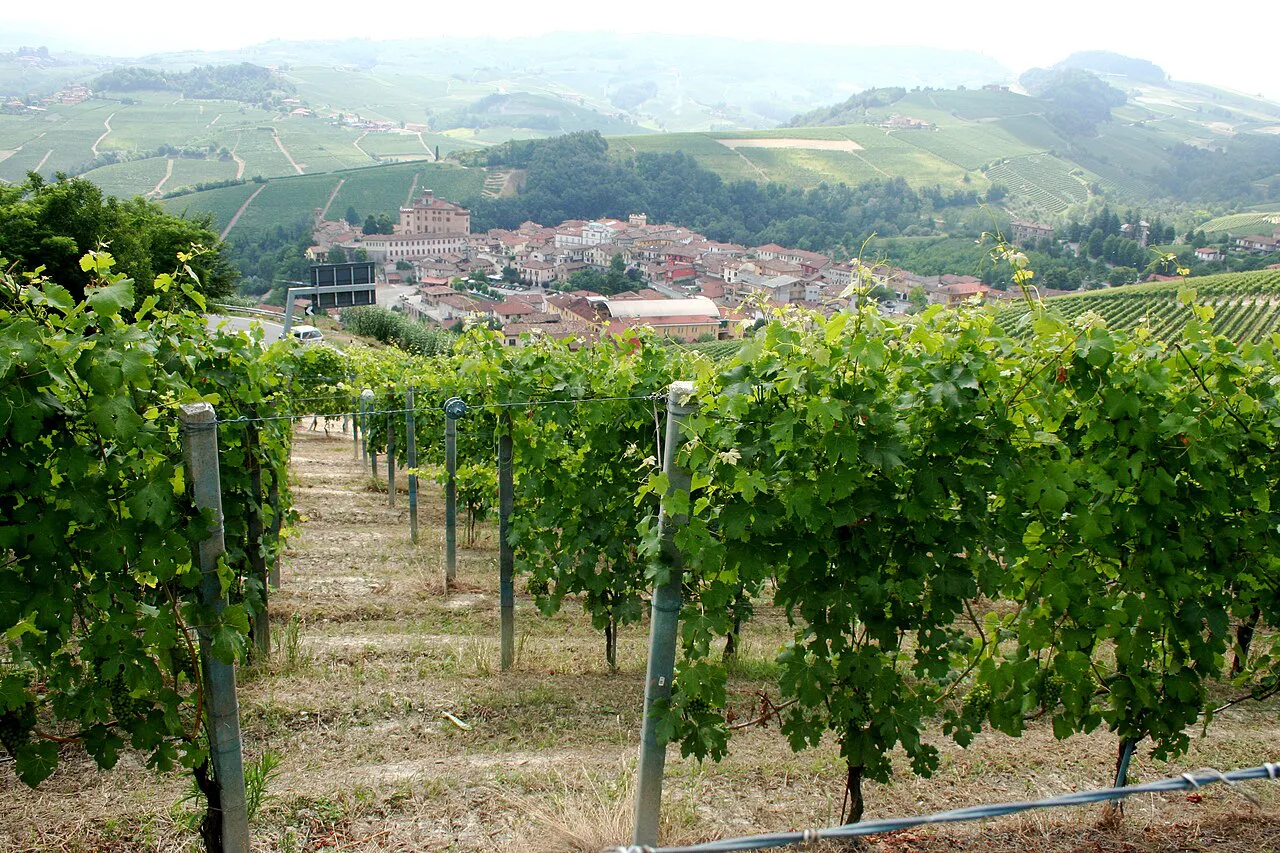
Pairing Calamandrana with the Rest of a Turin Wine Trip
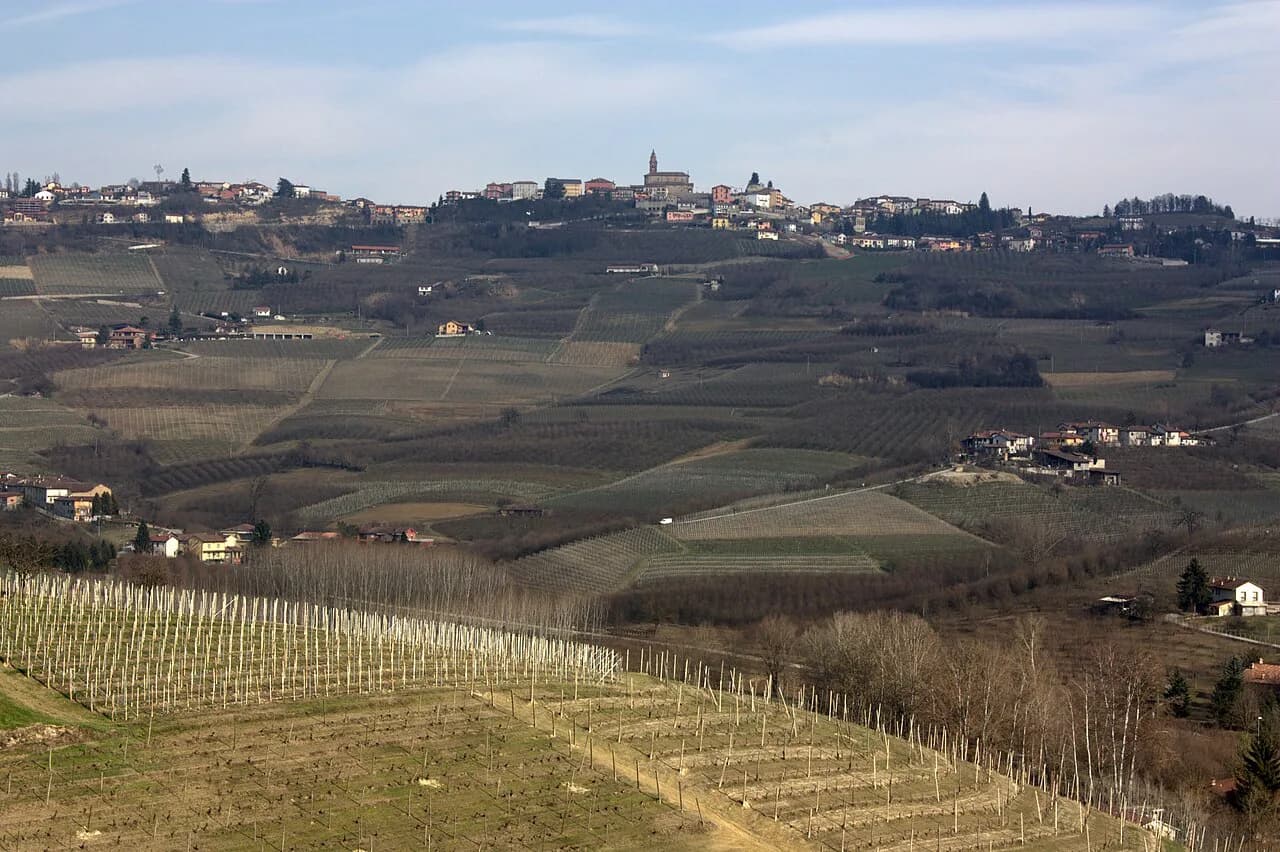
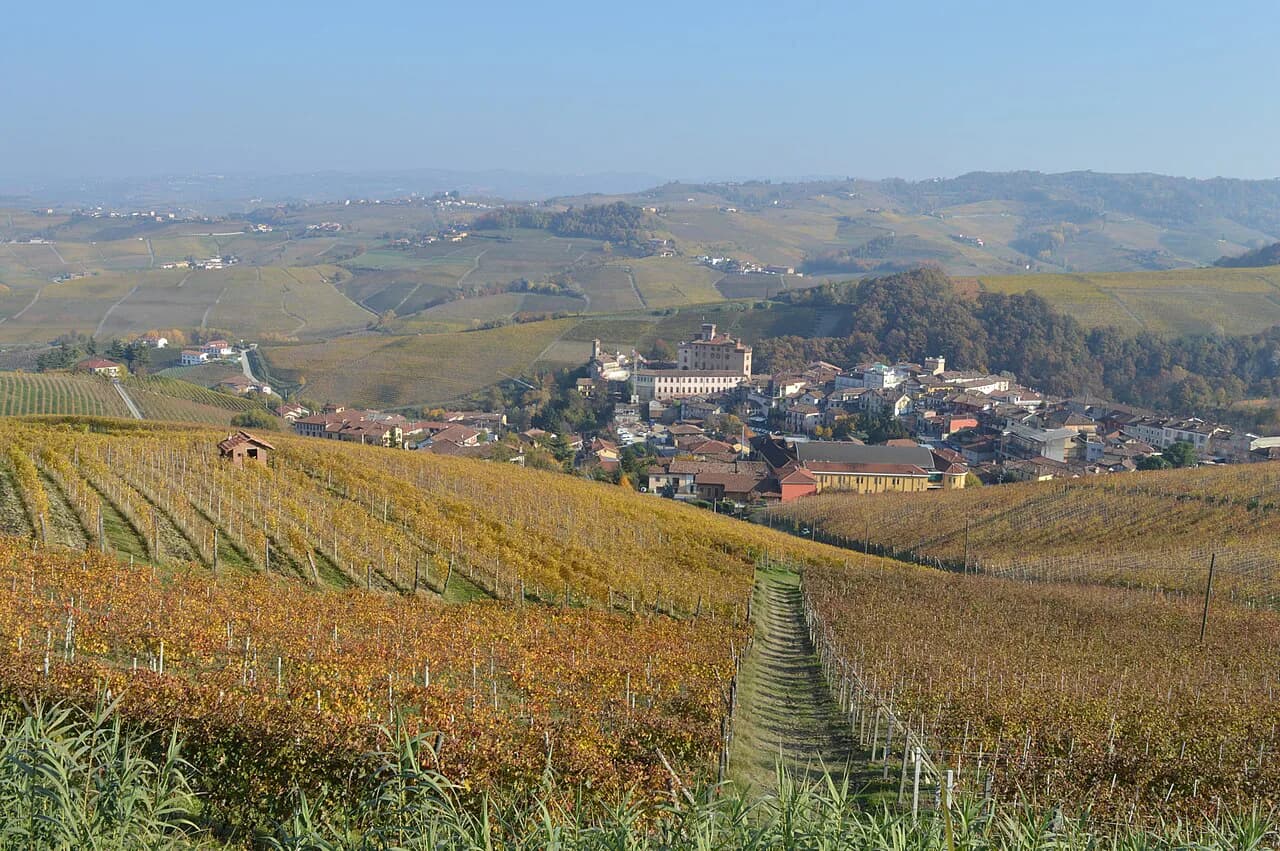
Calamandrana sits in Monferrato, so it groups naturally with Nizza Monferrato, Canelli and the Moscato and Barbera villages rather than with the Langhe. Keep the Langhe — Barolo, Barbaresco, La Morra — as a separate day so you are not crossing the same hills twice. If you would rather extend the Monferrato leg city by city, wine tasting in Bologna offers a similar single-region day built around nearby hills.
If you want a third reference point in the Langhe, the Ceretto winery visit near Alba, with its Monsordo Bernardina estate, is a common comparison stop for travelers building a multi-winery itinerary. Spacing visits at two per day is realistic once you account for drive time between villages.
Timing, Group Size and What to Ask
Spring and autumn are the most comfortable seasons for vineyard walking at La Court, while high summer makes the Art Park a morning activity rather than an afternoon one. Weekdays give you more choice of appointment slots than weekends in the Langhe and Monferrato alike.
Ask directly about the minimum party size, whether the tasting fee is deducted against purchases in the wine shop, and whether a cancellation policy applies. Those three answers determine whether a small group should book independently or join an organized wine tour from Turin.
The estate's published contact details are the fastest route to all of it, and the site's tastings page is where seasonal changes appear first. A short, specific email a few weeks out gets you a firm answer.
A Dog-Friendly Stop on the Way to Calamandrana
Travelers coming from Turin with a dog may find the Calamandrana estate a reasonable anchor for a wine-country day, because the Tenuta La Court and the Michele Chiarlo winery are described as open to all those who love wine, and the visit is built around experiencing wine, vineyard, art and landscape. The Michele Chiarlo Art Park at La Court sits within that estate in Calamandrana, so a walk through the vineyards and the open-air art is the natural way to pace a stop between tastings.
If the day is meant to end in La Morra rather than back in Turin, the Palás Cerequio is the estate's hospitality address in the heart of the Barolo zone, an ambitious hospitality project with suites named after historic Barolo crus and a wellness spa. The setting is one of the six areas that make up the fiftieth UNESCO site in Italy, the landscapes of Langhe-Roero and Monferrato, declared a World Heritage Site in 2014. A dog accompanying a driver who stays sober for the return leg is the practical arrangement here, since the winery visit revolves around tastings.
For the winery itself, the address to give a driver is Strada Nizza-Canelli, 14042 Calamandrana, Asti, Piedmont, reachable by telephone at +39 0141 769030. The estate has been vinifying the soul of Piedmont since 1956, with the first Barolo bottled in 1958, and today covers about 110 hectares of vineyards, of which 60 are family-owned and 50 are used under long-term lease agreements. That scale explains why a visit can be shaped around the outdoors as much as the cellar, with the vineyards of Nebbiolo, Barbera, Cortese and Moscato as the backdrop for a leashed walk before or after the tasting.
Plan Your Visit
Choose your address first: Calamandrana for the working winery, cellar tastings, wine shop and Art Park, or La Morra for the Palás Cerequio crus experience. Then decide between rail plus taxi and a guided tour, and write to the estate with your date, party size and language so the visit is confirmed before you travel.
Frequently Asked Questions
Is Michele Chiarlo's winery open to visitors?
Yes. The estate states that Tenuta La Court and the Michele Chiarlo winery in Calamandrana are open to wine lovers, with a tastings-at-the-cellar offer, a wine shop and the Art Park La Court vineyard trail. Book ahead through the winery's site, email or phone.
Where is the Michele Chiarlo winery located?
The operating winery is at Strada Nizza-Canelli, 14042 Calamandrana, in the province of Asti in Piedmont's Monferrato hills. This is a different address from Palás Cerequio, the family's Barolo crus relais in La Morra.
Do you need an appointment to visit Michele Chiarlo?
The estate runs an online booking route alongside published email and phone contacts, and appointment-based visits are the norm in Piedmont. Send your date, party size, language and whether you want the Art Park or a cellar tasting, and ask about minimum party size.
How do you get to Michele Chiarlo from Turin without a car?
Take a regional train from Turin to Asti or Nizza Monferrato, then a taxi or bike for the final stretch to Calamandrana; there is no direct rail link to the village. Arrange your return taxi in advance, or join an organized wine tour from Turin that includes transport.
Is Palás Cerequio the same as the Michele Chiarlo winery?
No. Palás Cerequio is a restored village relais in La Morra, in the Barolo zone, with a Vertigo tasting service covering more than 400 labels across nine Barolo crus. The working winery is in Calamandrana, roughly an hour away by road.
What wines can you taste at Michele Chiarlo?
Depending on the flight offered, expect Barolo from crus such as Cerequio and Cannubi, Barbaresco from Asili, Faset and Montestefano, Nizza and Barbera d'Asti from La Court, plus Gavi, Roero Arneis and Moscato d'Asti. Ask which wines are open on your date when you book.
Is Michele Chiarlo Moscato sweet?
Moscato d'Asti is a lightly sparkling, sweet, low-alcohol white made from the Moscato grape, and it is one of the estate's wines. It is typically served at the end of a tasting rather than at the start.
Sources
Notes for your next wine trip
Optional updates to our winery and wine-town guides.
You might also like
Continue reading
More guides you'll find useful