Piedmont Wine Tour Guide: Turin, Barolo or Langhe?
Plan a Piedmont wine tour from Turin or Alba: village zones, tour prices, tasting lengths, booking lead times and how to reach the Langhe hills.
On this page
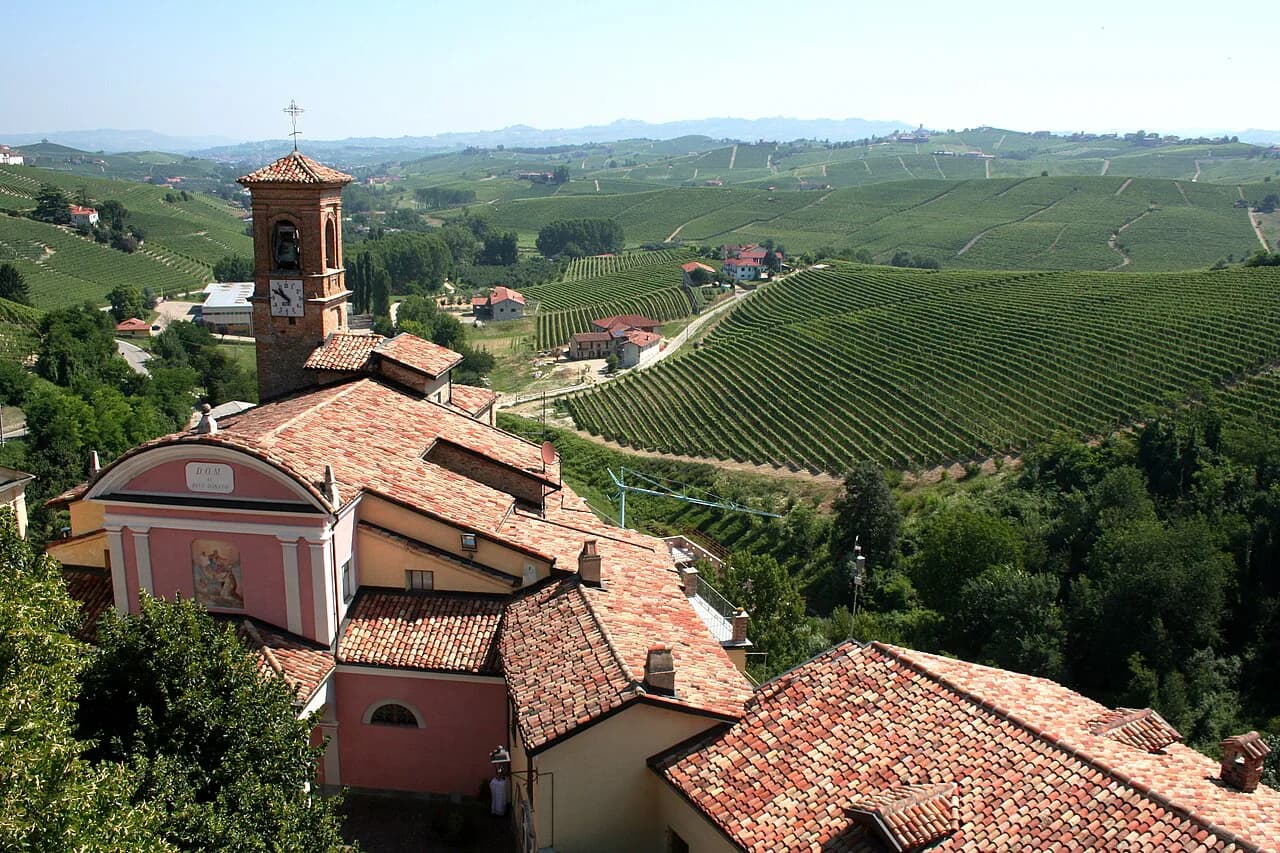
A Piedmont wine tour is less about ticking off cellars than about arranging a day that fits the hills. Barolo and Barbaresco are made from Nebbiolo in villages strung across the Langhe, in the lower Piedmont between the provinces of Cuneo and Asti south of Turin, and most estates receive visitors by appointment rather than at the door. The reward for planning is a seated, guided tasting in a family cellar instead of a hurried stop.
This guide treats Turin as the arrival city and Alba as the wine-country base, then shows how the Barolo villages, the Barbaresco villages and Roero fit into one, two or three days. It uses published from-prices and tour structures, and it flags the places where you have to ask an estate directly because no figure is public.
Why Piedmont Rewards a Planned Tour
In the Langhe the drive between villages is short in kilometers but slow in minutes, and a tasting usually runs 75 to 90 minutes, seated and led by a family member or trained host. That combination is why two tastings a day is the realistic ceiling, and why squeezing in a third usually costs you the attention the wines deserve. The region rewards a slower rhythm than a Napa-style tasting crawl.
Most travellers arrive through Turin or Milan and transfer to Alba. The drive from Turin takes just over an hour, while Milan runs closer to two hours, so a Turin arrival leaves room for a light afternoon and an introductory glass of Barbera or Dolcetto rather than a full Nebbiolo program on day one.
Alba itself is compact and walkable, with a historic center that gives you a gentle first evening and a natural anchor for the week's loop through Barbaresco, Barolo, La Morra and Monforte d'Alba. Building the plan around Alba keeps the driving down and the meals long, which is how the region is meant to be taken.
Pick Your Base: Turin Versus Alba
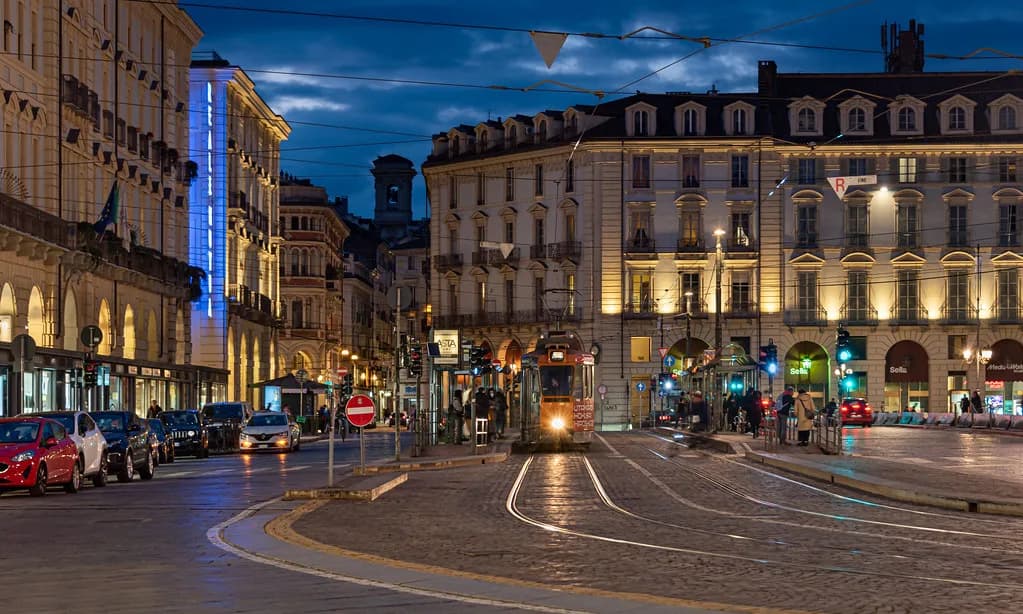
Turin makes sense if you are flying in, staying in the city and want a single guided day out; operators collect guests from hotels and main railway stations across the Langhe area, so a Turin-based traveller can join a tour that starts in Alba. Alba makes sense if wine is the point of the trip, because you wake up inside the hills and cut the transfer time.
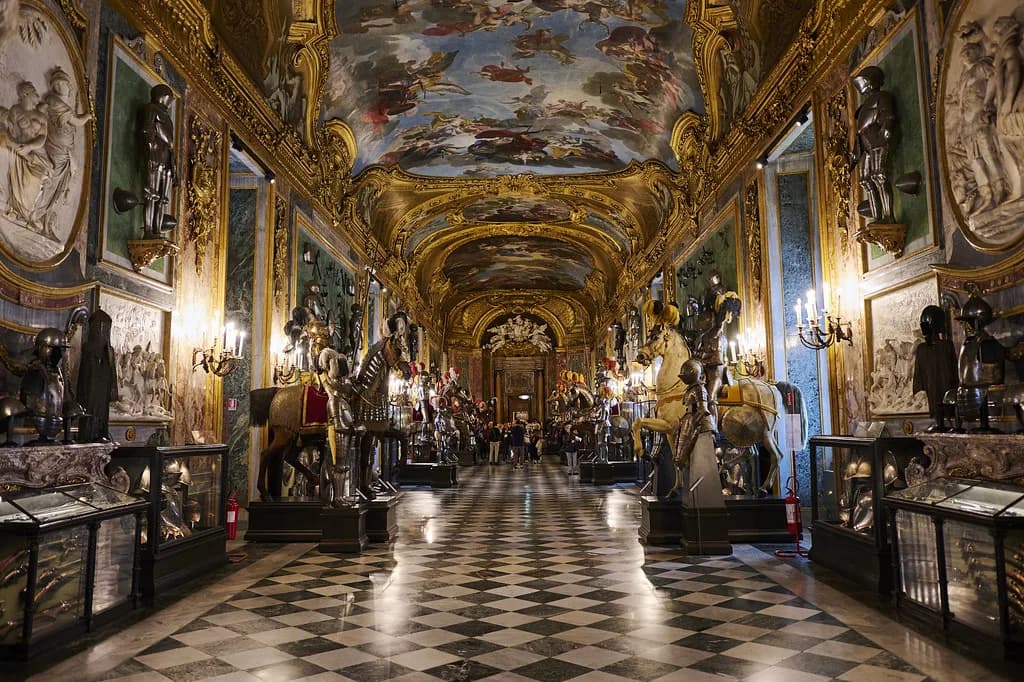
For a city-based trip that still touches Nebbiolo country, a wine tour from Turin is the cleanest option: you avoid the village-to-village last mile and the question of who drives. If you want the broader city picture first, the wine tasting in Turin guide covers what is pour-able without leaving town, from Nebbiolo to Moscato d'Asti.
Alba wins on logistics for anyone planning two or more tasting days. Dining options and a compact center make it forgiving after a long lunch, while countryside stays trade that convenience for immersion and privacy but demand careful routing each morning. Many visitors split the trip between Alba and a rural estate.
How the Zones Fit Together
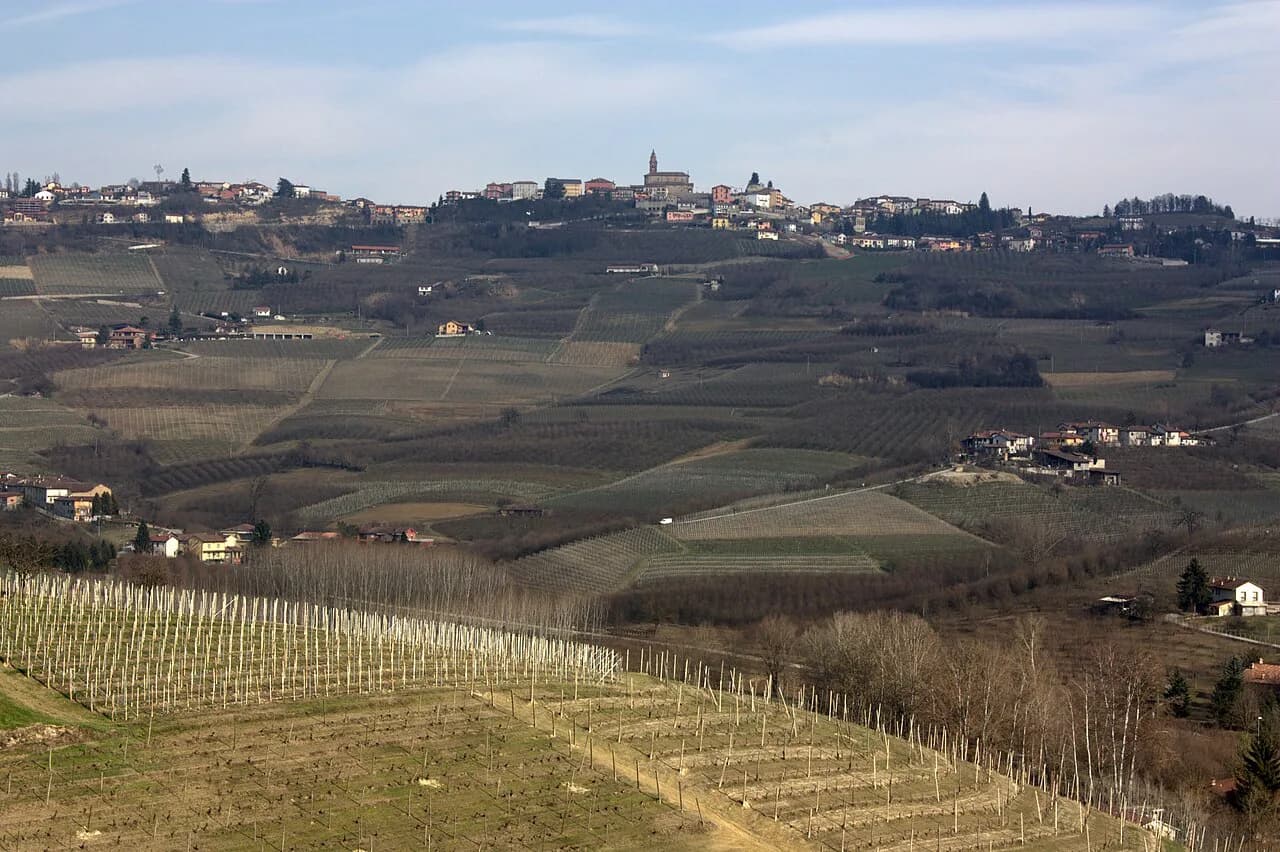
Treat the Langhe as three separate outings. The Barolo zone covers Barolo, La Morra, Serralunga d'Alba, Monforte d'Alba and Verduno; the Barbaresco zone is smaller, built around Barbaresco, Neive and Treiso; and Roero sits north of the Tanaro river with a rounder, gentler landscape. Grouping villages this way keeps each day to one landscape and one style of wine.
A Barbaresco-first day works well as an introduction, with a morning visit near Barbaresco village and lunch in Neive, one of the quietest and most charming hill towns in the Langhe. Save the more structured Barolo cellars for later in the trip, when you have context for comparing vineyard sites.
La Morra is the orientation stop for Barolo: its viewpoints make aspect, elevation and exposure visible, so vineyard boundaries stop being abstract before you taste. From there, Monforte d'Alba offers a quieter, more vertical village with the atmosphere to match its structured wines.
What You Will Taste
Nebbiolo is the grape behind both Barolo and Barbaresco, and the two are not a ranking. Barolo tends to be more powerful and structured, shaped by long ageing; Barbaresco is often perceived as more elegant and approachable earlier. Tasting them side by side over several days is the clearest way to understand the difference.
Barbera is the easy entry point, softer and juicier, and it belongs early in a trip or on a day when you want a generous rather than demanding tasting. Dolcetto brings lighter, fruit-forward contrast, and Arneis from Roero gives freshness after a run of Nebbiolo.
Later in the week you may meet Moscato d'Asti, a lightly sparkling sweet wine from the Asti hills that provides lift rather than weight. The wine tasting overview is a sensible primer before you commit an afternoon to it.
Independent Versus Guided: The Last-Mile Problem
Getting to Alba independently is manageable; getting from Alba to a cluster of hilltop estates without a car is the hard part. Village roads are winding and slow, and parking at small family cellars is often limited. That last mile, not the tour fee, is where independent plans usually break down.
Guided tours solve it directly. Piedmont Wine Tours runs exclusively private days in a Mercedes V-class van for a maximum of eight participants, with pickup and drop-off from main Langhe hotels and railway stations, and its own licensed insured vehicles. That structure suits couples and small groups who want the driving and the appointments handled together.
Independent travellers still have good options: a guided wine tour from Turin for one day, a taxi arranged in advance between two pre-booked estates, or a bike on the flatter Roero side. Each trade-off is different, but all of them assume you have confirmed the estate appointment before you set out.

What a Private Day Tour Actually Costs
Published from-prices give a working budget. Piedmont Wine Tours lists its one-day Barolo, Barbaresco and Italian Champagne tours from €190 per person for about nine hours, two-day tours from €380, and a three-day Langhe and Roero tour from €570, with a truffle hunt priced from €80 for two hours.
Read those figures as starting points rather than totals. A private tour's inclusions vary by operator, so ask in writing whether tasting fees, lunch and cellar visits sit inside the price or on top, and whether the day is priced per person or per vehicle.
Tasting fees at estates are typically around €30 to €80 per visit, often waived with a purchase, according to Into the Vineyard's planning notes. Confirm the fee when you book, since it is set by each estate rather than by the region.
How a Typical Tasting Day Is Paced
Two tastings is the practical maximum in Piedmont. Book a late-morning slot around 10:00 to 11:00 and a mid-afternoon one around 15:00, with a long lunch between. Each tasting typically runs 75 to 90 minutes and is seated, so the day is information-dense rather than physically tiring.
Pacing matters as much as the schedule. On Barolo days, plan a scenic lunch or an agriturismo meal in the countryside and resist a second formal tasting unless energy is high. Alternating Nebbiolo-heavy days with Barbera or Roero whites keeps the palate fresh across a week.
Many operators build in food stops. Piedmont Food & Wine arranges custom itineraries that combine vineyard and cellar visits with cookery classes and truffle hunting, which is useful if you want the day to carry more than wine.

Booking Mechanics: Appointments, Lead Times and What to Write
Nearly all wineries in Barolo and Barbaresco require advance reservations, and walk-ins are rare. Book at least two to four weeks ahead, longer in peak season, and state your preferred day, time window, party size, and whether you want a cellar tour with the tasting.
Email usually works for an initial request, especially if you can name a preferred village and style; follow up by phone if you are inside a few weeks of travel, since small estates answer sporadically during harvest. Operators publish direct contact details, and Piedmont Food & Wine takes enquiries by email and phone for custom tours.
Ask three questions in the request: how many wines are poured, whether the visit includes a cellar or vineyard walk, and the fee with any purchase waiver. That saves a second exchange and tells you whether the estate suits your group before you commit.
Seasonal Choices: Shoulder Months, Harvest and Truffle Season
May and June, plus September into early October, are the most balanced windows: green or turning vineyards, comfortable temperatures and generous winery access. They suit tasting-heavy days without the pressure of peak demand.
Harvest, roughly late September through October, can be extraordinary but demands lighter tasting days and firmer advance planning. The Alba white truffle window from October into November intensifies food experiences but tightens availability across hotels and restaurants, so decide early whether the trip is built around truffles or wine.
Piedmont Food & Wine frames the region around exactly this calendar, pairing wine tours with its famous produce: white truffles, hazelnuts from Alba, risotto rice and cheeses such as Gorgonzola and Castelmagno. If your dates land in truffle season, one truffle-focused day and one lighter wine day is a workable split.
Two- and Three-Day Extensions Without Palate Fatigue
After two days of Nebbiolo, spend a day in the southern Langhe where Barbera and Dolcetto dominate. Morning tastings there are relaxed and often led by the winemakers themselves, and the landscape opens up so the day feels expansive rather than scheduled.
From there, Roero offers a genuine reset: rolling hills, lighter wines such as Arneis and a more informal tasting culture. It works well as a cultural pause before a final day in Alba spent on gastronomy rather than more cellars.
Canelli, east toward Asti, is where the spumante tradition sits, and operators including Piedmont Wine Tours run an Italian Champagne tour that groups Canelli with Neive from €190 per person for about nine hours. It is a good third-day contrast because the wine style, and the landscape, change entirely.
When you want a shortlist of named estates to slot into your own driving plan, the Barolo wineries guide covers visitable cellars by village, including La Morra and Monforte d'Alba.
Drinking and Driving in the Hills
The simplest rule for a wine day is that the driver does not taste. Use the spittoons offered at serious tastings, travel with a designated driver, or book a licensed tour vehicle or public transport so nobody is judging the hairpins after the second Nebbiolo.
Getting around Turin and reaching wine country car-free is covered in the city and tour guides linked above, and it is the soundest way to keep a group's afternoon both enjoyable and legal.
Plan Your Visit
Build the trip in this order: choose Alba as your base if wine is the priority, pick Turin for a single guided day out, then group your bookings by zone so no day crosses from Barbaresco to Barolo and back. Two tastings a day, booked two to four weeks out, is the plan that fits the hills.
Budget from the from-prices and confirm what is included, and name the fee question in your booking email. If you are weighing a city-based add-on against the Langhe, the Bologna wine guide shows how a compact Italian wine region fits around a single urban base. Anything you cannot confirm on an estate's own page is worth one direct enquiry before you travel.
For the wider frame, keep the wine tasting overview and the Wine Tours from Turin guide to hand, and leave space in the itinerary for the long lunch that will almost certainly become the highlight.
Frequently Asked Questions
Should you base in Turin or Alba for a Piedmont wine tour?
Alba suits anyone planning two or more tasting days, because it sits inside the Langhe and shortens every drive; countryside stays trade convenience for privacy and need careful routing. Turin suits a city stay with one guided day out, since tour operators offer pickup from main hotels and railway stations in the Langhe area.
How do you get to Barolo country from Turin without a car?
The usual pattern is a train or transfer to Alba, then a guided tour, pre-arranged taxi or a licensed tour vehicle for the hill villages. The last mile between estates is the hard part, so arrange it before you travel rather than relying on finding transport in a hill town.
How much does a Piedmont wine tour cost?
Piedmont Wine Tours publishes one-day tours from about the price of its Barolo and Barbaresco itineraries, with multi-day rates that lower the per-day cost, and a short truffle hunt at a lower figure. Estate tasting fees are set separately, typically in the tens of euros and sometimes waived with a purchase, so ask what is included before booking.
How far in advance should you book winery tastings in Barolo and Barbaresco?
Plan two to four weeks ahead, and longer in peak season or during truffle season. Nearly all estates require reservations and walk-ins are rare, so send your preferred day, party size and time window early, then follow up by phone if your date is close.
How many tastings can you do in one day in Piedmont?
Two. Tastings are seated and guided, usually 75 to 90 minutes, so a late-morning slot and a mid-afternoon slot with a long lunch between is the realistic shape of a day. A third visit usually costs you attention rather than adding pleasure.
What is the difference between Barolo and Barbaresco?
Both are made from Nebbiolo, but Barolo is generally more powerful and structured with long ageing, while Barbaresco is often perceived as more elegant and approachable earlier. Neither is better; tasting them across several days is the clearest way to see how place shapes the grape.
When is the best time of year for a Piedmont wine tour?
May and June and September into early October give the most balanced conditions, with comfortable temperatures and generous winery access. Harvest from late September can be rewarding but needs lighter days and earlier planning, and the October to November truffle season raises demand around Alba.
Sources
Notes for your next wine trip
Optional updates to our winery and wine-town guides.
You might also like
Continue reading
More guides you'll find useful