Pio Cesare Winery in Alba: Visiting from Turin
Pio Cesare's historic cellars sit in central Alba, about an hour from Turin by train. Here's how the visit works and how to plan the day.
On this page
Pio Cesare is one of the Langhe's historic names, and its cellars sit in the middle of Alba rather than on a vineyard ridge. That single fact reshapes the trip: you are not driving between hill villages but stepping off a train and walking into a working town cellar. For anyone based in Turin, it is the most straightforward serious winery visit in the Langhe to attempt without a car.
This guide covers where the winery sits in relation to Barolo and Barbaresco, which wines to know before you arrive, how a cellar visit is structured, and how to book. It also weighs the train-and-walk plan against a guided Langhe day, so you can pick the shape that fits your schedule.
Why Pio Cesare: A Historic Alba House, Not a Country Estate
Most Langhe wine tourism assumes a car and a string of farm estates on ridge roads. Pio Cesare breaks that pattern: it is an urban winery in Alba, founded in the 19th century and still family-run, according to retailer background on the house. Visitors come for the cellars and the historic facility rather than for vineyard views.
A first-hand account of a visit describes the facility as part modern winery, part historic time capsule, with a long cellar tour that passes Roman-era city walls far below ground and a stash of old Barolos from the early 1900s. That combination of working production and buried history is the reason to choose this visit over a simple tasting room.
Traveler reviews confirm the estate is family-owned and grows Barolo and Barbaresco fruit, which tells you the visit is built around Nebbiolo rather than around white wines or sparkling. If your group wants a vineyard walk between rows, plan a second stop in the hills; if you want cellars, cooperage and old vintages in one compact stop, this is the better fit.
Where It Is: Alba Town Center in the Langhe
Alba sits in the Tanaro valley in Piedmont's Cuneo province, roughly midway between the Barolo zone to the southwest and the Barbaresco zone to the northeast. Pio Cesare's cellars are in the town itself, so you arrive on foot rather than by a farm track. Treat drive and rail times as approximate and build some slack into any schedule that connects the two.
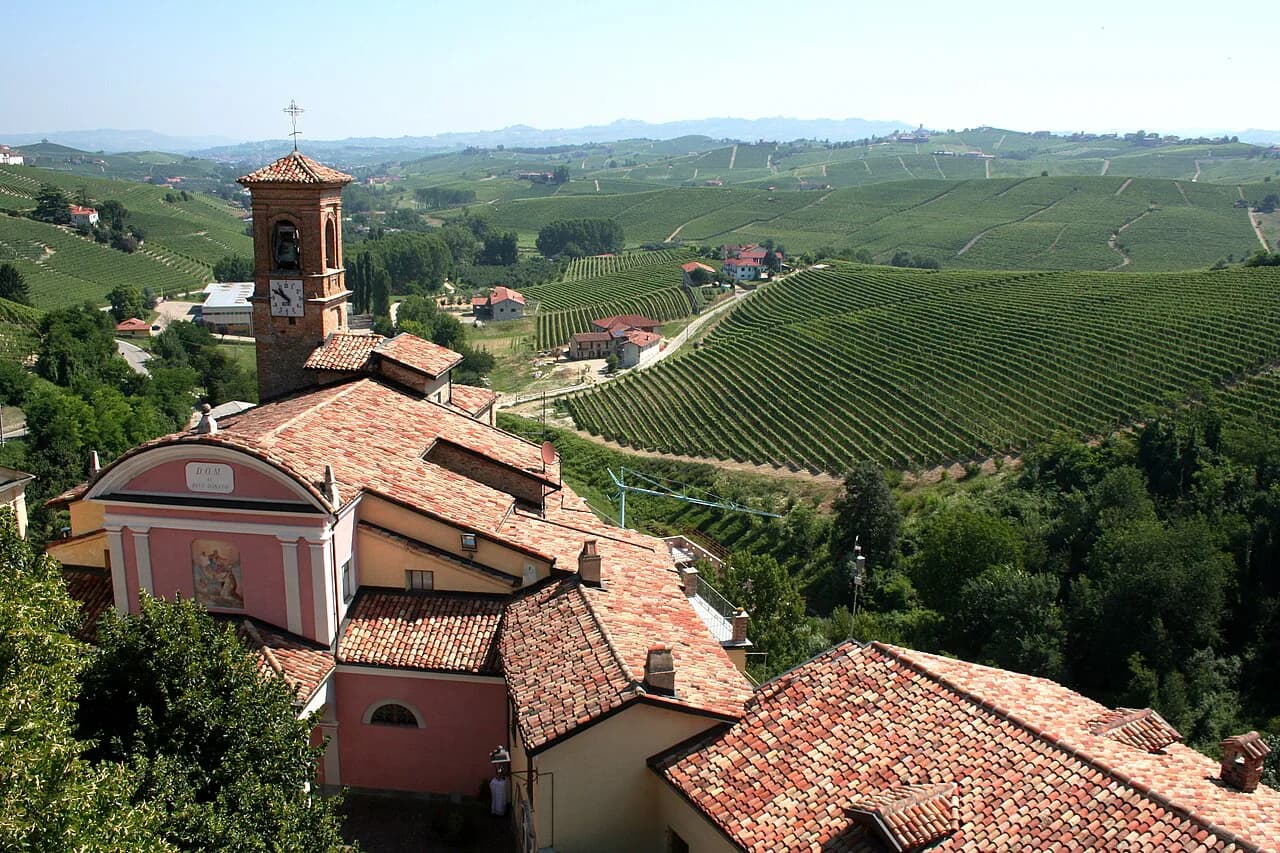
This matters when you group stops. Barolo and Barbaresco are separate hill villages, each with its own cluster of producers, and La Morra and Monforte d'Alba sit in the Barolo commune area. A sensible day pairs an Alba cellar with a walk and a meal in town, and saves the hill villages for a day when you have wheels or a driver.
If your wider trip is built around the city, the broader guide to wine tasting in Turin explains which Piedmont zones are reachable as day trips and how the pieces fit together. Use it to decide whether Alba gets a full day or a half day alongside something closer to Turin.
The Wines to Know Before You Go
Pio Cesare's core is Nebbiolo, the grape behind both Barolo and Barbaresco. Barolo is the bigger, more structured of the two and comes from a defined zone around the town of Barolo; Barbaresco is made from Nebbiolo grown near Barbaresco and tends to be approached a little earlier. Knowing this helps you read a tasting list and ask sensible questions.
The estate also bottles Barbera d'Alba, from the Piedmont grape with bright acidity and dark fruit, and Dolcetto, a softer everyday red. Retailer notes list these alongside the Nebbiolo wines and name crus such as Ornato in Serralunga d'Alba, which is useful vocabulary if you want to ask about vineyard sources during the visit.
The cellar account mentions pours of Barbaresco and Barolo Ornato during a brief tasting, which gives a realistic sense of what a short visit might include when arranged through a contact. Do not assume a fixed lineup: what is open depends on the day and the arrangement, so ask what will be poured when you book rather than planning around a specific bottle.
If Nebbiolo is the goal across the whole trip, compare Alba's town cellars with the estates profiled in the guide to Barolo wineries before committing days. Splitting time between an Alba visit and one hill-village appointment gives a fuller picture than two town tastings back to back. For the same town-cellar decision made elsewhere in Italy, the Bologna wine guide is a useful parallel.
What a Cellar Visit Typically Covers
The visit is built on the underground cellars. The published account describes a long route through the facility, past pressed skins destined for grappa, a cask room, and a cellar holding old Barolo vintages dating to 1909. Roman-era city walls lie far below the streets of Alba and are visible along the way, which is unusual even by Piedmont standards.
Because the cellars are under the town, expect stairs, uneven surfaces and cool temperatures rather than a vineyard walk. Wear shoes you can stand in for an hour and bring a layer even in summer. Photography is generally allowed on such tours, but ask before using a flash in the old-vintage cellar.
The number of wines poured, whether a tour is included with a tasting, and how long the whole thing runs are set by the winery and vary by arrangement. Those are the first questions to raise in your booking email, because the answer determines whether you should also book a separate tasting elsewhere in Alba.
How Booking Works: Appointment-First Town Cellars
Alba's town-center cellars run on appointments rather than drop-in traffic. The visit described in the account came about because a friend arranged it in advance, which is the normal pattern for a producer of this scale. Email early, state your date and party size, and ask what the visit includes before you build a day around it.
A useful booking message asks four things: whether a tour of the cellars is part of the visit, how many wines are poured, whether there is a charge and how it is paid, and whether the visit is in Italian, English or both. Also ask about access for anyone in the group who cannot manage stairs. The winery publishes its current contact details and booking route, so use those rather than a third-party reseller.
One confirmation email near the date is enough to settle logistics; the winery is the only authority on what is running that week. Build your travel plans around the appointment time rather than the reverse, since a fixed slot is what makes a same-day return to Turin comfortable.
Getting There from Turin Without a Car
Turin to Alba is a regional rail run of roughly an hour to ninety minutes depending on connections, so a car-free day is realistic. Check the current timetable with Trenitalia before you commit, because regional services vary by season and day of the week.
From Alba station the historic center is a short walk, and Pio Cesare's cellars are inside that center rather than on an industrial edge. That is the practical advantage of an Alba visit over a hill estate: no taxi, no designated driver, and no compromise on tasting.
If you would rather hand over the logistics, a wine tour from Turin removes the timetable problem and often bundles a hill-village stop with the town. The trade-off is cost and a fixed itinerary against the freedom to linger in Alba afterward.
Independent Rail Trip vs. a Guided Langhe Day
Going independently suits travelers who want one focused visit, a long lunch and a wander through Alba's arcaded center. You control the pace, you pay only for the train and whatever the visit costs, and you can leave when you like. The constraint is that you will not see the vineyard landscapes of Barolo or Barbaresco unless you add transport.
A guided day covers more ground and solves the hill-village transport problem, but it usually means a set schedule and a group pace. Compare the two honestly on what you actually want: deep time in one cellar, or a broad sweep of the Langhe. Groups of three or more often find the tour arithmetic better than expected once taxis and missed trains are counted.
If tasting at several producers is the priority, the guide to Turin wineries lays out the options in and around the city and helps you judge how much of the trip to give to Alba. It is a useful check before locking a single appointment.
Grouping Alba with the Surrounding Hills
A realistic one-day shape from Turin: a morning train, the Pio Cesare cellar visit, lunch in Alba, an afternoon walk through town, and an evening train back. That is a full day without a car. Resist adding a hill village on the same day unless you have a driver, because the connections between Alba and the ridge villages eat time.
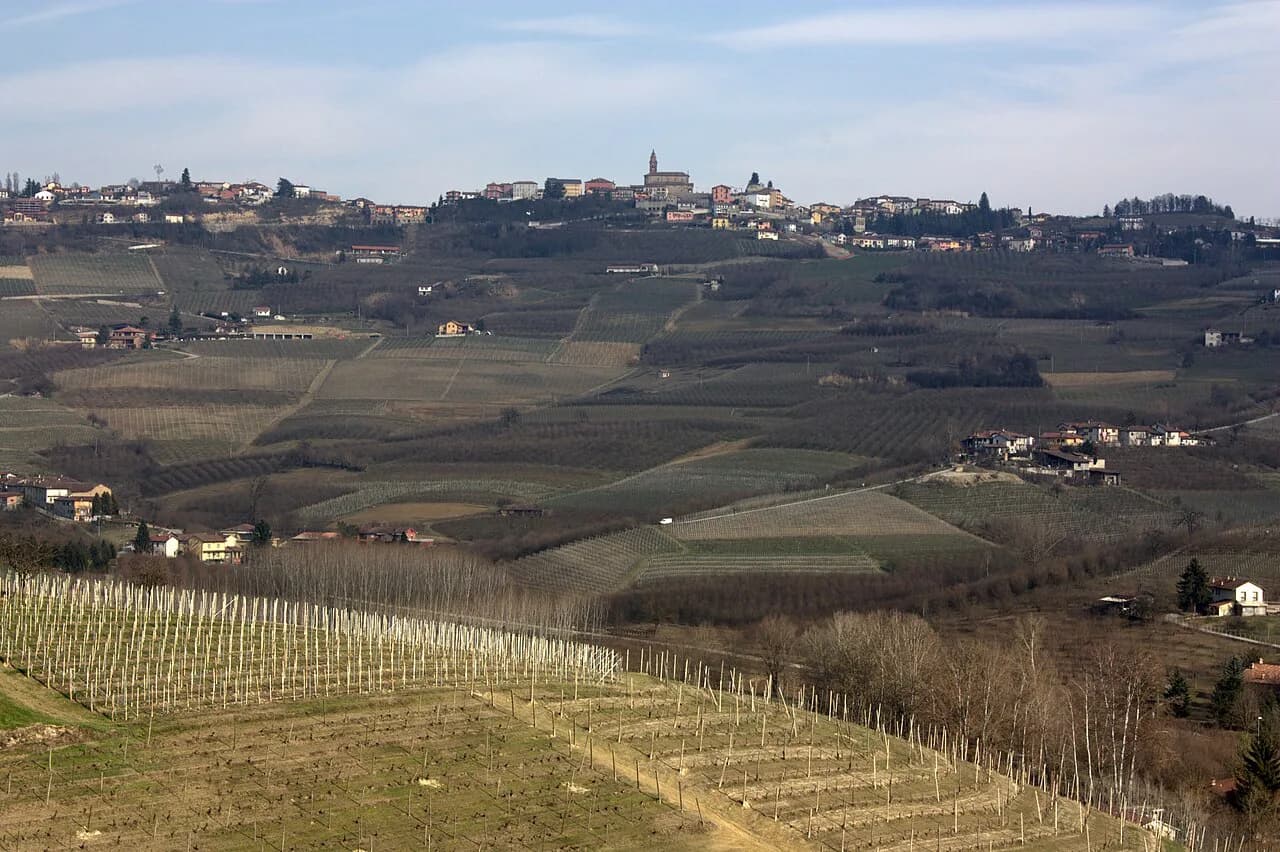
With a second day, use Alba as a base and head into the Barolo zone, where villages such as La Morra and Monforte d'Alba anchor the ridge roads. Producers there differ in character from a town cellar, and visiting both gives a clearer sense of how the Langhe works.
Readers who want a second named estate in the hills can compare styles using the profile of the Ceretto winery and its Monsordo Bernardina site before deciding where to spend a limited appointment. Booking both in one day is usually too much without a car.
Seasonal Timing: Harvest and Why Autumn Books Out
Langhe harvest typically falls in September and October, when Nebbiolo is picked and cellars are at their busiest. That is the most atmospheric time to be in Alba, but it is also when appointments are hardest to secure and accommodation fills. Book well ahead if autumn is your plan.
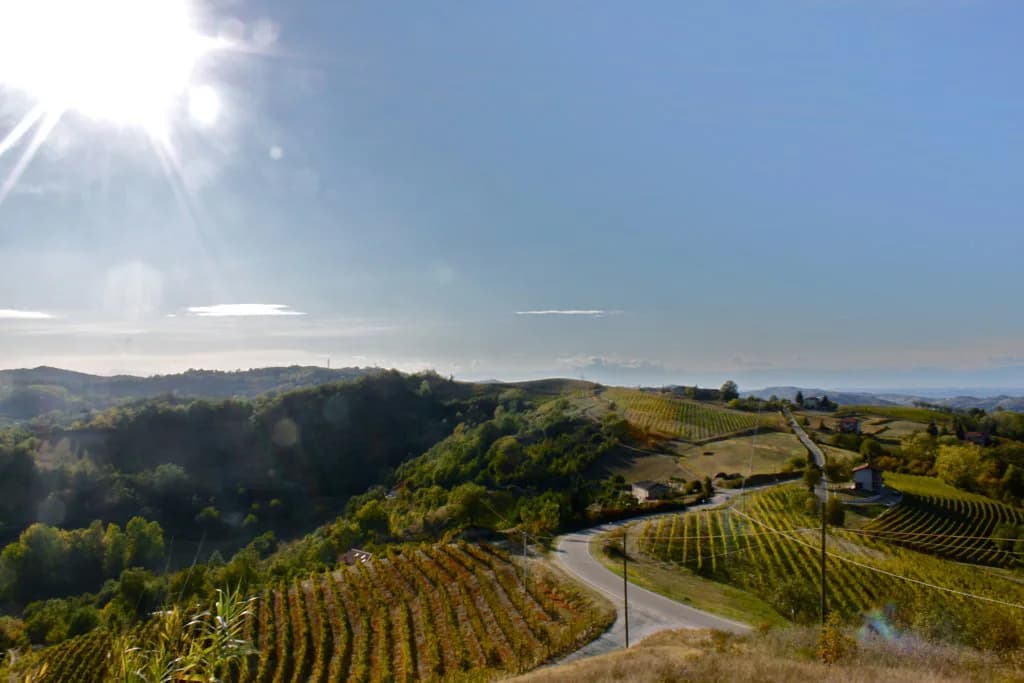
Spring and early summer bring vineyard work and green hills, while winter is quiet, cold and fog-prone but often easier for securing a visit. Truffle season in autumn draws crowds to Alba independently of wine, so check what else is happening in town before you fix a date.
Whatever the season, confirm the appointment close to your travel date, since harvest and staffing change what a working cellar can offer from week to week.
Responsible Tasting on a Wine Day
If you drive, do not taste: use the spittoons, agree on a designated driver, or take the train and the tour options instead. A rail-based Alba day solves this neatly, since the station is a walk from the cellars. If you are interested in the sweeter side of Piedmont, Moscato d'Asti country lies to the east and is usually tackled on a separate outing.
Eat before and during the visit, drink water alongside the wine, and treat a cellar tour as a long walk with tastings rather than a bar stop. The visit is for adults of legal drinking age, and pacing yourself keeps the afternoon in Alba enjoyable.
Plan Your Visit
Pio Cesare gives Turin-based travelers a rare thing in the Langhe: a serious, historic winery visit reachable by train and on foot. The cellars beneath Alba, the Roman walls and the old-vintage room are the draw, and the Nebbiolo range gives the tasting its context.
Book the appointment first, ask what the visit covers, and build the train times around the slot. If you want the hills as well, add a second day or a guided wine tour from Turin rather than squeezing both into one.
Frequently Asked Questions
Is Pio Cesare in Alba or in Barolo?
Pio Cesare is based in Alba, in the town center, not in the Barolo village. The Barolo and Barbaresco names refer to the wines and their appellation zones in the surrounding hills. That town location is what makes a car-free visit from Turin practical.
Can you visit Pio Cesare without a car from Turin?
Yes, in principle. Regional trains connect Turin and Alba in roughly an hour to ninety minutes depending on connections, and the cellars are a short walk from Alba station. Check the current timetable with the rail operator and confirm your appointment before booking travel.
Do you need an appointment to taste at Pio Cesare?
Expect to arrange the visit in advance. Alba's historic town cellars work on appointments rather than drop-in tastings, and the visit described in published accounts was set up ahead of time. Email or call the winery through its own contact details to request a slot.
What wines does Pio Cesare make?
The estate is known for Barolo and Barbaresco from Nebbiolo, alongside Barbera d'Alba and Dolcetto. Retailer notes also mention crus such as Ornato in Serralunga d'Alba. What is actually poured on your visit depends on the arrangement, so ask when you book.
How long does a cellar visit at Pio Cesare take?
Duration is set by the winery and varies with the arrangement, so no fixed figure applies. Ask about the length of the tour and tasting when you request the appointment, then leave buffer time for lunch in Alba and the return train.
When is the best time to visit Alba for wine?
September and October bring the Langhe harvest and the most energy in the cellars, but also the heaviest demand for appointments and rooms. Spring and early summer are quieter and greener, and winter is cold but often easier for securing a visit.
Sources
Notes for your next wine trip
Optional updates to our winery and wine-town guides.
You might also like
Continue reading
More guides you'll find useful