Prunotto Winery Guide: Alba or Bussia Cellars from Turin
Prunotto's Bussia cellar in Monforte d'Alba takes guided visits, tastings and shop sales. Here is how the Langhe estate fits a wine day from Turin.
On this page
Prunotto is a Langhe house with a long history and two addresses that travelers tend to confuse: the company base in Alba on the right bank of the Tanaro, and the Bussia cellar in Monforte d'Alba where visitors are received. Getting that distinction right is the first step in planning a day around it, because only one of the two is a visit destination.
This guide covers where each site sits, what the estate is known for in the glass and in the vineyard, how the Bussia visit is arranged and booked, and what the trip from Turin actually involves. Figures for tasting fees and timings are not published in a form worth quoting, so the practical detail here focuses on structure, booking etiquette and transport decisions you can act on.
What Prunotto Is and Why It Matters in the Langhe
The estate began in 1904 as a cooperative, Cantina Sociale "Ai Vini delle Langhe", founded in the council hall of Serralunga with a young Alfredo Prunotto among the witnesses. Prunotto took the winery over in 1922 and gave it his name, and the Colla brothers later ran it before selling to Marchesi Antinori, which has owned the property since 1994.
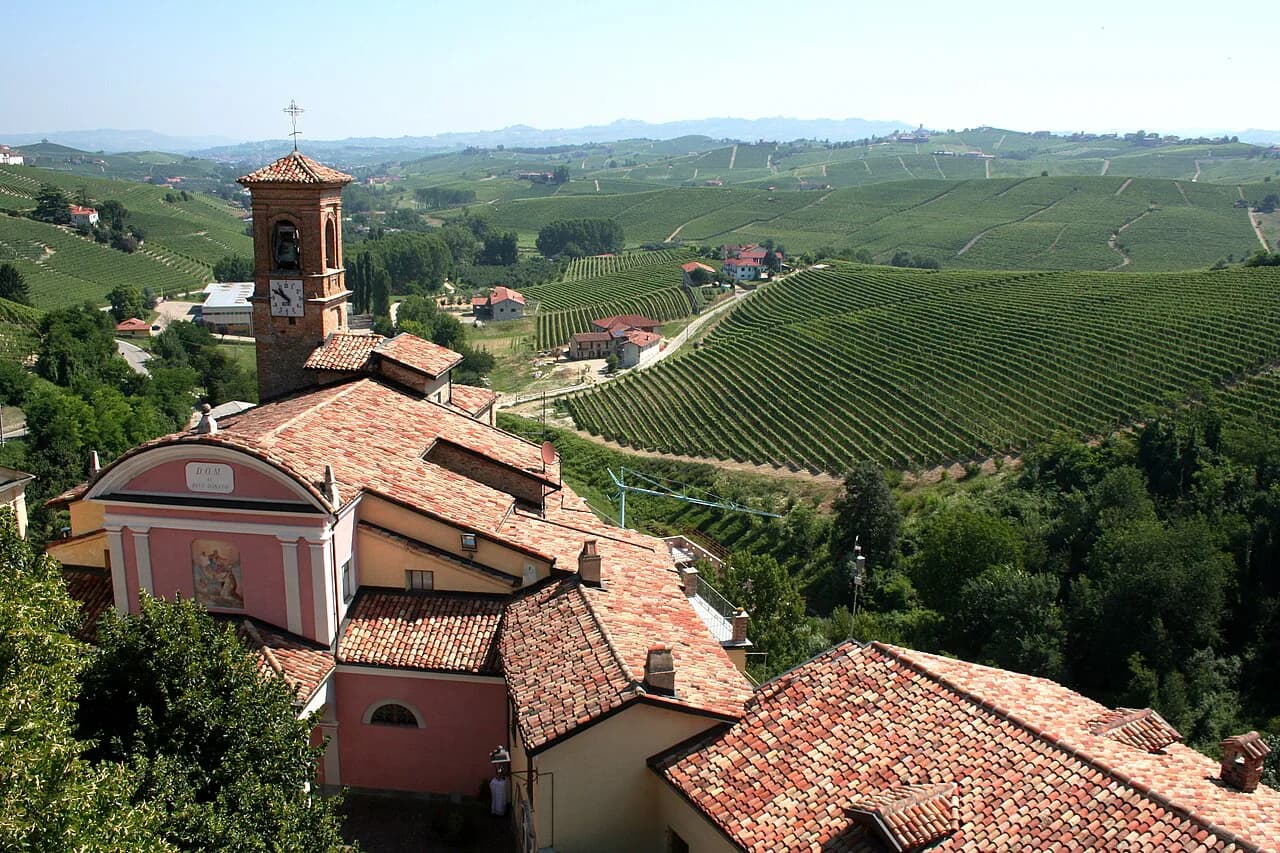
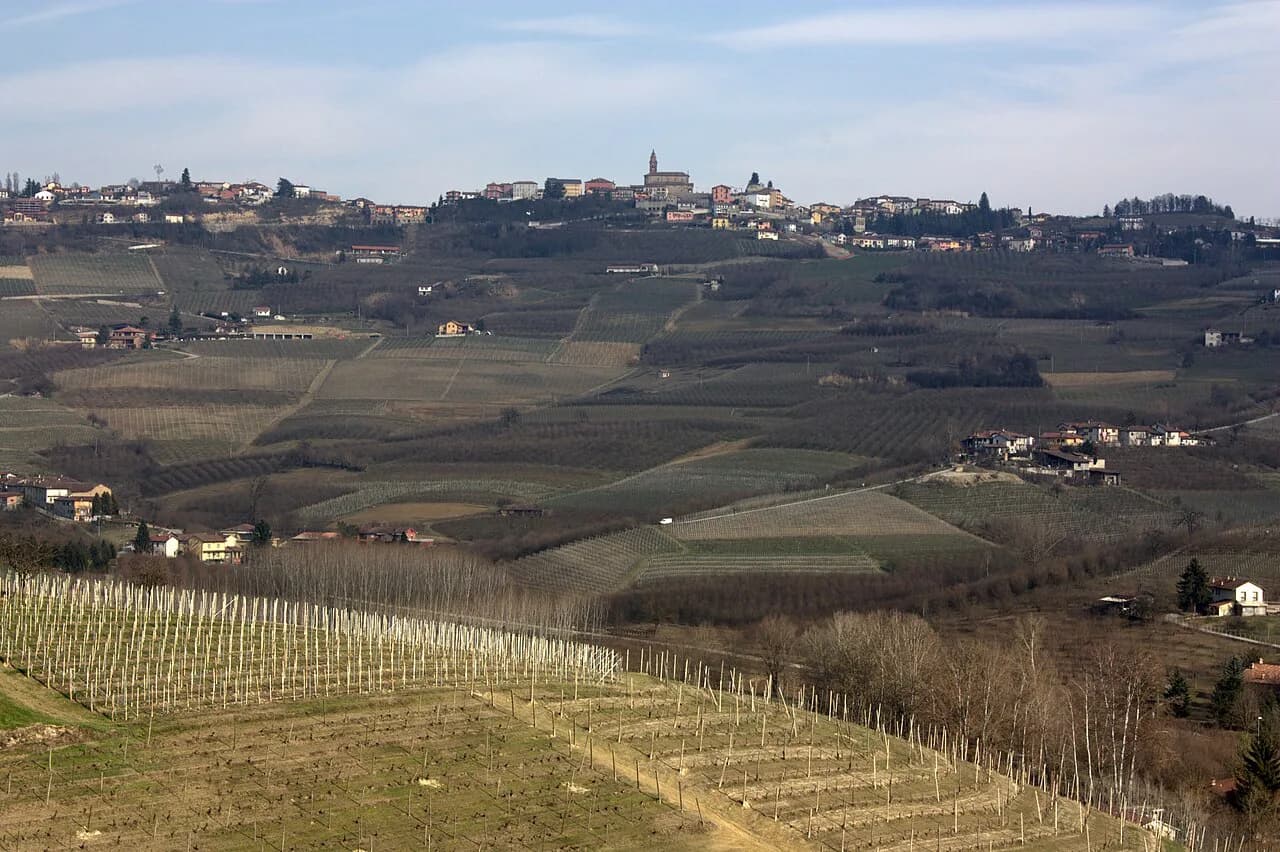
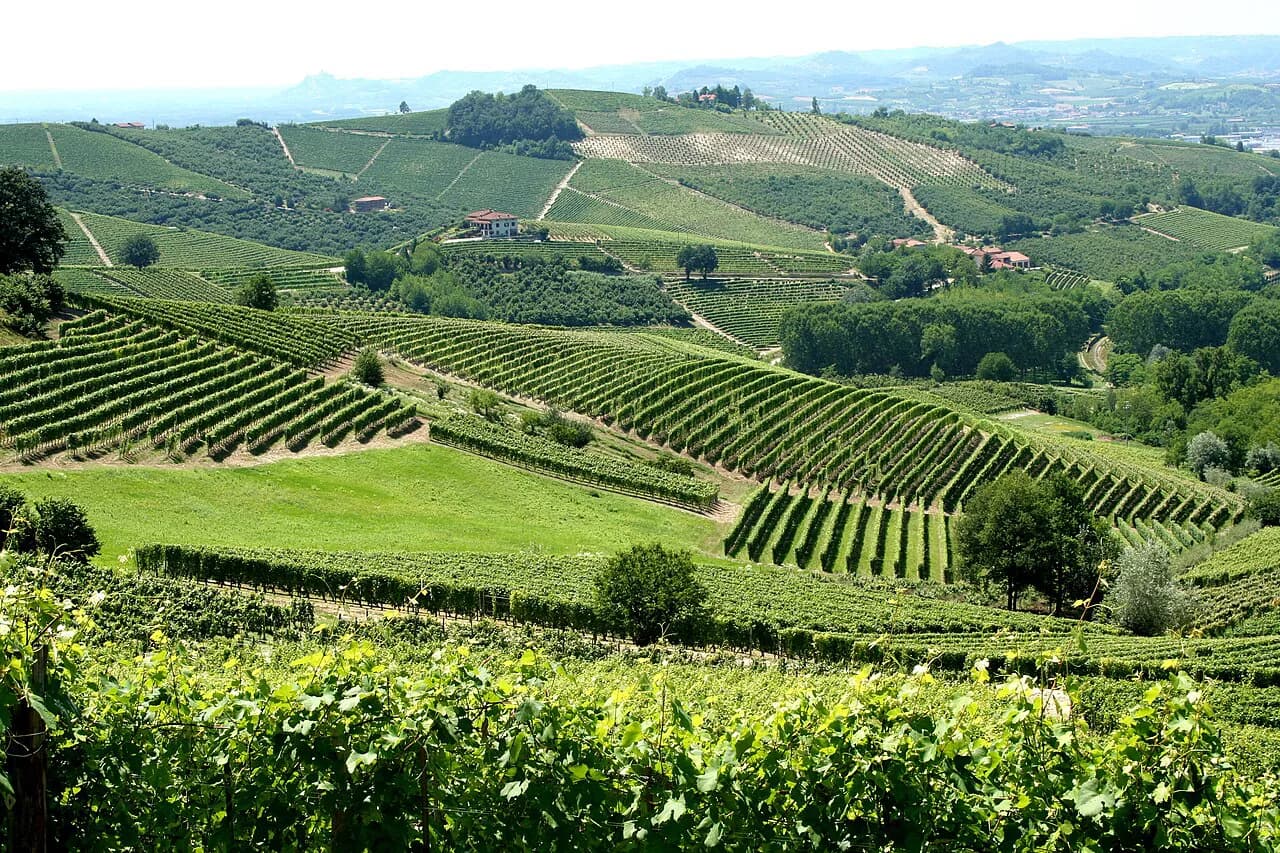
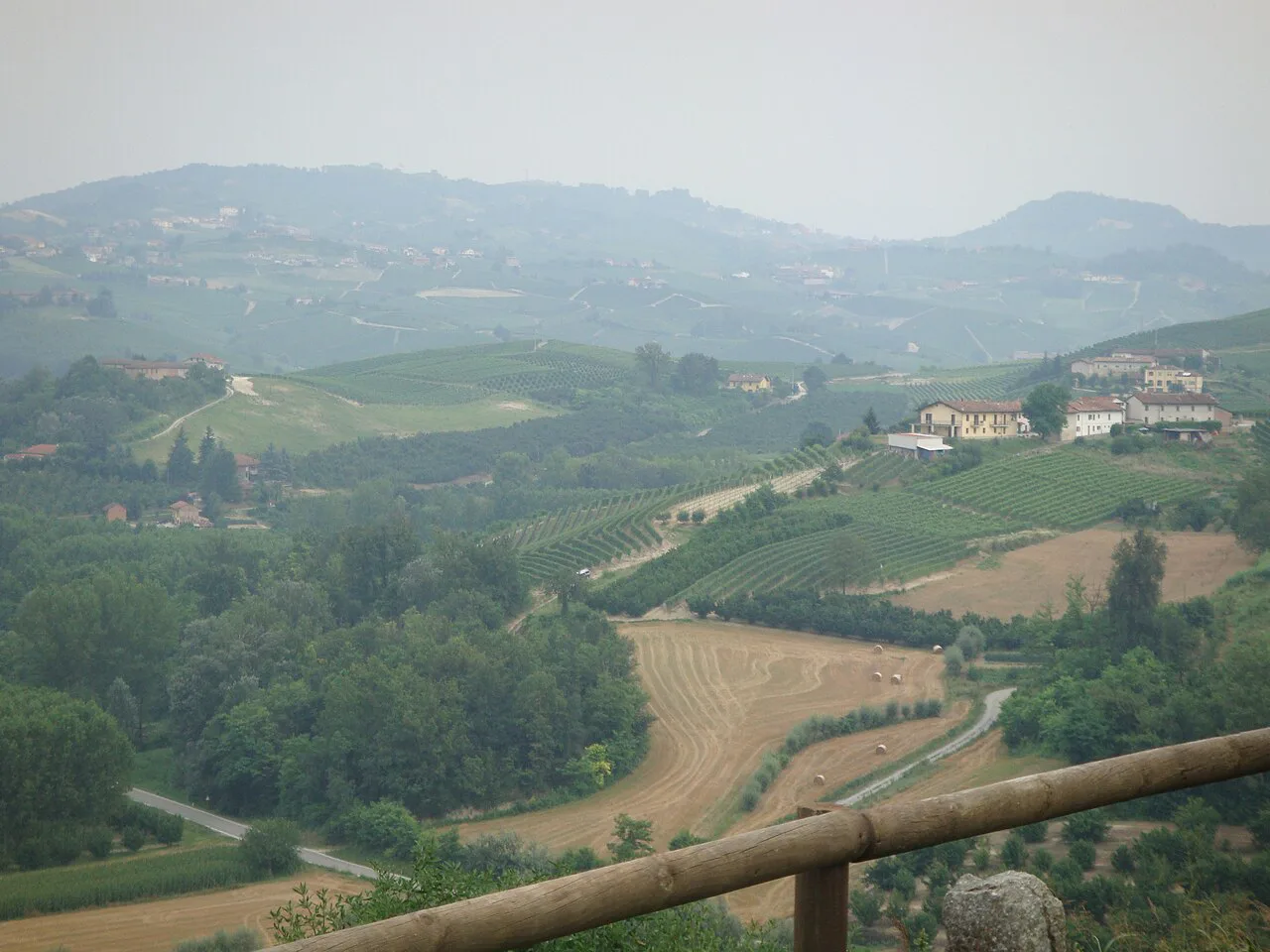
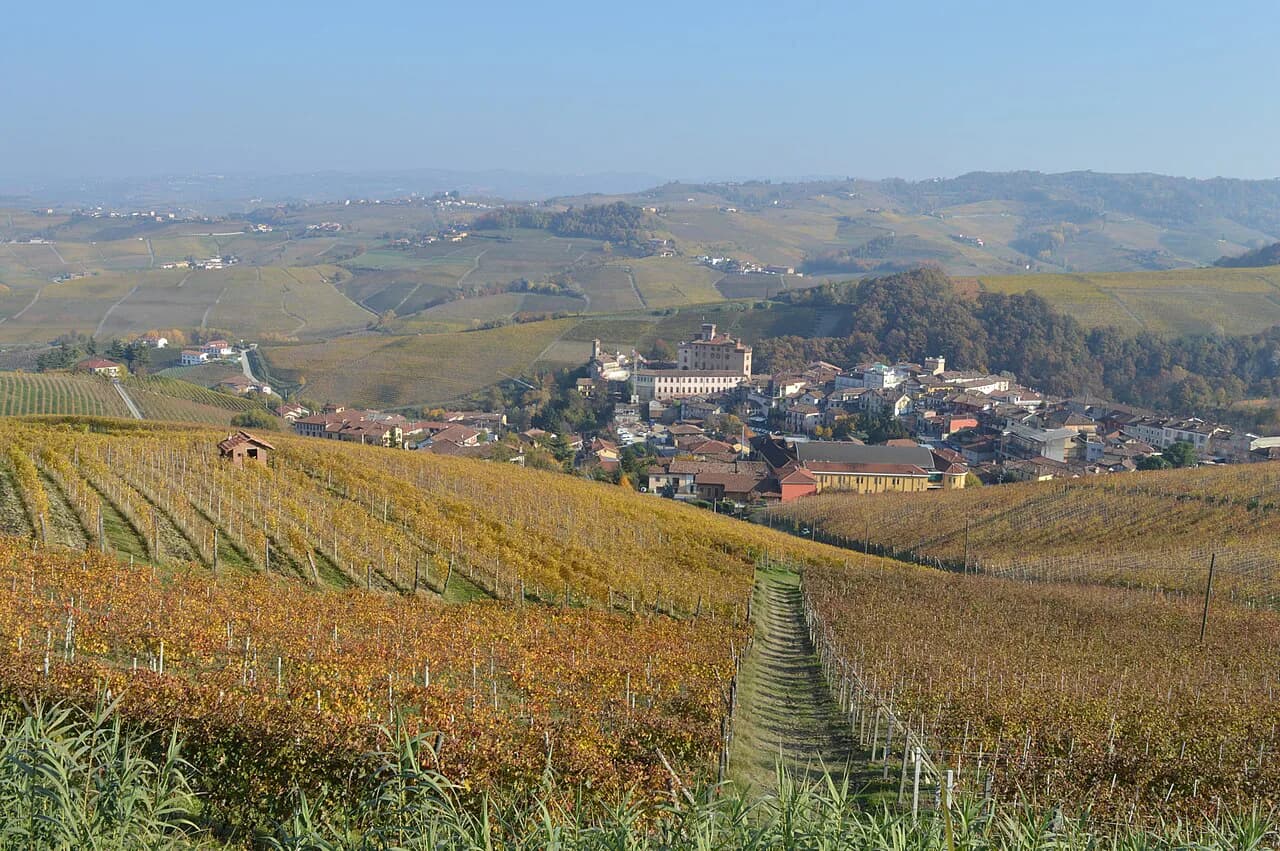
Under Antinori the vineyards were expanded, the cellars renewed and a modern cellar built at Monforte d'Alba, positioned roughly midway between the Barolo and Barbaresco zones. That location matters to a visitor: it puts the tasting room in the heart of the Langhe hills rather than in the town of Alba, which is the commercial and transport hub rather than a vineyard village.
For a wine day out of Turin, Prunotto is a sensible anchor because it combines recognized appellations with a proper visitor reception: guided visits, tastings and a shop at the Bussia cantina. Treat it as the fixed point of the day and build the rest of the itinerary around the drive or transfer rather than the reverse.
Alba Address Versus the Bussia Cellar
The company is generally described as based in Alba, the Langhe's main town, on the right bank of the Tanaro and equidistant from Barolo and Barbaresco. Wine travelers read that and picture a town-center winery, which is not where the visit happens. Prunotto's own site lists the Cantina di Bussia at Località Bussia Soprana 90, Monforte d'Alba, with GPS coordinates and direct contact details.
Plan your arrival around Monforte d'Alba rather than Alba town. Bussia is a named hillside zone within the Monforte commune, reached on rural roads that climb away from the valley floor, and it is the same ground that gives the estate one of its Barolo labels. If you are mapping the wider area, this Barolo wineries overview helps you see how Monforte d'Alba sits relative to Serralunga, Barolo and La Morra.
The Wines to Know Before You Go
Prunotto's range is a compact lesson in Piedmontese varieties. The reds run from Barolo DOCG and Barbaresco DOCG through Barbera d'Alba, Dolcetto d'Alba, Langhe Nebbiolo and Nizza DOCG, while the whites lean on Langhe Arneis and the sweet sparkling Moscato d'Asti, alongside a Langhe Rosato and a Monferrato red. Knowing this before you arrive makes a tasting request far easier to frame.
The single-vineyard names are worth memorizing because they tell you which villages you are tasting. Barolo comes from Bussia, Cerretta, Mosconi and Serra, plus the Vigna Colonnello Riserva in Bussia; Barbaresco comes from Bric Turot and Secondine; Nizza DOCG from Costamiòle and Bansella; Monferrato from Bricco Colma, where Albarossa grows. Ask Prunotto which of these are open on the day, since the tasting lineup can vary.
Barolo and Barbaresco are both Nebbiolo, but they come from different zones and are aged to different rules, which is why a side-by-side taste of the two is the most instructive comparison the estate can offer. If your trip is short and Turin is your base, a broader look at the city's tasting options shows how much Piedmont you can cover without leaving town. That wine tasting planning is useful if you only have one free evening, though travelers extending the Nebbiolo thread east may prefer wine tasting in Verona for its Valpolicella and Amarone comparison.
The Visit at Cantina di Bussia
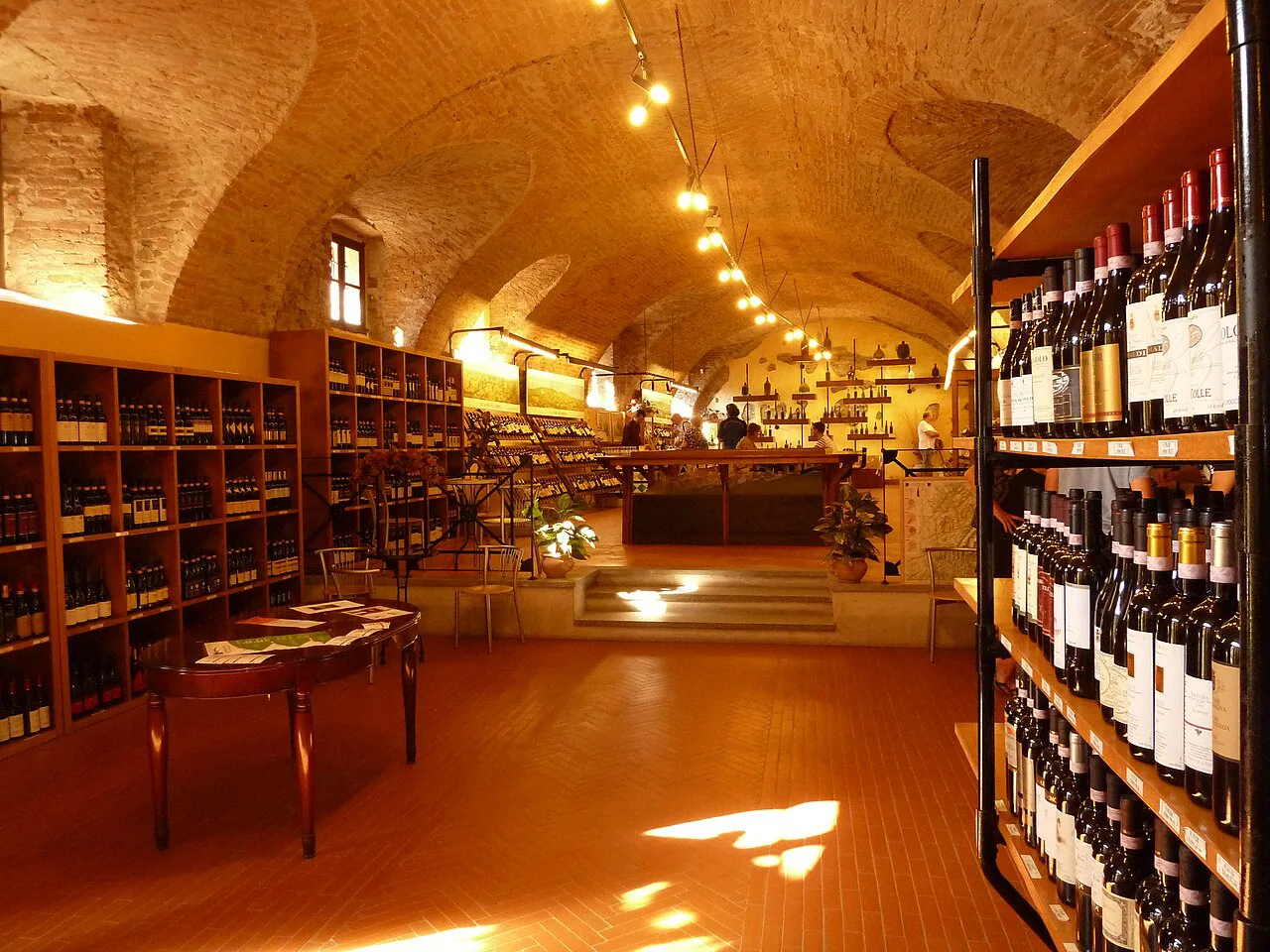
Prunotto's site publishes the Bussia cantina as offering guided visits, tastings and a shop, at Località Bussia Soprana 90, 12065 Monforte d'Alba CN. The same page gives a direct phone number, +39 0 173 78334, and an email address, bussia@prunotto.it, both of which are the practical route to arranging a visit.
What is not published in usable form is the tasting fee, the number of wines poured, the duration of a tour or the days the cantina receives guests. Rather than guessing, ask those four questions in your first message and let the answer set your budget and schedule. A shop on site also means you can buy bottles after the tasting instead of carrying them from Turin.
Booking Culture in the Langhe
Langhe wineries generally receive visitors by arrangement rather than as walk-in attractions, and a working estate with vineyard and cellar schedules is a poor place to turn up unannounced. Write ahead with your preferred date and a time window, the size of your party, the language you would like the visit conducted in, and the style of tasting you want, whether that is the classic Nebbiolo labels or the broader range.
Email is the easiest first contact because it lets you state all of that in one message, and the published address reaches the Bussia cantina directly. If your dates are tight or you are traveling within the week, phone instead, since a call resolves availability faster than a message thread. Midweek requests in the quieter months are usually simpler to place than Saturday requests in the harvest run-up, which is roughly late September into October.
Group size changes everything in these hills: a party of two can slot into a shared slot, while a larger group may need a fixed appointment and a longer window. Say plainly whether you need the visit in English or Italian, and mention if anyone in the group is not drinking so the host can plan pours and spittoons.
Getting from Turin to the Langhe Without Driving
The rail leg is the easy part: Turin has frequent regional services to Alba, the valley town that serves as the gateway to the Langhe, and the ride drops you in the center of town rather than in the vineyards. From Alba station the onward gap to Monforte d'Alba and up to Bussia is the awkward stretch, because the cantina sits on a rural hillside with no station of its own.
From Alba you have three realistic options: a local bus toward Monforte d'Alba followed by a taxi for the final climb, a taxi for the whole leg, or a pre-booked tour or transfer that collects you and returns you. Fares and timetables vary by season and operator, so confirm the return leg when you book the outward one — the last thing you want is a tasting that ends after the final bus.
If you would rather not assemble the pieces yourself, a wine tour from Turin that includes the Langhe hills removes the transfer problem entirely and often pairs two estates in one afternoon. The trade-off is fixed timing and a set itinerary; going independently costs less on paper but eats time in connections and leaves you exposed if a bus is late.
Independent Trip or Guided Tour: The Real Trade-Off
Independent travel gives you control over how long you linger at Prunotto and lets you add a village stop on a whim, but Langhe wineries sit on rural roads where the distances between them are short on the map and slow in practice. A tour solves the logistics and usually adds a second visit and a lunch stop, which is a good deal if your time is limited or your group is more interested in the day out than in the driving.
One compromise works well for Turin-based travelers: take the train to Alba, spend the morning in town, and join a half-day tour or taxi transfer for the vineyard hours. That keeps the rail leg cheap and the hills simple, and it means no one in the group has to stay sober for a rural road.
Pairing Prunotto With the Rest of a Langhe Day
Monforte d'Alba sits in the eastern Barolo zone, within easy reach of Serralunga d'Alba, Barolo village and La Morra, so a Prunotto visit combines naturally with a second estate or a village walk in the same afternoon. Group your stops by hillside rather than by reputation: two visits in adjacent communes beat three spread across the valley. The Barolo wineries guide is the place to check which other cantinas in these villages receive visitors.
If you want a contrasting second stop with a strong visitor setup, the Ceretto winery at Monsordo Bernardina outside Alba is a well-known option on the same side of the valley. Visiting Ceretto Winery from Turin is feasible on the same day as a Monforte morning, but only if you have a car or a driver, since the two sites do not connect by public transport.
Finish the day back in Alba, where the station puts you on a direct train to Turin and the town itself has enough enoteche for an early evening glass. That rhythm — hills in the afternoon, town in the evening, train home — keeps the driving to a minimum and the wine day within reach of a city break.
Responsible Drinking on Rural Roads
Whoever is behind the wheel should not taste: use the spittoons that every tasting room provides, agree on a designated driver before you leave Turin, or book a tour or public transport so nobody has to choose between the glass and the road. The hills around Monforte are narrow, unlit in places and unfamiliar to most visitors, which is a poor combination with even a modest amount of wine.
Plan Your Visit
Prunotto rewards a little preparation: know that the visit happens at the Bussia cantina in Monforte d'Alba rather than in Alba town, decide in advance whether you want the Barolo and Barbaresco labels or the wider range, and send a clear request with dates, party size and language. The estate's own site carries the current contact details, and a single email or phone call settles the practical questions faster than any planning grid.
Build the day around the transport you can actually get: train to Alba plus a taxi or tour for the hills if you are carless, or a car with a sober driver if you are not. Whichever you choose, leave room for one village stop and an unhurried return, and the Langhe will fit comfortably into a trip based in Turin.
Frequently Asked Questions
Where is Prunotto winery located?
The company is associated with Alba, the main town of the Langhe on the right bank of the Tanaro, but the visitor cellar is the Cantina di Bussia at Località Bussia Soprana 90 in Monforte d'Alba. Plan your arrival around Monforte d'Alba, not Alba town, if you are going for a tasting.
Can you visit Prunotto winery?
Yes. Prunotto's website lists the Bussia cantina as offering guided visits, tastings and a shop, and publishes a direct phone number and email for the cantina. The site does not publish tasting fees or tour durations, so ask when you make contact.
Do you need an appointment to taste at Prunotto?
Langhe estates generally receive visitors by arrangement rather than as walk-in attractions. Send an email or call with your preferred date, party size, language and the range of wines you want to taste, and treat the reply as your confirmation.
How do you get to Prunotto from Turin without a car?
Take a regional train from Turin to Alba, then continue to Monforte d'Alba and Bussia by local bus plus taxi, by taxi for the whole leg, or on a pre-booked tour or transfer. Confirm your return trip before you set out, because the cantina sits on a rural hillside with no station.
What wines does Prunotto make?
The range covers Barolo DOCG from Bussia, Cerretta, Mosconi and Serra, Barbaresco DOCG from Bric Turot and Secondine, plus Barbera d'Alba, Dolcetto d'Alba, Langhe Nebbiolo, Nizza DOCG, Langhe Arneis, Moscato d'Asti and a Monferrato red. Ask which labels are open on the day of your visit.
Is Prunotto owned by Antinori?
Yes. Marchesi Antinori has owned the estate since 1994, after the Colla brothers, who had run it from 1956, sold the property. The winery itself was founded in 1904 as a cooperative in Serralunga and named after Alfredo Prunotto, who took it over in 1922.
What is the difference between Prunotto's Alba site and the Bussia cellar?
Alba is the company's base and the Langhe's transport hub, while Bussia is a hillside zone in Monforte d'Alba where the visitor cellar, tastings and shop are located. Book and travel to Bussia, and use Alba for the train and an evening glass.
Sources
Notes for your next wine trip
Optional updates to our winery and wine-town guides.
You might also like
Continue reading
More guides you'll find useful