Agriturismo Siena: Where to Base Yourself for Wine Tasting
Agriturismo stays around Siena, mapped by wine district: Chianti Classico, Montalcino, Montepulciano and San Gimignano, with trade-offs for a tasting trip.
On this page
Siena makes an appealing base for a wine trip because four distinct Tuscan wine districts sit within reach of the city: Chianti Classico to the north, Montalcino to the south, Montepulciano to the southeast and San Gimignano to the northwest. Choosing an agriturismo rather than a hotel in the historic center usually means trading walkable streets for vineyard views and shorter morning drives to cellars.
The catch is that the province of Siena covers a lot of ground, and a farm stay that looks close to Siena on a map can still leave you with a long drive to the cellars you actually want to visit. This guide sorts stays by wine district, explains what a farm stay does and does not include, and covers how to reach the countryside without driving. For a wider look at cellars and tasting rooms in the city and its hills, the guide to wine tasting in siena fills in the visiting side of the plan.
Why an Agriturismo Near Siena Suits a Wine-Tasting Trip
A city hotel in Siena puts you in the middle of restaurants, enoteche and the medieval center, but it also puts you at the far end of a drive from most vineyard gates. An agriturismo in the countryside reverses that: you wake up among the vines, and the first cellar of the day may be minutes away rather than an hour. For a trip built around tasting rather than sightseeing, that geography matters more than room service.
Farm stays also tend to keep you on the property in the evening, which suits anyone who has been tasting all afternoon and would rather not drive back into town for dinner. Many working farms offer meals or sell their own oil and wine, and some arrange tastings on site. Ask the farm directly what is included, since a cellar visit may or may not come with the room.
The Four Wine Districts Around Siena
Chianti Classico lies north of Siena, between Florence and the city, and is the closest major district to the center. Montalcino, home of Brunello, sits south of Siena in hill country beyond the Val d'Orcia, while Montepulciano and its Vino Nobile lie east of Montalcino on the far side of the same range of hills. San Gimignano and its Vernaccia vineyards are northwest of Siena, on the road toward Florence. For that southeastern direction, the agriturismo montepulciano guide shows how properties there sit relative to the town and its cellars.
Those four directions rarely combine well in a single day. A stay in Chianti makes Sangiovese-based Chianti Classico the natural focus, with Siena itself an easy excursion; a stay south of the city pulls you toward Brunello and Vino Nobile instead. Pick the district first and the property second, because a beautiful farm stay on the wrong side of Siena will add hours of driving over a long weekend.
Chianti Classico Stays: Gaiole, Radda and Castellina
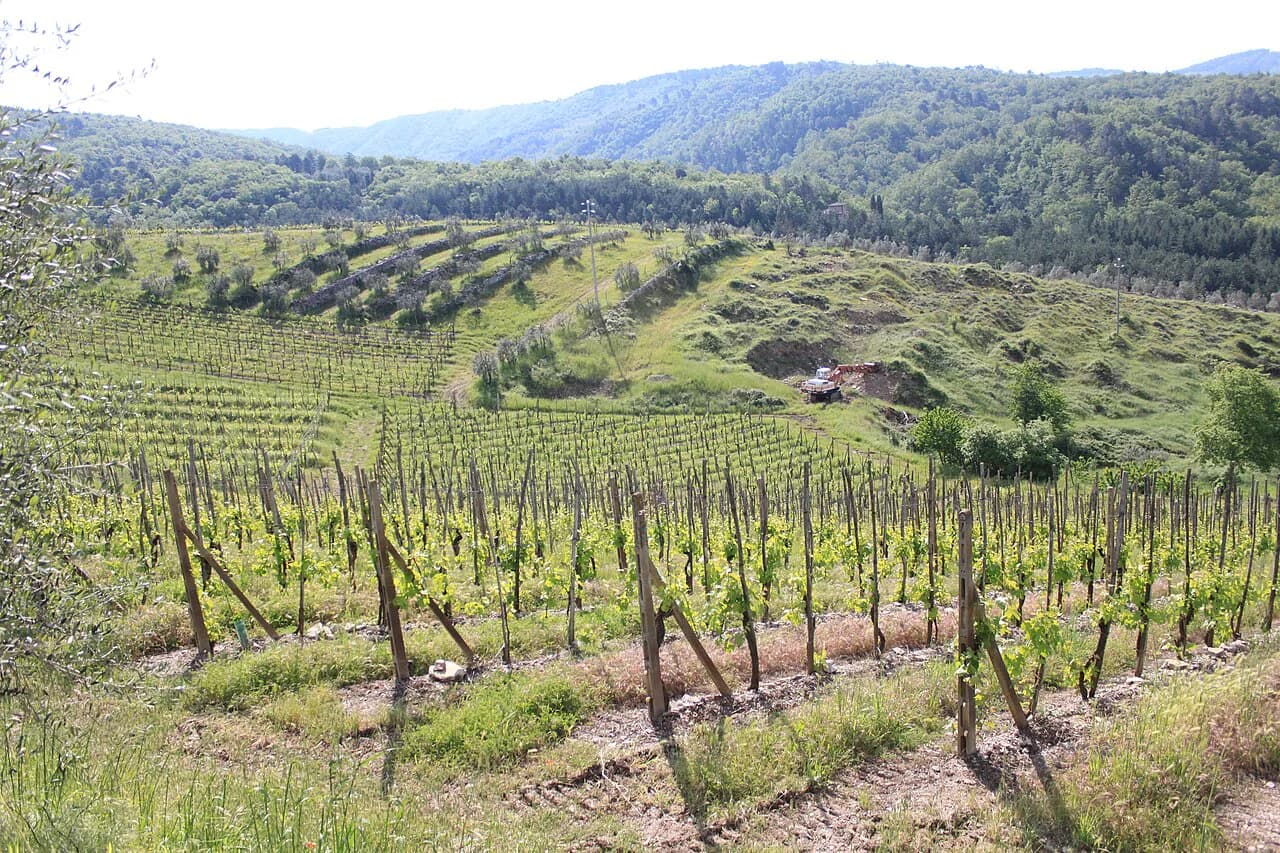
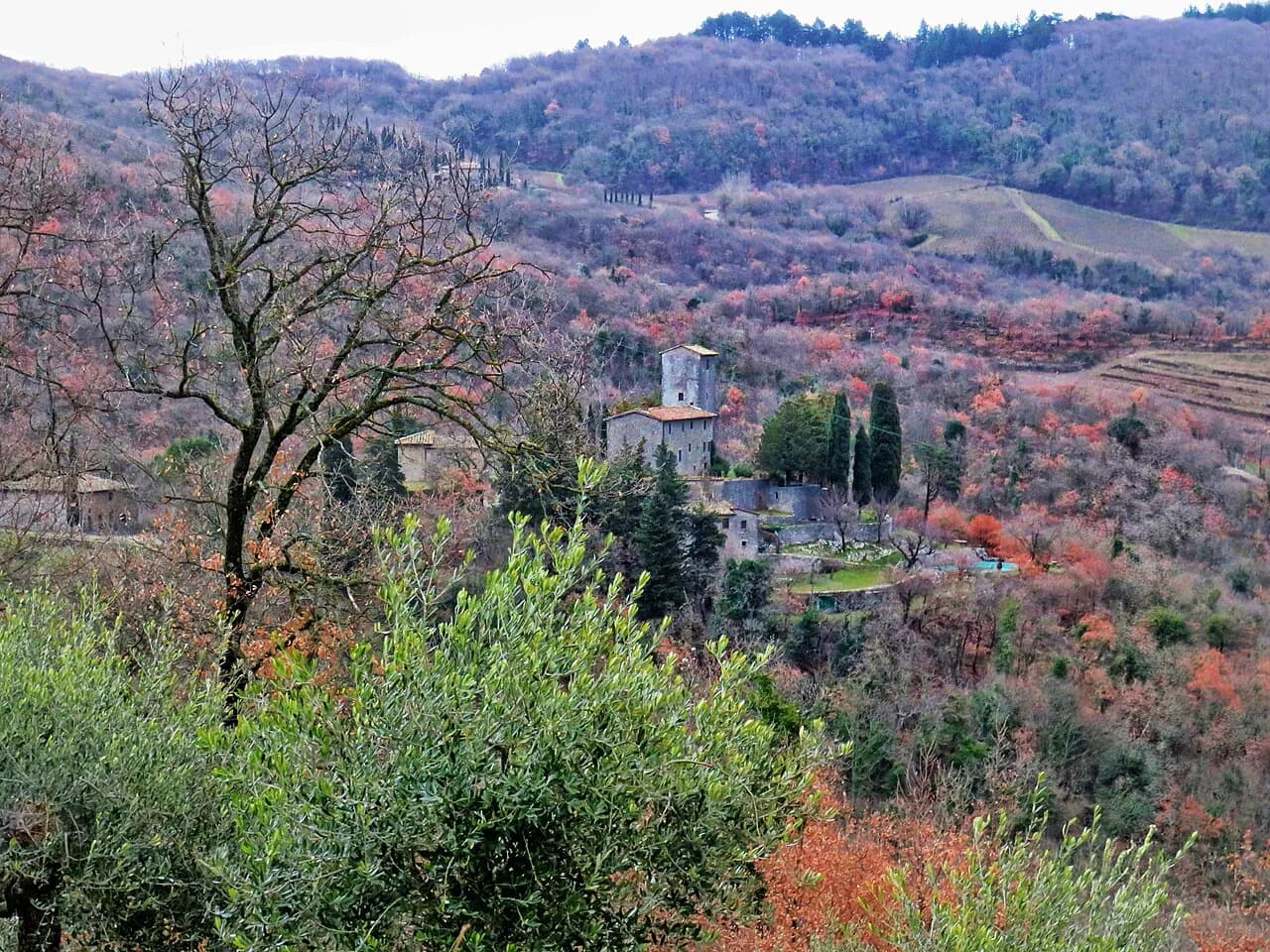
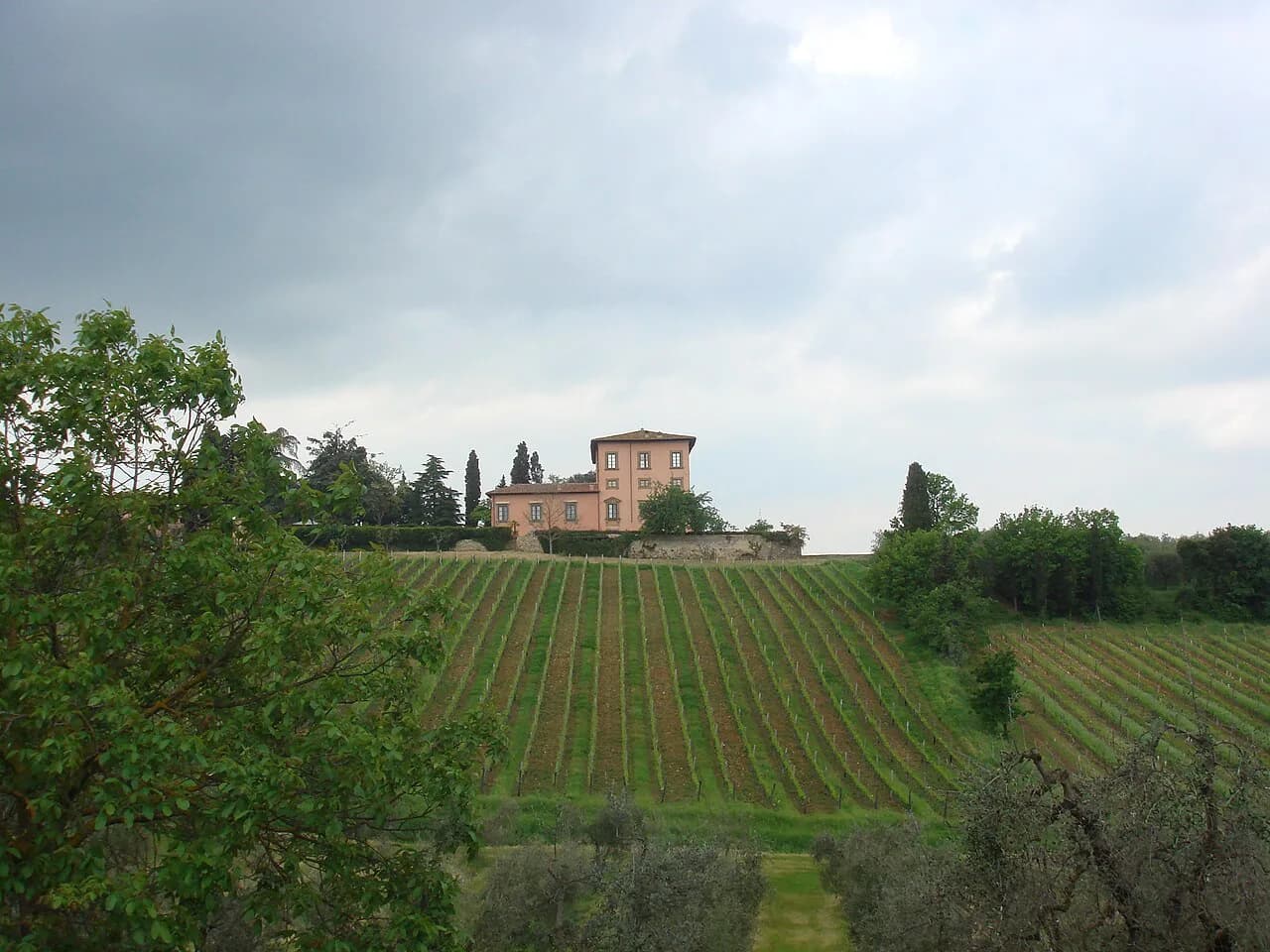
Gaiole in Chianti, Radda in Chianti and Castellina in Chianti form the classic Chianti Classico triangle, and all three appear repeatedly as locations for villa and farm accommodation in the Siena area. If your list of cellars is in this northern district, staying in or near one of these villages keeps daily drives short and lets you spread visits across several days without crossing Siena each time. The district is also the easiest to pair with a day in Florence.
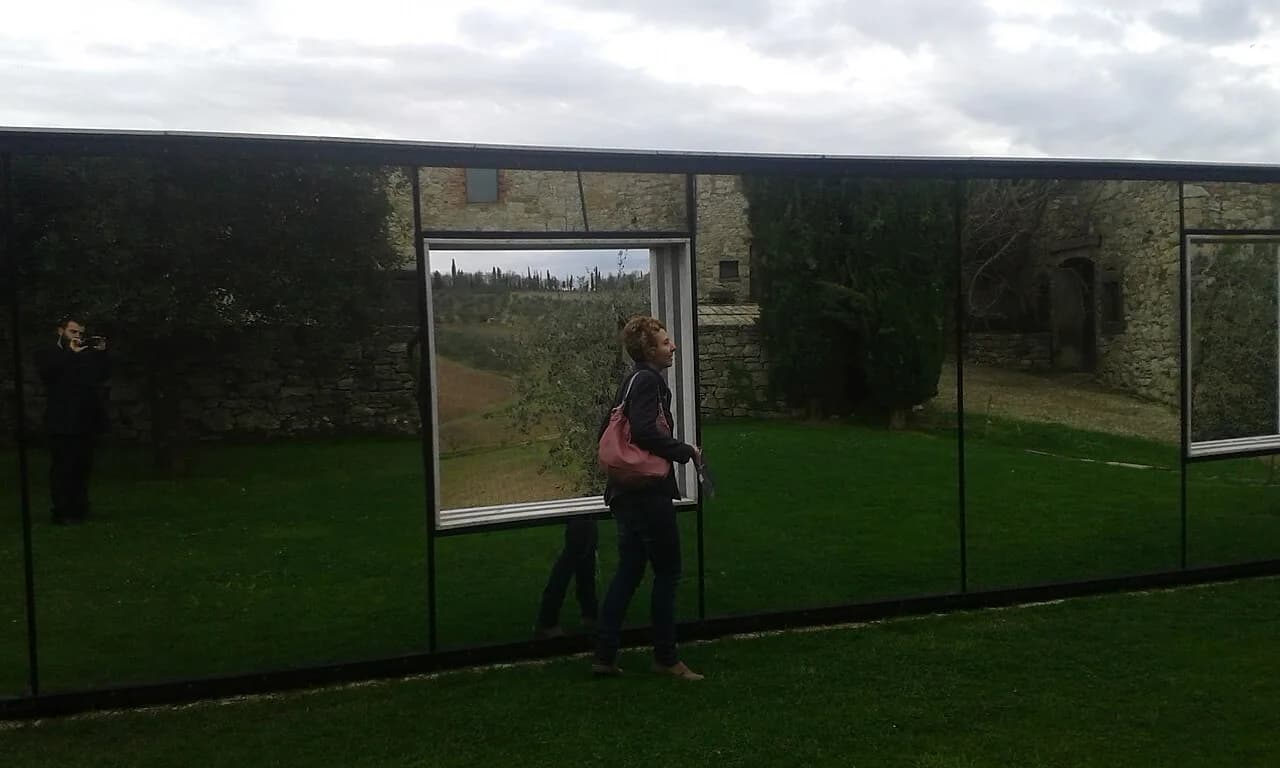
Chianti Classico is the historic core of the Chianti zone, producing Sangiovese-led reds, and it has the densest concentration of visitor-friendly cellars of the four districts. Larger estates and modern visitor centers sit alongside small family farms, and the range of styles runs from bright, early-drinking wines to ageworthy riservas. A useful anchor for planning a northern day is the guide to antinori nel chianti classico, which covers one of the district's best-known wine architecture destinations.
For visitors who want a guided day rather than a self-drive itinerary through these villages, siena wine tours set out the options, including how operators handle pickups from the city and countryside. The trade-off is flexibility: a tour decides the cellars for you, while a farm stay in Gaiole or Radda gives you the freedom to book small estates on your own schedule.
Montalcino and Brunello Country
Montalcino sits south of Siena on a hill above the Orcia and Asso valleys, and the town itself is small enough to walk in an afternoon. Farm stays and agriturismi cluster in the surrounding countryside and in nearby villages, several of them listed under Montalcino on accommodation sites for the province. The town's enoteche pour widely, which makes a base here convenient for tasting Brunello without committing to a single appointment.
Brunello di Montalcino is made entirely from Sangiovese and is aged longer than Chianti Classico before release, so the wines you meet here are typically fuller and more structured. Cellar visits are often by appointment and can include vineyard walks, barrel rooms and vertical tastings. Because the district is compact but hilly, a base within the commune of Montalcino saves you a long transfer from Siena each morning.
If your trip mixes Brunello with a second district, note that Montalcino is much closer to Montepulciano than to Chianti Classico. Splitting a stay between a Chianti farm and a Montalcino one is usually more efficient than commuting from a single property.
Montepulciano and Vino Nobile: East of Siena
Montepulciano rises on a ridge east of Montalcino and southeast of Siena, and its Vino Nobile is a Sangiovese-based red usually blended with other local grapes. The town is larger than Montalcino and has a dense center of cellars, many of them in historic vaults beneath the streets, which makes a walking tasting day practical. Farm stays in the surrounding countryside are numerous, and the agriturismo montepulciano guide covers several properties and where they sit relative to the town.
The practical difference between Montalcino and Montepulciano is mainly distance from Siena: both are southward trips, but they sit on opposite sides of the Val d'Orcia and are not quick to combine in one day. If your wine list leans toward Vino Nobile, an agriturismo in montepulciano country will serve you better than a base in Chianti. The Val d'Orcia scenery between the two towns is itself a reason to take the slower road.
San Gimignano and Vernaccia: Northwest of Siena
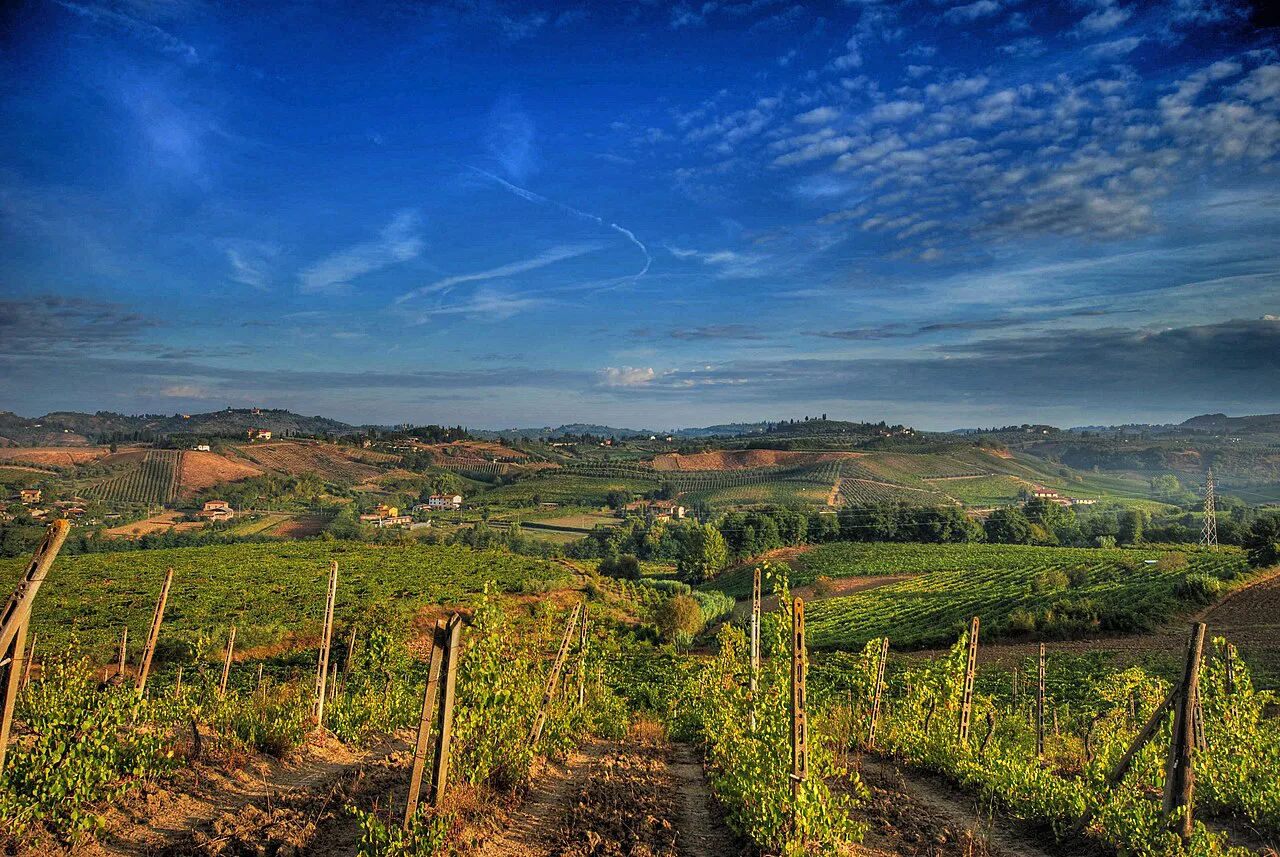
San Gimignano lies northwest of Siena toward Florence, its towers visible across a landscape of Vernaccia di San Gimignano vineyards. This is the closest of the outlying districts to Florence, which makes it a sensible stop between the two cities rather than a dedicated detour. Farm stays around San Gimignano are plentiful, and the town's density of wine shops means you can taste without booking far ahead.
Vernaccia di San Gimignano is a white wine and one of Italy's historic appellations, a useful change of pace from the Sangiovese reds that dominate the rest of the province. Because the town is small and heavily visited in high season, countryside stays outside the walls often give a quieter evening than rooms inside the center. Group this district with a Chianti day only if you are prepared for a longer drive.
Siena Itself and the Immediate Hills
If you want to be close to the city without sleeping in it, look at the villages and countryside immediately around Siena. Sovicille, Monteriggioni and Murlo all appear as locations for farm and villa accommodation in the province, and each sits within a short drive of the city gates. This ring is a good compromise for a mixed trip of wine, art and restaurants, since you can reach Siena in the evening for dinner.
The wine here is less about a single famous appellation than about proximity: you are within reach of Chianti Classico to the north and the southern districts via the main roads. Expect to drive to cellars rather than walk to them, and expect the nearest town to be small. For a city-centered evening with a countryside morning, this is the most balanced option.
What an Agriturismo Is and Is Not
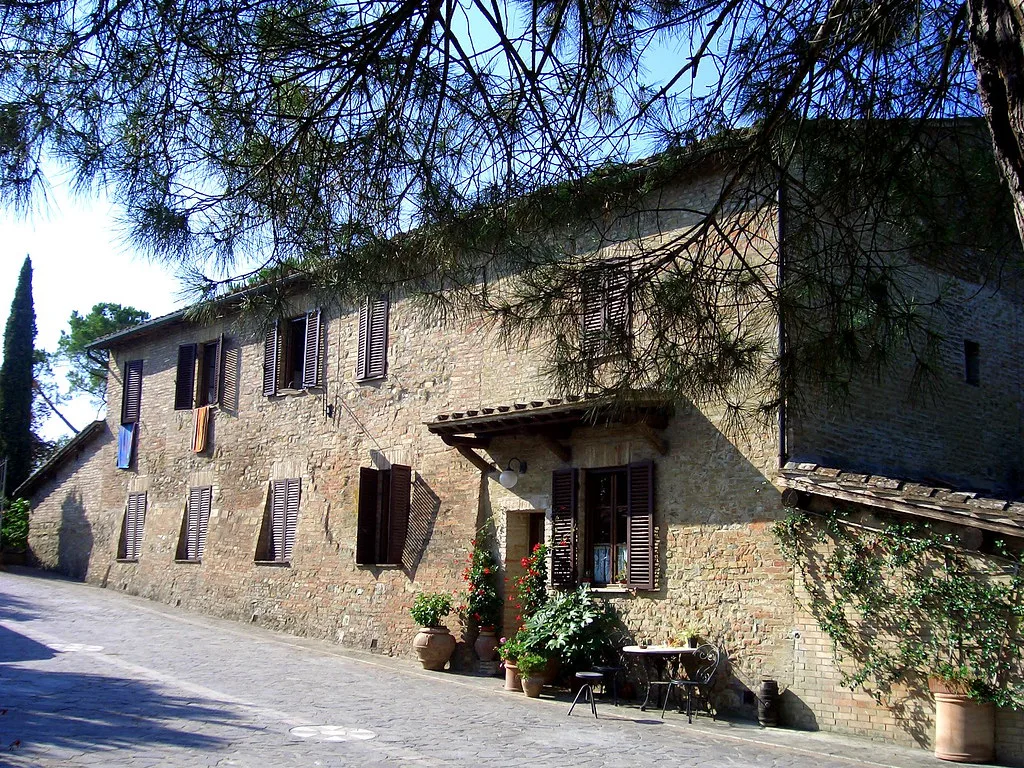
In Italy, an agriturismo is a working farm that also takes paying guests, but the term is used loosely by booking sites and covers a wide range. Some are genuine farms with animals, orchards and their own wine; others are simply renovated farmhouses renting rooms with no agricultural activity. A third category, the resort or spa property, sometimes appears in the same listings and is a hotel in all but name.
Accommodation listings for the Siena area illustrate how mixed the field is: the same pages mix villas, farmhouses, country houses and castles, and many properties require a minimum number of guests or a minimum stay for bookings. Agriturismo Marciano, for instance, appears in travel listings as a family-run farmhouse stay near Siena rather than as a cellar open for tastings. When you book, ask plainly whether the farm produces wine, whether tastings are offered and whether meals are served on site.
Booking Questions to Ask Before You Commit
The questions that matter most for a wine trip are rarely answered on booking pages. Ask whether tastings are available on the property and whether they are included in the room rate or charged separately, since published rates are often only for the room. Ask about minimum stays, which commonly apply in high season, and about dinner: some farms cook for guests on certain nights only, and the nearest restaurant may be a drive away.
Also ask about access to the cellars you plan to visit. Many wineries take visitors by appointment only and some require a minimum party size, so a farm stay that is willing to arrange visits or recommend producers is worth more than one that simply hands over a key. Confirm the property's own details directly before you book.
Getting Around Without Driving
The countryside around Siena is built around the car, and many farm stays sit on unpaved roads with no bus stop nearby. That leaves three realistic alternatives: a designated driver who spits rather than swallows, a guided tour that collects you from your stay or from Siena, and a taxi or private transfer for a fixed itinerary. Buses exist on the main routes between Siena, Florence and the larger towns, but they rarely reach vineyard gates.
For anyone unwilling to drive after tasting, a tour is the simplest solution, and operators running out of Siena increasingly offer countryside pickups. If you prefer independence, book a transfer for the day and fix your cellar appointments around a single loop rather than scattering them across the province. A base on a main road, such as near Monteriggioni or in Chianti along the Siena–Florence corridor, makes transfers shorter and cheaper than a remote hillside farm.
Harvest Timing and When the Countryside Is Busiest
Grape harvest in Tuscany generally falls between September and October, with Chianti Classico and Montalcino picking at slightly different moments depending on the year and the weather. This is the most atmospheric time to be in the countryside, with activity in the vineyards, but it is also when many cellars are busy with the harvest itself and visitor slots can be tighter. Book cellar visits earlier than you would in spring or late autumn.
Spring and early summer bring green hills and fewer crowds, while late autumn and winter quiet the countryside considerably and some rural restaurants and smaller estates reduce their opening days. If your trip is built around specific producers, plan around their published calendar rather than the season alone. For the city side of the trip, the Siena Wine Bars and Enoteche guide covers places to taste in town when the countryside is quiet.
Matching the Base to Your Wine List
Start with the wines you most want to taste. For Chianti Classico, base in or near Gaiole, Radda or Castellina; for Brunello, choose Montalcino; for Vino Nobile, look at the countryside around Montepulciano; for Vernaccia, San Gimignano. If you want a bit of everything, the ring of villages just outside Siena, such as Sovicille or Monteriggioni, gives you the most flexible starting point.
Then weigh the accommodation type. A small working farm gives you quiet and local wine but few services; a larger estate or resort gives you a restaurant, pool and sometimes on-site tastings at a higher rate. Neither is better in the abstract, but a farm stay with dinner included solves the evening driving problem that a remote villa creates. Whichever you choose, the wineries in siena guide helps you build the cellar list that the base has to serve.
Plan Your Siena Wine Stay
Choose the wine district before the property, then pick an agriturismo inside it rather than a scenic farm that happens to be an hour from your cellar list. Confirm whether the farm produces wine, whether tastings and meals are available, and whether a minimum stay applies before you commit, and settle the transport question in advance if nobody in the party wants to drive.
Build the trip around one or two districts rather than four, leave mornings for appointments and afternoons for the towns, and keep a driver sober if you are self-driving. With the base right and the cellar list set, a farm stay outside Siena is one of the most practical ways to taste Tuscany.
Frequently Asked Questions
Should I stay in Siena or in the countryside for wine tasting?
A hotel in Siena's center suits evenings on foot among restaurants and enoteche, while a countryside agriturismo shortens morning drives to cellars. If tasting is the main purpose of the trip, pick the wine district first and choose a farm inside it. A stay such as Sovicille or Monteriggioni balances both, letting you reach Siena for dinner while keeping the vineyards close.
How far is Montalcino from Siena?
Montalcino lies south of Siena, beyond the Val d'Orcia, and the drive crosses hilly country rather than a direct motorway corridor. Rather than plan around a fixed number of minutes, treat it as a southward half-day transfer and group Brunello visits into a single stay there. A base in the Montalcino commune removes the daily round trip from Siena.
Can I visit wineries near Siena without a car?
Only partly. Buses link Siena with Florence and the larger towns, but they rarely reach vineyard gates, and many farm stays sit on unpaved roads. The practical options are a guided tour with a pickup, a private transfer fixed around your appointments, or a designated driver who spits rather than swallows. Choose a property on a main road if you plan to rely on transfers.
What is the difference between an agriturismo and a hotel in Tuscany?
An agriturismo is a working farm that also takes paying guests, so expect agricultural activity, fewer services and sometimes meals cooked for guests on set nights. The term is used loosely, though: some listings are renovated farmhouses with no farming, and others are spa resorts in all but name. Ask whether the property produces wine, serves dinner and offers tastings before booking.
Which Tuscan wine region is closest to Siena?
Chianti Classico is the closest major district, lying north of Siena between the city and Florence, with Gaiole, Radda and Castellina forming its classic triangle. San Gimignano and Vernaccia country sit northwest toward Florence, while Montalcino and Montepulciano require longer southward drives. For a short trip with several cellar visits, base in Chianti Classico.
When is grape harvest in Chianti and Montalcino?
Harvest generally runs from September into October, with picking dates shifting year to year and differing slightly between Chianti Classico and Montalcino. It is the liveliest time in the vineyards but also the busiest for cellars, so reserve visits further ahead than you would in spring. Late autumn and winter are quieter, though some rural restaurants and smaller estates cut back their opening days.
Sources
Notes for your next wine trip
Optional updates to our winery and wine-town guides.
You might also like
Continue reading
More guides you'll find useful