Rocca delle Macìe: Chianti Classico Visit Guide from Siena
Rocca delle Macìe sits at Le Macìe in Castellina in Chianti. Here is how its visits and tastings work, what to ask when booking, and how to reach it from Siena.
On this page
Rocca delle Macìe is one of the names that comes up early when travelers start planning a Chianti Classico day out of Siena. It is a real, visitable estate with a published list of tasting experiences, a cellar walk, its own restaurant and guest accommodation, which makes it unusual among Chianti producers. This guide explains what is confirmed, what you need to ask for, and how to fit the estate into an itinerary.
Plan on roughly an hour of driving between Siena and the Castellina area, and treat the estate as the anchor of a half day rather than a quick stop. The winery publishes tours, tastings and food experiences, so the useful planning work is choosing a format and securing a time slot, not hunting for a walk-in window.
Why Rocca delle Macìe Is on the Chianti Classico Shortlist
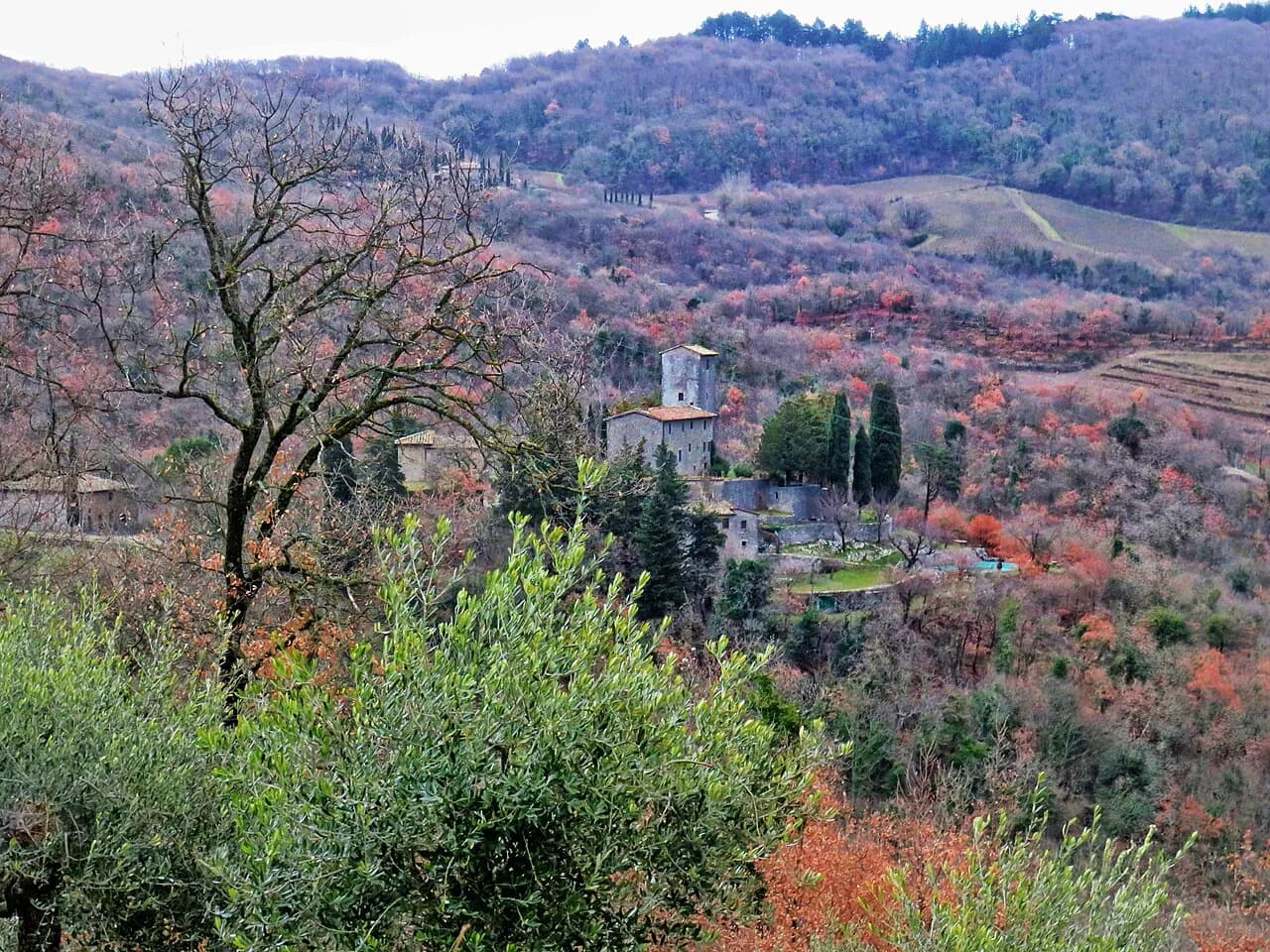
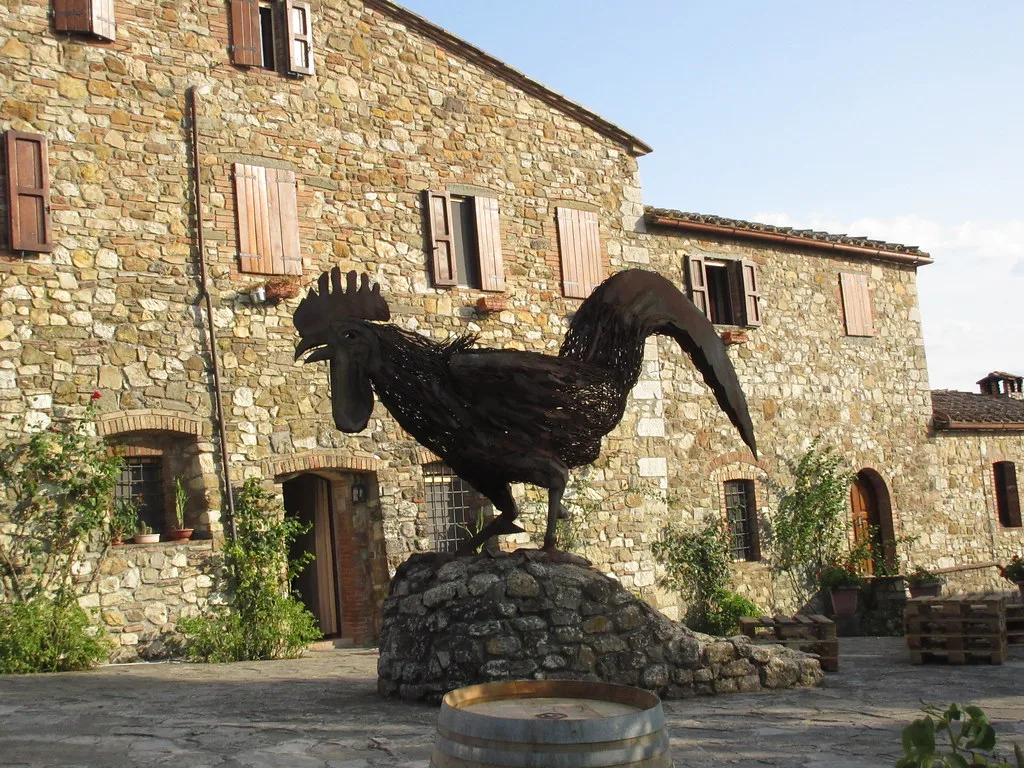
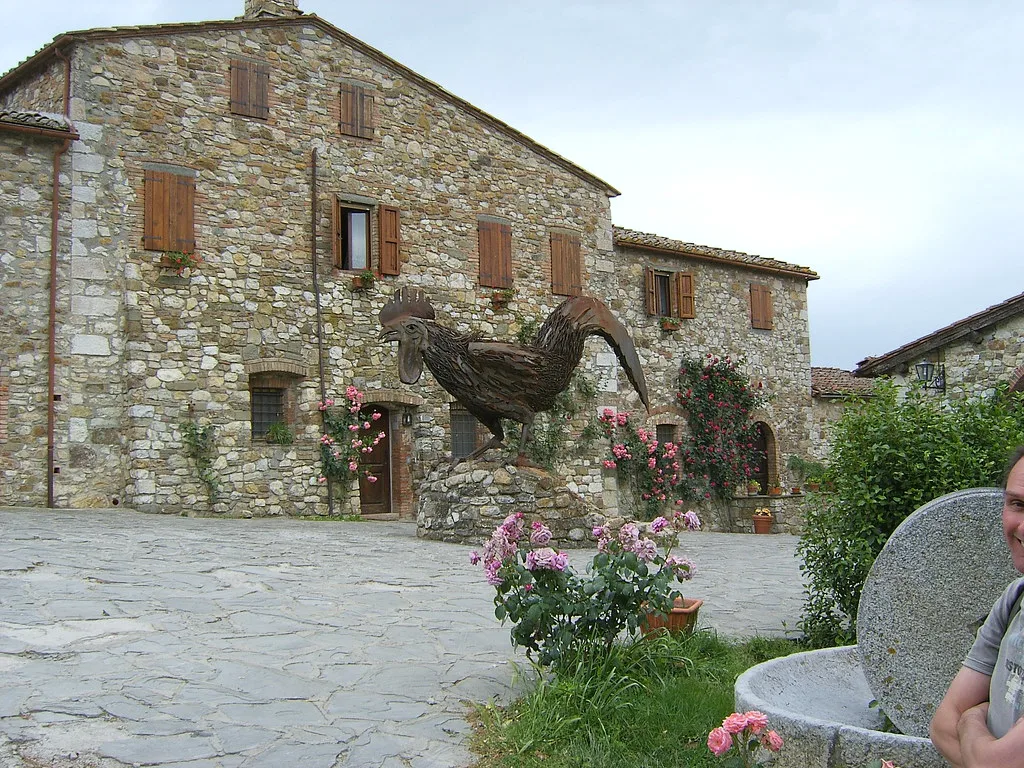
Film producer Italo Zingarelli founded the estate in 1973 after buying the crumbling hamlet of Le Macìe near Castellina in Chianti, and the property is still the heart of the business. His son Sergio Zingarelli took over in 1985 and has twice served as president of the Chianti Classico Consortium, which is the kind of detail that tells you how central this house is to the district.
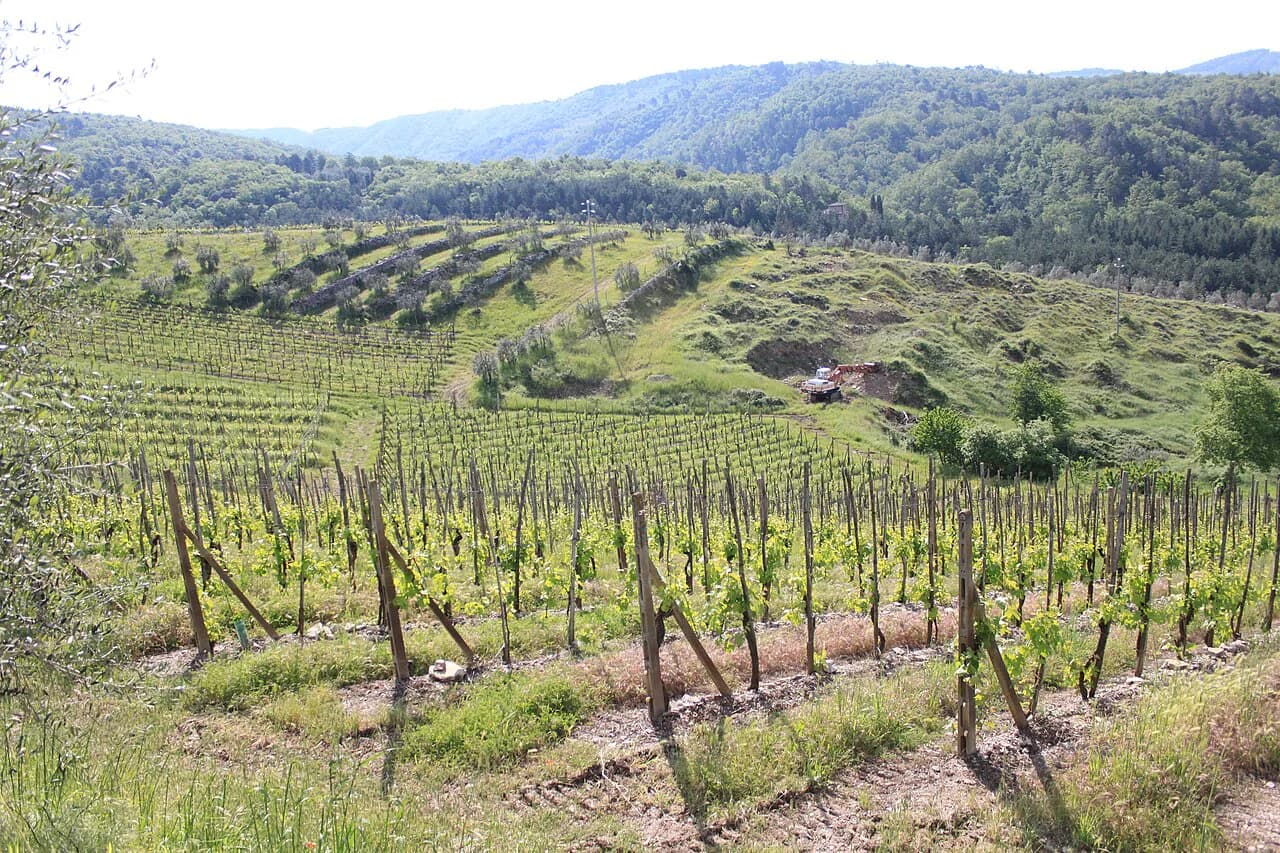
The company describes itself as winegrowers since 1973 and now farms roughly 500 hectares across Tuscany, including over 200 hectares of vines. For a visitor that scale matters: this is a working estate with multiple cellars and a hospitality arm, not a small family cantina with one tasting table.
If you are comparing options across the province, the broader picture of wine tasting in Siena helps you decide whether to build a day around one large estate or string together smaller ones.
Where the Estate Actually Is: Le Macìe, Castellina in Chianti
The estate's published address is Loc. Le Macìe 45, 53011 Castellina in Chianti (SI), in the southern part of Chianti Classico between Siena and Florence. Castellina itself is a small hill town with a compact center, so the winery sits in countryside just outside it rather than in the village streets.
For a day trip from Siena, this is a comfortable base to work from: you can pair the visit with the town of Castellina and the SS222 Chiantigiana road that threads through Radda, Greve and Panzano. Because the last stretch is rural, the practical question is how you cover the final kilometers, not how you reach the region.
The Layout to Plan Around: Six Estates, Two Regions
Rocca delle Macìe owns six estates. Four lie in Chianti Classico around Castellina, including Tenuta Le Macìe where the story began, Tenuta Sant'Alfonso, Tenuta Fizzano and Le Tavolelle, and two sit in coastal Maremma: Tenuta Campomaccione and Tenuta Casa Maria.
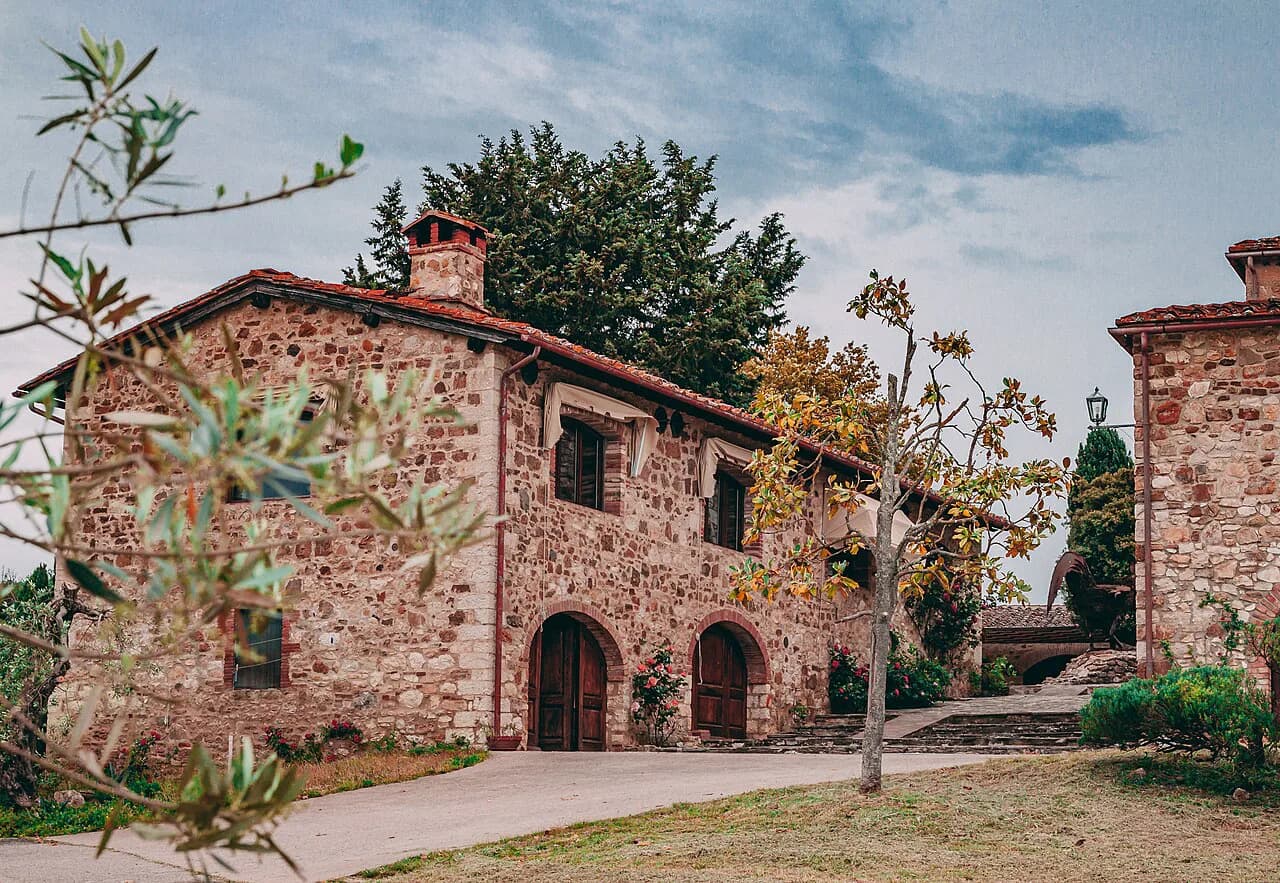
This matters for booking because hospitality is concentrated at Tenuta Fizzano, home to the Relais Riserva di Fizzano and the estate's restaurants, while Le Macìe remains the operational heart. When you contact the winery, state clearly that you want a visit in Chianti Classico near Castellina, not a Maremma property, since the name Rocca delle Macìe appears on bottles from both regions.
Fizzano's role as the hospitality center, with its relais and restaurant, is confirmed on the winery's own site, which is the page to read before deciding whether to stay on the estate or return to Siena after tasting.
Wine Styles Worth Knowing Before You Book
The core of the range is Chianti Classico DOCG and Chianti Classico Riserva DOCG, both built on Sangiovese, the grape that gives the zone its firm acidity and savory red-fruit character. The annata is the standard bottling released earlier; the Riserva carries a longer oak and bottle aging requirement, which usually means more structure, more tannin and a wine that rewards food.
Beyond the two Chianti Classico tiers, the estate makes Super Tuscan-style blends from its Castellina vineyards and a separate range of red, white and rosé Maremma wines from the coastal estates. Maremma plantings include Sangiovese, Cabernet Sauvignon, Merlot, Syrah, Chardonnay and Vermentino, so a tasting there leans broader than pure Sangiovese.
A retailer listing for the Chianti Classico describes the entry bottling in general terms, but treat shop pages as shopping information rather than tasting guidance, and judge the style against what the host pours on the day.
Visits and Tastings: Choosing Among the Published Formats
The winery publishes a menu of named experiences rather than a single tour, including Tasting, Discovery, Classico, Gran Cru, Icon, Origine and Vintage Expressions, plus themed options such as Wine & Wings, Tuscan Flowers, Passo dopo Passo and the Oltre 3 and Oltre 5 experiences. Each itinerary includes a walk among the barrels in the historic and modern cellars, so even the shorter formats involve moving through the production rooms.
Treat the names as tiers: the simpler labels usually signal a seated tasting of current releases, while Gran Cru, Icon and Vintage Expressions point to older or top-of-range bottlings, and Passo dopo Passo and the Oltre options sit alongside the estate's restaurant kitchens. Ask which wines are poured in each format before you commit, because the site does not publish the pour lists, durations or per-person prices.
Group size changes what is realistic. A party of two can usually be slotted into a shared format, while six or more may be offered a private arrangement or a food-led experience; say how many are coming and whether anyone is not drinking.
Booking the Visit: Channel, Timing and What to State
Reservations run through the estate's own channels: the visits and tastings section of its website, the email address info@roccadellemacie.com, or the phone number +39 0577 7321. Write before you build the rest of your day around a slot, and request visit times and tasting fees along with the booking in the same message.
A good request states your date, preferred time window, number of guests, which experience name appeals to you, whether you want a cellar walk and whether you need a table afterwards. Mention any language preference and any dietary restrictions if food is involved, and ask for confirmation of the meeting point and where to park.
Harvest, generally late September into October, is the most atmospheric but least predictable period for cellar access, and weekends fill before weekdays. If your dates are fixed, send the request well ahead and keep one alternative estate in reserve.
Grouping the Day Around a Castellina Visit
Castellina in Chianti sits on the Chiantigiana route, so a natural day pairs the estate with the town's own enoteche and then either Radda or Greve. Two wineries plus a lunch stop is a realistic maximum if someone is driving; three is a rushed day once you account for rural roads and appointment times. If your second appointment heads south beyond Siena, wine tasting in Montepulciano makes a useful comparison for judging how much driving a shared day can absorb.
If you want a second benchmark producer for comparison, Antinori nel Chianti Classico near San Casciano in Val di Pesa is a very different, architecture-led visit, and reading up on it helps you judge how much of your day to give to a single estate.
Travelers who would rather not drive can compare structured Siena wine tours, which solve the transport problem at the cost of fixed itineraries and set departure times.
Getting There Without Driving from Siena
There is no station or dedicated bus stop at the estate gate, so a car-free visit means combining a bus or train toward the Chianti towns with a taxi for the final rural stretch. Buses from Siena run toward Castellina and the Chiantigiana corridor, but check current lines and timetables with the local bus company before relying on them, since schedules change by season.
The cleanest car-free option is a pre-booked taxi or a private transfer both ways, arranged for a fixed return time; ask the winery whether they can suggest a local operator when you book. Cycling the Chiantigiana is possible for fit riders, but the hills and heat make it a poor match for a tasting day unless you have a support plan.
Whoever is driving should not taste: use the spittoons, appoint a designated driver, or book a tour or transfer so everyone in the group can enjoy the glass.
Independent Trip or Guided Chianti Tour
For a single estate with a confirmed appointment, going independently usually wins: you control the timing, can linger over the cellar walk and can add a village stop on a whim. Choose a guided Chianti Classico tour when you want two or three estates in one day, need someone else to drive, or would rather have the logistics and reservations handled for you.
The trade-off is flexibility against certainty. Tours lock in departure times and a set lineup of producers, while independent travel leaves the booking, parking and rural navigation to you, which is manageable for one estate and tiring for three.
Eating and Staying on the Estate
Rocca delle Macìe runs two restaurants, Oltre Osteria and Passo dopo Passo Osteria, both under chef Maurizio Bardotti and presented as part of the family's hospitality offer alongside the tastings. Oltre Osteria opened in September 2025, so check current service days and whether lunch can be attached to a tasting when you book directly with the estate.
The Relais Riserva di Fizzano lets you stay in the heart of Chianti Classico rather than driving back to Siena after a long lunch, which is the simplest answer to the designated-driver problem. Rates and availability are not published here; ask the estate directly or book through its hospitality pages.
If you would rather keep Siena as your base, an evening in a Siena wine bar is an easy way to extend the day without adding rural driving after dark.
When to Go and How to Taste Well
Spring and early autumn give the best balance of open roads and working vineyards, while midsummer heat makes a morning appointment kinder than an afternoon one. Harvest adds activity in the cellars but also congestion on the Chiantigiana, and many estates slow their visitor programs around the busiest picking weeks.
In the glass, focus on the difference between the annata and the Riserva: the first shows Sangiovese's bright acidity and firm grip, the second adds oak and bottle time for more depth and a longer finish. Ask the host how the Riserva was aged and which vineyard parcels went in, and use the spittoon so you can keep comparing.
Remember that bottles sold at the estate may differ from what you find at home, so note the vintage and the exact wine name if you plan to look for it later; a retailer page is a useful record of the label rather than a guarantee of what is stocked near you.
Plan Your Visit
Start with an email to the estate stating your date, party size and the experience tier you want, and ask directly for prices, duration, opening days and the meeting point. Build the rest of the day around a confirmed slot, keep one backup producer in reserve, and decide early whether you are driving, taking a taxi or joining a tour.
Used that way, Rocca delle Macìe works well as the anchor of a Chianti Classico day from Siena: a substantial, family-run estate with cellar walks, a published tasting menu, food on site and beds if you want them.
Frequently Asked Questions
Where is Rocca delle Macìe located?
The estate is at Loc. Le Macìe 45, 53011 Castellina in Chianti (SI), in the southern part of Chianti Classico between Siena and Florence. Hospitality, including the Relais Riserva di Fizzano and the estate restaurants, is based at Tenuta Fizzano in the same district. The company also owns two estates in Maremma, so confirm which property your booking refers to.
Can you visit Rocca delle Macìe for a tour and tasting?
Yes. The winery publishes a range of named experiences, several of which include a walk among the barrels in its historic and modern cellars. Contact the estate to find out which wines are poured in each format, how long it lasts and what it costs, because those details are not published on the site.
What wines does Rocca delle Macìe make?
The core wines are Chianti Classico DOCG and Chianti Classico Riserva DOCG from Sangiovese grown around Castellina, alongside Super Tuscan-style blends and a separate range of red, white and rosé Maremma wines. The Maremma vineyards include Sangiovese, Cabernet Sauvignon, Merlot, Syrah, Chardonnay and Vermentino.
How far is Rocca delle Macìe from Siena?
It is in the Castellina in Chianti area, west of Siena along the Chiantigiana corridor, and a realistic drive of about an hour depending on your route and traffic. Public transport does not reach the estate gate, so plan a bus or train toward Castellina plus a taxi for the last stretch, or book a transfer.
Do you need a reservation to taste at Rocca delle Macìe?
Treat visits as appointment-based and request a slot before you finalize your day. Write to info@roccadellemacie.com or call +39 0577 7321 with your date, time window, group size and the experience you prefer, and ask for confirmation of hours and the meeting point.
Can you stay at Rocca delle Macìe?
Yes. The family runs the Relais Riserva di Fizzano at Tenuta Fizzano, plus two restaurants, Oltre Osteria and Passo dopo Passo Osteria. Ask the estate for current availability and rates, and check whether lunch can be combined with a tasting on the same visit.
Is Rocca delle Macìe Chianti Classico a good wine to buy?
That depends on what you like rather than on a score. The annata is a fresh, firmly structured Sangiovese for everyday food, while the Riserva sees longer aging and suits richer dishes. Taste both at the estate if you can, note the vintage and exact label, and decide from the glass rather than from shop shelf talkers.
Sources
Notes for your next wine trip
Optional updates to our winery and wine-town guides.
You might also like
Continue reading
More guides you'll find useful