Antinori nel Chianti Classico: Siena Tours & Tastings Guide
Plan a day at Antinori nel Chianti Classico in Bargino: tour formats, tasting sessions, restaurant hours, booking rules and car-free arrival options.
On this page
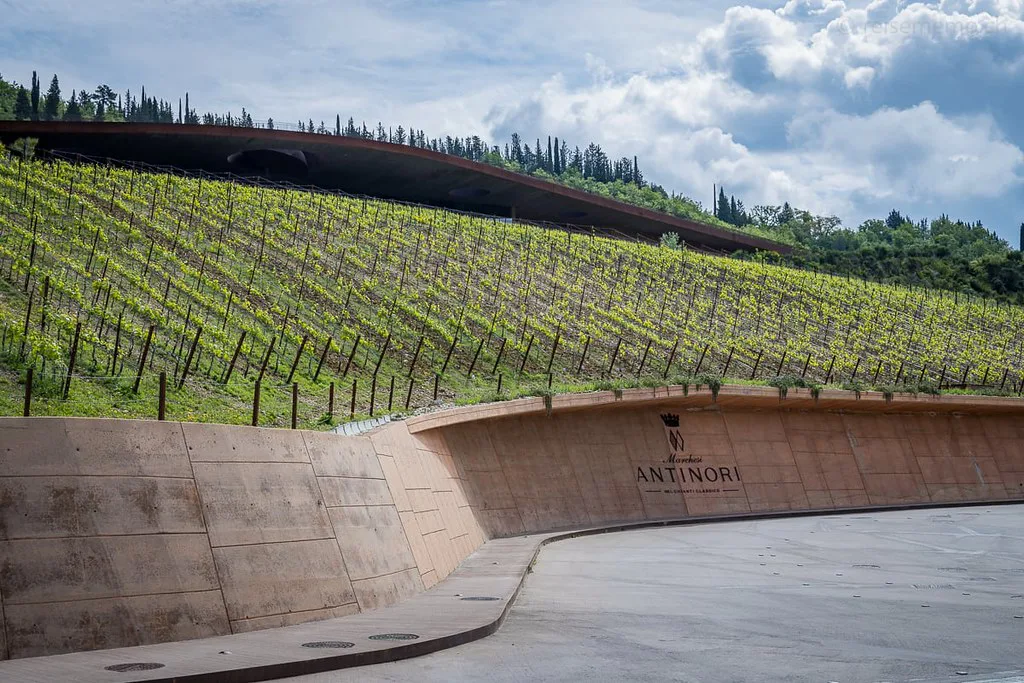
Antinori nel Chianti Classico is the Antinori family's reception winery at Bargino, in the commune of San Casciano in Val di Pesa, and it was designed from the outset as a place for visitors rather than a working cellar that tolerates them. The Antinori site dates the opening to 25 October 2012 and describes the cellars dug into the hillside with only two long horizontal cuts showing on the surface, which is why the building reads as landscape rather than architecture from the road. Treat it as a bookable visit, not a village enoteca you drop into between other stops.
Bargino sits on the Via Cassia per Siena south of Florence, which puts it within easy reach of a Siena or Florence base but not inside the Chianti Classico village circuit of Greve, Panzano and Castellina. That geography shapes the day: Bargino works well as a morning or early-afternoon anchor, with the hill villages slotted around it rather than the other way round. If you are building a broader trip, our guide to wine tasting in Siena sets out the base-town logistics.
Why Bargino Draws Wine Travelers
This is a large, architecturally ambitious winery built to receive the public, and the visit reflects that scale: a dedicated reception about 200 meters from the main building, a wine shop and tasting rooms, a rooftop restaurant and museum collections, all under one roof. First-time visitors expecting a farmhouse cellar should reset expectations, because the experience here is closer to a designed visitor center than a rustic cantina. The Antinori page notes the property was ranked first among the World's Best Vineyards in 2022, which explains part of the traffic.
One practical consequence of that popularity: the winery states that on busy days or during private events, access for visitors without a reservation may be restricted. In practice that means choosing a tour or a seated tasting in advance, rather than turning up and hoping to join the next departure. If your trip hinges on this one stop, book before you fix the rest of the itinerary.
Where Bargino Sits Relative to Siena, Florence and the Chianti Villages
Bargino lies along the Via Cassia per Siena, the road that links Florence with Siena, so it is easiest from either city rather than from the heart of the Chianti hills. The classic Chianti Classico villages, Greve in Chianti, Panzano and Castellina, sit west and south along the SS222 Strada Chiantigiana, which makes them a natural second stop rather than a combined morning. Plan the drive between Bargino and Greve generously; these are slow hill roads, not motorway.
From Siena, Bargino is a straightforward run north on the main Florence road; from Florence it is a shorter hop south. Because the winery sits close to the highway corridor, a car or a pre-booked transfer handles it more efficiently than stringing together local buses through the villages. For alternatives closer to Siena itself, the wineries in Siena guide covers estates that are easier to reach from the city.
The Three Tour Formats Compared
Antinori publishes three guided tour programs plus a bespoke private option, and the tiers differ mainly in depth and in how many wines you taste. The Tinaia visit covers the family history, how a wine is made and the building's architecture, closing with three representative Antinori wines. It is the lightest introduction and the sensible choice if you have another cellar booked the same day.
The Bottaia tour goes deeper into parts of the building most visitors never see and ends with four wines, served either in the hall that appears to float above the barrels or in the Bottaia salon. Choose it if you want the architecture story and a slightly longer tasting without committing a whole afternoon. The CRU visit is the fullest: it focuses on the production philosophy and several flagship crus, with seven wines and a lunch at Rinuccio 1180 afterward.
Tour fees are not published in a stable, quotable form here, so check the booking page for the current tariff when you reserve rather than budgeting from secondhand figures. What is fixed is the structure: three wines, four wines, or seven wines plus lunch. Match the tier to how much time you can give the visit, not to the price alone.
Seated Tastings in the Wine Shop
Beyond the guided tours, the winery runs guided seated tastings in a room next to the wine shop, and reservations are required. Two programs are listed: Storie di Toscana, framed as a tasting tour through selected Antinori wines from Tuscan estates, and Il Vignaiolo, which works through wines from the family's historic properties. These suit travelers who want the wines without the full cellar walk.
The wine shop itself also pours wines by the glass alongside bottles, specialty foods and regional products, which gives you a low-commitment way to sample if the seated sessions are full. Treat the shop pour as a taster rather than a structured visit: no commentary, no cellar, no sequence. If you want the story behind the bottles, book a tasting or a tour instead.
Booking Mechanics and Languages
Reservations run through the Antinori booking engine, which lets you pick a date, choose adults, minors and children separately, and select a language; the engine lists Italian and English. Availability can show as closed on days the winery is shut, so if your chosen date returns nothing, adjust the date before assuming the tour is sold out. Group composition matters for pricing and seating, so enter the real number of adults and children rather than a rough figure.
Private and custom visits are offered as a separate request rather than a standard product, which is the route for larger parties or specific interests. Minimum party sizes, cancellation terms and any deposit rules are set at booking and are not published as fixed text, so read the confirmation carefully before paying. Same-day walk-ins are the common failure point: with hourly departures selling out, arriving without a slot is a gamble, not a plan.
Opening Hours, Seasons and the Access Cut-Off
Opening hours follow a seasonal pattern rather than a single year-round schedule. In summer, April through October, tours run daily from 10:00 to 18:30; in winter, November through March, the pattern is Monday to Friday 10:00 to 17:30 and weekends 10:00 to 18:00, with building access from 9:45 until one hour before closing. Those last-entry rules matter more than the headline hours if you are driving in from Florence.
Third-party listings should be read with caution here. One travel guide shows a Wednesday closure and an earlier closing time, which does not match the schedule the winery publishes, so use the official page as your reference and confirm the date you intend to visit when you book. If a listing conflicts with the winery's own page, trust the winery.
Eating On Site at Rinuccio 1180
Rinuccio 1180 occupies the roof of the winery, reached by the external spiral staircase, and serves lunch from 12:00 to 16:00 on days the winery is open. It is a midday window only, so do not plan a dinner here; the restaurant closes when the lunch service ends. Booking a table around your tour slot is the practical move, especially for the CRU visit, which includes lunch.
The shop, the Bottega, keeps the same hours as the winery on all opening days, which makes it easy to combine retail and tasting before or after a meal. If you are arriving by public transport, lunch on site removes the need to hunt for food in Bargino, which is a small settlement with limited options. Build the meal into the day rather than treating it as an afterthought.
Getting There by Car and Parking
Driving is the simplest approach: approach on the Via Cassia per Siena toward Bargino and follow signs for the winery at Via Cassia per Siena 133. Parking arrangements vary by day, with on-site parking allowed on Sundays, public holidays and in winter, and an external car park opposite the entrance at other times. Reception for visits is roughly 200 meters away on foot, so allow a few minutes before your slot.
If you are driving, remember that the driver should not taste; use the spittoons, appoint a designated driver, or book a tour with transport so nobody in the group is caught out. The winery's pours are not the place to test your tolerance before a hill-road drive back to Siena. Plan the return leg before the first glass.
Getting There Without a Car
Public transport to Bargino is possible but needs sequencing. The practical route described in travel guides is a bus from Florence toward Siena, alighting at the Bargino stop, then a walk of roughly 15 minutes along the Via Cassia per Siena to the winery. Bus schedules vary, especially at weekends, so confirm the specific departure and the last return before committing to a fixed tour time.
A taxi from Siena or Florence is the other no-car option, more expensive but far more predictable: give the driver the full address at Via Cassia per Siena 133, Bargino, and ask for an estimate before setting off, because the fare swings with the starting point. Ask the driver to return at a fixed time, since taxis are not waiting at the door in Bargino. If you are combining a visit with a broader Chianti itinerary, the siena wine tours comparison covers operators that bundle transport.
Independent Visit or Guided Chianti Tour
Going independently gives you control over the tour tier and lets you linger in the shop and restaurant, but it puts the driving, parking and timing on you. A guided Chianti Classico tour removes those logistics and often adds a second or third winery in the surrounding hills, at the cost of flexibility and usually a fixed itinerary. If Bargino is your only cellar, go independently; if you want three estates in a day, let someone else drive.
Grouping Bargino with the wider district works best when you treat the villages as a separate half-day. Greve, Panzano and Castellina reward unhurried wandering, and Badia a Passignano, another Antinori-linked site, sits in the Chianti hills rather than on the Florence-Siena road. Trying to fit all of that around a timed tour at Bargino usually produces a rushed, unsatisfying day. If you would rather swap the hill villages for a walled hill town, our wine tasting in San Gimignano guide covers Vernaccia cellars and winery tours.
What to Taste and What the Estate Grows
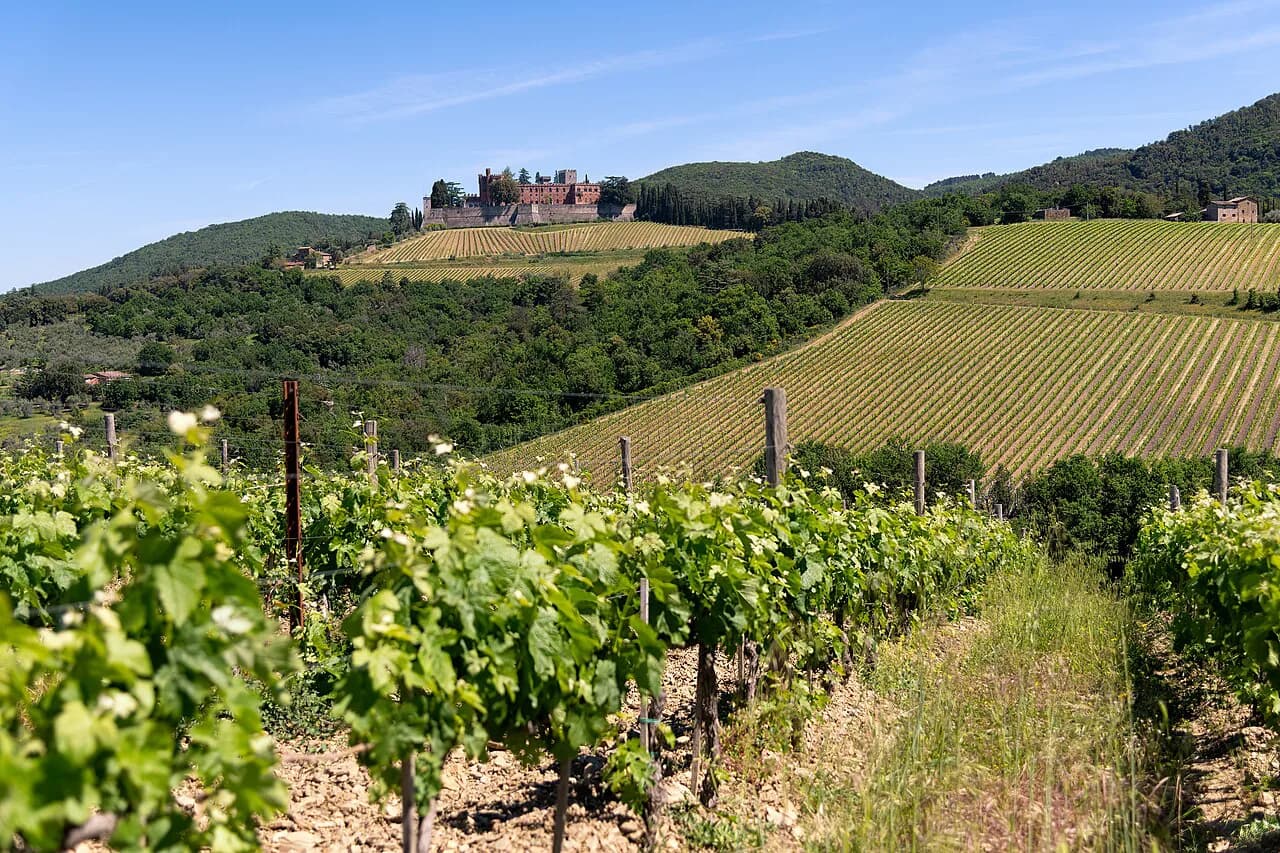
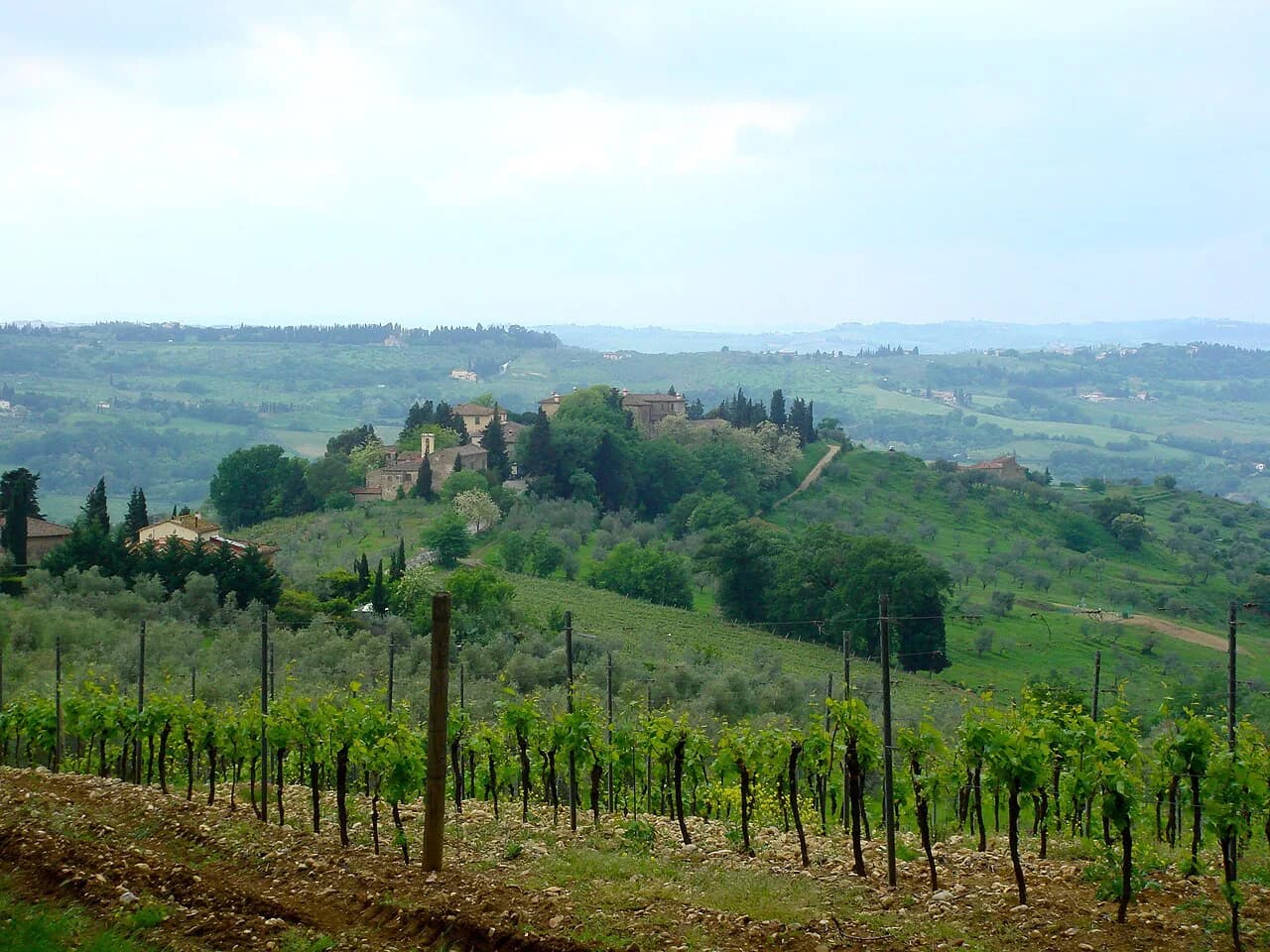
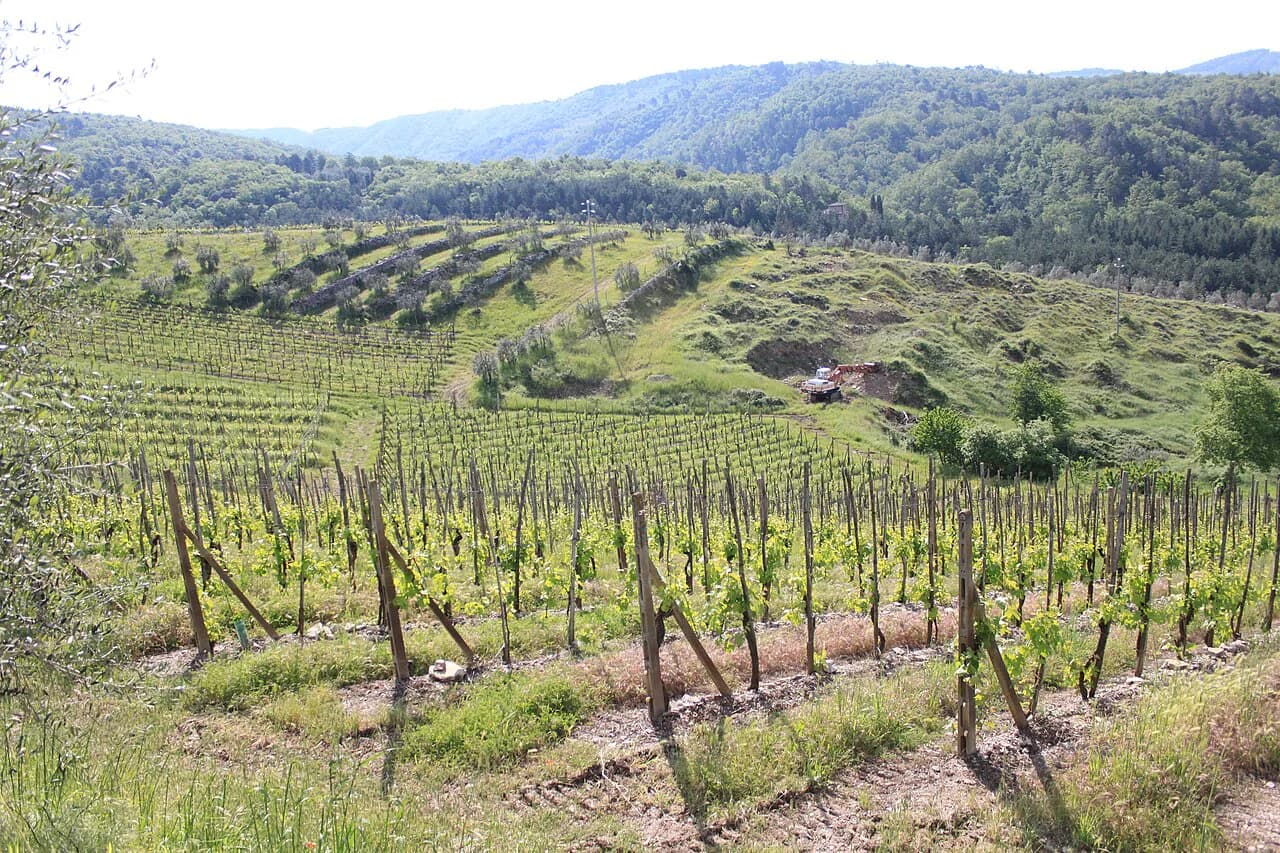
The surrounding vineyards are planted mainly to Sangiovese, the grape behind Chianti Classico, alongside traditional companion varieties Canaiolo, Ciliegiolo, Colorino, Malvasia nera and Mammolo, with a small share of Cabernet Sauvignon and Cabernet Franc. The Antinori wines poured at Bargino include Pèppoli Chianti Classico, Villa Antinori Chianti Classico Riserva and the Chianti Classico Riserva, plus a Vinsanto del Chianti Classico. Knowing this helps you choose between the three-wine and seven-wine formats.
Chianti Classico is the historic core of the Chianti zone between Florence and Siena, and its wines must be Sangiovese-dominant; Riserva indicates longer ageing before release. The family's flagship labels, including Tignanello, sit well above entry-level Chianti Classico in price, which is why they appear rarely or not at all on standard tour tastings. If a specific wine matters to you, ask when booking which pours the tier includes.
Budgeting the Day
Published figures for tour fees are not available in a stable form, so budget from the booking page at the moment you reserve rather than from older trip reports. What is predictable is the shape of the spend: a tour tier, possibly a seated shop tasting, lunch at Rinuccio 1180 and any bottles you carry away. Set a ceiling for the shop before you taste, since the range spans entry-level Chianti Classico to the family's top labels.
Restaurant pricing and glass pours in the shop are quoted on site and at the counter, not fixed in advance, so treat any figure you read elsewhere as historical. Ask at reception what the current tour tariff includes before paying, particularly whether the CRU lunch is bundled or charged separately. That single question prevents most budget surprises.
A Sample Half-Day and Full-Day Plan from Siena
For a half-day, leave Siena mid-morning, drive north to Bargino, and book the Bottaia tour with a lunch reservation at Rinuccio 1180 immediately after; you are back in Siena by late afternoon. This suits travelers who want one substantial visit without a full day on the road. Book both the tour and the table together, since the restaurant only serves from 12:00 to 16:00.
For a full day, take the CRU tour with its included lunch, then drive the SS222 toward Greve or Panzano for a late-afternoon walk and a light dinner, ending in Siena. Alternatively, swap the second stop for a Siena wine bar evening back in town, which avoids a second hill drive. Either way, keep the Bargino slot fixed and let the rest of the day flex around it.
Planning Mistakes Worth Avoiding
The three recurring errors are assuming walk-in tours, misjudging the access cut-off, and underestimating transfer time on hill roads. Tours are timed departures that can sell out days ahead, entry stops an hour before closing, and the drive from Siena or Florence is slower than the map suggests. Fix the tour time first, then build transport and meals around it.
A fourth mistake is treating Bargino as interchangeable with the Chianti village cellars. It is a designed visitor winery with a fixed program, whereas Greve and Panzano offer smaller estates and walkable town centers; both are worth doing, but on different days. Mixing them into one rushed loop is the fastest way to enjoy neither.
Plan Your Visit
Antinori nel Chianti Classico works best when you decide the tour tier first and everything else second: three wines for a light introduction, four for the architecture and a longer tasting, seven with lunch for a full commitment. Reserve through the official booking engine, pick a language, and lock in a Rinuccio 1180 table inside the midday window.
Then settle transport honestly: drive and park, take the bus toward Siena with the walk from Bargino, or book a taxi or tour so the driver can taste. Confirm the day's hours and the current tour tariff when you book, and keep the rest of your Chianti Classico exploring for a separate, slower day.
Frequently Asked Questions
Do you need to book Antinori nel Chianti Classico in advance?
Yes, for anything structured. Tours run on timed departures that can sell out, the seated wine shop tastings require reservation, and the winery states that access for visitors without a booking may be restricted on busy days or during private events. Book through the official site before fixing the rest of your itinerary.
How do you get to Antinori nel Chianti Classico without a car?
Take a bus from Florence toward Siena and get off at the Bargino stop, then walk about 15 minutes along the Via Cassia per Siena to the winery, confirming schedules and the last return in advance. A taxi from Siena or Florence is faster and more predictable; ask for a fare estimate and arrange the return pickup.
How long does a tour at Antinori nel Chianti Classico take?
The published formats differ mainly in depth and number of wines: the Tinaia visit with three wines, the Bottaia visit with four, and the CRU visit with seven wines plus lunch at Rinuccio 1180. The winery's booking page gives the current duration and schedule for each option, so check there when reserving.
Is the Rinuccio 1180 restaurant open for dinner?
No. Rinuccio 1180 serves lunch from 12:00 to 16:00 on days the winery is open, so it is a midday stop rather than an evening restaurant. Book a table around your tour slot, particularly if you choose the CRU format, which includes lunch.
What wines does Antinori produce?
The range is broad, from Chianti Classico bottlings such as Pèppoli and Villa Antinori Chianti Classico Riserva through Vinsanto del Chianti Classico, to estates across Italy and beyond. At Bargino the tasting tiers pour representative wines from the family's properties, while flagship labels sit at a higher level and are not guaranteed on standard tours.
What makes a Chianti Classico?
Chianti Classico comes from the historic zone between Florence and Siena and must be Sangiovese-dominant, with Riserva indicating longer ageing before release. The vineyards around Bargino are planted mainly to Sangiovese alongside traditional companion grapes such as Canaiolo, Colorino and Malvasia nera, plus a small share of Cabernet varieties.
Can I visit Antinori nel Chianti Classico on a Sunday?
Generally yes, subject to seasonal hours and event closures. Winter hours differ from summer, and the building admits visitors only until one hour before closing, so confirm the date you want on the winery's own page when you book rather than relying on third-party listings.
Sources
Notes for your next wine trip
Optional updates to our winery and wine-town guides.
You might also like
Continue reading
More guides you'll find useful