Greve in Chianti Wine Tasting: Plan Your Siena Cellar Tour
Plan wine tasting in Greve in Chianti: Castello di Verrazzano tours, the September Chianti Classico fair and how to reach the cellars from Siena or Florence.
On this page
Greve in Chianti is a market town on the old Florence-to-Siena road, built around the arcaded Piazza Matteotti and surrounded by the vineyards that produce Chianti Classico. For a wine day it works as a base rather than a single stop: one estate tour on the doorstep, a town square that fills with tasting stands each September, and a ring of hill villages within a short drive. This guide separates the formats so you can book the right one before you arrive.
The two experiences visitors actually book in Greve are different in kind. Castello di Verrazzano, in the hamlet of Greti just below town, runs guided visits that you reserve in advance through the estate. The town's Chianti Classico fair, the Rassegna, is a walk-up event where you buy a glass and a ticket and taste at stands on the piazza. Choosing between them shapes your timing, your transport and your budget far more than any list of wineries.
Why Greve Works as a Chianti Classico Base
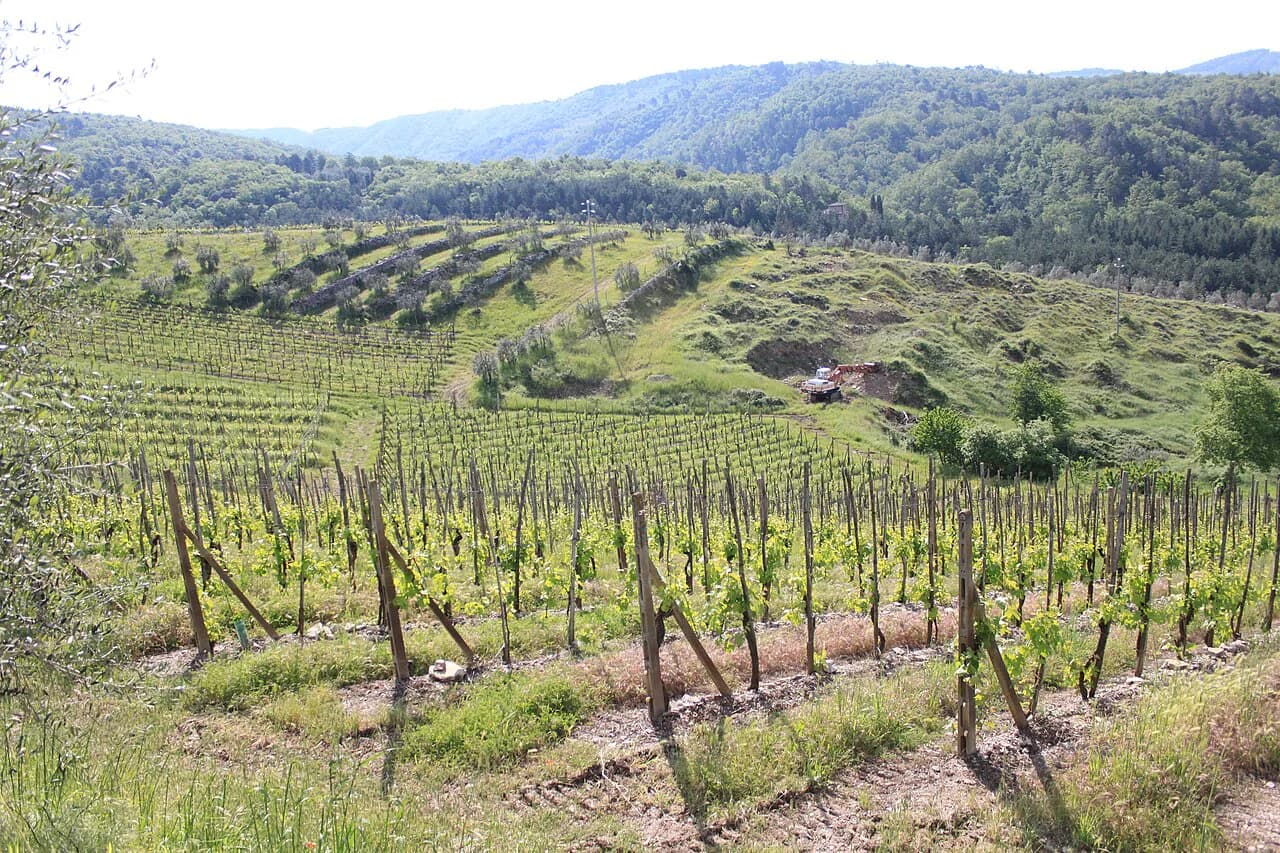
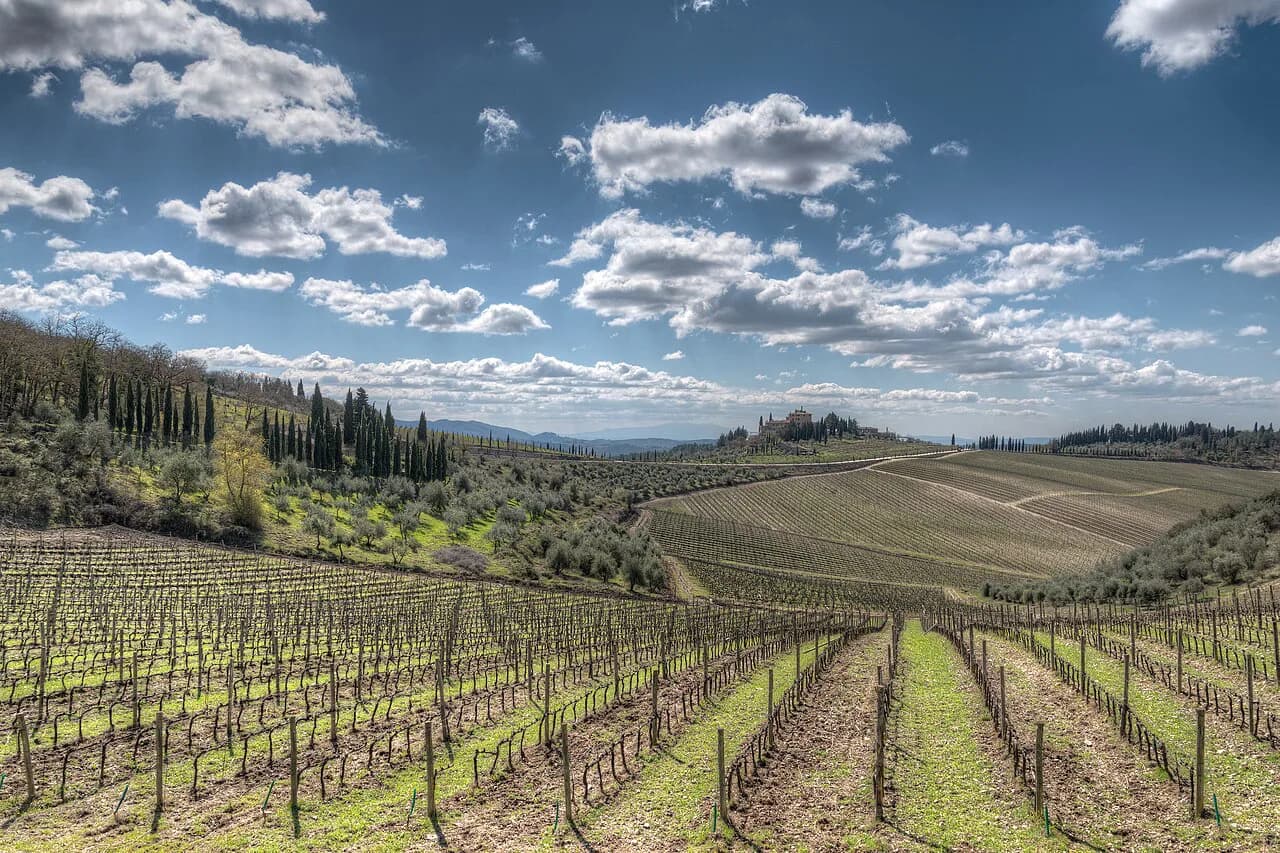
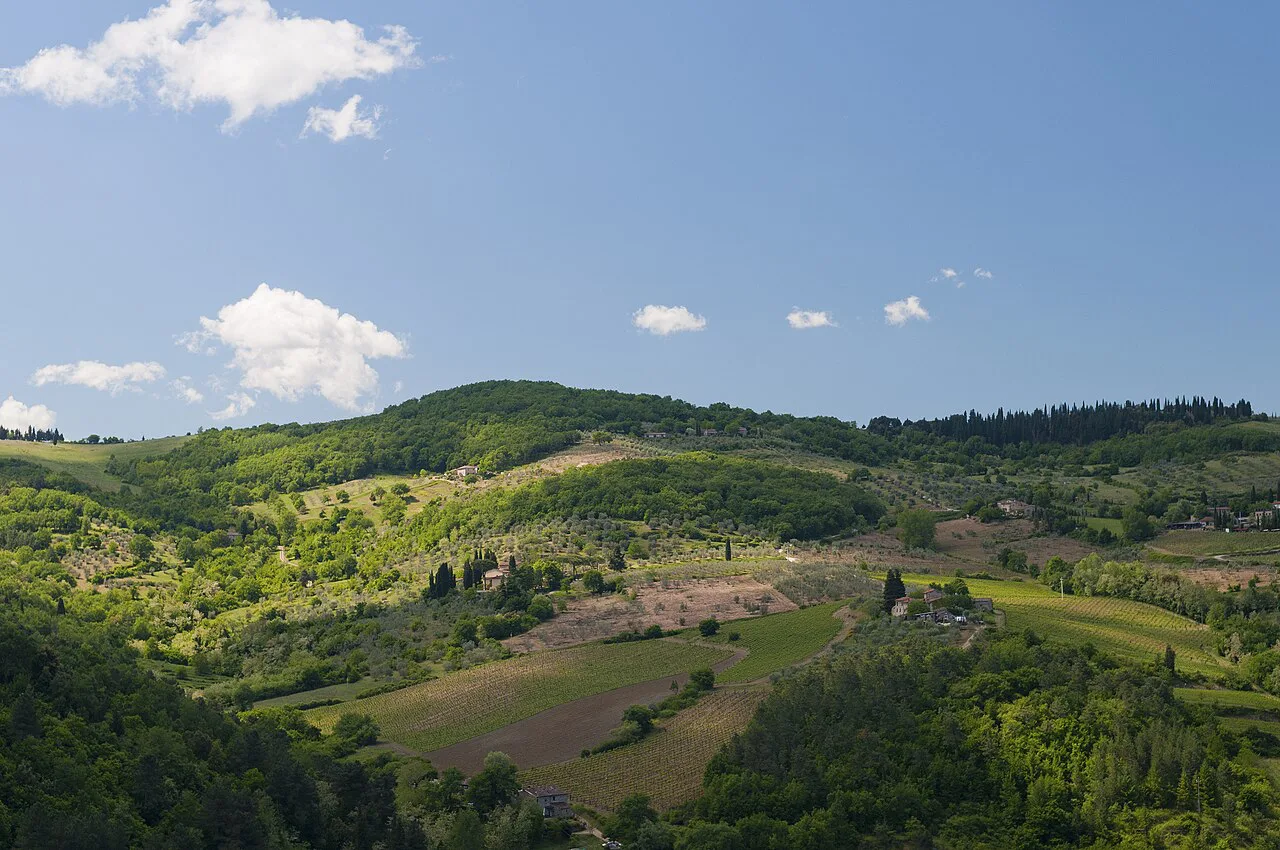
Greve sits in the Chianti Classico zone between Florence and Siena, with the Monti del Chianti ridge to the east and the classic vineyard hills to the south. The town itself is compact: Piazza Matteotti holds the butchers, bakeries and wine shops, and the surrounding countryside begins within a few minutes' walk. That layout makes it easy to combine a booked estate visit with an hour in town rather than treating the day as a single destination.
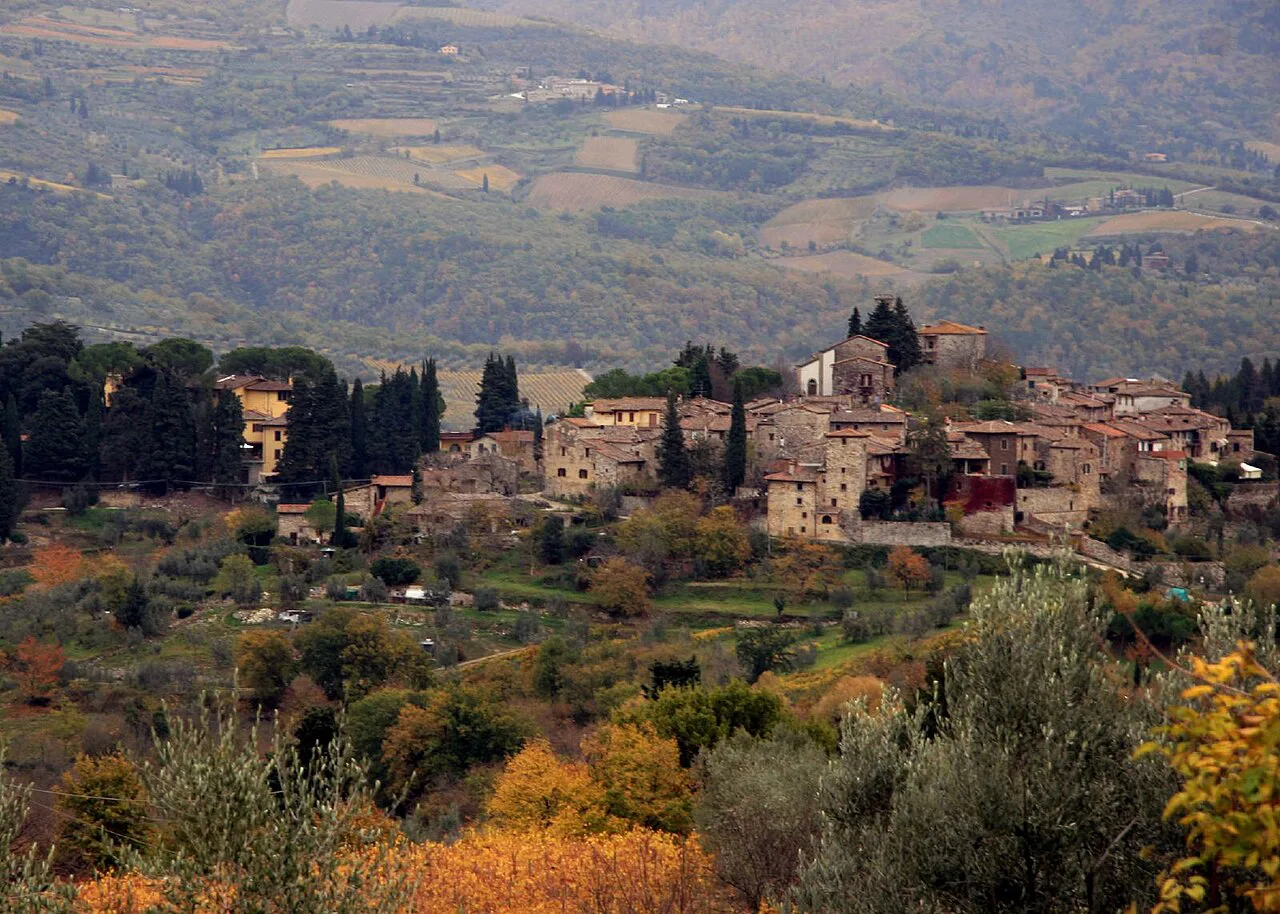
Think in small groups of villages rather than a long list. Greti, immediately below Greve, holds Castello di Verrazzano. Montefioralle, a walled hamlet on the hill above town, is a short climb by car or a steady walk on foot. Panzano in Chianti lies further south along the same road and runs its own wine festival, Vino al Vino, the week after the Greve fair. Grouping Greti, Greve and Montefioralle into one morning leaves Panzano for a separate outing.
If you are building a wider Chianti itinerary, Greve pairs naturally with Siena as a base for the southern half of the zone. Our guide to wine tasting in siena covers the city's own enoteche and the estates south of the Chianti hills, so you can split a trip between a Greve day and a Siena day without repeating the same drive. The same decision applies further south, where our wine tasting in Montepulciano guide covers the Nobile cellars of that hill town.
Chianti Classico in Brief: Sangiovese and the Black Rooster
Chianti Classico is a delimited zone, not a style of bottle, and its wines are built primarily on Sangiovese. The appellation covers the hills between Florence and Siena, and the black rooster seal on the neck of a bottle, the Gallo Nero, marks a wine made inside that boundary under the consortium's rules. Standard Chianti Classico is a wine for the table; Riserva denotes a longer aging period before release, which usually means a firmer, more structured wine.
That structure matters when you plan a tasting. Sangiovese's acidity handles olive oil, cured meat and tomato sauces, which is why the format at most Greve estates leans toward bread, salumi and pecorino rather than a long menu. When you book, ask whether the visit includes food and whether the pours are vertical (several vintages of one wine) or a spread across the range. The answer tells you more about the experience than the number of wines alone.
Castello di Verrazzano in Greti: The Booked Estate Tour
Castello di Verrazzano stands at Località Greti, a short hop from Greve's centre, and receives visitors by prior booking through its guided-tours page. The estate publishes a booking system online and an info line at +39 055 854243 for enquiries, and it also runs an agriturismo and a wine shop in Florence. Reserve before you fix your travel dates: the visit is the anchor of a Greve day, not something to slot in on arrival.
The estate's own page lists several guided experiences rather than one standard tour, and the booking form is where you choose among them. Details such as tour length, the number of wines poured and whether a meal is included vary by experience, so read the description attached to the option you select instead of assuming a fixed format. Prices are shown at the point of booking rather than on the general tours page, so start the booking flow to see the cost for your party size.
On the day, arrival logistics are simple: Greti is close enough to Greve that a taxi from Piazza Matteotti is a short ride, and walkers can manage the lane downhill from town, though the return climb is steady. Ask the estate at booking whether parking is available on site if you are driving, and whether the visit involves stairs in the cellars. For a group, a pre-booked car or minibus removes the question entirely.
The Rassegna del Chianti Classico: Tasting on Piazza Matteotti
Each September the Rassegna del Chianti Classico turns Greve's piazza into a tasting hall of stands pouring Chianti Classico from producers across the zone. The 2026 edition runs 10 to 13 September, with the fair held annually on the second weekend of September and the preceding Thursday and Friday. Thursday opens at about 5 pm, Friday to Sunday at about 11 am, and the stands close at about 8 pm.
The ticket mechanic is worth understanding before you queue. You buy a wine glass from the event secretariat along with a ticket that allows up to eight tastings at the stands, so the fair rewards a measured pace rather than a sprint. Glasses have been known to run short at busy moments, which is one reason to arrive early on the first evening. Because stands cluster in one square, you can taste across many producers without moving your car.
For the 2026 edition, the Greve fair is followed a week later by Panzano's Vino al Vino, which makes a two-weekend September trip feasible for anyone who wants both. Book accommodation in Greve or Panzano well ahead for those dates, since the towns are small and the fairs draw visitors from Florence and Siena. The event page is the place to confirm the current year's dates, start times and ticket arrangement before you travel.
Evening options around Greve exist outside the fair, including night tours that combine a driver with Chianti wine tasting in the surrounding countryside. They suit travelers staying in town without a car who want a cellar visit after dark, but they run on an operator's schedule rather than a winery's. Compare what the tour includes, especially whether tastings and a meal are part of the fee, before you commit.
Other Estates and Villages Around Greve
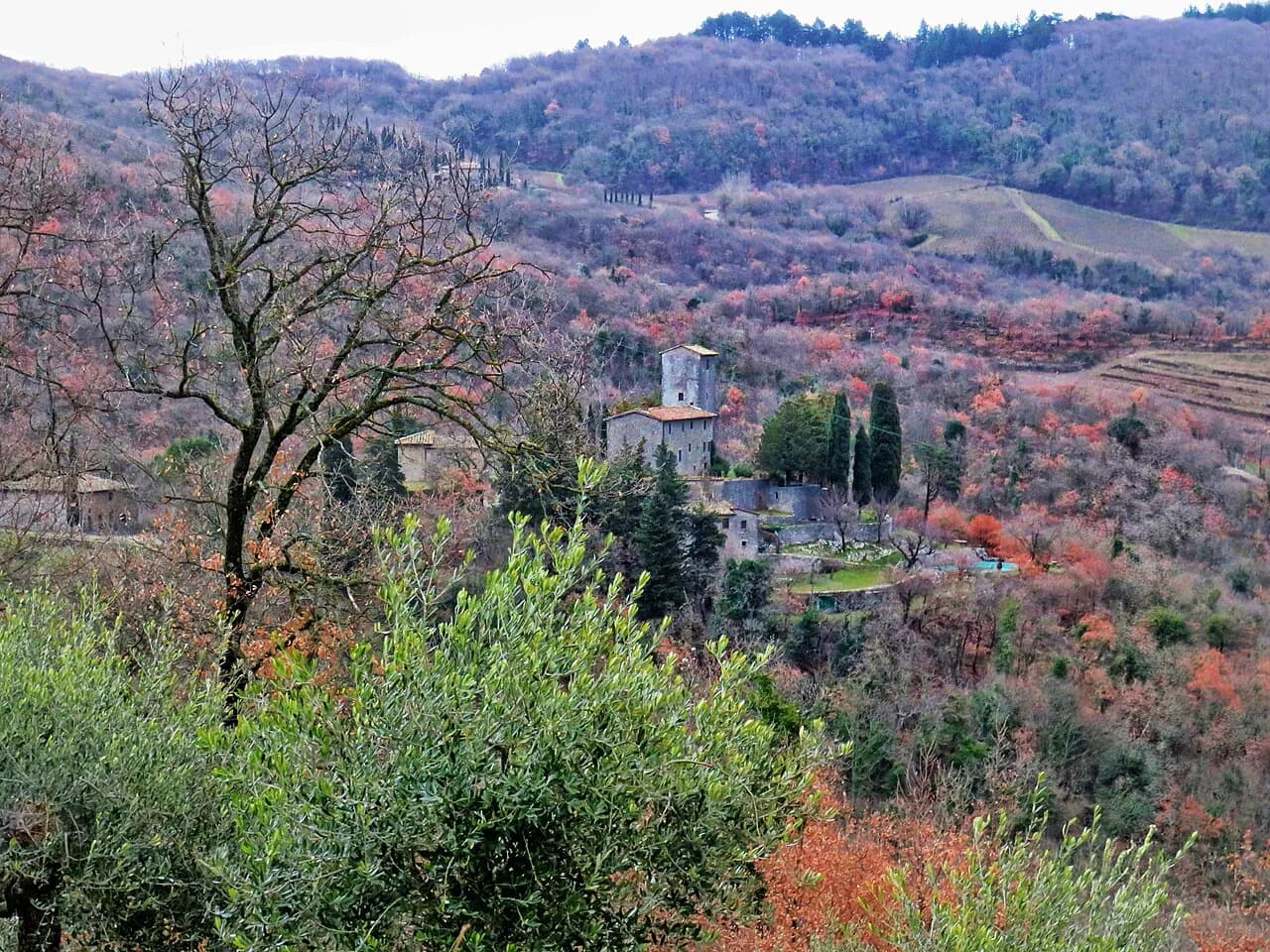
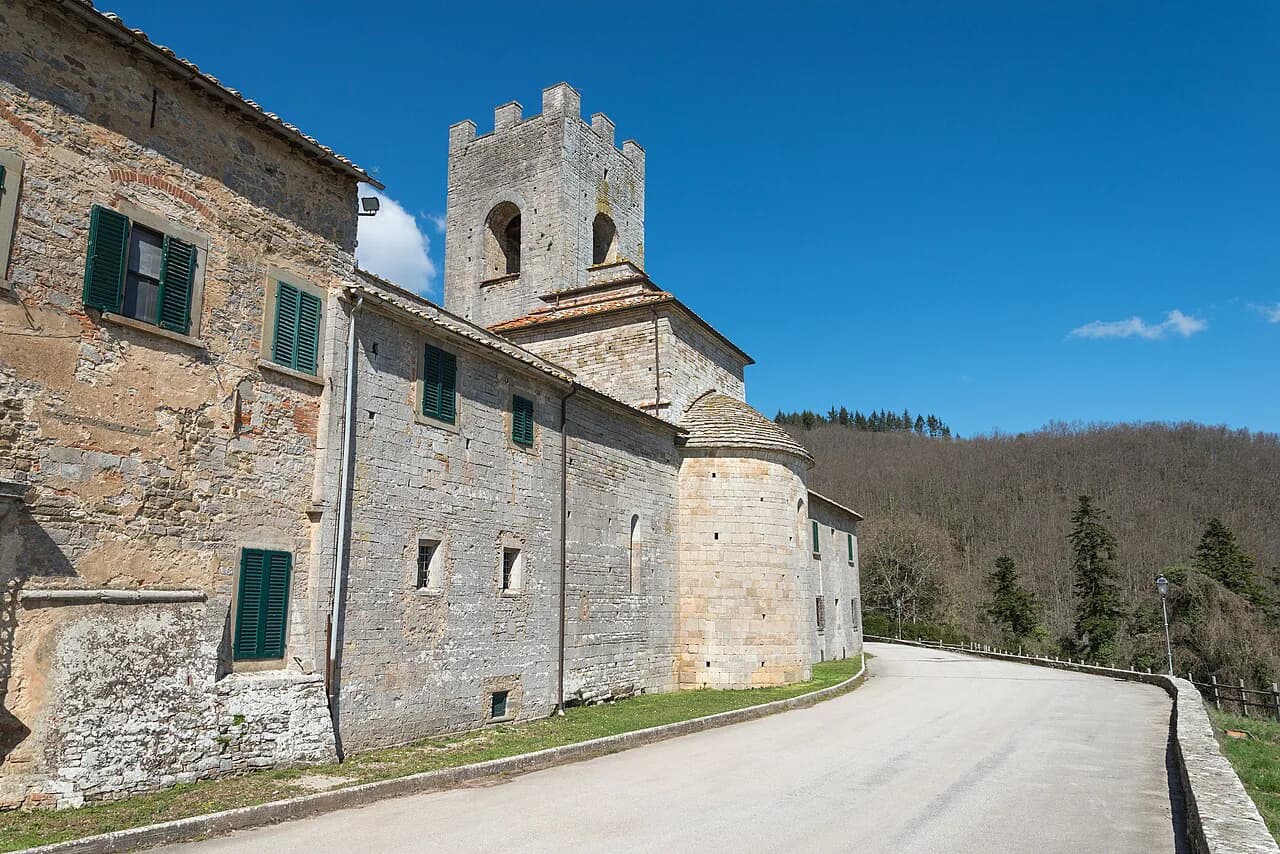
Beyond Verrazzano, the estate with a confirmed visitor program in the Greve area is Pieve di San Cresci, which receives guests at its estate and lists a tasting room alongside an expo pavilion. It sits in the countryside east of Greve near the Romanesque pieve of the same name, an area of smallholdings and wooded ridges. Booking ahead is the norm for estate visits here; the pieve itself is a worthwhile stop even outside a tasting appointment.
Montefioralle and Panzano are the two villages to add to a half-day loop. Montefioralle is a compact walled borgo with views over the Greve valley, reached by a short but steep road from town. Panzano sits about twenty minutes' drive south and has its own concentration of butchers, wine shops and estates. For a broader survey of estates with visitor programs across the province, our guide to wineries in siena covers the options south and west of the Chianti zone.
If your route runs from Florence toward Siena, the Antinori nel Chianti Classico facility near San Casciano in Val di Pesa makes a natural stop on the same day, with a visitor center built into the hillside. It is a different scale of operation from the family estates around Greve, and the contrast is instructive. Our guide to antinori nel chianti classico sets out what a visit there involves.
Getting to Greve Without a Car
Greve has no rail station, so public transport means buses along the Florence–Siena corridor, with connections from Florence's bus terminal and from Siena, plus local services up from Figline Valdarno on the Florence–Rome line. Timetables change by season, so check the current schedule for the day you plan to travel rather than relying on a remembered departure time. Bus travel is cheap and gets you into Piazza Matteotti, but the estates outside town then require a taxi or a long walk.
Taxis are scarce in Greve's centre and rarely cruise for fares, so arrange a return pickup when you book a cellar visit rather than hoping to find one at the end. A hired driver with a group solves the problem most cleanly: the cost is shared, the route can include Greti and Montefioralle, and nobody at the table has to stay dry. For a couple, buses plus a single booked transfer are usually the better balance.
A driver on a tasting day should not drink at all: use the spittoons that estates provide, appoint a designated driver, or join a tour or public transport instead. This matters more in Chianti than in a city, where the roads between villages are narrow and the drive back to Siena or Florence is long. Planning transport first, before the tasting, is the single most useful decision in a Greve itinerary.
Independent Visit vs Guided Tour from Siena or Florence
Driving yourself gives you the most control: you can add Montefioralle on a whim, linger at a hilltop viewpoint and reach estates that sit off the bus line. The price is a driver who cannot taste and the need to book cellar visits in fixed slots that may not align with your other plans. Parking in Greve is workable but tight on fair weekends, when the piazza and approach roads fill early.
A guided tour from Siena or Florence handles transport and often bundles two estate visits with lunch, leaving you free to taste. The trade-off is a fixed route and a group pace: you see the estates on the tour company's list, not the ones you chose, and time in each cellar is usually shorter than on an independent booking. Read the inclusions carefully, because some tours charge tastings separately from the transport fee.
A third route suits travelers based in town: stay in Greve, walk to a booked visit at Greti, and use a hired car only for the day you push south to Panzano. That splits the driving across a trip instead of concentrating it on one long loop. Wine bars in Siena offer a different, lower-commitment format if you would rather taste in the city; see our notes on Siena Wine Bars and Enoteche for how that works.
Booking Script: What to Ask a Greve Winery
Before you commit, confirm four things in one email or phone call: the length of the visit, how many wines are poured, whether food is included, and the minimum party size. Add the language of the tour if your group does not speak Italian, since smaller estates may run visits only in Italian at certain times. Verrazzano takes enquiries on its info line, and the online booking form for each experience answers most of these questions before you call.
Ask as well whether the tasting happens in the cellar or a tasting room, whether there are stairs, and whether children or non-drinkers can join at a reduced rate. For anyone with dietary restrictions, say so at booking rather than on arrival, since pairings are often prepared in advance. One confirmation call or email covering all of this is enough; there is no need to re-confirm a week before unless your numbers change.
Harvest and Season Notes
Harvest in Chianti Classico generally falls in September and early October, which coincides with the Greve fair and makes that period the liveliest and busiest of the year. Estate visits during harvest can mean a working cellar, with activity and sometimes restricted access, but the trade-off is a region at its most active. Book accommodation and cellar slots earlier than you would in spring.
Spring and late autumn bring quieter roads and easier tables, and estates are more likely to have space for a last-minute booking. Winter visits are possible but many small estates close their tour programs, so check opening periods before planning a December or January trip. Whatever the season, confirm the current schedule with the estate you intend to visit at the time of booking.
Where to Stay and Eat Around the Tasting Day
Greve's Piazza Matteotti has a cluster of butchers, bakeries and wine shops that make an easy lunch before or after a cellar visit, and the surrounding streets hold trattorie and osterie serving Chianti with local cured meats and ribollita. Staying in town puts the fair, the bus stop and the walk to Greti within reach, which simplifies a day built around tasting. Panzano and Montefioralle offer quieter stays on the hill.
Siena makes a practical base for a wider trip: it has more hotels, a rail station and a wine bar scene for evenings when nobody wants to drive. The city is about an hour by road from Greve, so a day trip is easy but a late evening requires transport planning. Our Siena Wine Bars and Enoteche guide is useful for choosing where to end the day in the city.
Plan Your Greve Tasting Day
Build the day around one anchor: a booked visit at Castello di Verrazzano in Greti, or the Rassegna del Chianti Classico if you are in town for the second weekend of September. Add Montefioralle or Panzano only if your transport allows it, and settle the question of who is driving before anyone lifts a glass. The town's compact layout rewards a slower plan over a long checklist.
Book the estate tour directly and early, buy the fair glass on the day, and use buses or a hired driver rather than improvising transport in the countryside. A short confirmation exchange covering timings, pours and food is enough to remove most of the uncertainty from the visit. For the rest of your Chianti planning, start with our wine tasting in siena overview and work outward from there.
Frequently Asked Questions
Where can you taste Chianti Classico in Greve in Chianti?
The two confirmed options in and around Greve are Castello di Verrazzano at Località Greti, which runs guided visits by prior booking, and the Rassegna del Chianti Classico, held on Piazza Matteotti each September with stands pouring Chianti Classico from producers across the zone. Pieve di San Cresci also receives visitors at its estate and tasting room in the countryside east of town. Book estate visits ahead and treat the fair as a walk-up event.
Do you need to book Castello di Verrazzano in advance?
Yes. The estate runs its visits through an online booking system with several guided experiences to choose from, and it also takes enquiries on its info line at +39 055 854243. Length, wines poured and food vary by experience, and prices appear at the point of booking. Reserve before you fix your travel dates so the visit anchors your day rather than competing with it.
What happens at the Chianti Classico wine festival in Greve?
Producers set up stands on Piazza Matteotti and visitors buy a wine glass from the secretariat along with a ticket that allows up to eight tastings. The fair runs in mid-September, generally Thursday evening through Sunday, with starts at about 5 pm on Thursday and about 11 am on the remaining days, closing at about 8 pm. Arrive early on the first evening, as the event has been known to run short of glasses at busy times.
Can you visit Greve in Chianti wineries without a car?
Greve has no rail station, so you reach it by bus from Florence or Siena, or from Figline Valdarno on the main line. Once in town, Castello di Verrazzano in Greti is close enough for a taxi or a steady walk, but estates further out need a taxi or a booked tour. Arrange a return pickup when you book, since taxis in town are scarce.
Is Greve in Chianti a good base for wine tasting in Tuscany?
It works well as a base because the town is compact, the Chianti Classico zone surrounds it, and the September fair brings many producers to one square. Siena is about an hour away and offers more hotels, rail connections and evening wine bars. Pairing a Greve day with Siena gives you both countryside estates and a city base.
What is the difference between Chianti and Chianti Classico?
Chianti Classico is a specific delimited zone between Florence and Siena, marked on the bottle by the black rooster seal, the Gallo Nero. The wines are Sangiovese-based, and Riserva indicates longer aging before release. Chianti more broadly covers a larger area with different rules, so read the label to see which you are buying.
When is harvest in Chianti Classico?
Harvest generally falls in September and early October, overlapping with the Greve fair. Working cellars can mean activity and occasionally restricted access at estates, but the region is at its liveliest. Spring and late autumn are quieter, and many small estates close their tour programs in winter.
Sources
Notes for your next wine trip
Optional updates to our winery and wine-town guides.
You might also like
Continue reading
More guides you'll find useful